Top 5 Commonly Bought Tank Busters: Should You Really Buy Them?
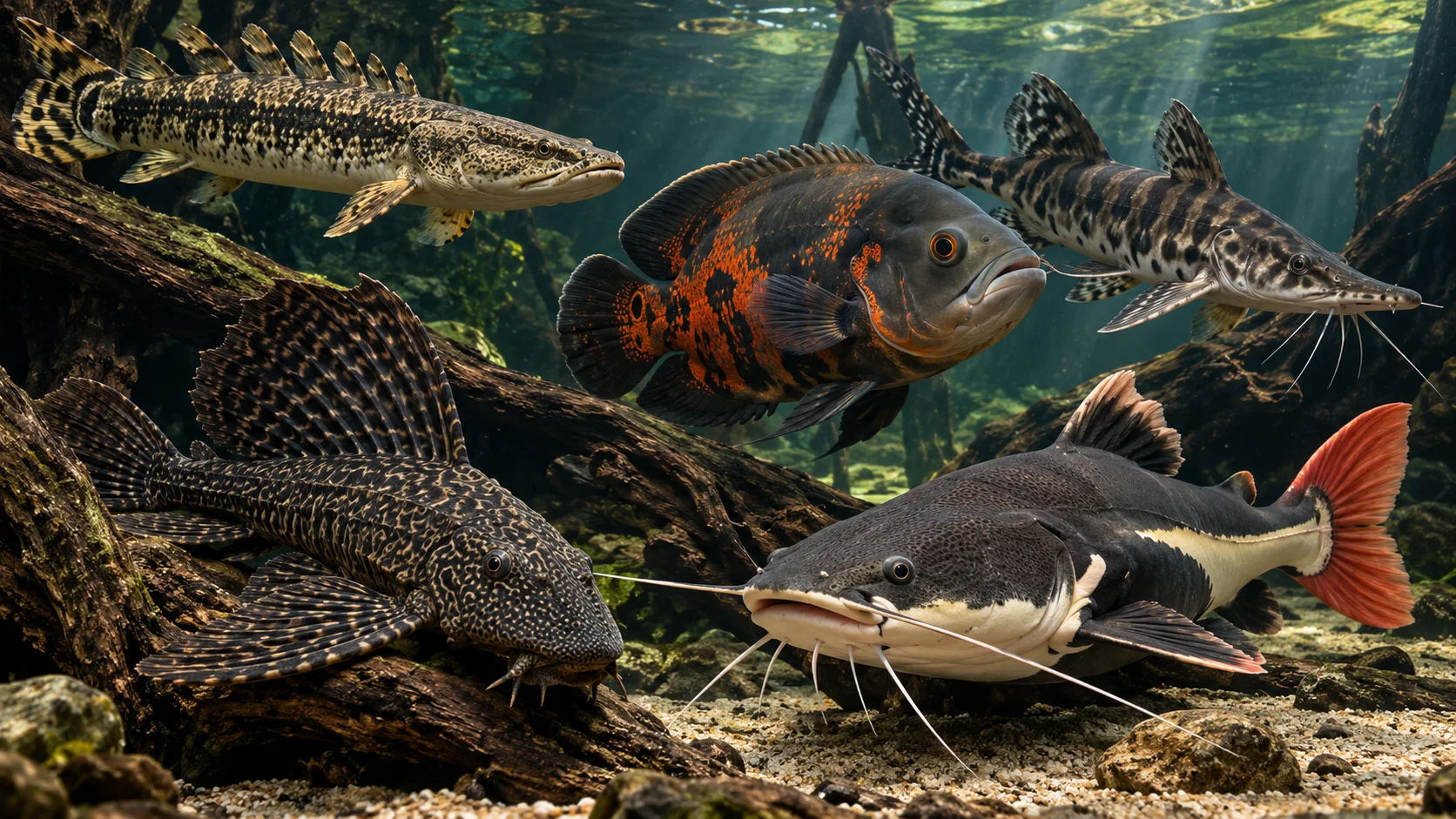
Some of the most impressive freshwater aquarium fish start life as small, attractive juveniles but eventually grow into enormous tank busters. From the popular Oscar and Gibbiceps Pleco to the giant Redtail Catfish, we explore five commonly purchased species, their adult sizes and whether they are really suitable for home aquariums.
Walk into many aquatic shops and you'll find an impressive selection of young tropical fish. Some are brightly coloured, others have unusual body shapes, and a few look like miniature monsters from another world. Unfortunately, some of these attractive little fish have the potential to become enormous.
These are often referred to as "tank busters" — fish that grow so large they eventually become unsuitable for the aquariums in which they were originally housed.
The problem isn't necessarily that these fish are difficult to keep when young. In fact, several are remarkably hardy and relatively straightforward to care for. The problem is what happens as they grow.
A fish measuring just 8cm in an aquatic shop could eventually exceed a metre in length. By that stage, finding a suitable aquarium, managing the filtration and providing an appropriate diet can become a serious challenge.
Here at Aquatic Specialist, we believe that choosing the right fish means understanding its adult requirements before bringing it home.
Let's look at five commonly purchased tank busters and ask the important question: should you really buy one?
1. Ornate Bichir (Polypterus ornatipinnis)
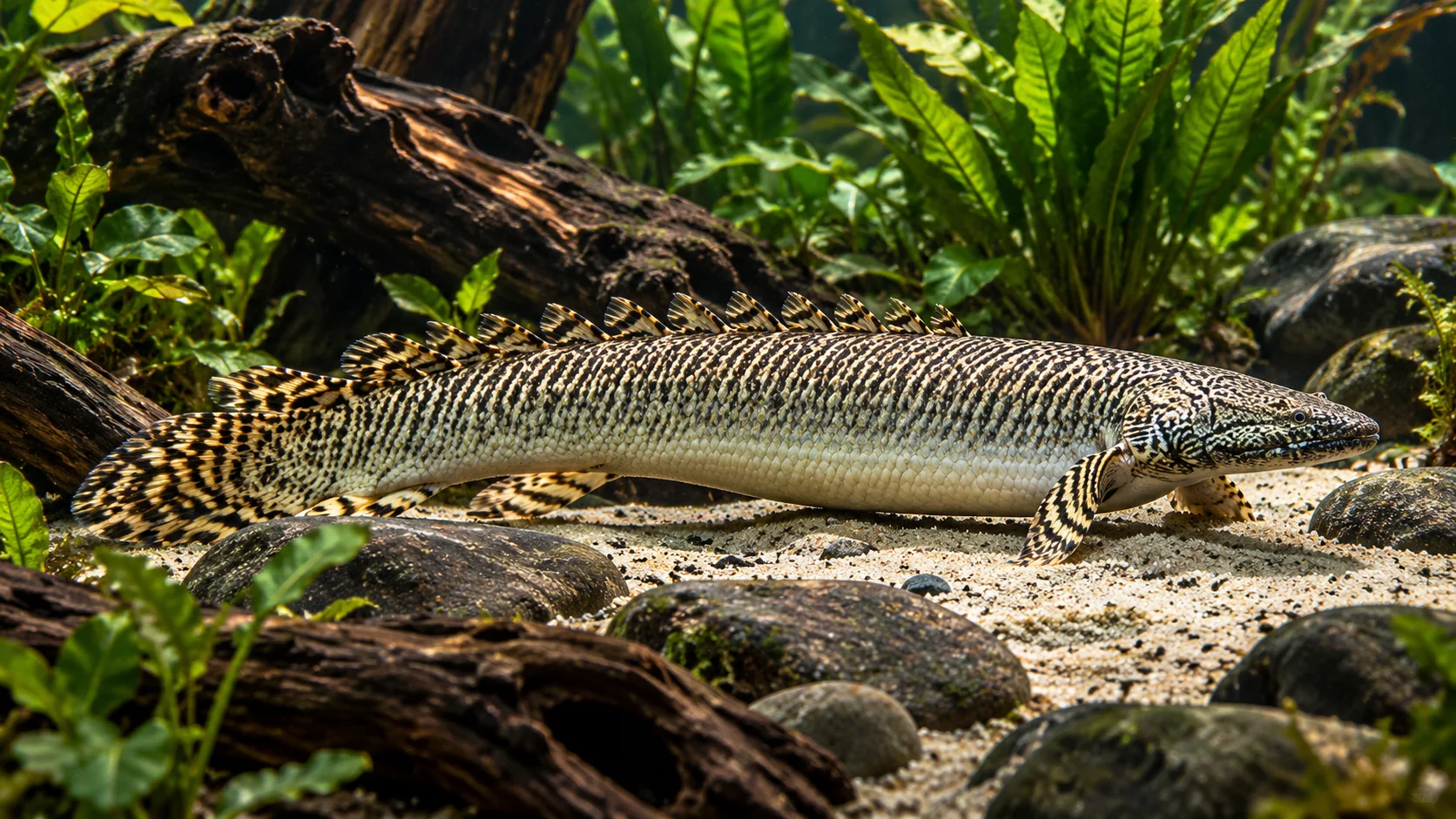
Potential adult size: Up to 60cm
The ornate bichir is undoubtedly one of the most fascinating freshwater fish available to aquarists.
Its elongated body, patterned markings and distinctive dorsal finlets give it an almost prehistoric appearance. Watching one move slowly along the bottom of an aquarium is quite unlike watching an ordinary tropical fish.
Young ornate bichirs are particularly appealing. At around 10–15cm, they can appear perfectly manageable in a medium-sized aquarium.
However, this is one of the largest bichir species commonly available in the aquarium trade, with particularly large individuals capable of reaching approximately 60cm.
Unlike many active open-water fish, bichirs spend considerable time moving around the bottom of an aquarium. Consequently, providing adequate floor space is especially important.
As they grow, ornate bichirs also become capable predators. Small fish that were previously ignored may eventually disappear overnight.
They also require secure aquarium covers, as bichirs are surprisingly effective escape artists and must have access to atmospheric air.
Should you buy an ornate bichir?
Our verdict: Yes, but only if you have a genuinely large aquarium.
An ornate bichir can make a fascinating long-term aquarium inhabitant for an experienced fishkeeper with suitable facilities.
However, it isn't a sensible purchase for someone with a standard community aquarium or anyone hoping to upgrade their tank at some unspecified point in the future.
If you want one, make sure the adult accommodation is planned before purchasing the fish.
We have a full article on the Ornate Bichir.
2. Oscar (Astronotus ocellatus)
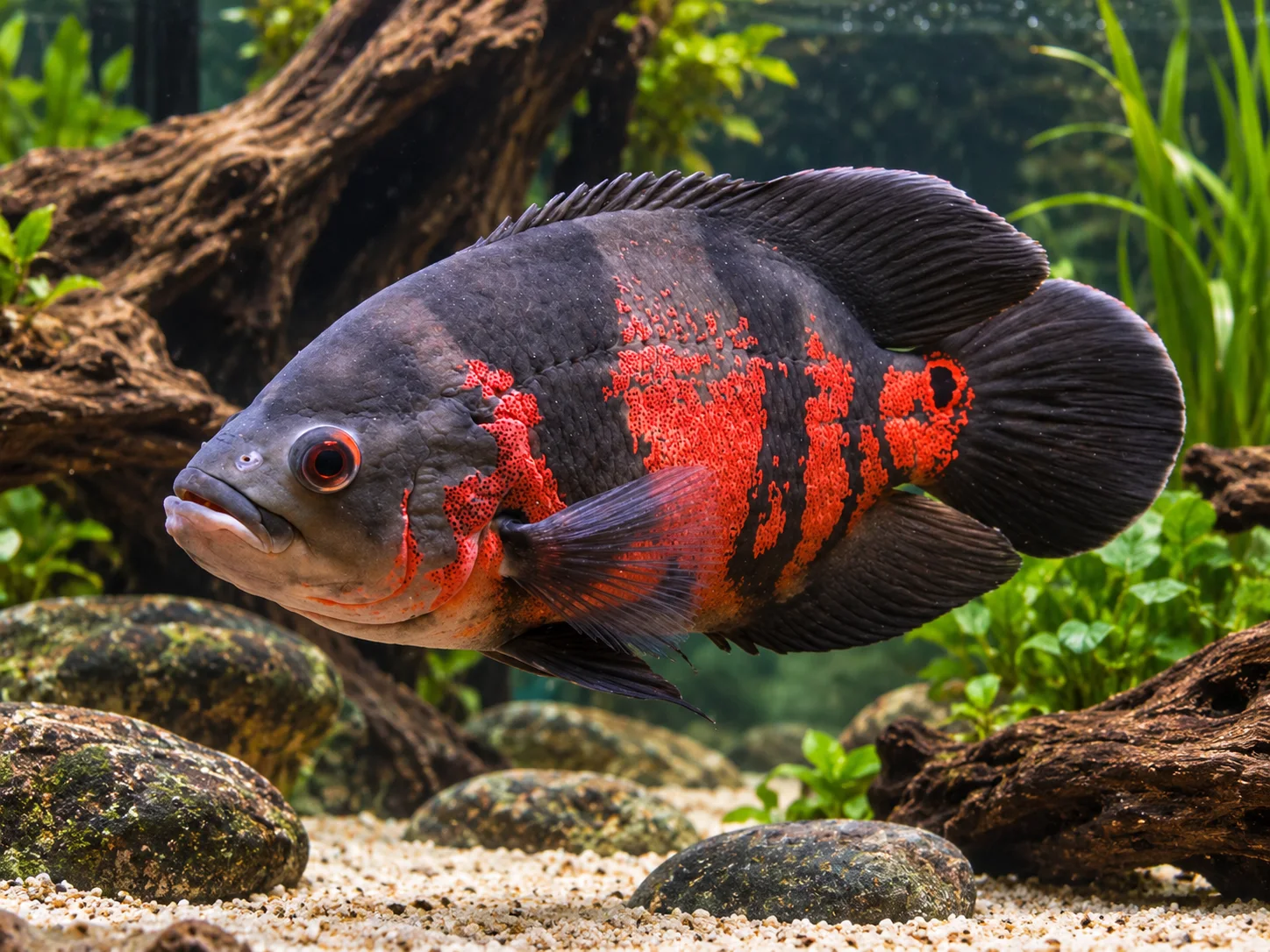
Typical adult size: 30–35cm
Of all the fish on this list, the Oscar is probably one of the most recognisable.
Available in numerous colour varieties, including tiger, red, albino and lemon forms, Oscars are popular because of their appearance and unusually interactive behaviour.
Many keepers describe Oscars as having individual personalities. They quickly learn feeding routines, frequently recognise familiar people and often approach the aquarium glass when someone enters the room.
It's easy to understand their popularity.
Unfortunately, Oscars are also regularly purchased when they are only a few centimetres long, without sufficient consideration being given to their eventual size.
An adult Oscar is a large, powerful cichlid. It requires considerably more space than its juvenile appearance might suggest, and its feeding habits produce substantial quantities of waste.
Even a single adult needs a properly proportioned large aquarium, with a footprint of around 150 × 60cm often recommended as a starting point. Keeping multiple Oscars requires additional space and careful consideration of compatibility.
They may also rearrange decorations, disturb plants and occasionally damage aquarium equipment.
An Oscar isn't a particularly difficult fish to keep healthy when its requirements are met. The challenge is providing an appropriate aquarium for the next 10–20 years.
Should you buy an Oscar?
Our verdict: Yes, provided you can accommodate an adult properly.
Unlike some of the truly enormous catfish on this list, Oscars are realistic aquarium fish for committed hobbyists with suitably large tanks.
They are intelligent, rewarding and often become long-term favourites.
However, they are not suitable for ordinary community aquariums, and purchasing one simply because it's a beautiful little fish is a mistake.
Of these five species, the Oscar is arguably one of the more practical choices for a properly equipped home aquarium.
We have a full article on Oscar and their different varieties.
3. Gibbiceps Pleco (Pterygoplichthys gibbiceps)
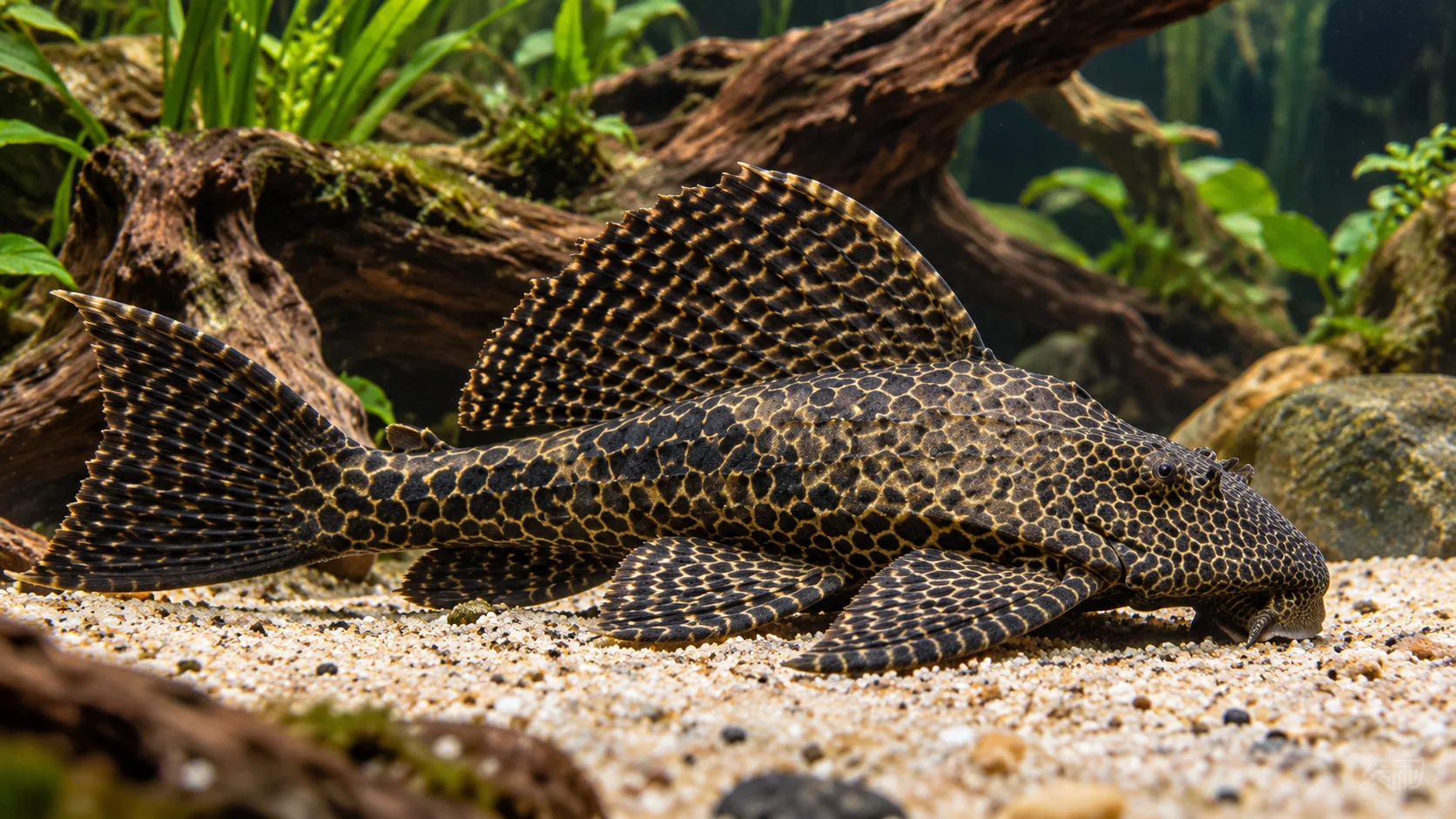
Typical adult size: Around 45–50cm
The gibbiceps pleco, sometimes called the sailfin pleco or simply the "gibby", represents a slightly different problem.
Unlike the predatory species featured in this article, gibbiceps plecos are frequently sold as algae eaters.
A customer notices algae developing on the aquarium glass, visits an aquatic shop and returns home with a small pleco that appears to offer a convenient solution.
Unfortunately, that innocent-looking algae eater can eventually become one of the largest fish in the aquarium.
Gibbiceps are beautiful catfish, with spotted markings and an impressive sail-like dorsal fin. However, they can grow to approximately 50cm and develop a substantial, heavily armoured body.
As they mature, they also produce considerable quantities of waste.
This is rather ironic when you consider that many are purchased to help keep an aquarium clean.
Although they graze on algae, they are not aquarium cleaning machines. They still require a balanced diet and regular feeding, while their waste places additional demands on the filtration system.
Large individuals can also disturb decorations, dislodge plants and compete with other bottom-dwelling fish for space.
The belief that a pleco will only grow to match the size of its aquarium is completely incorrect. Inadequate accommodation can compromise growth and welfare; it does not produce a naturally smaller fish.
Should you buy a gibbiceps pleco?
Our verdict: Usually no, unless you already have a very large aquarium.
Gibbiceps plecos can make impressive display fish, but they should never be purchased simply to control algae.
For most community aquariums, smaller species such as the bristlenose pleco are a considerably more practical choice.
If your aquarium has an algae problem, addressing excess lighting, nutrient levels and maintenance is usually more effective than introducing a fish that may eventually reach half a metre.
We have a full article on the Gibbyceps Pleco.
4. Tiger Shovelnose Catfish (Pseudoplatystoma species)
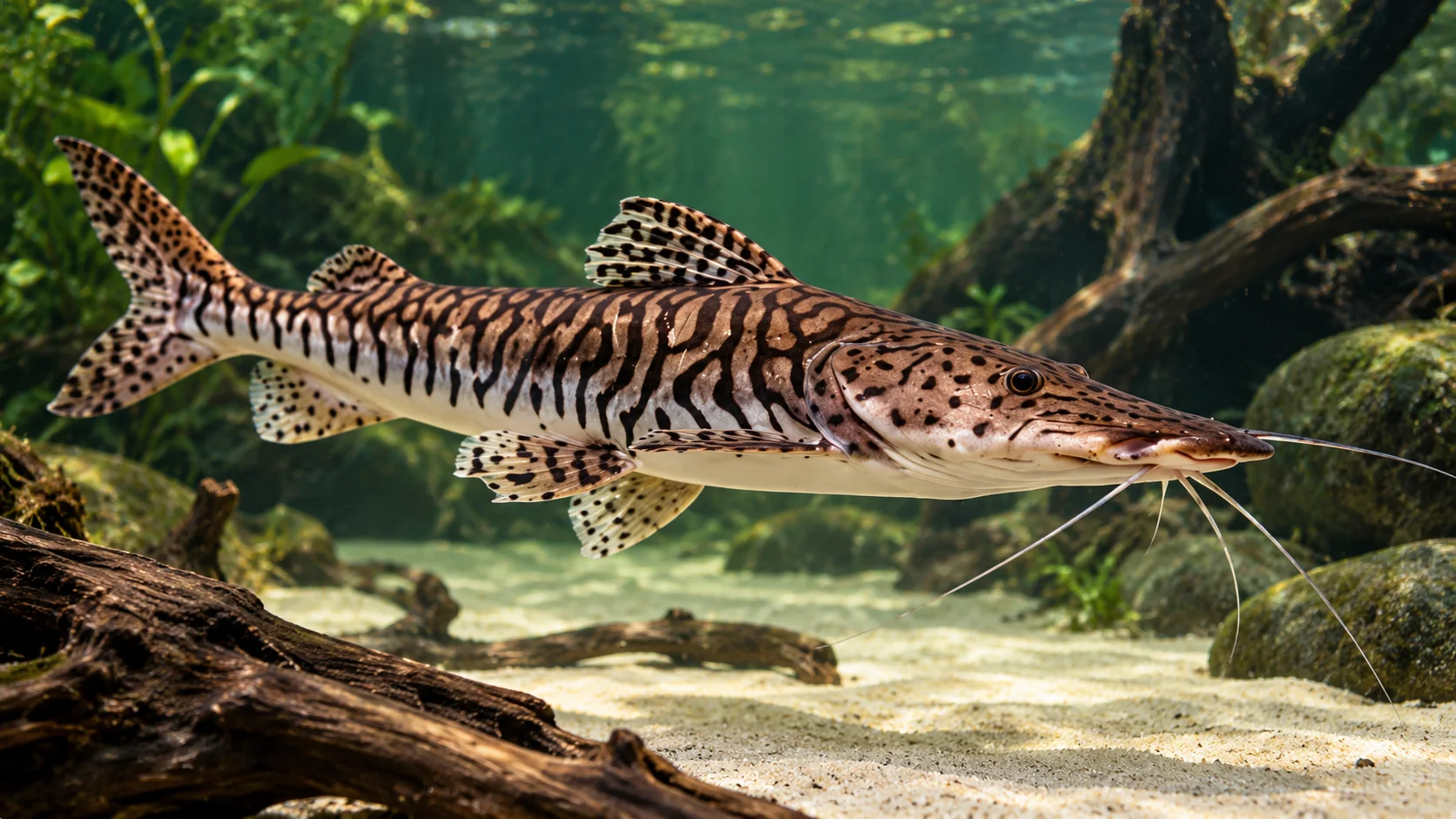
Potential adult size: Over 100cm
The tiger shovelnose catfish is where we move into the territory of genuinely enormous aquarium fish.
With its long whiskers, flattened head and distinctive striped markings, the tiger shovelnose is an impressive predator.
Young specimens are occasionally offered for sale at manageable sizes, sometimes measuring little more than 10cm.
However, species sold under the tiger shovelnose name, particularly Pseudoplatystoma tigrinum and Pseudoplatystoma fasciatum, can grow beyond a metre in length.
Some hybrids involving these large catfish also appear in the aquarium trade.
Their eventual size creates obvious difficulties.
A fully grown tiger shovelnose requires an enormous amount of space, powerful filtration and sufficient room to move and turn comfortably.
Feeding also becomes a consideration. These are predatory fish capable of swallowing surprisingly large tankmates, meaning that a previously peaceful aquarium can become increasingly unsuitable as the catfish matures.
Perhaps the biggest problem is the assumption that the fish can simply be moved into a larger aquarium when necessary.
In reality, an aquarium suitable for a metre-long catfish is a major undertaking. It may involve thousands of litres of water, substantial running costs and a dedicated space within the home.
Rehoming large specimens can also be extremely difficult.
Should you buy a tiger shovelnose catfish?
Our verdict: No, not for a normal home aquarium.
These magnificent catfish are best left to specialist keepers with exceptionally large, purpose-built facilities.
Unless you already have suitable adult accommodation available, purchasing a juvenile tiger shovelnose is difficult to justify.
There are many interesting smaller catfish that can provide years of enjoyment without requiring an aquarium approaching the scale of a public display.
We have a article on the Tiger Shovelnose Catfish.
5. Redtail Catfish (Phractocephalus hemioliopterus)
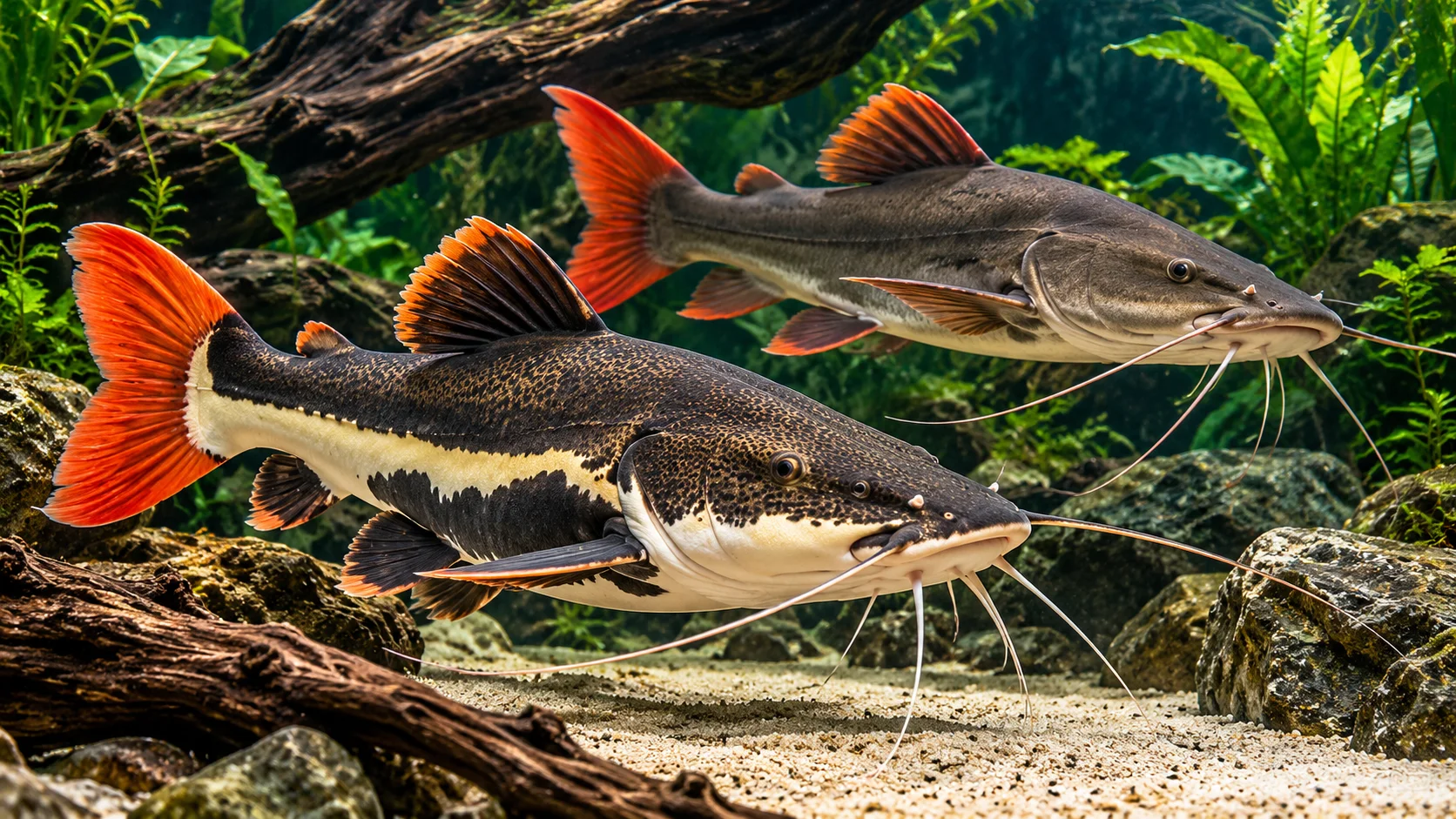
Potential adult size: Over 120cm
If there is one fish that perfectly demonstrates the problems associated with tank busters, it is the South American redtail catfish.
Young redtails are undeniably attractive.
Their dark bodies, pale undersides, prominent whiskers and brightly coloured tails make them stand out in an aquatic shop.
Unfortunately, these small catfish grow into giants.
Large adult redtail catfish can exceed 120cm in length and weigh many kilograms.
Their broad heads and enormous mouths allow them to consume fish that might initially appear far too large to swallow.
Despite their intimidating appearance, redtail catfish are not necessarily aggressive towards everything around them. They are, however, extremely opportunistic feeders.
The main difficulty is simply their size.
An adult needs a vast amount of water and a purpose-built environment. Even aquariums containing several thousand litres may fall short of providing genuinely appropriate long-term accommodation.
Their size also makes routine maintenance, feeding, handling and emergency treatment considerably more complicated.
Unfortunately, young redtail catfish continue to appeal to hobbyists who underestimate how large they will become.
Some owners assume that public aquariums will accept their fish when it becomes too big. However, such facilities have limited space and may already receive numerous requests to accommodate unwanted large fish.
It is also worth mentioning that the Asian redtail catfish (Hemibagrus wyckioides) is a different species, but it presents similar problems because of its substantial adult size.
Should you buy a redtail catfish?
Our verdict: Almost certainly not.
For the overwhelming majority of home aquarists, redtail catfish are simply unsuitable.
Their requirements extend far beyond those of even a large conventional aquarium.
Unless you have the financial resources, experience and permanent facilities required to accommodate a giant catfish throughout its life, it is far better to admire these animals in an appropriate specialist display.
We have a full article on the Redtail Catfish.
Why Do So Many Tank Busters End Up in Unsuitable Aquariums?
One of the biggest problems with tank busters is the difference between the fish being sold and the animal it will eventually become.
A 10cm catfish may look perfectly comfortable in a dealer's aquarium. However, that aquarium is generally intended for temporary housing rather than lifelong accommodation. Price can also be misleading.
Some large-growing species are relatively inexpensive as juveniles. The purchase price might be only a small fraction of the eventual cost of providing suitable accommodation. Unfortunately, the long-term commitment is not always fully appreciated.
Another common mistake is assuming that larger aquariums can simply be purchased later.
Circumstances change, equipment is expensive, and sufficient space may never become available. A fish that is easy to buy can become extremely difficult to rehome.
Think About the Adult Fish, Not the Juvenile
Before buying any large-growing aquarium fish, ask yourself whether you can realistically provide everything it will need as an adult.
That means considering more than aquarium volume. The tank must have the appropriate length and width, with sufficient space for natural movement.
Filtration, water changes, electricity costs, feeding requirements and compatibility with other fish are equally important.
You should also consider how long the species might live. Several of the fish featured here can remain part of your aquarium for well over a decade, with some potentially living considerably longer.
Perhaps most importantly, never purchase a fish on the assumption that somebody else will take it when it becomes too large.
Final Thoughts: Which Tank Busters Are Worth Keeping?
Not every large aquarium fish is unsuitable for private ownership. Oscars can be wonderful aquarium inhabitants when provided with adequate space and proper care. Ornate bichirs and gibbiceps plecos can also thrive in suitably large, well-maintained aquariums.
However, tiger shovelnose and redtail catfish belong in a different category altogether. Their enormous adult sizes make them impractical for almost every conventional home aquarium.
Ultimately, the responsibility lies in choosing fish that can be accommodated throughout their lives. A beautiful juvenile fish may be tempting, but its adult size should always determine whether it belongs in your aquarium.
The best fish to buy isn't necessarily the most impressive one in the shop. It's the one you can care for properly for its entire life.
Products We've Mentioned & Recommend
Below you'll find a selection of products we've mentioned in this article, along with a few others we think you might find useful. We've included Amazon links to make them easy to find.
A quick word about affiliate links...
Some of these links are affiliate links, which means we may earn a small commission from qualifying purchases, at no extra cost to you.
Unfortunately, the commission doesn't quite stretch to cocktails on a yacht or a garage full of sports cars. In reality, it helps cover the running costs of this website and, with a bit of luck, might eventually buy me a new pair of waders that don't leak!
We only recommend products we genuinely believe are worth considering, and your support helps us keep sharing free advice from our years of working with aquariums and ponds.
Thanks for supporting Aquatic Specialist!
As an Amazon Associate I earn from qualifying purchases.
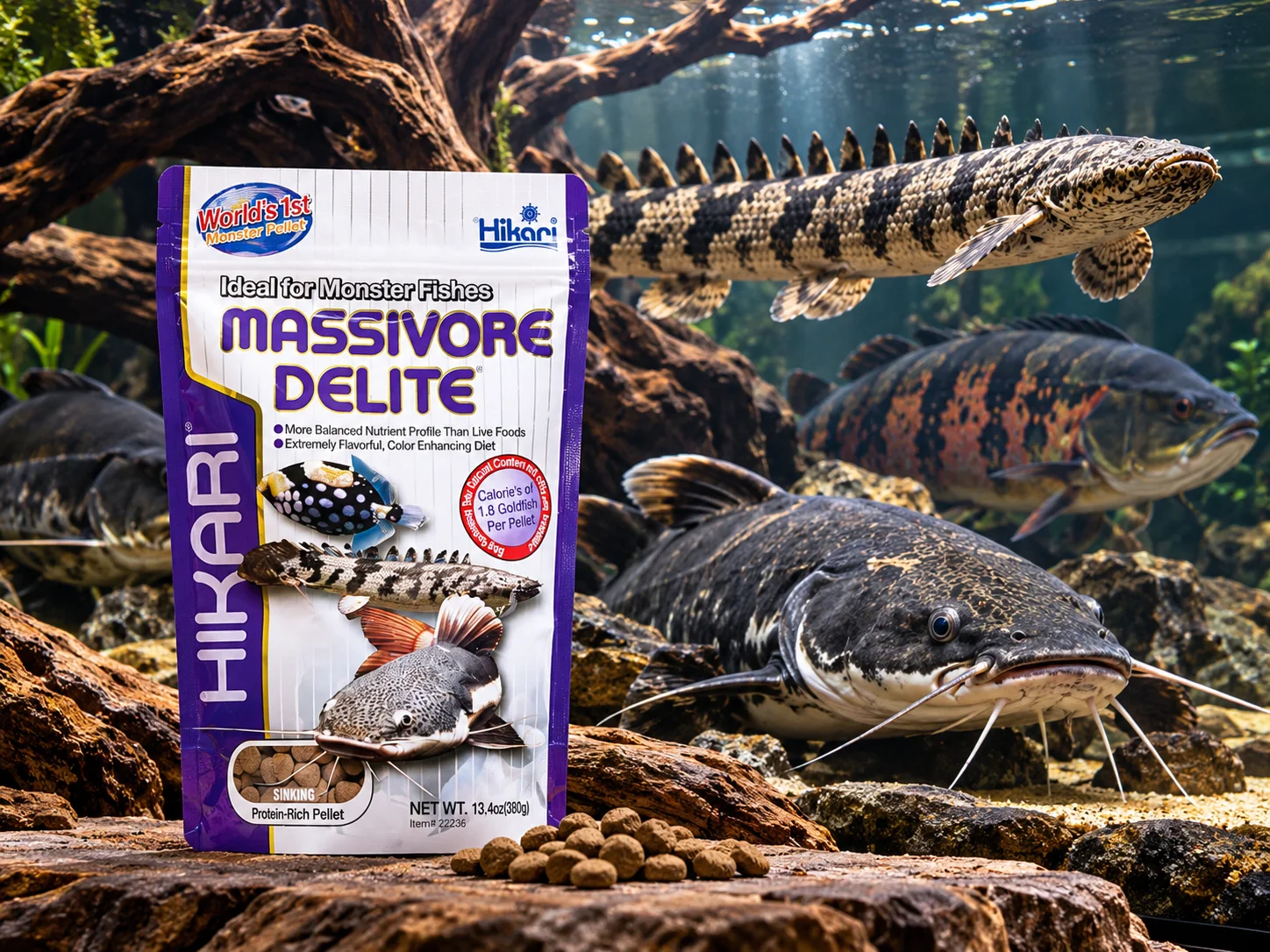
Hikari
Hikari Massivore Delite
Best for: Large carnivorous aquarium fish, including adult Bichirs, predatory catfish and other tank buster species.
As an Amazon Associate, we earn from qualifying purchases.
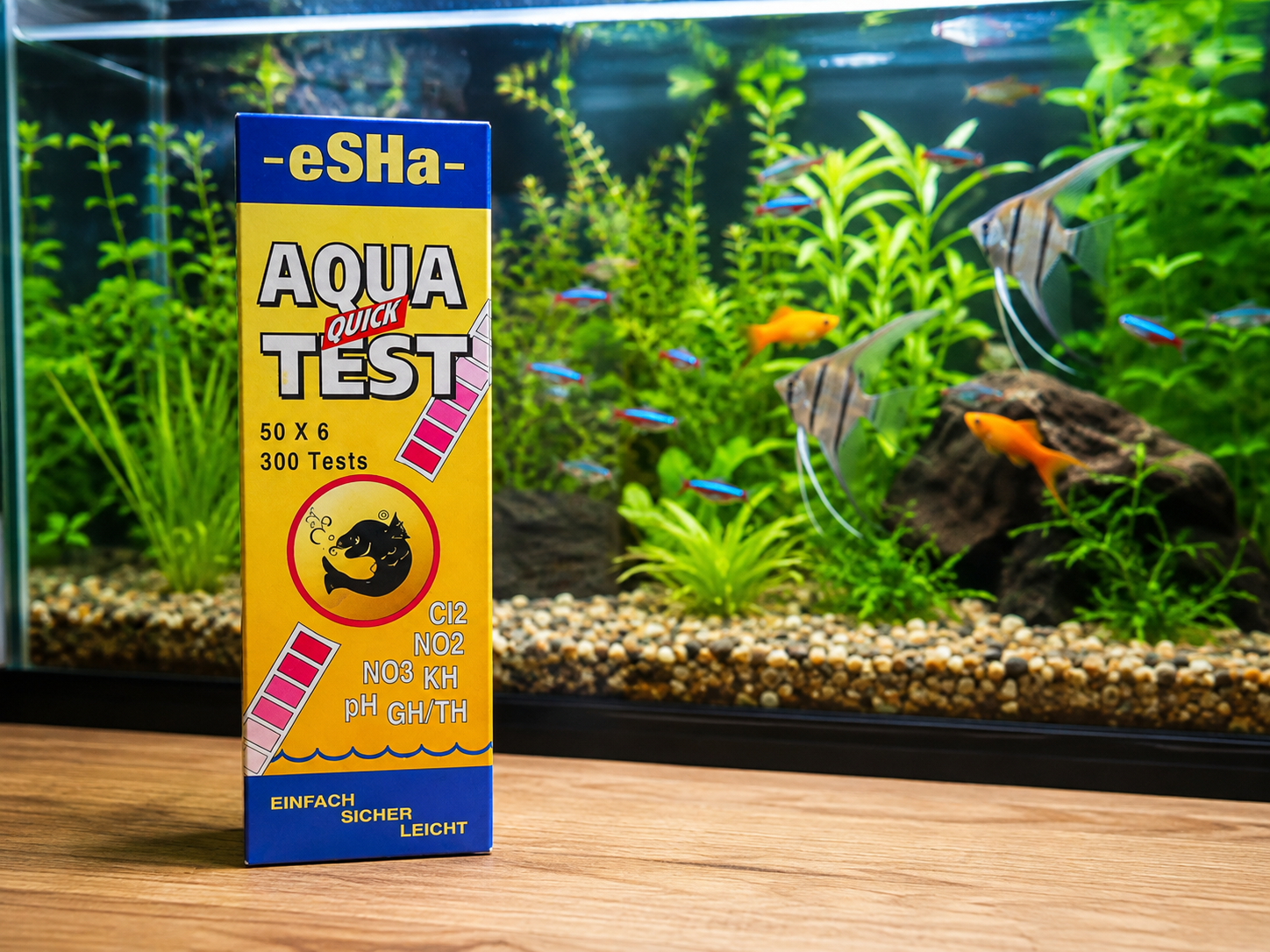
Esha
ESHA Aqua Quicktest
Best for: Fast routine water-quality checks in freshwater aquariums.
As an Amazon Associate, we earn from qualifying purchases.
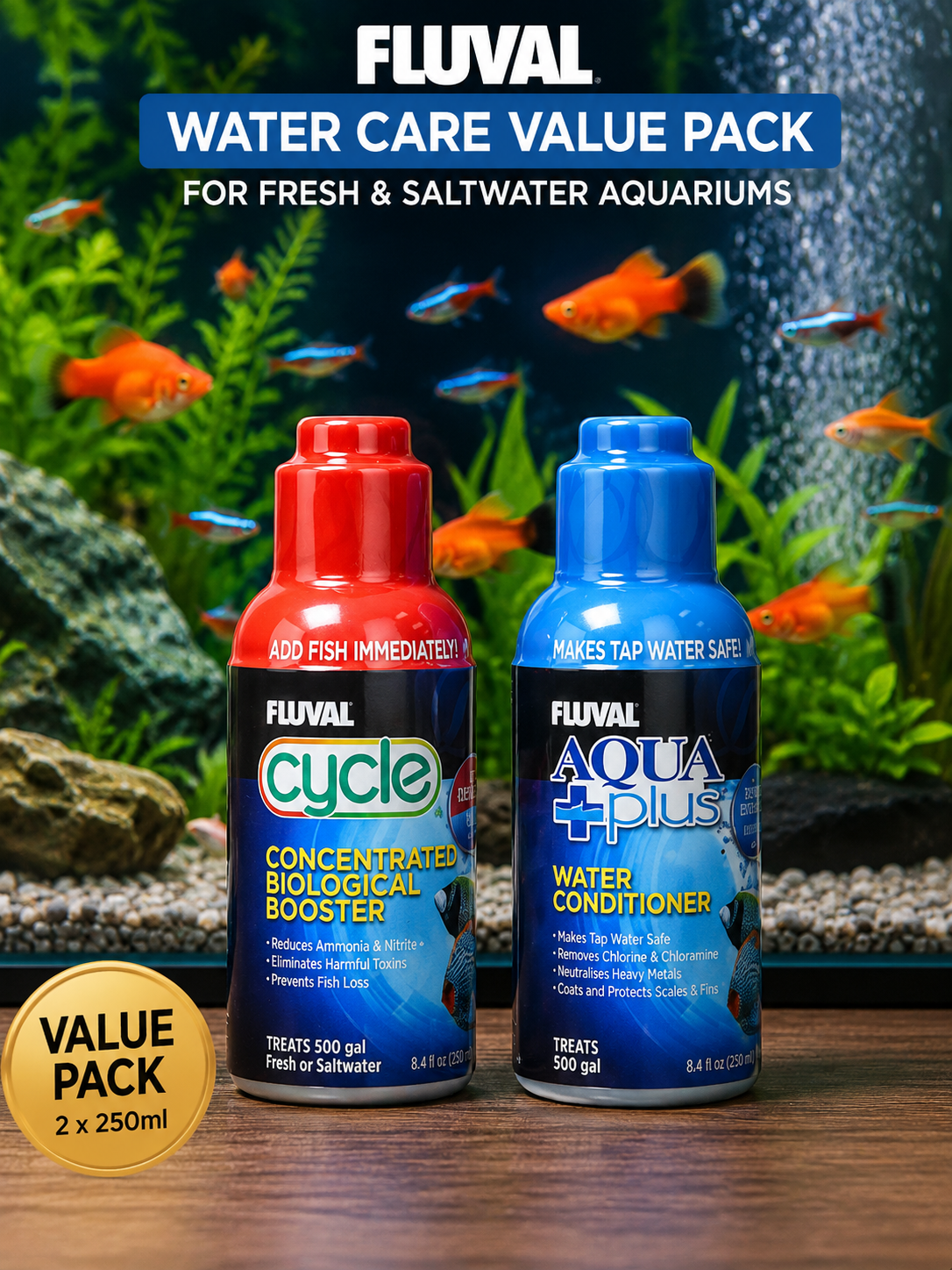
Fluval
Fluval Water Care Value Pack with Fluval Cycle & Aqua Plus, 500ml
Best for: New aquarium setups and routine water changes
As an Amazon Associate, we earn from qualifying purchases.