Tiger Shovelnose Catfish: A Beautiful Tank Buster That Needs Serious Space
The Tiger Shovelnose Catfish is a spectacular freshwater predator, but its enormous adult size makes it unsuitable for most home aquariums. Discover why these powerful tank busters need specialist housing, carefully chosen tank mates and a long-term commitment to responsible fishkeeping.
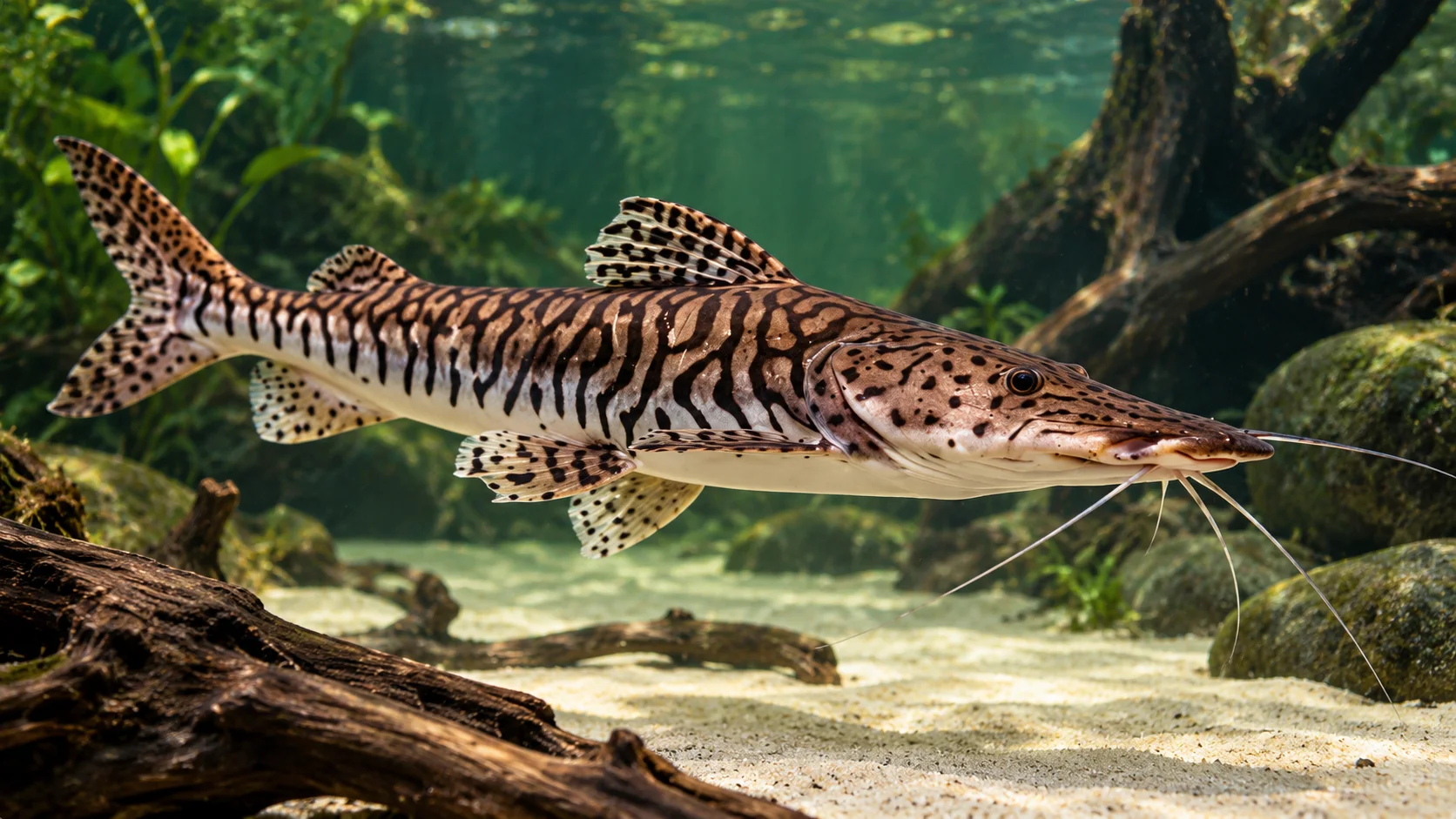
The Tiger Shovelnose Catfish is undoubtedly one of the most impressive freshwater fish available in the aquarium hobby. With its striking striped pattern, elongated body, broad flattened head and long whiskers, it is easy to understand why these remarkable catfish attract so much attention.
However, behind their attractive appearance lies a serious consideration that is sometimes overlooked: Tiger Shovelnose Catfish grow into enormous predatory fish that are completely unsuitable for most home aquariums.
Often described as tank busters, these catfish are frequently purchased as small juveniles and introduced into aquariums that will eventually be far too small to accommodate them.
Keeping one successfully requires considerably more than a large aquarium. It demands specialist equipment, substantial filtration, carefully selected tank mates and a long-term commitment to providing appropriate living conditions.
What Is a Tiger Shovelnose Catfish?
Tiger Shovelnose Catfish belong to the family Pimelodidae and originate from the large river systems of South America, including the Amazon and Orinoco basins.
The name Tiger Shovelnose is commonly used in the aquarium trade for several closely related species, particularly Pseudoplatystoma tigrinum and Pseudoplatystoma fasciatum.
These fish are powerful predators, naturally adapted to life in extensive river systems where they have enormous areas to explore.
Their distinctive features include:
- A long, muscular body with dark stripes and markings.
- A broad, flattened head resembling a shovel.
- Long, sensitive barbels used to detect food.
- A large mouth capable of swallowing surprisingly substantial prey.
- Powerful swimming ability and rapid growth.
Although juveniles can appear relatively manageable in an aquarium shop, their adult size tells a very different story.
How Big Do Tiger Shovelnose Catfish Grow?
This is arguably the most important consideration before purchasing one. Tiger Shovelnose Catfish can grow beyond one metre in length, with Pseudoplatystoma tigrinum recorded at approximately 130cm. Even specimens that do not reach their maximum recorded size can become extremely large and powerful.
A young catfish measuring just 10–15cm may look perfectly comfortable in a reasonably sized aquarium. However, given suitable feeding and conditions, these fish can grow rapidly.
An aquarium that appears enormous when the fish is first purchased can become completely inadequate within a relatively short period.
There is also a persistent misconception that fish simply stop growing when they reach the size of their aquarium. This is not true.
Restricting a large-growing fish to an undersized aquarium does not provide a healthy solution to its eventual size. Poor conditions can cause chronic stress, impaired development and serious welfare problems.
Why Are They Called Tank Busters?
The term tank buster describes particularly large or powerful aquarium fish that can outgrow conventional aquariums and potentially damage equipment or decorations. Tiger Shovelnose Catfish fit this description extremely well.
As they mature, their considerable size and strength can create several problems. They may accidentally dislodge heaters, move unsecured decorations or damage equipment while swimming.
Their large bodies also produce substantial amounts of waste, placing considerable demands on aquarium filtration. Perhaps most importantly, they require enough unobstructed space to swim and turn comfortably.
A large aquarium is not necessarily a suitable aquarium if its dimensions prevent the fish from moving naturally.
What Size Aquarium Does a Shovelnose Catfish Need?
An adult Tiger Shovelnose Catfish requires accommodation on a scale that most domestic aquarists cannot provide. Specialist recommendations for a fully grown specimen can extend to an aquarium approximately 3.6 metres long, 2.4 metres wide and 1.2 metres deep, holding over 10,000 litres.
Even accommodation of this size offers far less swimming space than the fish would experience in its natural environment.
A properly constructed, heated indoor pond may be a more practical option for some experienced keepers.
The most important considerations include:
- Sufficient length for unrestricted swimming.
- Enough width for the fish to turn comfortably.
- Strong, reliable filtration capable of handling substantial waste.
- Secure and protected aquarium equipment.
- Stable water quality and temperature.
- Adequate floor support for the considerable weight of the installation.
It is worth remembering that an aquarium holding several thousand litres of water represents a considerable financial and maintenance commitment.
Our advice is simple: if you cannot provide suitable accommodation for the adult fish, do not purchase a juvenile.
Buying one with the intention of upgrading the aquarium later is a risky approach unless the necessary accommodation is already planned and realistically achievable.
Water Conditions and Aquarium Maintenance
Despite their impressive size, Tiger Shovelnose Catfish are still dependent on stable, clean water conditions.
Typical recommended conditions include:
- Temperature: 22–26°C
- pH: Approximately 6.0–7.6
- Ammonia: 0ppm
- Nitrite: 0ppm
- Nitrate: Kept as low as reasonably practical through effective maintenance.
A powerful biological filtration system is essential.
Large external filtration systems or appropriately designed sump filters are particularly useful because of the considerable biological waste these fish produce. Good water circulation, oxygenation and regular partial water changes are also important.
Any decorations should be smooth, stable and securely positioned. Large pieces of driftwood can provide shelter, but the aquarium must retain substantial open swimming space.
Heaters and other vulnerable equipment should be protected or positioned outside the main aquarium where possible.
Feeding a Tiger Shovelnose Catfish
Tiger Shovelnose Catfish are carnivorous predators that naturally consume fish and other aquatic animals.
In captivity, they can usually be encouraged to accept a varied diet of suitable prepared and frozen foods.
Potential foods include:
- Prawns and shrimp.
- Mussels.
- Earthworms.
- Suitable fish-based frozen foods.
- Appropriately sized pieces of fish.
A varied diet helps avoid nutritional deficiencies and dependence on a single food source.
Feeding should reflect the age, size and condition of the fish. Younger specimens generally require more frequent feeding than large adults.
Overfeeding must be avoided, particularly as mature fish may need feeding far less frequently than inexperienced keepers expect.
Live feeder fish are not recommended because they can introduce parasites and disease. Mammalian and poultry meat should also be avoided as routine food sources.
Choosing Suitable Tank Mates
Tank mate selection is another major challenge. Although Tiger Shovelnose Catfish are not necessarily aggressive towards every fish they encounter, they are opportunistic predators.
If another fish is small enough to fit into the Shovelnose Catfish's mouth, it must be considered potential food. This includes many fish that would ordinarily be considered quite large in a community aquarium.
Suitable companions, where appropriate, must be substantial enough to avoid predation and compatible in temperament, environmental requirements and feeding behaviour. However, keeping several exceptionally large fish together increases the space and filtration requirements considerably.
Other large predatory catfish may also create territorial or compatibility problems. For many specialist setups, keeping a Tiger Shovelnose Catfish alone may be the most sensible option.
It is important not to assume that two large fish will automatically live together peacefully simply because neither can swallow the other.
The Problem With Selling Juvenile Tank Busters
One of the biggest issues surrounding Tiger Shovelnose Catfish is that they are sometimes sold when they are only a fraction of their eventual adult size.
A small, beautifully marked juvenile can be an extremely tempting purchase. Unfortunately, not every buyer appreciates just how large these fish become.
An aquarist may purchase one for a conventional tropical aquarium, expecting to upgrade eventually. However, as the catfish grows, finding suitable accommodation can become increasingly difficult.
Large aquariums are expensive to purchase, install, heat and maintain. They also require adequate structural support and sufficient space within the property.
Rehoming a fully grown specimen can be equally challenging.
There are relatively few private aquarists equipped to accommodate a metre-long predatory catfish, and public aquariums cannot be relied upon to accept unwanted fish. This can leave the animal facing years of unsuitable accommodation.
Responsible retailers should make the potential adult size and specialist housing requirements clear before selling these fish.
What If You Already Own a Shovelnose Catfish?
If you already keep a Tiger Shovelnose Catfish and are concerned that your aquarium may eventually become too small, it is important to plan ahead. Assess the fish's current size, growth rate and the available swimming space. If the aquarium will not be suitable long term, investigate realistic housing options before the fish becomes difficult to accommodate.
Specialist aquarium keepers, reputable aquatic retailers and established fishkeeping groups may sometimes be able to help locate appropriate new accommodation.
Do not deliberately restrict feeding in an attempt to prevent normal growth. Most importantly, never release an unwanted aquarium fish into a natural waterway. Doing so creates serious animal welfare and environmental risks.
Should You Buy a Tiger Shovelnose Catfish?
Tiger Shovelnose Catfish are magnificent animals, and in the correct environment they can make fascinating subjects for experienced specialist fishkeepers.
However, their extraordinary adult size means that they should never be considered an ordinary community aquarium fish.
Before purchasing one, ask yourself three important questions:
- Can I provide suitable accommodation for a fish potentially exceeding one metre in length?
- Can I afford the equipment, electricity, filtration, feeding and ongoing maintenance?
- Can I provide appropriate care and housing for the fish throughout its long life?
If the answer to any of these questions is no, choosing a smaller catfish species would be far more responsible.
Final Thoughts
The Tiger Shovelnose Catfish is a spectacular example of the diversity found within the freshwater aquarium hobby. However, its impressive appearance should never overshadow its specialist care requirements.
These are enormous predatory fish, not simply attractive bottom dwellers for a large community aquarium. Too often, young specimens end up in aquariums that are completely unsuitable for their eventual size.
At Aquatic Specialist, we believe that choosing a fish should always begin with understanding its adult requirements, rather than judging whether a juvenile will fit into an existing aquarium.
For aquarists with the necessary experience, facilities and long-term commitment, a Tiger Shovelnose Catfish can be a remarkable animal to keep. For everyone else, it is a species best admired rather than purchased.
Responsible fishkeeping means providing an environment that meets the needs of the fish throughout its life, not simply while it is small enough to fit into the tank.
Products We've Mentioned & Recommend
Below you'll find a selection of products we've mentioned in this article, along with a few others we think you might find useful. We've included Amazon links to make them easy to find.
A quick word about affiliate links...
Some of these links are affiliate links, which means we may earn a small commission from qualifying purchases, at no extra cost to you.
Unfortunately, the commission doesn't quite stretch to cocktails on a yacht or a garage full of sports cars. In reality, it helps cover the running costs of this website and, with a bit of luck, might eventually buy me a new pair of waders that don't leak!
We only recommend products we genuinely believe are worth considering, and your support helps us keep sharing free advice from our years of working with aquariums and ponds.
Thanks for supporting Aquatic Specialist!
As an Amazon Associate I earn from qualifying purchases.
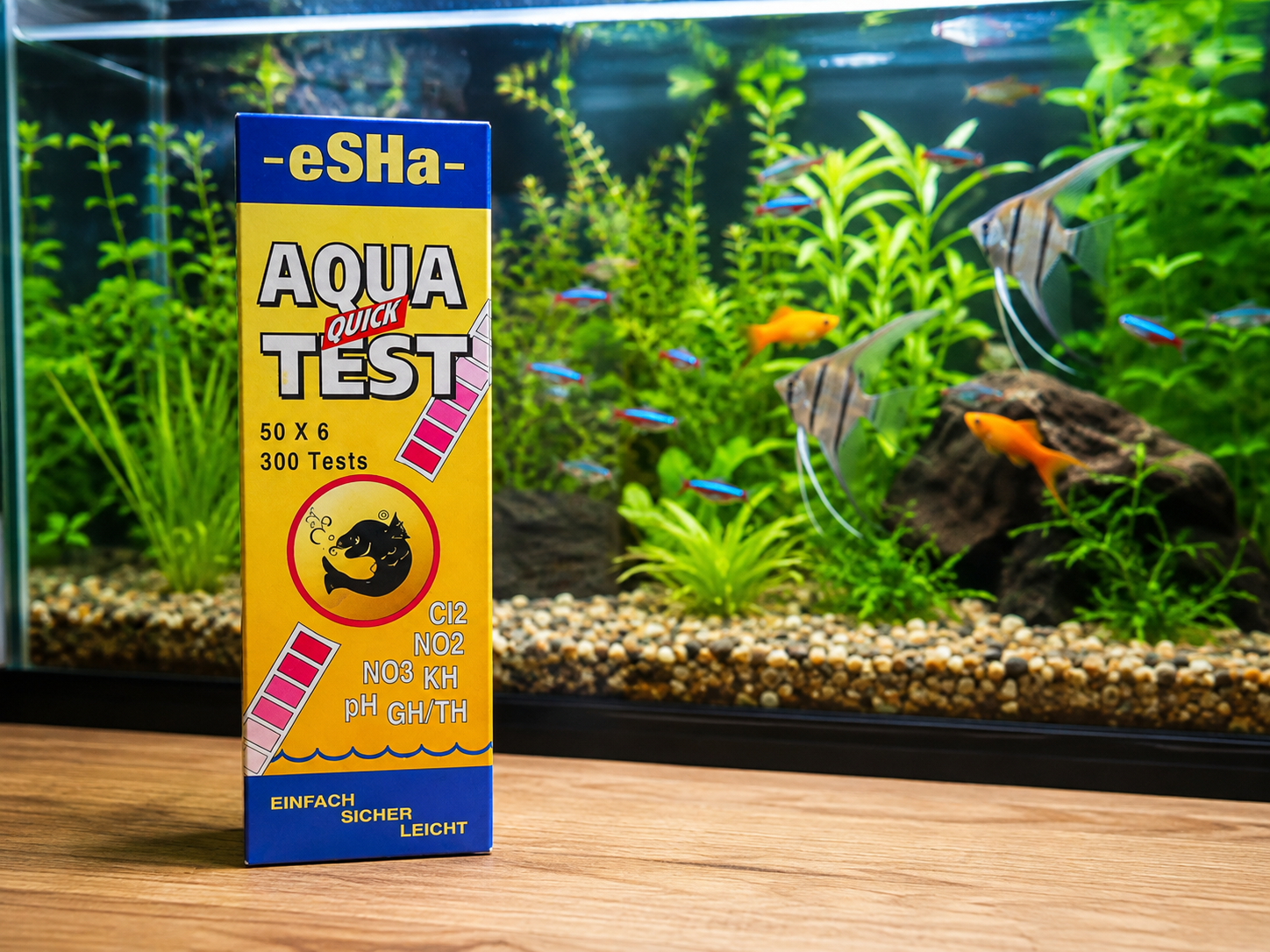
Esha
ESHA Aqua Quicktest
Best for: Fast routine water-quality checks in freshwater aquariums.
As an Amazon Associate, we earn from qualifying purchases.
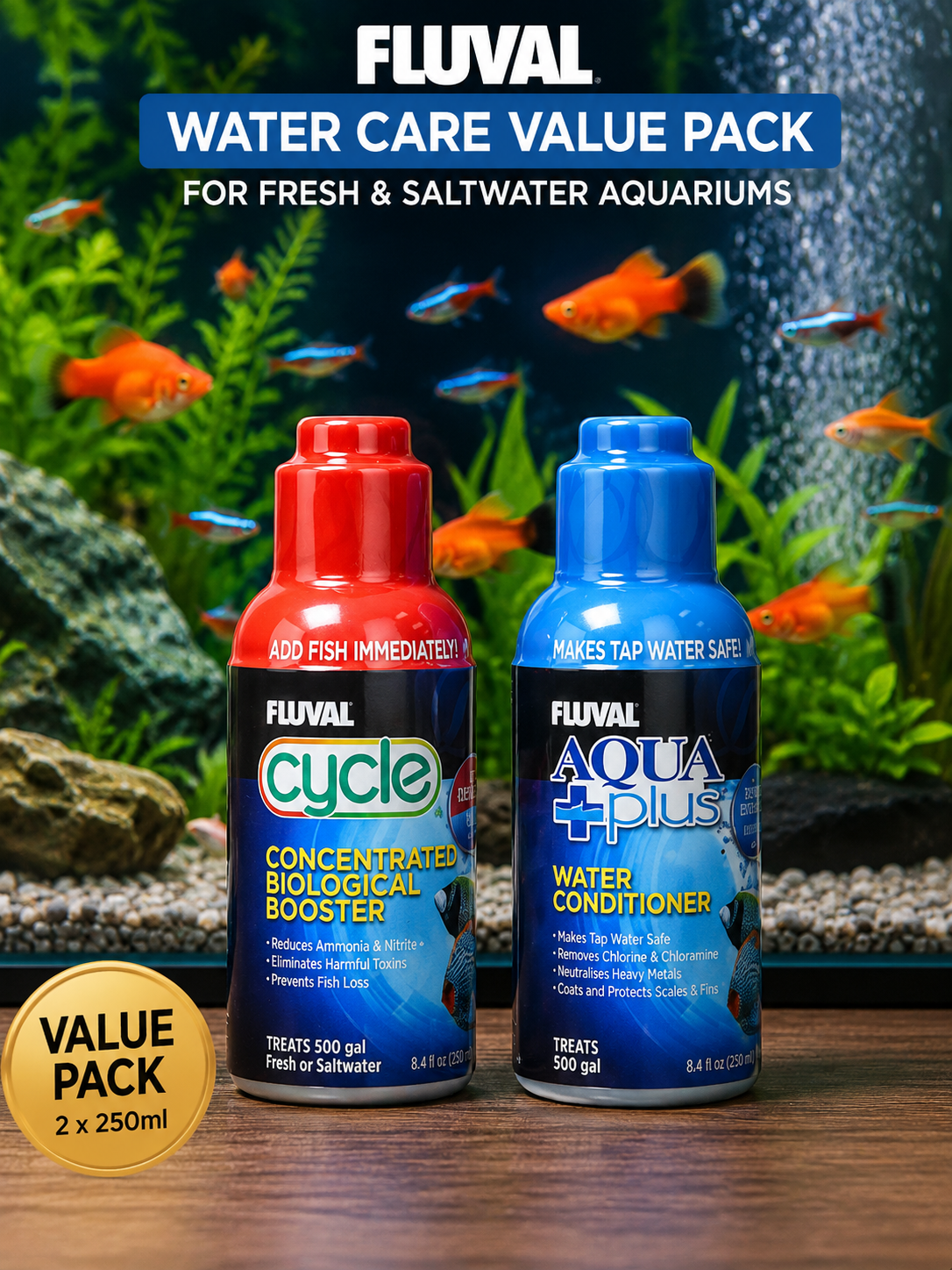
Fluval
Fluval Water Care Value Pack with Fluval Cycle & Aqua Plus, 500ml
Best for: New aquarium setups and routine water changes
As an Amazon Associate, we earn from qualifying purchases.
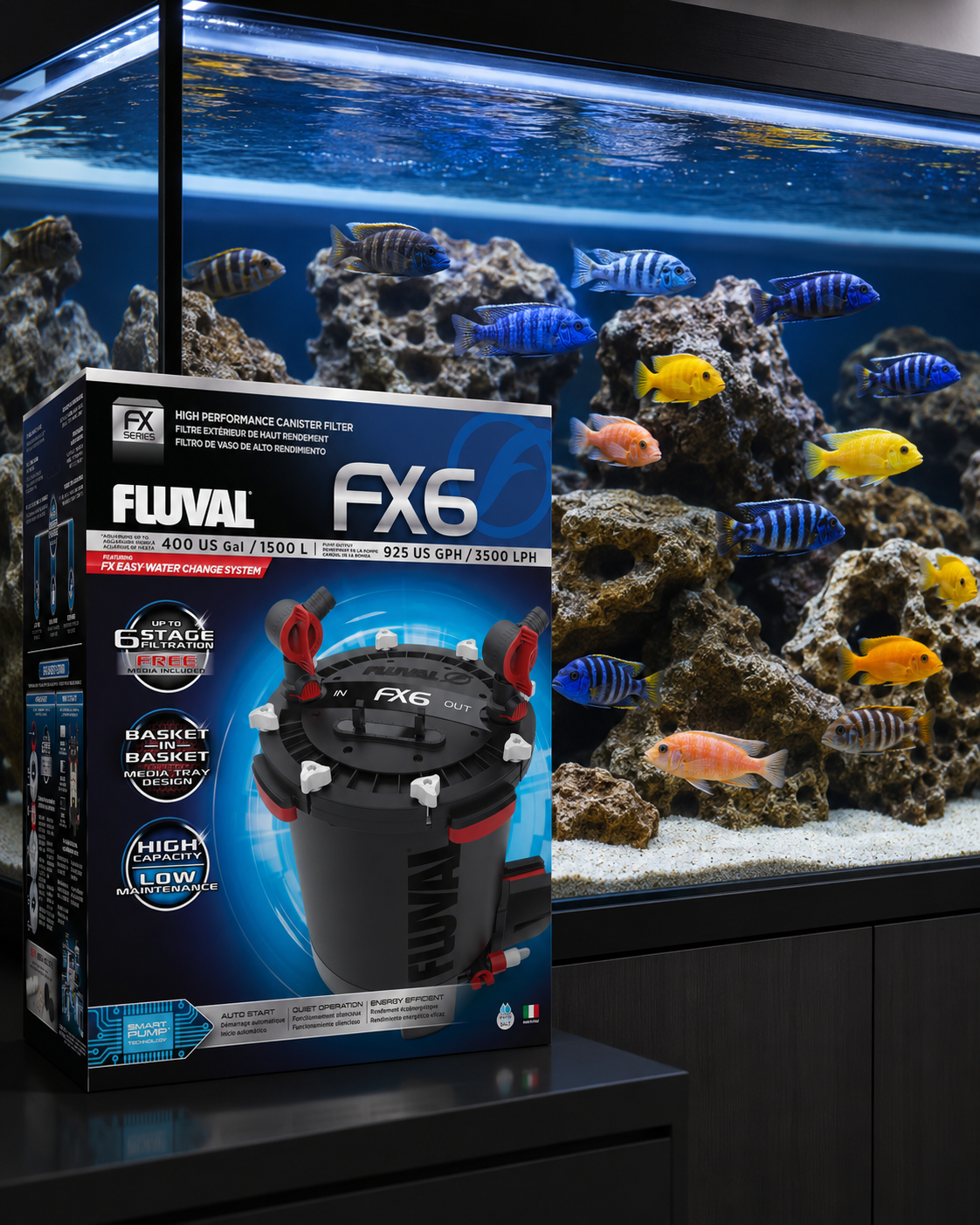
Fluval
Fluval Fx 6 High Proformance Aquarium Canister Filter
Best for: Large, heavily stocked Malawi cichlid aquariums
As an Amazon Associate, we earn from qualifying purchases.
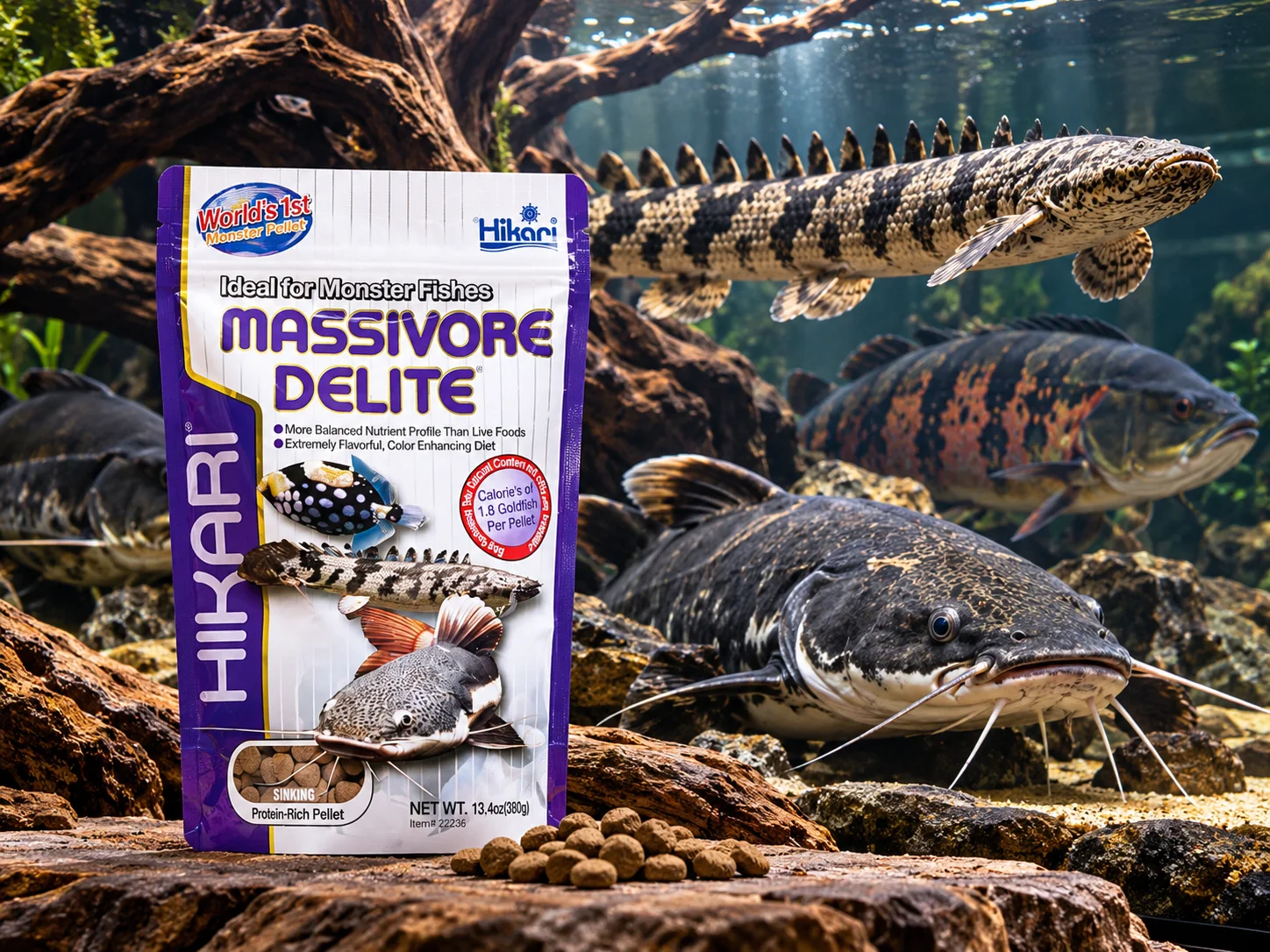
Hikari
Hikari Massivore Delite
Best for: Large carnivorous aquarium fish, including adult Bichirs, predatory catfish and other tank buster species.
As an Amazon Associate, we earn from qualifying purchases.