Redtail Catfish: Two Giant Tank Busters That Need Serious Space
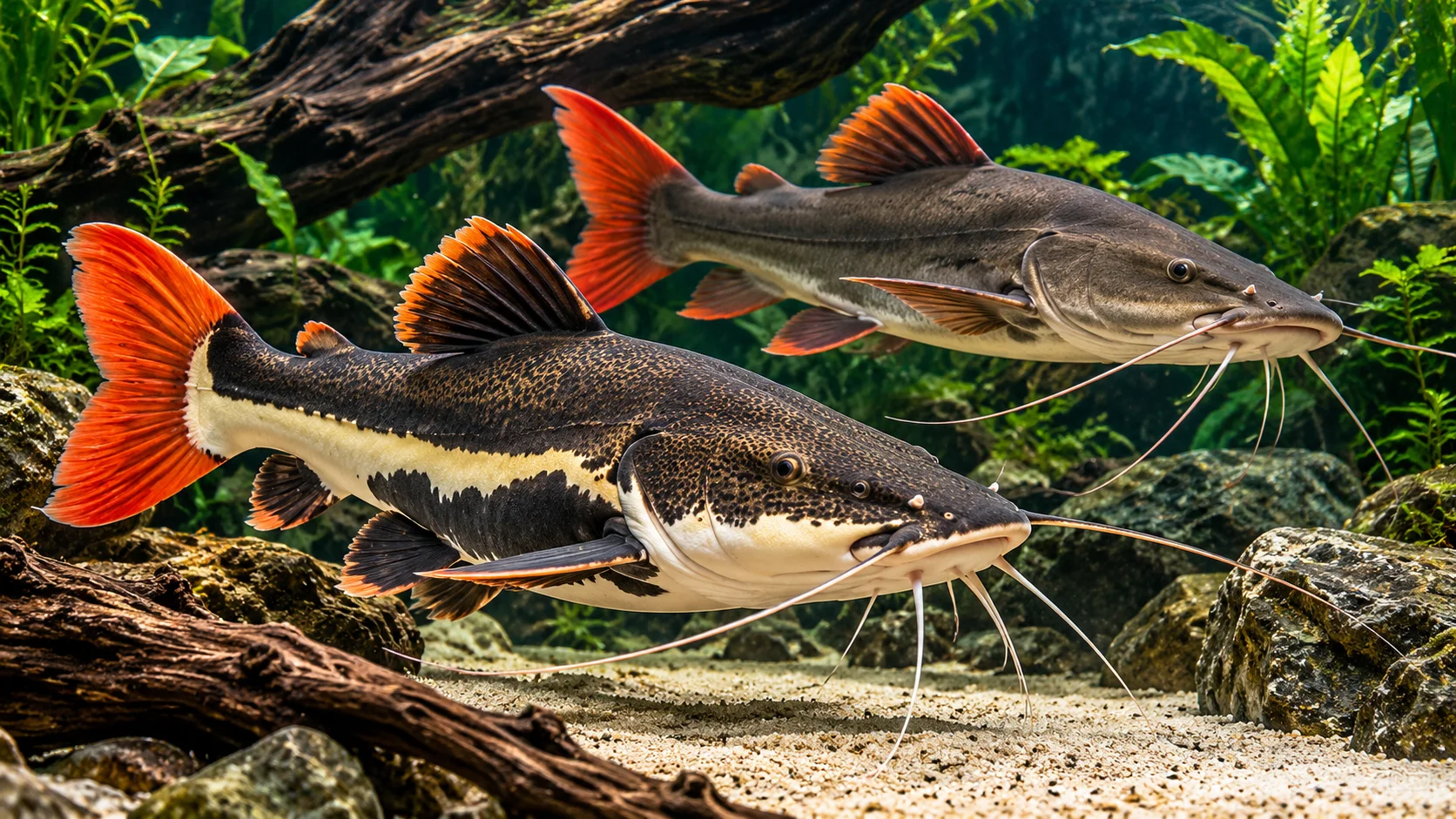
Redtail Catfish are among the aquarium hobby's most impressive tank busters, but their enormous adult size makes them unsuitable for most home aquariums. Discover the differences between South American and Asian Redtail Catfish, how large they grow, their feeding requirements, tank mates and why these powerful predators need specialist accommodation.
The Redtail Catfish is one of the most recognisable and impressive freshwater fish in the aquarium hobby. With its enormous head, long whiskers, powerful body and distinctive red tail, it is easy to understand why these remarkable fish attract so much attention. However, Redtail Catfish are also among the most unsuitable fish for the average home aquarium.
These enormous predators are often sold as attractive juveniles, sometimes measuring little more than 10cm. Unfortunately, many buyers fail to appreciate that they are purchasing a fish capable of growing beyond one metre in length.
There are also two very different fish commonly referred to as Redtail Catfish: the South American Redtail Catfish and the Asian Redtail Catfish.
Although they share a similar common name, these are separate species from different catfish families, with different appearances and temperaments.
What they have in common is their extraordinary adult size and the specialist accommodation they require.
1. South American Redtail Catfish (Phractocephalus hemioliopterus)
The South American Redtail Catfish is probably the best-known of the two species.
Native to the Amazon and Orinoco river systems, this magnificent catfish has become a familiar sight in specialist aquarium shops and public aquarium displays.
Its distinctive appearance includes:
- A broad, flattened head and enormous mouth.
- A dark grey or brown upper body.
- A contrasting pale stripe running along its sides.
- A cream-coloured underside.
- A striking orange-red tail.
- Long, sensitive whiskers used to locate food.
How Big Do South American Redtail Catfish Grow?
The South American Redtail Catfish can reach approximately 135cm in length, with recorded specimens weighing over 40kg.
These are exceptionally large fish, yet juveniles are regularly offered for sale when they are small enough to fit comfortably inside an ordinary aquarium. Given appropriate food and environmental conditions, they can grow rapidly.
A young Redtail Catfish may seem perfectly manageable in a 200 or 300-litre aquarium, but such accommodation will become completely inadequate as the fish develops.
Temperament and Behaviour
Despite their intimidating appearance, South American Redtail Catfish are not necessarily aggressive towards every fish they encounter. However, they are powerful opportunistic predators with enormous mouths.
Any fish small enough to swallow should be regarded as potential food, regardless of how peacefully the catfish has behaved previously.
Their size also makes them capable of moving decorations, dislodging equipment and damaging poorly protected heaters.
2. Asian Redtail Catfish (Hemibagrus wyckioides)
The Asian Redtail Catfish is a very different animal. Originating from large river systems in Southeast Asia, including the Mekong and Chao Phraya, this species belongs to the Bagridae family.
Unlike its South American relative, the Asian Redtail Catfish generally has a more uniform grey or brown body.
Its distinctive characteristics include:
- An elongated, muscular body.
- A broad head with prominent barbels.
- A reddish tail and, particularly in mature specimens, reddish fins.
- A darker, less contrasting body pattern than the South American species.
- A powerful predatory feeding response.
How Big Do Asian Redtail Catfish Grow?
Asian Redtail Catfish are also enormous fish, with exceptionally large specimens recorded at approximately 130cm in length. They are powerful river predators requiring considerable space.
Like the South American species, they are sometimes sold as relatively small juveniles, making their eventual size easy to underestimate.
Are Asian Redtail Catfish Aggressive?
This is one of the most important differences between the two species. Asian Redtail Catfish can be extremely territorial and aggressive towards other fish.
They may attack tank mates even when those fish are too large to swallow. Their behaviour can become increasingly difficult to manage as they mature, making them particularly unsuitable for conventional community aquariums.
For most specialist keepers, housing this species alone is likely to be the safest approach.
Neither species should be considered suitable for an ordinary home aquarium.
Why Are Redtail Catfish Called Tank Busters?
The expression tank buster is commonly used to describe exceptionally large or powerful aquarium fish capable of outgrowing normal aquarium systems. Both Redtail Catfish species fit this description perfectly.
As they mature, they become increasingly difficult to accommodate. Their enormous bodies require substantial swimming and turning space, while their powerful movements can disturb decorations and equipment.
They also produce considerable quantities of waste, creating significant demands on biological filtration. However, the biggest problem is not simply the size of the fish.
It is the enormous amount of water and physical space required to maintain acceptable living conditions throughout its life.
What Size Aquarium Does a Redtail Catfish Need?
A fully grown South American Redtail Catfish may require accommodation measuring approximately 3.6 metres long, 2.4 metres wide and 1.2 metres deep.
This represents more than 10,000 litres of water, and even these dimensions provide considerably less room than the fish would enjoy in its natural habitat.
The Asian Redtail Catfish requires similarly exceptional accommodation, with its territorial nature introducing additional challenges.
For some experienced keepers, a purpose-built heated indoor pond may be more practical than a traditional glass aquarium.
Any suitable installation must provide:
- Enormous swimming and turning space.
- Powerful biological and mechanical filtration.
- Reliable heating and oxygenation.
- Protected heaters and other equipment.
- Secure covers and carefully positioned decorations.
- Regular water changes and waste removal.
The weight of an installation containing thousands of litres of water must also be considered carefully.
These are not normal domestic aquarium setups. They are substantial specialist installations requiring serious financial investment.
Feeding Redtail Catfish
Both species are primarily predatory feeders, consuming fish and other aquatic animals in their natural environments.
South American Redtail Catfish are opportunistic omnivores and also consume fallen fruits in the wild.
In captivity, a varied diet can include:
- Prawns and shrimp.
- Mussels.
- Earthworms.
- Suitable fish-based frozen foods.
- Quality sinking carnivore pellets.
Large specimens do not require constant feeding, and overfeeding can cause obesity and serious health problems.
Live feeder fish should be avoided because of the potential introduction of parasites and disease. Feeding of live vertebrates in the UK is also against the law.
Mammalian and poultry meats are also unsuitable as regular foods.
Water Quality and Filtration
Large predatory fish place considerable demands on aquarium filtration. Even a single adult Redtail Catfish can produce substantial amounts of waste following a large meal.
Recommended water conditions vary slightly between the species.
South American Redtail Catfish:
- Temperature: 21–26°C
- pH: 6.0–7.5
Asian Redtail Catfish:
- Temperature: 19–29°C
- pH: 6.0–8.0
Both require stable water conditions, excellent oxygenation and properly maintained biological filtration.
Ammonia and nitrite should remain undetectable, while nitrate must be managed through appropriate water changes.
Large sump filtration systems are particularly useful for accommodating the necessary equipment and biological media.
The Problem With Selling Baby Redtail Catfish
One of the most concerning aspects of keeping these fish is how easily small juveniles can be purchased. A young Redtail Catfish may be just 10cm long, beautifully coloured and relatively inexpensive.
To an inexperienced aquarist, it can appear to be an attractive addition to a large tropical aquarium. Unfortunately, the fish will not remain that size.
As it grows, the owner may discover that providing suitable accommodation is far beyond their available space or budget.
There is also a common misconception that a fish will simply stop growing when its aquarium becomes too small.
This is incorrect.
Inadequate accommodation can cause chronic stress, compromised development and serious welfare problems.
Why Rehoming Is Difficult
Finding a suitable new home for a metre-long Redtail Catfish can be extremely challenging. Very few private aquarists have the facilities necessary to accommodate such large animals.
Public aquariums may already have their own specimens and cannot be relied upon to accept unwanted fish.
Releasing aquarium fish into natural waterways is never an acceptable solution and can cause serious environmental and welfare problems. This is why responsible purchasing decisions are so important.
Should You Keep a Redtail Catfish?
Both Redtail Catfish species are magnificent animals, but their extraordinary size means they are unsuitable for the overwhelming majority of home aquariums.
Before considering either species, ask yourself:
- Can I provide suitable accommodation for a fish exceeding one metre in length?
- Do I have the space, equipment and finances to maintain thousands of litres of water?
- Can I manage the feeding, filtration and long-term welfare requirements?
- Am I prepared to keep this fish for potentially several decades?
If the answer to any of these questions is no, the responsible decision is not to purchase one.
Final Thoughts
The South American and Asian Redtail Catfish are two extraordinary freshwater predators that deserve considerable respect.
Their dramatic appearance makes them attractive to fishkeepers, but their enormous adult size and specialist requirements make them entirely unsuitable for most conventional aquariums.
The South American Redtail Catfish is perhaps the more familiar species, while the Asian Redtail Catfish introduces the additional complication of potentially extreme territorial aggression.
Neither should be purchased simply because a juvenile appears small enough for an existing aquarium.
At Aquatic Specialist, we believe that fish should always be selected according to their adult requirements, not their size when purchased.
These remarkable tank busters belong in enormous, professionally planned aquarium systems or appropriately designed specialist facilities. For most aquarists, Redtail Catfish are fish to admire rather than own.
Responsible fishkeeping begins with recognising when a particular species is simply too large for the accommodation we can realistically provide.
Products We've Mentioned & Recommend
Below you'll find a selection of products we've mentioned in this article, along with a few others we think you might find useful. We've included Amazon links to make them easy to find.
A quick word about affiliate links...
Some of these links are affiliate links, which means we may earn a small commission from qualifying purchases, at no extra cost to you.
Unfortunately, the commission doesn't quite stretch to cocktails on a yacht or a garage full of sports cars. In reality, it helps cover the running costs of this website and, with a bit of luck, might eventually buy me a new pair of waders that don't leak!
We only recommend products we genuinely believe are worth considering, and your support helps us keep sharing free advice from our years of working with aquariums and ponds.
Thanks for supporting Aquatic Specialist!
As an Amazon Associate I earn from qualifying purchases.
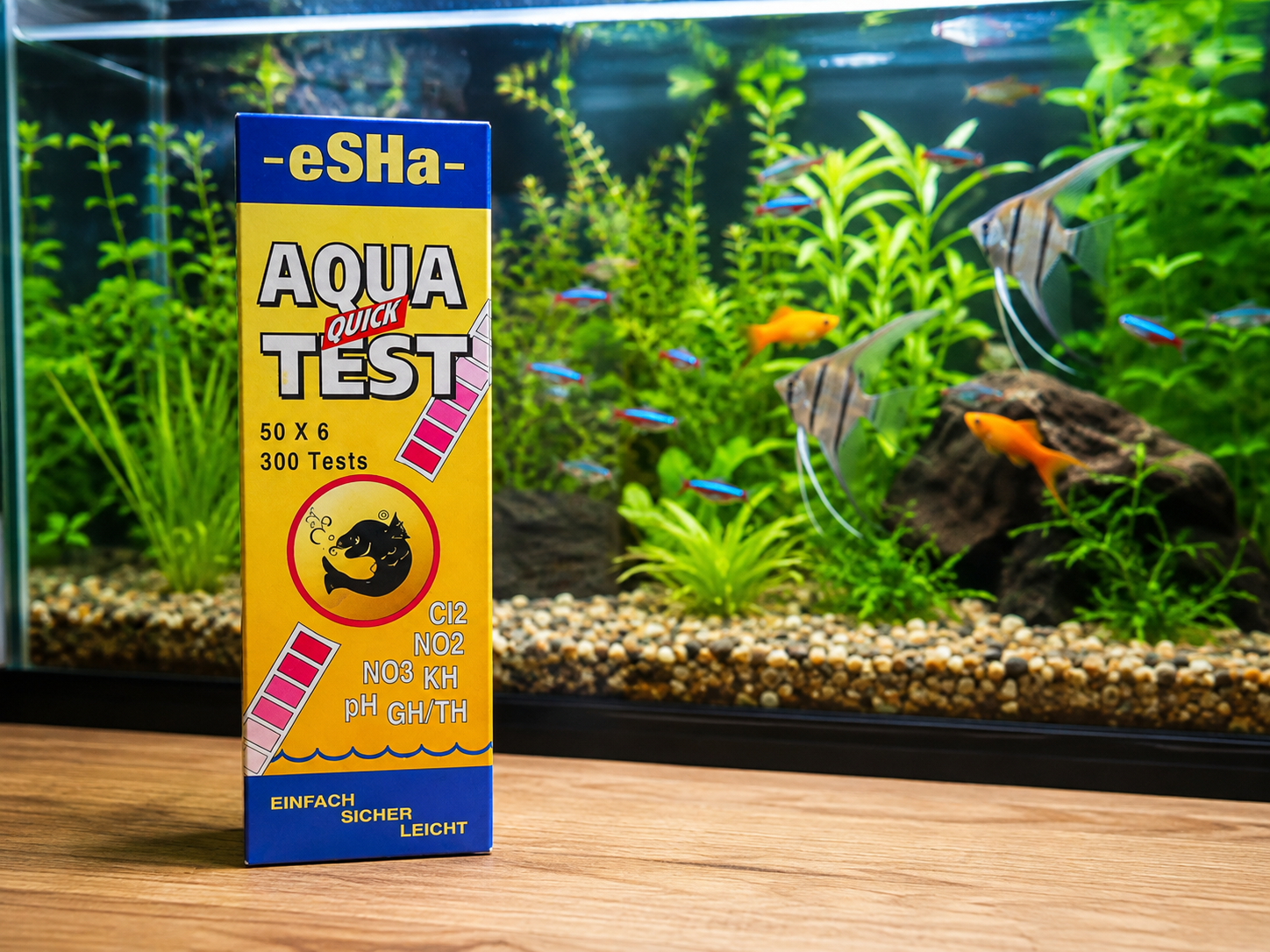
Esha
ESHA Aqua Quicktest
Best for: Fast routine water-quality checks in freshwater aquariums.
As an Amazon Associate, we earn from qualifying purchases.
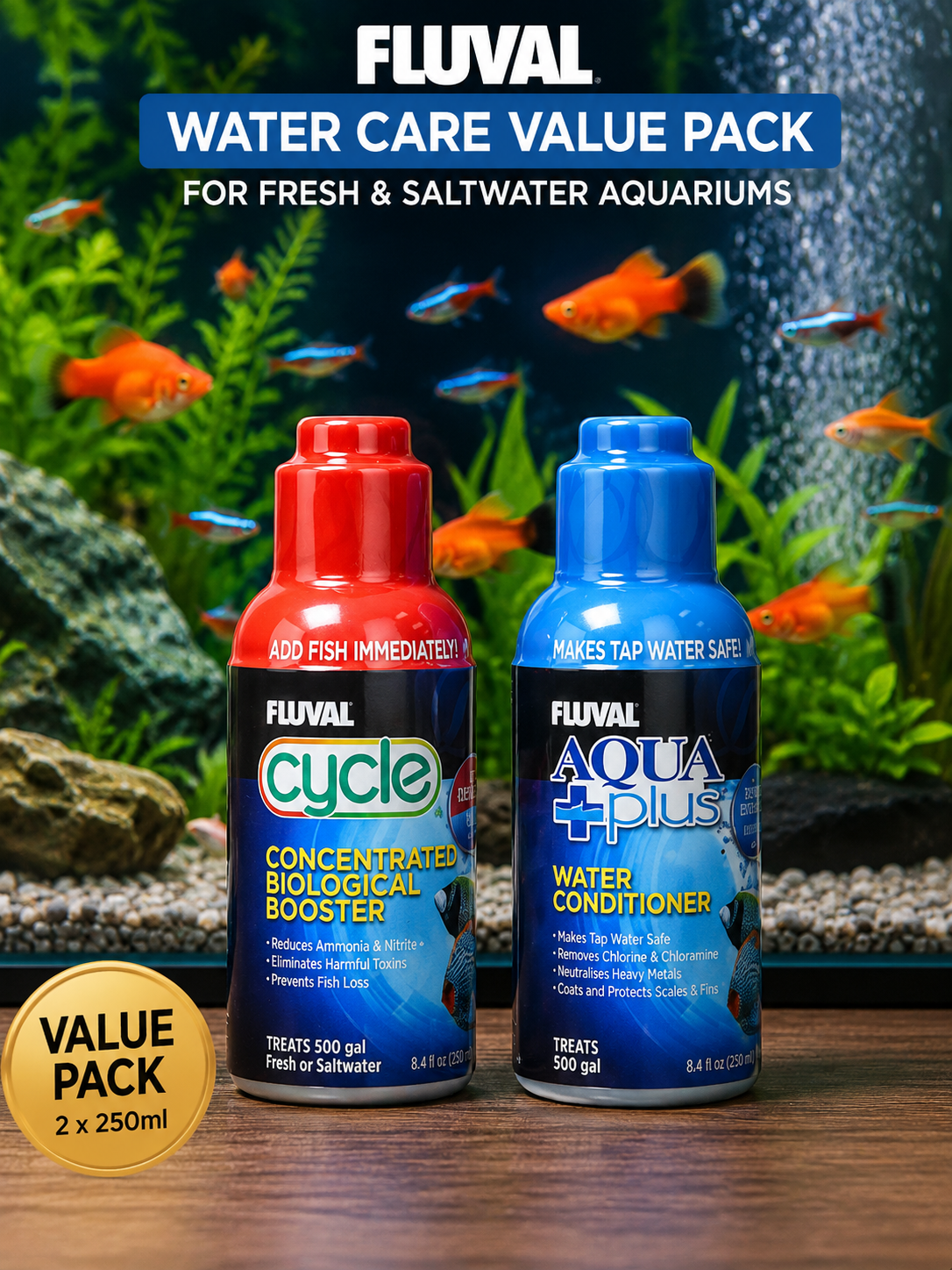
Fluval
Fluval Water Care Value Pack with Fluval Cycle & Aqua Plus, 500ml
Best for: New aquarium setups and routine water changes
As an Amazon Associate, we earn from qualifying purchases.
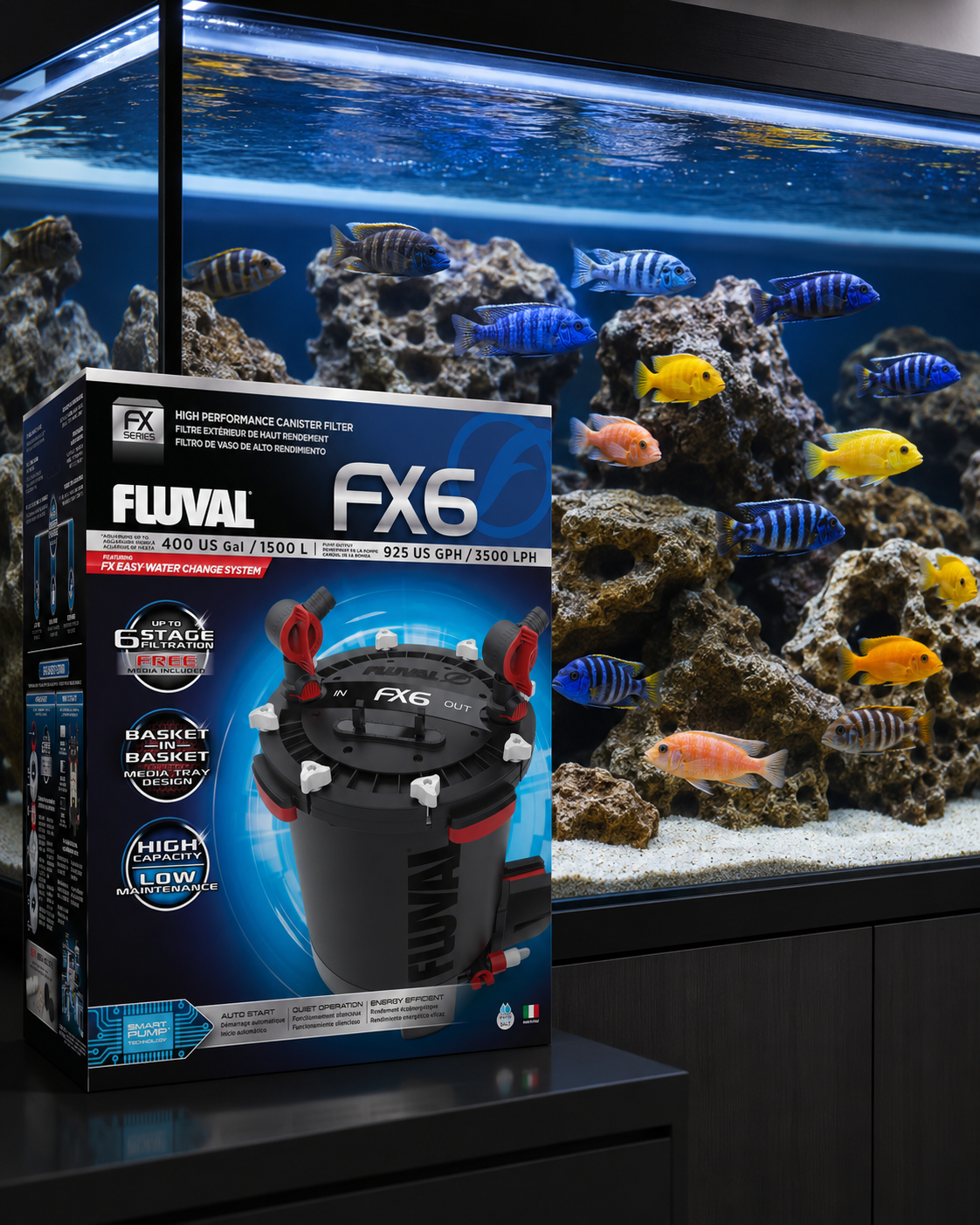
Fluval
Fluval Fx 6 High Proformance Aquarium Canister Filter
Best for: Large, heavily stocked Malawi cichlid aquariums
As an Amazon Associate, we earn from qualifying purchases.
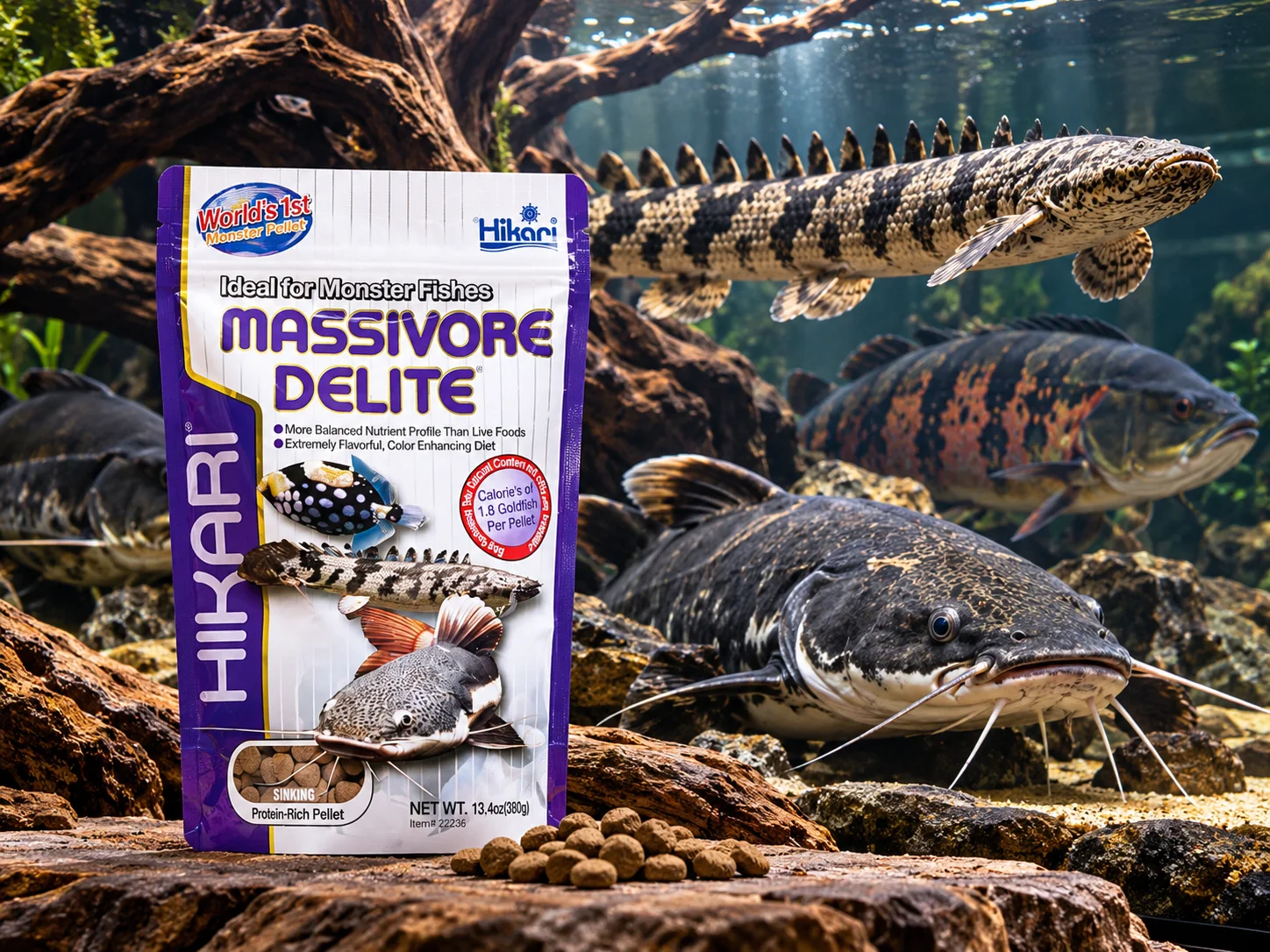
Hikari
Hikari Massivore Delite
Best for: Large carnivorous aquarium fish, including adult Bichirs, predatory catfish and other tank buster species.
As an Amazon Associate, we earn from qualifying purchases.