The Oscar Fish: Colour Varieties, Care Guide and Why They're Considered Tank Busters
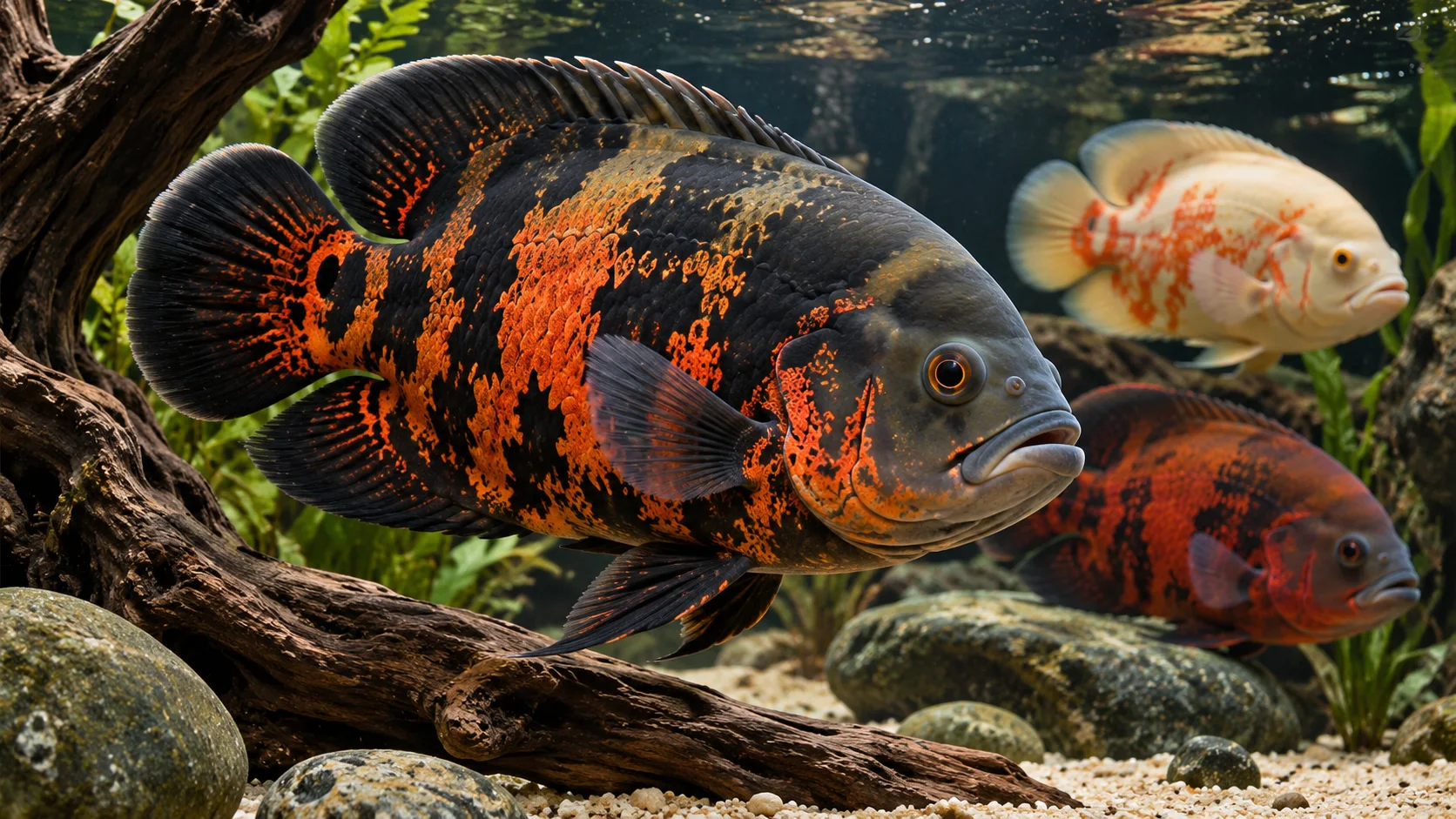
Oscars are among the most colourful and intelligent freshwater aquarium fish, available in stunning varieties including Tiger, Red, Albino, Lutino and Lemon Oscars. However, these popular South American cichlids can grow to 35 cm and require considerably more space than many fishkeepers expect. Discover the different Oscar varieties, their care requirements and why these impressive tank busters are unsuitable for most standard home aquariums.
The Oscar (Astronotus ocellatus) is one of the most recognisable and charismatic freshwater aquarium fish available. With its striking colours, impressive size and surprisingly interactive personality, it is easy to understand why Oscars have remained popular with fishkeepers for decades.
However, behind those attractive colours and appealing behaviours is a powerful, fast-growing South American cichlid that requires considerably more space and maintenance than many people realise.
Often described as a tank buster, the Oscar is regularly purchased as a small juvenile without sufficient consideration of its adult size. What begins as a colourful 5 cm fish can eventually become a muscular 30–35 cm adult capable of dominating an aquarium.
In this guide, we explore the different Oscar colour varieties, their care requirements and why these fascinating fish are unsuitable for most standard home aquariums.
Understanding the Oscar Fish
Oscars originate from tropical South America, particularly the Amazon basin and surrounding river systems. In their natural habitat, they inhabit relatively slow-moving waters, often around submerged branches, tree roots and areas of vegetation.
Unlike many smaller aquarium fish, Oscars develop distinctive personalities. They quickly learn to recognise feeding routines, often approach the aquarium glass when their keeper enters the room and may even appear to interact with people outside their aquarium.
This behaviour has earned them the affectionate nickname "water puppies".
However, this intelligence comes with a demanding personality. Oscars are territorial, powerful and capable of rearranging their surroundings.
They can also live for 10–20 years under suitable conditions, making them a substantial long-term commitment.
Different Oscar Colour Varieties
One of the attractions of keeping Oscars is the remarkable range of colours and patterns available.
Selective breeding has produced numerous ornamental varieties, although most share the same adult size, temperament and general care requirements.
Tiger Oscar
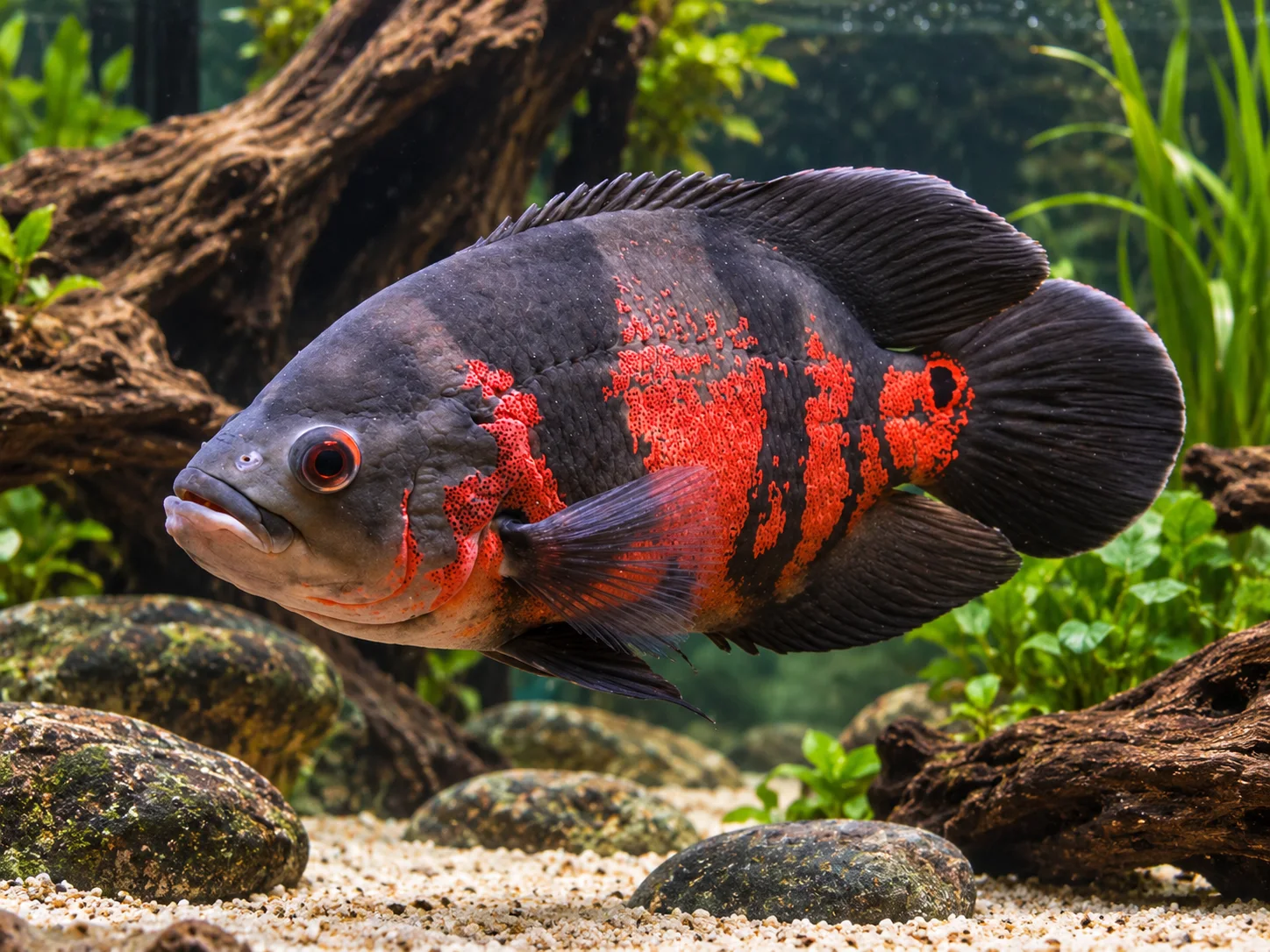
The Tiger Oscar is perhaps the most familiar variety.
Its dark brown or black body is covered in irregular orange or red markings, creating a striking marbled appearance.
The intensity and distribution of these markings vary considerably between individuals, meaning that two Tiger Oscars can look quite different.
Many retain the characteristic eye-like marking near the base of the tail, known as an ocellus.
Red Oscar
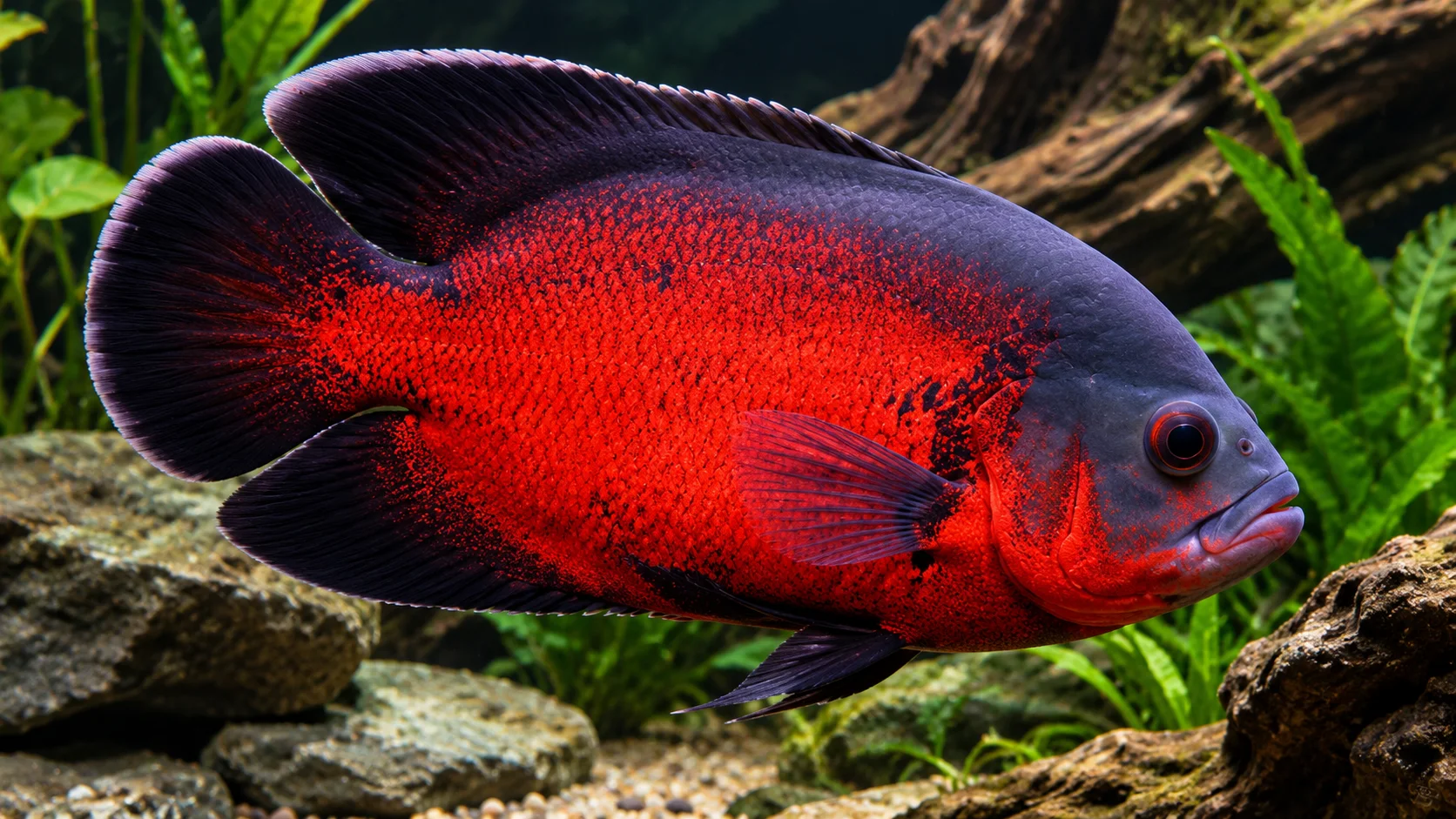
Red Oscars have been selectively bred to develop larger areas of red or orange pigmentation.
Some display predominantly red bodies with dark heads and fins, while others retain more extensive black markings.
Their vibrant appearance makes them particularly popular, although colour intensity can vary with age, genetics, diet and environmental conditions.
Albino Oscar
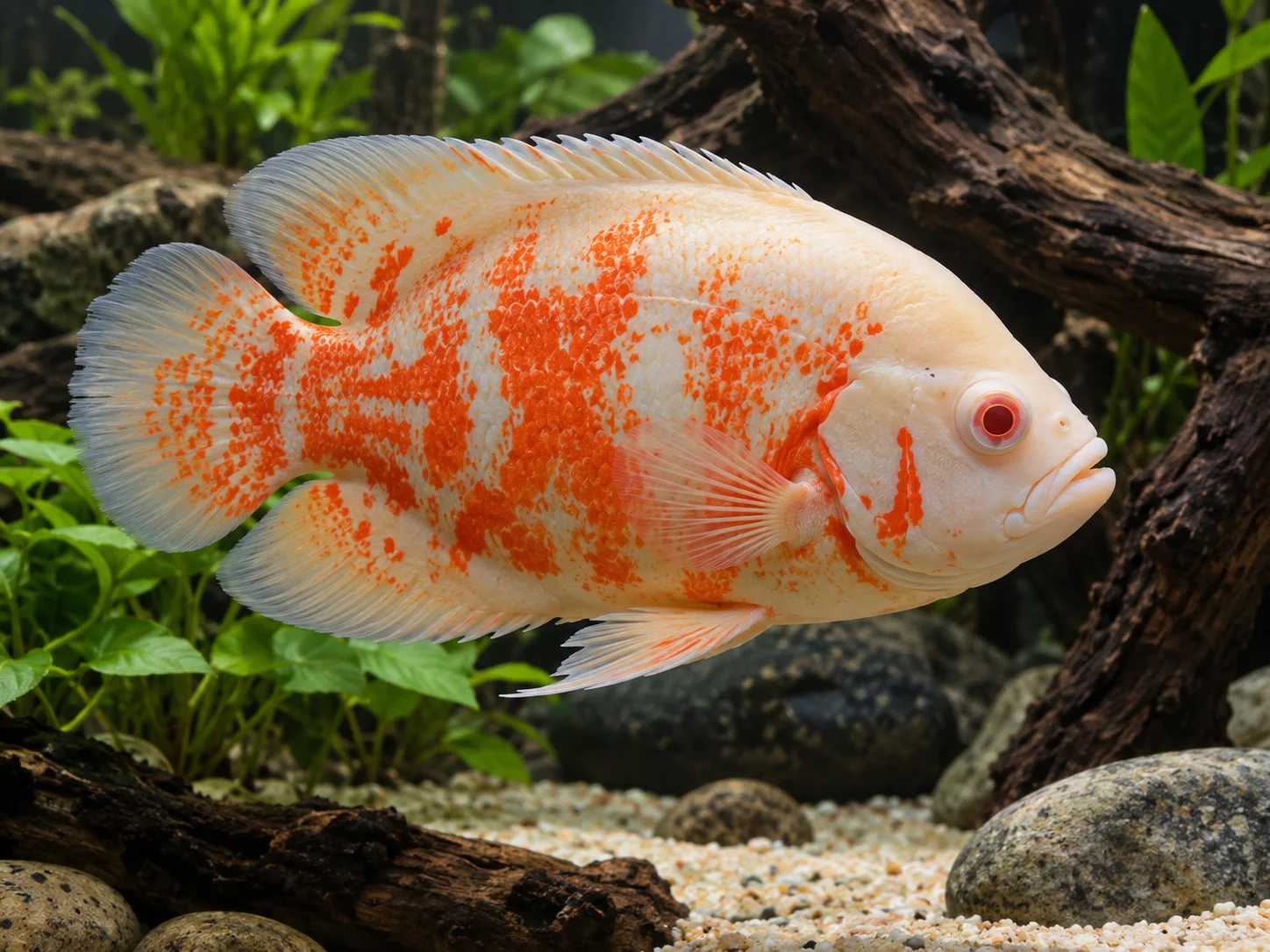
Albino Oscars are among the most distinctive varieties.
They typically have pale white or cream bodies decorated with orange or red markings.
True albino individuals lack normal dark pigmentation and have pinkish or reddish eyes.
Their reduced pigmentation can make them more sensitive to strong lighting, so shaded areas and moderate aquarium lighting are preferable.
Lutino Oscar
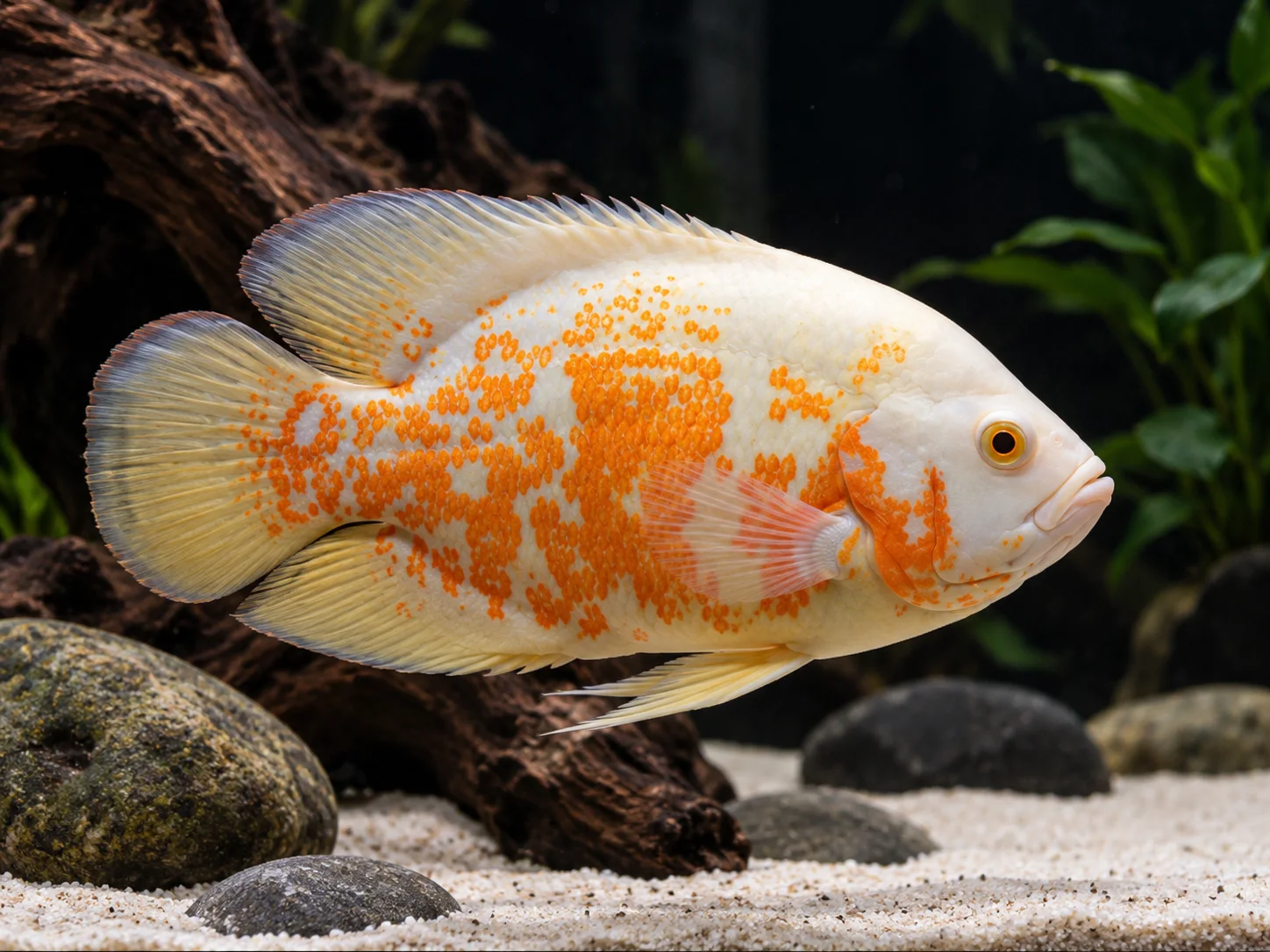
Lutino Oscars are frequently confused with albino varieties.
They share a similar pale appearance, often displaying white or cream bodies with orange markings.
However, unlike true albinos, Lutino Oscars retain darker pigmentation in their eyes.
Many fish sold commercially as albino Oscars are actually Lutino varieties.
Lemon Oscar
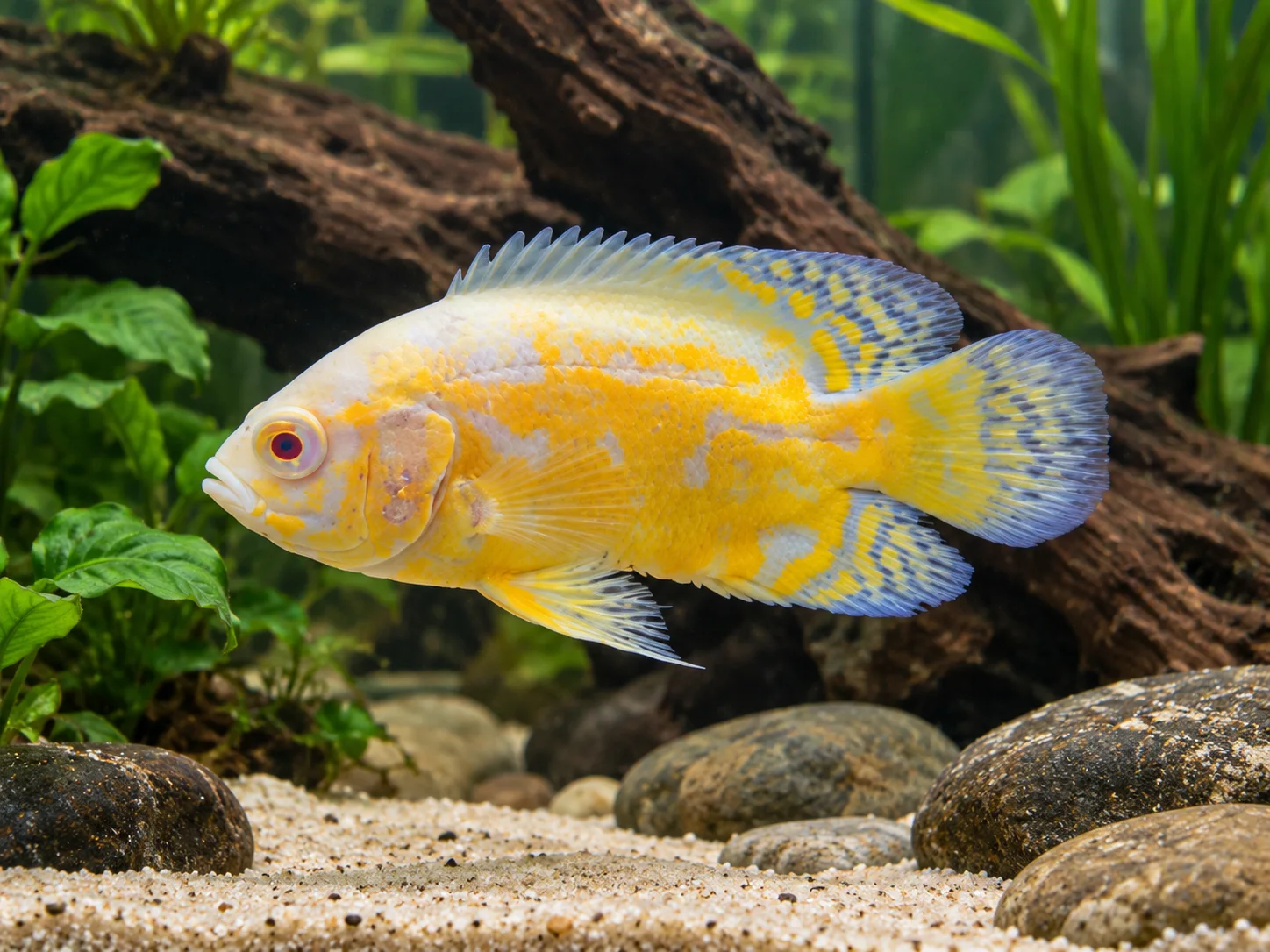
Lemon Oscars display attractive pale yellow or golden colouration.
Some have relatively uniform colouring, while others exhibit subtle patterns or orange highlights.
They are less commonly encountered than Tiger and Red Oscars but require essentially identical care.
White Oscar
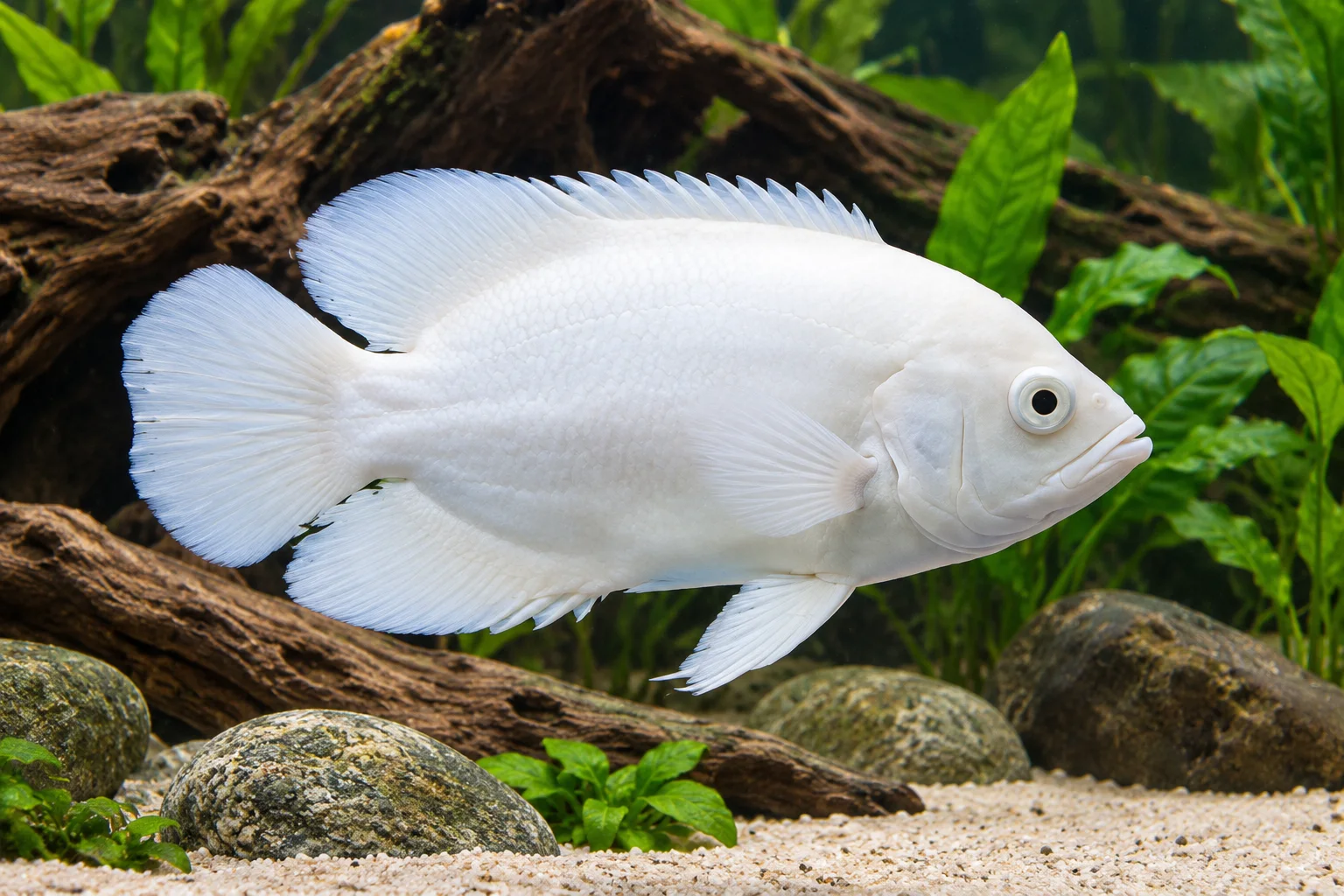
White Oscars are selectively bred for their predominantly white or cream appearance.
Some individuals retain faint markings, while others appear almost completely white.
As with other ornamental varieties, their pale colouration does not mean they remain smaller or require less aquarium space.
Long-Finned Oscar
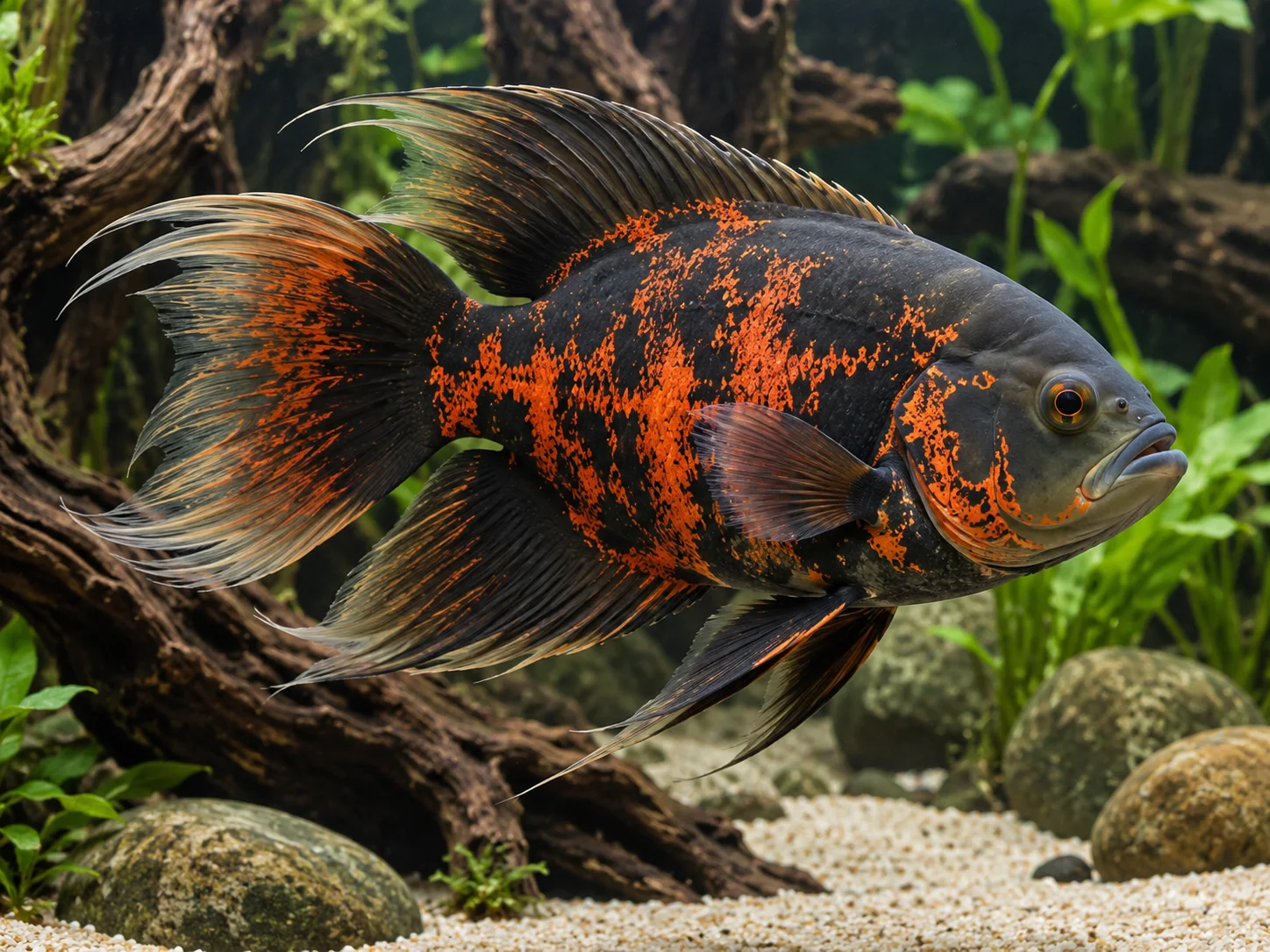
Long-finned Oscars, sometimes called Veil Tail Oscars, have been selectively bred to develop extended dorsal, anal and tail fins.
These flowing fins create an elegant appearance, particularly in Red and Tiger varieties.
However, the longer fins can be vulnerable to damage from sharp decorations or aggressive tankmates.
Wild-Type and Dark Oscars
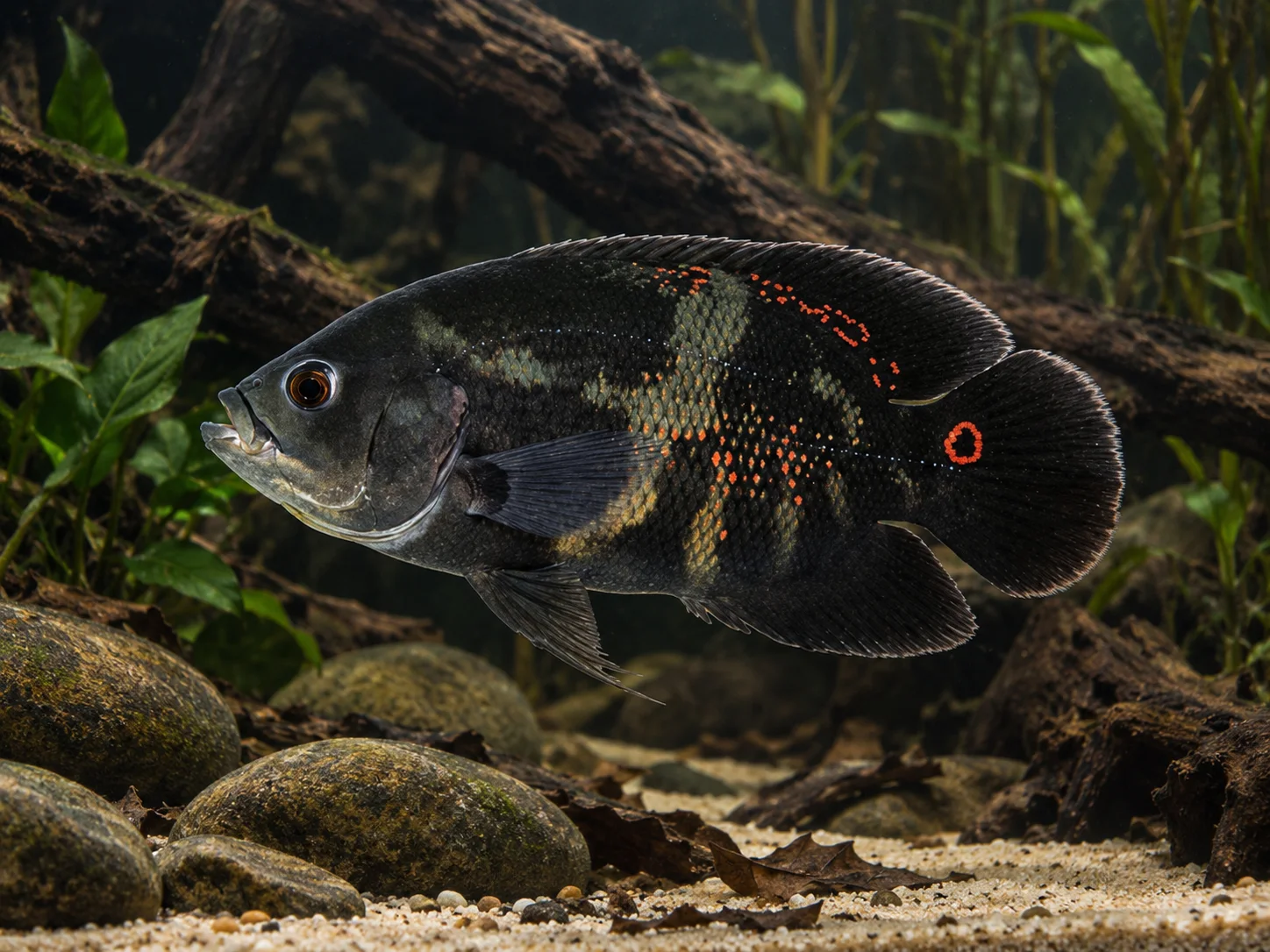
Wild-type Oscars typically display more subdued olive, brown and dark grey colouration with irregular markings.
Some aquarium strains are marketed as Black Oscars, displaying particularly dark bodies with limited orange pigmentation.
Although less colourful than some selectively bred varieties, these fish can be equally impressive.
Regardless of colour, all these Oscar varieties should be treated as large, powerful cichlids. None should be considered suitable for a small aquarium.
Why Oscars Are Considered Tank Busters
The term tank buster describes an aquarium fish that becomes exceptionally large, powerful or difficult to accommodate in a typical home aquarium.
Oscars certainly qualify.
Although they do not reach the enormous proportions of Redtail Catfish or Giant Gouramis, their combination of size, strength, rapid growth and waste production creates significant challenges.
An Oscar purchased at just a few centimetres long can grow rapidly during its first year when properly fed and maintained.
Eventually, an adult may reach approximately 30–35 cm in length, developing a deep, heavy body.
Oscars are also powerful fish capable of moving decorations, disturbing substrate and occasionally damaging poorly secured aquarium equipment.
Their feeding habits are another concern. Oscars are enthusiastic eaters and produce substantial quantities of waste, placing considerable demands on biological filtration.
Unfortunately, many are sold as small, colourful juveniles and housed in aquariums that will never accommodate their adult size.
This frequently results in overcrowding, declining water quality and fish that eventually require rehoming.
What Size Aquarium Does an Oscar Need?
Aquarium size is arguably the most important consideration when keeping Oscars.
For a single adult, we recommend planning for an aquarium of approximately 450–550 litres or larger, with a footprint of at least 150 cm long by 60 cm wide.
A larger aquarium, particularly one measuring 180 cm or more in length, provides additional swimming space and greater flexibility.
Some care guides suggest smaller minimum volumes, but these offer limited space for a mature Oscar and leave less margin for maintaining stable water quality.
Keeping a pair requires considerably more room, particularly if territorial disputes occur.
Length and width are especially important because Oscars need sufficient space to swim and turn comfortably.
A tall aquarium with a relatively small footprint is not an adequate substitute for a spacious, wide aquarium.
It is also important to remember that a large aquarium requires suitable flooring, substantial filtration and ongoing maintenance.
Aquarium Setup and Decorations
Oscars generally prefer an aquarium with open swimming areas alongside secure structures that provide shelter.
A sand substrate or smooth gravel can work well, although Oscars frequently dig and rearrange their surroundings.
Large pieces of aquarium-safe driftwood and carefully positioned rocks can create an attractive natural environment.
However, decorations must be stable and securely positioned. Oscars are surprisingly strong and can dislodge loosely stacked rocks.
Live plants are often problematic because Oscars may uproot them while digging. Hardy plants attached to wood or rocks may survive, although there are no guarantees.
Heaters should be protected from accidental impacts, and an external heater or suitable protective guard can be beneficial.
A secure aquarium lid is also essential because Oscars are capable of jumping, particularly when startled.
Water Conditions and Filtration
Despite their demanding space requirements, Oscars are relatively adaptable regarding water chemistry.
Suitable conditions generally include:
- Temperature: 24–28°C
- pH: Approximately 6.0–7.5
- General hardness: 5–20 dGH
- Ammonia and nitrite: 0 ppm
Stable conditions are more important than attempting to achieve a precise pH value.
Strong biological filtration is essential because Oscars produce considerable waste.
Large external canister filters or appropriately designed sump filtration systems are popular choices.
Regular partial water changes are equally important. Depending on stocking levels, feeding and filtration, weekly changes of approximately 30–50% may be necessary.
Nitrate concentrations should be monitored, and maintenance adjusted to prevent excessive accumulation.
A powerful filtration system cannot compensate for an aquarium that is simply too small.
Feeding Your Oscar
Oscars are opportunistic omnivores with a strong preference for meaty foods.
In the wild, their diet includes aquatic invertebrates, insects, smaller fish and other available food sources.
In aquariums, a high-quality large cichlid pellet should form the foundation of their diet.
This can be supplemented with suitable foods such as earthworms, prawns, krill and other appropriately prepared aquatic invertebrates.
Variety helps provide balanced nutrition and encourages natural feeding behaviour.
However, avoid routinely feeding live feeder fish, particularly goldfish, because they may introduce parasites or disease and can provide an unsuitable nutritional balance.
Mammalian and poultry meat should also be avoided.
Oscars are notorious for begging whenever someone approaches the aquarium, but this behaviour should not be mistaken for genuine hunger.
Overfeeding contributes to obesity, uneaten food and deteriorating water quality.
Can Oscars Live With Other Fish?
Oscar compatibility requires careful consideration.
Although Oscars are not necessarily aggressive towards every fish they encounter, they are territorial predators.
Smaller fish may eventually be eaten, even when they have lived alongside an Oscar for some time.
Other large, robust fish may be compatible in sufficiently spacious aquariums, but temperament varies between individuals.
Even two Oscars can become aggressive towards each other, particularly as they mature.
A male and female do not automatically form a compatible breeding pair, and fighting can result in serious injuries.
For many fishkeepers, keeping one Oscar as the centrepiece of a large aquarium is the simplest and most responsible option.
Common Oscar Health Problems
Oscars are generally hardy when provided with suitable conditions, but poor water quality, overcrowding and nutritional deficiencies can cause serious problems.
One condition associated with Oscars is Hole-in-the-Head disease, which causes pits or lesions around the head and sometimes along the lateral line.
The condition has several possible contributing factors, including environmental stress, nutritional problems and certain infections.
Because the causes can vary, treatment should begin with assessing water quality, diet and the fish's overall condition. Persistent or worsening lesions require advice from an aquatic veterinary professional.
Oscars can also develop bacterial infections, fin damage and external parasites.
Warning signs include loss of appetite, abnormal swimming, excessive hiding, rapid breathing or visible changes to the skin.
As with most aquarium fish, prevention through good husbandry is considerably easier than treating advanced disease.
Are Oscars Suitable for Beginners?
Despite their popularity, Oscars are not ideal beginner fish.
Their basic feeding requirements are relatively straightforward, and they can tolerate a reasonable range of water conditions.
However, their size, rapid growth, territorial behaviour and substantial waste production make them demanding.
A beginner with the budget, space and commitment to maintain a large aquarium could successfully keep an Oscar.
Nevertheless, anyone starting with a typical 60–200 litre community aquarium should avoid them.
Their attractive appearance as juveniles should never distract from their eventual requirements.
Final Thoughts: A Magnificent Fish That Needs a Magnificent Aquarium
Oscars are among the most engaging freshwater aquarium fish available.
Their intelligence, individual personalities and beautiful colour varieties make them rewarding animals for experienced fishkeepers.
Whether choosing a classic Tiger Oscar, a striking Red Oscar or an elegant Long-Finned variety, the responsibility remains the same.
These are large, powerful fish that require substantial aquarium space, effective filtration, a varied diet and consistent maintenance.
Unfortunately, their widespread availability as small juveniles means that too many end up in aquariums that are simply unsuitable.
The Oscar is not a fish that should be purchased with the intention of upgrading the aquarium someday. Its adult accommodation should already be planned before bringing one home.
Given sufficient space and proper care, an Oscar can become a fascinating aquarium companion for well over a decade.
But for most ordinary home aquariums, this impressive tank buster is a fish best admired rather than owned.
Products We've Mentioned & Recommend
Below you'll find a selection of products we've mentioned in this article, along with a few others we think you might find useful. We've included Amazon links to make them easy to find.
A quick word about affiliate links...
Some of these links are affiliate links, which means we may earn a small commission from qualifying purchases, at no extra cost to you.
Unfortunately, the commission doesn't quite stretch to cocktails on a yacht or a garage full of sports cars. In reality, it helps cover the running costs of this website and, with a bit of luck, might eventually buy me a new pair of waders that don't leak!
We only recommend products we genuinely believe are worth considering, and your support helps us keep sharing free advice from our years of working with aquariums and ponds.
Thanks for supporting Aquatic Specialist!
As an Amazon Associate I earn from qualifying purchases.
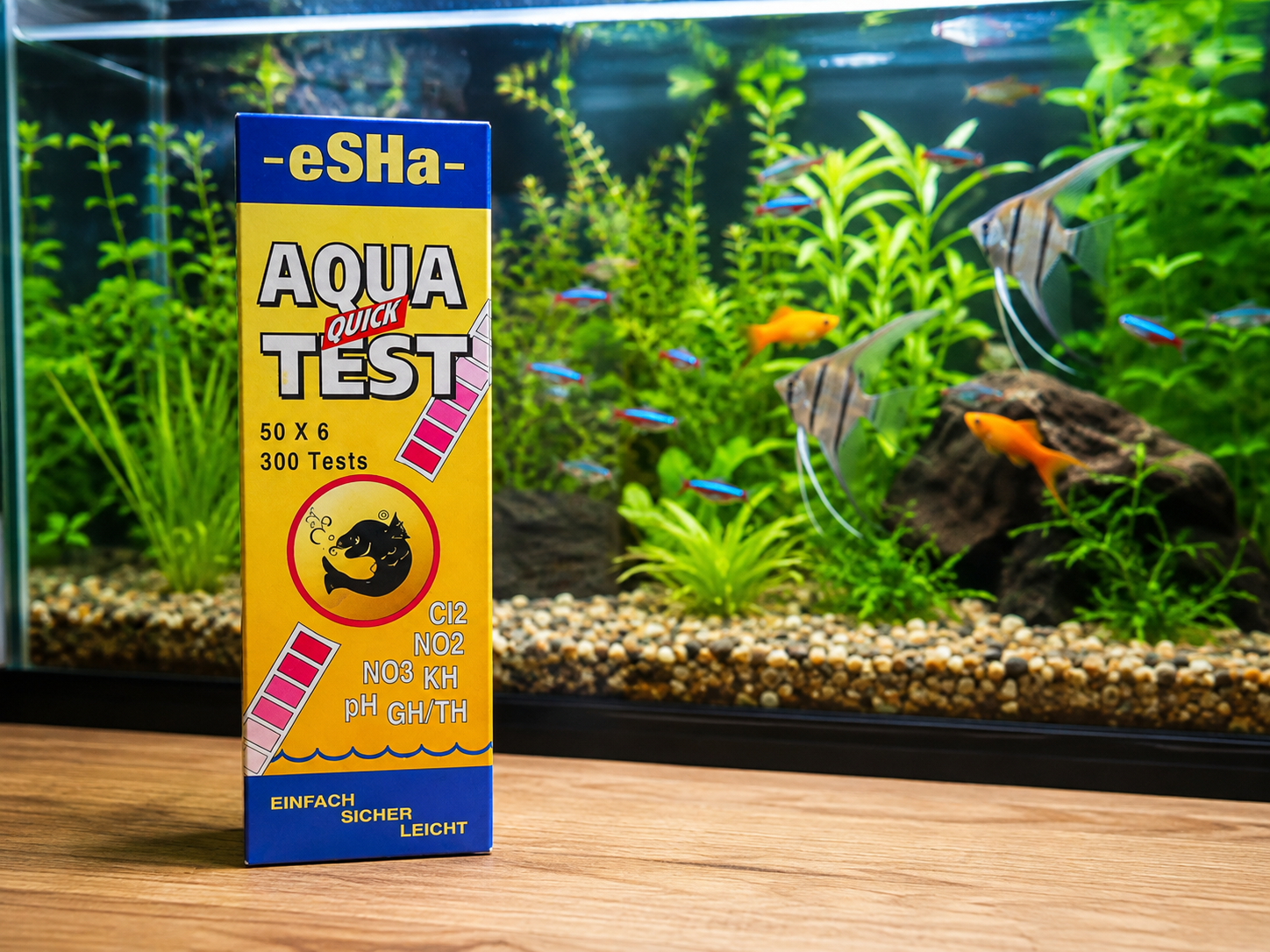
Esha
ESHA Aqua Quicktest
Best for: Fast routine water-quality checks in freshwater aquariums.
As an Amazon Associate, we earn from qualifying purchases.
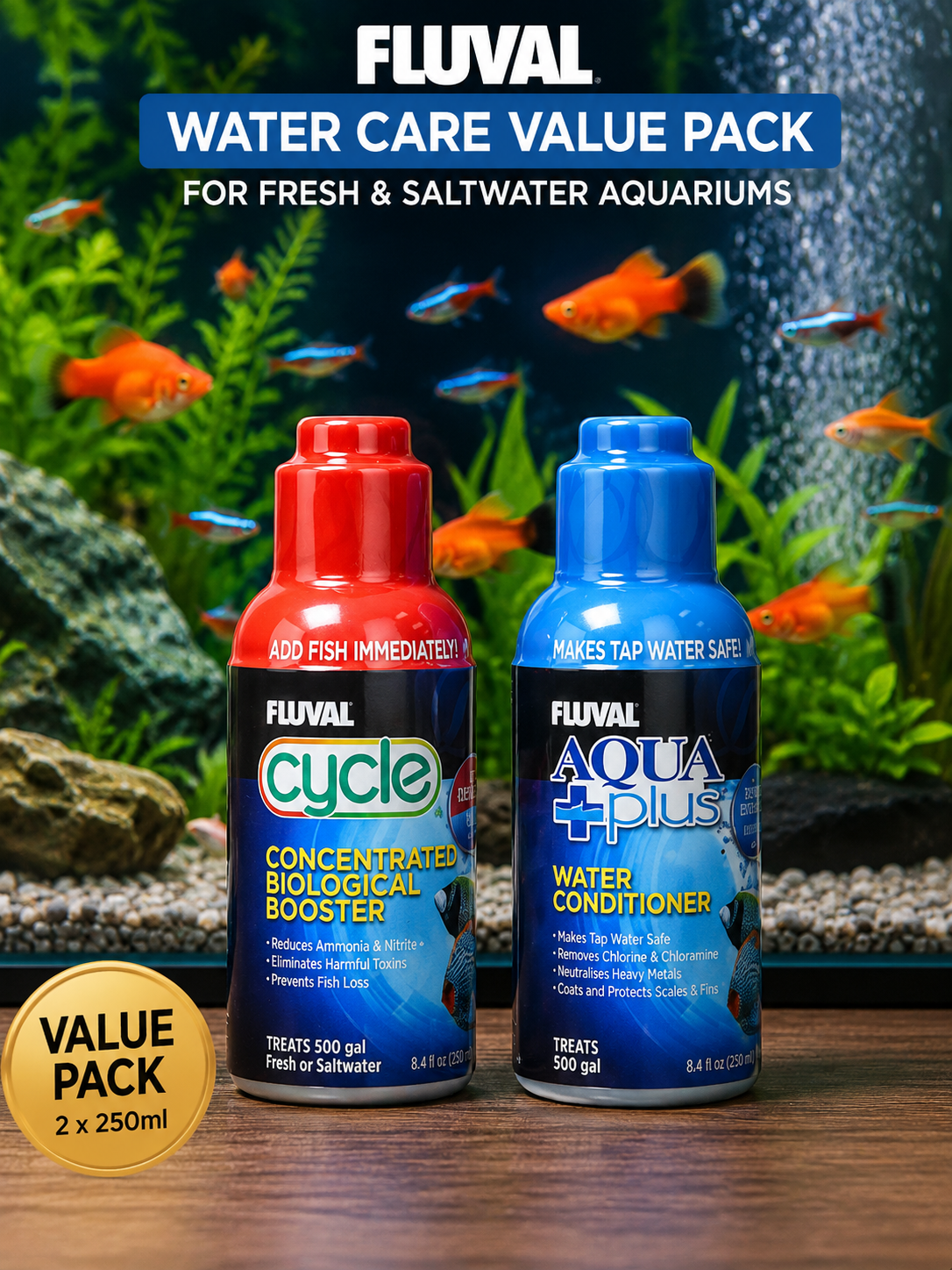
Fluval
Fluval Water Care Value Pack with Fluval Cycle & Aqua Plus, 500ml
Best for: New aquarium setups and routine water changes
As an Amazon Associate, we earn from qualifying purchases.
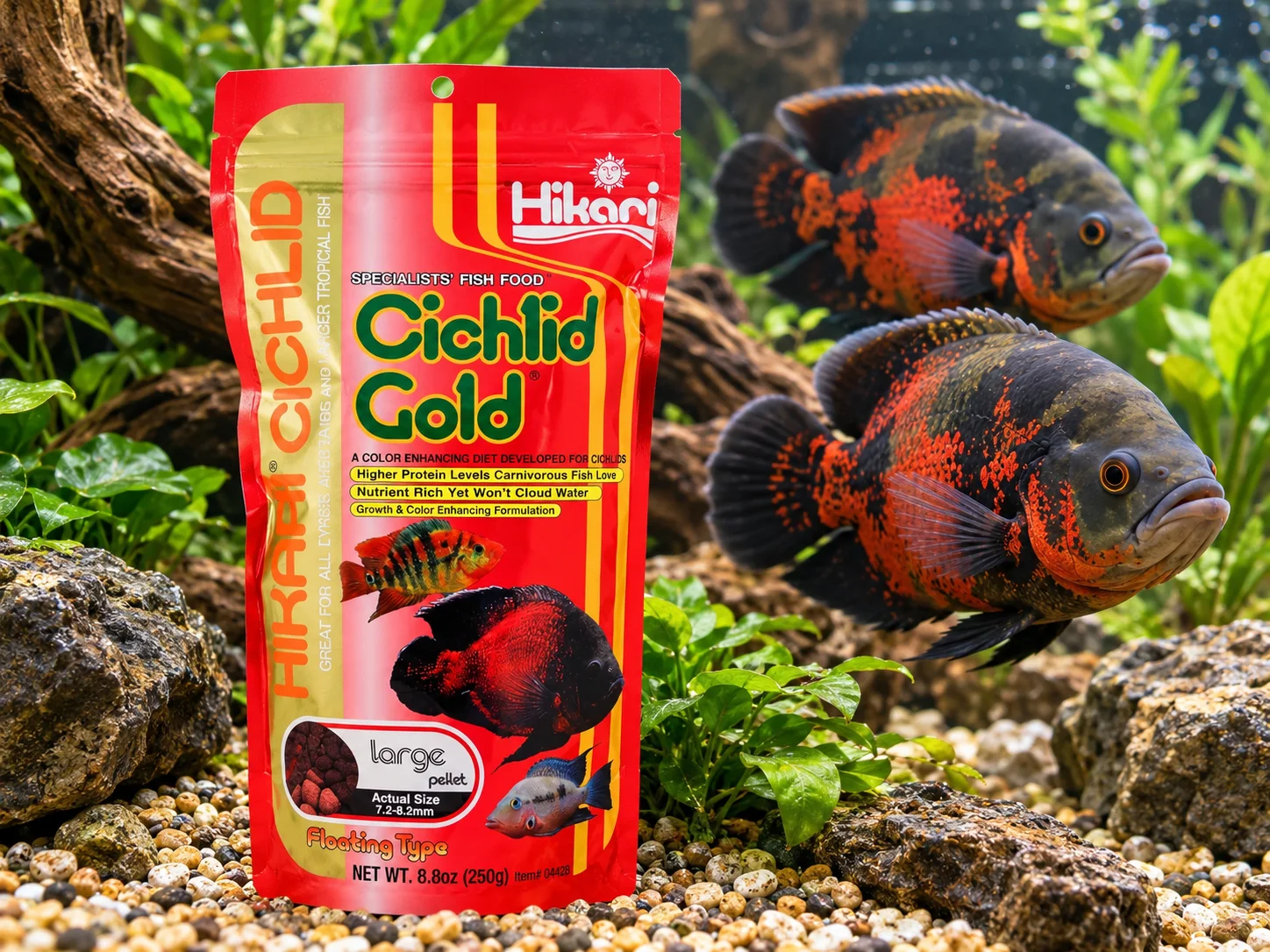
Hikari
Cichlid Gold Fish Food Large Pellet Floating Type 8.8 oz (250g)
Best for: Adult Oscars and other large carnivorous or omnivorous cichlids.
As an Amazon Associate, we earn from qualifying purchases.
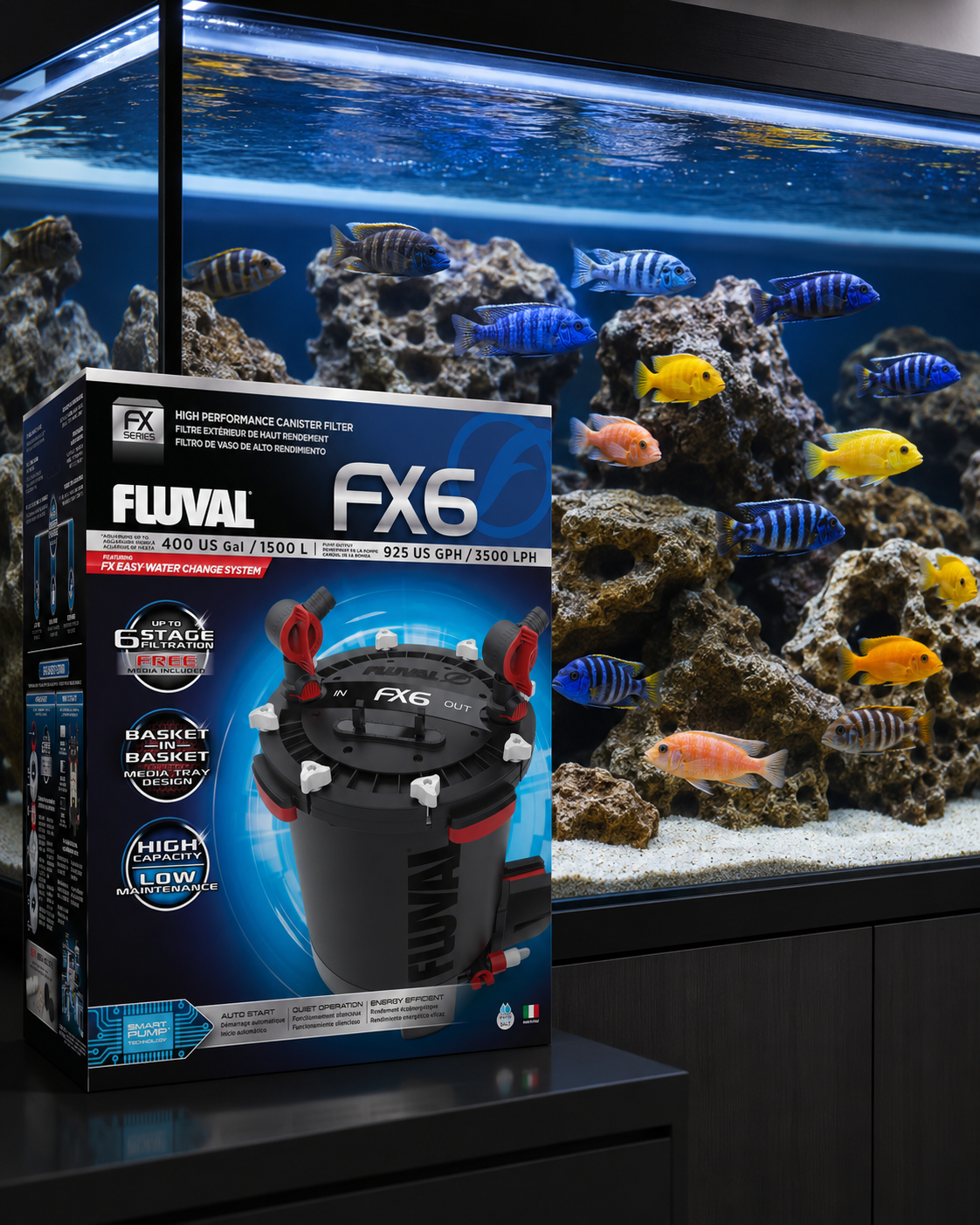
Fluval
Fluval Fx 6 High Proformance Aquarium Canister Filter
Best for: Large, heavily stocked Malawi cichlid aquariums
As an Amazon Associate, we earn from qualifying purchases.