Gibbiceps Pleco: The Algae Eater That Grows Into a Tank Buster
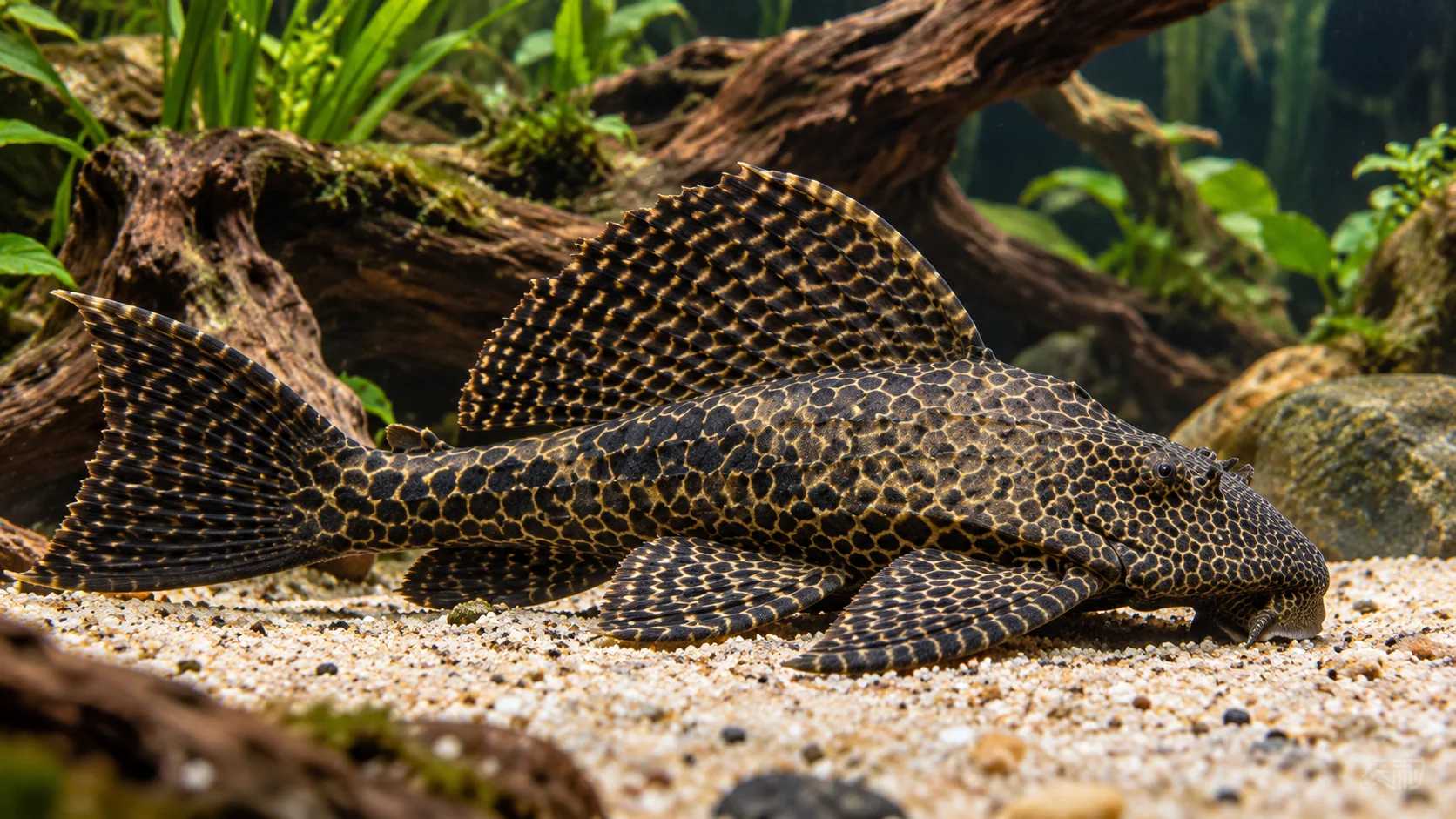
The Gibbiceps Pleco (Pterygoplichthys gibbiceps) is commonly sold as a small, peaceful algae eater. However, this attractive sailfin catfish can eventually reach 50 cm, making it unsuitable for most home aquariums. Discover why this popular pleco becomes a tank buster, the challenges of keeping adults and what smaller alternatives are available.
Pterygoplichthys gibbiceps – Why this popular aquarium catfish is unsuitable for most home aquariums.
Walk into almost any tropical fish shop and there is a good chance you will find a small Gibbiceps Pleco for sale. Often just a few centimetres long, these attractive little catfish are commonly marketed as algae eaters, making them particularly appealing to aquarium owners looking for a natural way to keep their glass and decorations clean.
Unfortunately, what starts as a relatively inexpensive algae eater can eventually become one of the largest fish in the aquarium.
The Gibbiceps Pleco, also known as the Sailfin Pleco or Leopard Sailfin Pleco, is a classic example of a tank buster. Although peaceful, hardy and undeniably beautiful, this species can reach approximately 50 cm (20 inches) in length and produce an extraordinary amount of waste.
For many aquarium owners, the problems only become apparent several years after purchasing what appeared to be a perfectly suitable small fish.
What Is a Gibbiceps Pleco?
The Gibbiceps Pleco (Pterygoplichthys gibbiceps) is a large freshwater catfish belonging to the Loricariidae family, commonly known as the armoured catfish.
Originally found in South America, particularly within the Amazon and Orinoco river basins, these fish inhabit tropical freshwater environments where they spend much of their time grazing over submerged surfaces.
Their appearance makes them particularly recognisable. The body is covered in an intricate leopard-like or honeycomb pattern, while the large dorsal fin can be raised into an impressive sail.
This enormous dorsal fin is responsible for the common name Sailfin Pleco. Like other members of the family, Gibbiceps have a specialised sucker-shaped mouth that allows them to attach themselves to rocks, wood and other submerged surfaces while feeding.
Their bodies are protected by rows of hard bony plates, giving them a prehistoric appearance that becomes increasingly impressive as they mature.
Despite their considerable adult size, these fish are regularly sold as small juveniles.
The Problem With Selling Them as Algae Eaters
One of the biggest problems surrounding Gibbiceps Plecos is how frequently they are purchased primarily to control algae.
A young Gibbiceps measuring just 5–8 cm can appear to be an excellent addition to a community aquarium. They spend considerable time grazing on algae-covered surfaces and are generally peaceful towards other fish.
For somebody experiencing algae problems, this may seem like the perfect solution. However, the fish does not remain small.
Under suitable conditions, young Gibbiceps can grow surprisingly quickly, eventually becoming far too large for the aquarium in which they were originally introduced.
A fish purchased for a 100 or 200-litre aquarium may eventually need a system several times larger. Unfortunately, the responsibility of accommodating this growth is often overlooked.
There is also a common misconception that plecos only grow to the size of their aquarium. This is simply not true.
An aquarium that is too small does not produce a naturally smaller, healthy fish. Inadequate conditions can restrict normal development and contribute to poor health, stress and shortened life expectancy. Buying a Gibbiceps with the intention of keeping it permanently in a small aquarium is therefore never a responsible approach.
How Big Do Gibbiceps Plecos Grow?
The Gibbiceps Pleco can reach approximately 50 cm (20 inches) in length. To put that into perspective, an adult specimen can be almost as long as the entire width of a typical 60 cm aquarium. However, length is only part of the problem.
As they mature, Gibbiceps develop substantial bodies, broad heads, powerful tails and enormous pectoral fins. A fully grown specimen is an impressive animal that requires considerably more room than its length might initially suggest.
An adult must be able to turn comfortably, move around the aquarium and access suitable resting places without constantly colliding with decorations.
Growth rates vary depending on feeding, water quality, genetics and available space, but substantial growth can occur during the first few years.
This means that somebody purchasing a juvenile should already have a realistic plan for its eventual adult accommodation. Waiting until the fish becomes too large before considering a bigger aquarium frequently leads to problems.
Why Gibbiceps Are Considered Tank Busters
The term tank buster is commonly used to describe aquarium fish that grow far larger than most hobbyists can reasonably accommodate. Gibbiceps fit this description particularly well.
Unlike some large predatory catfish, they do not require enormous quantities of fish or other meaty foods. Their main challenges are their physical size, substantial waste production and long-term accommodation requirements.
A large Gibbiceps can produce remarkable quantities of waste. Although they consume algae and other organic material, that food must still pass through their digestive system. The result is a significant biological load on the aquarium's filtration system. This is an important point often overlooked when these fish are sold as cleaners.
A Gibbiceps Pleco does not remove waste from an aquarium. It creates additional waste that the filtration system must process. Their size can also become a problem in planted aquariums.
A large specimen moving between decorations can easily dislodge plants, disturb the substrate or accidentally knock over loosely positioned rocks and wood.
These are not necessarily destructive fish by nature. They are simply large, powerful animals that require suitable surroundings.
What Size Aquarium Does a Gibbiceps Need?
A fully grown Gibbiceps requires a genuinely large aquarium. For long-term adult accommodation, a custom aquarium measuring at least around 200 cm in length and 75 cm from front to back, providing roughly 900 litres or more depending on its height, is a more realistic starting point than a conventional community tank. Larger dimensions are preferable, especially for particularly substantial specimens.
The aquarium's footprint is especially important because these fish spend much of their lives resting and moving along the bottom.
A tall aquarium with limited floor space is not an adequate substitute for a long, wide aquarium. Excellent filtration is essential, ideally with substantial biological filtration capacity and effective mechanical filtration to remove solid waste.
Regular water changes and substrate cleaning are equally important. A Gibbiceps also benefits from large pieces of bogwood or driftwood, appropriately sized shelters and unobstructed areas where it can move comfortably.
Secure decorations are important because an adult specimen has sufficient strength to shift poorly positioned objects.
For most people keeping a standard community aquarium, providing suitable permanent accommodation simply isn't practical.
Do Gibbiceps Plecos Really Eat Algae?
Yes. Gibbiceps are natural algae grazers, particularly when young. In suitable aquariums, juveniles can be surprisingly effective at removing certain forms of algae from glass, rocks and decorations. However, they should never be expected to survive entirely on whatever algae happens to grow in the aquarium.
Gibbiceps are predominantly grazing omnivores that feed on algae, biofilm, plant material and other available organic matter.
Their diet in captivity should include a good-quality sinking pleco food, algae-based wafers and suitable vegetables.
Courgette is particularly useful, while other vegetables such as cucumber and blanched greens can provide variety. Small amounts of appropriate protein-rich food can also be offered as part of a balanced diet.
Uneaten vegetables should be removed before they deteriorate and affect water quality. As these fish grow, their dietary requirements increase substantially.
A large adult cannot reasonably be supported by the limited algae growing inside a typical home aquarium. It is also worth remembering that Gibbiceps do not eat fish faeces or eliminate the need for aquarium maintenance.
No fish should be purchased simply because it is expected to clean up after the others.
Are Gibbiceps Plecos Aggressive?
Despite their intimidating adult size, Gibbiceps are generally peaceful towards other suitable aquarium fish. They are not active predators and will not normally hunt healthy fish. However, mature specimens can become territorial towards other bottom-dwelling fish, particularly other large plecos competing for the same resting places.
Arguments over caves, driftwood and favourite feeding areas can occur. Their sheer size also means that very small or delicate aquarium inhabitants may not make ideal companions.
When adequately housed, Gibbiceps can coexist with a variety of medium to large peaceful tropical fish, provided their environmental requirements are compatible.
They are often more active during the evening and overnight, although many individuals become comfortable feeding during daylight hours.
As with all large fish, tankmates should be selected with the adult fish in mind rather than the small juvenile being sold in the shop.
Water Conditions and Long-Term Care
Gibbiceps are relatively adaptable fish, which is one reason they have remained popular within the aquarium hobby. They generally do well in tropical water temperatures of approximately 23–27°C, with a pH around 6.5–7.8.
Stable water conditions are more important than constantly attempting to achieve a particular number.
Although these catfish are hardy, they still require clean, well-oxygenated water and an appropriately maintained filtration system.
Their lifespan is another important consideration. With suitable care, Gibbiceps can live for well over a decade, and some may approach 20 years or more.
Purchasing one should therefore be considered a substantial long-term commitment rather than a temporary solution to an algae problem.
What Happens When a Gibbiceps Becomes Too Large?
Unfortunately, many Gibbiceps eventually outgrow their original aquariums. Some are returned to aquatic shops, while others are advertised for rehoming by owners who can no longer provide suitable accommodation.
Finding a home for a 40 or 50 cm pleco is considerably more difficult than finding somebody willing to accept a small juvenile.
Large aquariums are expensive, require substantial space and can involve significant ongoing electricity and maintenance costs. Public aquariums and specialist fishkeepers may occasionally be able to accommodate unwanted specimens, but suitable placements cannot be guaranteed.
Under no circumstances should unwanted plecos be released into rivers, lakes or ponds. Introduced populations of large Pterygoplichthys species have already caused ecological problems in parts of the world where environmental conditions allow them to survive and establish.
The most responsible approach is to avoid purchasing one unless suitable adult accommodation can be provided from the beginning.
Better Alternatives for Smaller Aquariums
Fortunately, not every pleco grows into a giant. For aquarium owners who enjoy the appearance and behaviour of suckermouth catfish but cannot accommodate a Gibbiceps, smaller species are available.
The Bristlenose Pleco (Ancistrus species) is one of the most practical alternatives for suitably sized community aquariums.
Common Bristlenose Plecos typically reach approximately 12–15 cm, making them considerably more manageable than a fully grown Gibbiceps.
Clown Plecos (Panaqolus maccus) are another option, usually remaining around 8–10 cm, although their dietary requirements and tendency to rasp wood mean they should not be purchased primarily for algae control.
Even smaller plecos require proper feeding, suitable filtration, hiding places and an appropriately sized aquarium.
However, choosing a genuinely smaller species from the beginning avoids many of the problems associated with keeping large tank-busting catfish.
Final Thoughts: A Beautiful Fish That Deserves More Space
The Gibbiceps Pleco is undoubtedly a magnificent aquarium fish. Its impressive sail-like dorsal fin, intricate markings and peaceful nature make it an attractive addition to a sufficiently large tropical aquarium.
Unfortunately, it is also one of the clearest examples of why researching a fish's adult size before purchasing is so important.
A small algae eater costing relatively little in an aquatic shop can eventually require an aquarium holding close to a thousand litres or more, powerful filtration and many years of care.
For dedicated keepers with the necessary space, equipment and experience, Gibbiceps can be fascinating fish to maintain.
For the average home aquarium, however, they are simply too large.
The Gibbiceps Pleco is not a bad aquarium fish. It is a beautiful, impressive catfish that is too often sold for aquariums that will never be large enough to accommodate it properly.
And that is precisely why it deserves its place among the aquarium hobby's most recognisable tank busters.
Products We've Mentioned & Recommend
Below you'll find a selection of products we've mentioned in this article, along with a few others we think you might find useful. We've included Amazon links to make them easy to find.
A quick word about affiliate links...
Some of these links are affiliate links, which means we may earn a small commission from qualifying purchases, at no extra cost to you.
Unfortunately, the commission doesn't quite stretch to cocktails on a yacht or a garage full of sports cars. In reality, it helps cover the running costs of this website and, with a bit of luck, might eventually buy me a new pair of waders that don't leak!
We only recommend products we genuinely believe are worth considering, and your support helps us keep sharing free advice from our years of working with aquariums and ponds.
Thanks for supporting Aquatic Specialist!
As an Amazon Associate I earn from qualifying purchases.
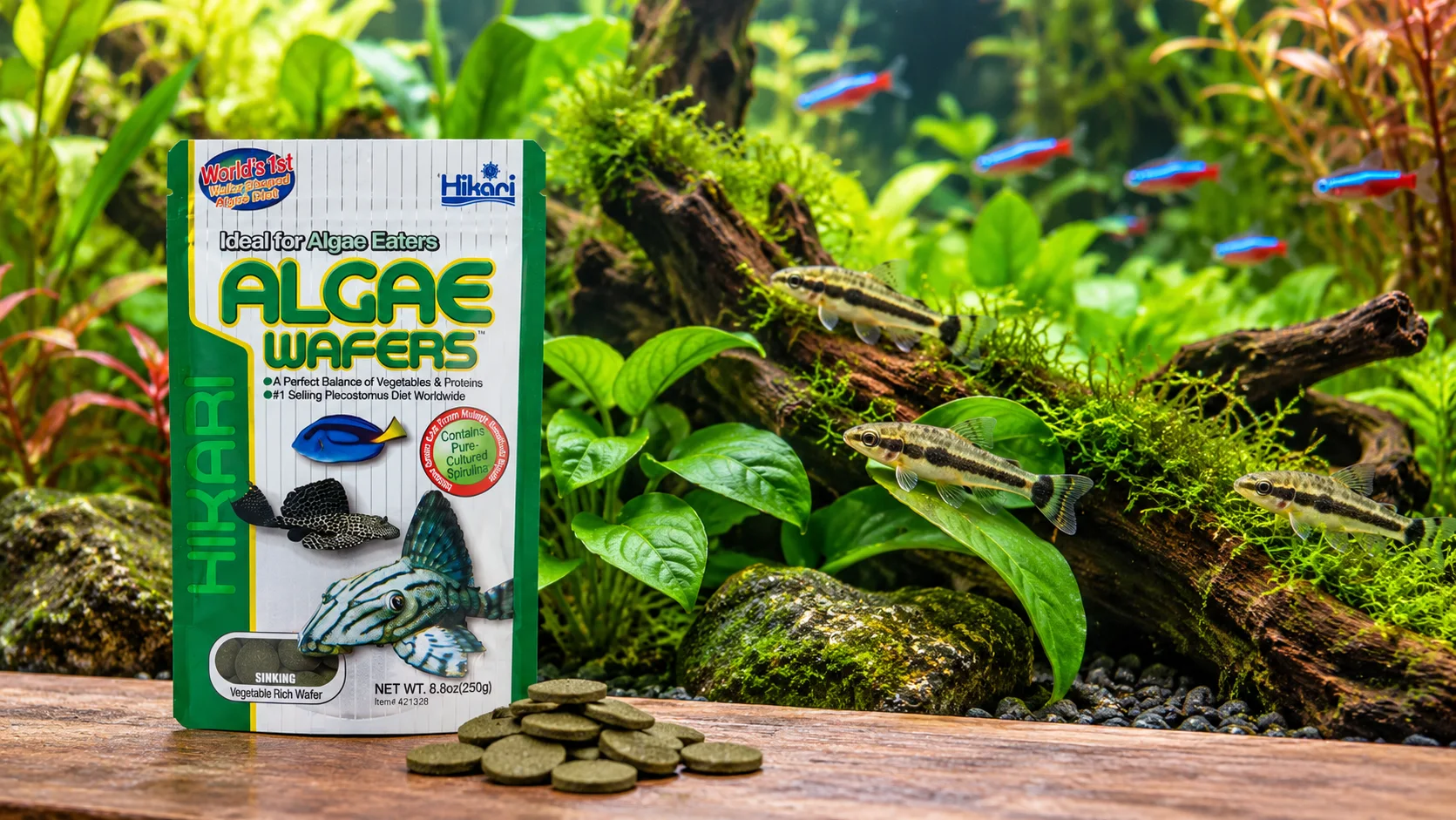
Hikari
Hikari Algae Wafers
Best for: Otocinclus, Bristlenose Ancistrus and other algae-grazing fish
As an Amazon Associate, we earn from qualifying purchases.
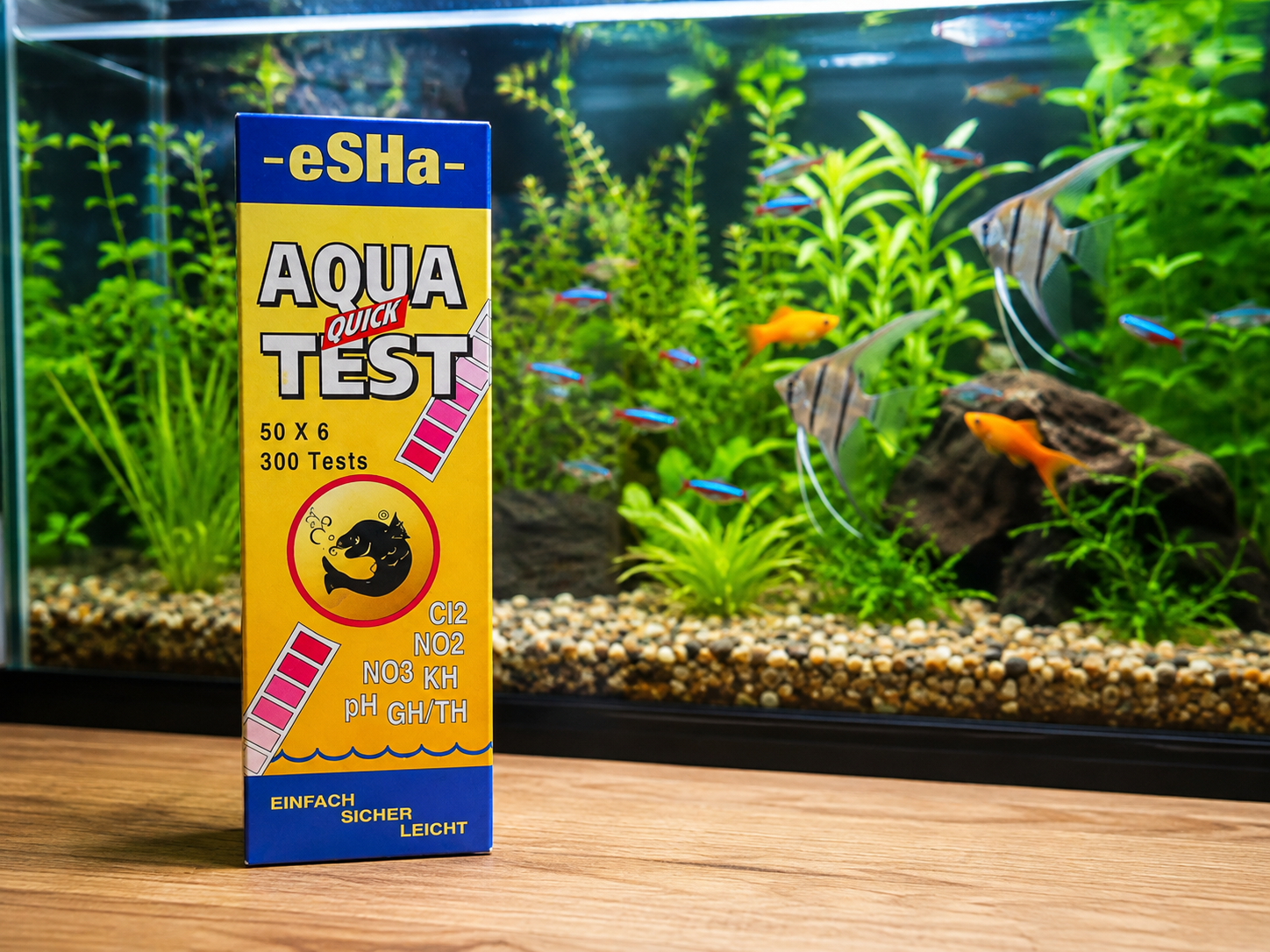
Esha
ESHA Aqua Quicktest
Best for: Fast routine water-quality checks in freshwater aquariums.
As an Amazon Associate, we earn from qualifying purchases.
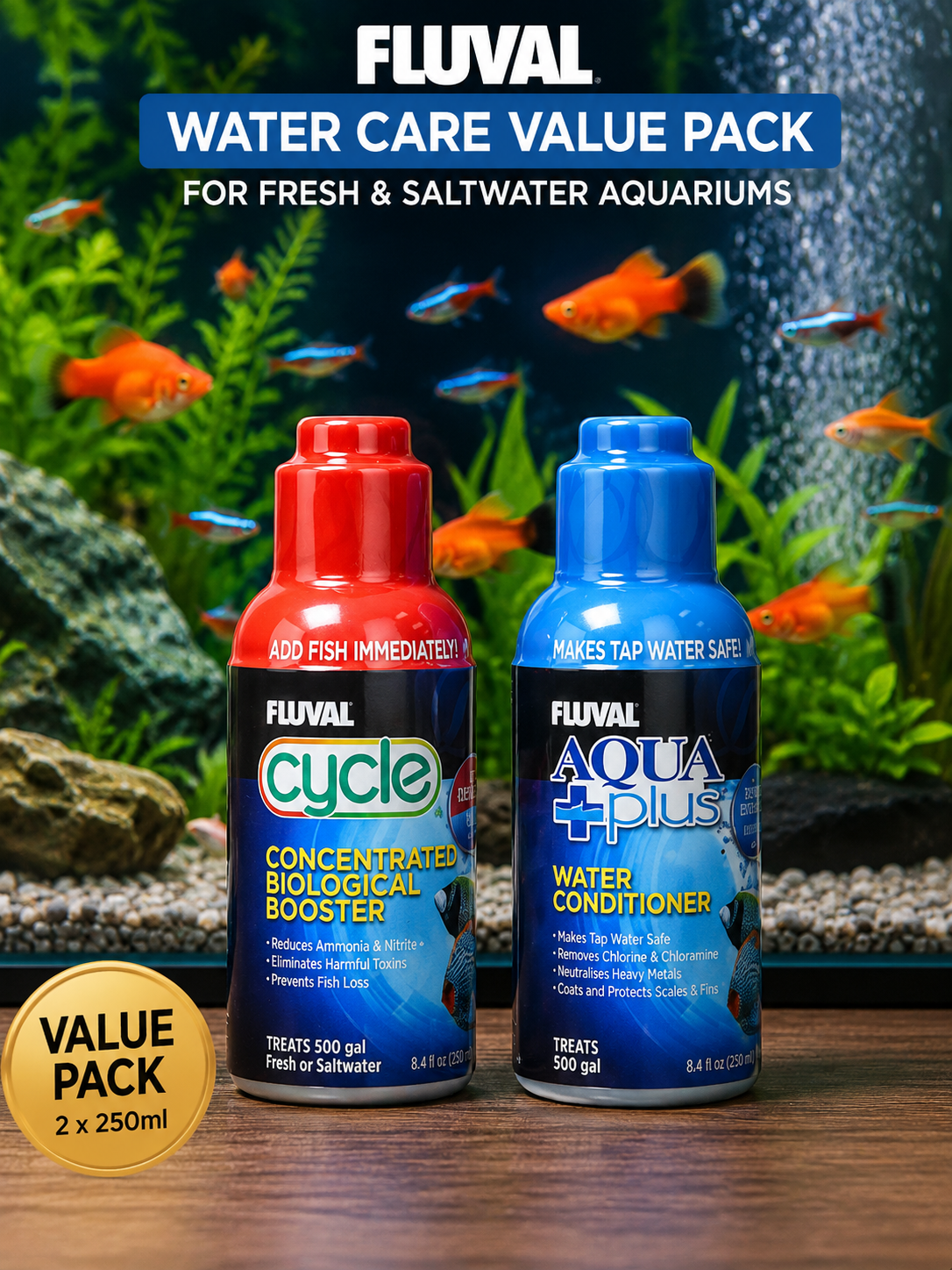
Fluval
Fluval Water Care Value Pack with Fluval Cycle & Aqua Plus, 500ml
Best for: New aquarium setups and routine water changes
As an Amazon Associate, we earn from qualifying purchases.
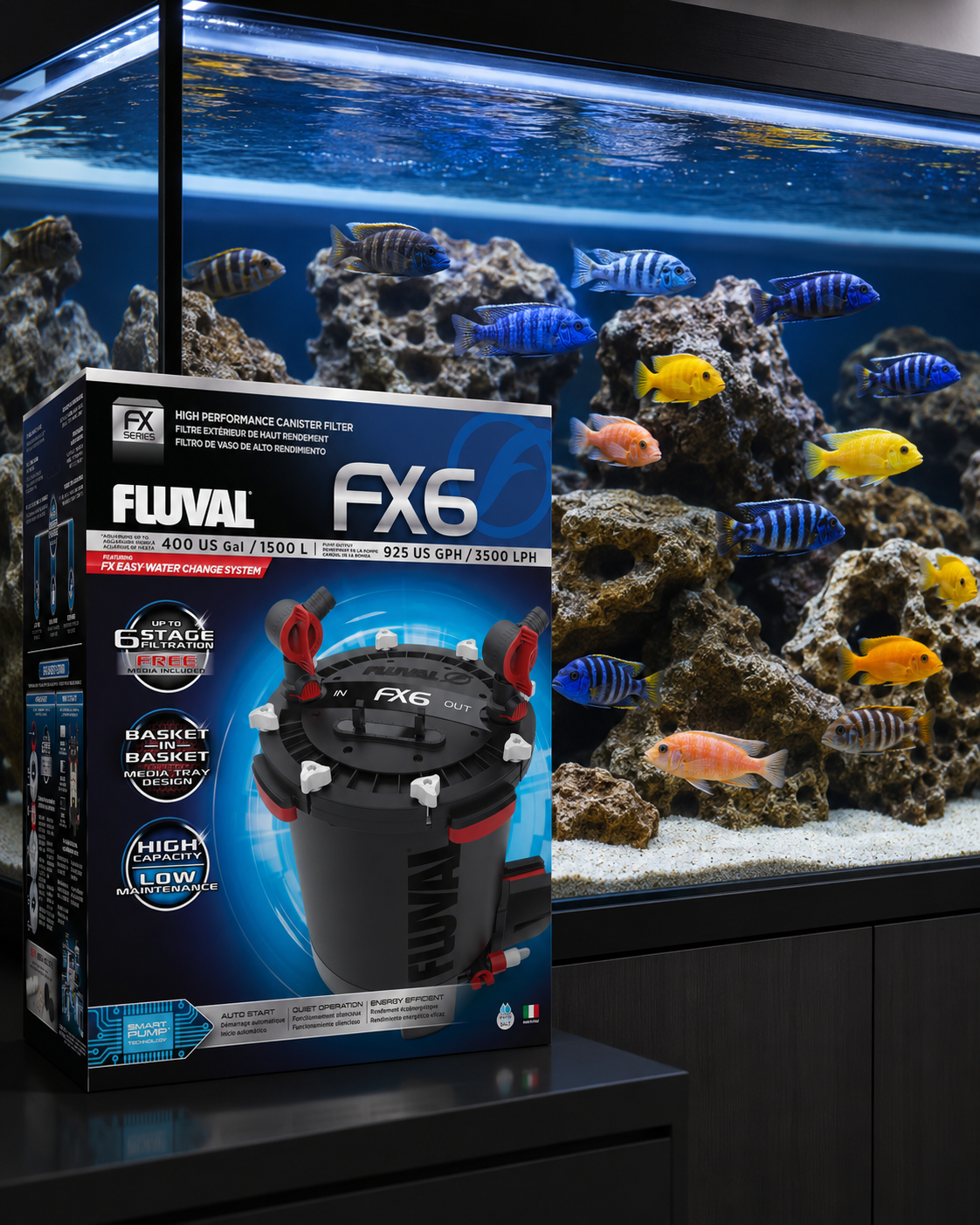
Fluval
Fluval Fx 6 High Proformance Aquarium Canister Filter
Best for: Large, heavily stocked Malawi cichlid aquariums
As an Amazon Associate, we earn from qualifying purchases.