Spotted Silver Dollar (Metynnis lippincottianus): A Beautiful but Nervous Fish for Larger Aquariums
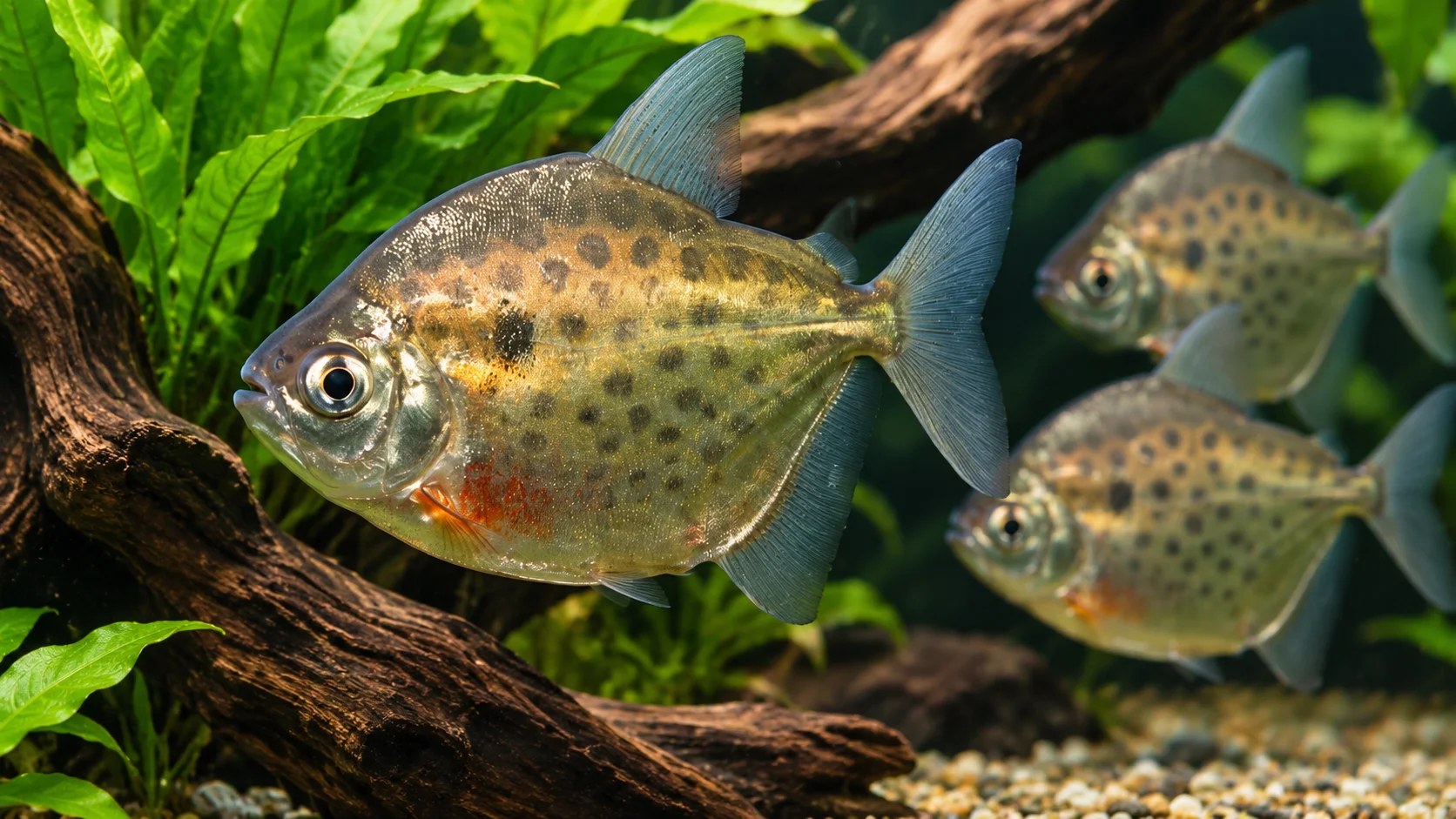
The spotted silver dollar (Metynnis lippincottianus) is an attractive South American fish with distinctive dark markings and a surprisingly nervous personality. Although we have only kept this species in one client's aquarium, our experience with silver dollars has shown just how important space and cover can be. We explain why these beautiful shoaling fish are best suited to larger aquariums and what they need to thrive.
The spotted silver dollar (Metynnis lippincottianus) is one of those fish that deserves a little more attention than it tends to receive. While the ordinary silver dollar is reasonably well known among experienced fishkeepers, the spotted variety is less frequently encountered, despite having a rather attractive appearance. Its rounded, flattened body, metallic colouring and distinctive dark spots make it a particularly interesting fish, especially when kept in a group.
Over the years, we have worked with quite a few different species of silver dollar, although the spotted silver dollar is one that we have only had the opportunity to use once in a client's aquarium. This wasn't because we had any concerns about the fish itself, but simply because relatively few of our customers have aquariums large enough to accommodate them properly.
Like the red hook silver dollar, these are active fish that need considerably more swimming space than their appearance might initially suggest. They can also be rather skittish, particularly when startled, and this is something we always take into consideration when recommending fish for our customers' aquariums.
Appearance and Natural Behaviour
The spotted silver dollar has the familiar rounded body shape associated with the silver dollar family, although its colouring is noticeably different from the more commonly available plain silver varieties. Rather than having an almost entirely silver body, these fish develop a collection of dark spots across their flanks, often accompanied by subtle golden or bronze tones.
The markings can vary between individuals, which is part of their appeal. Under good aquarium lighting, the reflective scales give them an attractive metallic appearance, particularly when they turn and catch the light.
They originate from South America, where they inhabit freshwater river systems and associated habitats. In the wild, they are accustomed to living alongside other fish and moving through areas where vegetation, submerged wood and natural cover provide protection.
Although they are related to piranhas, their behaviour and feeding habits are quite different. Spotted silver dollars are primarily plant-eating fish, and they are generally peaceful towards other suitably sized aquarium inhabitants.
However, peaceful doesn't necessarily mean calm. These fish can move surprisingly quickly when frightened, and their nervous nature is probably the most important consideration when deciding whether they are suitable for a particular aquarium.
Why Aquarium Size Really Matters
In our experience, silver dollars are among those fish that can look perfectly comfortable in a dealer's aquarium but behave quite differently once introduced into a home display.
A small group may appear relatively settled in a shop, particularly when surrounded by other fish, but that doesn't mean they will be happy living permanently in a similar-sized aquarium.
We have found that the larger silver dollar species, including red hooks, can become extremely nervous when they don't have sufficient room to move away from anything that startles them. A sudden movement outside the aquarium, somebody walking past or even maintenance taking place can cause them to dart away at considerable speed.
The spotted silver dollar has similar tendencies, and we would be concerned about keeping these fish in anything other than a generously sized aquarium.
In a smaller tank, we would expect them to be more likely to injure themselves by colliding with the glass, decorations or other objects when frightened. Their relatively deep bodies and rapid swimming movements make this a genuine consideration rather than simply a question of providing enough water volume.
For this reason, we would generally recommend an aquarium of at least 150–180 cm in length for a group, with larger accommodation preferable. The actual dimensions are more important than the total number of litres, as these fish benefit from long, uninterrupted swimming areas.
We would much rather see a group of spotted silver dollars enjoying a large aquarium than several individuals constantly trying to avoid obstacles in a smaller one.
Creating the Right Environment
Although spotted silver dollars need plenty of open swimming space, that doesn't mean they should be kept in a completely bare aquarium. Quite the opposite, in fact.
We have generally found that nervous fish settle much better when they have somewhere to retreat to if they feel threatened. Large pieces of bogwood, substantial root structures and areas of planting can all help create a more secure environment.
The important thing is to position these features carefully so that the fish still have plenty of room to swim.
For our clients with larger display aquariums, we often favour an arrangement that provides open water towards the front and centre, with taller decorations and cover towards the back and sides. This gives the fish somewhere to retreat without making the aquarium feel overcrowded.
One difficulty with spotted silver dollars is their appetite for plants. Like their relatives, they are quite capable of eating softer aquarium plants, and a carefully planted display can quickly become an expensive meal.
Artificial plants are sometimes a more practical solution, particularly where the customer wants a heavily planted appearance without constantly replacing damaged vegetation.
Substantial pieces of wood can also create attractive natural cover without the same maintenance problems. We would also recommend a secure aquarium cover, as startled silver dollars can jump.
Feeding Spotted Silver Dollars
Feeding these fish is generally straightforward, provided their preference for vegetable matter is taken into consideration.
In the wild, silver dollars consume a considerable amount of plant material, and this should be reflected in their aquarium diet.
A good-quality vegetable-based pellet or flake makes a sensible staple food, supplemented with foods such as blanched courgette, spinach and other suitable greens. They will also accept a variety of other prepared and frozen foods like bloodworms, but we wouldn't recommend relying heavily on protein-rich foods at the expense of vegetable matter.
One advantage of keeping silver dollars in a large community aquarium is that they are usually enthusiastic feeders. However, this also means that slower-moving fish may struggle to compete if food is always introduced in the same area.
We have encountered this problem with other active shoaling species, and distributing food across the surface can help ensure that everybody receives a reasonable share.
As with any aquarium, uneaten vegetables should be removed before they begin to deteriorate and affect water quality.
Suitable Tank Mates and Water Conditions
Spotted silver dollars are best kept in groups, ideally five or six or more, rather than individually or in pairs. Keeping them together helps them feel more secure and encourages their natural shoaling behaviour.
They can make excellent companions for larger peaceful fish, including certain South American cichlids and suitably sized catfish. We would avoid particularly aggressive species, as constant harassment is unlikely to help an already nervous fish settle.
A temperature of approximately 24–27°C is suitable, with stable water conditions being more important than trying to achieve an exact pH. Although they originate from generally softer South American waters, the main priority is providing clean, well-filtered water without sudden changes in chemistry.
Regular water changes and good filtration are essential, particularly when keeping a reasonably large group of active fish.
Our Experience and Final Thoughts
Although we have only used spotted silver dollars once in a customer's aquarium, they certainly made an impression. They are attractive fish with plenty of character, and in the right surroundings they can make a wonderful addition to a large display.
However, we wouldn't recommend them to somebody simply looking for an unusual fish to add to an average-sized community aquarium.
Their nervous disposition, need for company and preference for plenty of swimming space mean they are much better suited to larger, carefully planned setups.
Our experience with red hooks and other silver dollar species has reinforced just how important space and cover can be. A fish that constantly darts into the glass whenever somebody approaches the aquarium is clearly not enjoying its surroundings.
Given the right environment, however, a group of spotted silver dollars can be a beautiful sight, particularly when their distinctive markings catch the light.
For customers fortunate enough to have a suitably large aquarium, they are certainly a species we would consider using again.
For more information about another member of this fascinating group, have a look through our articles on for the red hook and the silver dollar.
Products We've Mentioned & Recommend
Below you'll find a selection of products we've mentioned in this article, along with a few others we think you might find useful. We've included Amazon links to make them easy to find.
A quick word about affiliate links...
Some of these links are affiliate links, which means we may earn a small commission from qualifying purchases, at no extra cost to you.
Unfortunately, the commission doesn't quite stretch to cocktails on a yacht or a garage full of sports cars. In reality, it helps cover the running costs of this website and, with a bit of luck, might eventually buy me a new pair of waders that don't leak!
We only recommend products we genuinely believe are worth considering, and your support helps us keep sharing free advice from our years of working with aquariums and ponds.
Thanks for supporting Aquatic Specialist!
As an Amazon Associate I earn from qualifying purchases.
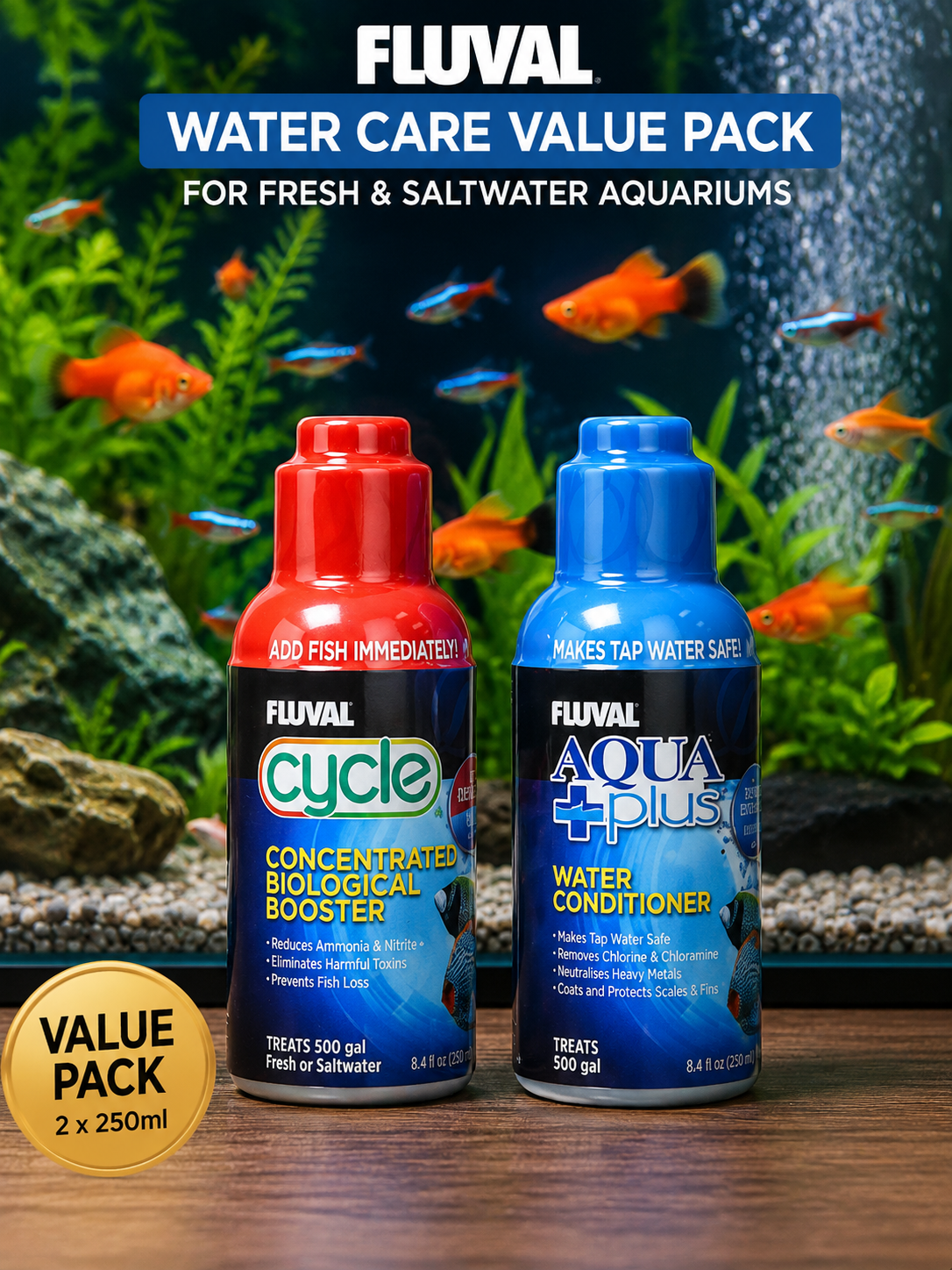
Fluval
Fluval Water Care Value Pack with Fluval Cycle & Aqua Plus, 500ml
Best for: New aquarium setups and routine water changes
As an Amazon Associate, we earn from qualifying purchases.
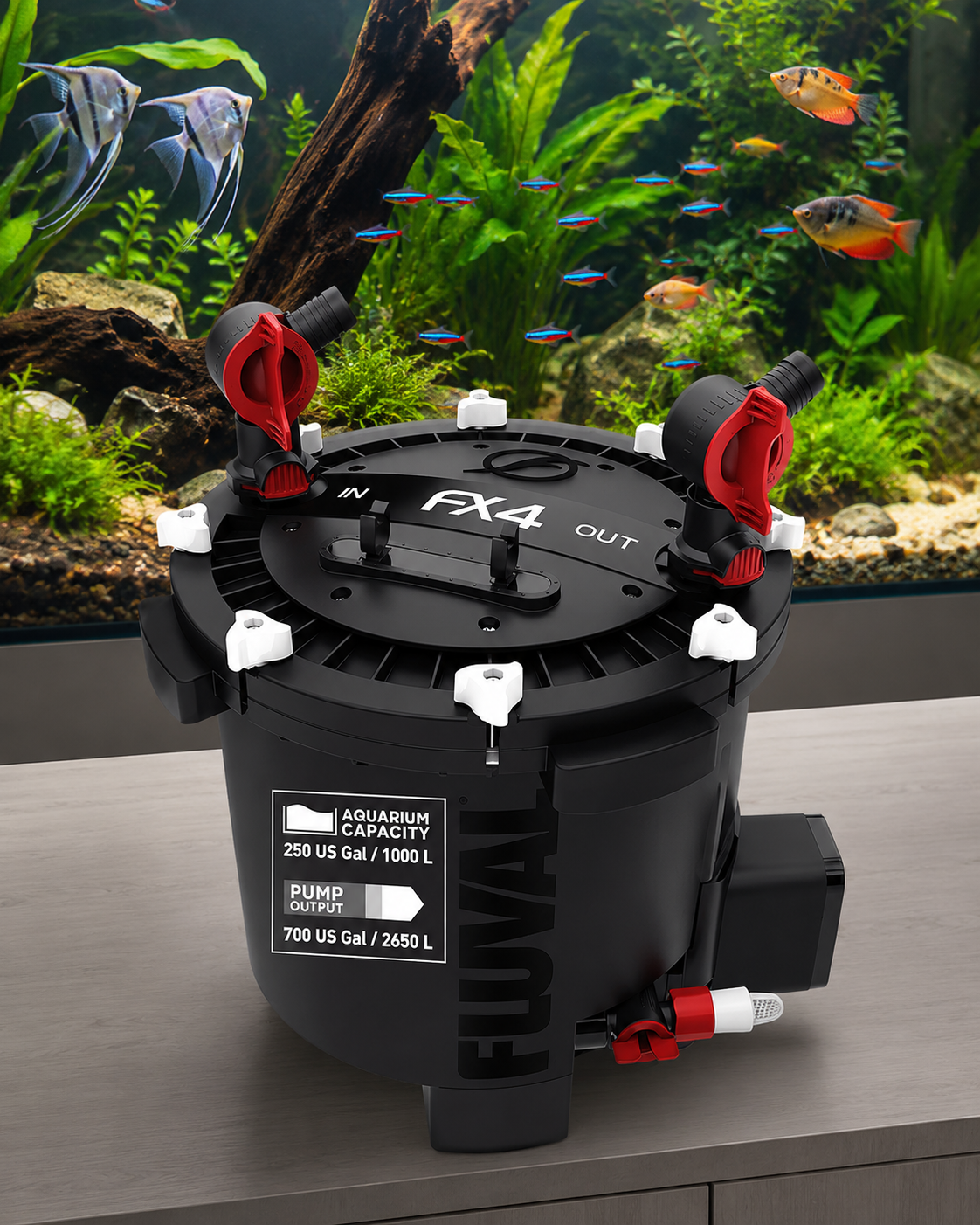
Fluval
Fluval Fx 4 Aquarium Canister Filter
Best for: Medium to large, heavily stocked freshwater aquariums
As an Amazon Associate, we earn from qualifying purchases.
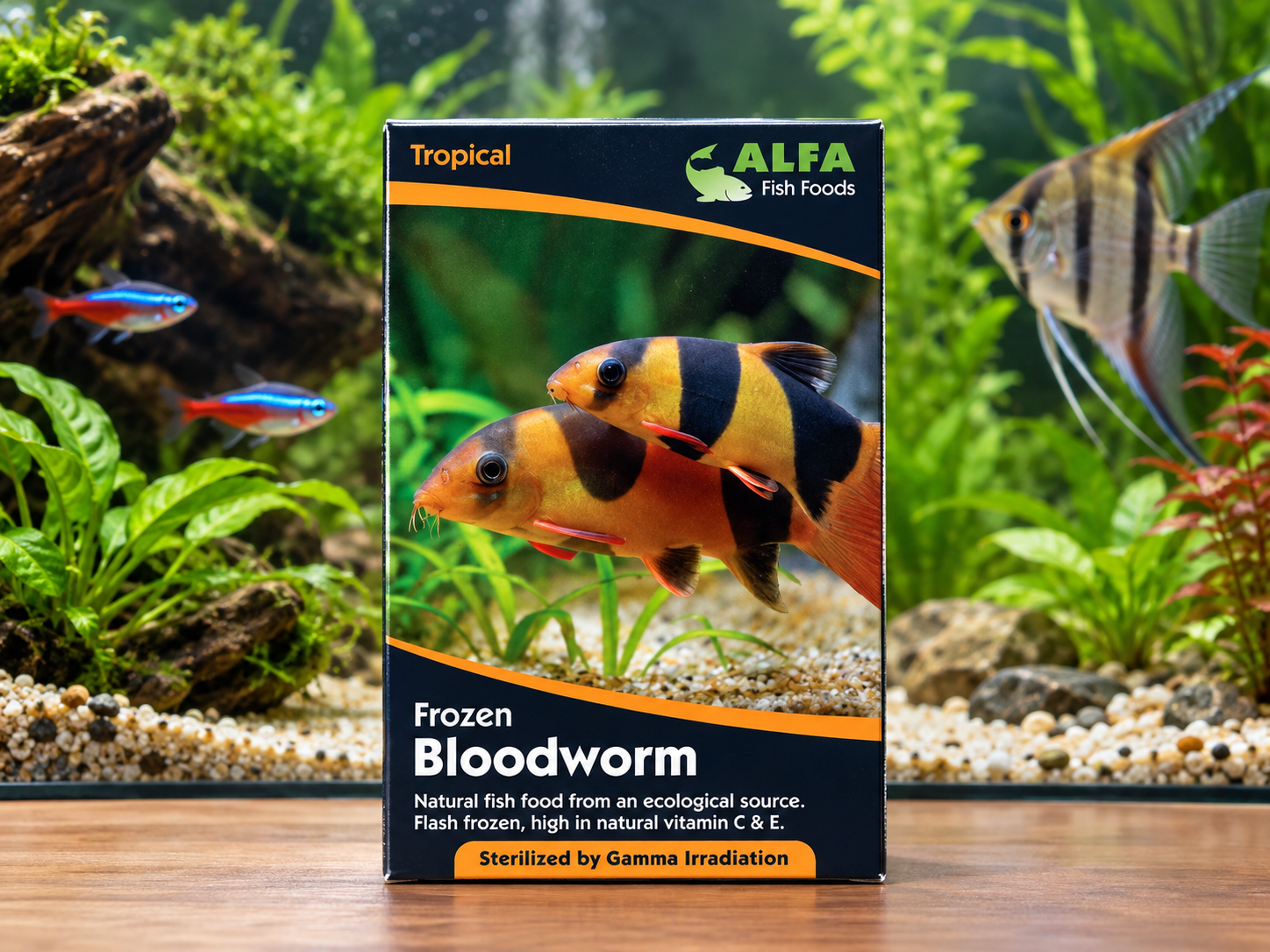
ALFA
Frozen Bloodworm Fish Food 10 Pack
Best for: Adding variety to tropical and coldwater fish diets
As an Amazon Associate, we earn from qualifying purchases.