Silver Dollar Fish Care: Why These Beautiful Fish Need a Large Aquarium
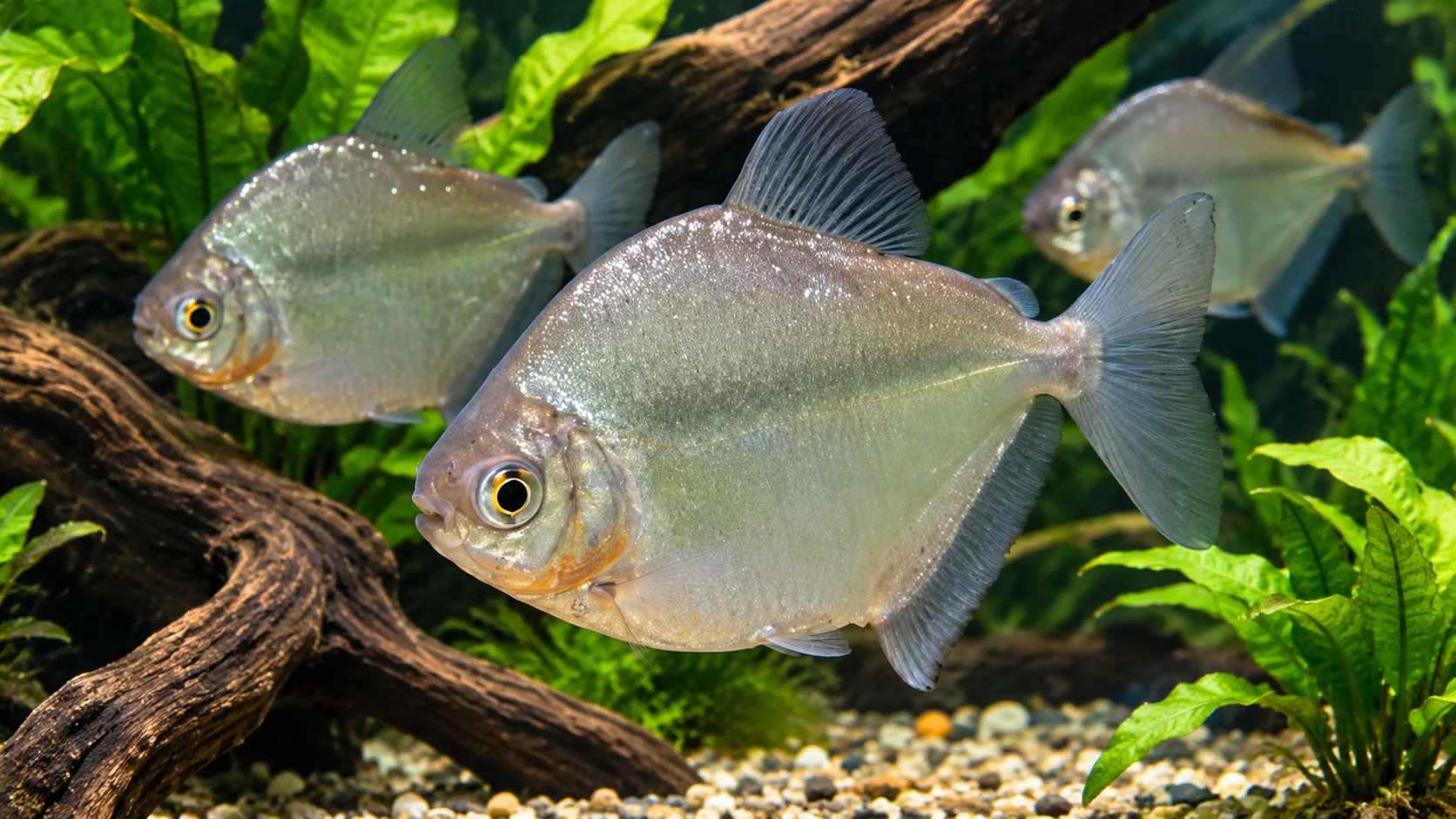
Silver Dollars are peaceful, attractive shoaling fish, but their nervous temperament and active swimming behaviour mean they need plenty of space. Drawing on our experience maintaining these fish in customers' larger aquariums, we explain why tank size, suitable cover and keeping them in groups are so important.
Metynnis hypsauchen – The Silver Dollar
The Silver Dollar is one of those tropical fish that has been available in aquatic shops for as long as I can remember. Despite its rather plain silver appearance, it's a species that can make a wonderful addition to a large aquarium, particularly when kept in a group.
Over the years, we've maintained a number of aquariums containing Silver Dollars, and they're certainly a fish we enjoy working with. However, they're not something we would recommend to every customer. Their adult size, active swimming behaviour and occasionally nervous temperament mean they really do need plenty of space.
In our experience, Silver Dollars are best suited to larger display aquariums where they can swim comfortably without constantly being disturbed by people walking past or other fish moving around them.
They're closely related to the Red Hook Silver Dollar, another impressive species we've worked with, and both share a tendency to become rather skittish when frightened.
A Familiar Fish That Still Deserves Attention
Silver Dollars belong to the family Serrasalmidae, which also includes pacu and piranhas. Fortunately, their behaviour and feeding habits are very different from those of their more notorious relatives.
The common Silver Dollar, Metynnis hypsauchen, originates from South America, where it inhabits freshwater river systems and associated flooded areas.
Its body is almost circular when viewed from the side, with a laterally compressed shape that gives the fish its familiar coin-like appearance.
Most individuals are predominantly silver, although subtle variations in colour can appear depending on their age, condition and surroundings. Mature males may also develop reddish colouring around the anal fin.
Adult fish can reach approximately 15 centimetres, sometimes a little more, which is considerably larger than many people expect when they see young specimens in aquatic shops.
One thing we particularly like about Silver Dollars is the way their scales reflect aquarium lighting. A group swimming together can create an attractive shimmering effect, especially against a darker background.
They're not particularly colourful fish, but in the right aquarium they certainly don't look dull.
Why We Only Recommend Them for Large Aquariums
This is probably the most important consideration when keeping Silver Dollars.
Although they're sometimes sold at just a few centimetres long, they grow into substantial, active fish that need room to move.
We do use Silver Dollars in some of our customers' aquariums, but only where the aquarium is sufficiently large to accommodate them properly.
Personally, I wouldn't consider keeping a group in anything smaller than around 450–500 litres, and even then I'd want an aquarium with a good length rather than one that was particularly tall.
For a larger group, something approaching 600 litres or more would be preferable. The reason isn't simply their adult size.
Silver Dollars can be surprisingly nervous fish, particularly when something unexpected happens outside the aquarium.
We've seen how quickly they can react to sudden movement, and when frightened they can dart across the tank at considerable speed. In a smaller aquarium, this behaviour becomes a genuine concern.
They can collide with the glass, decorations or other objects, potentially injuring themselves in the process.
It's something we also associate with the larger Red Hook Silver Dollar, which shares many of these characteristics.
We would imagine that Silver Dollars kept in cramped surroundings would be much more likely to suffer injuries through repeatedly bumping into the aquarium glass or decorations.
For that reason, we strongly recommend keeping them only in larger aquariums with plenty of swimming space and suitable cover.
It's far better to provide the correct environment from the beginning than to purchase a small group and hope to upgrade the aquarium later.
Creating the Right Environment
When setting up an aquarium for Silver Dollars, we like to provide a balance between open swimming areas and places where the fish can feel secure.
Bogwood is particularly useful, especially larger pieces positioned towards the back or ends of the aquarium. These help break up the open space without restricting movement too much.
Plants can also provide valuable cover, although there's one fairly significant problem with using live plants alongside Silver Dollars. They have a considerable appetite for vegetation.
In our experience, many of the softer aquarium plants simply become an expensive addition to their diet.
Customers who enjoy beautifully planted aquariums may find this rather frustrating, particularly when established plants start disappearing almost overnight.
Tougher plants such as Java Fern and Anubias may survive better, although even these aren't guaranteed to escape attention.
Artificial plants are another option, especially where the priority is providing cover rather than creating a natural planted display.
We generally prefer natural-looking arrangements with plenty of wood, some sheltered areas and a generous amount of open water. A darker background can also help the fish feel more secure.
It's worth remembering that cover doesn't necessarily mean filling the aquarium with decorations. Too much wood or rockwork can actually make matters worse by reducing swimming space and creating additional obstacles.
The aim is to make the fish feel protected while still allowing them to move freely.
Keeping Silver Dollars in Groups
Silver Dollars are social fish and should be kept in groups rather than individually.
In our view, a group of at least five or six is a sensible starting point, provided the aquarium is large enough. When kept together, they tend to appear more confident and behave more naturally.
A lone Silver Dollar can become particularly nervous, and keeping just two or three doesn't always provide the security that a larger group offers.
One of the things our clients like about these fish is their movement. Unlike species that spend much of their time hiding among plants or decorations, Silver Dollars are often visible swimming around the aquarium.
A group moving together can make an impressive display, particularly in a large aquarium viewed from several sides.
However, it's important to avoid placing them with aggressive fish that might continually chase or intimidate them.
Although Silver Dollars are reasonably robust, they're not particularly confrontational.
They generally mix well with other peaceful, medium to large fish, provided those species have similar water requirements and aren't small enough to be regarded as food.
Feeding Silver Dollars
Feeding Silver Dollars is usually straightforward. They're predominantly herbivorous, although they will also accept a range of other foods.
We recommend a good-quality vegetable-based pellet or flake as the foundation of their diet, supplemented with suitable fresh vegetables. Blanched courgette, spinach and other leafy greens can all be offered occasionally.
They'll also accept frozen foods like bloodworms, but these shouldn't form the majority of their diet.
One thing we've noticed with fish that consume plenty of vegetable matter is that they can produce a surprising amount of waste.
Good filtration is therefore essential, particularly when keeping a group of larger individuals.
Uneaten vegetables should also be removed before they begin decomposing and affecting water quality. It's easy to underestimate how much food a group of adult Silver Dollars can consume.
Water Quality and General Maintenance
Silver Dollars aren't particularly difficult fish to maintain once they're established in a suitable aquarium.
A temperature of approximately 24–28°C is generally appropriate, with a pH around 6.0–7.5 being suitable for most specimens.
They originate from relatively soft freshwater environments, although many aquarium-raised fish adapt well to moderately hard water.
Here on the south coast, where our tap water is often quite hard, we always consider the water requirements of a species before recommending it to a customer.
Rather than continually adjusting water chemistry, we prefer to establish suitable, stable conditions from the outset.
Regular partial water changes, effective biological filtration and sensible feeding are far more important than constantly chasing a particular pH reading.
Ammonia and nitrite should remain at zero, while nitrate should be kept under control through routine maintenance.
For larger aquariums containing active fish such as Silver Dollars, we generally favour substantial external filtration systems.
We've discussed some of the equipment we use on larger aquariums in our article Fluval FX6 vs FX4: Which External Filter Is Best for Large Malawi Cichlid Aquariums?.
Although that article focuses on Malawi cichlids, many of the same considerations regarding filtration capacity and maintenance apply to large Silver Dollar aquariums.
Are Silver Dollars Suitable for Your Aquarium?
Silver Dollars are attractive, peaceful fish that can make an excellent addition to a spacious tropical aquarium.
They're relatively easy to feed, generally hardy once settled and particularly impressive when maintained as a proper group. However, we wouldn't describe them as suitable for the average community aquarium.
Their adult size, appetite for plants and tendency to panic when startled all need to be considered before purchasing them.
In our experience, the biggest mistake is underestimating just how much space these fish require.
We've enjoyed maintaining Silver Dollars in our customers' larger display aquariums, and they're certainly a species we'd happily recommend again where the conditions are right.
But we'd much rather see a group of these beautiful fish swimming confidently around a large, well-designed aquarium than struggling in a smaller tank where they're constantly at risk of injuring themselves.
Give them plenty of room, suitable cover, good water quality and the company of their own kind, and Silver Dollars can become a wonderful feature in a large tropical display.
They're a familiar fish that perhaps doesn't receive quite the attention it deserves, but when kept properly, there's still a great deal to like about the humble Silver Dollar.
Products We've Mentioned & Recommend
Below you'll find a selection of products we've mentioned in this article, along with a few others we think you might find useful. We've included Amazon links to make them easy to find.
A quick word about affiliate links...
Some of these links are affiliate links, which means we may earn a small commission from qualifying purchases, at no extra cost to you.
Unfortunately, the commission doesn't quite stretch to cocktails on a yacht or a garage full of sports cars. In reality, it helps cover the running costs of this website and, with a bit of luck, might eventually buy me a new pair of waders that don't leak!
We only recommend products we genuinely believe are worth considering, and your support helps us keep sharing free advice from our years of working with aquariums and ponds.
Thanks for supporting Aquatic Specialist!
As an Amazon Associate I earn from qualifying purchases.
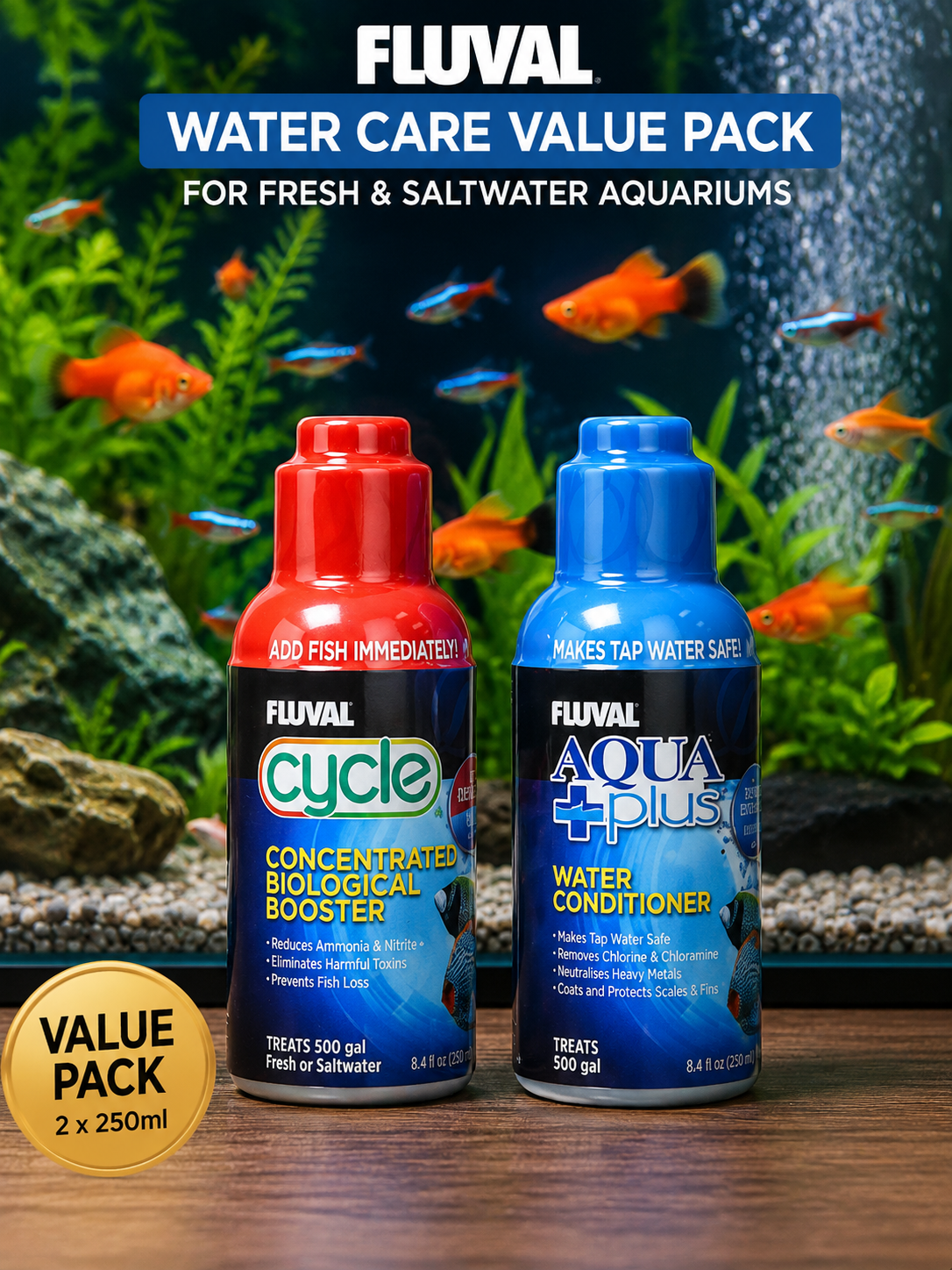
Fluval
Fluval Water Care Value Pack with Fluval Cycle & Aqua Plus, 500ml
Best for: New aquarium setups and routine water changes
As an Amazon Associate, we earn from qualifying purchases.
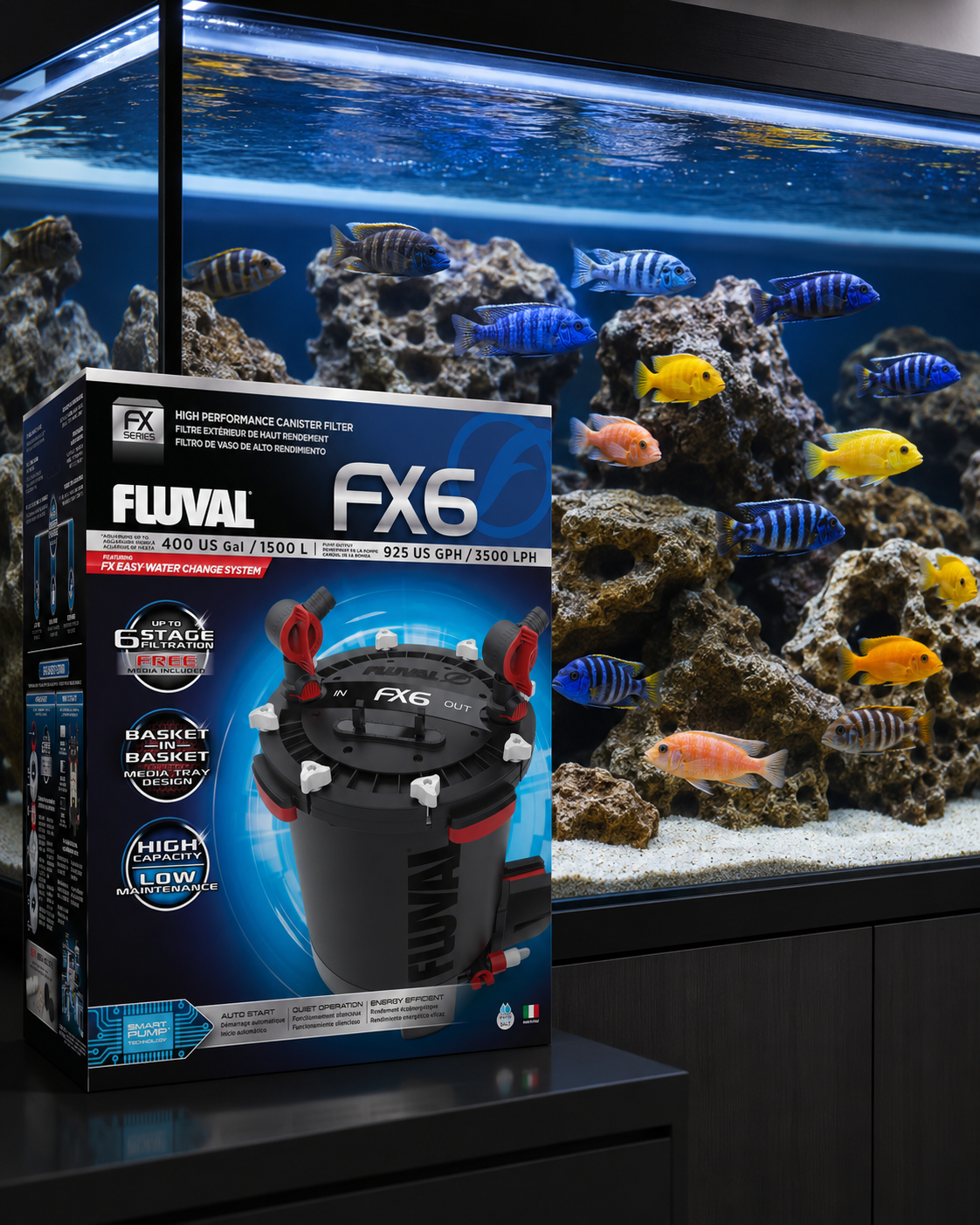
Fluval
Fluval Fx 6 High Proformance Aquarium Canister Filter
Best for: Large, heavily stocked Malawi cichlid aquariums
As an Amazon Associate, we earn from qualifying purchases.
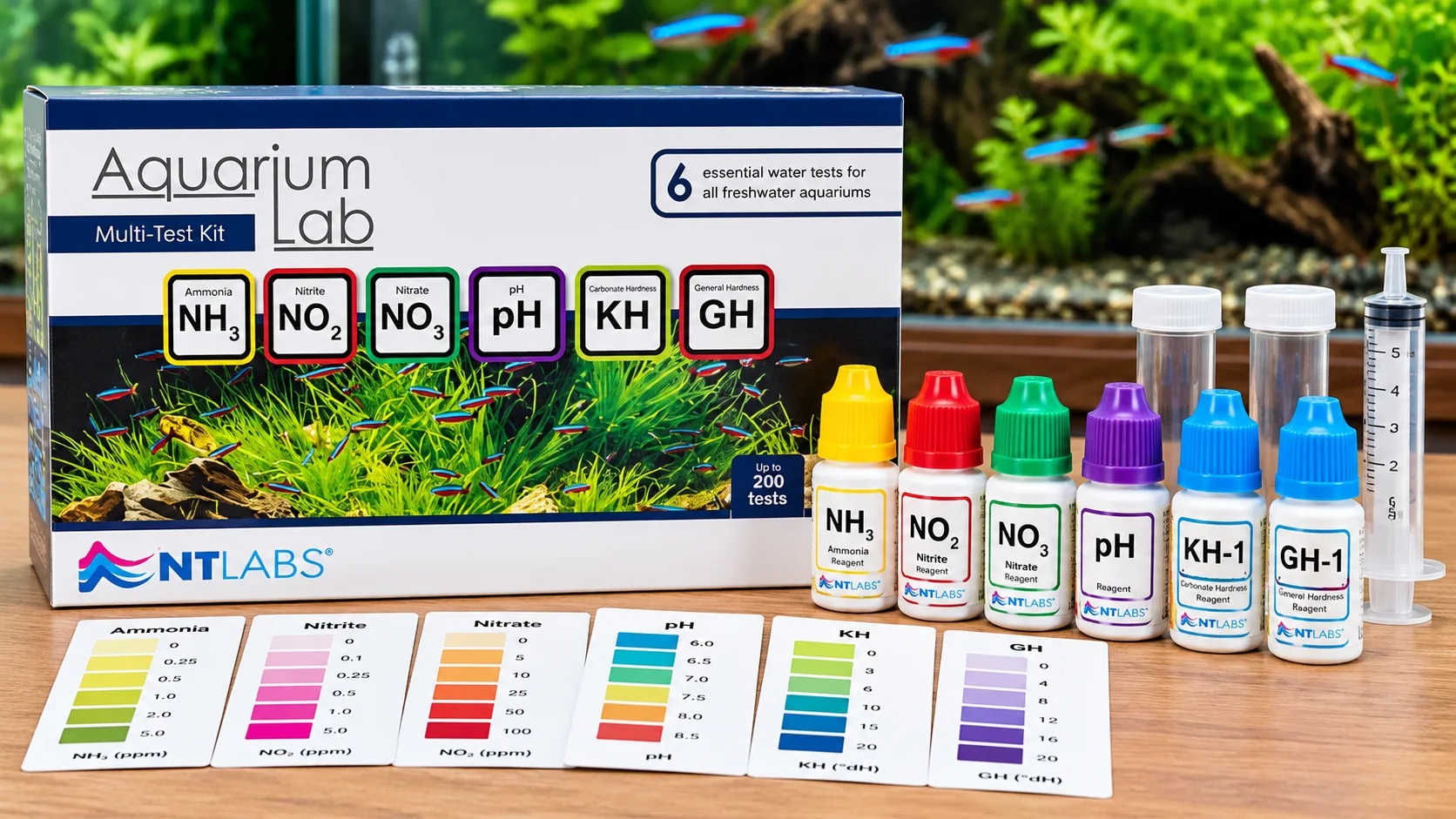
NT Labs
NT Labs Aquarium Lab Multi Test Kit
Best for: Cycling new freshwater aquariums and routine water quality monitoring.
As an Amazon Associate, we earn from qualifying purchases.
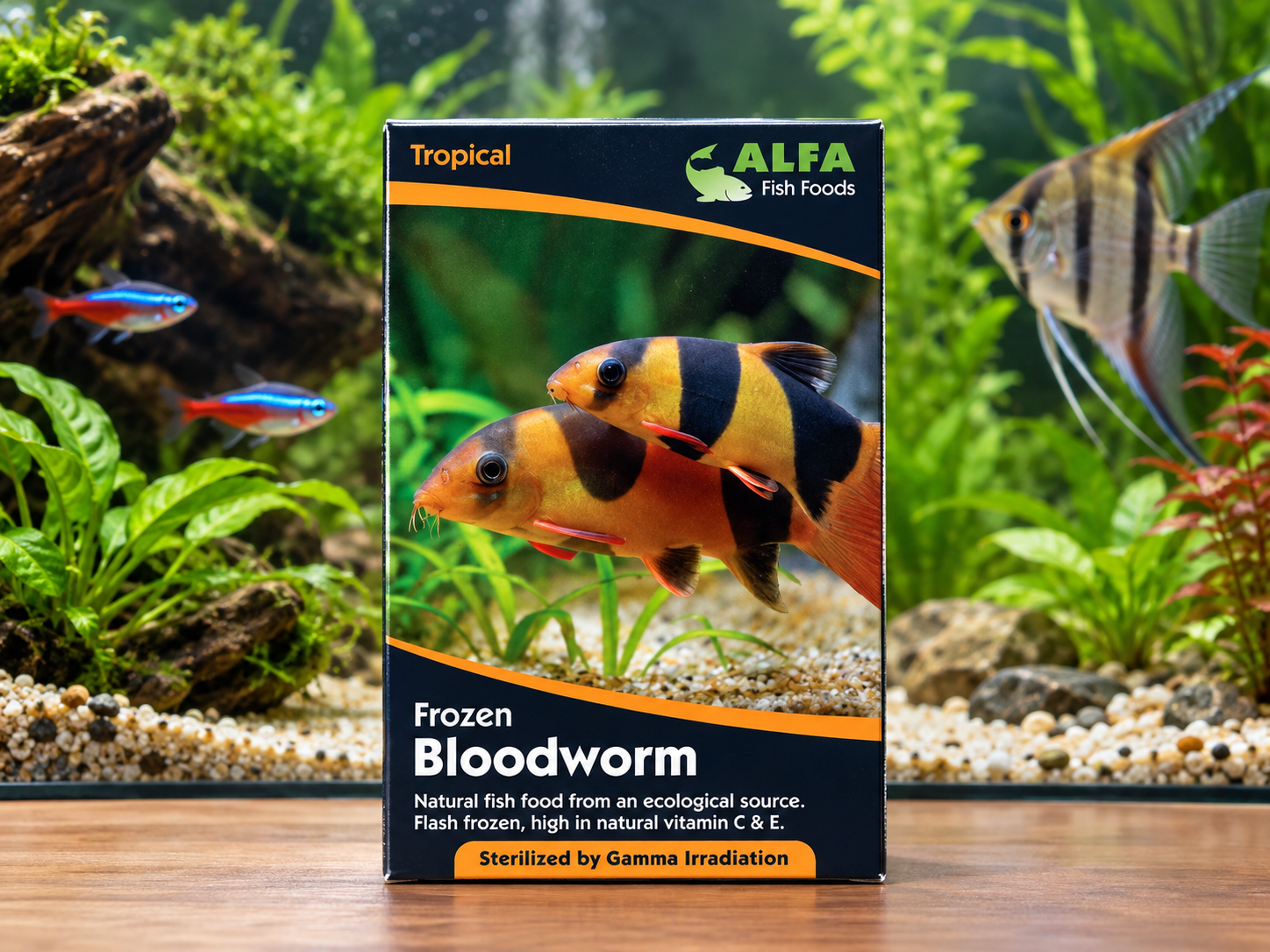
ALFA
Frozen Bloodworm Fish Food 10 Pack
Best for: Adding variety to tropical and coldwater fish diets
As an Amazon Associate, we earn from qualifying purchases.