Yellow Phantom Tetra – An Overlooked Beauty for the Community Aquarium
The yellow phantom tetra is a peaceful, attractive little fish that rarely gets the attention it deserves. Drawing on our years of aquarium maintenance experience, we look at its care, ideal aquarium conditions, feeding and suitable tank mates, and why this overlooked species deserves to be more popular.
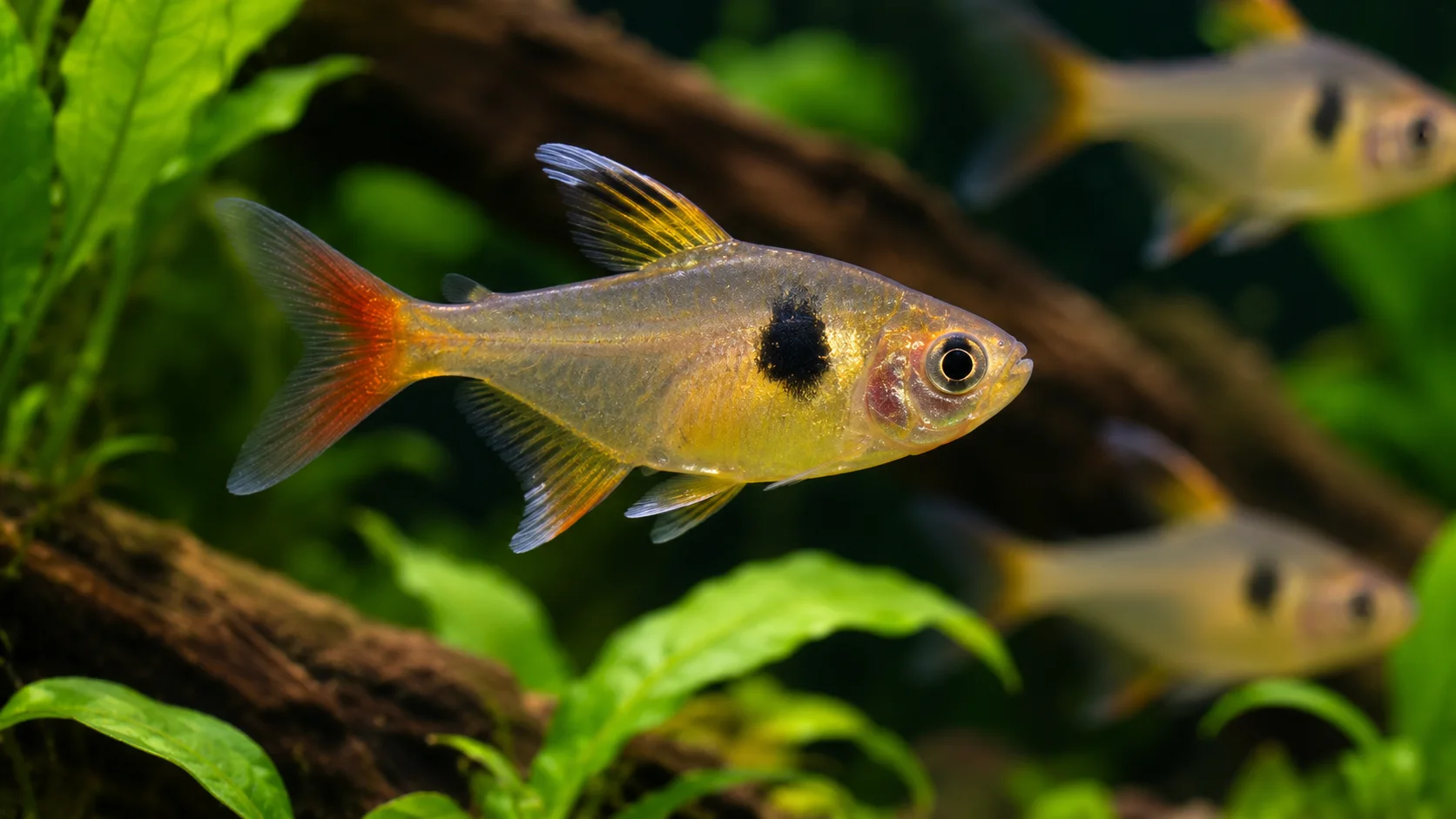
The yellow phantom tetra (Hyphessobrycon roseus) is one of those fish that deserves to be more popular than it actually is. Although it belongs to the same wider group of tetras as the familiar black and red phantom tetras, it has never really enjoyed the same attention from fishkeepers. This is a shame because it's an attractive, peaceful little fish that can look particularly good in a well-planted community aquarium.
In our experience, the yellow phantom tetra isn't a species we come across very often, either in aquatic shops or in our customers' aquariums. I'm not entirely sure why this is the case. Perhaps its colouring isn't quite as striking as some of the other phantom tetras when viewed in a shop, or perhaps suppliers simply don't bring them in as frequently. Whatever the reason, they seem to have been largely overlooked.
Appearance and Natural Habitat
The yellow phantom tetra originates from South America, particularly French Guiana, where it inhabits freshwater streams and rivers. Like many of the smaller South American tetras, it is associated with areas containing vegetation, submerged branches and other natural cover.
These surroundings are worth remembering when creating an aquarium for them, as fish often behave more naturally when their environment resembles the conditions they would encounter in the wild.
Adults generally reach around 3–4 cm in length. Their bodies have a delicate yellowish or golden appearance, sometimes with a slightly translucent quality. Darker markings around the shoulder area provide some contrast, while the fins can show subtle yellow and reddish tones.
They are not the sort of fish that immediately catches everyone's attention in a brightly lit aquatic shop. However, once settled into a planted aquarium with darker surroundings, their colouring can become considerably more attractive.
We've noticed this with quite a few smaller tetra species over the years. Fish that appear fairly ordinary in a shop can look completely different once they have settled into a mature aquarium.
Aquarium Size and Keeping Yellow Phantom Tetras Together
Although yellow phantom tetras are relatively small, we wouldn't recommend keeping them in particularly cramped conditions. An aquarium of around 60 litres or more, preferably with a reasonable amount of horizontal swimming space, would be a sensible starting point for a small group.
These are social fish and should be maintained in groups rather than individually or in pairs. We would suggest keeping at least eight to ten individuals together, with larger groups being even better where space allows.
When kept in suitable numbers, they are generally more confident and display more natural behaviour. Rather than constantly hiding, they will spend time swimming through the middle areas of the aquarium, occasionally spreading out among the plants.
Our clients often appreciate smaller tetras because they bring movement and interest to an aquarium without becoming too dominant. A group of yellow phantoms would work particularly well in a peaceful planted display, especially where the aim is to create something natural rather than simply filling the aquarium with brightly coloured fish.
Creating the Right Aquarium Environment
For yellow phantom tetras, we would favour a natural-looking aquarium with plenty of live plants, pieces of bogwood and some shaded areas.
Plants such as Java Fern, Cryptocoryne Beckettii and Anubias Nana would all be suitable choices, depending on the aquarium's size and lighting. Floating plants can also help soften the light, which is something many South American tetras appreciate.
In our experience, providing plenty of cover often makes fish more confident rather than encouraging them to hide. When they know there are places to retreat to, they tend to spend more time swimming in the open.
A darker substrate can also help bring out their colouring. Against pale gravel and very bright lighting, yellow phantom tetras may appear rather washed out. With a darker background and some well-positioned plants, their subtle golden tones become much easier to appreciate.
We would still leave a reasonable amount of open swimming space towards the front of the aquarium rather than filling every available area with decorations.
Water Conditions and Regular Maintenance
Yellow phantom tetras naturally inhabit soft, often acidic freshwater environments. Ideally, we would aim to provide similar conditions in the aquarium, with a temperature of approximately 23–27°C.
Stable water conditions are particularly important, and we would always favour a mature, well-maintained aquarium over a newly established system where water chemistry may still be fluctuating.
Here on the south coast of England, much of our tap water is naturally quite hard. This is something we regularly have to consider when choosing fish for our customers' aquariums.
Although some captive-bred tetras can adapt to moderately harder water, we wouldn't automatically assume that every species will thrive in these conditions. It is worth checking the water parameters before purchasing yellow phantom tetras, particularly if they have been raised in softer water.
Regular partial water changes, sensible feeding and appropriate filtration should help maintain good water quality. As with most small tetras, they are unlikely to appreciate a particularly powerful current, so we would favour gentle to moderate water movement.
Feeding Yellow Phantom Tetras
Feeding yellow phantom tetras should be relatively straightforward. They are omnivorous and will generally accept good-quality tropical flakes, small granules and appropriately sized frozen foods like bloodworms.
We prefer to offer a varied diet wherever possible rather than relying entirely on one type of food. Frozen daphnia, cyclops and small bloodworms can all provide useful variety and encourage natural feeding behaviour.
One thing we occasionally notice when maintaining customers' aquariums is that smaller fish are sometimes given food that is simply too large. Although they may attempt to eat bigger flakes, they are much better suited to smaller particles that can be swallowed easily.
We would also avoid overfeeding. Small amounts once or twice a day are generally preferable to adding excessive food that eventually settles among the plants or decorations.
Temperament and Suitable Tank Mates
One of the yellow phantom tetra's main attractions is its peaceful temperament. It should make a suitable companion for many other smaller community fish, provided they appreciate similar water conditions.
Other peaceful tetras, smaller rasboras, pencilfish and suitable Corydoras catfish could all work well. We would avoid housing them with particularly large, aggressive or boisterous species.
Like other phantom tetras, males may occasionally display towards one another, spreading their fins and showing off their colours. This is generally harmless behaviour when they are kept in a suitably sized group with enough room.
These little displays are actually part of what makes phantom tetras interesting to watch, particularly in a planted aquarium where the fish feel comfortable.
The yellow phantom is worth considering alongside its more familiar relatives. We've also covered the Red Phantom Tetra in our Knowledge Centre, another attractive species that can sometimes be overlooked because of its resemblance to the more aggressive serpae tetra.
Breeding Yellow Phantom Tetras
Breeding yellow phantom tetras is possible, although it isn't something we would expect to happen successfully in a typical community aquarium.
Like many small tetras, they are egg scatterers, depositing their eggs among fine-leaved plants or suitable spawning material. The adults provide no parental care and may eat the eggs if given the opportunity.
Anyone hoping to breed them would be better off using a separate breeding aquarium with suitable soft water, subdued lighting and fine-leaved plants or spawning mops.
Once spawning has taken place, the adults should be removed to protect the eggs. The newly hatched fry are extremely small and require appropriately sized foods during their early development.
For most of our customers, however, yellow phantom tetras would be kept simply as attractive community fish rather than for breeding purposes.
Why We Think Yellow Phantom Tetras Deserve More Attention
Personally, I think the yellow phantom tetra deserves considerably more recognition than it currently receives. It may not have the dramatic appearance of some of the more popular tropical fish, but that doesn't mean it has any less to offer.
After many years maintaining aquariums for our clients, we've found that some of the most enjoyable fish are not necessarily the brightest, largest or most expensive. Sometimes it's the quieter species that make an aquarium feel more natural.
The yellow phantom tetra certainly falls into that category. It's not a fish we see very often, and I'm still not entirely sure why it hasn't become as popular as the black or red phantom tetra.
For anyone looking to create a peaceful, natural-looking community aquarium, a healthy group of these attractive little fish could be well worth considering. Given the right surroundings, plenty of company and good water quality, the yellow phantom tetra has all the qualities needed to become a lovely addition to a planted freshwater aquarium.
Products We've Mentioned & Recommend
Below you'll find a selection of products we've mentioned in this article, along with a few others we think you might find useful. We've included Amazon links to make them easy to find.
A quick word about affiliate links...
Some of these links are affiliate links, which means we may earn a small commission from qualifying purchases, at no extra cost to you.
Unfortunately, the commission doesn't quite stretch to cocktails on a yacht or a garage full of sports cars. In reality, it helps cover the running costs of this website and, with a bit of luck, might eventually buy me a new pair of waders that don't leak!
We only recommend products we genuinely believe are worth considering, and your support helps us keep sharing free advice from our years of working with aquariums and ponds.
Thanks for supporting Aquatic Specialist!
As an Amazon Associate I earn from qualifying purchases.
Fluval
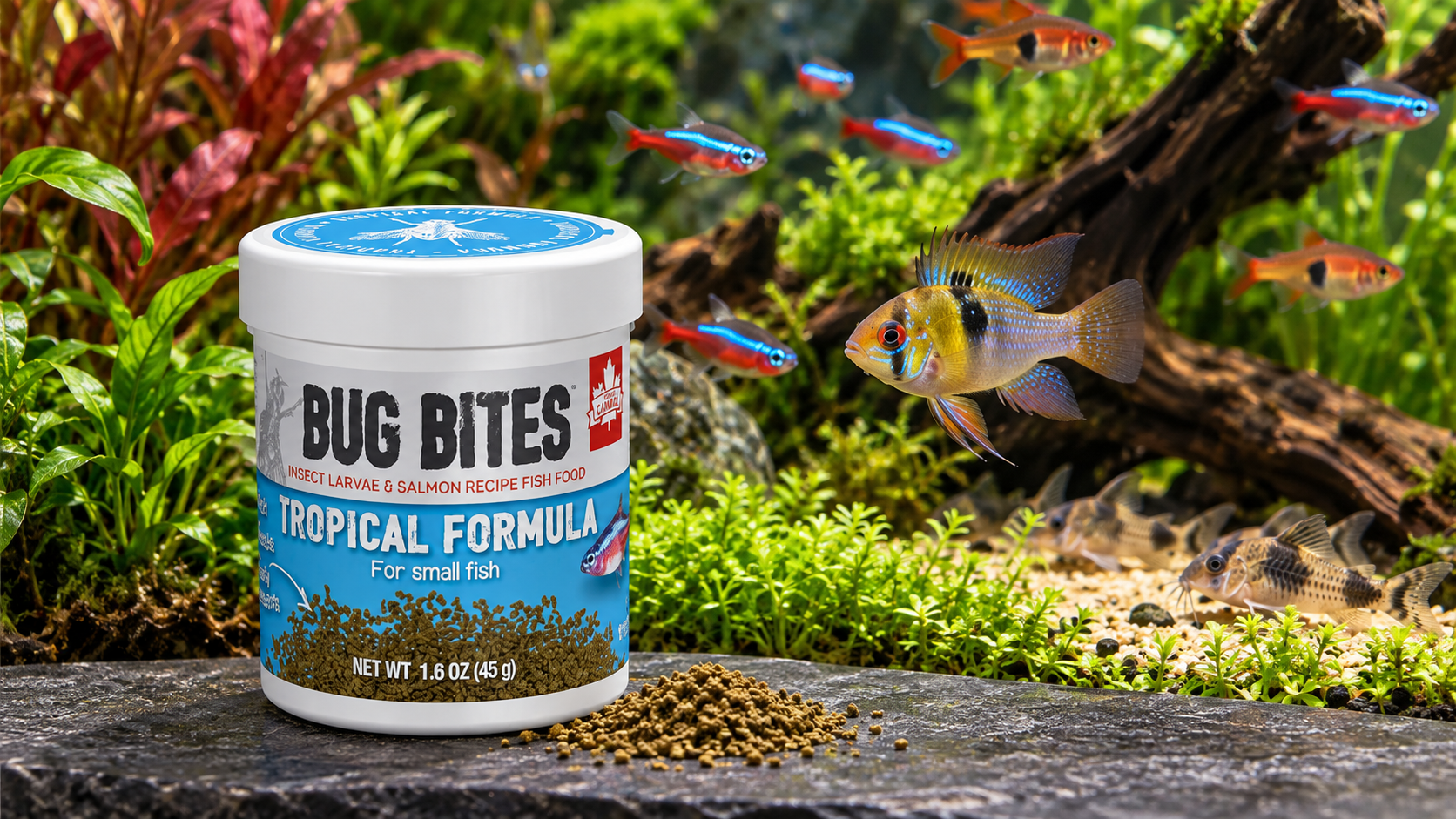
Fluval Bug Bites Tropical Formula for small fish
Best for: Small tropical fish and dwarf cichlids
As an Amazon Associate, we earn from qualifying purchases.
Tetra
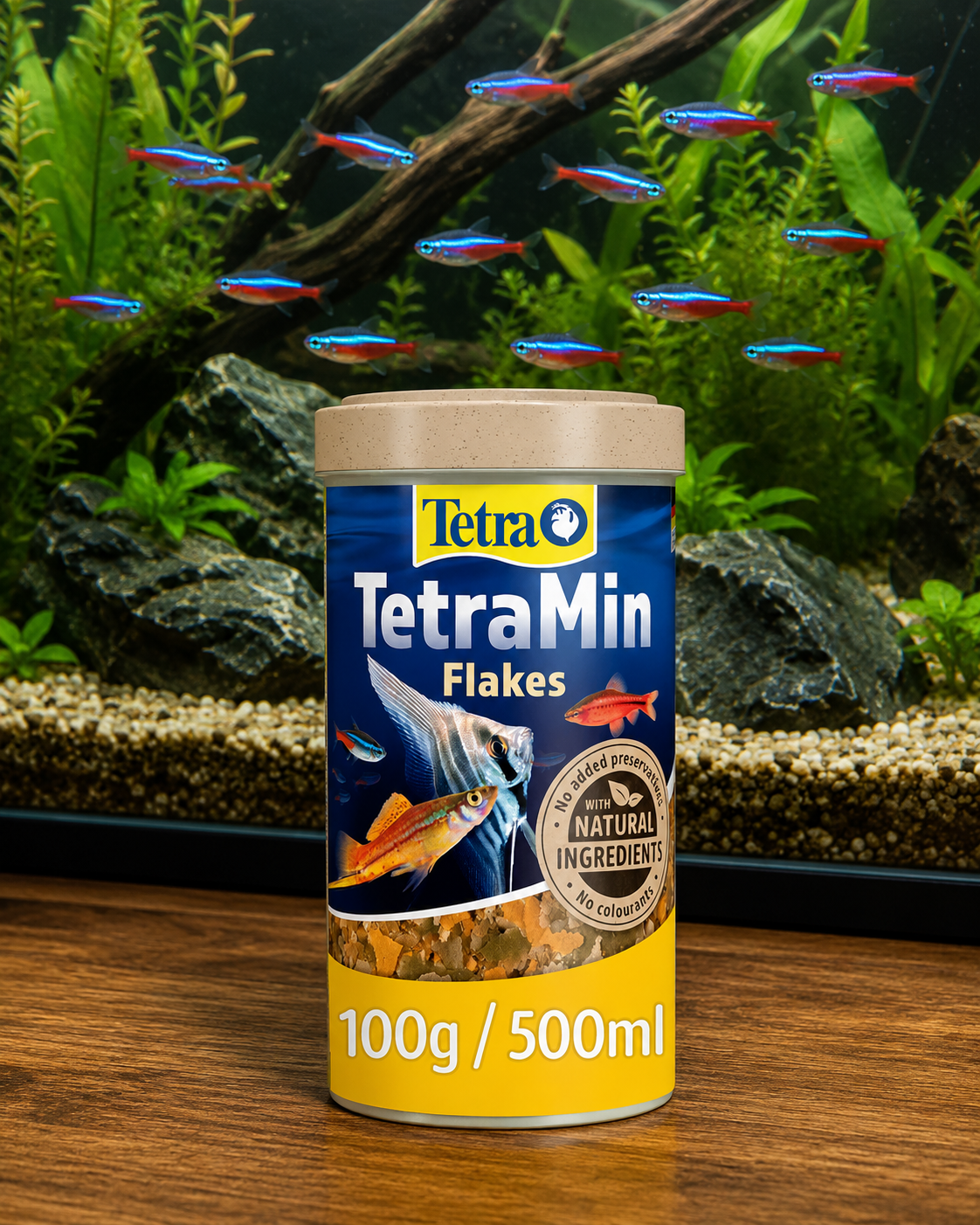
Tetra Min Tropical Flake Food 500ml
Best for: Everyday feeding of tropical community fish
As an Amazon Associate, we earn from qualifying purchases.
ALFA
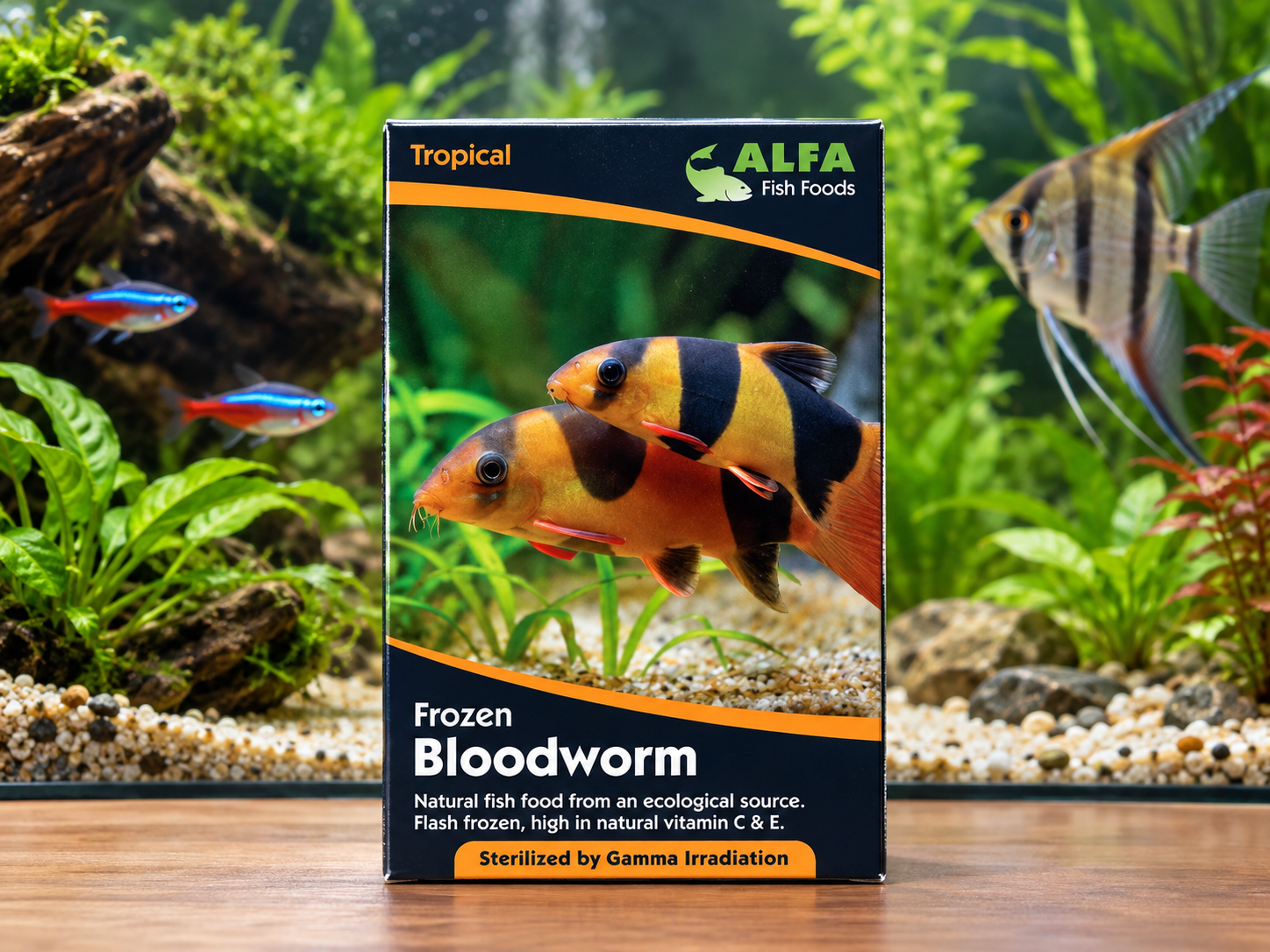
Frozen Bloodworm Fish Food 10 Pack
Best for: Adding variety to tropical and coldwater fish diets
As an Amazon Associate, we earn from qualifying purchases.
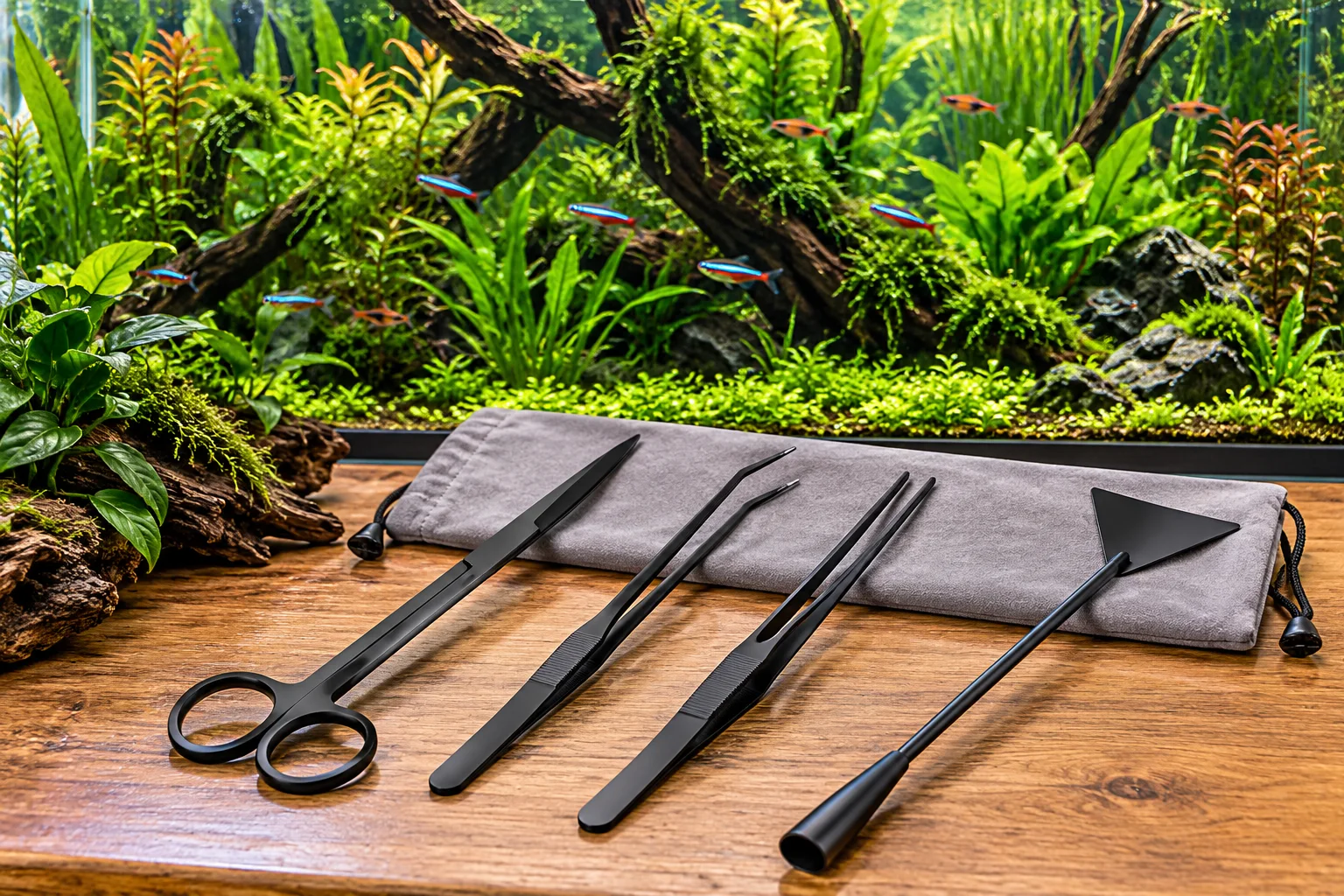
Coolrunner
Coolrunner 4 in 1 Aquarium Aquascape Tools Kit, Stainless Steel
Best for: Planting, trimming and maintaining freshwater planted aquariums
As an Amazon Associate, we earn from qualifying purchases.
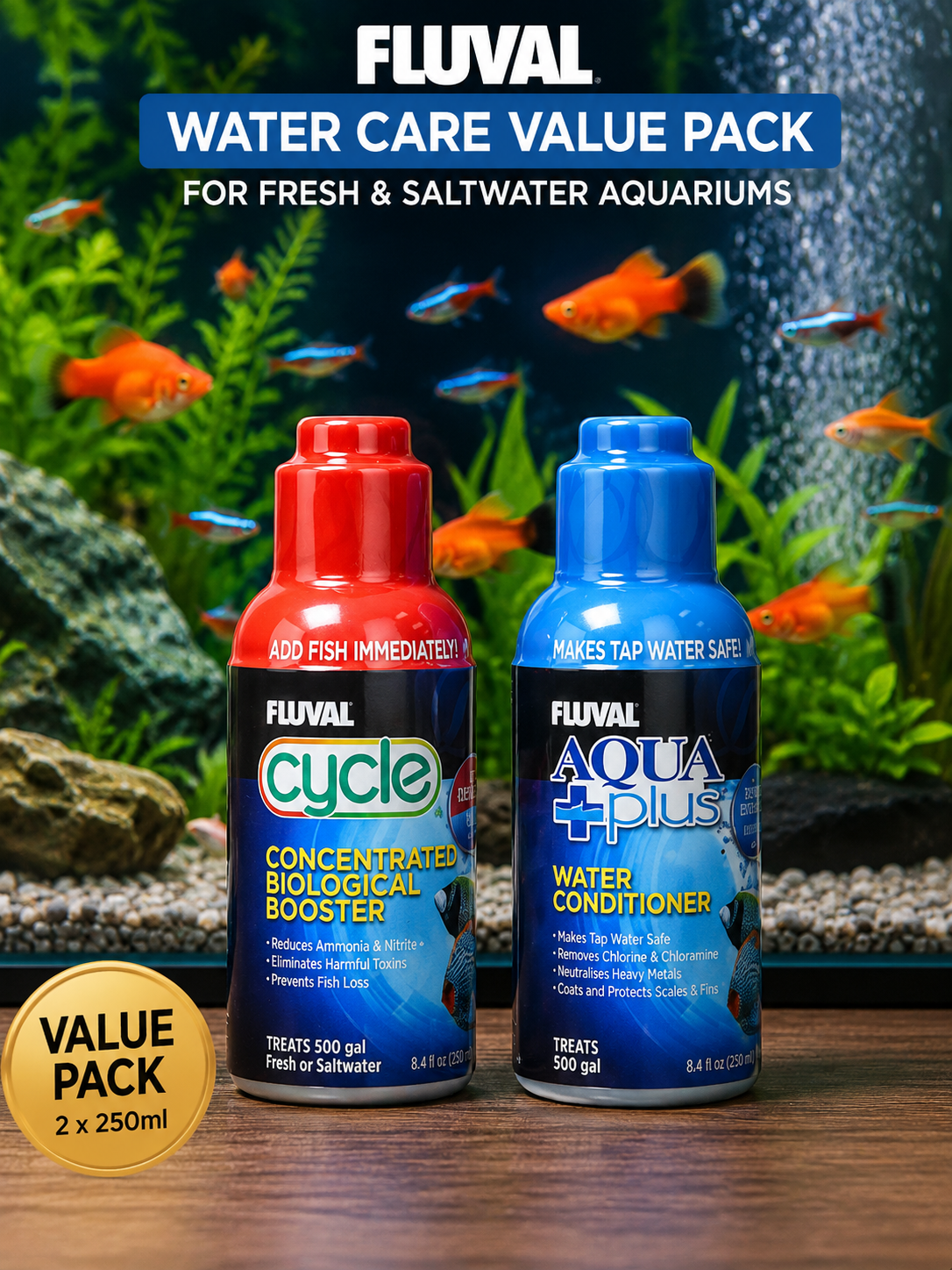
Fluval
Fluval Water Care Value Pack with Fluval Cycle & Aqua Plus, 500ml
Best for: New aquarium setups and routine water changes
As an Amazon Associate, we earn from qualifying purchases.
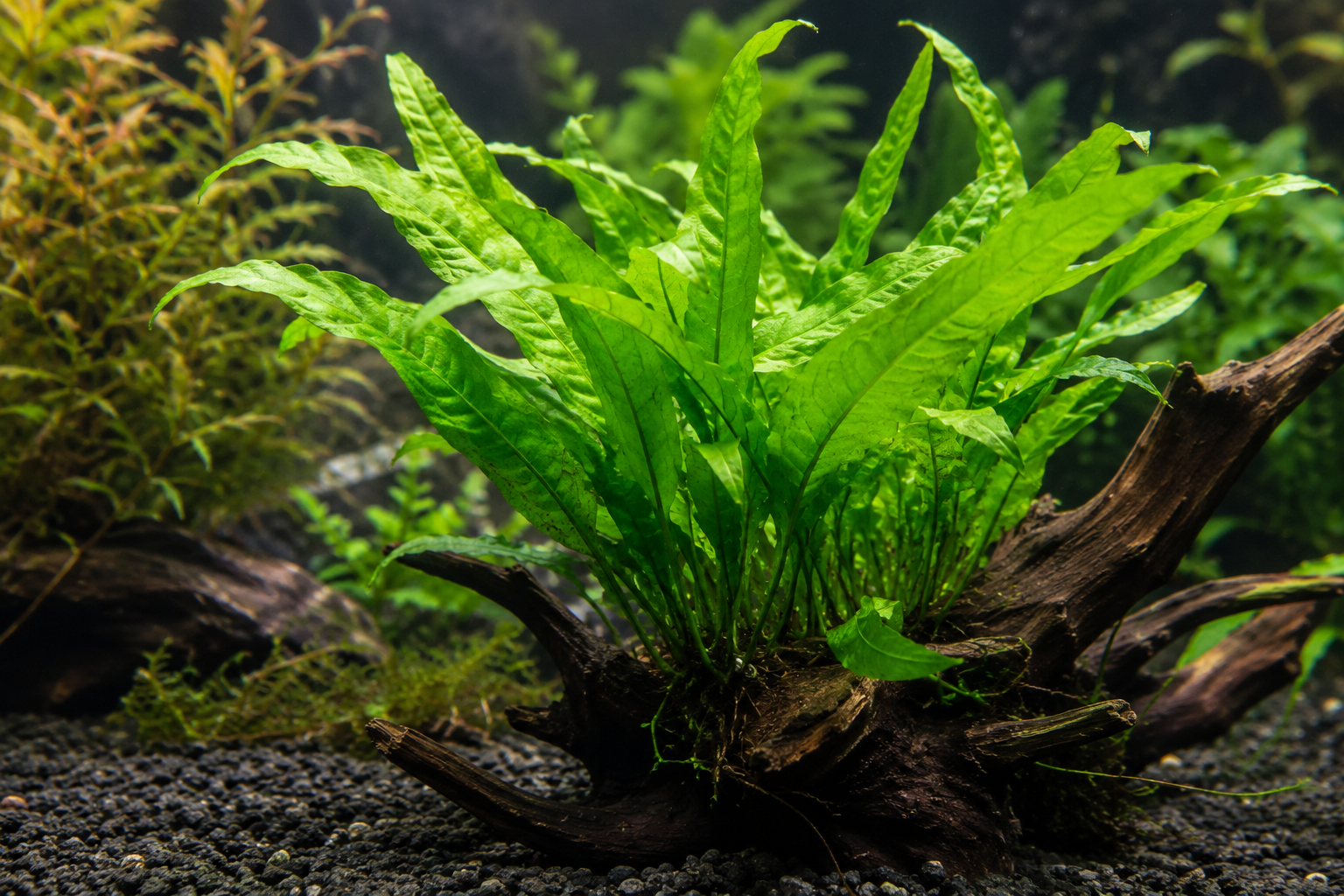
Java Fern
Best for: Beginners, low-tech aquariums and attaching to rocks or driftwood
As an Amazon Associate, we earn from qualifying purchases.
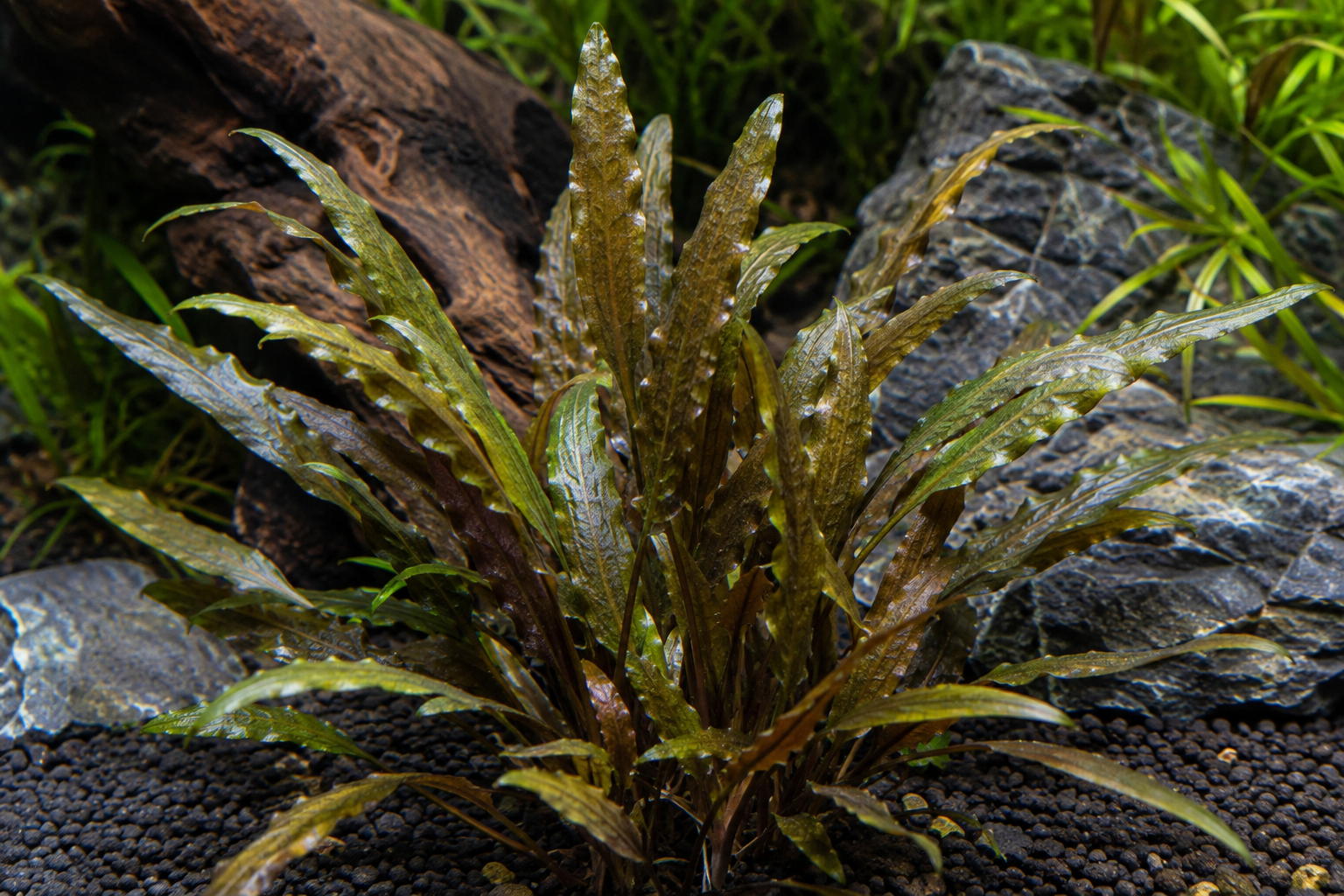
Cryptocoryne Beckettii
Best for: Beginners, low-tech aquariums and natural midground planting
As an Amazon Associate, we earn from qualifying purchases.
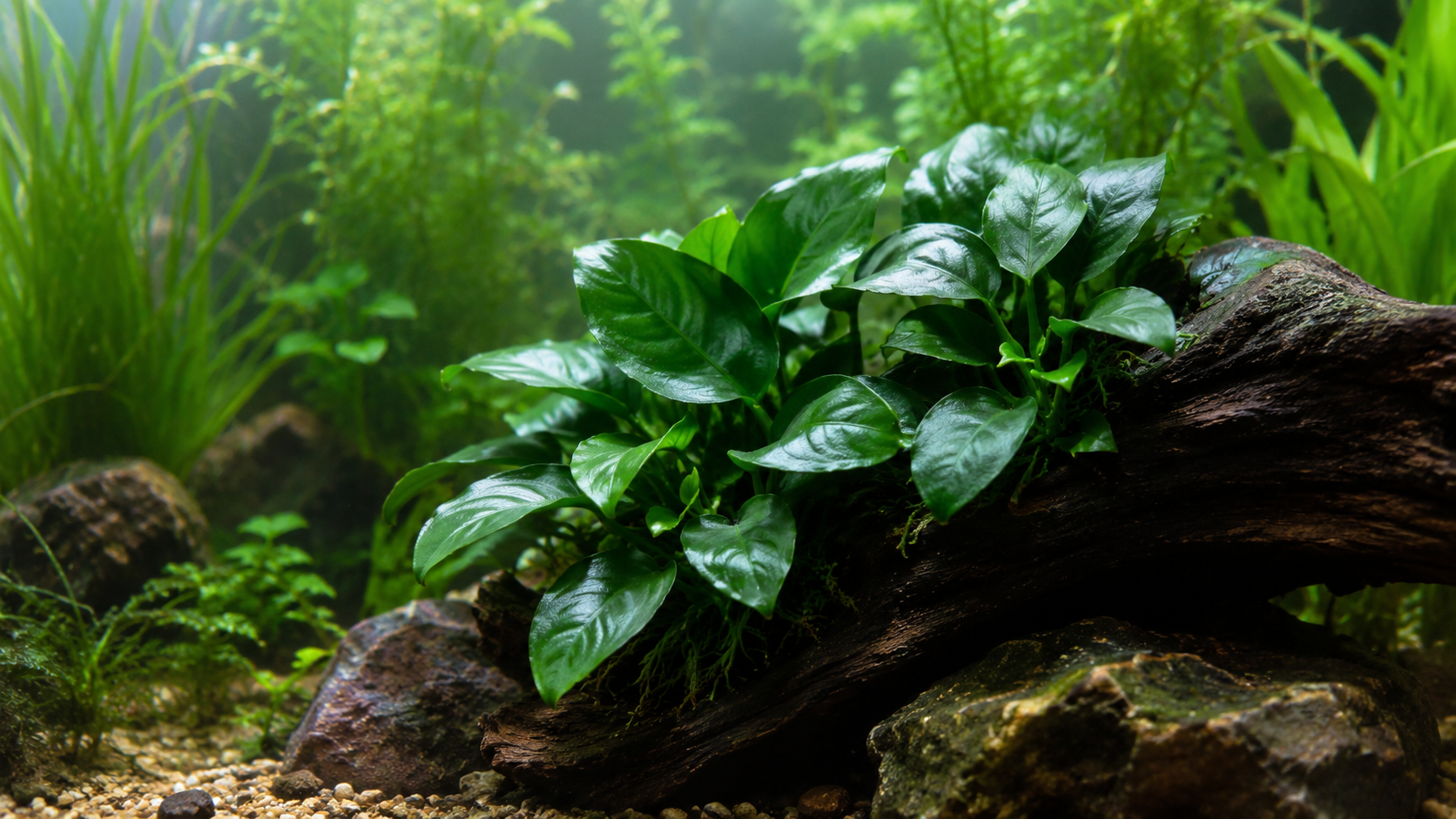
Anubias Nana
Best for: Beginners, low-light aquariums and low-tech planted tanks
As an Amazon Associate, we earn from qualifying purchases.