Red Phantom Tetra: A Peaceful and Overlooked Aquarium Fish
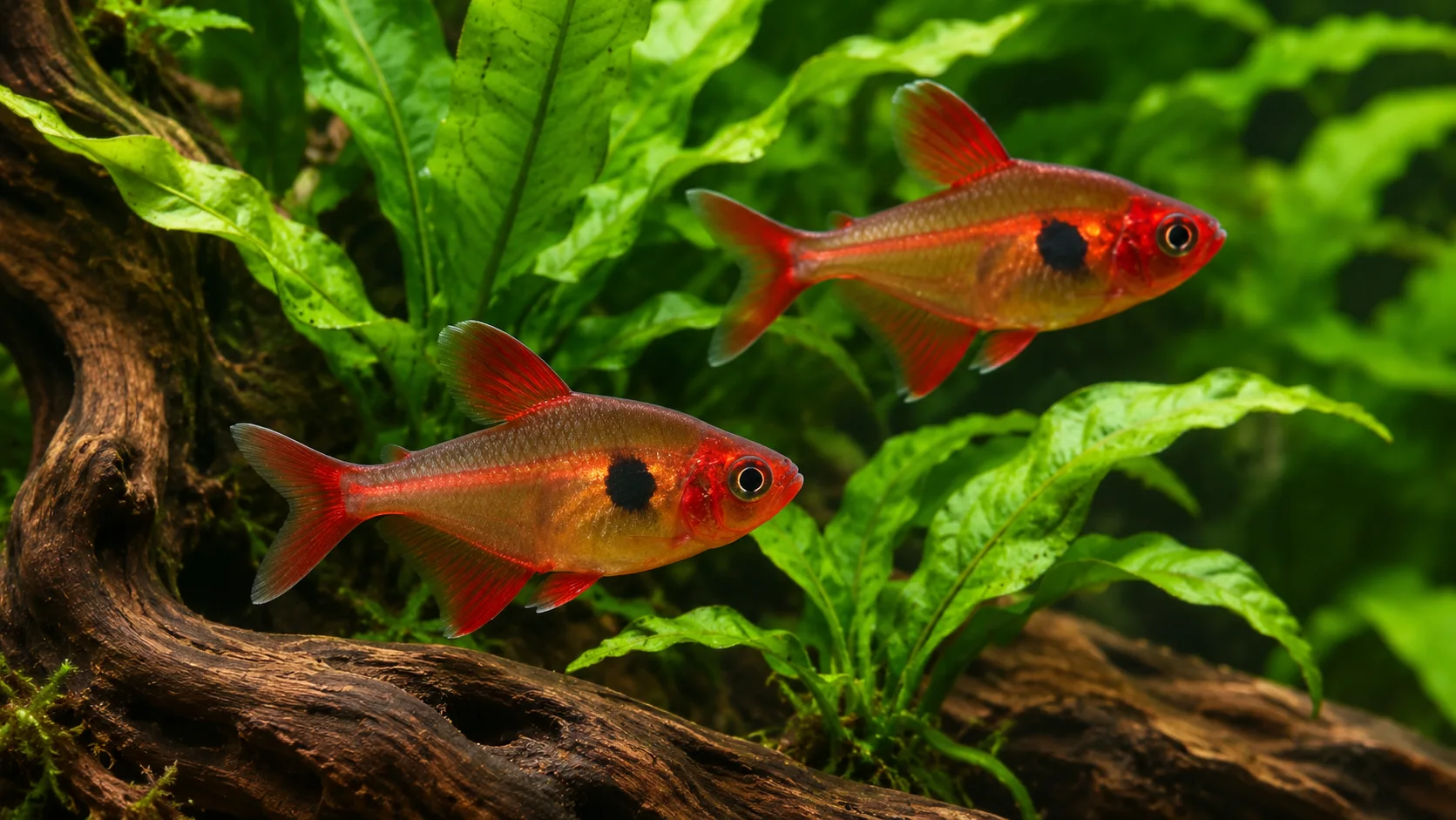
Discover the red phantom tetra, a peaceful community fish often confused with the aggressive serpae tetra. Expert advice on care, feeding and tankmates.
The red phantom tetra (Hyphessobrycon sweglesi) is one of those fish that deserves far more attention than it receives. With its attractive red colouring, delicate fins and generally peaceful nature, it has everything you would expect from a good community aquarium fish. Yet despite these qualities, it is a species that we rarely come across in our aquarium maintenance work these days.
I suspect one of the main reasons for this is its resemblance to the much more familiar serpae tetra. At first glance, the two species can look remarkably similar, particularly when viewed in a shop aquarium. Unfortunately, the serpae tetra has a reputation for being rather aggressive towards other fish, especially when it comes to fin nipping. This reputation can easily be transferred to the red phantom tetra through simple misidentification.
It's a shame because although they share a similar appearance, their behaviour can be quite different. The red phantom is generally a much more peaceful fish and one that I believe deserves a place in more community aquariums.
A Beautiful Fish That Is Easily Mistaken
The red phantom tetra originates from South America, particularly the Orinoco River basin, where it inhabits slow-moving waters with plenty of vegetation and natural cover.
Growing to approximately 3–4 cm, it is a relatively small tetra with a deep body, attractive reddish colouring and a distinctive dark marking just behind the gill cover. The fins can become particularly impressive in mature males, with the dorsal fin developing a noticeably extended appearance.
The overall colour varies considerably depending on the fish's condition, surroundings and lighting. In a brightly illuminated shop aquarium, red phantoms can sometimes look rather washed out. However, once settled into a well-planted aquarium with subdued lighting, their colours can become much richer.
The resemblance to the serpae tetra is understandable. Both species have reddish bodies and dark shoulder markings, but there are differences. The red phantom generally has a more translucent appearance, while the serpae often displays a stronger, more solid red colour and a distinctive black-edged anal fin.
These differences are not always obvious to someone unfamiliar with the species, particularly when the fish are young.
Over the years, we have maintained countless community aquariums containing a wide variety of tetra species. The serpae tetra is certainly one that we have encountered regularly, although it isn't always a fish we would choose for a peaceful display.
Red phantoms, on the other hand, are much less common in our customers' aquariums. I think their similarity to the serpae has contributed to them being overlooked, especially by aquarists who have previously experienced problems with fin nipping.
A Much More Peaceful Alternative
One of the biggest advantages of the red phantom tetra is its temperament.
Unlike the serpae tetra, which can become troublesome in certain community setups, red phantoms are generally peaceful and mix well with other small, non-aggressive fish.
That doesn't mean they spend their entire lives swimming around quietly. Like many tetra species, they have their own social behaviour, and males will occasionally display towards one another by extending their fins and showing off their colours.
These displays are usually harmless and can actually be one of the most interesting aspects of keeping them.
In our experience, the behaviour of schooling fish can change considerably depending on how many are kept together. Small groups often fail to show their natural behaviour, and some individuals can become nervous or overly dominant.
For red phantom tetras, I would recommend keeping at least eight individuals, although a group of ten or twelve would be even better where space allows.
A larger group provides a more natural environment and allows the fish to establish their own social structure.
They can make excellent companions for other peaceful tetras, smaller rasboras, Corydoras catfish and suitable dwarf cichlids.
I would still avoid housing them with particularly aggressive species or known fin nippers, especially as the extended fins of mature males could become targets.
Creating the Right Aquarium
Red phantom tetras are particularly attractive in planted aquariums, where their red colouring contrasts beautifully against green foliage.
They naturally inhabit softer, acidic waters, and although aquarium-bred specimens may tolerate a reasonable range of conditions, they are not a species I would automatically recommend for very hard water.
Here on the south coast of England, we frequently deal with relatively hard tap water when maintaining customers' aquariums. This is something we always consider when recommending fish, as choosing species suited to the available water can prevent problems later.
Ideally, red phantoms should be maintained in soft to moderately soft water, with a slightly acidic to neutral pH. A temperature of around 23–26°C is generally suitable.
More importantly, the aquarium should be mature, properly filtered and maintained with regular water changes.
I would suggest an aquarium of at least 75–80 cm in length for a reasonable group, providing enough space for swimming and displaying.
Plants such as Cryptocoryne, Java fern and Amazon swords can provide useful shelter, while floating plants help soften the lighting.
A darker substrate can also make a noticeable difference to their appearance.
We often find that fish with reddish or translucent colouring look particularly impressive against darker backgrounds. Bright white gravel and excessive lighting can sometimes make their colours appear less intense.
The aim should be to create a natural-looking aquarium with areas of cover and sufficient open space for the fish to swim together.
Feeding and General Maintenance
Fortunately, red phantom tetras are not particularly difficult to feed. They are omnivorous and will generally accept good-quality flake foods and suitably sized micro pellets. However, as with most tropical fish, I prefer to offer some variety rather than relying entirely on one food.
Frozen foods such as daphnia, cyclops and small bloodworms can be particularly useful, while occasional live foods may encourage more natural feeding behaviour.
A varied diet also helps maintain good condition and colour.
One thing we regularly notice when maintaining customers' aquariums is that feeding habits can have a considerable influence on water quality.
It is very easy to overfeed smaller community fish, particularly when several species occupy different levels of the aquarium.
Red phantoms have relatively small mouths, so food should be appropriately sized and offered in quantities they can consume without leaving excessive waste.
As with any community aquarium, regular maintenance remains important. Water changes, filter care and monitoring water quality will do far more for their long-term health than constantly adding unnecessary treatments or supplements.
Breeding Red Phantom Tetras
Breeding red phantom tetras is possible, although it is not something that commonly happens successfully in a typical community aquarium.
Like many other tetra species, they scatter their eggs among fine vegetation and provide no parental care. In fact, the adults will readily eat their own eggs if given the opportunity.
Successful breeding usually requires a separate aquarium with very soft, slightly acidic water and suitable spawning material, such as fine-leaved plants or spawning mops.
The eggs are sensitive to light, and once spawning has taken place, the adults should be removed. Newly hatched fry are extremely small and initially require microscopic foods before progressing to newly hatched brine shrimp.
Although breeding them can be rewarding, I would consider this more of a project for someone with experience breeding small egg-scattering fish rather than a straightforward beginner's undertaking.
Why We Should See More of Them
Having worked with tropical aquariums for more than 25 years, I have seen many species come and go in popularity.
Some fish remain familiar sights in aquarium shops for decades, while others gradually disappear from the displays despite being perfectly suitable for home aquariums.
The red phantom tetra is one of those species that I feel has been somewhat overlooked.
Its resemblance to the serpae tetra certainly doesn't help. Anyone who has previously kept a troublesome group of serpaes might understandably be reluctant to purchase another fish with a similar appearance.
However, judging the red phantom by the behaviour of its more aggressive lookalike would be unfair.
For anyone interested in phantom tetras, we have also covered the Black Phantom Tetra in our Knowledge Centre. It is another attractive species with fascinating social behaviour and makes an interesting comparison.
Personally, I would be very happy to see red phantom tetras becoming more widely available and appearing in more of our customers' aquariums.
They offer attractive colouring without the more troublesome behaviour sometimes associated with other red tetra species, and a good-sized group can make a wonderful addition to a carefully planned planted aquarium.
Sometimes the best aquarium fish are not necessarily the newest, rarest or most expensive species. They are simply the ones that have been overlooked for far too long.
The red phantom tetra certainly falls into that category.
Products We've Mentioned & Recommend
Below you'll find a selection of products we've mentioned in this article, along with a few others we think you might find useful. We've included Amazon links to make them easy to find.
A quick word about affiliate links...
Some of these links are affiliate links, which means we may earn a small commission from qualifying purchases, at no extra cost to you.
Unfortunately, the commission doesn't quite stretch to cocktails on a yacht or a garage full of sports cars. In reality, it helps cover the running costs of this website and, with a bit of luck, might eventually buy me a new pair of waders that don't leak!
We only recommend products we genuinely believe are worth considering, and your support helps us keep sharing free advice from our years of working with aquariums and ponds.
Thanks for supporting Aquatic Specialist!
As an Amazon Associate I earn from qualifying purchases.
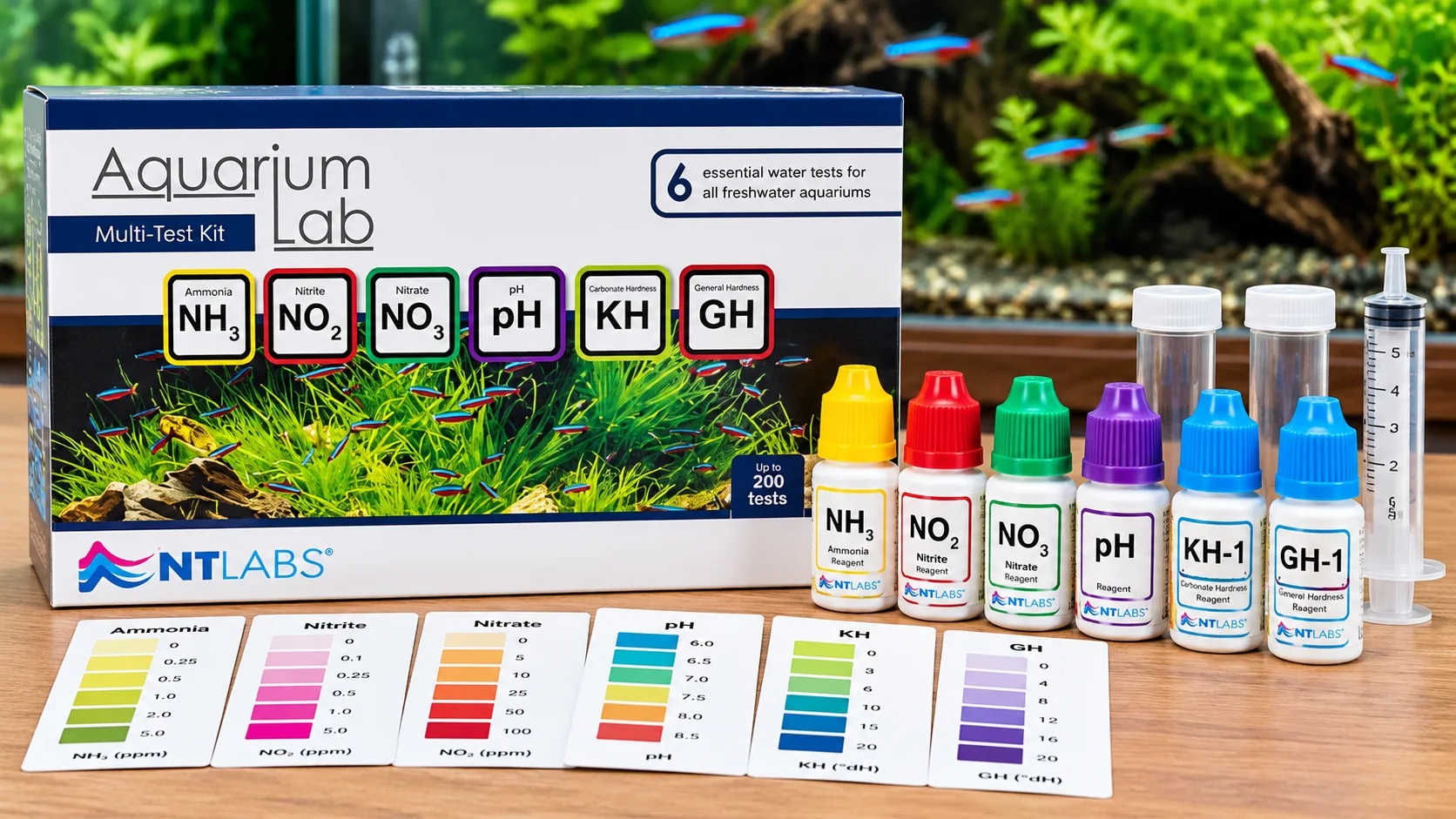
NT Labs
NT Labs Aquarium Lab Multi Test Kit
Best for: Cycling new freshwater aquariums and routine water quality monitoring.
As an Amazon Associate, we earn from qualifying purchases.
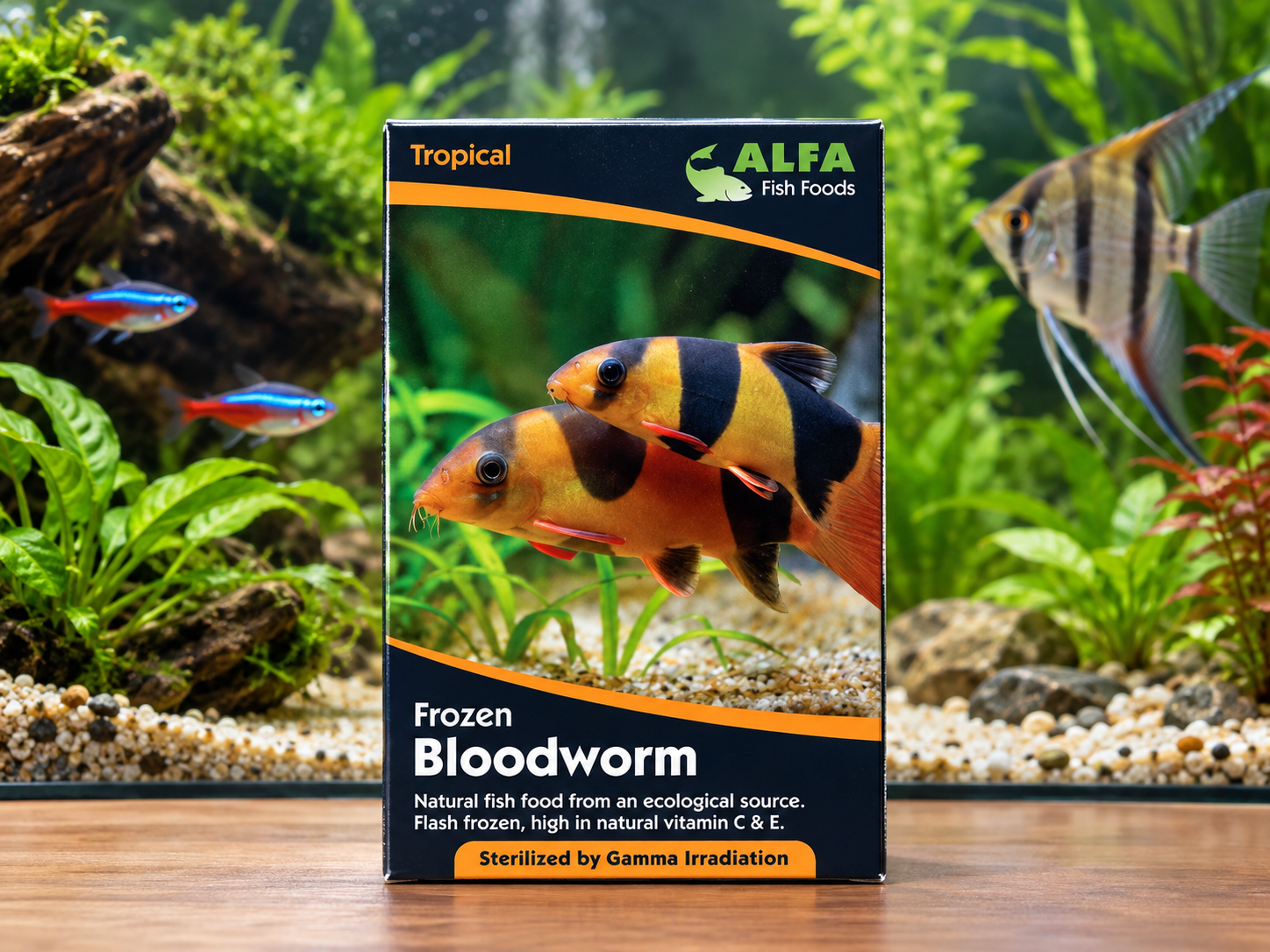
ALFA
Frozen Bloodworm Fish Food 10 Pack
Best for: Adding variety to tropical and coldwater fish diets
As an Amazon Associate, we earn from qualifying purchases.
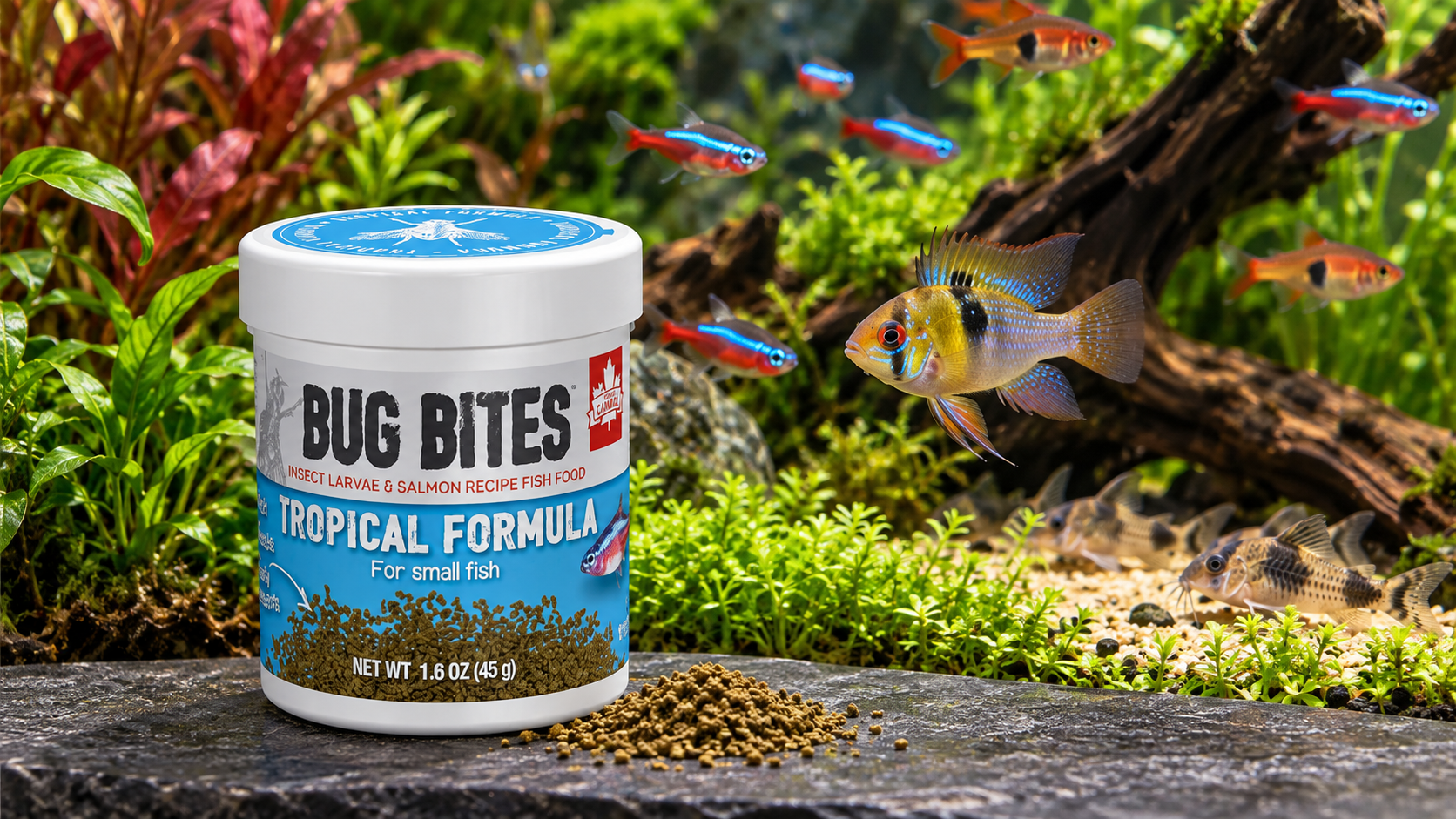
Fluval
Fluval Bug Bites Tropical Formula for small fish
Best for: Small tropical fish and dwarf cichlids
As an Amazon Associate, we earn from qualifying purchases.
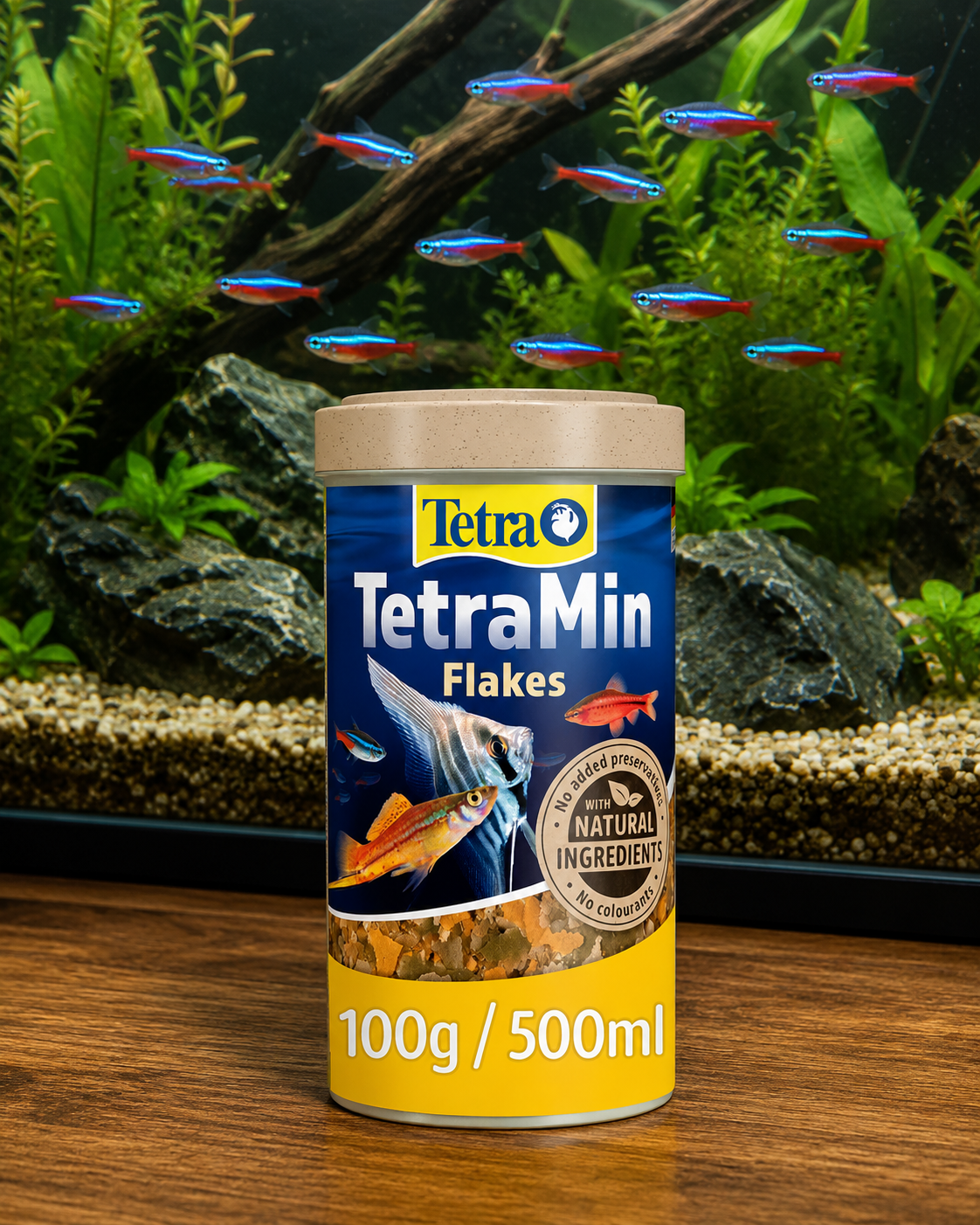
Tetra
Tetra Min Tropical Flake Food 500ml
Best for: Everyday feeding of tropical community fish
As an Amazon Associate, we earn from qualifying purchases.