Threadfin Rainbowfish Care Guide – Iriatherina werneri
Working in aquatics since 1997 and founder of Aquatic Specialist in 2003, Richard specialises in reef aquariums and pond maintenance and has lectured at Sparsholt College. Read Richard's profile.
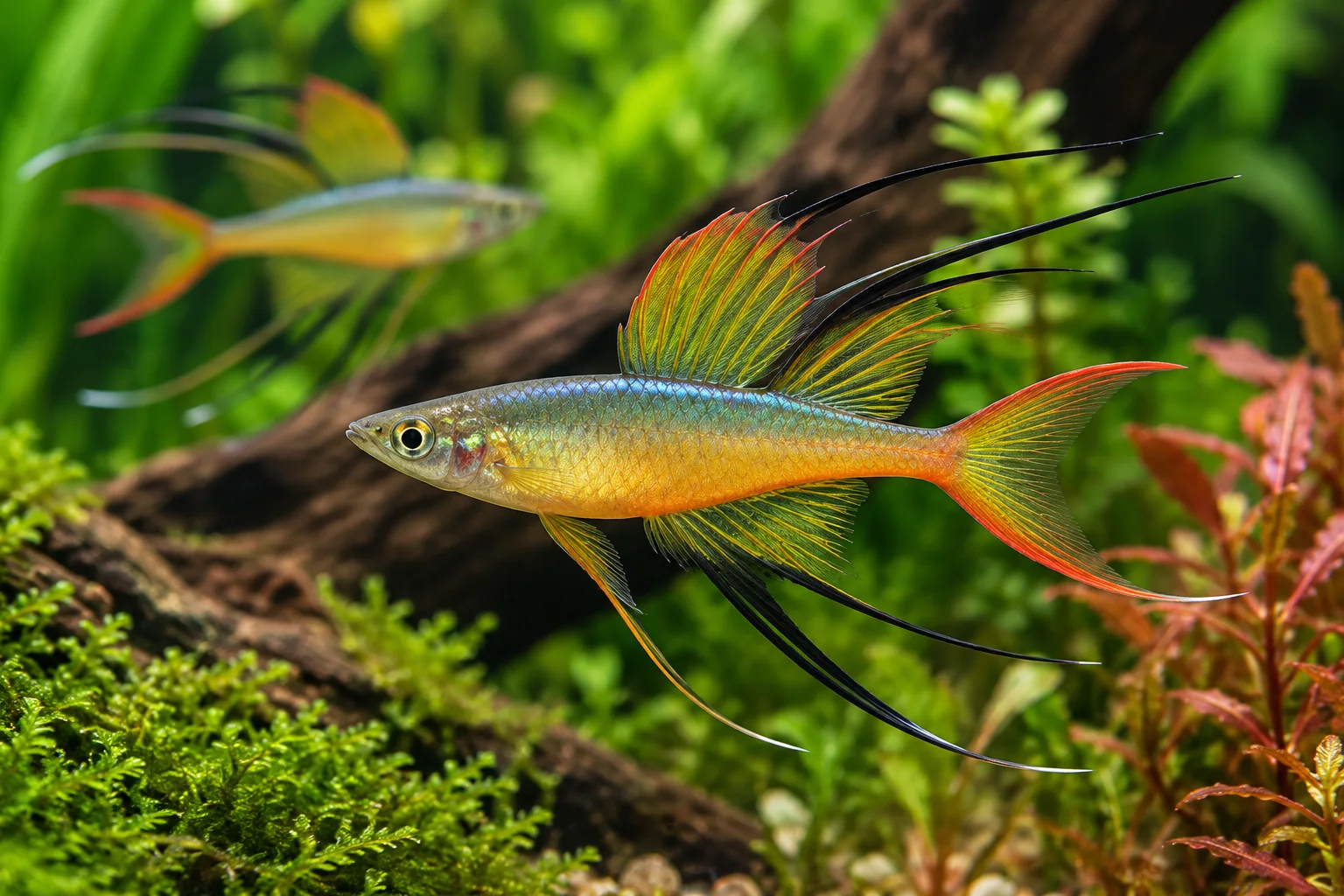
The Threadfin rainbowfish (Iriatherina werneri) is a peaceful freshwater fish known for its extraordinary elongated fins and fascinating displaying behaviour. Discover how to keep a healthy group, provide suitable food and successfully breed this elegant species in a planted aquarium.
The Threadfin rainbowfish is one of the most elegant small freshwater fish available to aquarists. Its slender body, delicate fins and fascinating displaying behaviour make it particularly attractive in a peaceful planted aquarium. Unlike larger rainbowfish, which often rely on bright body colour and constant swimming activity to attract attention, the Threadfin rainbowfish is best appreciated when you take the time to watch its behaviour.
Its scientific name is Iriatherina werneri, and it is the only recognised species in its genus. Mature males develop extraordinary elongated fin rays that give the species its common name. When displaying, they spread their dorsal and anal fins while extending their long, thread-like filaments, creating an impressive display for such a small fish.
Threadfin rainbowfish are peaceful and relatively straightforward to maintain in a suitable aquarium, but their delicate nature and tiny mouths mean they need a little more consideration than many common community fish.
This is another fish that I have personally kept and tried to breed. I did manage to get a very small number of eggs but I never managed to get the young to hatch. All the others rainbows I have tired I was successful but these I failed out. I don't think that they are particularly hard, I just needed to give them more time than I had available. Let's say that I've put a pin in it for now.
Where Do Threadfin Rainbowfish Come From?
Threadfin rainbowfish originate from northern Australia and southern New Guinea, where they inhabit shallow freshwater environments with abundant vegetation.
Their natural habitats include slow-moving waters, vegetated streams and wetlands. These environments provide plenty of cover, relatively gentle water movement and an abundance of small aquatic organisms.
This background helps explain why Threadfins are particularly well suited to planted aquariums. They appreciate areas of dense vegetation where they can retreat when disturbed, but they also need open spaces where males can display.
There are some differences in appearance between populations, particularly in fin colouration. Depending on their origin, males may develop yellow, orange or reddish markings, although the distinctive elongated fin rays remain their most recognisable feature.
How Big Do Threadfin Rainbowfish Grow?
Threadfin rainbowfish generally reach around 4–5 cm in length, including their extended fins. Their bodies are considerably smaller than their overall appearance might suggest.
They are slender fish with relatively little body mass, making them quite different from the deeper-bodied rainbowfish commonly kept in larger community aquariums.
Although they are small enough for relatively compact aquariums, they shouldn't be kept in cramped conditions.
An aquarium around 60 cm long provides a good starting point for a group. Larger aquariums offer additional swimming space and make it easier to maintain a more substantial group.
Aquarium length is particularly useful because males need room to display without constantly encountering one another.
Keeping Threadfin Rainbowfish in Groups
Threadfin rainbowfish are social fish and should be kept in groups rather than individually. I would recommend keeping at least six, although eight to ten or more is preferable when aquarium space allows.
A group containing several males and females provides the opportunity to observe their natural displaying behaviour. Males regularly position themselves alongside one another, extending their fins and showing off their colours.
These displays are one of the main reasons to keep the species. Unlike the aggressive territorial encounters seen with some aquarium fish, Threadfin displays are generally relatively peaceful. Males may briefly chase one another, but serious fighting is unusual when they have sufficient space.
Keeping several males can actually make the aquarium more interesting because the presence of rivals encourages them to display more frequently.
Male and Female Threadfin Rainbowfish
Mature males are considerably more elaborate than females. Their most distinctive feature is the development of long, thread-like fin rays extending from the dorsal and anal fins. When relaxed, these filaments may trail behind the fish, but during displays the fins are extended to create a much more impressive appearance.
Male colouration varies between populations and individuals, with yellow, orange, red and darker markings appearing in the fins.
Females are generally smaller and more subdued, with shorter fins and a less elaborate appearance.
Young males may initially resemble females, so it can take time for their distinctive adult characteristics to become obvious.
When buying Threadfins, I would pay particular attention to their overall condition rather than simply choosing the fish with the longest fins. Healthy individuals should be active, alert and feeding readily.
The Best Aquarium Setup
A planted aquarium is an excellent environment for Threadfin rainbowfish. I prefer to create dense areas of planting around the rear and sides while leaving open swimming space through the centre. Fine-leaved plants are particularly useful because they provide cover and can also serve as spawning sites.
Java Moss, other aquarium mosses and fine-leaved stem plants work well. Floating plants like Amazon Frogbit can also provide security, especially in aquariums with relatively bright lighting.
A darker substrate can help their subtle body colours and delicate fins stand out. Wood and small rocks can be incorporated into the aquascape, although there is little need to create complicated caves. Threadfins generally prefer swimming amongst vegetation rather than hiding inside enclosed spaces.
Filtration should provide good biological performance without creating excessive current. These are not powerful swimmers compared with larger rainbowfish, and a strong current can make it difficult for them to move comfortably around the aquarium.
A secure lid is also important because Threadfin rainbowfish can jump when startled.
Water Conditions
Threadfin rainbowfish appreciate clean, stable and well-oxygenated water.
A temperature of approximately 24–28°C suits them well, with around 25–26°C being a reasonable everyday target.
They can be maintained in a range of water conditions, although slightly acidic to neutral water is generally suitable. Captive-bred specimens may adapt to somewhat different conditions, provided changes are gradual and the water remains stable.Good water quality is particularly important. Because these fish have relatively small bodies and delicate fins, I wouldn't introduce them into a newly established aquarium with unstable water chemistry.
A mature biological filter, sensible stocking and regular partial water changes will help maintain suitable conditions. Ammonia and nitrite should remain undetectable, while nitrate should be kept low through routine maintenance and appropriate feeding.
There is little benefit in constantly adjusting the pH if the aquarium already provides stable, suitable conditions.
Feeding Threadfin Rainbowfish
Feeding is one of the most important aspects of keeping Threadfin rainbowfish successfully.
Their mouths are extremely small, and they can struggle with foods that other similarly sized aquarium fish consume without difficulty.
A good-quality powdered or finely crushed flakes food can form the basis of their diet, but I wouldn't rely exclusively on prepared foods.
Small live and frozen foods are particularly valuable.
Cyclops, appropriately sized daphnia, newly hatched brine shrimp and other tiny aquatic foods can all be useful. Larger frozen foods may need to be chopped or avoided if the fish cannot swallow them.
Threadfins tend to feed from the surface and throughout the upper and middle areas of the aquarium. Foods that remain suspended in the water for a while are particularly useful.
I prefer feeding small amounts once or twice a day rather than providing one large meal.
Watching them feed is important, especially when they are kept with other species. Their small mouths and relatively delicate feeding behaviour mean they can easily be outcompeted by faster, more enthusiastic fish.
A Threadfin rainbowfish may appear to be feeding successfully while actually struggling to consume food that is too large.
This is one reason why I prefer keeping them with similarly sized, peaceful species rather than placing them in a busy community aquarium.
Suitable Tank Mates
Threadfin rainbowfish are extremely peaceful and should be kept with fish that won't intimidate them or compete too aggressively for food.
Small rasboras and other gentle community species can make suitable companions where their water requirements overlap.
Small Corydoras can also work well because they occupy a different area of the aquarium and are unlikely to interfere with the Threadfins.
However, I would be cautious about combining them with larger or particularly active rainbowfish.
Although a larger rainbowfish may be completely peaceful, its speed and enthusiasm at feeding time can leave Threadfins struggling to get enough food.
Fin-nipping species should be avoided. The long, delicate fins of mature males can become obvious targets, and repeated damage may prevent the fish from displaying normally.
Adult freshwater shrimp can make suitable companions, although very small shrimplets may occasionally be eaten.
For anyone particularly interested in observing the natural behaviour of Threadfin rainbowfish, a species-only planted aquarium is an excellent option.
Breeding Threadfin Rainbowfish
Threadfin rainbowfish can be bred in the home aquarium, although raising the fry requires considerably more attention than simply maintaining the adults. Like many rainbowfish, they are egg scatterers.
Well-conditioned adults may spawn amongst fine-leaved plants, moss or artificial spawning mops. Males display towards females before spawning, extending their elaborate fins and intensifying their colour.
The eggs are adhesive and attach to the spawning material. Spawning mops are particularly useful because they allow eggs to be collected without disturbing the entire aquarium.
Adults provide no parental care and may eat eggs or newly hatched fry. If the aim is to raise a reasonable number of young fish, transferring the eggs to a separate rearing aquarium is generally preferable.
The eggs should be maintained in clean, stable water with gentle circulation.
Raising Threadfin Rainbowfish Fry
The most challenging part of breeding Threadfin rainbowfish is often feeding the newly hatched fry. The fry are extremely small and have tiny mouths, so even newly hatched brine shrimp may initially be too large for them.
Infusoria and other suitably small live foods are particularly useful during the earliest stages. We have articles on culture your own Infusoria and mircoworms. Both feeds I found particularly useful in raising rainbow fish fry.
As the fry grow, they can gradually be introduced to larger foods, including newly hatched brine shrimp once they are capable of swallowing them.
Maintaining good water quality is essential, but this can become difficult when feeding very small foods several times a day.
A mature sponge filter provides gentle biological filtration without creating a powerful intake that could trap the fry.
Small, regular water changes can help prevent waste from accumulating, although care must be taken not to accidentally remove the young fish.
Growth can be relatively slow, so patience is important. Once the fry are large enough to accept a wider range of foods, raising them generally becomes easier.
How Long Do Threadfin Rainbowfish Live?
Threadfin rainbowfish are relatively short-lived compared with some larger aquarium species. A lifespan of around two to three years is a reasonable expectation, although some individuals may live longer under excellent conditions.
Their lifespan makes breeding particularly worthwhile for aquarists who want to maintain a group over several generations.
Buying healthy young fish and maintaining them in a stable aquarium with suitable food gives them the best opportunity to reach their natural lifespan.
Are Threadfin Rainbowfish Suitable for Beginners?
Threadfin rainbowfish aren't exceptionally difficult, but I wouldn't recommend them as the first fish for someone with a newly established aquarium.
Their small mouths, delicate fins and relatively peaceful feeding behaviour mean they need more consideration than many common community species.
The biggest challenge is often ensuring they receive enough appropriately sized food, particularly when kept with other fish.
For someone who already has experience maintaining a planted aquarium, however, Threadfins can be very manageable.
They don't require complicated equipment or extreme water chemistry. A mature aquarium, gentle filtration, suitable food and peaceful companions will provide most of what they need.
Final Thoughts
The Threadfin rainbowfish is a species that rewards observation.
Its appearance is certainly attractive, but the real appeal comes from watching mature males extend their extraordinary fins and display towards one another.
A group maintained in a peaceful planted aquarium can provide a fascinating display without requiring the space needed for larger rainbowfish.
Their small mouths and delicate nature do mean that feeding and tank mate selection deserve particular attention. They are much better suited to a carefully planned aquarium than a busy community tank filled with larger, faster fish.
Provide clean, stable water, plenty of plants, gentle circulation and a varied diet of appropriately sized foods. Keep them in a proper group with several males and females, and give them enough space to display naturally.
Under the right conditions, Threadfin rainbowfish can become one of the most elegant and interesting small species in the freshwater aquarium hobby.
Products We've Mentioned & Recommend
Below you'll find a selection of products we've mentioned in this article, along with a few others we think you might find useful. We've included Amazon links to make them easy to find.
A quick word about affiliate links...
Some of these links are affiliate links, which means we may earn a small commission from qualifying purchases, at no extra cost to you.
Unfortunately, the commission doesn't quite stretch to cocktails on a yacht or a garage full of sports cars. In reality, it helps cover the running costs of this website and, with a bit of luck, might eventually buy me a new pair of waders that don't leak!
We only recommend products we genuinely believe are worth considering, and your support helps us keep sharing free advice from our years of working with aquariums and ponds.
Thanks for supporting Aquatic Specialist!
As an Amazon Associate I earn from qualifying purchases.
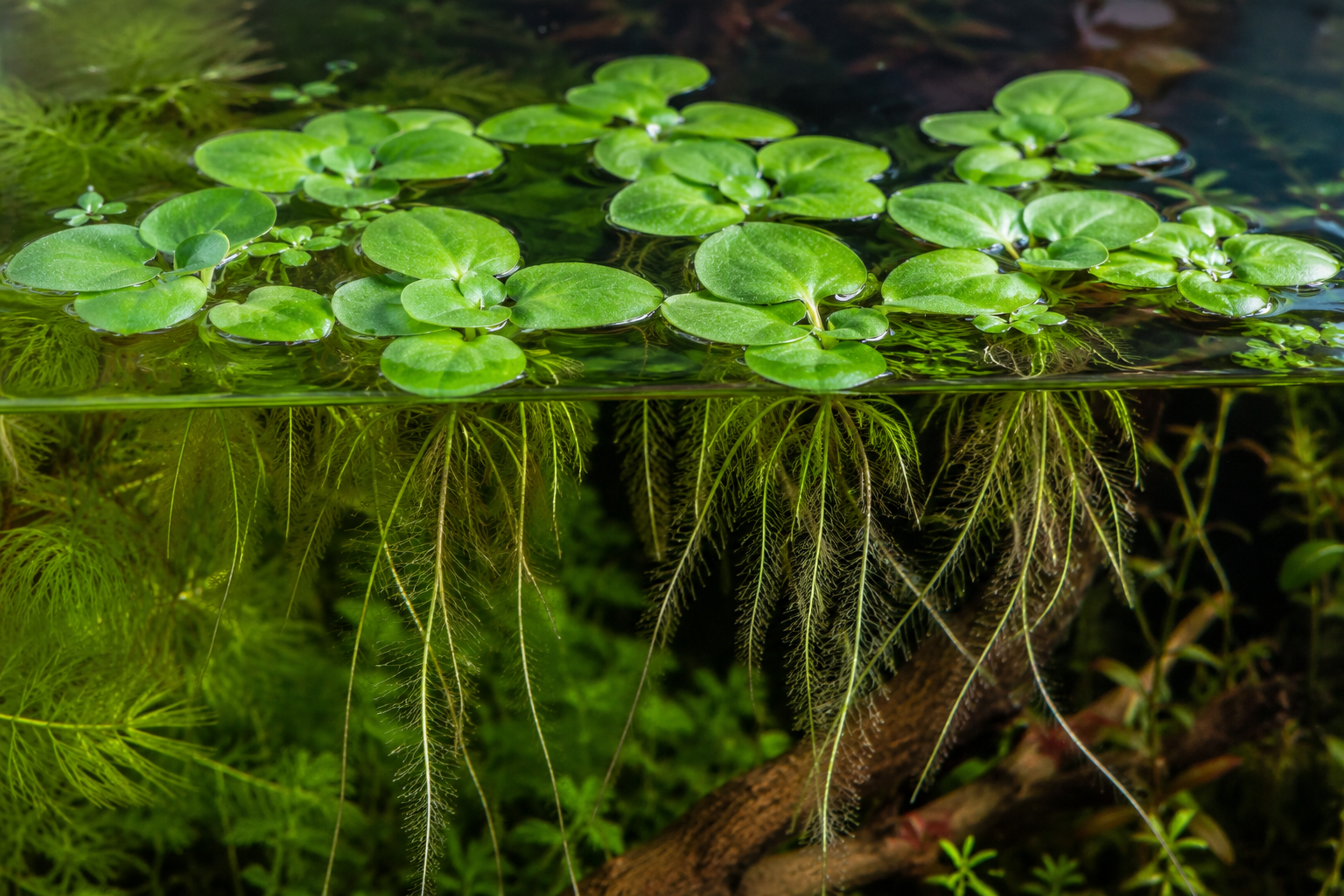
Amazon Frogbit
Best for: Natural aquariums, fry tanks, shrimp tanks and surface cover
As an Amazon Associate, we earn from qualifying purchases.
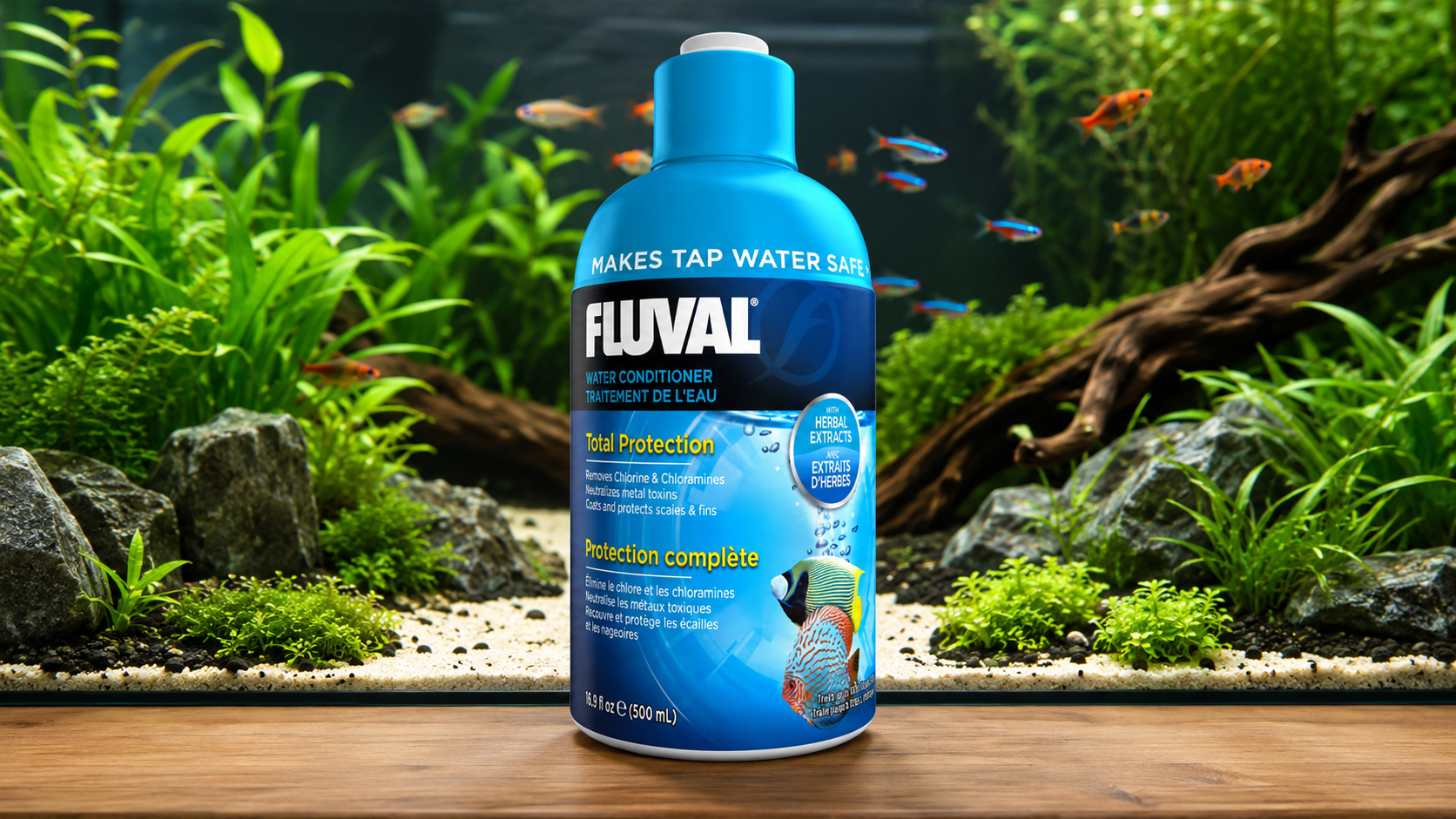
Fluval
Fluval Aqua Plus 500ml aquarium water conditioner
Best for: Routine water changes in freshwater and tropical aquariums
As an Amazon Associate, we earn from qualifying purchases.
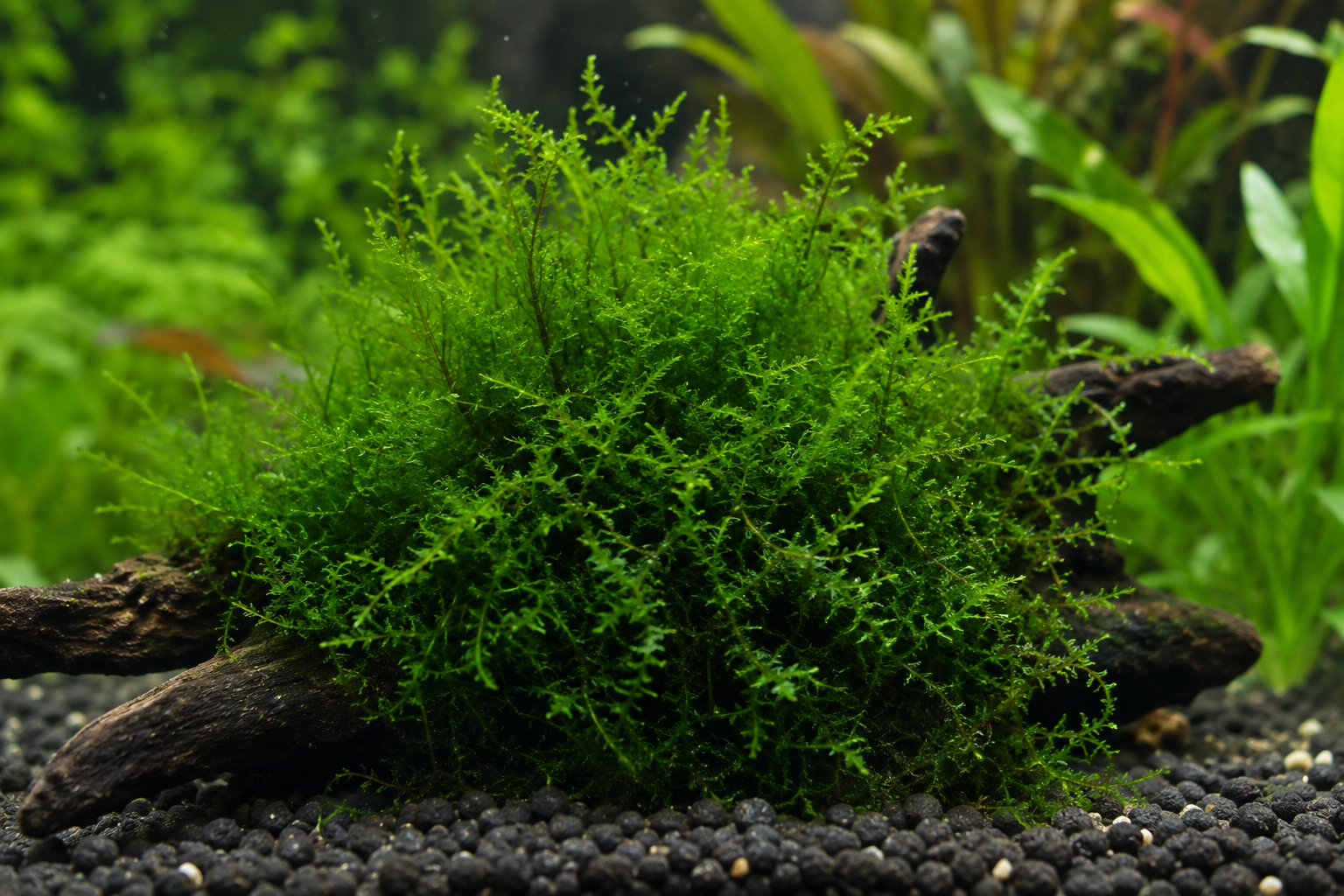
Java Moss
Best for: Beginners, shrimp tanks, breeding aquariums and natural aquascapes
As an Amazon Associate, we earn from qualifying purchases.
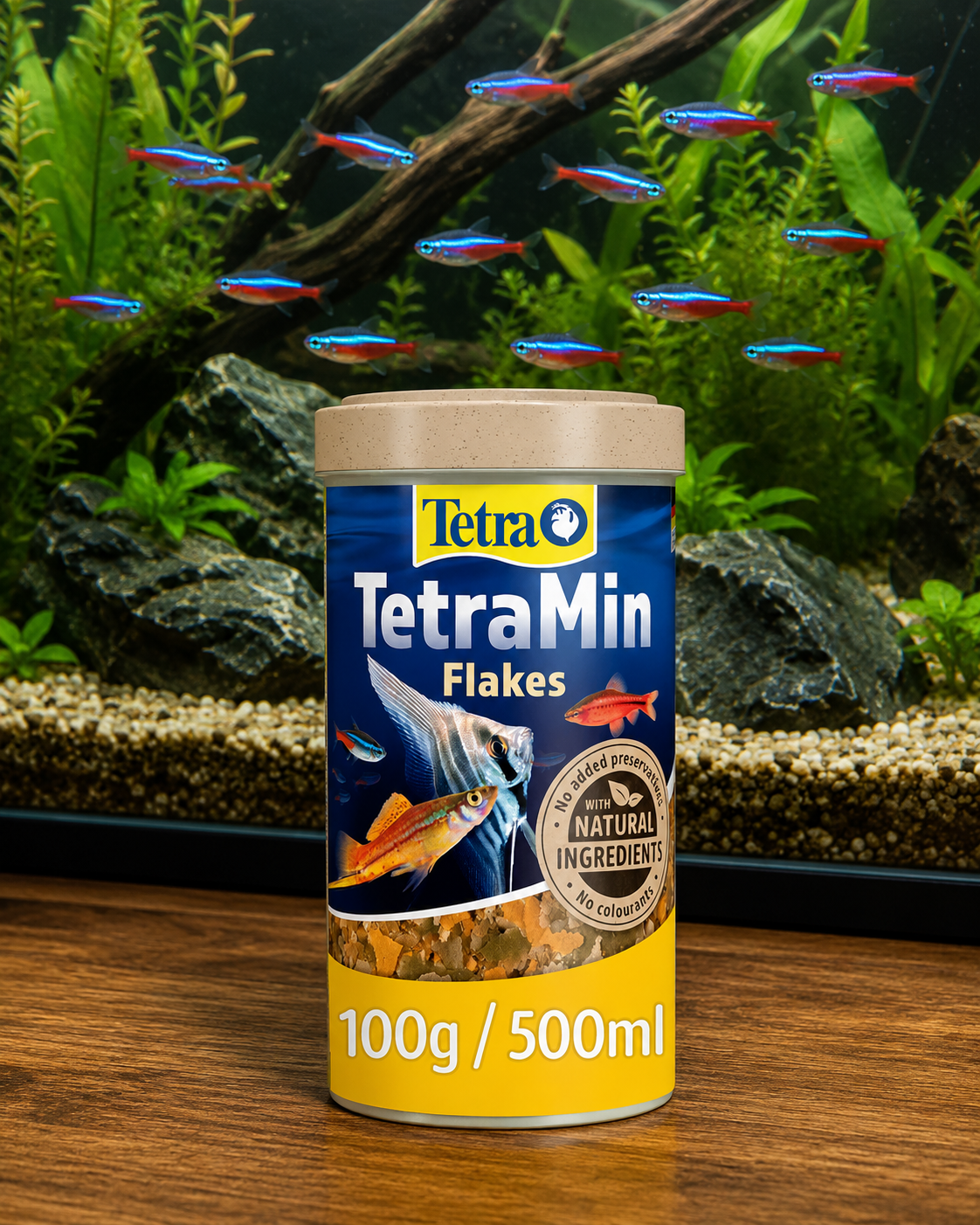
Tetra
Tetra Min Tropical Flake Food 500ml
Best for: Everyday feeding of tropical community fish
As an Amazon Associate, we earn from qualifying purchases.
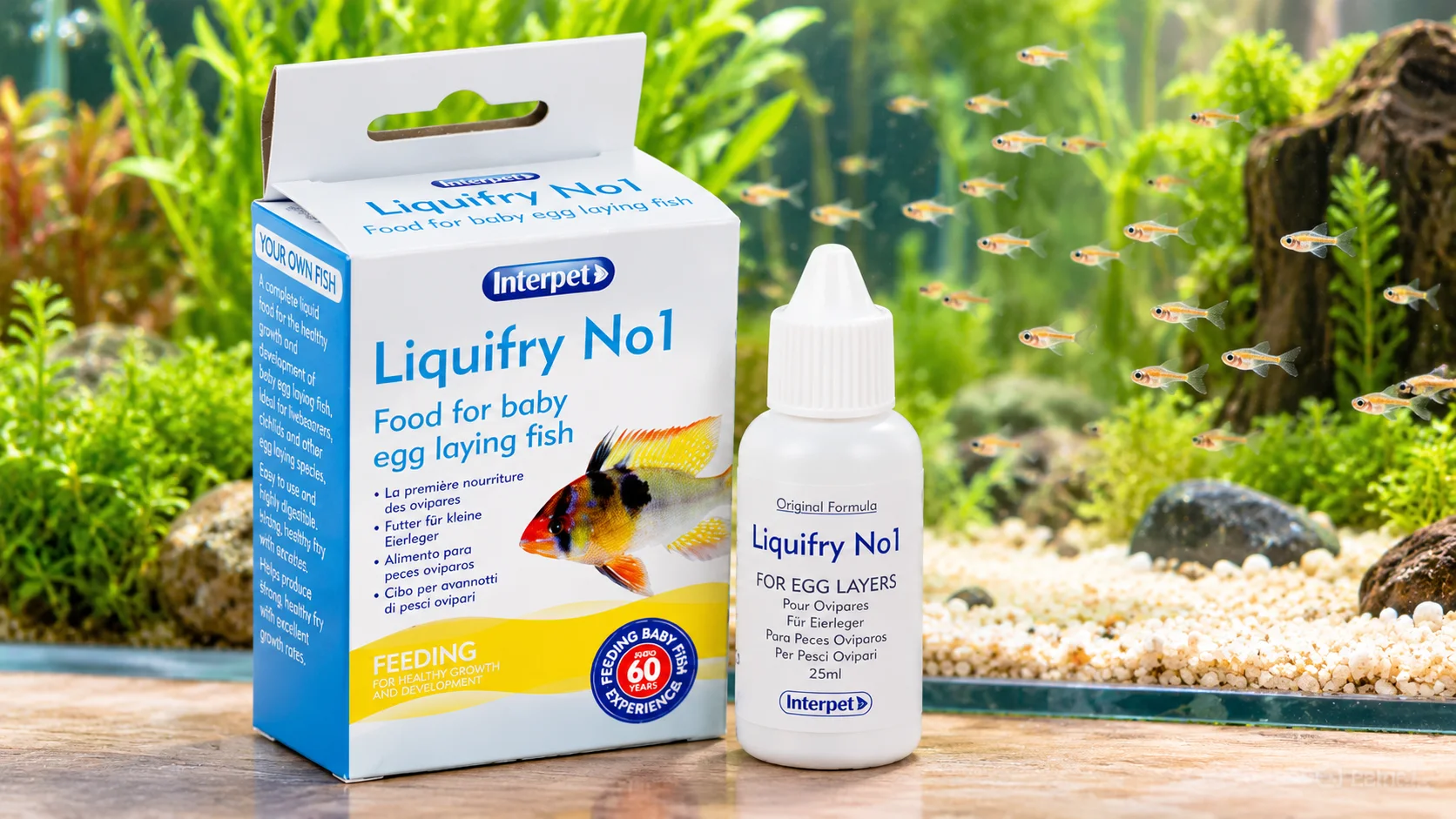
Interpet
Interpet Men Liquifry No. 1 – Food for Baby Egg Laying Fish
Best for: Newly hatched egg-laying fish, Betta fry, gourami fry and small tropical fish breeding aquariums.
As an Amazon Associate, we earn from qualifying purchases.