So You Want to Know About Gold Laser Corydoras (Corydoras sp. CW101)
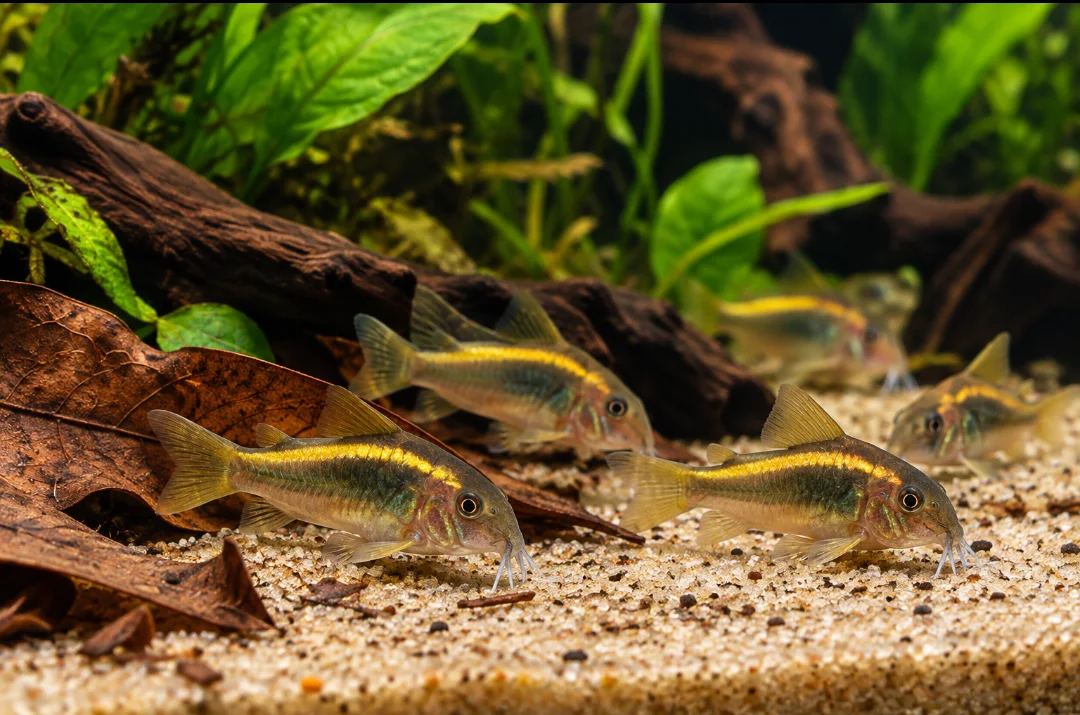
Gold Laser Corydoras are striking, peaceful bottom-dwelling fish with a distinctive metallic gold stripe. Discover how to keep CW101 Corydoras healthy, from group size and aquarium setup to feeding, water conditions and breeding.
Gold Laser Corydoras are one of those fish that immediately stand out from the more familiar Corydoras seen in aquatic shops. They have the familiar body shape and behaviour that make Corydoras so popular, but running along the upper part of the body is a striking metallic gold stripe.
Usually sold as Gold Laser Corydoras, or under the code CW101, they make an excellent choice for a peaceful South American community aquarium. They're active, social and particularly attractive when kept as a proper group.
Despite their more unusual appearance, their care isn't particularly difficult. Get the basics right — clean water, a suitable substrate, companionship and a good diet — and they're a very manageable Corydoras to keep.
What Is a Gold Laser Corydoras?
The Gold Laser Corydoras is commonly identified in the aquarium trade as Corydoras sp. CW101. The CW number is used within the aquarium hobby to identify Corydoras-type fish where identification or taxonomy has not always been straightforward.
Their most obvious feature is the bright gold or yellow-orange stripe running from around the head along the upper body. Against the darker body colour, it can look almost metallic under aquarium lighting.
They remain relatively small, generally reaching around 5–6 cm, making them suitable for many medium-sized community aquariums.
Like other Corydoras, they're predominantly bottom-dwelling fish, although anyone who has kept Corys will know they don't spend every second sitting on the substrate. A comfortable group can be surprisingly active.
Gold Laser Corydoras Need Company
This is probably the most important thing to understand before buying them.
Corydoras are social fish and shouldn't be treated as solitary bottom cleaners. Keeping one or two might keep them alive, but it doesn't allow them to behave as naturally as a proper group.
I would aim for at least six Gold Laser Corydoras, with a larger group being even better when aquarium size allows.
Once you see Corydoras kept this way, the difference becomes obvious. They'll forage together, rest alongside each other and move around the aquarium as a loose group.
A larger group of one Corydoras species also tends to make a much better display than buying one or two individuals from several different species.
What Size Aquarium Do They Need?
For a group of Gold Laser Corydoras, I would look at an aquarium of around 75 litres or larger, but floor area is particularly important.
These fish spend most of their time around the bottom of the aquarium, so a long aquarium with plenty of usable substrate is more valuable than a tall aquarium with the same volume.
Leave areas of open substrate where the Corys can forage. Plants, wood and other decorations can then be used around these areas to provide cover.
The Best Substrate for Gold Laser Corydoras
Fine aquarium sand is my preferred substrate for virtually any Corydoras aquarium.
Corys naturally search through the substrate using their barbels to locate food. Watching a group bury their faces into fine sand and sift through it is part of the attraction of keeping them.
A smooth, fine substrate allows them to display this behaviour naturally.
Avoid very sharp or abrasive gravel. Damaged barbels are sometimes blamed entirely on substrate, although poor hygiene and deteriorating water quality can also contribute. Providing clean water and a smooth substrate removes two obvious potential problems.
Water Conditions
Gold Laser Corydoras originate from South American freshwater environments and are best kept in relatively soft to moderately hard water.
A temperature of approximately 22–26°C will suit most aquarium-kept Gold Lasers, with slightly acidic to neutral water being a sensible target.
Don't become too obsessed with achieving one exact pH value, particularly with captive-bred fish. Stable, clean water is more important than continually altering the chemistry in an attempt to hit a supposedly perfect number.
Ammonia and nitrite should always remain at zero, while nitrate should be controlled through sensible stocking, filtration and regular water changes, remember to use a suitable water conditioner like Fluval Aqua Plus when using tap water.
Corydoras spend much of their lives directly above the substrate, so don't allow uneaten food and waste to accumulate around them.
Setting Up the Aquarium
Gold Lasers look particularly good in a natural South American-style aquarium.
A base of fine sand combined with driftwood, scattered leaves and areas of planting creates an excellent environment. You don't need to cover every centimetre with decorations. Open sand gives the fish somewhere to forage and makes them much easier to watch.
Amazon Sword plants and other larger plants can provide shaded areas, while driftwood creates additional cover.
They can also work particularly well in an Amazon biotope-inspired aquarium containing tannin-stained water, wood and leaf litter. We have a full article on Amazon Biotope aquariums which can be found here
Whatever style you choose, make sure there is still good water circulation and oxygenation.
What Should You Feed Gold Laser Corydoras?
One mistake I regularly see with Corydoras is treating them as aquarium cleaners.
They will certainly pick up food that reaches the bottom, but leftovers shouldn't be their diet.
Feed them deliberately.
Good-quality sinking pellets, granules or wafers can form the basis of their diet. Frozen foods such as bloodworm, daphnia and brine shrimp can then provide additional variety.
The important thing is making sure food actually reaches them.
In an aquarium containing enthusiastic tetras or other fast feeders, much of the food can disappear before the Corydoras get a chance. Sinking foods added strategically — sometimes after the main feeding — can help.
Suitable Tank Mates
Gold Laser Corydoras are peaceful and fit comfortably into many community aquariums.
Small and medium-sized tetras are obvious companions, particularly if you're creating a South American setup. Rasboras and other peaceful community species can also work despite not being geographically authentic.
Dwarf cichlids can potentially be kept with them, although breeding cichlids may become territorial around the bottom of the aquarium.
Avoid large predatory fish and aggressive species likely to harass them.
Also remember that Corydoras themselves occupy the bottom. Filling the aquarium with several different bottom-dwelling species can create unnecessary competition for space and food.
Can Gold Laser Corydoras Be Bred?
Yes, Gold Laser Corydoras can be bred in aquariums, although getting consistent results may take some preparation.
Well-conditioned adults should be given a varied, nutritious diet. A substantial water change using slightly cooler water can sometimes help stimulate spawning by mimicking seasonal changes.
When ready to spawn, you'll often notice an increase in activity and chasing.
As with other Corydoras, eggs are normally deposited individually or in small numbers on aquarium glass, plants and other surfaces.
If you want to raise significant numbers of fry, the eggs are usually safer when moved to a separate container or breeding aquarium because adults and other fish may eat them.
The young initially require appropriately tiny foods before progressing onto larger foods as they develop.
Are Gold Laser Corydoras Good for Beginners?
If you've successfully kept a tropical community aquarium, there's no reason to consider Gold Lasers particularly difficult.
Their main requirements are straightforward: keep them in a group, provide a smooth substrate, maintain good water quality and make sure they're actually receiving enough food.
Their price and availability may make them slightly less accessible than Bronze or Peppered Corydoras, but their care isn't dramatically different.
Final Thoughts
Gold Laser Corydoras offer something a little different without requiring an unusually complicated aquarium.
Their bright metallic stripe looks particularly impressive against dark wood, green plants and a natural sandy substrate, while their peaceful temperament makes them suitable for a wide range of community setups.
But I'd avoid buying one simply because you spot an attractive individual in an aquatic shop.
Gold Lasers are at their best when you can provide enough space for a group of at least six, with open sand to search through and plenty of appropriate food reaching the bottom.
Do that, maintain good water quality and you get what makes Corydoras such enjoyable aquarium fish in the first place: a busy, sociable group that's almost always doing something interesting.
Products We've Mentioned & Recommend
Below you'll find a selection of products we've mentioned in this article, along with a few others we think you might find useful. We've included Amazon links to make them easy to find.
A quick word about affiliate links...
Some of these links are affiliate links, which means we may earn a small commission from qualifying purchases, at no extra cost to you.
Unfortunately, the commission doesn't quite stretch to cocktails on a yacht or a garage full of sports cars. In reality, it helps cover the running costs of this website and, with a bit of luck, might eventually buy me a new pair of waders that don't leak!
We only recommend products we genuinely believe are worth considering, and your support helps us keep sharing free advice from our years of working with aquariums and ponds.
Thanks for supporting Aquatic Specialist!
As an Amazon Associate I earn from qualifying purchases.
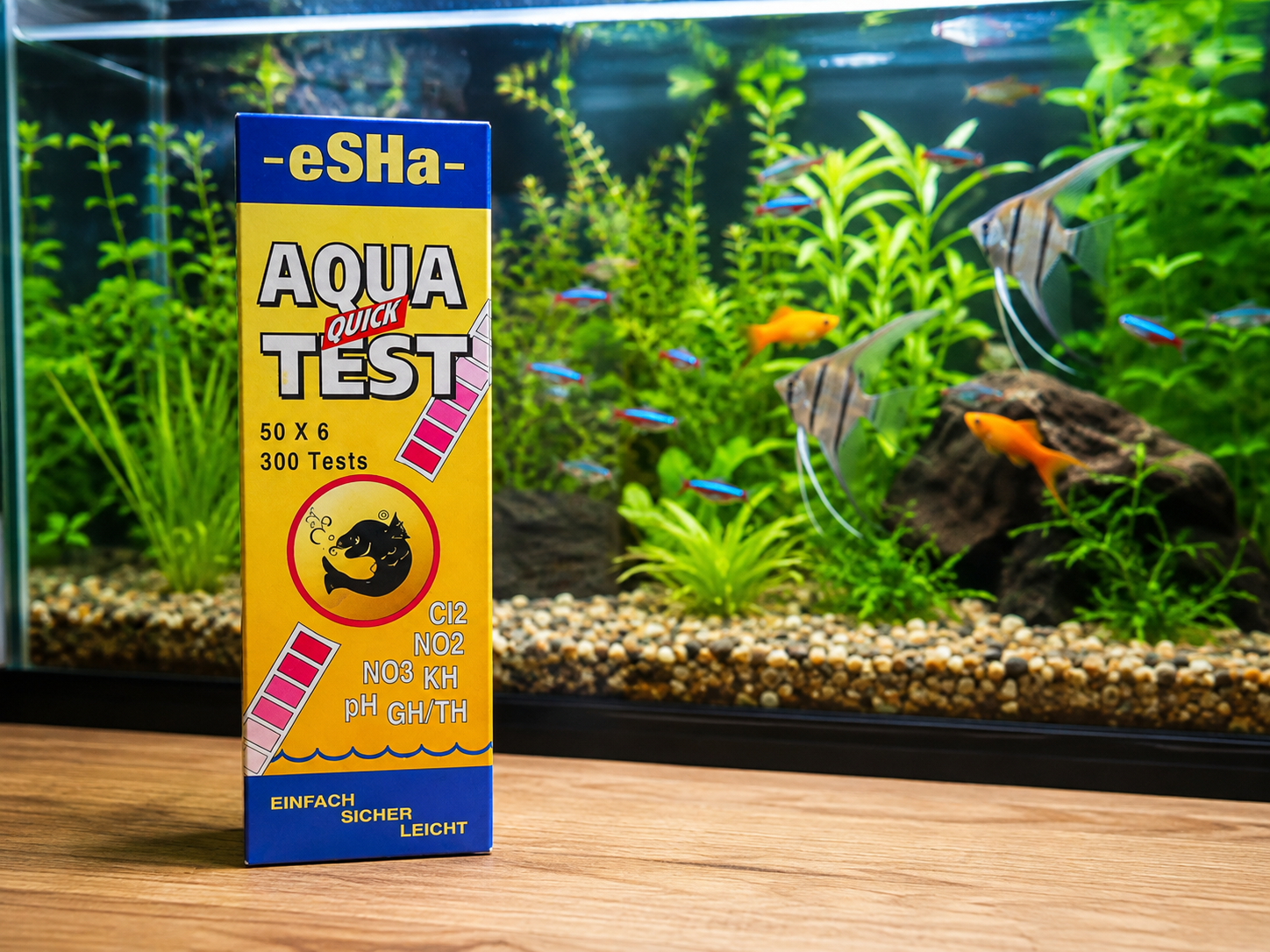
Esha
ESHA Aqua Quicktest
Best for: Fast routine water-quality checks in freshwater aquariums.
As an Amazon Associate, we earn from qualifying purchases.
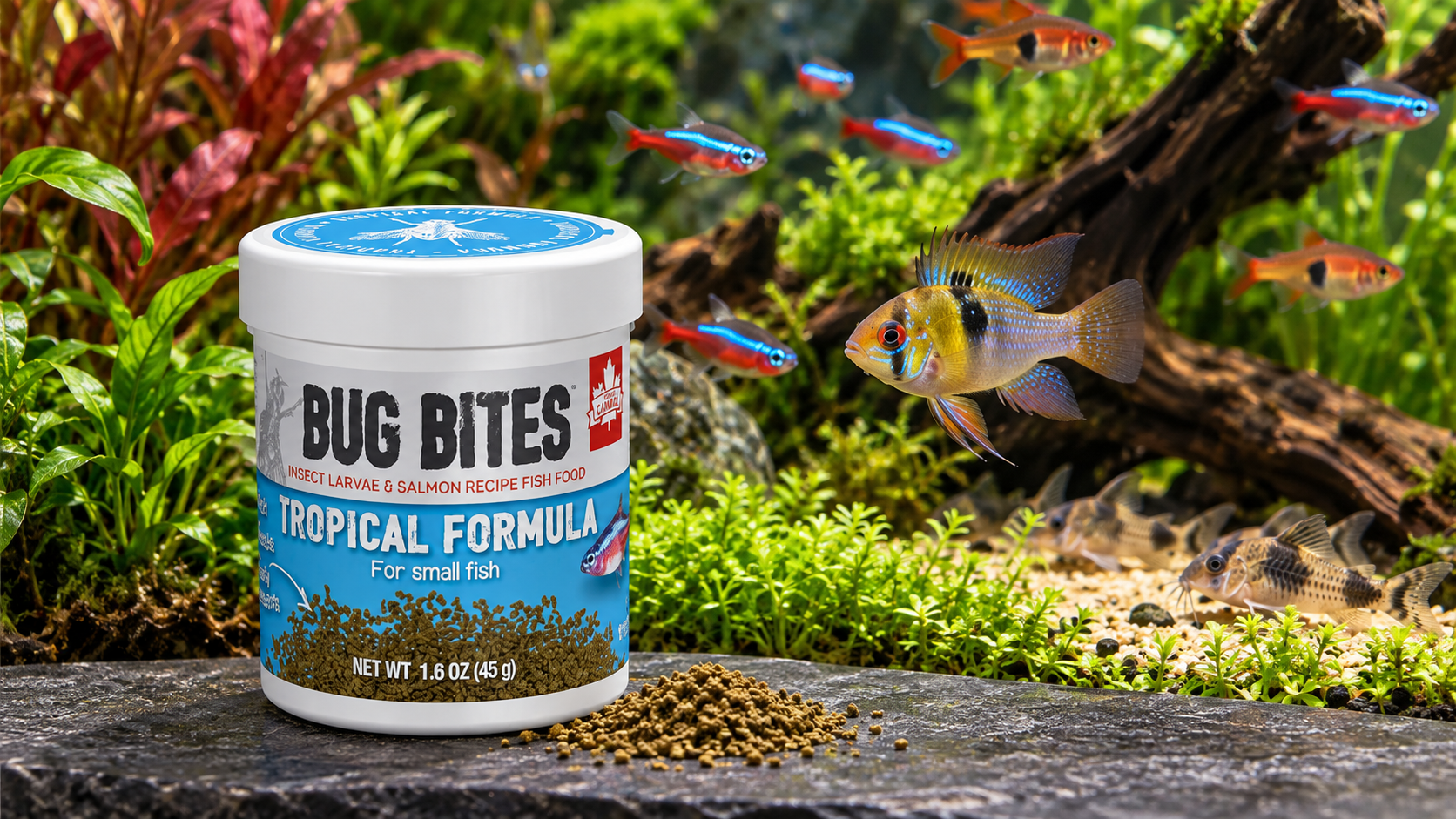
Fluval
Fluval Bug Bites Tropical Formula for small fish
Best for: Small tropical fish and dwarf cichlids
As an Amazon Associate, we earn from qualifying purchases.
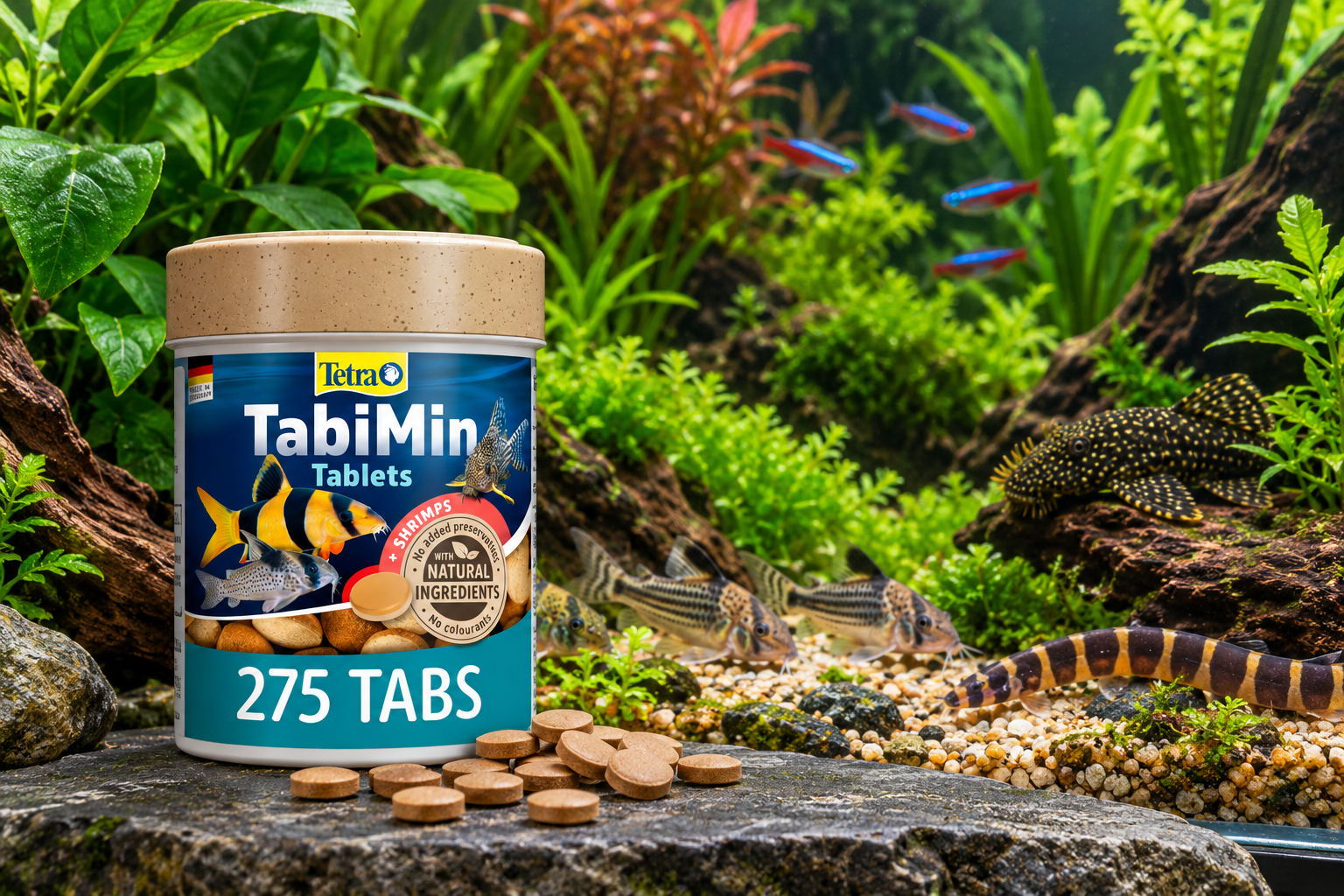
Tetra
Tetra Tabimin Fish Food
Best for: Bottom-feeding fish in freshwater community aquariums
As an Amazon Associate, we earn from qualifying purchases.
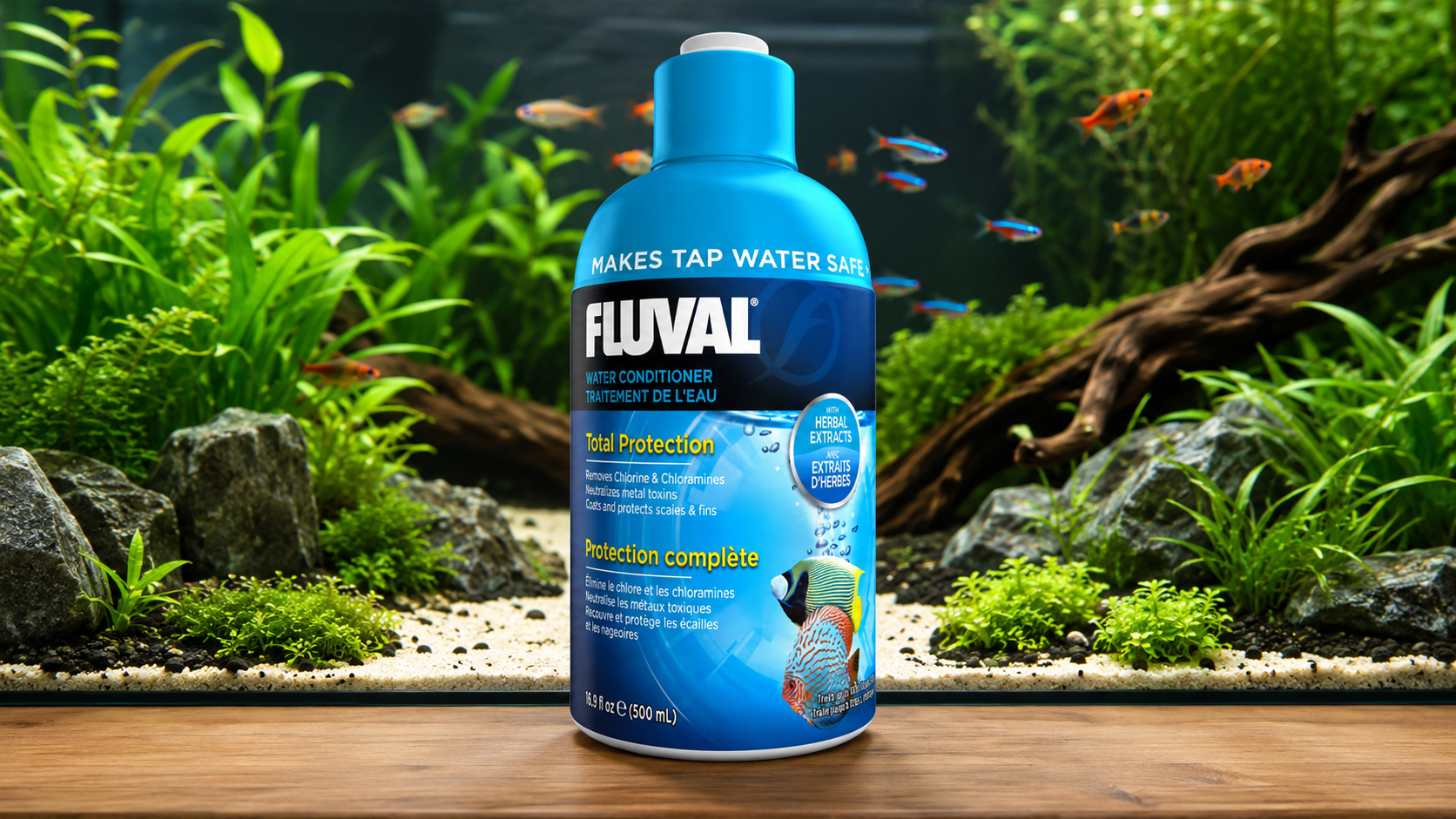
Fluval
Fluval Aqua Plus 500ml aquarium water conditioner
Best for: Routine water changes in freshwater and tropical aquariums
As an Amazon Associate, we earn from qualifying purchases.
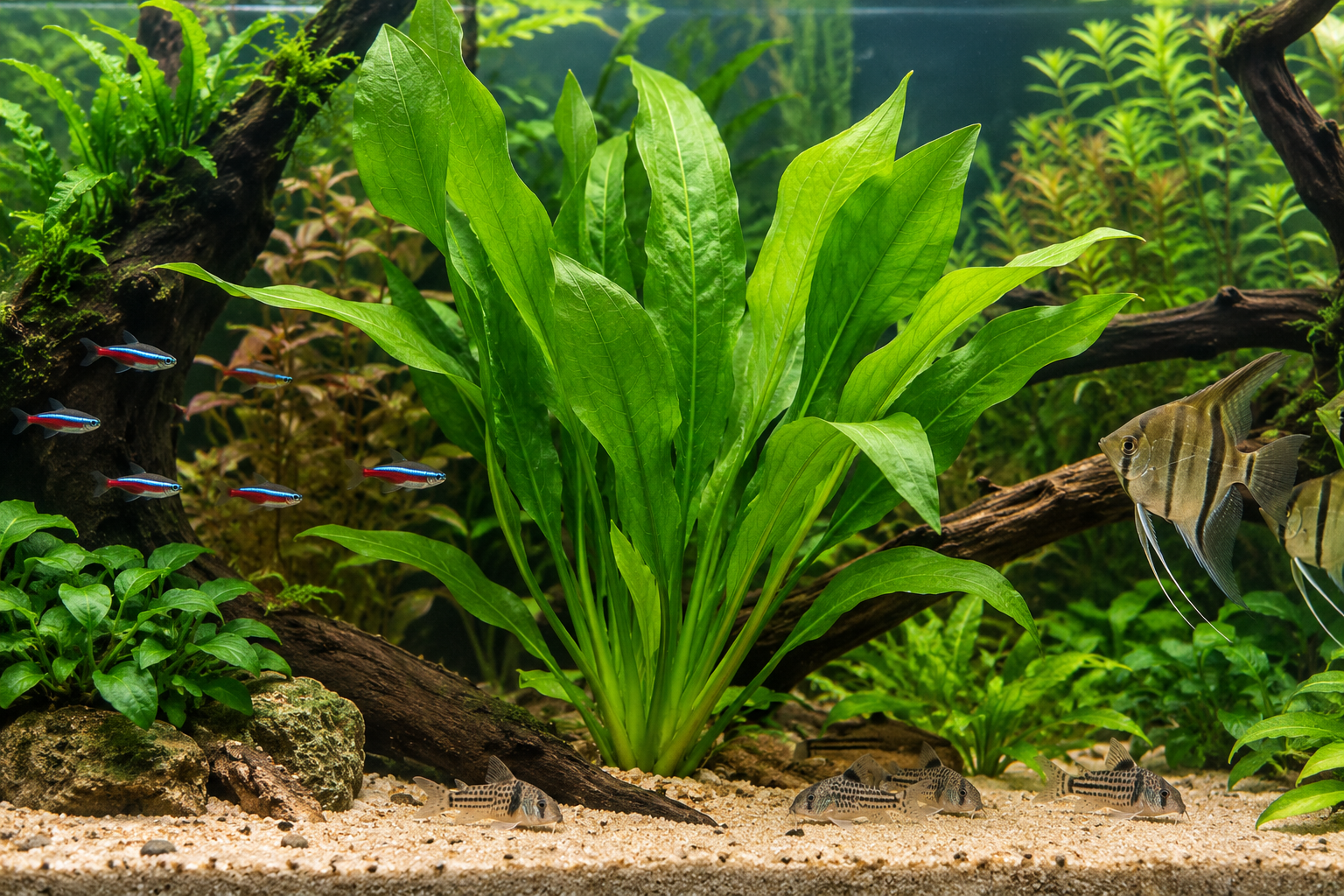
Echinodorus Bleheri - Amazon Sword
Best for: Amazon biotopes, tropical community aquariums and larger planted tanks
As an Amazon Associate, we earn from qualifying purchases.