Amazon Biotope Aquascaping: Replicating an Amazon River Habitat in Your Tank
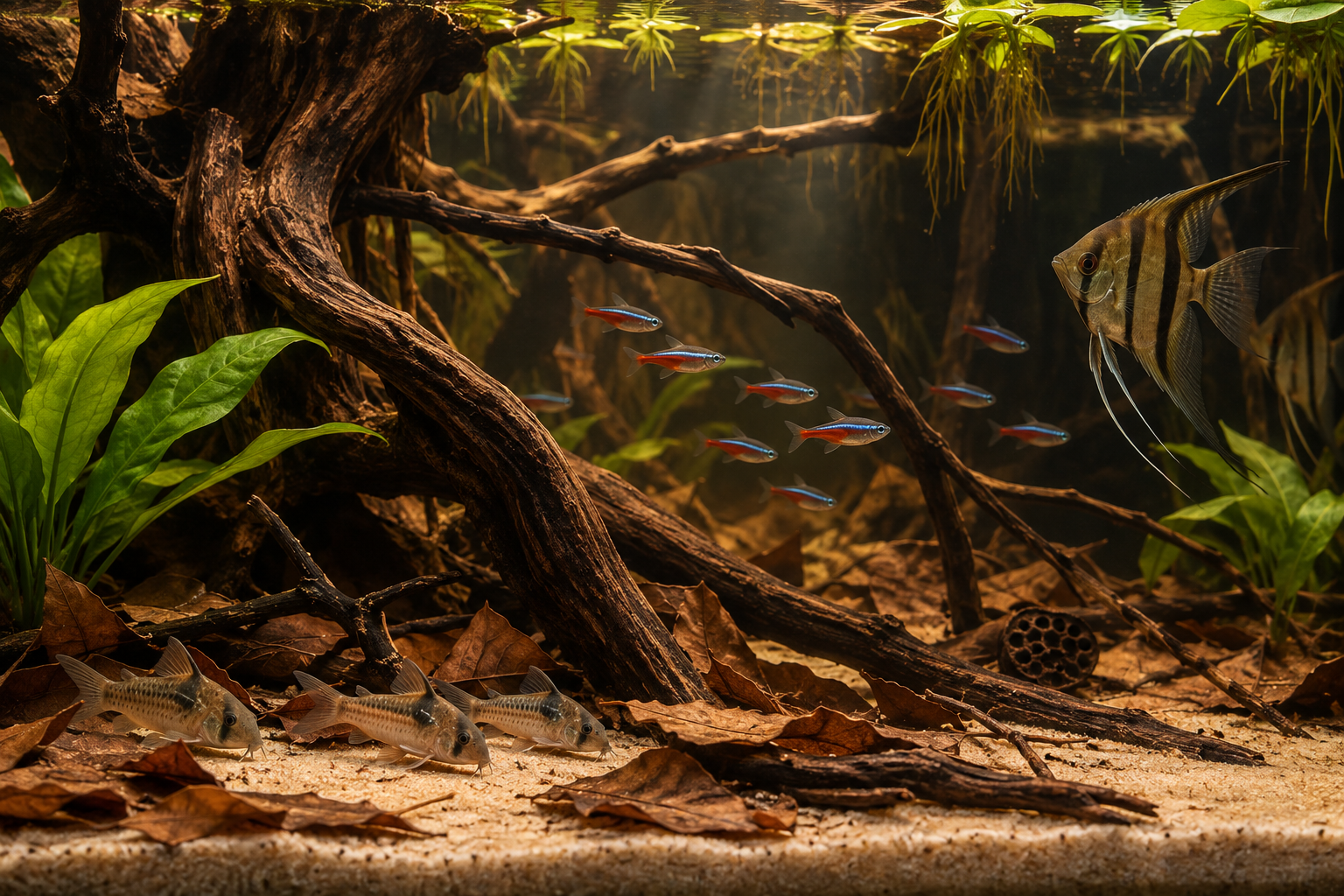
Recreate the character of an Amazon river habitat in your aquarium. Learn how to use sand, driftwood, leaf litter, natural lighting and carefully chosen fish to build an authentic Amazon biotope.
An Amazon biotope aquarium is a very different style of aquascape from the heavily planted displays we often see online. Instead of trying to create the neatest underwater garden possible, the aim is to reproduce some of the character of a natural South American river or stream.
That often means fine sand, twisted pieces of wood, fallen leaves, subdued lighting and plenty of darker areas where fish can retreat. Depending on the particular habitat you are trying to recreate, there may actually be surprisingly few aquatic plants.
The result can be a beautiful, natural-looking aquarium that is particularly well suited to many tetras, Corydoras, dwarf cichlids and other South American fish.
What Is an Amazon Biotope Aquarium?
Strictly speaking, a biotope aquarium attempts to recreate a particular natural habitat using fish, plants and materials that would occur together in the wild. However, the Amazon basin is enormous and contains a huge variety of different habitats, so there isn't really one single "Amazon biotope".
There are dark blackwater tributaries, shallow forest streams, sandy river margins and seasonally flooded forests, all with different conditions.
For most home aquariums, I think it makes more sense to take inspiration from one of these habitats rather than becoming obsessed with recreating an exact location. You can still create something that looks and feels authentically South American while having enough flexibility to make the aquarium practical to maintain.
Creating the Riverbed
Fine sand is probably the best starting point for most Amazon-inspired aquariums. It immediately creates a more natural riverbed appearance and works particularly well if you intend to keep Corydoras.
Corydoras naturally spend a lot of their time searching through the substrate for food, and fine sand allows them to display this behaviour. I wouldn't make the sand perfectly flat either. Small variations in depth, particularly around pieces of wood and leaf litter, help make the aquarium look less artificial.
Wood should then become the main feature of the aquascape.
Large pieces of branching driftwood can represent fallen branches and submerged tree roots. Instead of placing one decorative piece directly in the centre, try positioning wood so that it appears to enter the aquarium from one side or from above. Several pieces can be arranged together to give the impression of a larger root system disappearing beyond the aquarium.
This also has a practical benefit. Wood breaks up the fishes' lines of sight and creates territories and hiding places, which can be particularly useful when keeping dwarf cichlids such as Apistogramma.
Don't Be Afraid of Leaf Litter
Leaf litter can completely transform the appearance of an Amazon biotope.
Suitable dried leaves scattered around the wood create a much more convincing riverbed and gradually begin to soften and break down. They can also release tannins and other organic compounds into the water.
In a conventional display aquarium, decomposing leaves might be considered untidy. In a biotope aquarium, they are part of the look you're trying to achieve.
You don't need to cover the entire substrate. A few concentrations of leaves around roots and sheltered areas often look more natural than an even layer across the whole aquarium.
Always make sure any leaves or botanicals you use are known to be aquarium-safe and haven't been exposed to pesticides or other chemicals.
What About Plants?
One of the biggest misconceptions about Amazon aquascaping is that the aquarium needs to be packed with plants.
Some Amazonian habitats certainly contain plenty of vegetation, but others have surprisingly little submerged plant growth. Sand, fallen branches, roots and organic material can dominate the underwater landscape.
Amazon Sword plants are an obvious choice if you want vegetation, although some varieties can eventually become very large. Floating plants like Amazon Frogbit can also work particularly well because they soften the lighting and create shaded areas below.
You don't need to fill every empty space. Areas of open sand are part of the aquascape and can make the wood and fish stand out much more effectively.
Water Conditions and the Blackwater Look
Many fish associated with the Amazon basin originate from relatively soft and acidic water, but this doesn't mean you should immediately start adding chemicals to force the aquarium down to a particular pH.
The correct water conditions depend on the species you intend to keep. Many captive-bred aquarium fish are also more adaptable than wild-caught specimens.
If you're creating a general Amazon-inspired community aquarium, stable water conditions appropriate for your fish are more important than chasing an exact number. More specialised blackwater setups, particularly those containing wild-caught fish, may require much softer water and potentially the use of reverse-osmosis water.
Wood, leaves and other botanicals can gradually release tannins, giving the aquarium its characteristic amber or tea-coloured appearance. Don't mistake this colour for dirty water. A properly maintained blackwater aquarium can have excellent water quality while still being strongly stained by natural tannins.
If you want to retain this appearance, avoid continually using activated carbon or other chemical filtration designed to remove the colour.
Lighting an Amazon Biotope
Bright lighting isn't normally necessary and can actually work against the appearance you're trying to create.
Many forest streams and flooded areas receive limited direct sunlight because of overhanging vegetation. A dimmable aquarium light like the Fluval Aquasky is therefore useful, particularly when combined with floating plants.
Rather than making the whole aquarium equally dark, try creating variations. An open sandy area can be relatively bright while the space underneath roots and floating vegetation remains shaded.
This creates a much more interesting aquarium and gives the fish the opportunity to choose where they feel comfortable.
Choosing the Fish
The huge variety of South American fish available gives you plenty of options, but I wouldn't try to include too many species.
A large shoal of one tetra species often looks far more impressive and natural than small groups of several different tetras. Cardinal tetras and rummynose tetras are obvious possibilities, while Corydoras can provide activity across the bottom of the aquarium.
Dwarf cichlids such as Apistogramma can add another level of interest, particularly when the aquascape contains plenty of wood and natural territories. Larger aquariums can also be designed around angelfish and other bigger South American species.
Being from South America doesn't automatically make two species compatible, though. Adult size, temperament, preferred water conditions and territorial behaviour still need to be considered.
A simple combination of a large shoal of tetras, a group of Corydoras and a pair of suitable dwarf cichlids can make an excellent display without the aquarium feeling overcrowded.
Filtration and Maintenance
A natural-looking aquarium still needs proper filtration and regular maintenance.
You don't necessarily need extremely powerful water movement. Many popular Amazonian aquarium fish inhabit quieter river margins, tributaries and flooded areas. Positioning wood around the aquarium can also create sheltered areas away from the strongest flow.
Regular water changes and filter maintenance are just as important as they would be in any other aquarium. The objective is to create a controlled natural environment, not simply allow the tank to become dirty.
Leaf litter can be allowed to break down naturally to a degree, with fresh leaves added periodically and excessive material removed when necessary.
Let the Aquarium Look Natural
Perhaps one of the hardest parts of creating a convincing Amazon biotope is knowing when to stop arranging it.
Nature isn't symmetrical. Branches cross each other, leaves collect around roots and patches of sand remain completely exposed. Trying to make every part of the aquarium perfectly balanced can actually make it look less natural.
Start with fine sand, build the main structure from wood, add some leaf litter and perhaps a small number of suitable plants. Keep the lighting subdued and choose a relatively simple community of South American fish.
Then allow the aquarium to develop some character of its own.
An Amazon biotope doesn't need to look pristine. Dark wood, tannin-stained water, scattered leaves and open sand are exactly what can make this style of aquarium so attractive.
More importantly, when it's designed around the natural behaviour of the fish, the aquascape provides hiding places, territories and feeding areas rather than simply creating something attractive for us to look at.
That's really what good biotope aquascaping should achieve.
If you enjoyed this why not try our article on Different Types of Aquascapes.
Products We've Mentioned & Recommend
Below you'll find a selection of products we've mentioned in this article, along with a few others we think you might find useful. We've included Amazon links to make them easy to find.
A quick word about affiliate links...
Some of these links are affiliate links, which means we may earn a small commission from qualifying purchases, at no extra cost to you.
Unfortunately, the commission doesn't quite stretch to cocktails on a yacht or a garage full of sports cars. In reality, it helps cover the running costs of this website and, with a bit of luck, might eventually buy me a new pair of waders that don't leak!
We only recommend products we genuinely believe are worth considering, and your support helps us keep sharing free advice from our years of working with aquariums and ponds.
Thanks for supporting Aquatic Specialist!
As an Amazon Associate I earn from qualifying purchases.
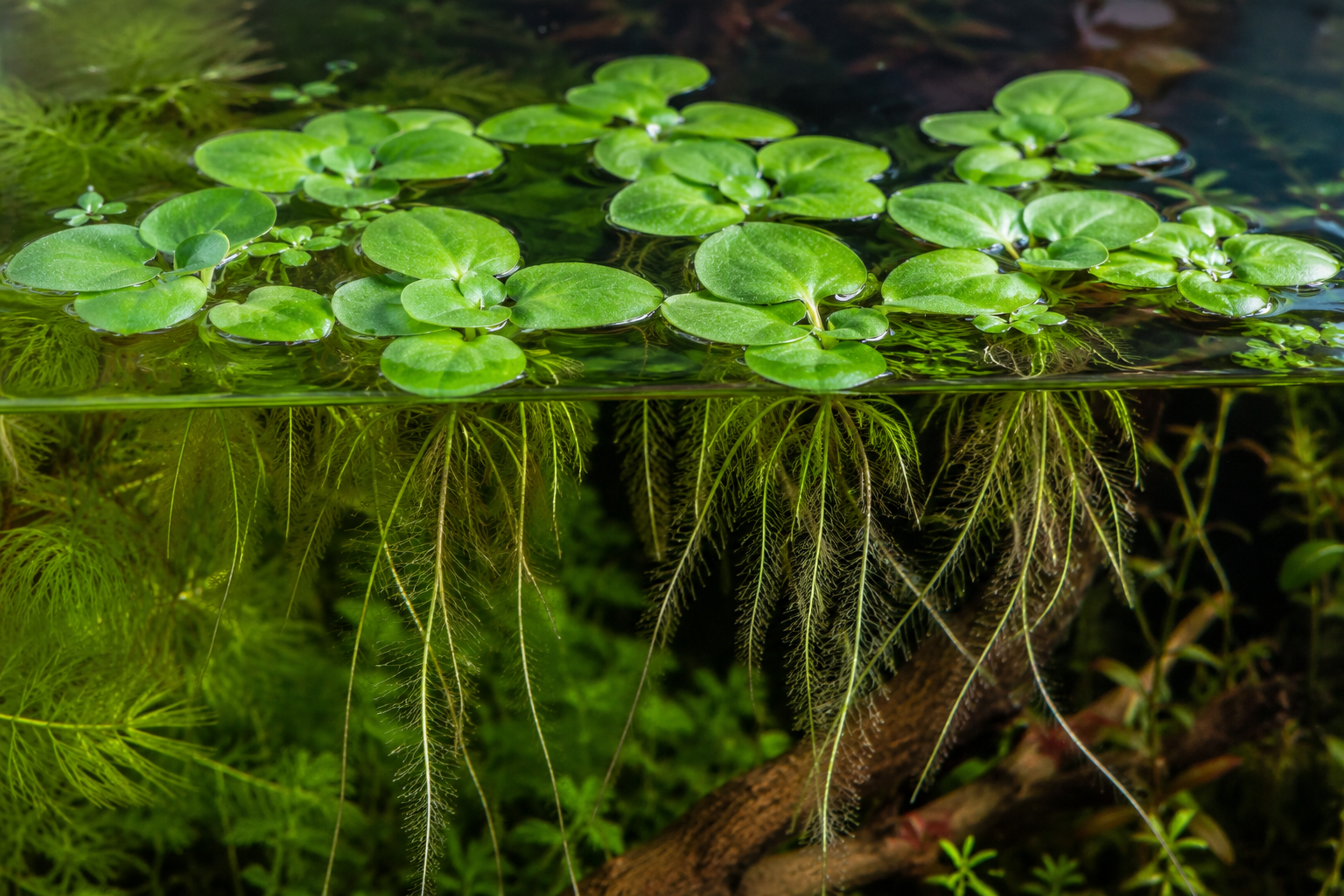
Amazon Frogbit
Best for: Natural aquariums, fry tanks, shrimp tanks and surface cover
As an Amazon Associate, we earn from qualifying purchases.
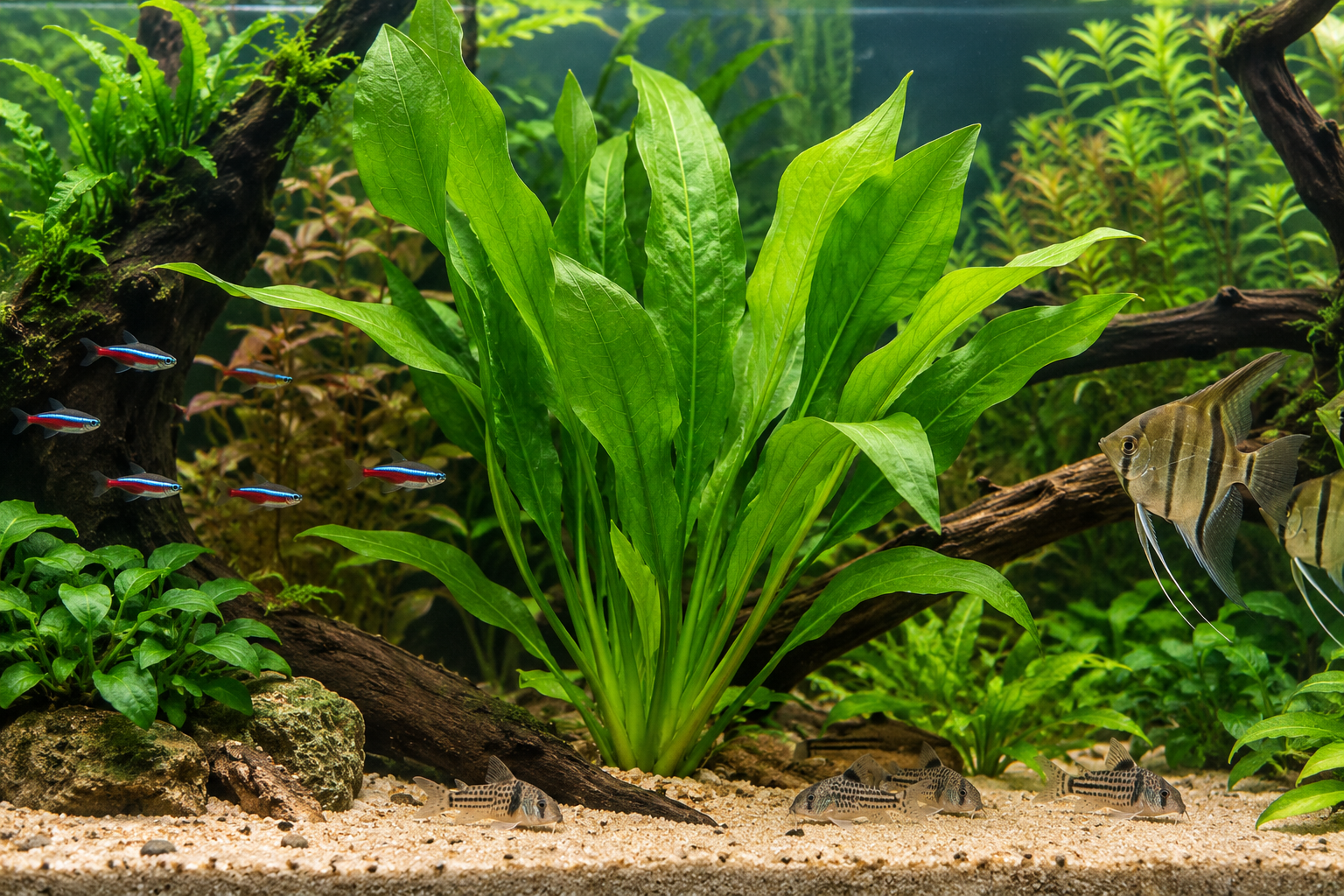
Echinodorus Bleheri - Amazon Sword
Best for: Amazon biotopes, tropical community aquariums and larger planted tanks
As an Amazon Associate, we earn from qualifying purchases.
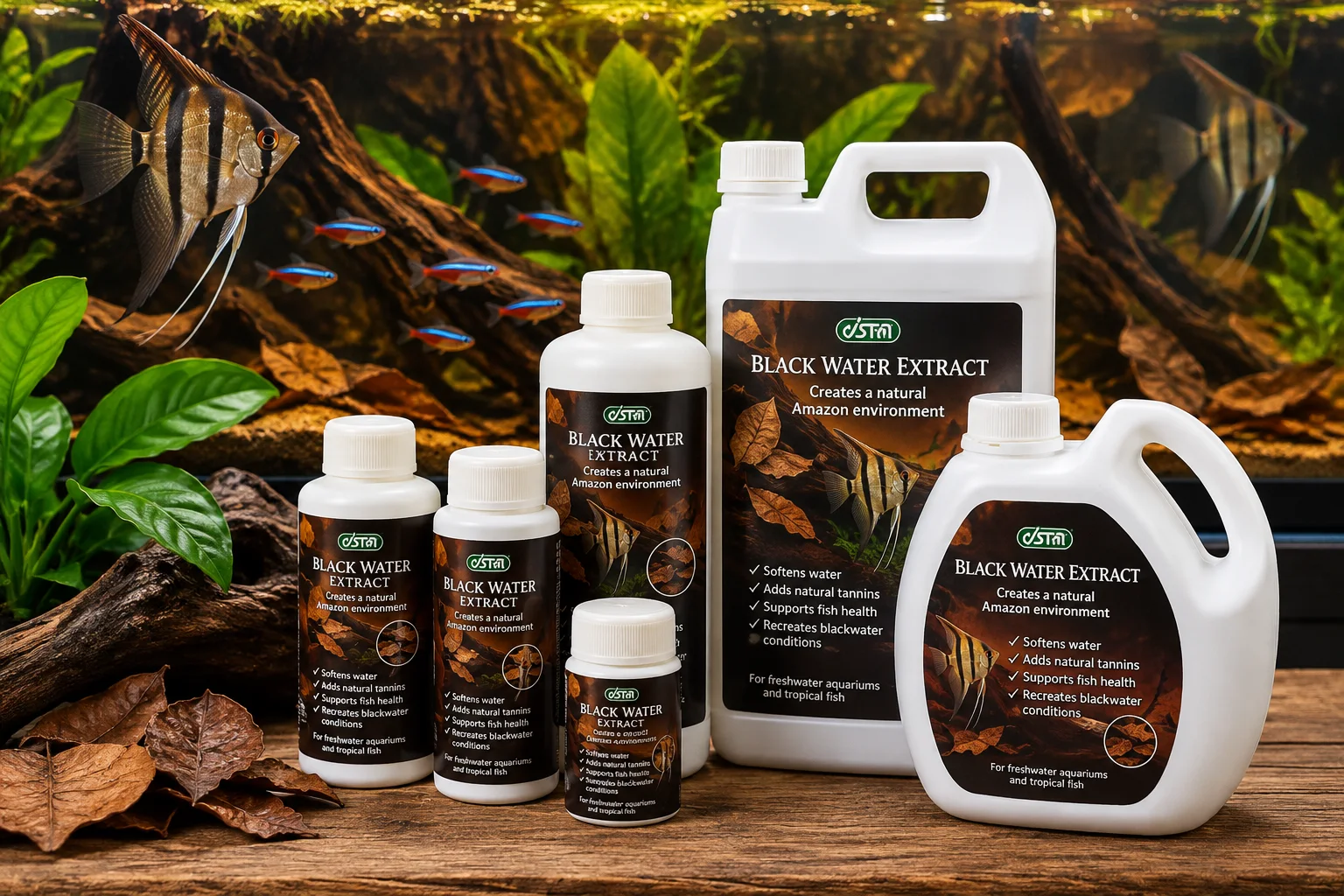
ISTA
Black Water Extract Peat Conditioner
Best for: Amazon biotopes, blackwater aquariums, discus, tetras and South American setups
As an Amazon Associate, we earn from qualifying purchases.
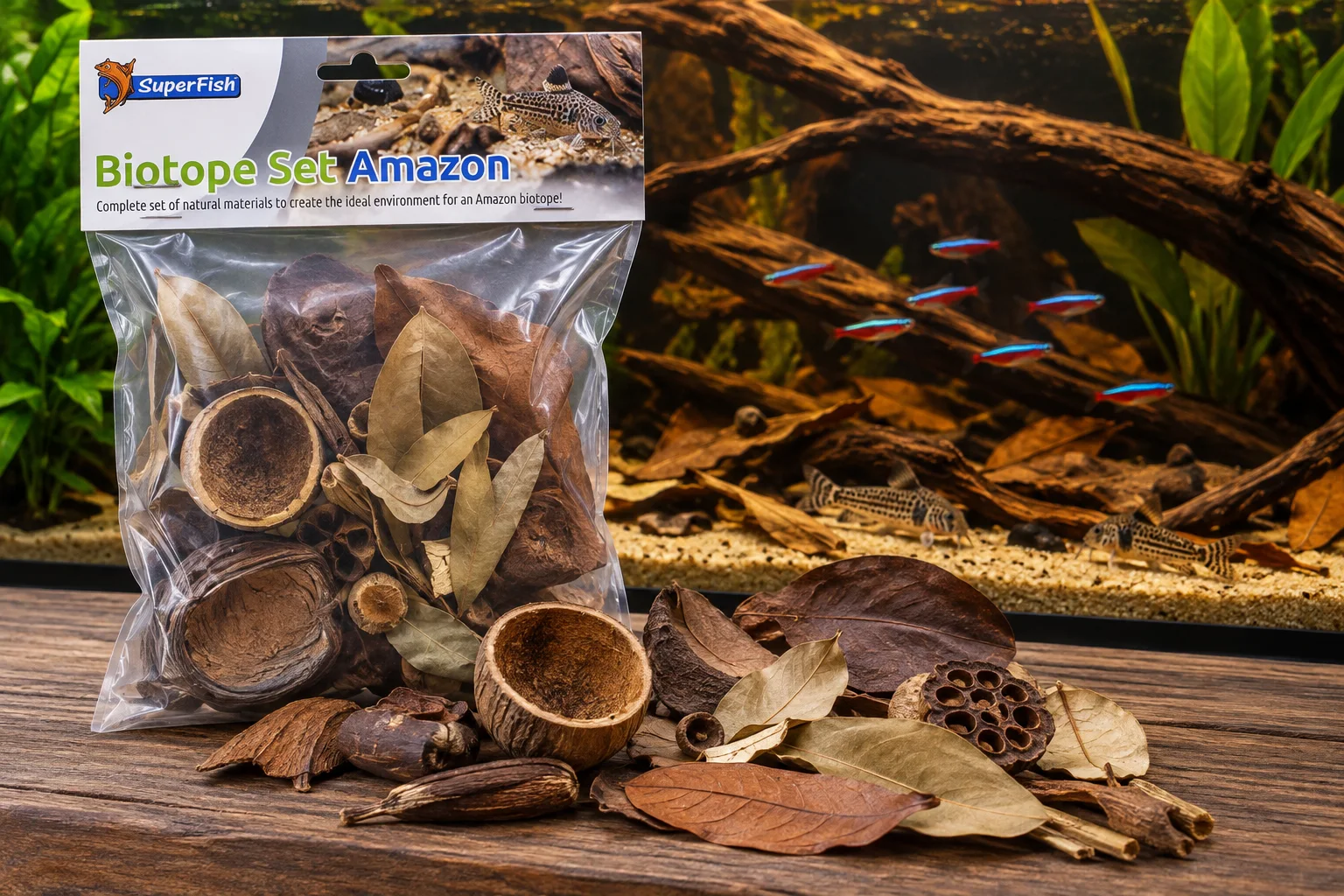
SuperFish
SuperFish Biotope Set - Amazon
Best for: Amazon biotopes, blackwater aquariums and natural South American setups
As an Amazon Associate, we earn from qualifying purchases.
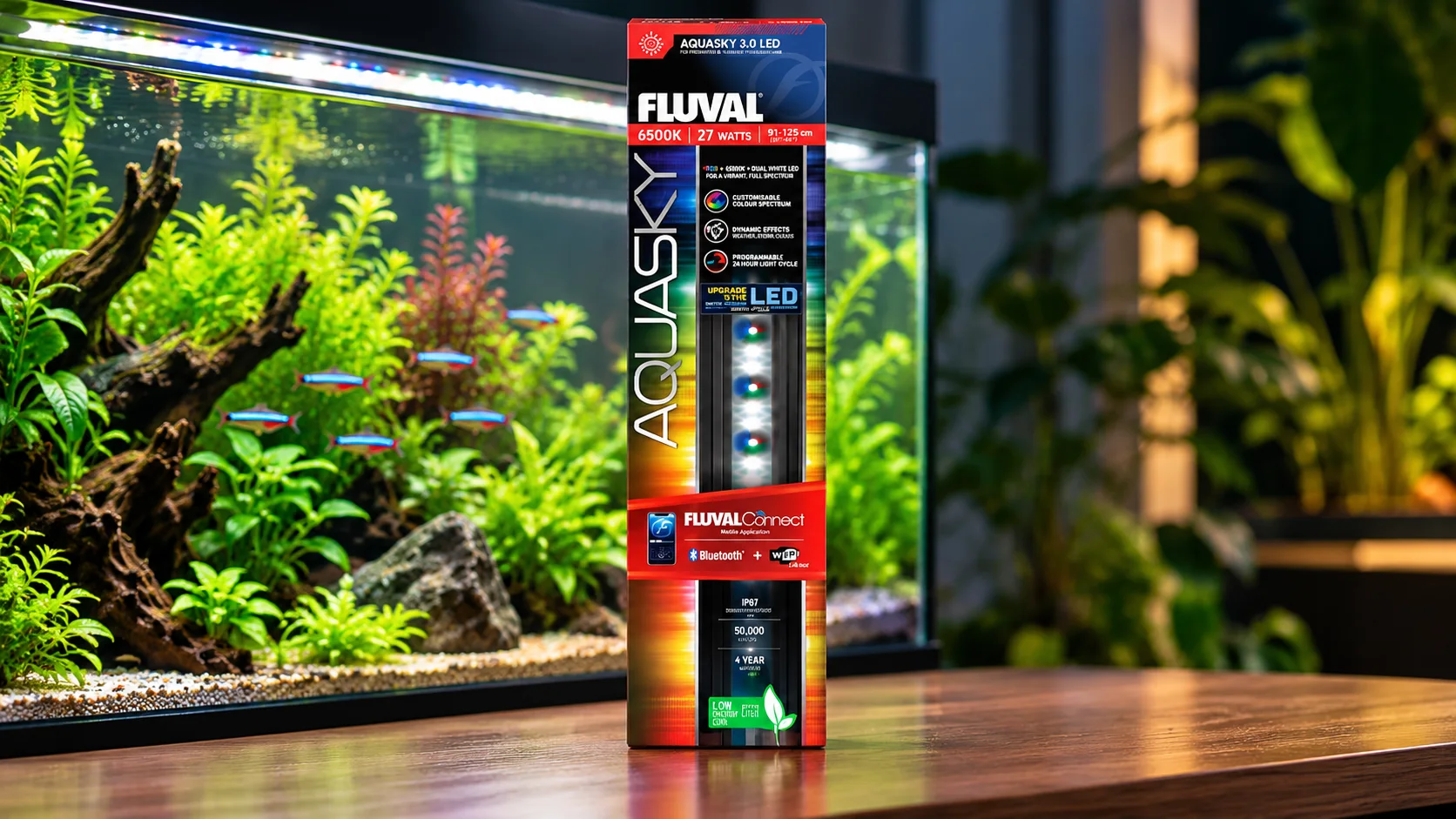
Fluval
Fluval Aquasky 3.0 LED Aquarium Lighting (12W–33W)
Best for: Freshwater community aquariums and low-to-medium-light planted tanks, with models available for different aquarium sizes.
As an Amazon Associate, we earn from qualifying purchases.