Siamese Algae Eater: A Practical Guide for Planted Aquariums
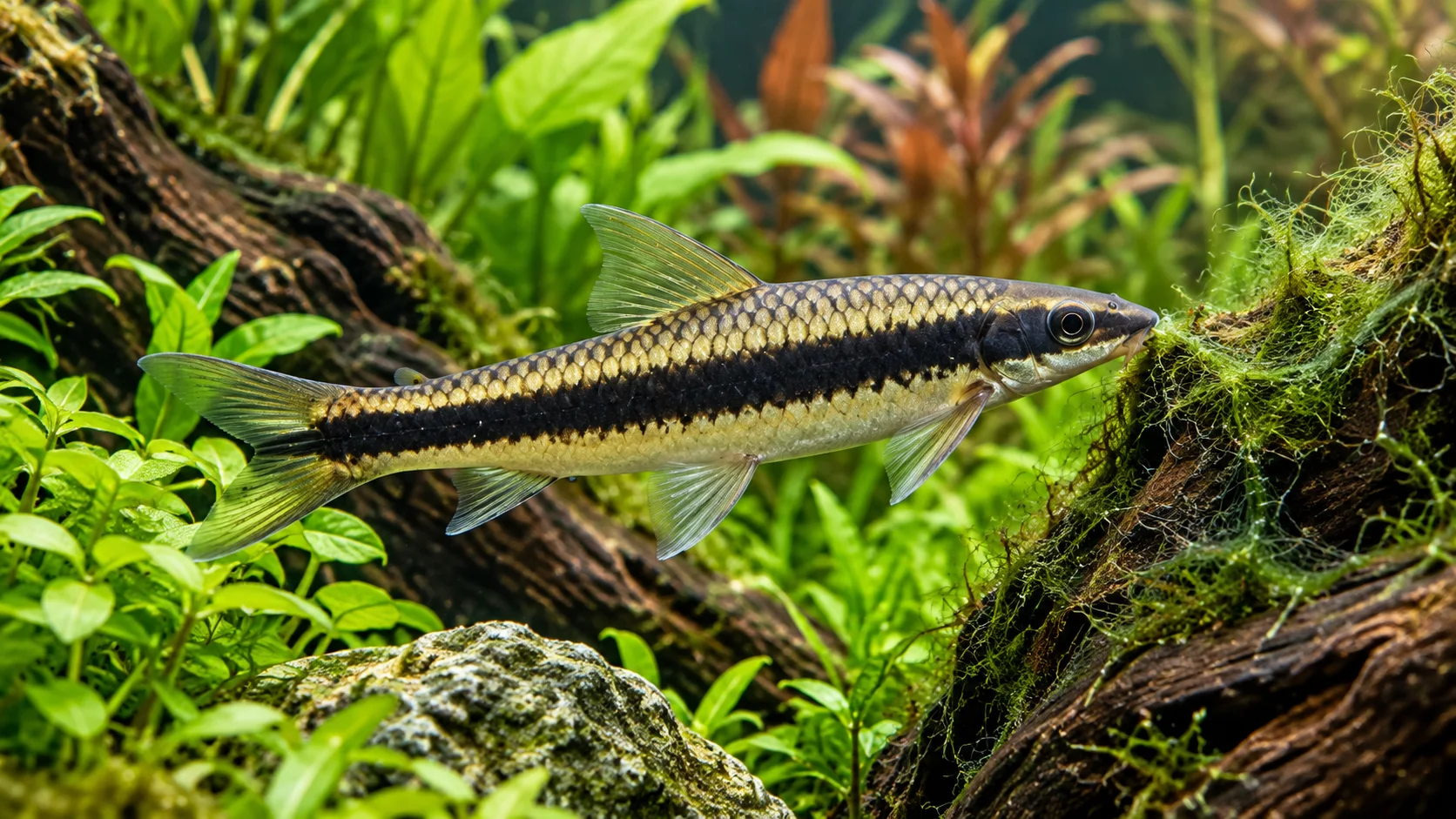
Siamese Algae Eaters are active algae-grazing fish that we sometimes add to larger planted client aquariums when we're dealing with hair algae or Black Beard Algae. This guide covers their care, feeding, adult size, tank mates and how effective they really are for controlling troublesome algae.
The Siamese Algae Eater is one of the few algae-eating fish that we sometimes introduce specifically when we're dealing with more troublesome algae. While fish such as Otocinclus are excellent grazers of softer algae and biofilm, the Siamese Algae Eater has a reputation for tackling algae that many other aquarium inhabitants largely ignore.
We occasionally add them to client aquariums when we're having problems with hair algae or Black Beard Algae (BBA), particularly in larger planted displays. They can be surprisingly effective, especially when the algae is relatively young and the fish haven't become accustomed to filling themselves with easier prepared foods.
However, Siamese Algae Eaters aren't suitable for every aquarium. They grow considerably larger than Otocinclus, are active swimmers and can become less interested in algae as they mature. They're therefore a fish we use selectively rather than automatically adding to every planted aquarium.
What is a Siamese Algae Eater?
The true Siamese Algae Eater, Crossocheilus oblongus, originates from Southeast Asia and belongs to the Cyprinidae family.
It has a relatively slender body with a distinctive dark horizontal stripe running from the head along the body and into the tail fin. Adults can reach around 15 cm, although aquarium specimens may remain somewhat smaller.
This potential adult size is important. Siamese Algae Eaters are often sold as fairly small fish and can look perfectly suited to a modest aquarium when you first see them in a shop. They don't remain that size.
They're also energetic swimmers, so we consider them much more appropriate for larger aquariums with plenty of open swimming space.
Make sure you're buying the right fish
One complication with Siamese Algae Eaters is identification. Several similar-looking fish are sold under names such as Siamese Algae Eater, Flying Fox and Chinese Algae Eater. These aren't simply different names for the same fish.
The Chinese Algae Eater, Gyrinocheilus aymonieri, is an entirely different species and can become considerably more problematic as it matures.
Flying Foxes are also different fish. This matters because buying a fish based purely on the words "algae eater" on a retailer's tank can result in something very different from what you intended.
A true Siamese Algae Eater has a dark lateral stripe that continues through the tail fin. The fins are generally transparent rather than strongly marked, and the overall body shape is fairly streamlined. If we're buying them for their algae-eating ability, we always want to know that we're actually getting the correct fish.
Why we use them for hair algae and BBA
Hair algae can become particularly frustrating in planted aquariums because it wraps itself around plants, wood and equipment. Black Beard Algae can be even more stubborn, forming dark tufts on rocks, wood and slow-growing plant leaves. These are situations where we sometimes introduce Siamese Algae Eaters to client aquariums.
We've found them useful for grazing hair algae and BBA, particularly when they're younger and actively feeding across the aquarium. That doesn't mean we simply add a Siamese Algae Eater and consider the problem solved.
If an aquarium continually produces excessive algae, something is encouraging that growth. Lighting duration and intensity, plant health, nutrient availability, CO₂ stability in injected systems and general maintenance all need considering. The fish can help remove the visible algae while we address the reason it developed in the first place. That's how we prefer to use algae eaters: as part of the solution rather than the entire solution.
Siamese Algae Eaters in planted aquariums
A well-established planted aquarium can be an excellent environment for Siamese Algae Eaters.
They constantly explore plants, rocks and driftwood looking for food and generally leave healthy plants alone. Their size does need consideration, though. We wouldn't normally choose a Siamese Algae Eater for a small planted aquarium. Otocinclus, Amano shrimp or Nerite snails are often much more appropriate in those situations.
In a larger planted aquarium, Siamese Algae Eaters have considerably more room to move and can cover a large area while grazing. They can be particularly useful in displays containing plenty of wood and rock where BBA has started appearing in difficult-to-clean areas.
Do they really eat Black Beard Algae?
Siamese Algae Eaters are one of the fish most commonly associated with eating BBA, but expectations still need to be realistic. Individual fish vary.
Younger Siamese Algae Eaters often seem considerably more interested in algae than larger adults. Once fish discover that flakes, pellets and frozen foods arrive regularly, they may naturally prefer these easier and more nutritious meals.
We've certainly used Siamese Algae Eaters in aquariums with BBA problems, but we wouldn't guarantee that introducing one will completely clear an established infestation. Manual removal and correcting the conditions encouraging the algae are still important.
Feeding
Despite the name, Siamese Algae Eaters can't live on unwanted aquarium algae alone. They're omnivorous and should receive a varied diet.
Good-quality flakes, tablets, granules and even sinking algae wafers can all be offered alongside their natural grazing. Vegetable-based foods can also form part of the diet, while occasional frozen foods like bloodworms are also worth considering.
There is a balance here. If we're using Siamese Algae Eaters to help with an algae problem, continually providing large quantities of easily available food can reduce their motivation to graze. That doesn't mean starving the fish. It simply means feeding the aquarium sensibly rather than overfeeding.
Water conditions
Siamese Algae Eaters are relatively adaptable once properly established, but they still benefit from clean, stable and well-oxygenated water.
A temperature somewhere around 22–26°C suits most community setups, with neutral to moderately acidic water generally working well.
As usual, we're much more interested in maintaining stable conditions than continually adjusting the water in an attempt to hit an exact number. Ammonia and nitrite should remain at zero, and nitrate should be controlled through sensible stocking, plant growth and regular water changes. Good water movement is also beneficial.
Behaviour and tank mates
Siamese Algae Eaters are generally peaceful community fish, but they're much more active than many of the other algae eaters commonly used in planted aquariums. They can be kept alongside many peaceful tetras, barbs, rainbowfish, Corydoras and similar community species.
Their energetic behaviour is another reason we prefer using them in larger aquariums. As they mature, they can become quite boisterous. This doesn't necessarily make them aggressive, but their constant movement may not be ideal alongside particularly timid fish. They're also capable jumpers, so a securely covered aquarium is sensible.
How many should you keep?
This depends heavily on aquarium size. Siamese Algae Eaters can be social when young, but a group of adult fish requires considerably more space than the small juveniles seen in aquarium shops might suggest. Rather than adding several simply because there's an algae problem, we consider the eventual size of the fish and whether the aquarium can comfortably accommodate them long term.
This is particularly important because algae problems are often temporary. The fish may remain with you for many years after the original algae has disappeared. Don't buy a fish just to fix an algae problem. This is probably the most important point.
We do sometimes add Siamese Algae Eaters to client aquariums specifically because we're dealing with hair algae or BBA, and they can be genuinely useful. But before doing so, we consider whether that aquarium is suitable for the fish permanently.
Buying an animal purely as a temporary solution to an aquarium problem isn't good fishkeeping if there's nowhere suitable for it once the problem has gone. In smaller aquariums, manual algae removal combined with changes to lighting, maintenance or plant growth may be a much better solution.
Final thoughts
Siamese Algae Eaters can be extremely useful fish in the right aquarium. We mainly consider adding them to larger planted client aquariums when we're dealing with troublesome hair algae or Black Beard Algae. Their willingness to graze these more difficult algae gives them an advantage over many of the smaller clean-up crew species.
They aren't a magic cure, though. They grow to a reasonable size, need plenty of swimming room and may become less interested in algae as they mature. Most importantly, the underlying cause of excessive algae still needs to be identified and corrected.
For a small planted aquarium, we'd generally look towards Otocinclus, Amano shrimp or Nerite snails instead. But in a suitably sized planted aquarium with persistent hair algae or BBA, the true Siamese Algae Eater is certainly a fish worth considering. We have a full article on The best clean up crew for a planted aquarium. Its well worth a read and gives you a real insight on how professionals like us at Aquatic Specialist fight algae.
Products We've Mentioned & Recommend
Below you'll find a selection of products we've mentioned in this article, along with a few others we think you might find useful. We've included Amazon links to make them easy to find.
A quick word about affiliate links...
Some of these links are affiliate links, which means we may earn a small commission from qualifying purchases, at no extra cost to you.
Unfortunately, the commission doesn't quite stretch to cocktails on a yacht or a garage full of sports cars. In reality, it helps cover the running costs of this website and, with a bit of luck, might eventually buy me a new pair of waders that don't leak!
We only recommend products we genuinely believe are worth considering, and your support helps us keep sharing free advice from our years of working with aquariums and ponds.
Thanks for supporting Aquatic Specialist!
As an Amazon Associate I earn from qualifying purchases.
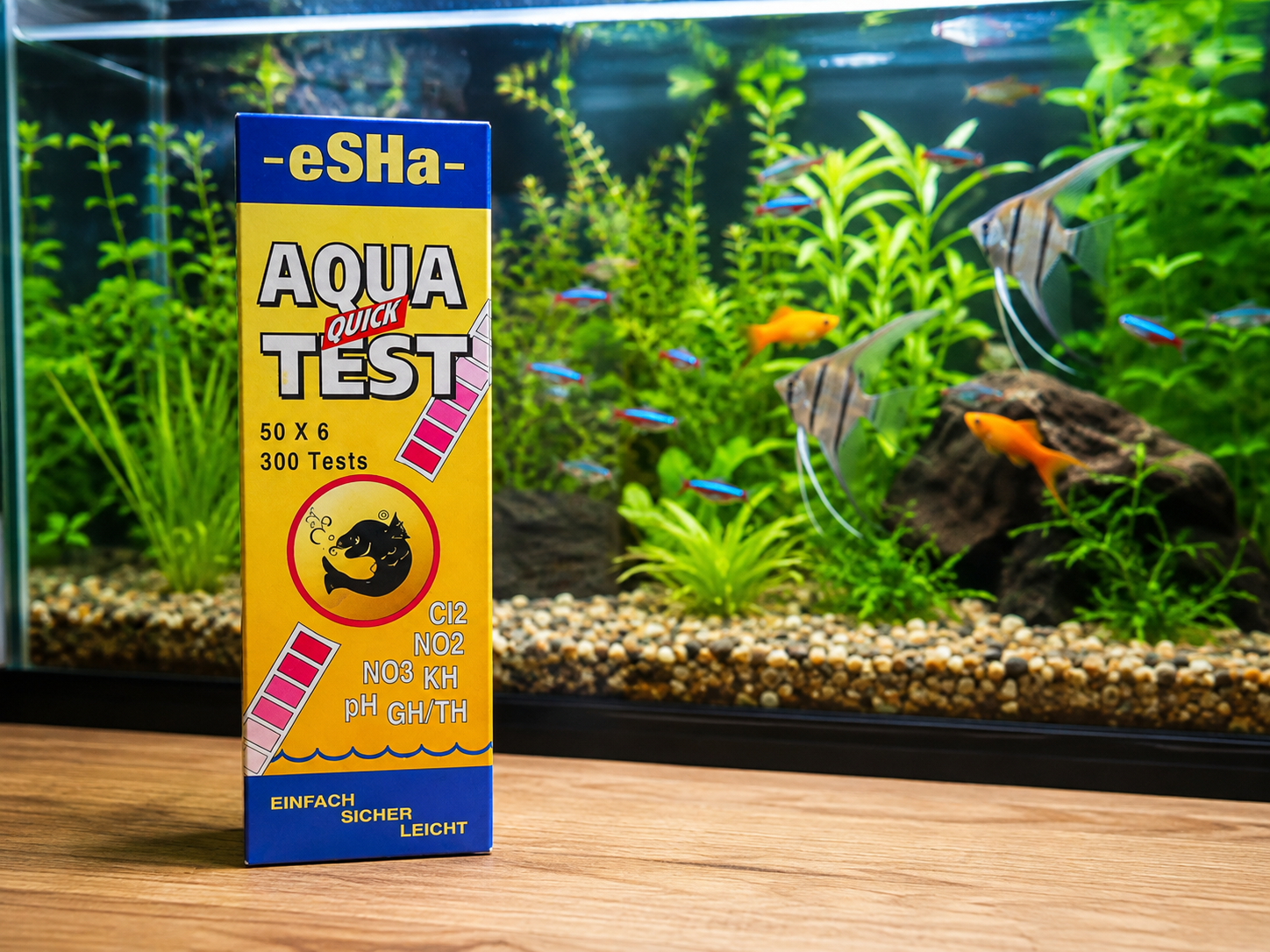
Esha
ESHA Aqua Quicktest
Best for: Fast routine water-quality checks in freshwater aquariums.
As an Amazon Associate, we earn from qualifying purchases.
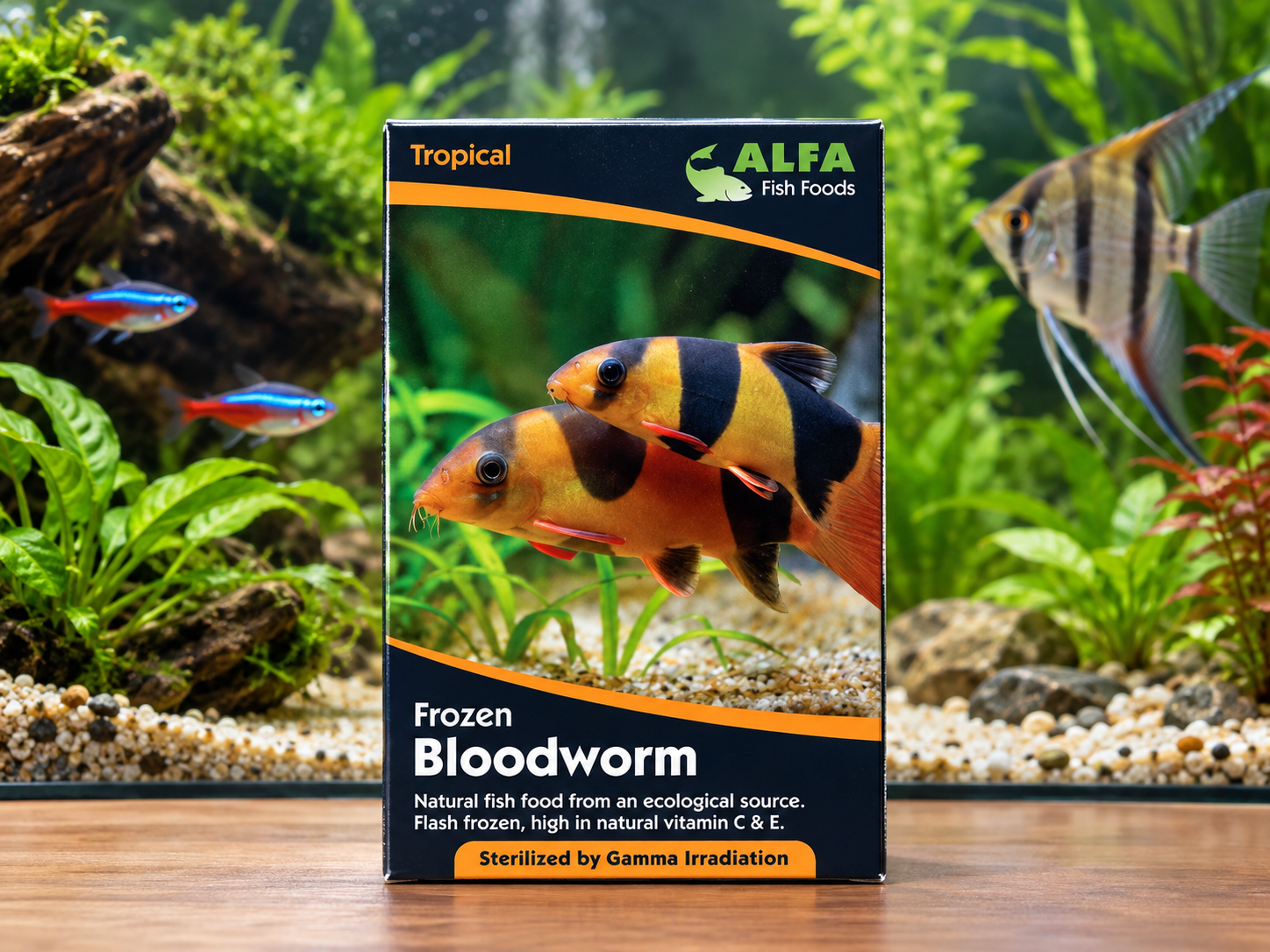
ALFA
Frozen Bloodworm Fish Food 10 Pack
Best for: Adding variety to tropical and coldwater fish diets
As an Amazon Associate, we earn from qualifying purchases.
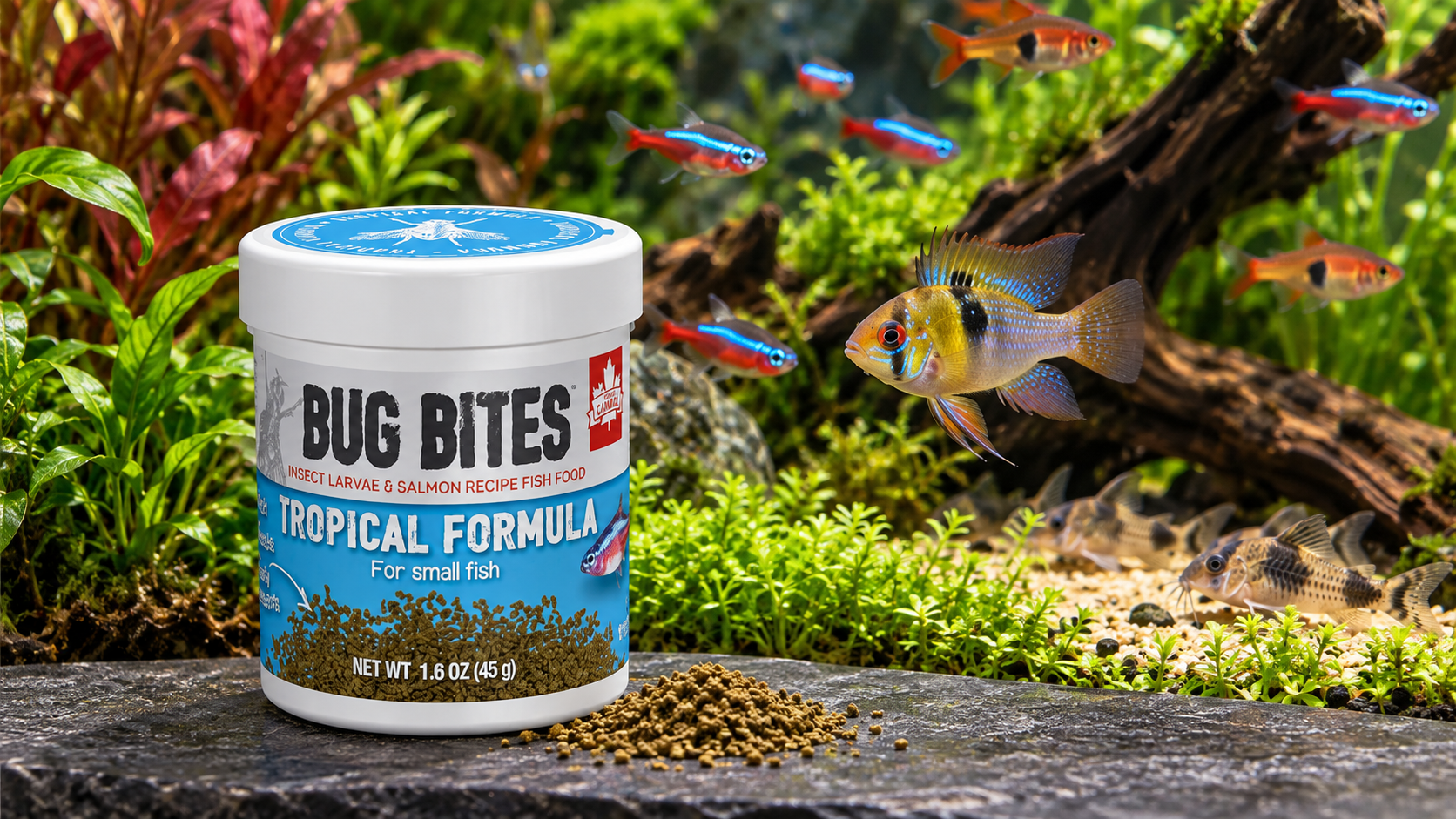
Fluval
Fluval Bug Bites Tropical Formula for small fish
Best for: Small tropical fish and dwarf cichlids
As an Amazon Associate, we earn from qualifying purchases.
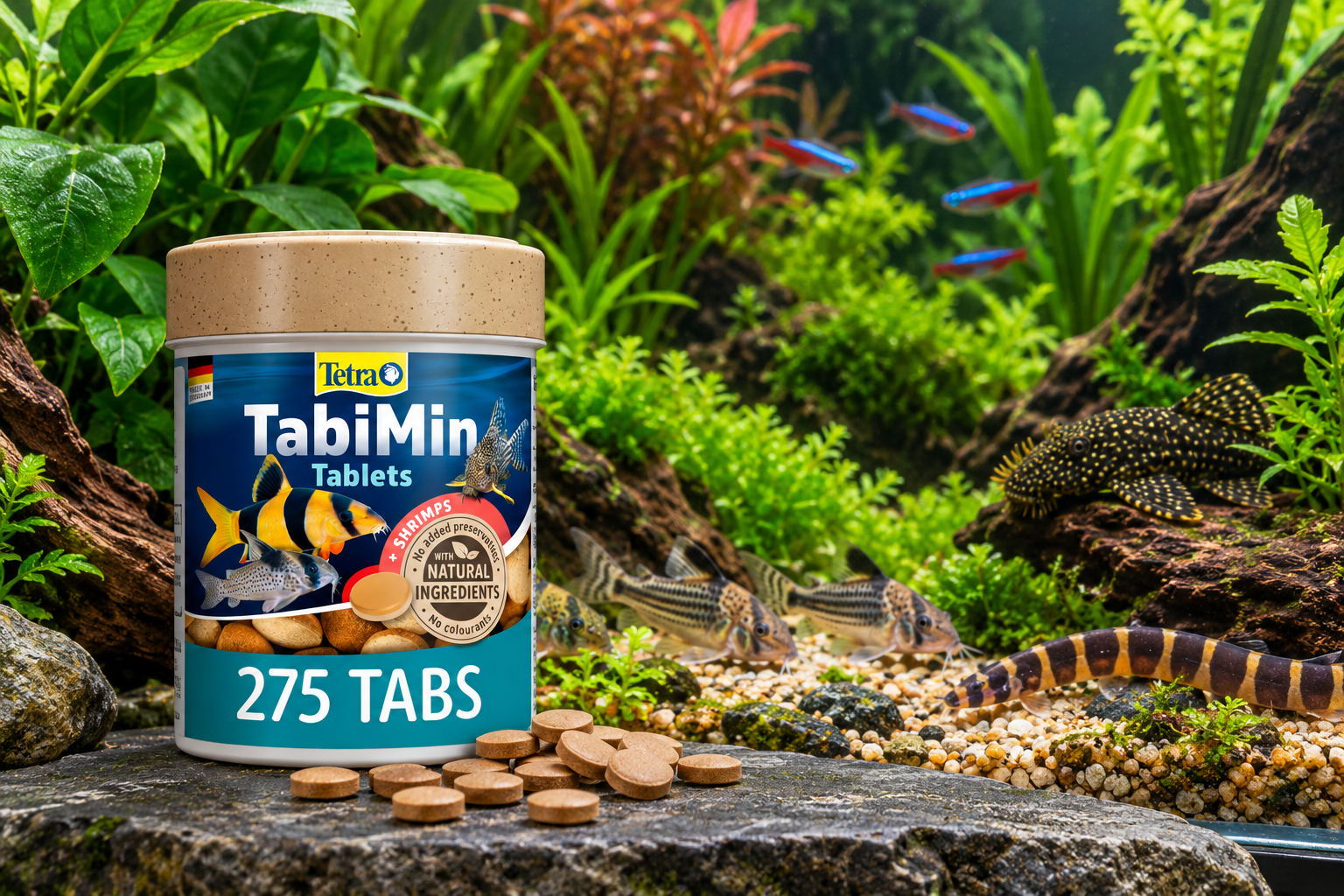
Tetra
Tetra Tabimin Fish Food
Best for: Bottom-feeding fish in freshwater community aquariums
As an Amazon Associate, we earn from qualifying purchases.
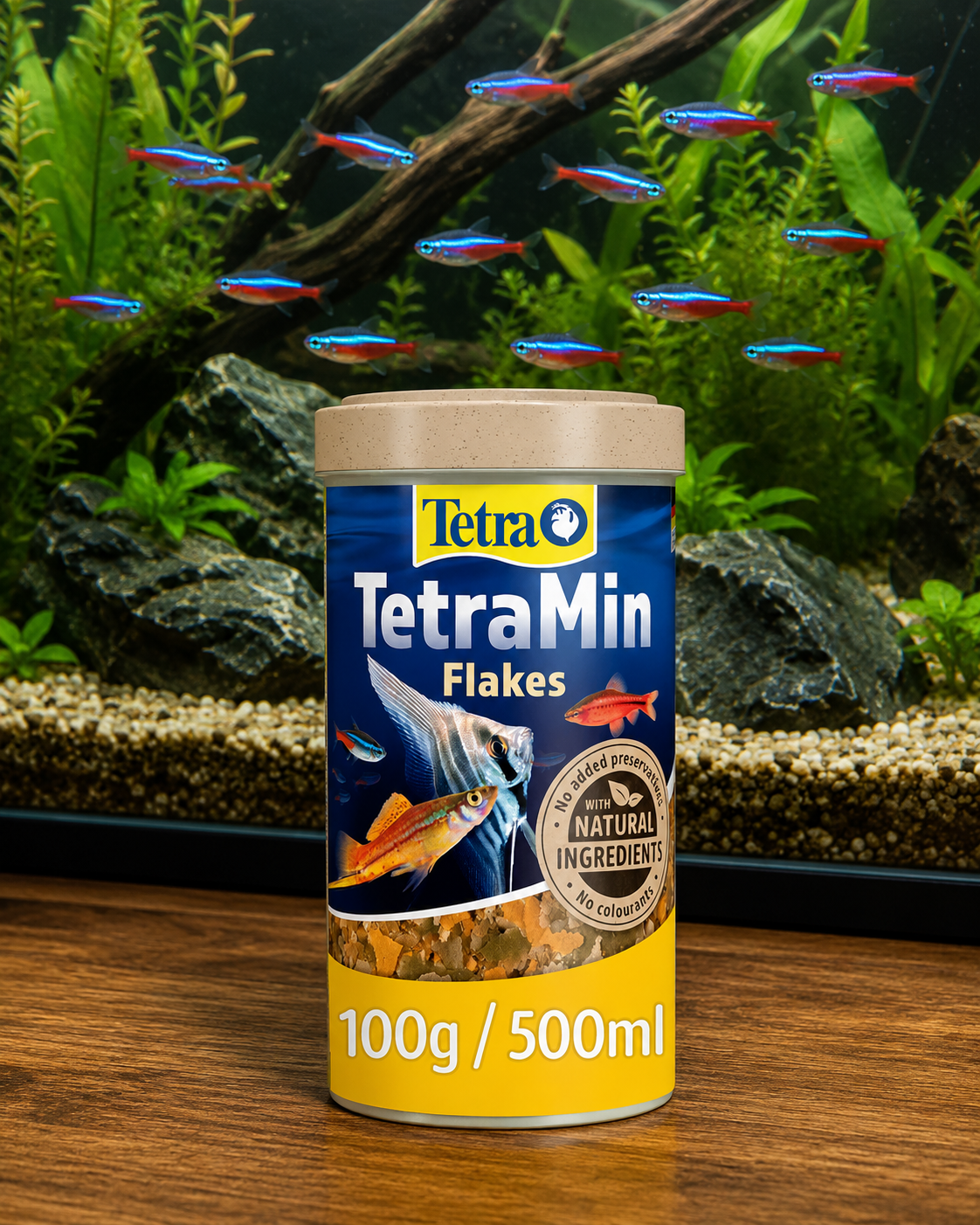
Tetra
Tetra Min Tropical Flake Food 500ml
Best for: Everyday feeding of tropical community fish
As an Amazon Associate, we earn from qualifying purchases.
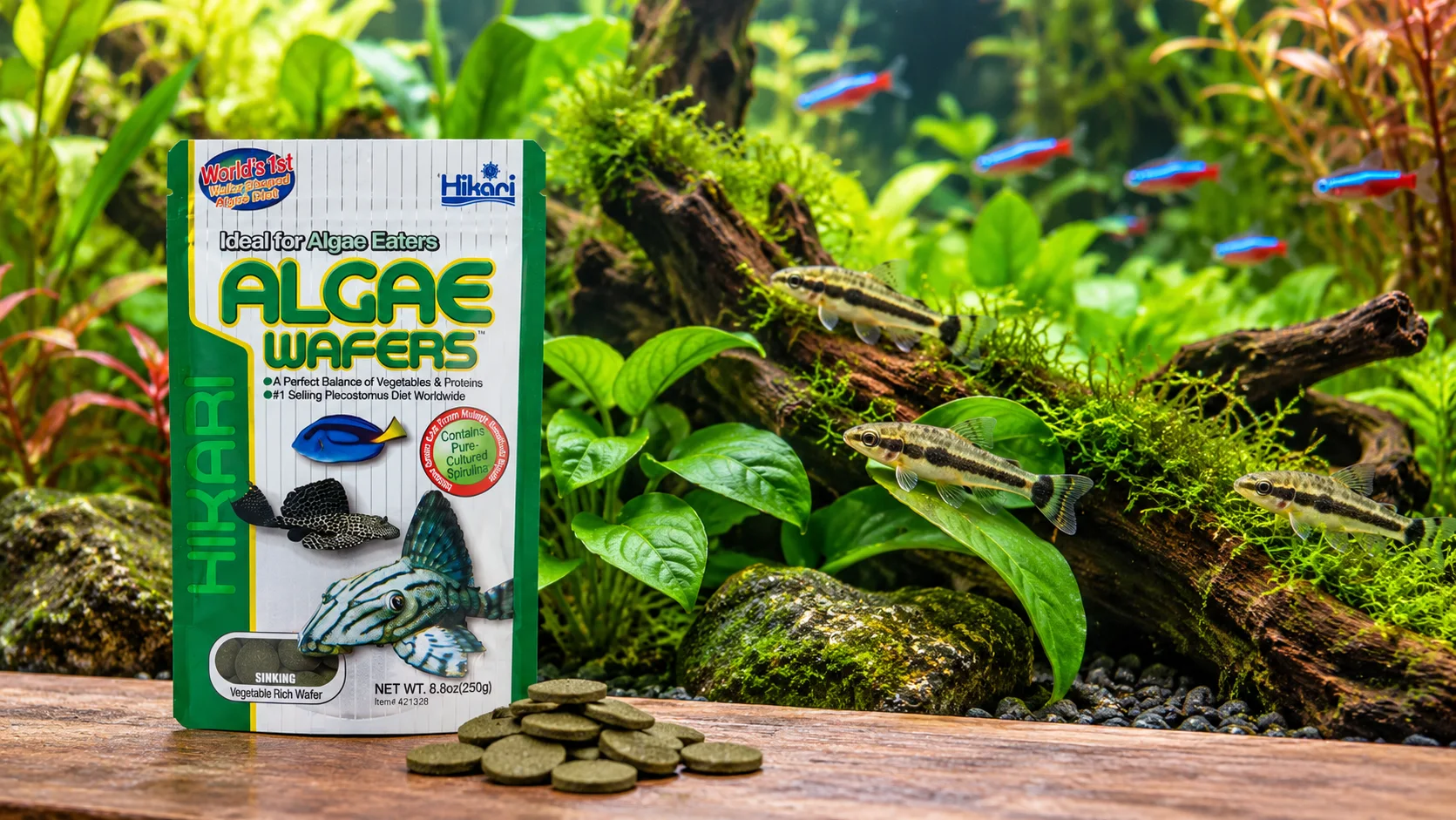
Hikari
Hikari Algae Wafers
Best for: Otocinclus, Bristlenose Ancistrus and other algae-grazing fish
As an Amazon Associate, we earn from qualifying purchases.