Rathbun's Bloodfin Tetra: A Colourful Little Fish That's Almost Disappeared From Aquarium Shops
Rathbun's Bloodfin Tetra is a colourful little South American fish that was once a familiar sight in aquarium shops. Drawing on over 25 years of experience, we look at its care, behaviour and why this attractive species deserves a comeback.
There are quite a few aquarium fish that I remember seeing regularly in aquatic shops years ago but hardly ever come across these days. Rathbun's bloodfin tetra (Aphyocharax rathbuni) is certainly one of them.
Also known as the green fire tetra or redflank bloodfin, this attractive little South American fish was once a more familiar sight in the tropical fish trade. I can remember them being available much more frequently, although I have to admit that I haven't seen any for quite some time.
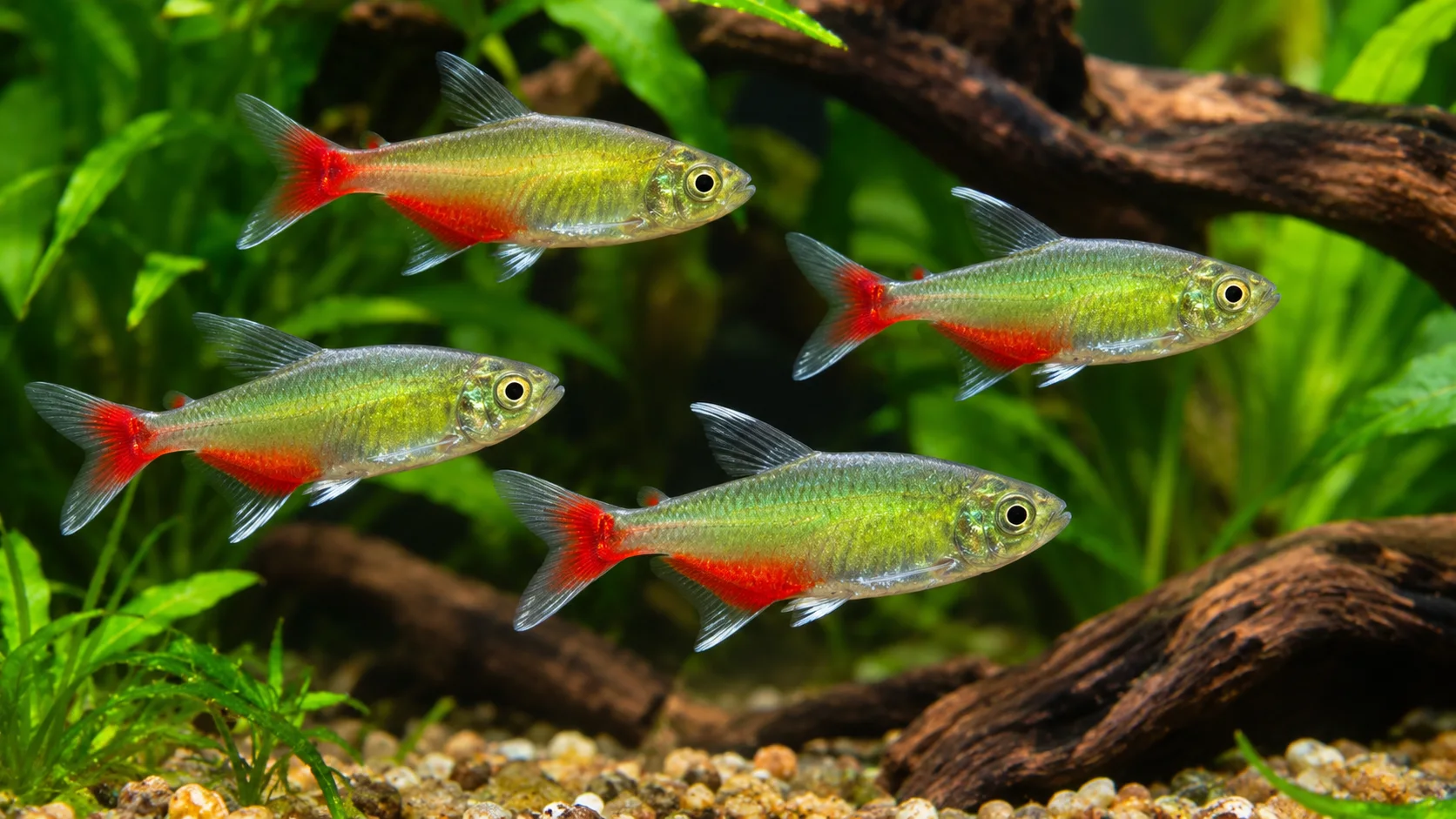
It's a shame because they're rather attractive fish, particularly when they're fully grown and displaying their best colours. They have a lovely greenish-gold sheen across the body, with striking red markings towards the rear of the fish and along the underside. In a planted aquarium, a decent-sized group can look very impressive.
After more than 25 years working with freshwater aquariums, I've seen plenty of species become fashionable and then gradually disappear from the shops. Sometimes they return a few years later, while others seem to become increasingly difficult to find. Rathbun's bloodfin is one that I'd certainly like to see making a comeback.
A Rather Attractive Little Tetra
At first glance, Rathbun's bloodfin might not look particularly remarkable, especially when the fish are young or have only recently arrived at a shop.
Their colour tends to develop as they settle and mature. The body has a silvery appearance with a green or golden iridescence that becomes particularly noticeable under good aquarium lighting. The red colouring around the anal fin, lower body and tail provides an attractive contrast.
The males are generally more colourful, often showing pale or whitish tips to some of their fins, while mature females tend to have a slightly fuller body.
They are relatively small fish, with aquarium specimens commonly reaching around 4–5 cm, making them suitable for many established community aquariums.
One thing I've always liked about these smaller tetras is that their appearance changes considerably depending on the surroundings. Against a pale background, they can look quite ordinary, but put them amongst healthy green plants with darker wood and a subdued background, and their colours become much more noticeable.
It's often the less obvious fish that turn out to be particularly attractive once they've settled into a well-designed aquarium.
Where Do Rathbun's Bloodfin Tetras Come From?
Rathbun's bloodfin originates from South America, particularly the Paraguay river system and associated waterways.
These environments can vary considerably throughout the year, with seasonal changes in water levels, temperature and water conditions.
Unlike some tropical species that require very specific water chemistry, Rathbun's bloodfin is reasonably adaptable, which is one of the reasons it has traditionally been considered a suitable community fish.
In the wild, these fish inhabit waterways with vegetation and areas of shelter, something worth remembering when designing an aquarium for them.
I would favour a natural-looking planted aquarium with a mixture of open swimming areas and some denser planting around the edges. Pieces of bogwood can help create shaded areas, while floating plants can soften the lighting.
There's no need to make the aquarium particularly complicated. In our experience maintaining customers' aquariums, some of the most successful displays are relatively straightforward, provided the fish have suitable surroundings and the water quality remains consistent.
Aquarium Size and Water Conditions
Although Rathbun's bloodfin is a small species, it is also an active swimmer and should have enough room to move comfortably as part of a group.
For this reason, I would generally suggest an aquarium of at least 60–80 litres, with something larger being preferable if you're planning to keep other community fish alongside them.
A longer aquarium is particularly beneficial because it gives the fish more horizontal swimming space.
A temperature of around 20–26°C is suitable, with approximately 24°C being a sensible target for a typical tropical community aquarium.
They are reasonably adaptable to water chemistry, generally doing well in slightly acidic to neutral conditions, although they can tolerate a wider range of hardness than some more delicate South American tetras.
Here in Dorset and the surrounding areas, much of our tap water is naturally quite hard. This is something we regularly have to consider when choosing fish for customers' aquariums.
Rathbun's bloodfin is more forgiving than certain soft-water specialists, but I would still recommend checking the water parameters before introducing them rather than assuming they'll be suitable for every aquarium.
As with most fish, stability is particularly important. Regular partial water changes, sensible feeding and a properly maintained biological filter will do far more for their long-term health than constantly trying to alter the pH with chemicals.
Keeping Rathbun's Bloodfin in a Community Aquarium
These are generally peaceful fish, although they can be quite lively, particularly during feeding.
They should always be kept in a group rather than individually or as a pair. I would aim for at least eight to ten specimens, preferably more if the aquarium has sufficient space.
Keeping a reasonable number helps the fish feel secure and allows them to display more natural behaviour.
In a suitable aquarium, they should mix well with other peaceful community species, including similarly sized tetras, rasboras and Corydoras catfish.
I would be a little more cautious about keeping them with slow-moving fish that have particularly long fins. Like several other active tetra species, they can occasionally show an interest in trailing fins, especially if they're kept in small groups or cramped conditions.
They are certainly not fish I would describe as particularly aggressive, but choosing compatible tankmates is always important.
In our maintenance work, we often find that a community aquarium looks much better when it contains a few carefully chosen groups of fish rather than lots of different species represented by only two or three individuals.
A decent-sized group of Rathbun's bloodfins could make an attractive centrepiece in a planted aquarium without needing lots of other fish competing for attention.
Feeding Rathbun's Bloodfin Tetras
Feeding these fish shouldn't present any particular difficulties.
They are omnivorous and will generally accept good-quality tropical flakes, small granules and suitably sized frozen foods.
Frozen daphnia, brine shrimp and occasional bloodworm are all worth considering as part of a varied diet.
We generally encourage our aquarium maintenance customers to offer a mixture of foods rather than relying entirely on one product.
A good-quality staple food provides the foundation, while occasional frozen or live foods help encourage natural feeding behaviour.
It's also important not to overfeed. This remains one of the most common issues we encounter when maintaining freshwater aquariums.
Fish are very good at convincing their owners that they're starving, even when they've already been fed!
Small, sensible portions are usually much better than adding large quantities that eventually end up breaking down in the gravel or filter.
Can Rathbun's Bloodfin Tetras Be Bred?
Breeding Rathbun's bloodfin is possible, although it isn't something I would expect to happen successfully in an ordinary community aquarium.
Like many other tetras, they are egg scatterers and provide no parental care.
A separate breeding aquarium with soft, slightly acidic water, fine-leaved plants or spawning mops would offer a better chance of success.
Once spawning has taken place, the adults should be removed to prevent them eating the eggs.
The young are extremely small initially and require appropriately sized foods before progressing to newly hatched brine shrimp.
For most aquarium owners, however, the attraction of this species will be keeping a healthy, colourful group rather than attempting to breed them.
Why Don't We See Them Very Often Anymore?
This is something I've wondered about with several species over the years.
When I first started working in the aquatic trade, fish such as Rathbun's bloodfin, head and tail light tetras, black widow tetras and various other traditional community species were much more familiar sights.
Nowadays, there seems to be an enormous emphasis on particularly colourful fish, unusual varieties and species that attract attention immediately in the shop.
Rathbun's bloodfin is attractive, but its best colours are often only appreciated once the fish has matured and settled into suitable surroundings.
I suspect this may be one reason it doesn't receive quite the attention it deserves, although I couldn't say whether its reduced appearance in shops is down to demand, breeding availability or simply changes in what wholesalers choose to stock.
I certainly remember seeing these fish more regularly in the past, but I haven't personally come across them for some time.
Another species that seems to have become less prominent in modern community aquariums is the head and tail light tetra. We've recently written about this old favourite in our article Head and Tail Light Tetra: An Overlooked Classic for the Community Aquarium.
Both species are good examples of fish that perhaps deserve a little more attention than they currently receive.
Our Thoughts on Rathbun's Bloodfin Tetra
After spending so many years designing, installing and maintaining aquariums, I've learned that the most rewarding fish aren't necessarily the rarest or most expensive.
Sometimes it's the older, less fashionable species that make particularly good additions to a well-established aquarium.
Rathbun's bloodfin is a lovely little tetra with attractive colouring, interesting behaviour and relatively straightforward care requirements.
Although we haven't encountered them in the trade for some time, I certainly wouldn't rule out using them in a suitable customer's display aquarium if they became more readily available again.
A group of twelve or fifteen swimming through a mature planted aquarium, with their greenish bodies catching the light and their red markings standing out against the foliage, would make a very attractive display.
Hopefully, they'll become a more familiar sight in aquatic shops again.
I'd certainly be pleased to see them.
Products We've Mentioned & Recommend
Below you'll find a selection of products we've mentioned in this article, along with a few others we think you might find useful. We've included Amazon links to make them easy to find.
A quick word about affiliate links...
Some of these links are affiliate links, which means we may earn a small commission from qualifying purchases, at no extra cost to you.
Unfortunately, the commission doesn't quite stretch to cocktails on a yacht or a garage full of sports cars. In reality, it helps cover the running costs of this website and, with a bit of luck, might eventually buy me a new pair of waders that don't leak!
We only recommend products we genuinely believe are worth considering, and your support helps us keep sharing free advice from our years of working with aquariums and ponds.
Thanks for supporting Aquatic Specialist!
As an Amazon Associate I earn from qualifying purchases.
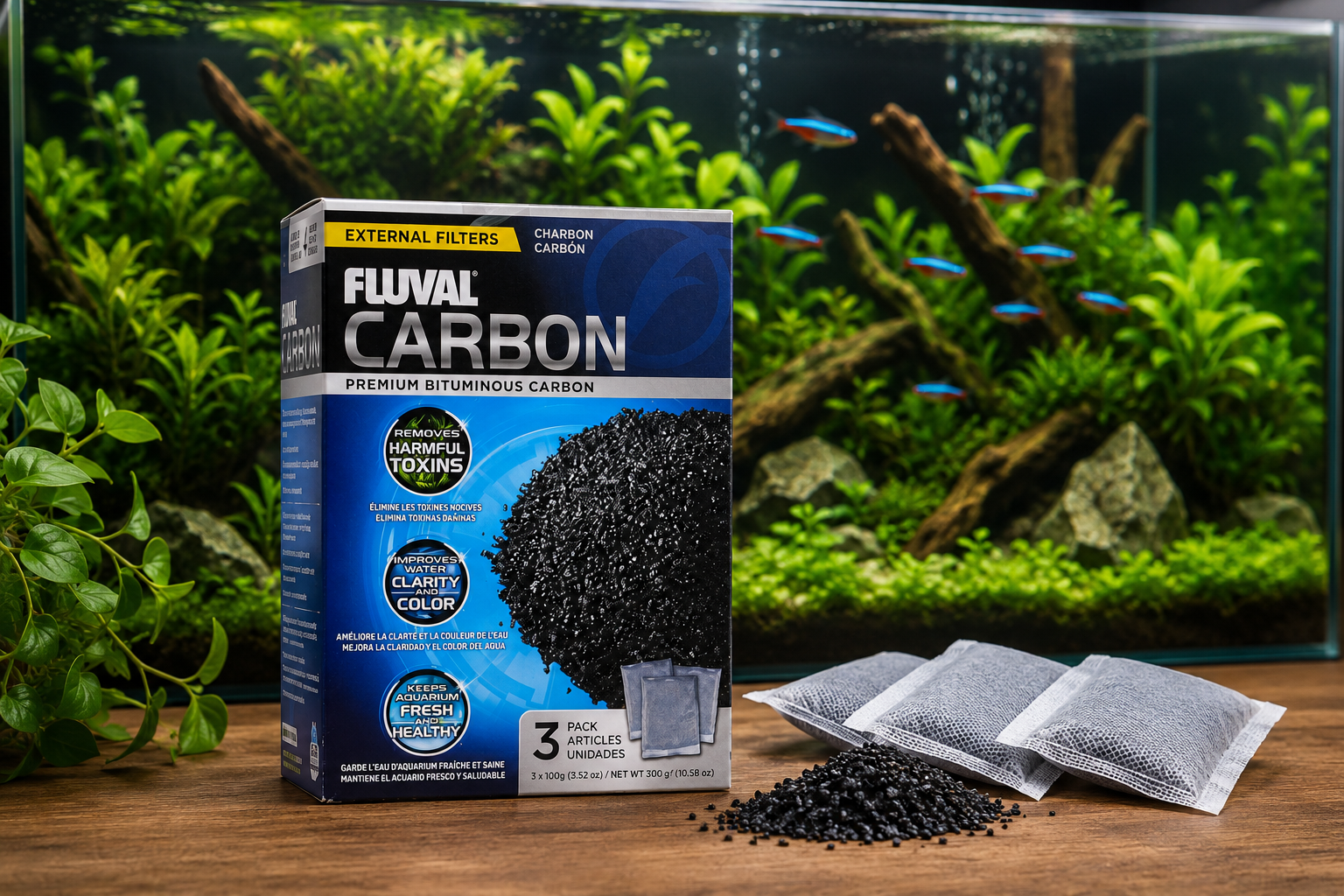
Fluval
Fluval Activated Carbon 3 x 100g Sachets
Best for: Convenient chemical filtration and removing medication after treatment
As an Amazon Associate, we earn from qualifying purchases.
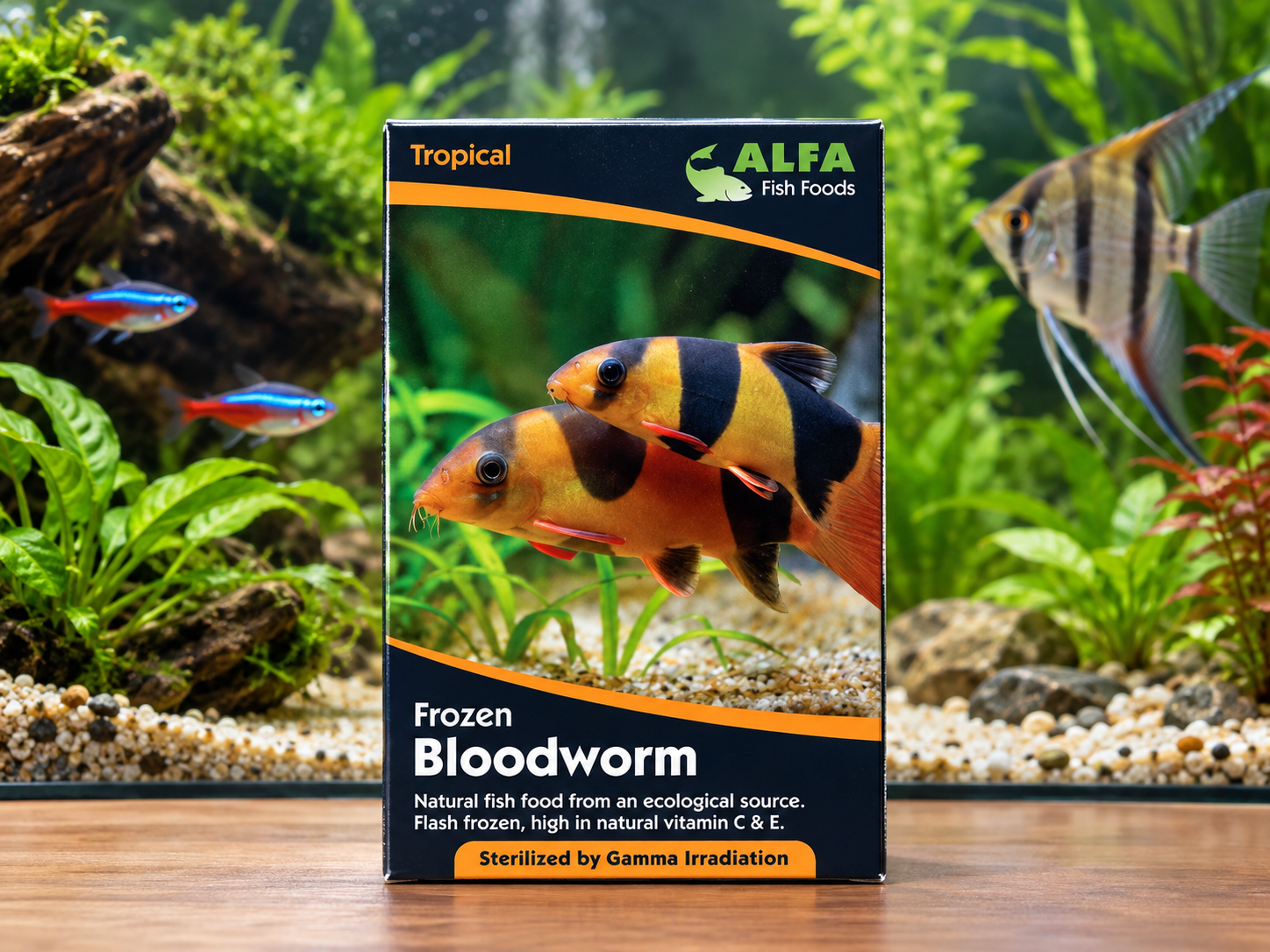
ALFA
Frozen Bloodworm Fish Food 10 Pack
Best for: Adding variety to tropical and coldwater fish diets
As an Amazon Associate, we earn from qualifying purchases.
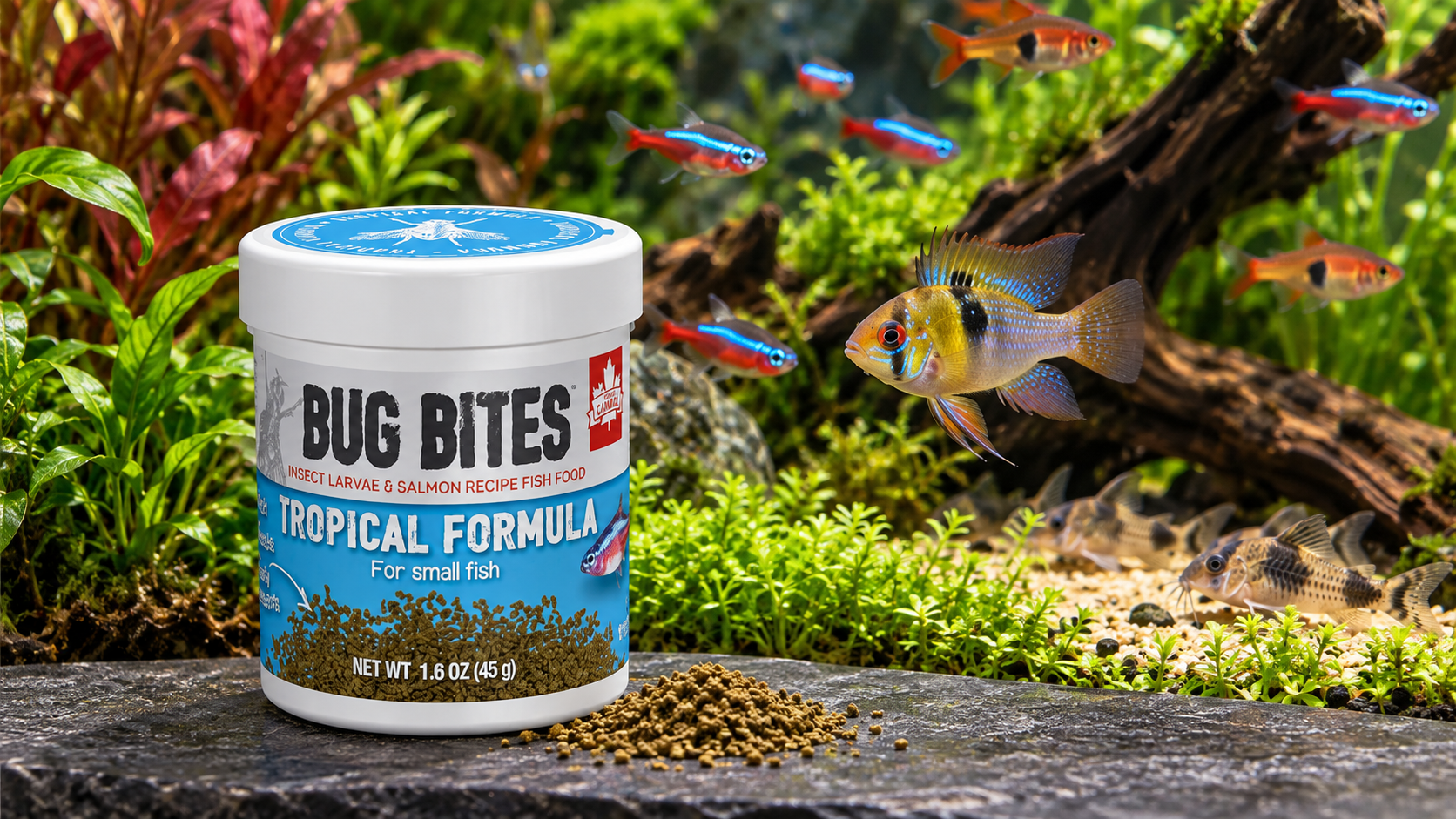
Fluval
Fluval Bug Bites Tropical Formula for small fish
Best for: Small tropical fish and dwarf cichlids
As an Amazon Associate, we earn from qualifying purchases.

Fluval
Fluval Water Care Value Pack with Fluval Cycle & Aqua Plus, 500ml
Best for: New aquarium setups and routine water changes
As an Amazon Associate, we earn from qualifying purchases.