Head and Tail Light Tetra: An Overlooked Classic for the Community Aquarium
Once a familiar sight in community aquariums, the head and tail light tetra has become something of a forgotten favourite. Drawing on over 25 years of aquarium maintenance experience, we look at this peaceful South American tetra, its care requirements and why it still deserves a place in today's planted aquariums.
The head and tail light tetra (Hemigrammus ocellifer, also known as Holopristis ocellifera) is one of those aquarium fish that seems to have slipped quietly out of fashion. Years ago, these attractive little tetras were a fairly common sight in aquarium shops and established community tanks. Today, although they are still available, they don't seem to attract quite the same attention as some of the more colourful species.
It's a shame really, because the head and tail light tetra has plenty going for it. It's peaceful, reasonably hardy, easy to feed and well suited to a traditional planted community aquarium. It might not have the striking colours of a cardinal tetra or the bright orange markings of a glowlight tetra, but there is something quite appealing about its understated appearance.
In our experience maintaining aquariums over many years, we've seen plenty of fish come in and out of fashion. The head and tail light tetra is certainly one of them. We used to encounter these fish much more regularly, particularly in established community aquariums, but they rarely feature in the display tanks we maintain for customers these days. That isn't because there's anything particularly wrong with them. There are simply so many different species available now, and customers often choose fish with stronger colours or more unusual markings.
A Fish With Two Distinctive Lights
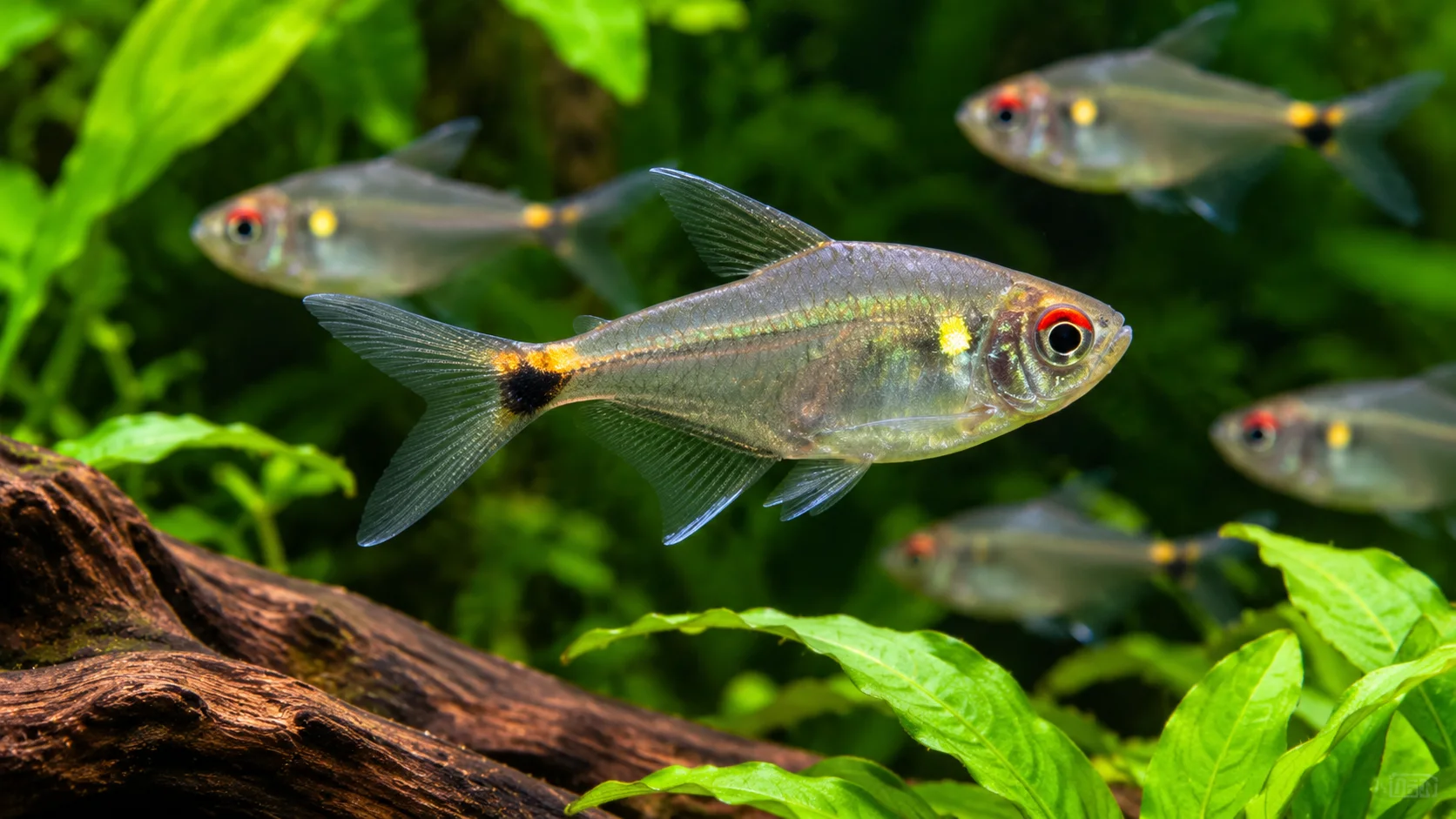
The common name comes from two reflective markings, one positioned just behind the gill cover and the other at the base of the tail. Under aquarium lighting, these markings can appear almost like tiny lights, particularly when the fish turns and catches the light at the right angle.
The body is generally a translucent silver colour, sometimes with a slightly golden or greenish appearance depending on the lighting and condition of the fish. The eyes often have a noticeable reddish or orange ring, which adds a little extra colour.
They are not especially large fish, generally reaching around 4–5 cm when fully grown, although well-kept specimens can occasionally grow slightly larger.
One thing we've always appreciated about these more subtly coloured tetras is how natural they look in a planted aquarium. Not every fish needs to be bright red, blue or yellow to make an attractive display. A group of head and tail light tetras swimming amongst green plants and darker pieces of wood can look surprisingly effective.
They are particularly attractive when kept in a decent-sized group rather than just a handful of individuals.
Their Natural Habitat
Head and tail light tetras originate from tropical South America, particularly the Amazon and Guiana river systems. They inhabit relatively calm freshwater environments, including slower-moving streams and areas with plenty of vegetation.
Like many South American tetras, they appreciate an aquarium that offers some shelter alongside open swimming space.
A planted aquarium with driftwood, shaded areas and a darker substrate makes an excellent home. Floating plants can also be useful, helping to soften the lighting and encourage more natural behaviour.
That doesn't mean they need an elaborate aquascape. We've maintained plenty of successful community aquariums over the years that have been relatively simple in design. Providing the water quality is good, the aquarium is stable and the fish have somewhere to retreat when they want to, there's no reason these tetras cannot thrive in a fairly straightforward setup.
Aquarium Size and Water Conditions
Although these are relatively small fish, they are active swimmers and should be given sufficient room to move around as a group.
For a small shoal, we'd generally suggest an aquarium of at least 60 litres, although something closer to 80–100 litres or larger would be preferable, particularly if other community fish are going to be included.
As with most schooling species, a longer aquarium is generally more useful than a tall, narrow one.
Water temperature should ideally be maintained between 23°C and 27°C, with around 24–25°C being a sensible target for most community setups.
They are fairly adaptable when it comes to water chemistry, generally doing well in slightly acidic to neutral conditions, although captive-bred fish can often adjust to moderately alkaline water.
Here in Dorset, where much of our tap water is naturally hard, we're always conscious of choosing fish that are suitable for the conditions available. Head and tail light tetras are more adaptable than some delicate South American species, but that doesn't mean they should be exposed to excessively hard water without consideration.
We would always favour stable water conditions over constantly adjusting the pH with chemicals. Sudden changes in water chemistry can cause far more problems than keeping suitable fish in slightly less-than-perfect conditions.
Regular partial water changes, sensible stocking levels and a properly maintained biological filter are much more important than chasing an exact pH reading.
A Peaceful Community Fish
One of the main reasons head and tail light tetras became popular in the first place was their suitability for community aquariums.
They are generally peaceful fish that spend much of their time swimming through the middle areas of the aquarium. When kept in a good-sized group, they tend to be confident and active without causing much trouble for their tankmates.
We would recommend keeping at least eight to ten individuals, with larger groups being even better where space allows.
A group of twelve or fifteen can make an attractive display, especially in a well-planted aquarium with plenty of open swimming room.
They mix well with many other peaceful species, including small rasboras, Corydoras catfish, pencilfish and appropriately sized tetras.
They can also work well alongside some of the smaller, more peaceful gouramis, provided the aquarium is large enough and there are suitable areas of cover.
Very large or predatory fish should obviously be avoided. Although head and tail light tetras are reasonably robust for their size, they are still small enough to be eaten by larger aquarium inhabitants.
It's also worth remembering that peaceful fish can occasionally become troublesome if they are kept in unsuitable conditions. A small group of tetras in an overcrowded aquarium may behave very differently from a larger group in a spacious, established setup.
Feeding Head and Tail Light Tetras
Feeding these fish is generally straightforward, which is another reason they make such good community aquarium inhabitants.
Most captive-bred specimens readily accept good-quality flake foods and small granules. They also appreciate frozen foods such as bloodworm, daphnia and brine shrimp.
We generally prefer feeding a varied diet rather than relying entirely on one type of food. This applies to most of the freshwater aquariums we maintain, particularly those containing a mixture of different species.
A good-quality staple food provides the foundation, while occasional frozen or live foods help introduce variety and encourage natural feeding behaviour.
Head and tail light tetras are enthusiastic feeders, although care should be taken not to offer more food than the fish can consume within a short period.
Overfeeding remains one of the most common problems we encounter during aquarium maintenance visits. Uneaten food breaks down, adds unnecessary waste to the system and can gradually affect water quality.
A little food offered regularly is generally much better than large quantities being added in one go.
Breeding Head and Tail Light Tetras
Breeding head and tail light tetras is possible in captivity, although it's unlikely to happen successfully in a typical community aquarium.
They are egg-scattering fish, with females releasing small eggs amongst fine-leaved plants or spawning material. The adults provide no parental care and will readily eat the eggs if given the opportunity.
For anyone interested in breeding them, a separate aquarium with soft, slightly acidic water and subdued lighting offers the best chance of success.
Fine-leaved plants or spawning mops can be used to provide somewhere for the eggs to settle. Once spawning has taken place, the adults should be removed.
The eggs generally hatch within a couple of days, with the fry requiring very small foods such as infusoria initially, followed by newly hatched brine shrimp once they are large enough.
Although breeding these fish can be rewarding, it's not something we would normally attempt in a customer's display aquarium. Our priority with maintenance aquariums is generally to provide a stable, attractive environment where the fish can live comfortably for many years.
Why Have They Become Less Popular?
It's difficult to say exactly why certain aquarium fish fall out of favour, but the head and tail light tetra is a good example of how tastes have changed.
Years ago, the selection of commonly available community fish was somewhat more limited. Species such as head and tail light tetras, black widow tetras, lemon tetras and glowlight tetras were familiar choices in many aquarium shops.
Today, customers have access to an enormous variety of colourful and unusual fish. As a result, some of the older favourites tend to get overlooked.
We still think there's a place for these traditional community species, particularly in larger planted aquariums where the aim is to create a natural-looking display rather than simply choosing the brightest fish available.
For another attractive species that deserves consideration, have a look at our article on the glowlight tetra in the Aquatic Specialist Knowledge Centre.
Our Thoughts on the Head and Tail Light Tetra
After many years working with freshwater aquariums, we've learned that some of the most enjoyable fish to keep are not necessarily the most expensive or colourful.
The head and tail light tetra is a good example. It's a straightforward, peaceful little fish that can make an excellent addition to a well-maintained community aquarium.
Although we rarely see them in our customers' display tanks these days, we certainly wouldn't hesitate to consider them for a suitable setup.
Given enough swimming space, a good-sized group and a stable aquarium environment, they can be every bit as rewarding as many of the more fashionable species currently available.
Perhaps it's time the head and tail light tetra made a bit of a comeback.
Products We've Mentioned & Recommend
Below you'll find a selection of products we've mentioned in this article, along with a few others we think you might find useful. We've included Amazon links to make them easy to find.
A quick word about affiliate links...
Some of these links are affiliate links, which means we may earn a small commission from qualifying purchases, at no extra cost to you.
Unfortunately, the commission doesn't quite stretch to cocktails on a yacht or a garage full of sports cars. In reality, it helps cover the running costs of this website and, with a bit of luck, might eventually buy me a new pair of waders that don't leak!
We only recommend products we genuinely believe are worth considering, and your support helps us keep sharing free advice from our years of working with aquariums and ponds.
Thanks for supporting Aquatic Specialist!
As an Amazon Associate I earn from qualifying purchases.
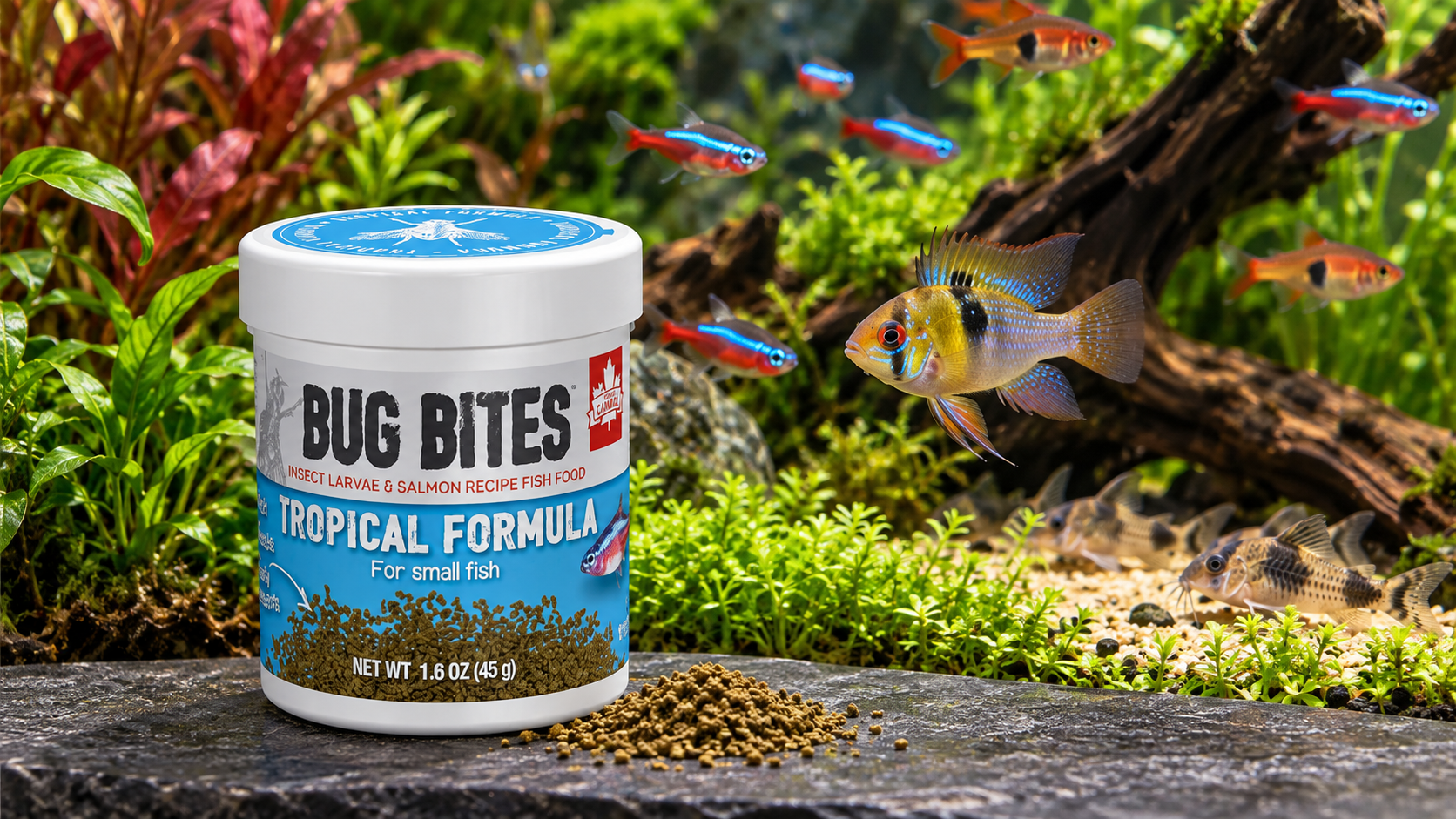
Fluval
Fluval Bug Bites Tropical Formula for small fish
Best for: Small tropical fish and dwarf cichlids
As an Amazon Associate, we earn from qualifying purchases.
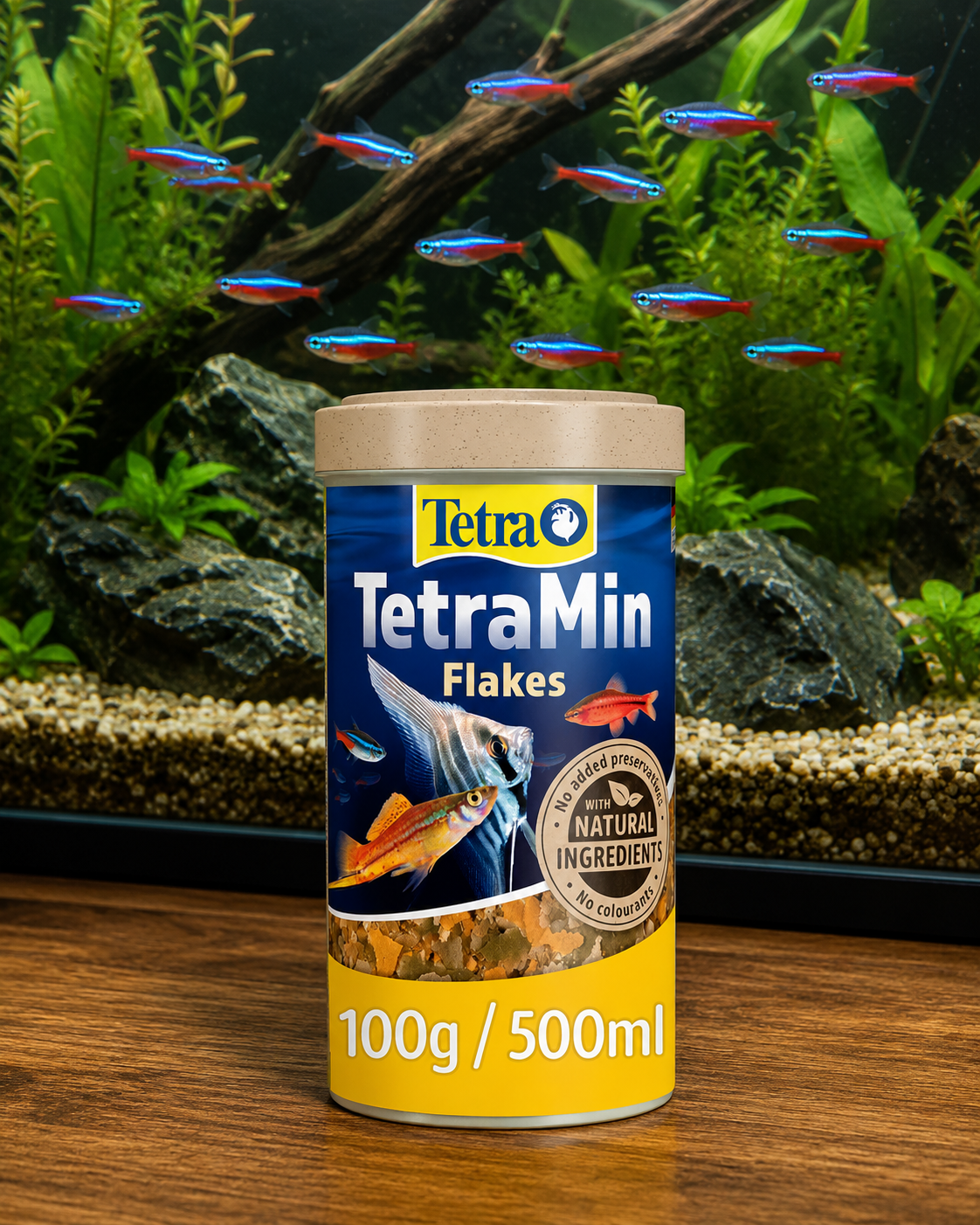
Tetra
Tetra Min Tropical Flake Food 500ml
Best for: Everyday feeding of tropical community fish
As an Amazon Associate, we earn from qualifying purchases.
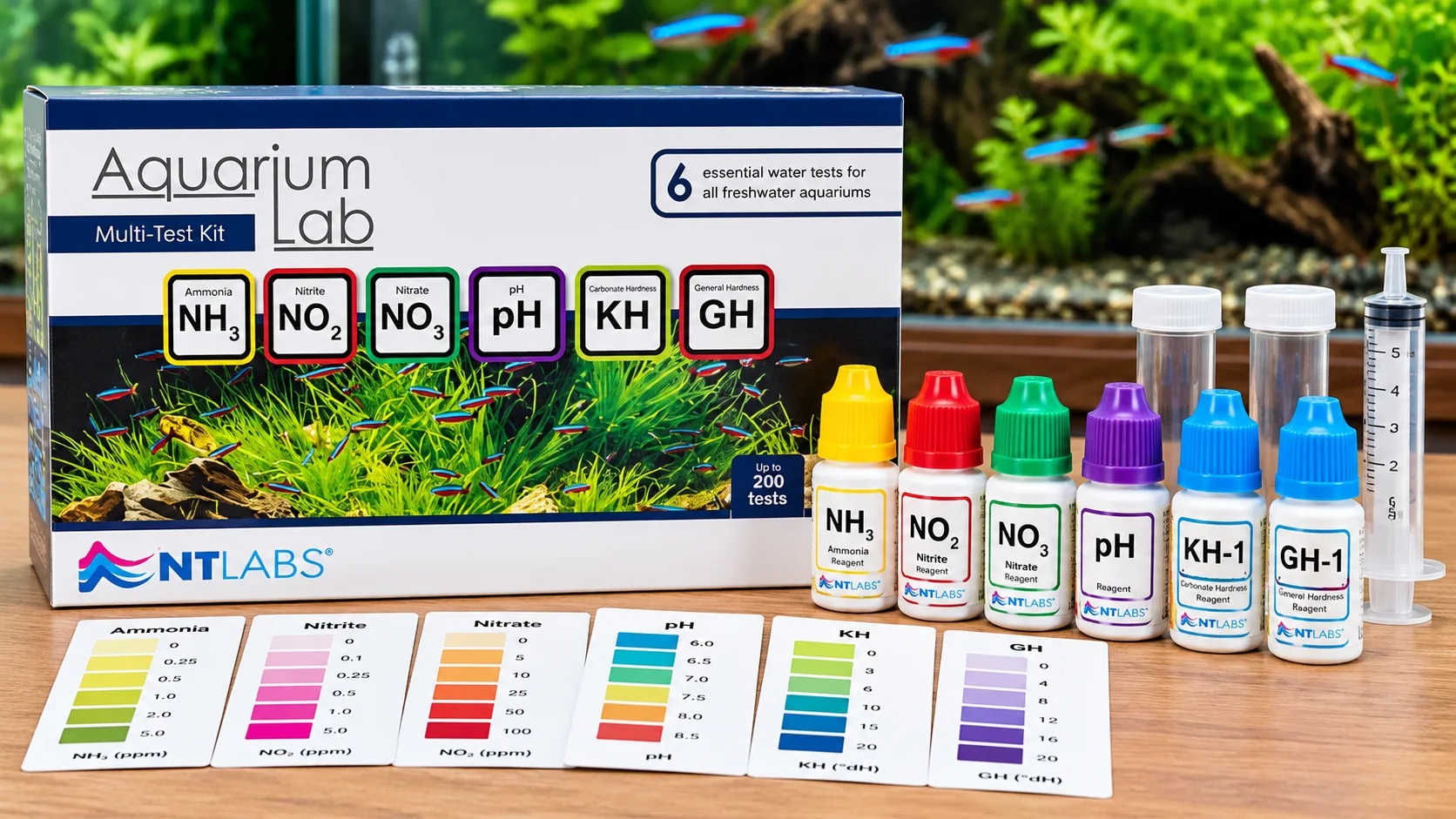
NT Labs
NT Labs Aquarium Lab Multi Test Kit
Best for: Cycling new freshwater aquariums and routine water quality monitoring.
As an Amazon Associate, we earn from qualifying purchases.
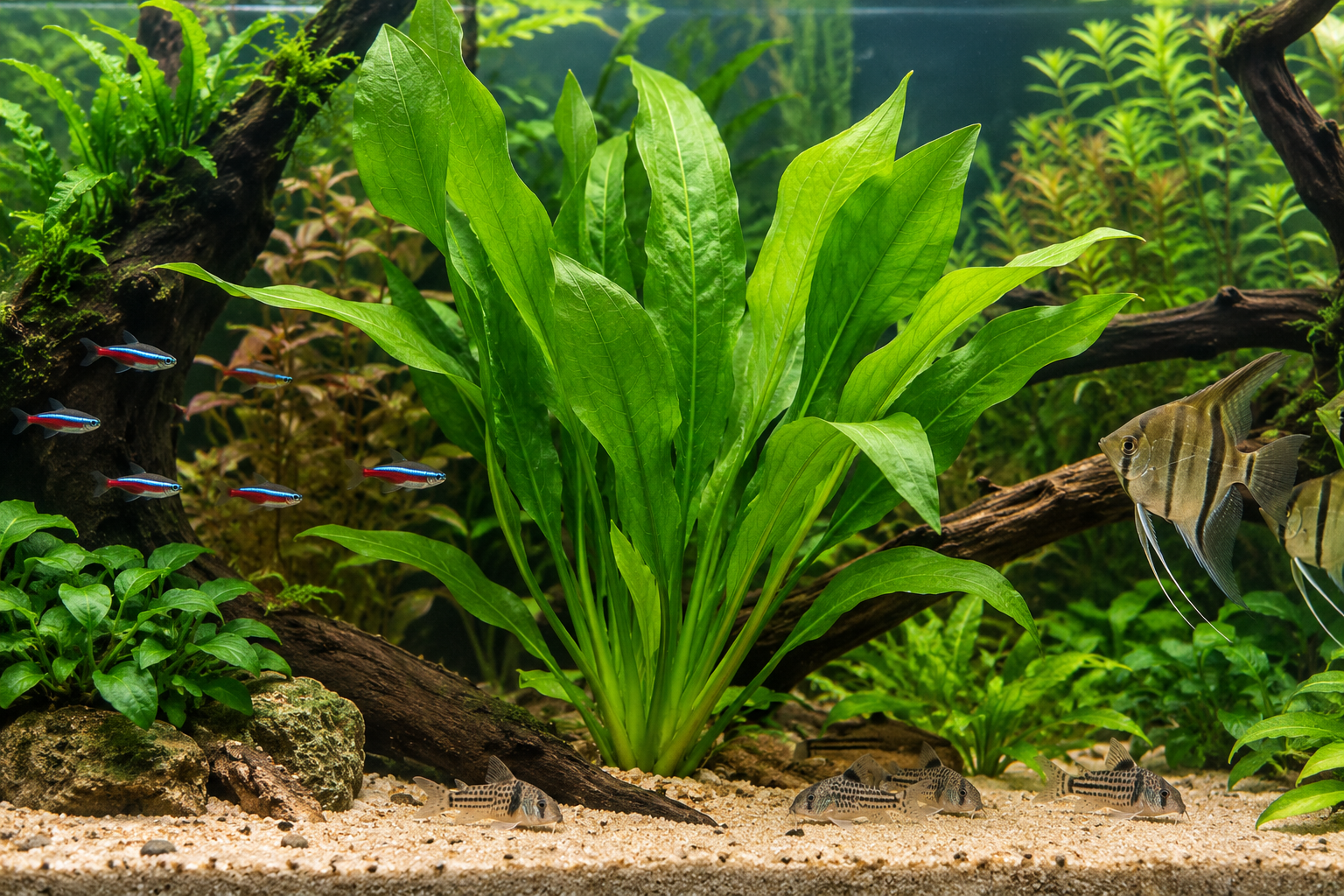
Echinodorus Bleheri - Amazon Sword
Best for: Amazon biotopes, tropical community aquariums and larger planted tanks
As an Amazon Associate, we earn from qualifying purchases.
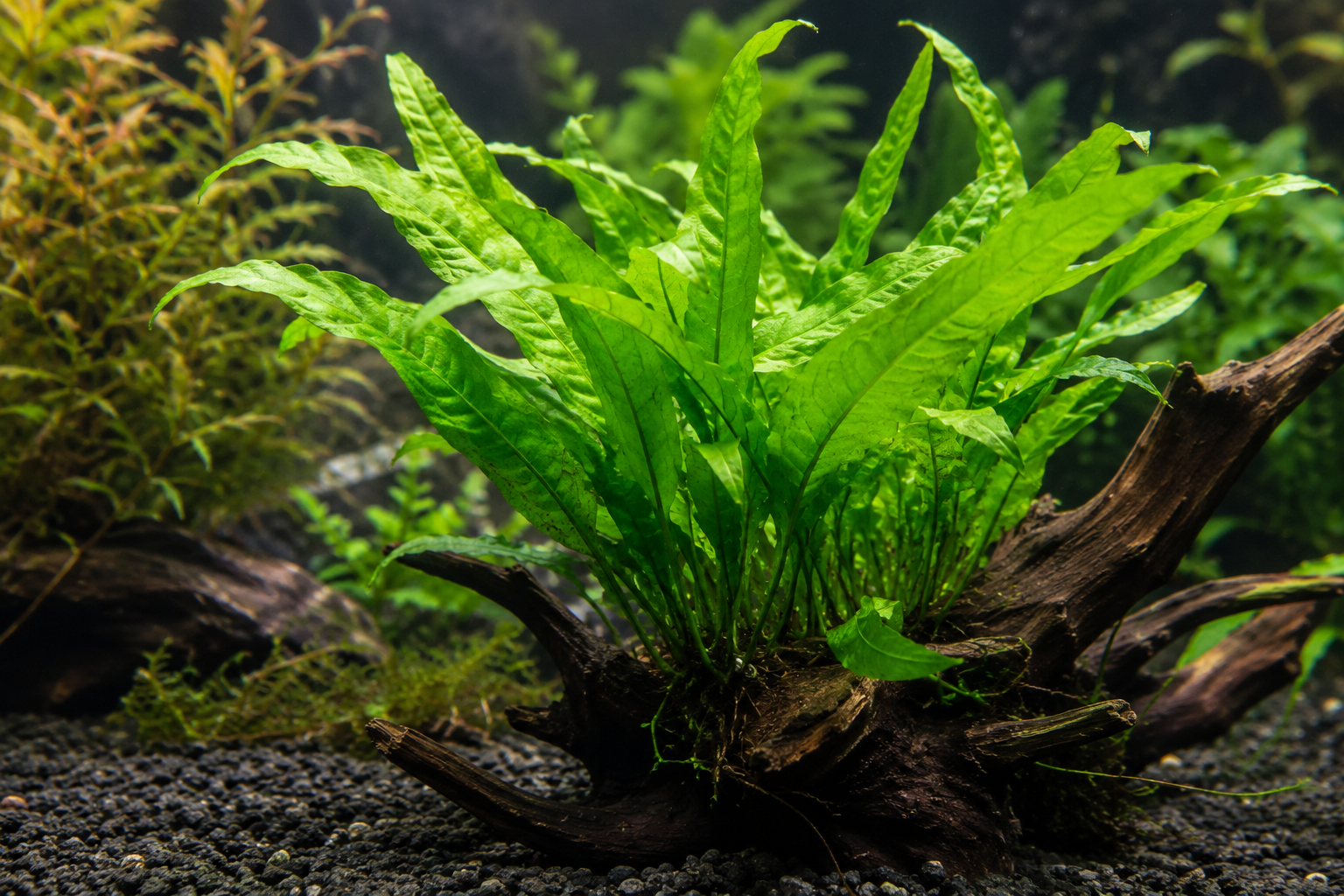
Java Fern
Best for: Beginners, low-tech aquariums and attaching to rocks or driftwood
As an Amazon Associate, we earn from qualifying purchases.
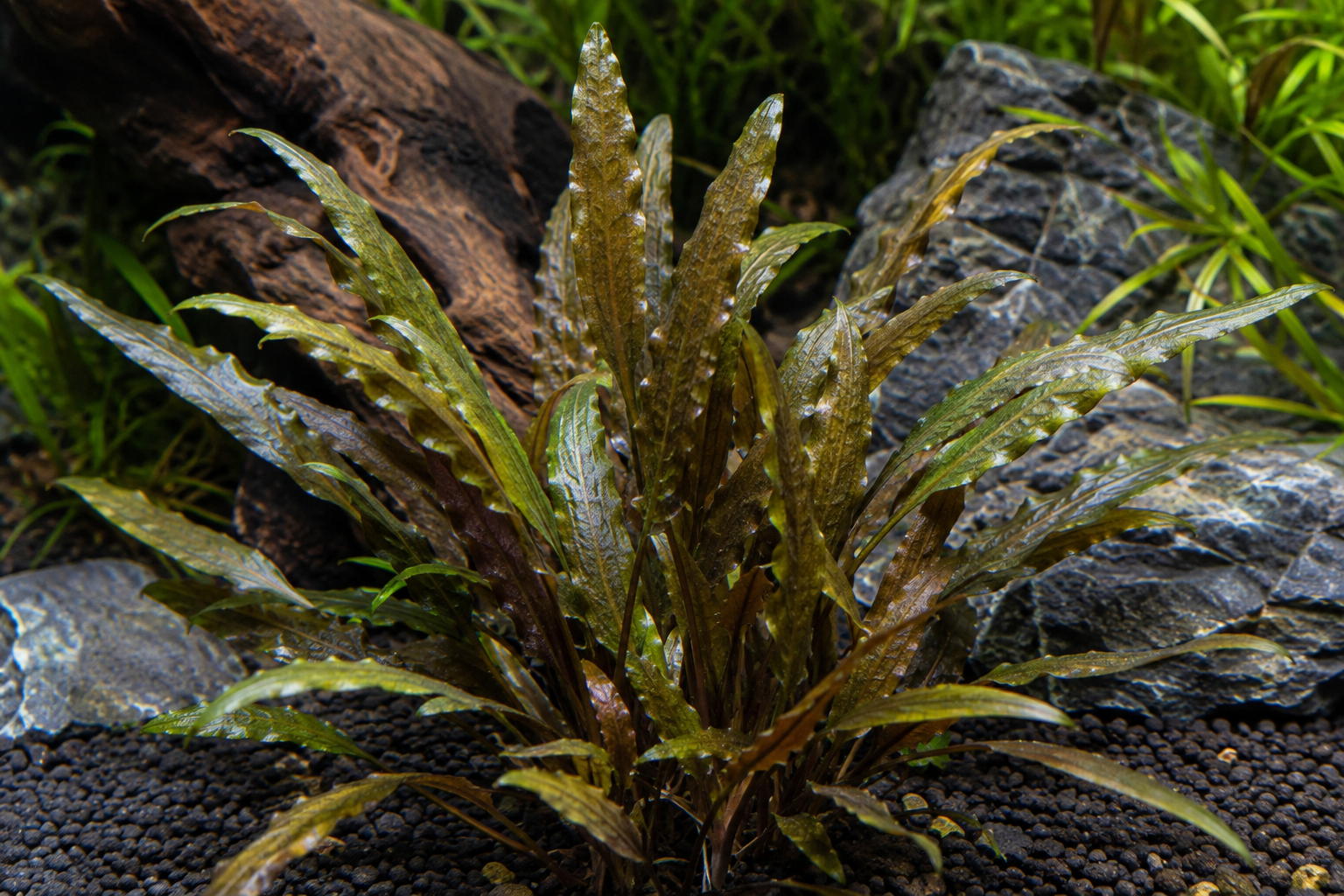
Cryptocoryne Beckettii
Best for: Beginners, low-tech aquariums and natural midground planting
As an Amazon Associate, we earn from qualifying purchases.