Penguin Tetra Care Guide – An Unusual Community Fish with Plenty of Character
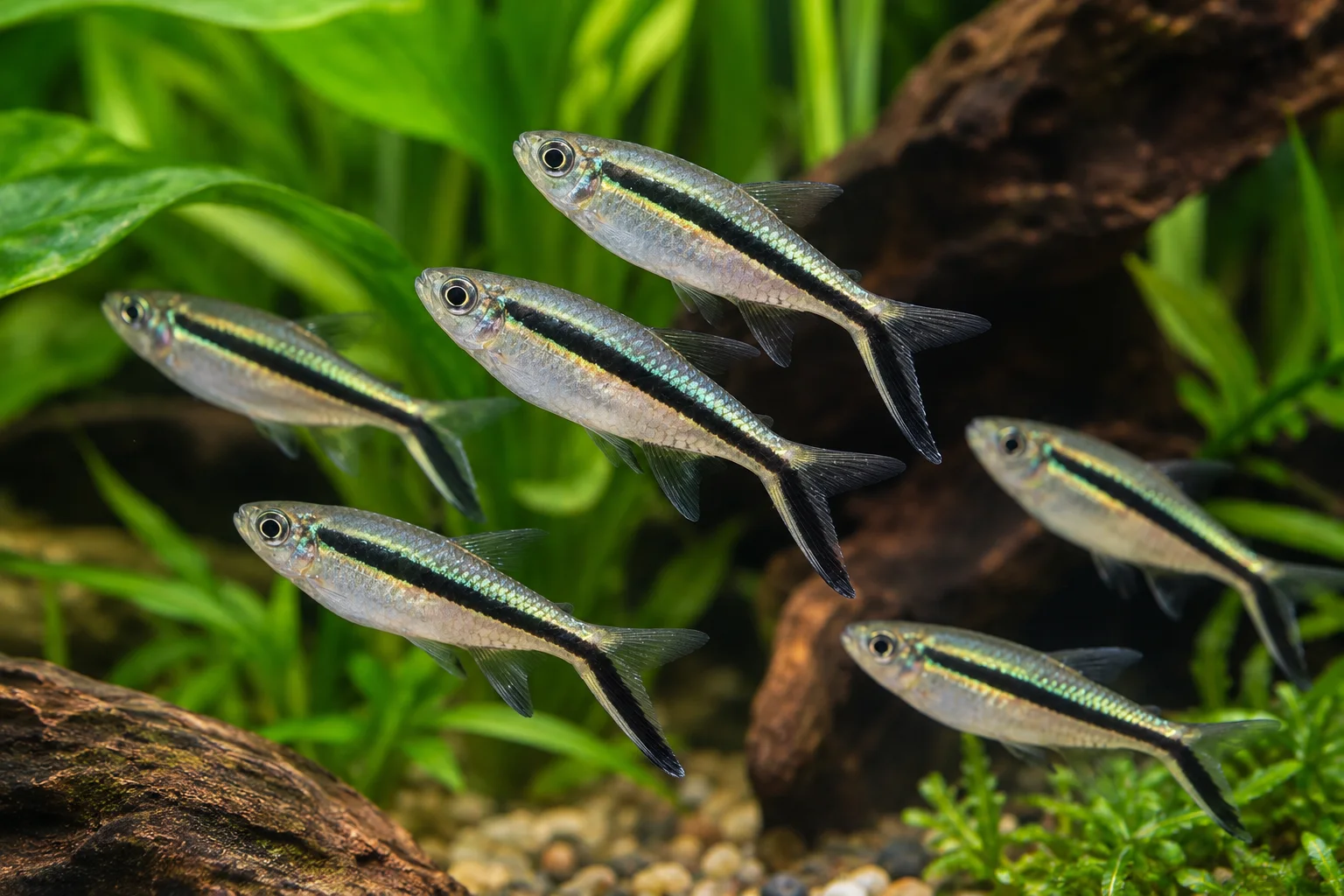
The Penguin Tetra is an unusual community fish, recognised by its distinctive black stripe and slightly head-up swimming position. Although once a familiar sight in aquarium shops, it's a species we rarely encounter in our clients' aquariums these days. Drawing on our experience, we look at their care, behaviour and why choosing the right tank mates is particularly important.
The Penguin Tetra (Thayeria boehlkei) is one of those fish that has been around in the aquarium hobby for years, yet for some reason we don't seem to come across it very often these days. It's a shame really, because it's an attractive little fish with a rather unusual way of swimming that makes it stand out from most other tetras.
In our experience, Penguin Tetras have always been fairly straightforward to keep, although I do remember finding them a little nippy at times. Perhaps that's one reason why they don't feature in many of our clients' aquariums nowadays. There are certainly plenty of other tetras that are a little more predictable when it comes to their behaviour.
That said, I wouldn't discourage anyone from keeping them. Given the right aquarium and suitable companions, they can make an interesting addition to a community setup.
What Makes the Penguin Tetra Different?
The first thing you'll notice about the Penguin Tetra is the distinctive black stripe running along its body. This continues into the lower section of the tail, creating a marking that looks rather like a hockey stick. In fact, they're sometimes sold under the name Hockey Stick Tetra.
Their bodies are mainly silver, sometimes showing a slightly golden or greenish sheen under good aquarium lighting. They're not particularly colourful compared with species such as the Cardinal Tetra, but they have a rather smart appearance.
What really makes them unusual is the way they swim. Instead of holding themselves horizontally like most fish, Penguin Tetras often swim with their heads pointing slightly upwards and their tails hanging down.
It's quite a distinctive sight, particularly when you have a group of them moving around together.
Fully grown specimens generally reach around 6 cm, making them a reasonable size for a community aquarium without becoming particularly large.
Are Penguin Tetras Suitable for Community Aquariums?
This is where I think a little care is needed. Penguin Tetras are generally described as peaceful community fish, and for the most part that's a fair description. However, from my own experience, I remember them being a little more inclined to nip at other fish than some of the more commonly kept tetra species.
I wouldn't describe them as particularly aggressive, but they're certainly not a fish I would automatically recommend for every peaceful community aquarium.
Fish with long, flowing fins, such as male Guppies or Angelfish, wouldn't be my first choice as companions. Even occasional fin nipping can become a problem when the same fish is repeatedly targeted.
One important consideration is keeping them in a decent-sized group. Penguin Tetras are naturally social fish, and keeping just two or three can encourage unwanted behaviour.
Personally, I would aim for at least eight to ten individuals, preferably more if the aquarium is large enough. A proper shoal gives them the opportunity to interact with their own species rather than directing their attention towards other inhabitants.
For our clients, we generally prefer to select fish that are unlikely to cause problems in a community aquarium. Species such as the Head and Tail Light Tetra can be a more suitable choice where a particularly peaceful community is the priority.
We've recently covered that species in our article Head and Tail Light Tetra – An Overlooked Classic for the Community Aquarium.
Creating the Right Aquarium Environment
Penguin Tetras originate from South America, where they inhabit freshwater rivers and tributaries associated with the Amazon basin.
In the aquarium, they're fairly adaptable provided the water conditions remain stable and the filtration is properly maintained.
A temperature somewhere between 23°C and 27°C works well, with a pH around 6.0 to 7.5 being suitable for most captive-bred specimens.
Here on the south coast of England, we frequently deal with relatively hard tap water. Although Penguin Tetras naturally come from softer water environments, captive-bred fish can often adapt to moderately hard conditions.
As always, I would be more concerned about maintaining stable water chemistry than constantly trying to adjust the pH using chemicals.
For a proper group, I would favour an aquarium of around 100 litres or larger, ideally with a reasonable amount of swimming length. They're active fish and appreciate having room to move around.
Plants are particularly useful, not only for their appearance but also because they provide areas where the fish can retreat if they feel threatened.
Java Fern, Echinodorus Bleheri - Amazon Sword and Vallisneria Americana would all work well. Some bogwood can also help create a more natural appearance.
I would avoid filling the entire aquarium with decorations, however. Penguin Tetras spend much of their time swimming in the middle and upper areas, so leaving some open space is important.
A secure lid is also advisable, as these active fish can occasionally jump when startled.
Feeding Penguin Tetras
Feeding is probably one of the easiest parts of keeping this species. Penguin Tetras are omnivorous and will readily accept most good-quality tropical fish foods. A suitable flakes or small granules food makes a perfectly reasonable everyday diet.
I would also offer occasional frozen foods such as Daphnia, Brine Shrimp and bloodworms.
In our experience, providing a varied diet is beneficial for most community fish, and Penguin Tetras are no exception.
They're generally enthusiastic feeders and can be quite quick to reach food before slower species.
This is worth remembering if they're sharing an aquarium with more timid fish. You need to make sure everyone receives enough food rather than allowing the most active inhabitants to take everything.
As with any aquarium, overfeeding should be avoided. Small amounts that are eaten quickly are much better than leaving uneaten food to break down in the water.
Aquarium Maintenance and Water Quality
Although Penguin Tetras are reasonably hardy, that doesn't mean they should be kept in poorly maintained conditions. Regular partial water changes, effective biological filtration and sensible feeding are the foundations of keeping them healthy.
For most of the freshwater aquariums we maintain, we concentrate on keeping the environment consistent rather than making unnecessary changes.
Nitrate levels should be monitored, particularly in heavily stocked aquariums, and any accumulated waste should be removed during routine maintenance.
Plants can help improve the overall environment, but they don't replace the need for regular water changes.
It's also worth watching the fish closely after introducing them. A newly purchased group may be nervous initially, particularly if the aquarium is brightly lit or lacks suitable cover.
Once settled, they should become much more confident and spend plenty of time swimming in the open.
Can Penguin Tetras Be Bred in the Aquarium?
Breeding Penguin Tetras is possible, although it's not something I would expect to happen successfully in an ordinary community aquarium.
Like many other tetra species, they're egg scatterers. The adults release eggs among fine-leaved plants, but unfortunately they will also eat them if given the opportunity.
Anyone wanting to breed them seriously would be better using a separate breeding aquarium with soft water, subdued lighting and suitable spawning material.
Once spawning has taken place, the adults should be removed to prevent them eating the eggs. The newly hatched fry are extremely small and initially require appropriately sized foods such as infusoria before progressing to newly hatched Brine Shrimp.
For most of our clients, however, breeding isn't really the objective. They simply want an attractive, healthy community aquarium that can be enjoyed without unnecessary complications.
Why Don't We See Penguin Tetras More Often?
This is something I've wondered about myself. Penguin Tetras certainly aren't a new species, and they've been available in the aquarium trade for many years. Yet I can't remember the last time we had a client specifically request them.
Perhaps their relatively subdued colouring means they're overlooked in favour of brighter species. When someone visits an aquatic shop, it's understandable that a group of colourful Cardinal Tetras might attract more attention.
It could also be that their slightly nippy reputation puts some fishkeepers off. I know that's something I remember from keeping them in the past.
Whatever the reason, they seem to have become one of those established aquarium fish that rarely gets much attention.
That's not necessarily a reflection of their quality. There are plenty of older species that deserve another look, particularly when they're kept in an aquarium designed around their needs.
Our Final Thoughts on the Penguin Tetra
The Penguin Tetra is an interesting fish that offers something a little different from the usual community aquarium species.
Its unusual swimming position, distinctive black markings and active behaviour make it worth considering, particularly for someone who already has experience keeping tetras.
Would I recommend them for every community aquarium? Probably not. I would be cautious about mixing them with slow-moving or long-finned fish, and I certainly wouldn't keep them in small numbers.
However, in a spacious, well-planted aquarium with a good-sized shoal and carefully chosen companions, I think they can make a very attractive display.
It's not a fish we see particularly often in our clients' aquariums these days, but perhaps that's something that deserves to change.
Sometimes it's worth looking beyond the usual favourites and giving one of the older, less fashionable aquarium species another opportunity.
Products We've Mentioned & Recommend
Below you'll find a selection of products we've mentioned in this article, along with a few others we think you might find useful. We've included Amazon links to make them easy to find.
A quick word about affiliate links...
Some of these links are affiliate links, which means we may earn a small commission from qualifying purchases, at no extra cost to you.
Unfortunately, the commission doesn't quite stretch to cocktails on a yacht or a garage full of sports cars. In reality, it helps cover the running costs of this website and, with a bit of luck, might eventually buy me a new pair of waders that don't leak!
We only recommend products we genuinely believe are worth considering, and your support helps us keep sharing free advice from our years of working with aquariums and ponds.
Thanks for supporting Aquatic Specialist!
As an Amazon Associate I earn from qualifying purchases.
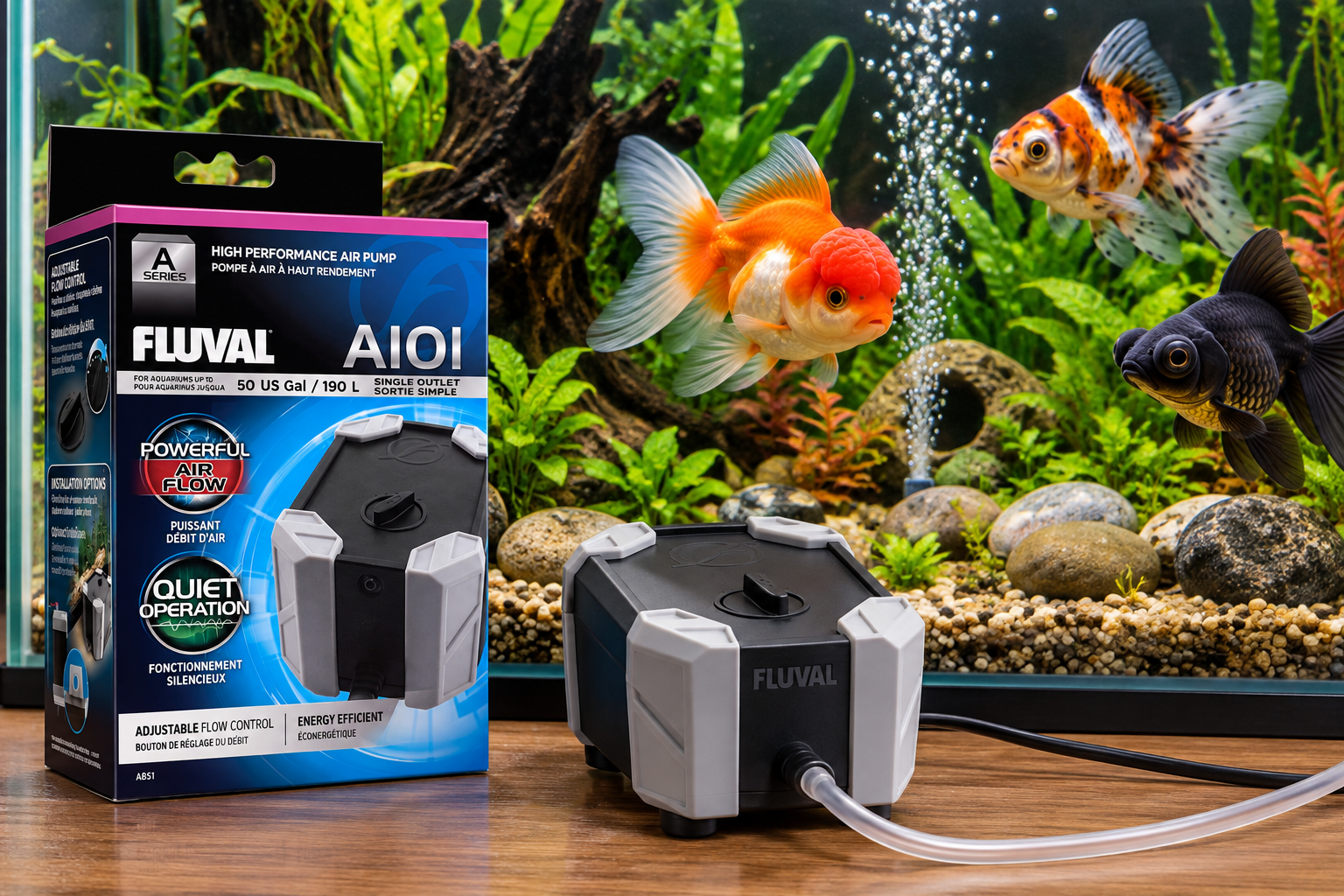
Fluval
Fluval Aquarium Air Pumps
Best for: Air stones, sponge filters and air-driven undergravel filters
As an Amazon Associate, we earn from qualifying purchases.
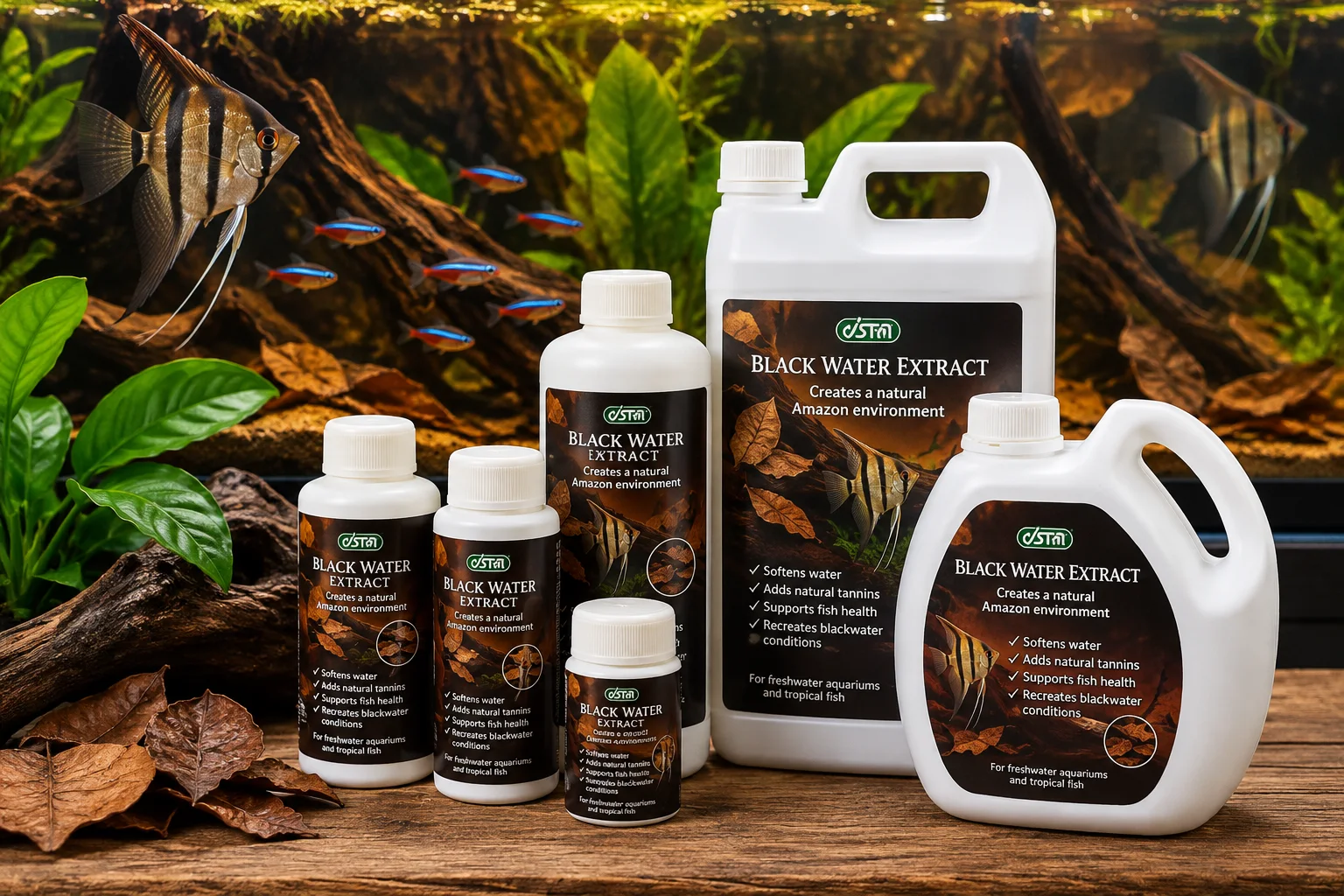
ISTA
Black Water Extract Peat Conditioner
Best for: Amazon biotopes, blackwater aquariums, discus, tetras and South American setups
As an Amazon Associate, we earn from qualifying purchases.
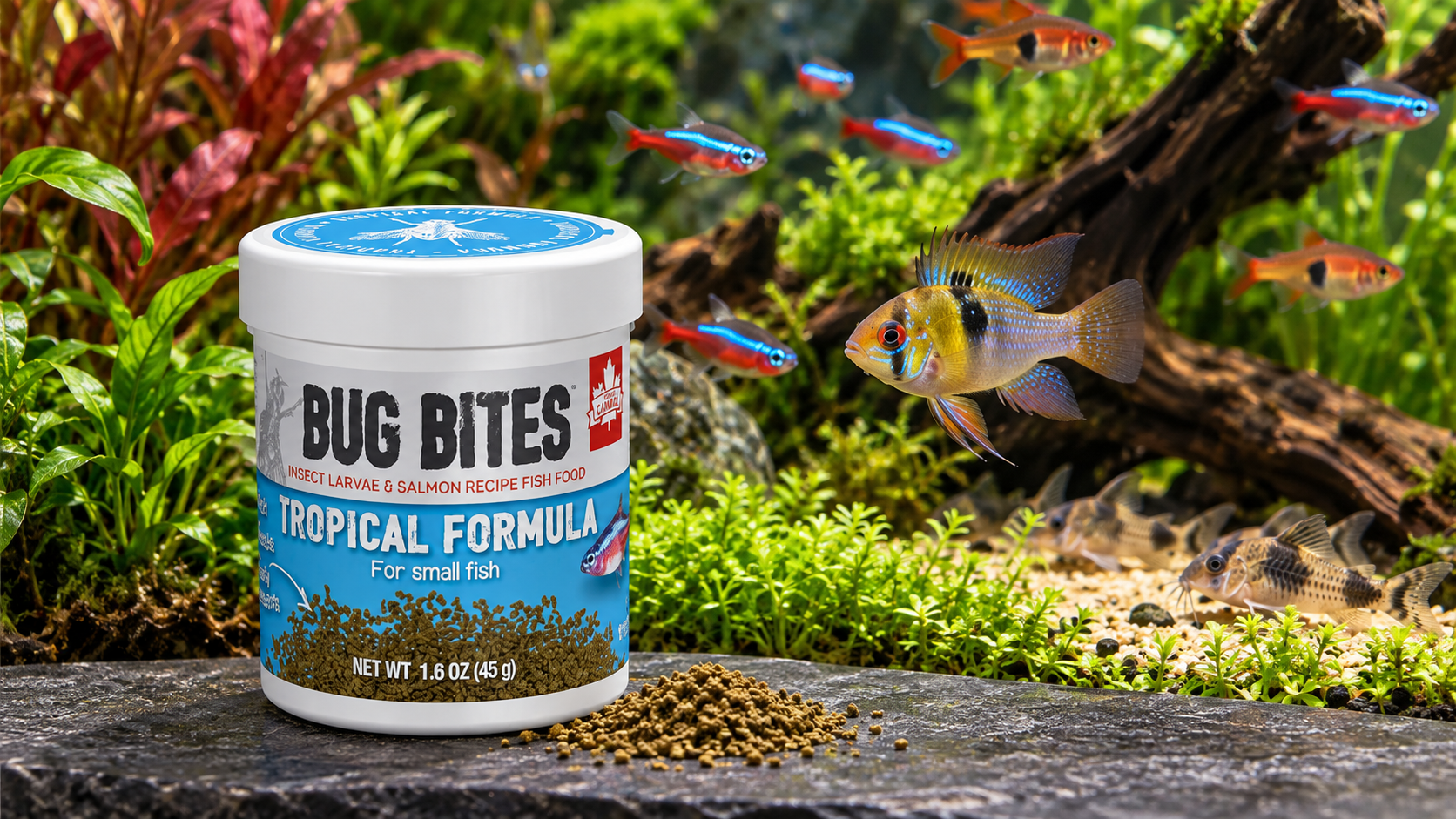
Fluval
Fluval Bug Bites Tropical Formula for small fish
Best for: Small tropical fish and dwarf cichlids
As an Amazon Associate, we earn from qualifying purchases.
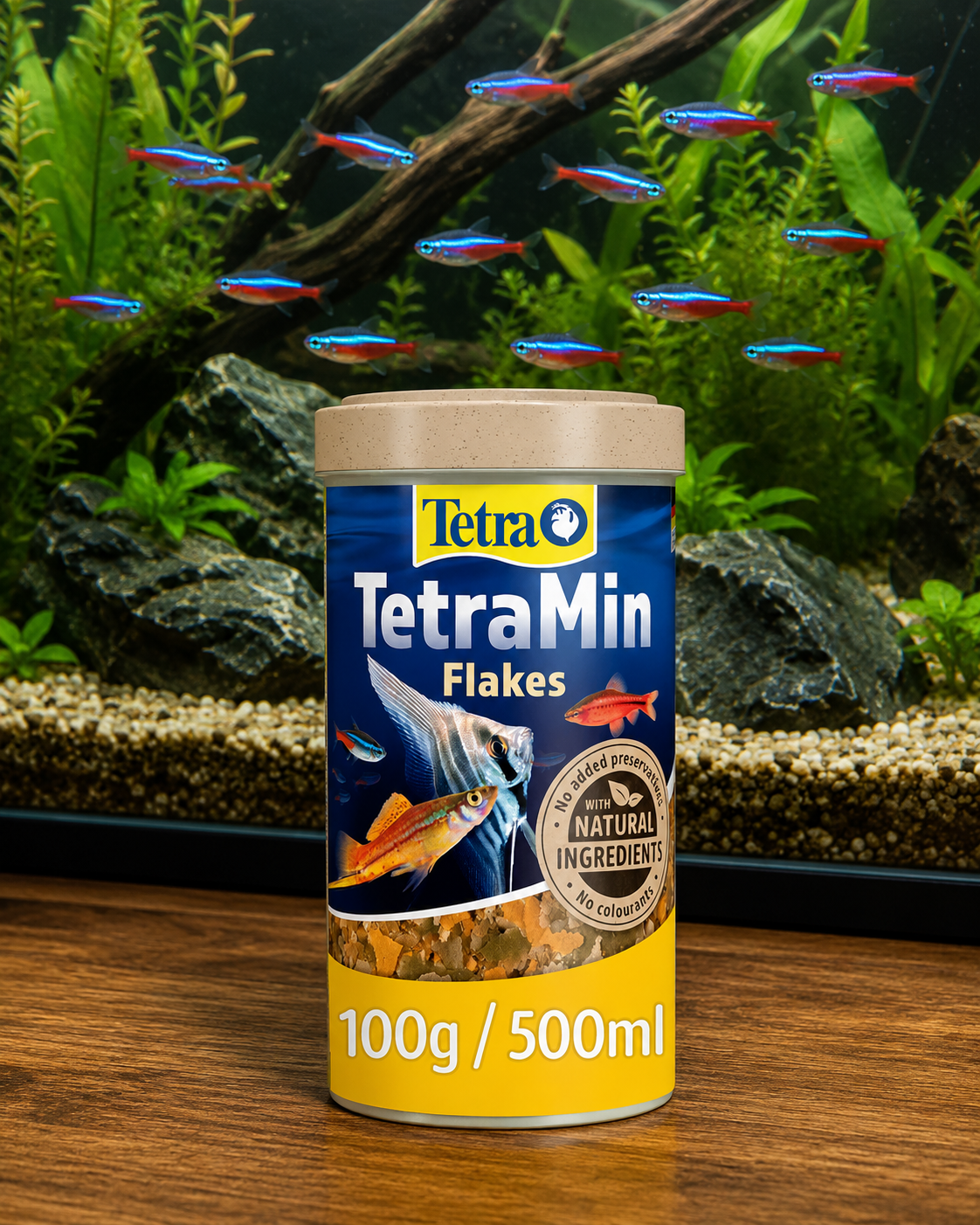
Tetra
Tetra Min Tropical Flake Food 500ml
Best for: Everyday feeding of tropical community fish
As an Amazon Associate, we earn from qualifying purchases.
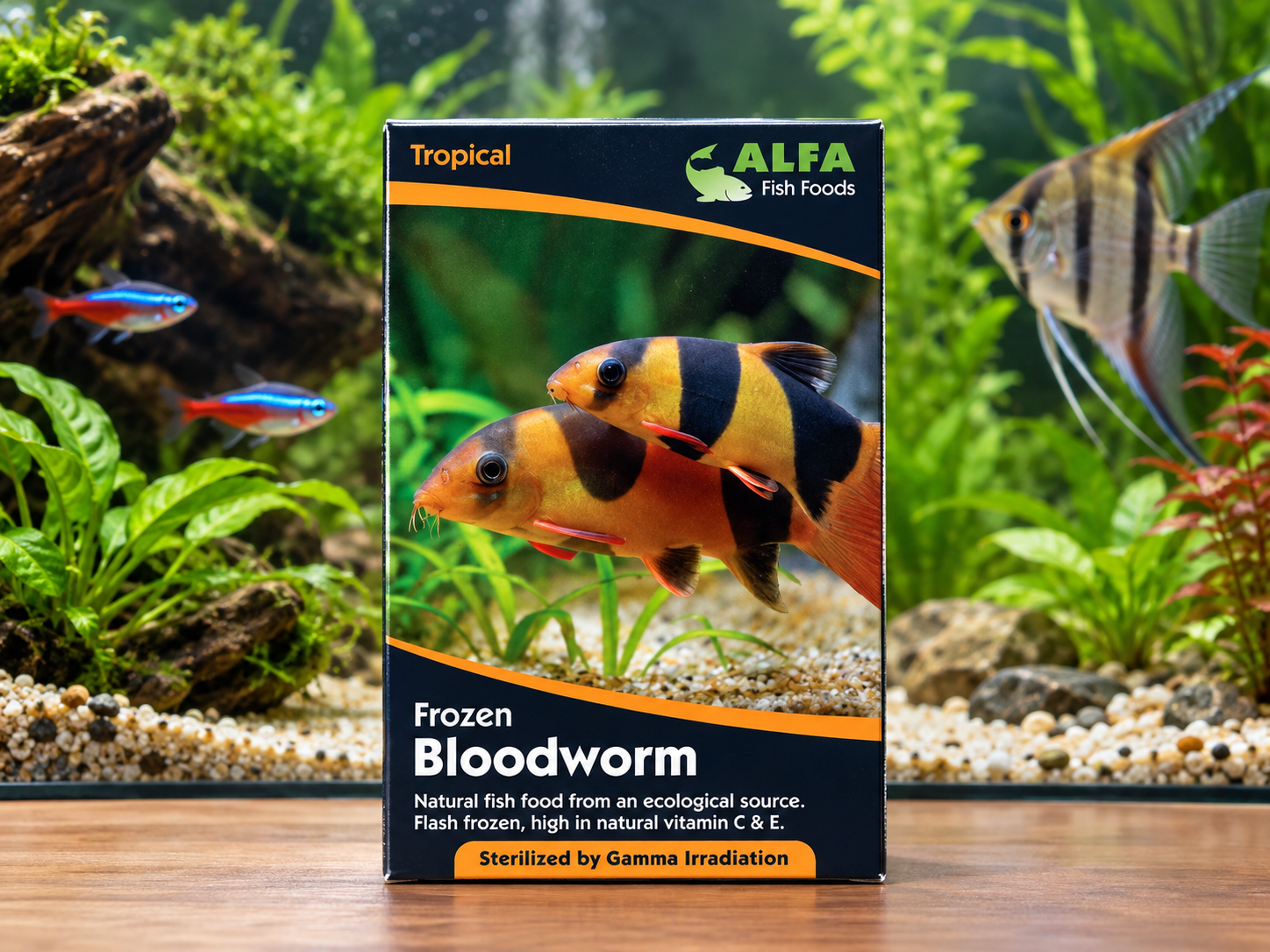
ALFA
Frozen Bloodworm Fish Food 10 Pack
Best for: Adding variety to tropical and coldwater fish diets
As an Amazon Associate, we earn from qualifying purchases.
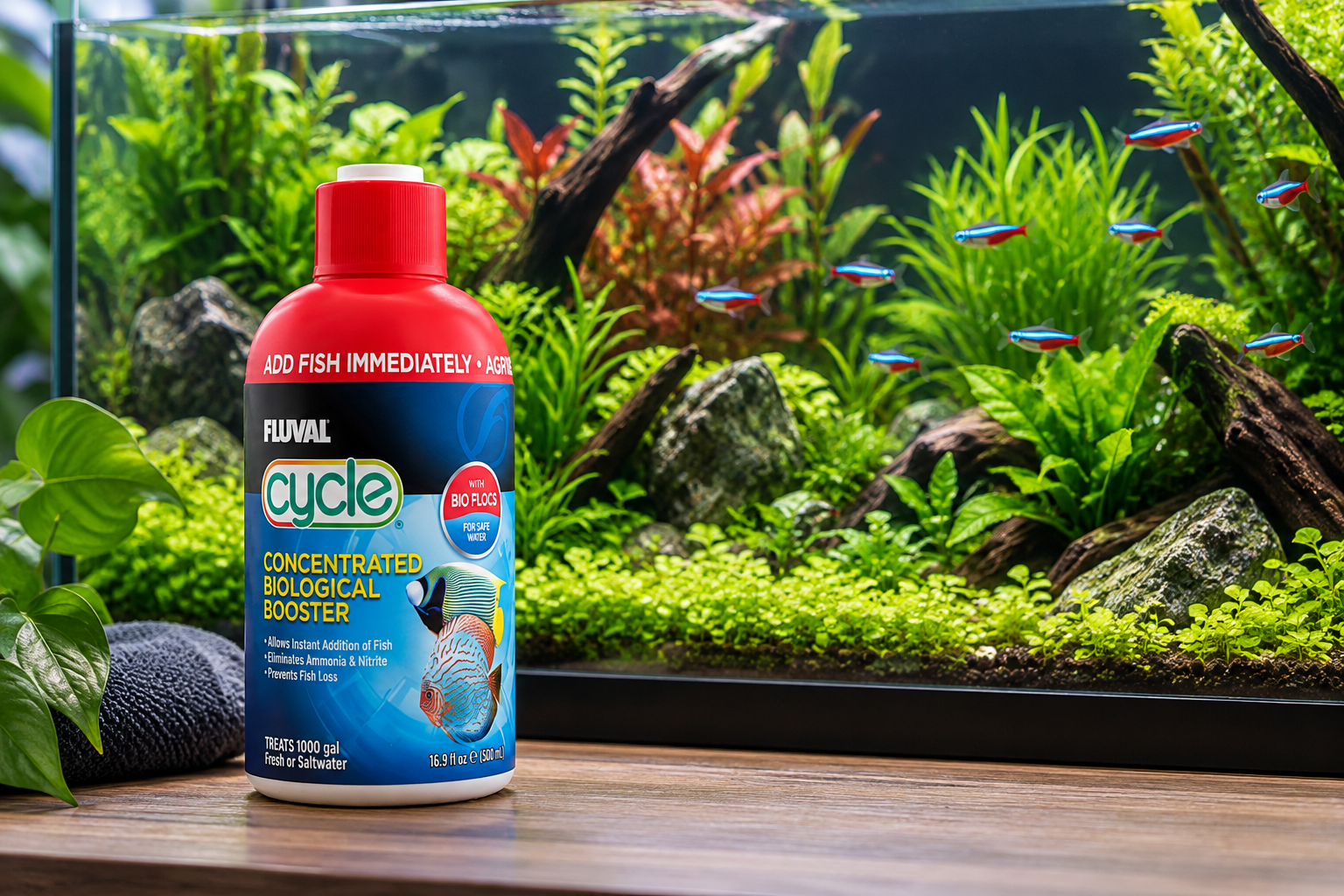
Fluval
Fluval Cycle
Best for: Supporting biological filtration after filter cleaning or disruption
As an Amazon Associate, we earn from qualifying purchases.
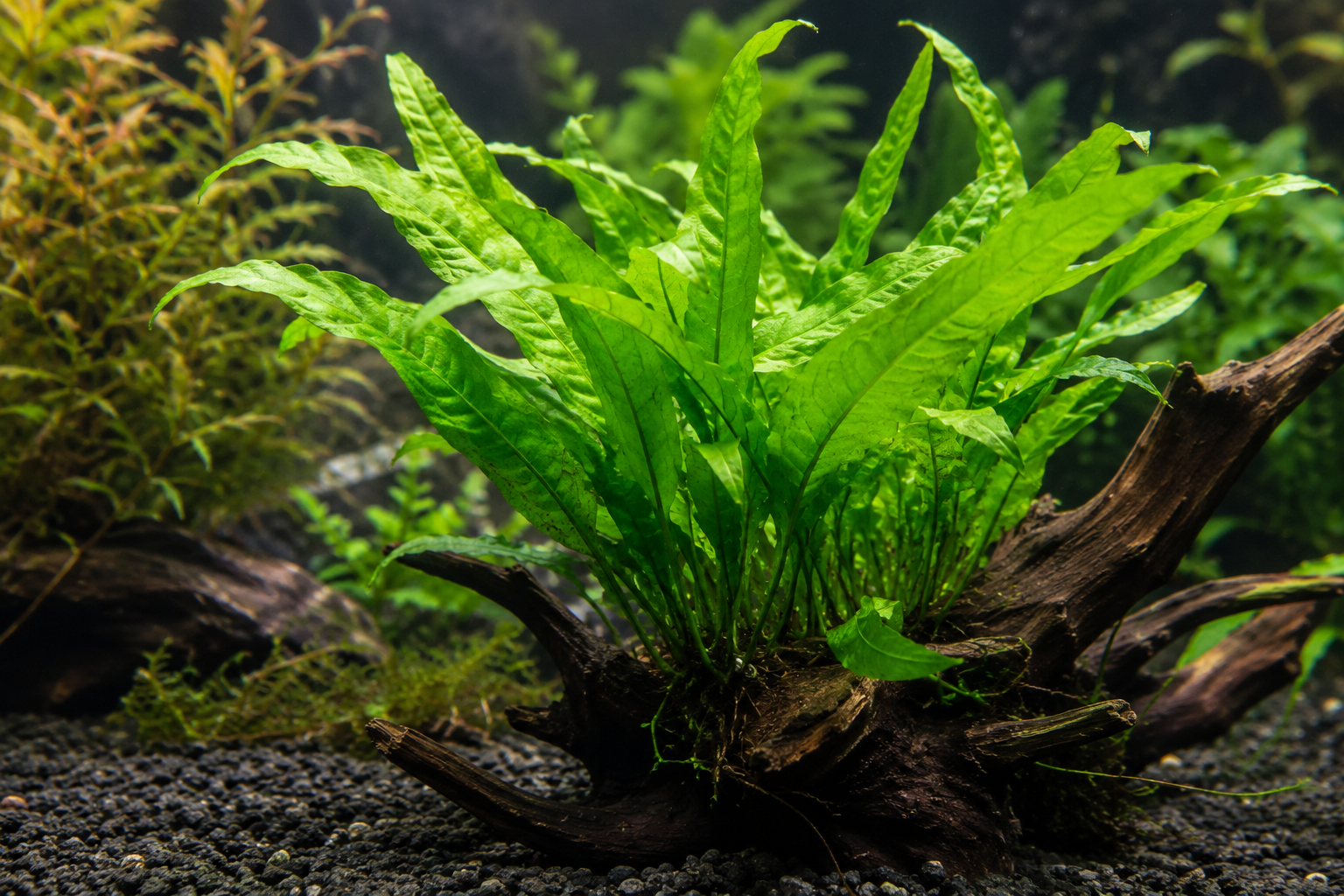
Java Fern
Best for: Beginners, low-tech aquariums and attaching to rocks or driftwood
As an Amazon Associate, we earn from qualifying purchases.
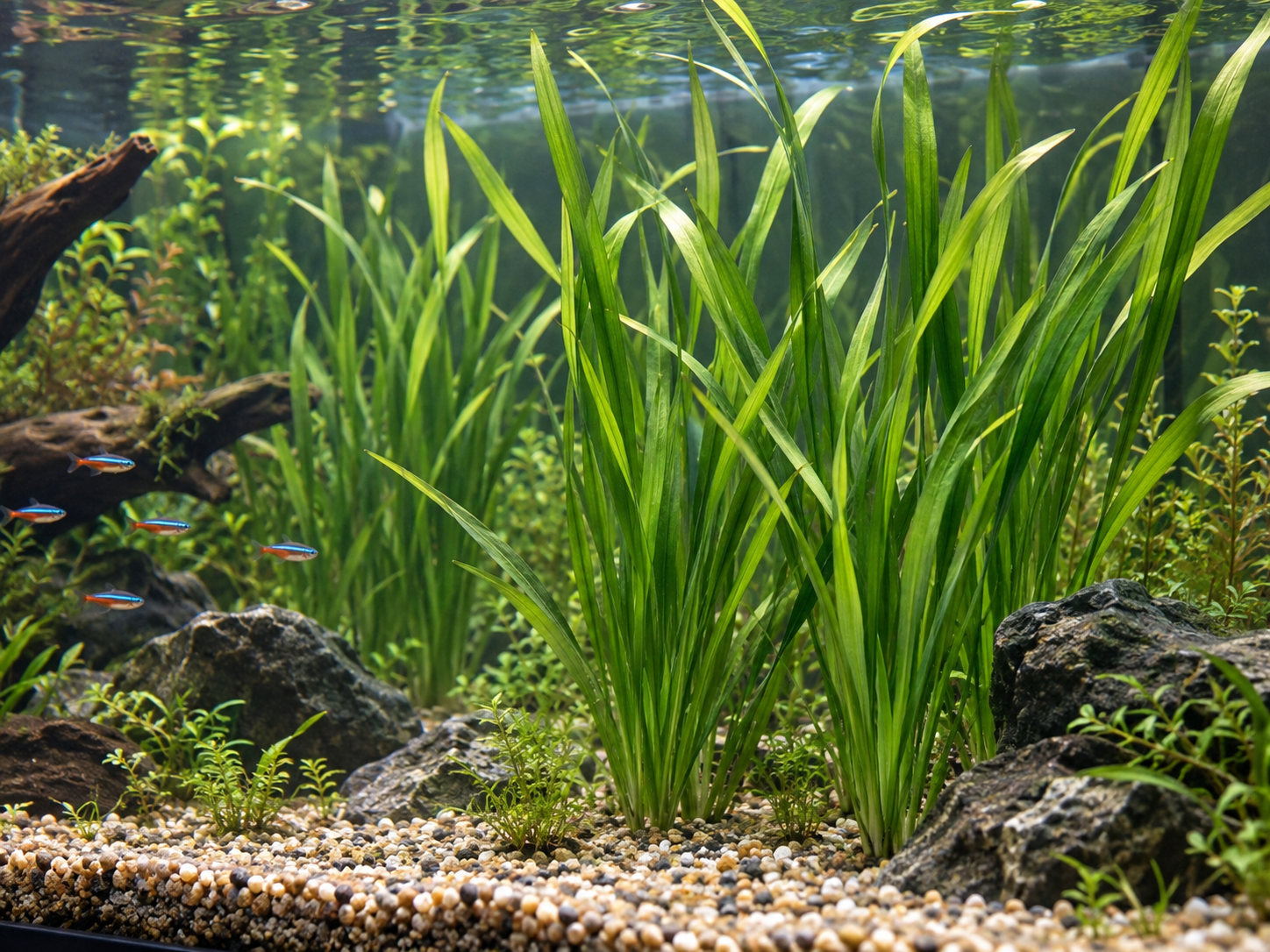
Vallisneria Americana
Best for: Easy background planting in freshwater aquariums
As an Amazon Associate, we earn from qualifying purchases.
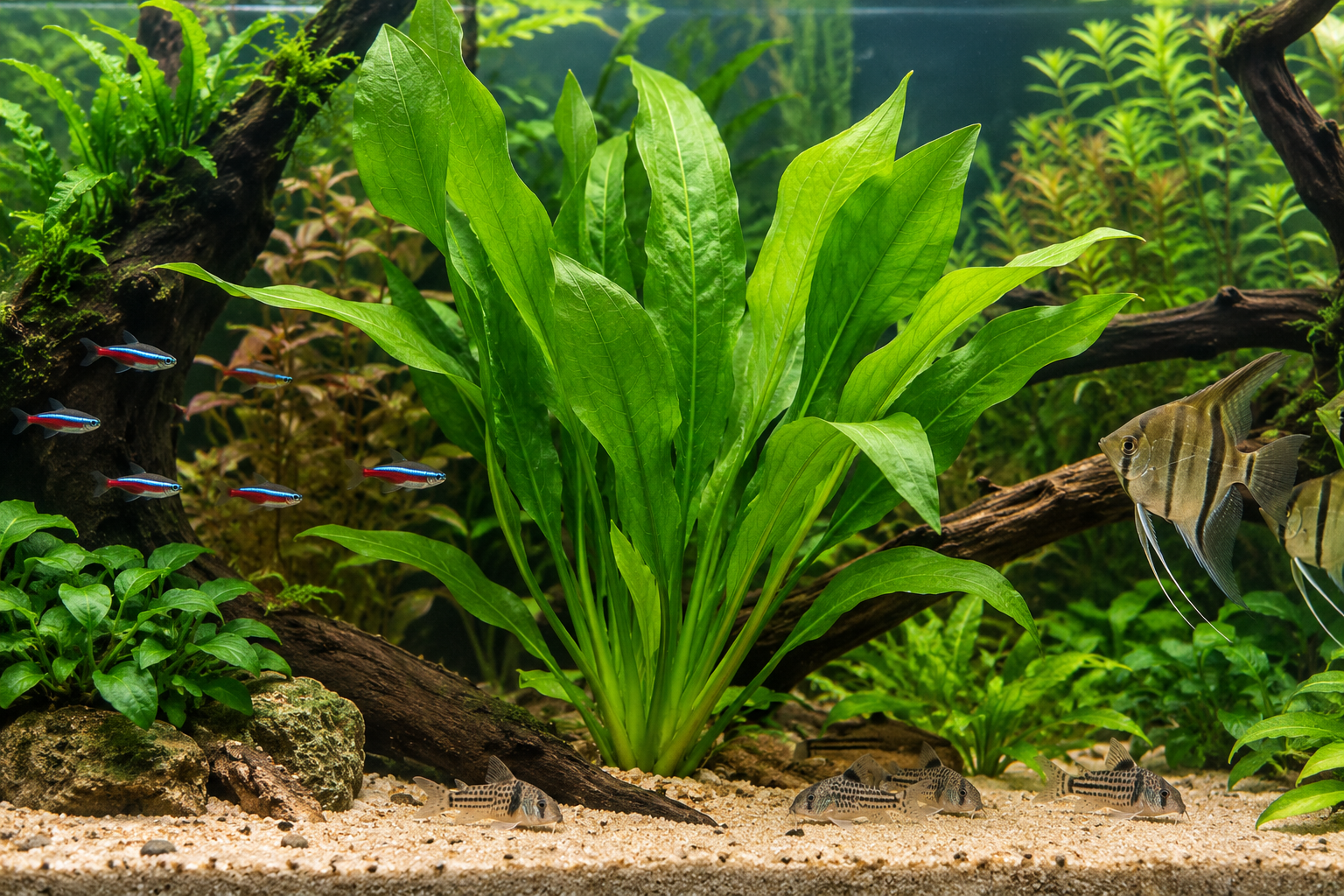
Echinodorus Bleheri - Amazon Sword
Best for: Amazon biotopes, tropical community aquariums and larger planted tanks
As an Amazon Associate, we earn from qualifying purchases.