Neon Dwarf Rainbowfish: A Complete Care Guide
Working in aquatics since 1997 and founder of Aquatic Specialist in 2003, Richard specialises in reef aquariums and pond maintenance and has lectured at Sparsholt College. Read Richard's profile.
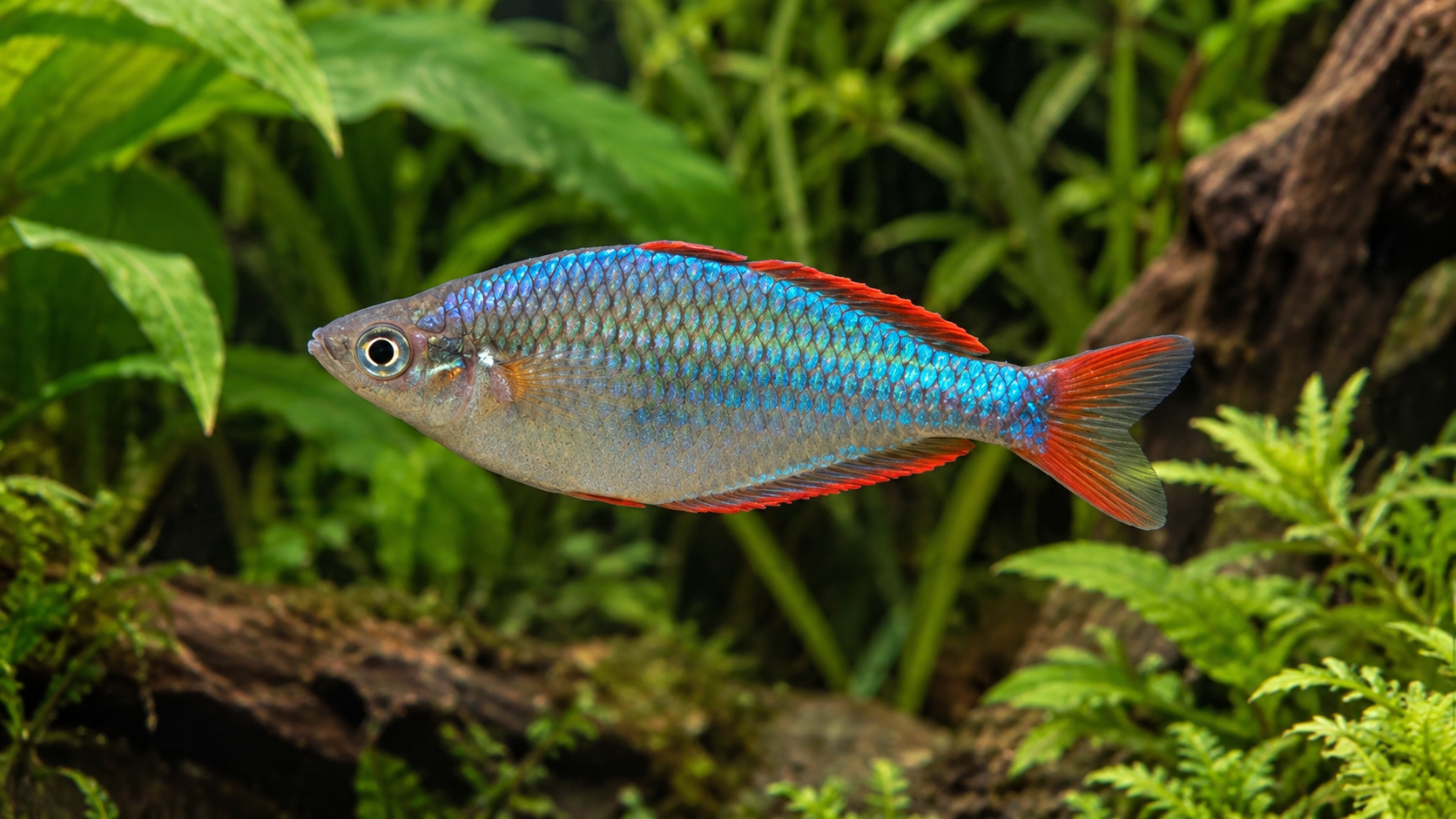
The Neon Dwarf Rainbowfish (Melanotaenia praecox) is a colourful, active freshwater fish with metallic blue scales and bright fins. This complete care guide covers everything needed to keep a healthy group successfully.
The Neon Dwarf Rainbowfish, Melanotaenia praecox, is one of the most attractive smaller rainbowfish available to freshwater aquarists. With its metallic blue body, contrasting red or orange fins and constantly active behaviour, it can bring a great deal of colour and movement to a planted community aquarium.
Sometimes called the Dwarf Neon Rainbowfish, this species offers much of the appeal of larger rainbowfish without requiring quite as much space. However, the word “dwarf” can be slightly misleading. These are still energetic schooling fish that need room to swim and should not be treated as nano aquarium inhabitants.
When kept in suitable conditions, a group of Neon Dwarf Rainbowfish can become the main attraction in an aquarium. Their reflective scales catch the light as they move, and mature males can become particularly impressive when displaying to females or competing with other males.
This is a fish that I absolutely love. I think that they look stunning in a planted aquarium. I have kept, bred and supplied these beautiful fish to clients. I have written a book on the subject which is available on Kindle, you can find more details on our books page.
Where Do Neon Dwarf Rainbowfish Come From?
The Neon Dwarf Rainbowfish originates from New Guinea, where it is associated with the Mamberamo River system in the Indonesian province of Papua. Its natural distribution is relatively restricted compared with many common aquarium species.
In the wild, these fish occur in freshwater streams and tributaries surrounded by vegetation. This background makes them particularly well suited to planted aquariums, although they still need plenty of open swimming space.
A good aquarium for Neon Dwarf Rainbowfish should therefore combine areas of dense planting with clear stretches of water. Plants around the back and sides of the tank can provide security while leaving the middle of the aquarium open for swimming.
What Do Neon Dwarf Rainbowfish Look Like?
The main attraction of Melanotaenia praecox is its colour.
The body develops a highly reflective metallic blue or turquoise appearance. Depending on the aquarium lighting and the angle at which the fish is viewed, the colour can change from pale silver-blue to an intense electric blue.
Adult males usually develop stronger colour than females. Their fins are commonly bright red or orange, creating a noticeable contrast with the blue body. Females tend to have a slightly more subdued appearance, and their fins are often more yellow or orange.
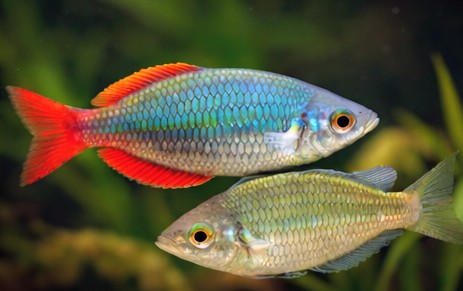
As with many rainbowfish, young specimens in aquarium shops can look quite ordinary. Their full colours develop as they mature and settle into suitable conditions.
Adults usually reach around 6 to 8 cm in length. Their bodies are deeper than those of many similarly sized schooling fish, giving mature individuals a compact but substantial appearance.
Aquarium Size
Although Neon Dwarf Rainbowfish are smaller than species such as Boesemani or Turquoise Rainbowfish, they are still highly active.
An aquarium around 75 to 90 cm long is a sensible starting point for a group, although a larger tank will always allow more natural swimming behaviour.
Tank length is particularly important. A tall aquarium with limited horizontal swimming space is less suitable than a longer aquarium of a similar volume.
The layout does not need to be complicated. A planted background, some wood or rocks and an open central swimming area can create an excellent environment.
A darker substrate and background can also make the metallic blue colour of the fish stand out more strongly.
Water Conditions
Neon Dwarf Rainbowfish are reasonably adaptable aquarium fish, provided water quality remains stable.
A temperature of approximately 23–27°C works well for most captive populations. They can tolerate a range of pH values, although neutral to slightly alkaline water is generally a good choice.
Extremely soft and acidic conditions are unnecessary. Moderate hardness is usually suitable, and stable conditions are more important than attempting to achieve a precise number.
Good filtration is important because these fish are constantly active and are usually kept in groups. They also feed enthusiastically and can produce a reasonable amount of waste.
Regular partial water changes help maintain the clean conditions rainbowfish prefer. Allowing nitrate and other waste products to build up can gradually reduce colour, activity and overall condition.
Good surface movement is also beneficial because it helps maintain oxygen levels.
Keeping Neon Dwarf Rainbowfish in Groups
Neon Dwarf Rainbowfish are social fish and should not be kept individually.
A group of at least six is a reasonable minimum, but eight or more usually produces a much better display. Larger groups encourage more natural behaviour and help the fish feel secure.
Keeping several males together can actually improve their appearance. Males frequently display towards one another by intensifying their colours and extending their fins.
This behaviour can look dramatic, but serious aggression is uncommon when the aquarium is large enough and there are plenty of fish in the group.
A mixed group containing both males and females generally works particularly well.
Feeding Neon Dwarf Rainbowfish
Feeding Neon Dwarf Rainbowfish is straightforward because they readily accept most common aquarium foods.
A good-quality flake, small pellet or granules can form the basis of the diet. However, relying on one dried food alone is unlikely to produce the healthiest or most colourful fish.
Frozen foods such as daphnia, brine shrimp and bloodworm can be offered regularly. Live foods can also be useful and encourage natural feeding behaviour.
A varied diet is particularly helpful when attempting to bring mature fish into breeding condition.
Because Neon Dwarf Rainbowfish are quick and enthusiastic feeders, keep an eye on slower tank mates. They can consume a large proportion of the food before more cautious species have had a chance to feed.
It is generally better to feed moderate amounts rather than allowing large quantities of uneaten food to reach the substrate.
Suitable Tank Mates
Neon Dwarf Rainbowfish are peaceful and work well in many community aquariums.
Other peaceful rainbowfish can make excellent companions, particularly species that appreciate similar water conditions. Peaceful barbs, larger tetras, Corydoras and many smaller catfish can also work well.
Tank mates should ideally be active enough to cope with the constant movement of the rainbowfish.
Very shy or slow-moving fish may find a large group of Neon Dwarf Rainbowfish overwhelming, even though the rainbowfish are not deliberately aggressive.
Extremely small fish should also be chosen carefully. Although Neon Dwarf Rainbowfish are peaceful, adult fish may eat very small fry or anything tiny enough to be considered food.
Plants and Aquarium Layout
A planted aquarium is one of the best ways to display Neon Dwarf Rainbowfish.
Tall plants such as Vallisneria Americana can be placed along the rear of the aquarium, while Cryptocoryne wendtii Green, Java Fern, Anubias Nana and other hardy species can provide additional cover around the sides.
The important point is not to fill every part of the aquarium.
These fish need clear water in which they can swim as a group. An aquarium packed from front to back with plants may look attractive but can restrict their natural movement.
Floating plants can be used in moderation. Areas of shade can help the fish feel secure, while brighter open sections allow their metallic scales to catch the light.
Breeding Neon Dwarf Rainbowfish
Neon Dwarf Rainbowfish can be bred successfully in captivity. Like many rainbowfish, they scatter adhesive eggs amongst fine-leaved plants or spawning mops (see image below). Spawning may take place repeatedly rather than as one single event.
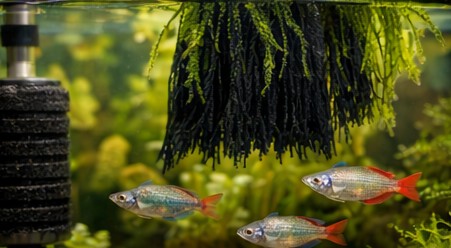
A mature male will display to females, often showing considerably stronger coloration during courtship.
The adults do not guard their eggs and may eat them if given the opportunity. Breeders therefore often use removable spawning mops and transfer these to a separate rearing aquarium.
The fry are very small when they first become free swimming and initially require appropriately tiny foods. Infusoria, micro worms or specialist fry foods can be used before gradually moving them onto newly hatched brine shrimp and other larger foods as they grow. We have a full article on how to grow your own micro worms here.
Raising them requires more attention than simply keeping adult fish, but watching young rainbowfish gradually develop their adult metallic colour can be very rewarding.
Common Problems
Neon Dwarf Rainbowfish are generally hardy when maintained in clean, stable conditions.
Problems are more likely when they are kept in cramped aquariums, poor water quality or unsuitable groups. A fish kept alone may become nervous and fail to display the behaviour normally associated with the species.
Poor water quality can also result in faded colour, clamped fins and increased susceptibility to disease.
When purchasing Neon Dwarf Rainbowfish, look for active fish with clear eyes, intact fins and a well-filled body. Avoid fish that remain isolated from the group or show unusually rapid breathing.
Quarantining new fish before adding them to an established aquarium is always a sensible precaution.
Are Neon Dwarf Rainbowfish Good Community Fish?
For the right aquarium, they are excellent community fish.
They are colourful without being aggressive, active without becoming especially destructive and small enough to fit into aquariums that would be unsuitable for larger rainbowfish.
Their main requirements are simply enough swimming space, clean water, a suitable group and a varied diet.
They are particularly effective in planted display aquariums where their metallic blue colour contrasts with green and red plants.
A Small Rainbowfish With Plenty of Colour
The Neon Dwarf Rainbowfish is a good example of why rainbowfish deserve more attention in the freshwater aquarium hobby.
A young fish may not initially appear particularly remarkable, but a mature group kept in good conditions is completely different. Their blue scales can appear almost luminous under aquarium lighting, while the red and orange fins of mature males add another layer of colour.
They are also enjoyable fish to watch. A healthy group is rarely stationary, with individuals continually swimming, displaying and interacting with one another.
For aquarists wanting a colourful schooling species for a medium-sized planted aquarium, Melanotaenia praecox is well worth considering.
Provide a reasonably long aquarium, maintain good water quality, keep them in a proper group and offer a varied diet, and the Neon Dwarf Rainbowfish can provide years of colour and movement without the space requirements of the larger rainbowfish species.
Products We've Mentioned & Recommend
Below you'll find a selection of products we've mentioned in this article, along with a few others we think you might find useful. We've included Amazon links to make them easy to find.
A quick word about affiliate links...
Some of these links are affiliate links, which means we may earn a small commission from qualifying purchases, at no extra cost to you.
Unfortunately, the commission doesn't quite stretch to cocktails on a yacht or a garage full of sports cars. In reality, it helps cover the running costs of this website and, with a bit of luck, might eventually buy me a new pair of waders that don't leak!
We only recommend products we genuinely believe are worth considering, and your support helps us keep sharing free advice from our years of working with aquariums and ponds.
Thanks for supporting Aquatic Specialist!
As an Amazon Associate I earn from qualifying purchases.
Fluval
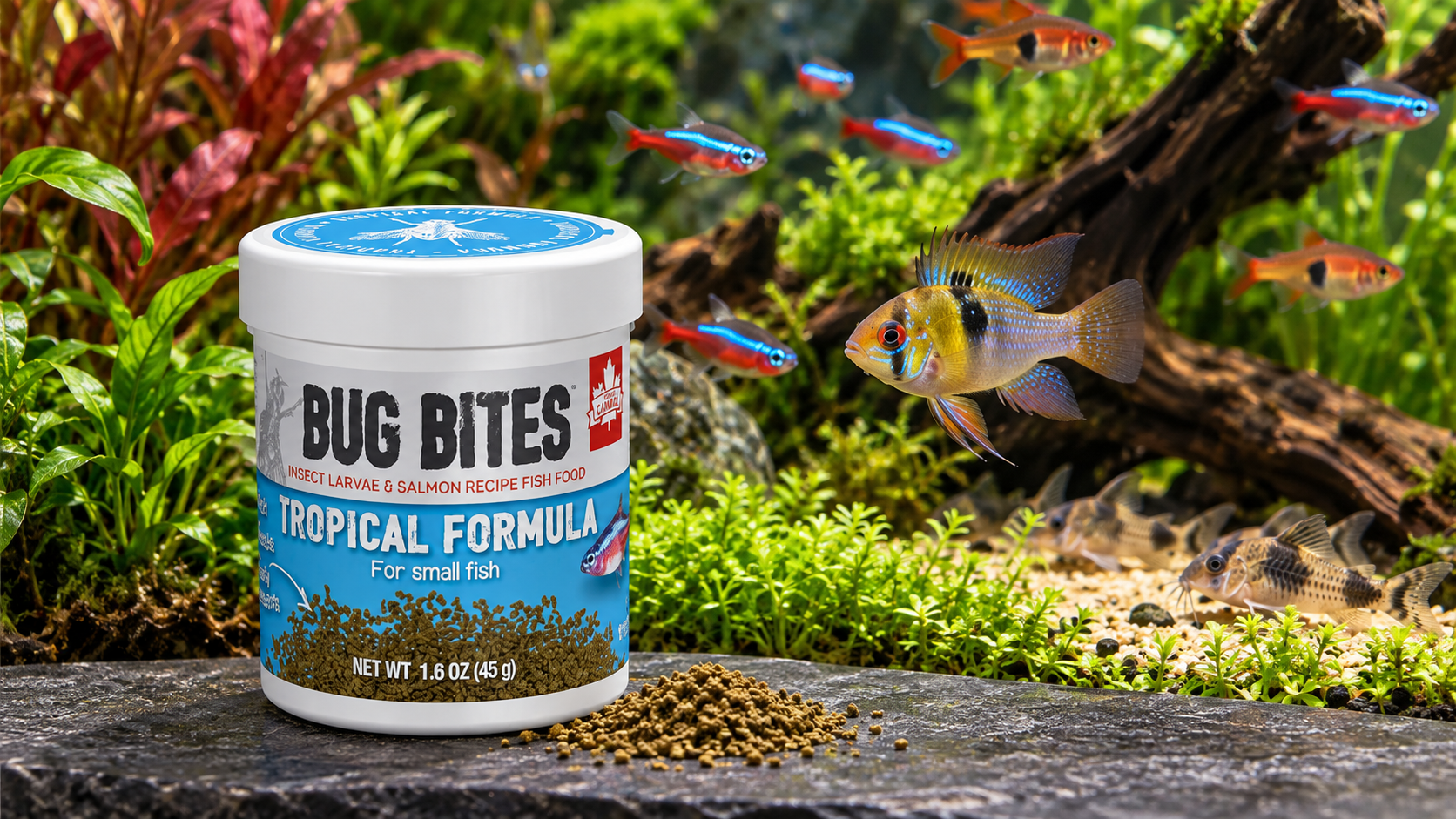
Fluval Bug Bites Tropical Formula for small fish
Best for: Small tropical fish and dwarf cichlids
As an Amazon Associate, we earn from qualifying purchases.
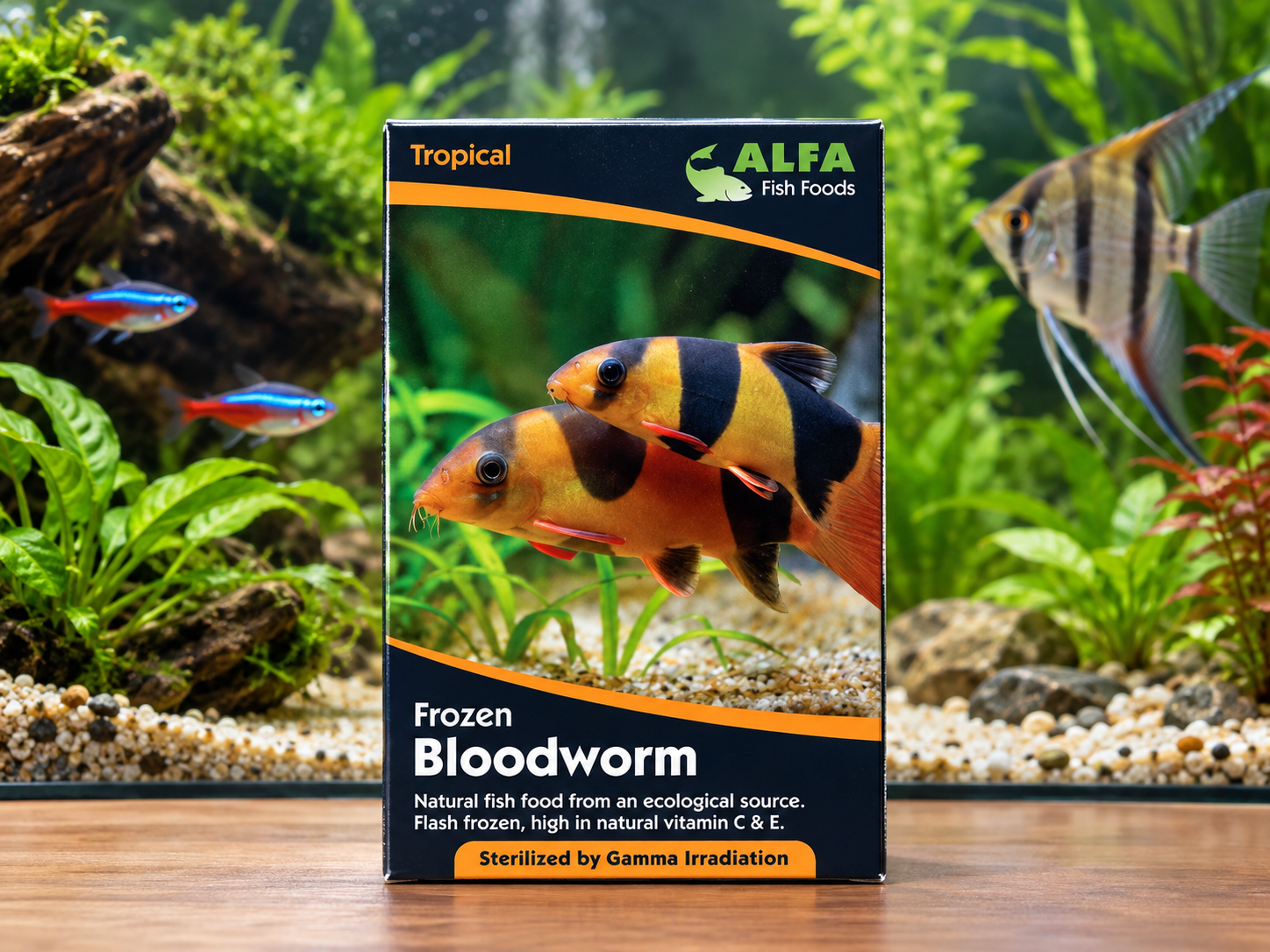
ALFA
Frozen Bloodworm Fish Food 10 Pack
Best for: Adding variety to tropical and coldwater fish diets
As an Amazon Associate, we earn from qualifying purchases.
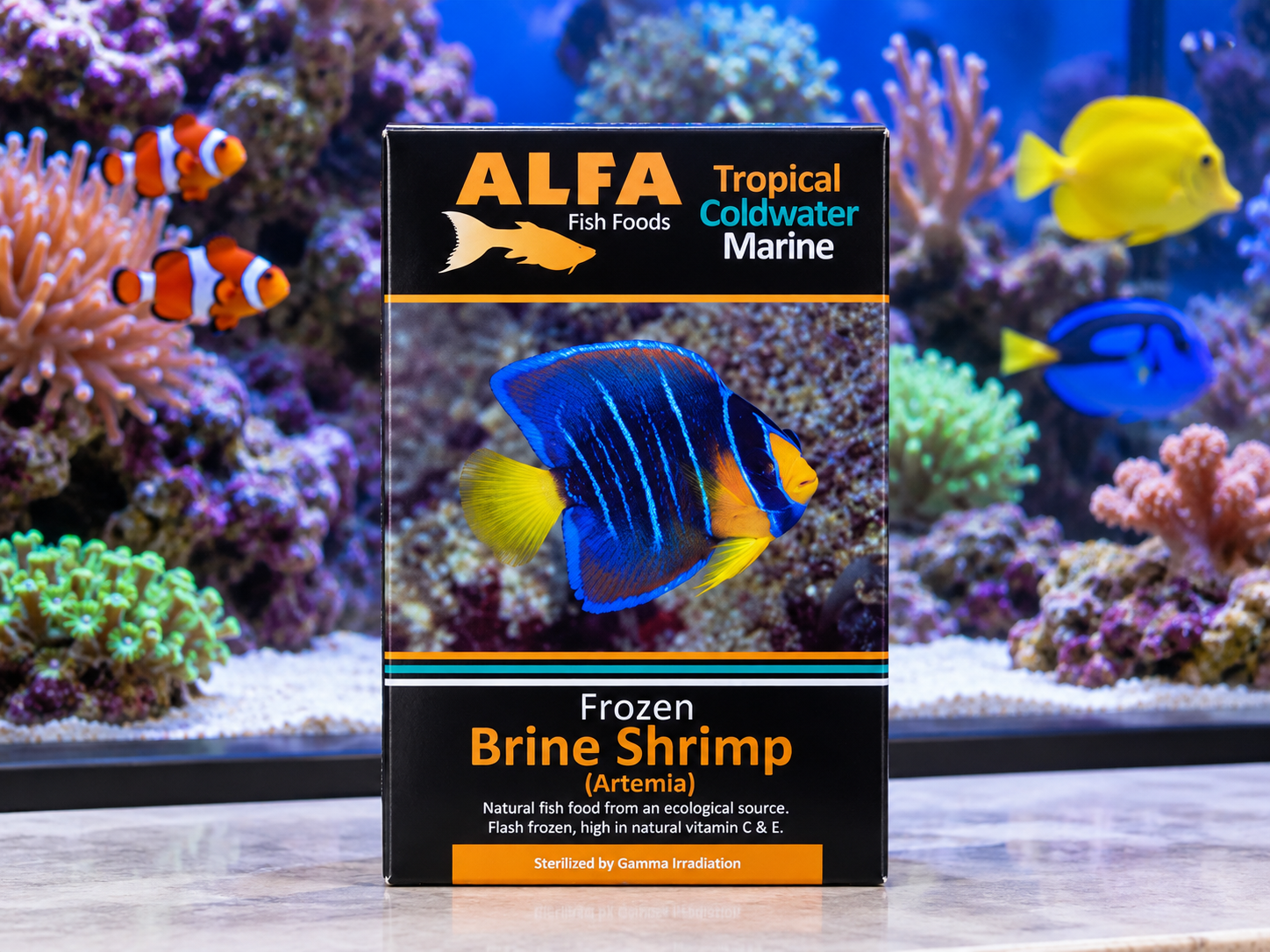
ALFA
Frozen Brine Shrimp/Artemia x5
Best for: Tropical, coldwater and marine fish needing a varied diet
As an Amazon Associate, we earn from qualifying purchases.
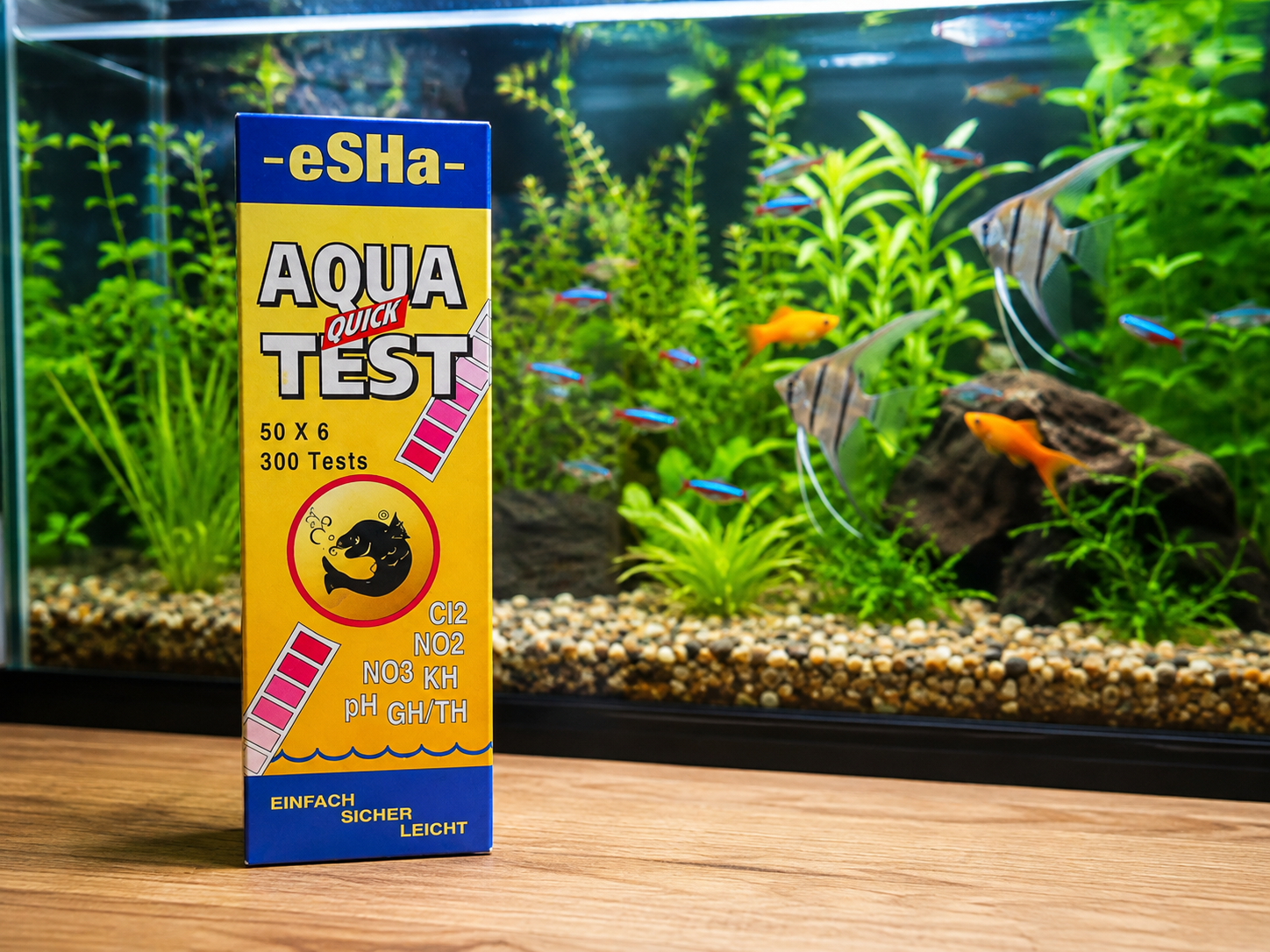
Esha
ESHA Aqua Quicktest
Best for: Fast routine water-quality checks in freshwater aquariums.
As an Amazon Associate, we earn from qualifying purchases.
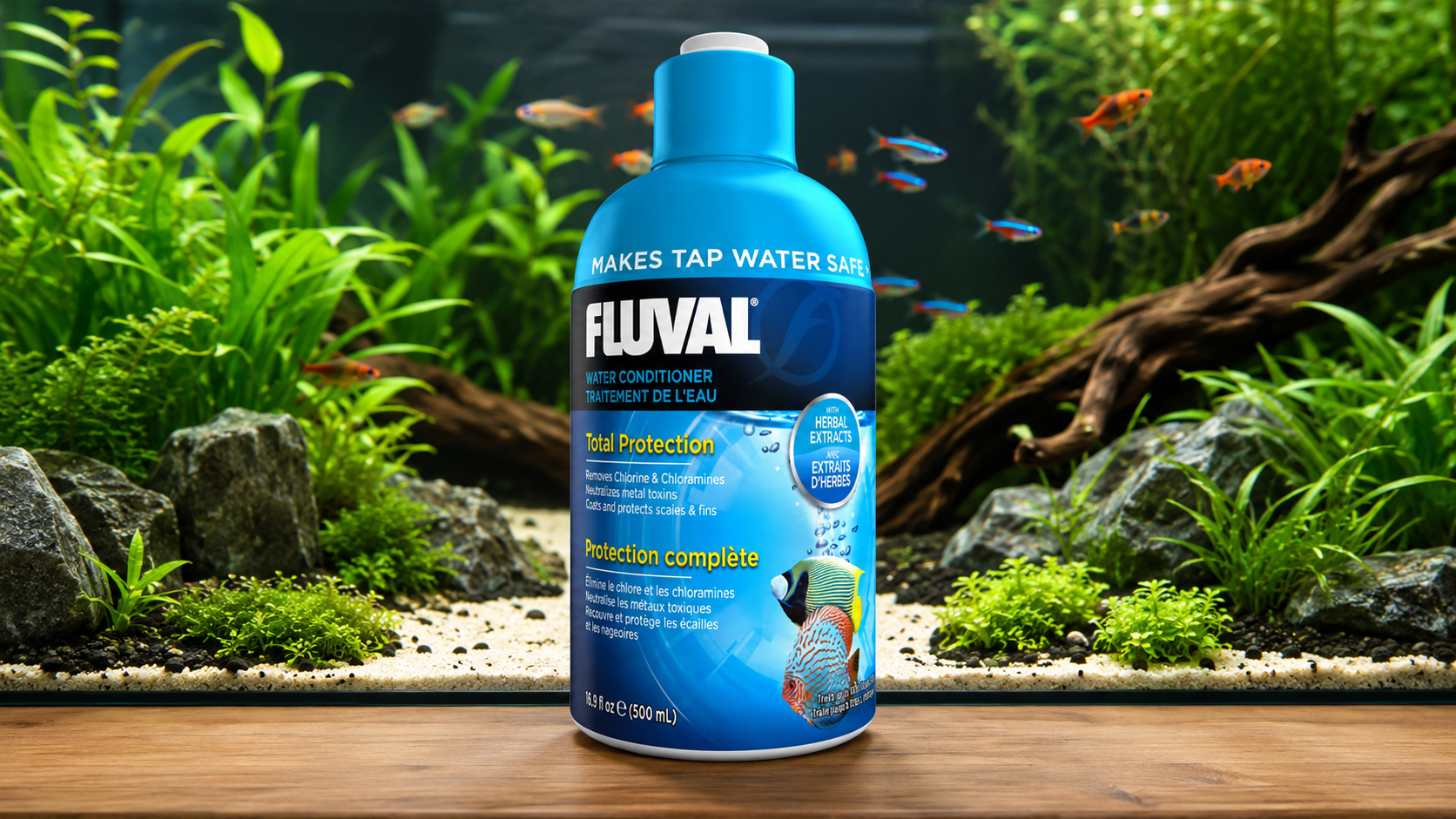
Fluval
Fluval Aqua Plus 500ml aquarium water conditioner
Best for: Routine water changes in freshwater and tropical aquariums
As an Amazon Associate, we earn from qualifying purchases.
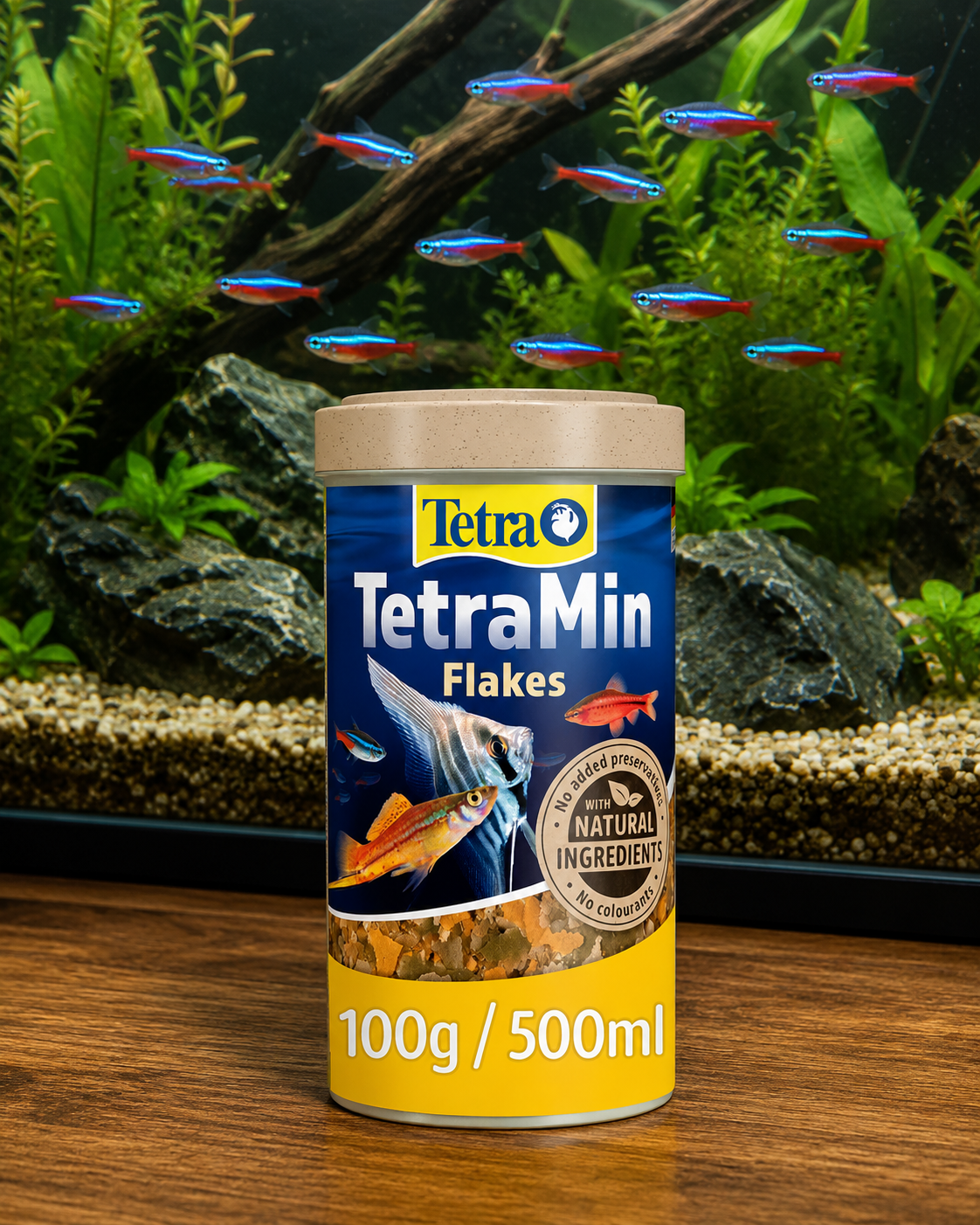
Tetra
Tetra Min Tropical Flake Food 500ml
Best for: Everyday feeding of tropical community fish
As an Amazon Associate, we earn from qualifying purchases.
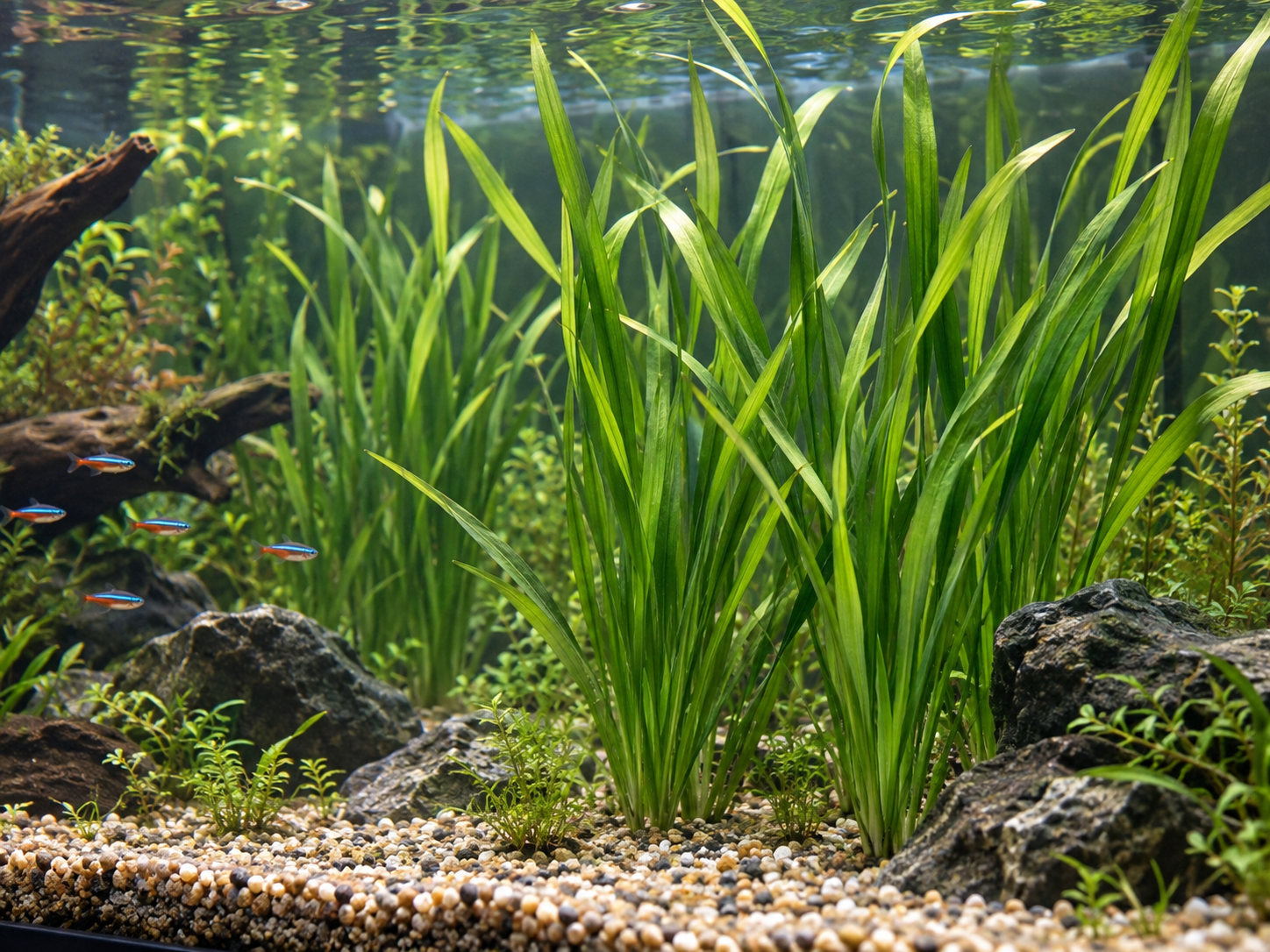
Vallisneria Americana
Best for: Easy background planting in freshwater aquariums
As an Amazon Associate, we earn from qualifying purchases.
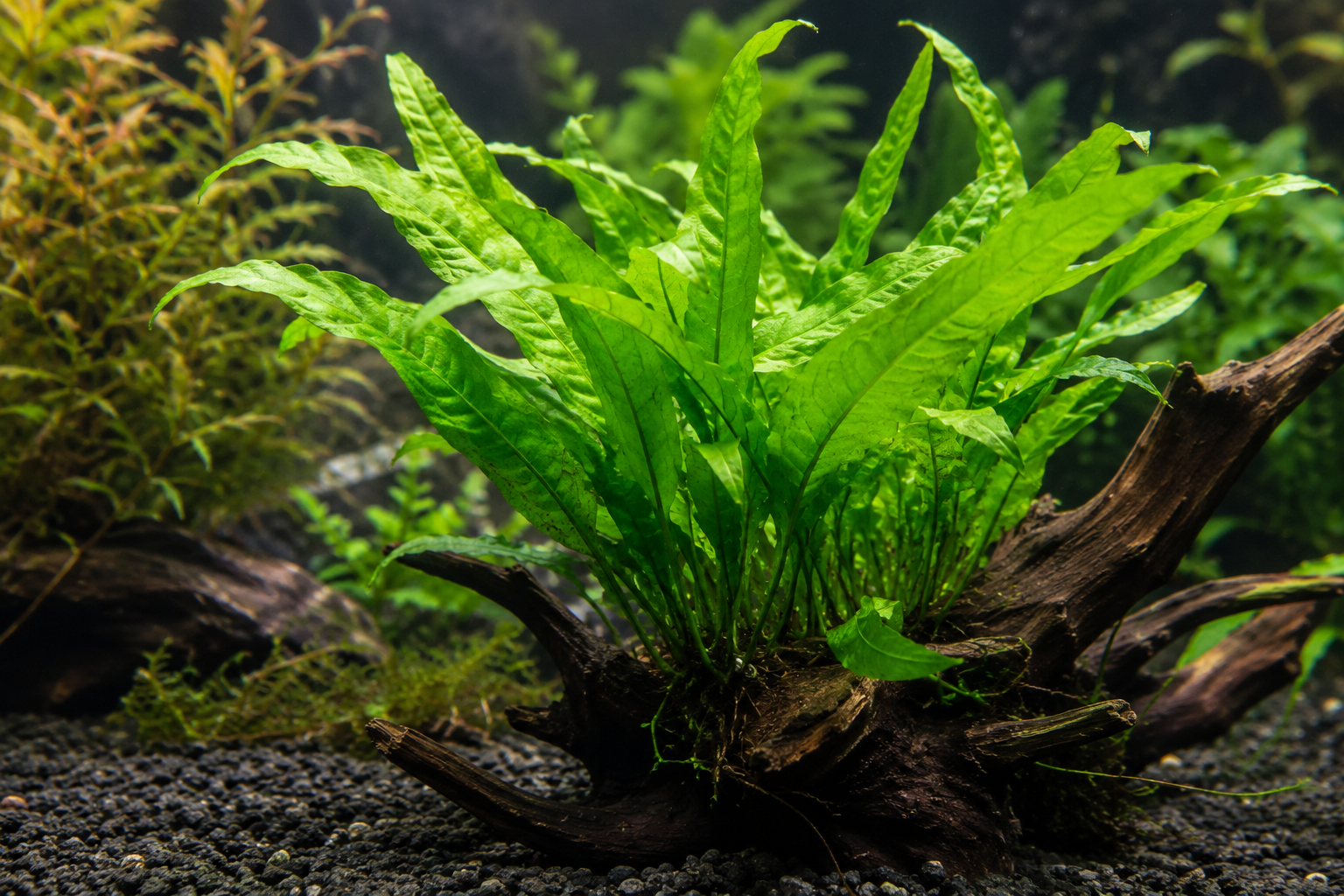
Java Fern
Best for: Beginners, low-tech aquariums and attaching to rocks or driftwood
As an Amazon Associate, we earn from qualifying purchases.
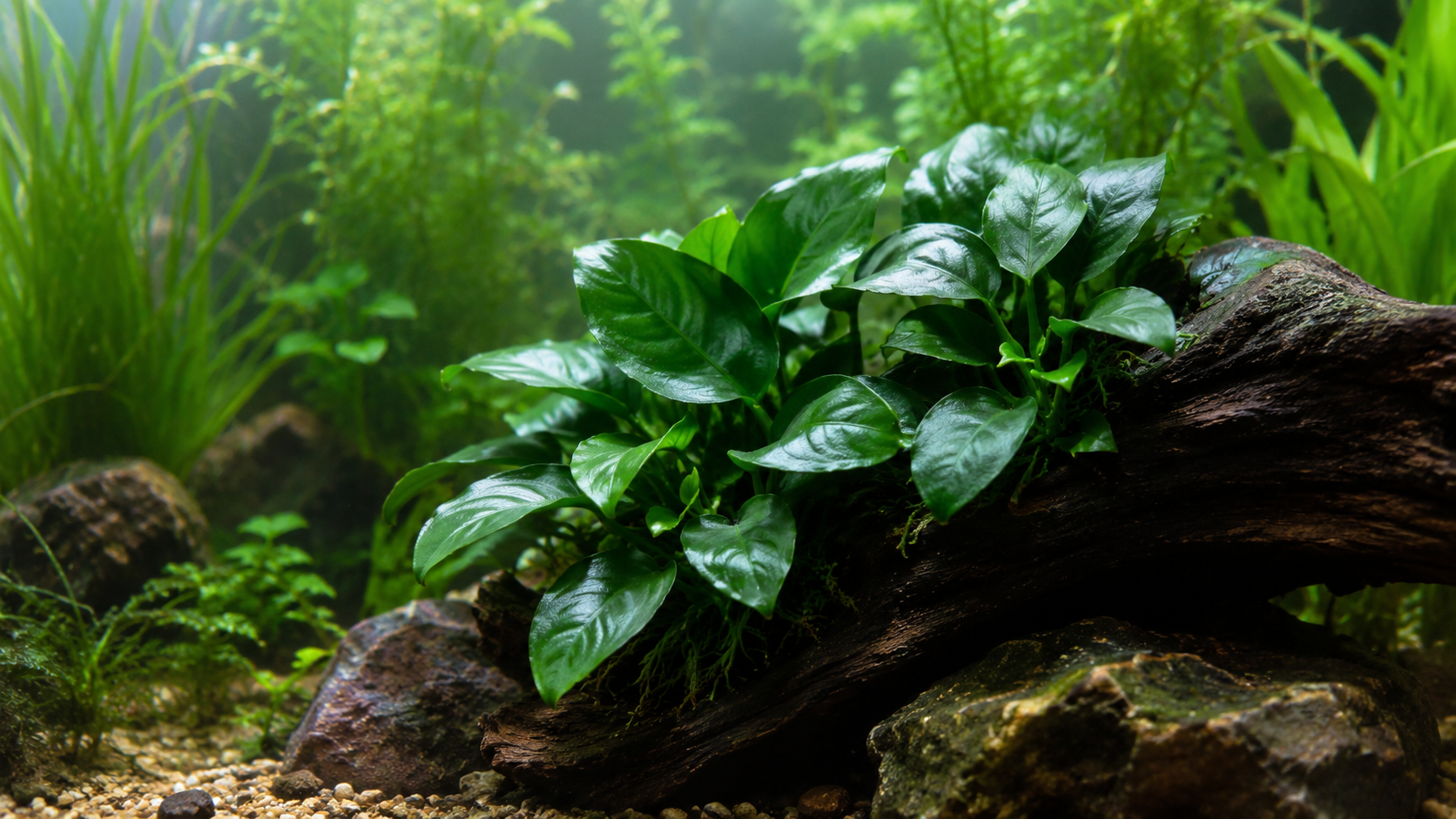
Anubias Nana
Best for: Beginners, low-light aquariums and low-tech planted tanks
As an Amazon Associate, we earn from qualifying purchases.
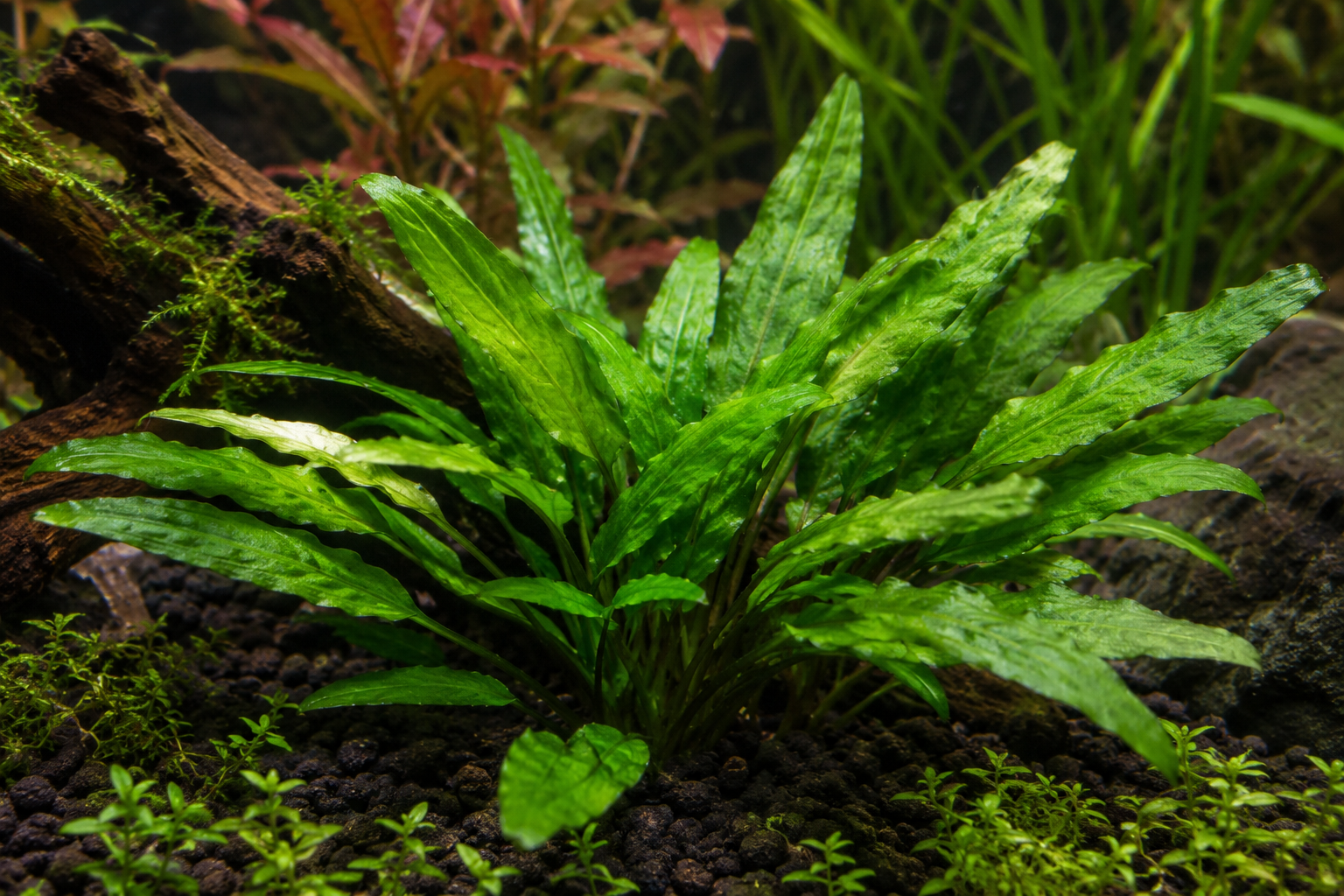
Cryptocoryne wendtii Green
Best for: Beginners, low-tech aquariums and midground planting
As an Amazon Associate, we earn from qualifying purchases.