Nature Aquarium Aquascaping: Creating a Natural Landscape Underwater
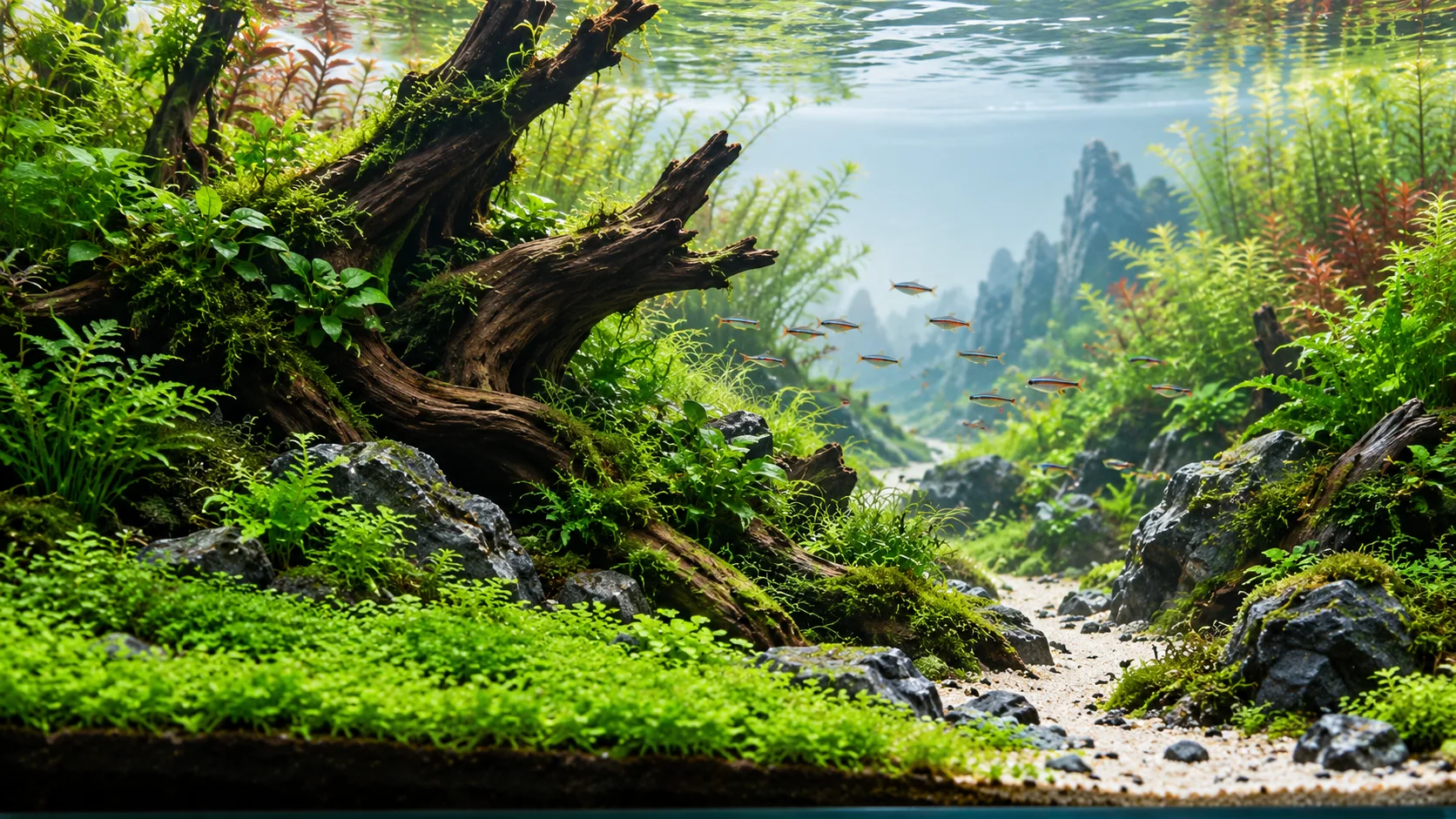
Nature Aquarium aquascaping uses plants, stone and wood to recreate the balance and atmosphere of natural landscapes underwater. This guide explains the principles behind the style, how to create depth and flow, and how to build a layout that develops naturally over time.
The Nature Aquarium is one of the most influential styles in modern aquascaping. Rather than simply arranging attractive plants, rocks and wood inside an aquarium, the aim is to create an underwater landscape that feels as though it could have developed naturally.
Forests, mountains, riverbanks, valleys and woodland paths can all provide inspiration. The finished aquarium does not necessarily attempt to reproduce one particular place. Instead, it borrows the shapes, proportions, textures and sense of balance we associate with natural landscapes.
The Nature Aquarium style was pioneered by Japanese aquascaper and photographer Takashi Amano. His approach developed around the idea of “Learn from Nature”, using his observations and photography of natural environments as inspiration for planted aquarium layouts. Aqua Design Amano describes the style as incorporating elements of natural ecosystems into aquatic plant layouts rather than simply decorating an aquarium.
Today, that philosophy continues to influence planted aquariums around the world.
What is a Nature Aquarium?
A Nature Aquarium usually combines aquatic plants with natural hardscape materials such as stone and driftwood. However, what distinguishes the style is the way those materials are composed.
A pile of attractive rocks does not automatically create a natural aquascape. The position, orientation and relative size of every piece needs to work with the rest of the aquarium.
Look at a rocky hillside, for example, and the stones are rarely positioned completely independently. Geological forces tend to create common angles, weathering and patterns. Similarly, fallen branches in woodland usually follow some form of visual direction rather than pointing randomly in every direction.
A good Nature Aquarium attempts to reproduce these relationships.
This is one reason the best examples can initially look deceptively simple. There may only be a few significant pieces of wood or stone, yet considerable thought has gone into exactly where they are positioned.
Nature rather than symmetry
Nature Aquariums are rarely perfectly symmetrical. Placing one large rock directly in the middle of an aquarium, with identical planting on either side, tends to make the layout feel artificial. Natural landscapes normally contain irregularity.
The main focal point may therefore sit slightly to the left or right of centre. A group of rocks might gradually become smaller as it moves across the aquarium, while an area of open substrate provides contrast on the opposite side.
This asymmetry gives the eye somewhere to travel. Negative space is equally important. Not every section of the aquarium needs to contain plants or hardscape. Areas of open sand, low carpeting plants or simply clear water can make the surrounding structure appear much stronger.
One of the most common mistakes when creating a Nature Aquarium is trying to fill every available space.
Sometimes removing something improves the aquascape more than adding another plant or rock.
Creating depth in the aquarium
Depth is particularly important in this style. An aquarium may only be 30 or 40cm from front to back, but careful use of perspective can make it appear considerably deeper.
Substrate can be built higher towards the back of the aquarium, while larger pieces of hardscape are generally positioned towards the foreground and smaller details further away.
Plant choice can reinforce the same effect.
Larger-leaved plants placed towards the front or around the main focal area can be contrasted with finer-leaved species towards the rear. A narrowing pathway or strip of cosmetic sand can also create the illusion that the landscape continues far beyond the back glass.
When these techniques work together, a relatively small aquarium can begin to resemble a much larger landscape.
Using stone and wood
Stone and wood provide the framework around which many Nature Aquariums are built.
The important part is choosing materials that look as though they belong together.
Using several completely different types of rock can make an aquascape look more like a collection of decorations. Rocks from the same type or with similar colouration and texture generally produce a much more convincing result.
Orientation matters too.
If the main stone leans in one direction, the surrounding stones will normally look more natural when they broadly follow the same geological flow.
Driftwood can be treated in a similar way. Branches can suggest exposed tree roots, fallen woodland timber or even the branches of a miniature submerged forest.
Smaller pieces are particularly useful for linking larger sections together. They prevent the aquascape looking as though several large objects have simply been placed independently into the aquarium.
Planting a Nature Aquarium
Plants soften the hardscape and eventually transform the aquarium from a collection of materials into a living landscape.
Rather than using as many different species as possible, it is often better to use repeated groups of the same plants.
Carpeting plants can form open areas across the foreground. Midground plants soften the bases of rocks and wood, while taller stem plants create height and background structure.
Epiphytes such as Anubias, Bucephalandra and Java fern can be attached to wood or rock, while mosses are particularly effective for making hardscape appear older and more established.
Stem plants can provide colour, but they need to be used carefully. A small area of red or orange planting surrounded by different shades of green can become a powerful focal point. If strong colours appear everywhere, their impact is reduced.
Plant texture can be just as important as colour. Combining broad leaves with fine grasses, mosses and delicate stem plants creates the variety found in natural vegetation.
The aquarium needs to mature
A newly planted Nature Aquarium rarely looks finished.
Plants need time to root, spread and grow around the hardscape. Mosses begin covering exposed surfaces, carpeting plants join together and stem plants develop into fuller groups. This process is part of the style.
Amano's philosophy was not simply about creating an attractive arrangement on day one. The aquarium develops as a living environment, and the aquascaper then manages that growth through trimming and maintenance. ADA continues to describe Nature Aquarium as an approach based on observing balance within nature rather than simply keeping fish or arranging plants.
Regular pruning becomes essential because unchecked growth can gradually destroy the original proportions of the layout.
Plants that were intended to frame a piece of wood can eventually hide it completely. Carpeting plants can become excessively thick, and fast-growing stems can overshadow slower species.
Good maintenance is therefore less about preventing growth and more about controlling it.
Fish are part of the composition
Fish are important in a Nature Aquarium, but they are normally chosen to complement the landscape rather than dominate it.
A shoal of relatively small fish often works particularly well.
Species such as tetras, rasboras and small rainbowfish can introduce movement without visually overwhelming the aquascape. Their behaviour can also reinforce the sense of scale. A large aquarium containing a group of relatively small fish can appear much bigger than the same aquarium containing several very large specimens.
We generally prefer fish that move naturally through the open areas of a planted aquarium rather than species that constantly disrupt the planting or hardscape.
Shrimps and suitable algae-eating fish can also be useful, although they should never be regarded as a substitute for proper aquarium maintenance.
Does a Nature Aquarium need CO₂?
Not necessarily. Some impressive Nature Aquariums use strong lighting, injected CO₂ and demanding carpeting or stem plants. This allows much denser growth and gives the aquascaper access to a wider range of species.
However, the principles of Nature Aquarium design can also be applied to a lower-tech planted aquarium.
Java fern, Anubias, Cryptocoryne, mosses and other relatively undemanding species can be combined with wood and stone to produce a very natural layout without attempting to create an intensely planted competition-style aquascape.
The important distinction is between the design philosophy and the equipment being used.
You can create a Nature-inspired aquarium without turning it into a complicated high-tech system.
Nature Aquarium compared with Iwagumi
Nature Aquarium and Iwagumi are sometimes confused because both were strongly influenced by Takashi Amano.
Iwagumi is much more specifically focused on stone arrangement. It typically uses a limited number of plant species and carefully positioned stones to create an extremely clean composition.
Nature Aquarium is broader.
Wood, stone, mosses, stem plants, epiphytes and numerous plant textures can all be incorporated. The aquascape might resemble a forest, riverbank, mountain valley or completely imagined landscape.
An Iwagumi layout could therefore be considered closely related to the wider Nature Aquarium philosophy, but not every Nature Aquarium is an Iwagumi.
Creating your first Nature Aquarium
If you are trying this style for the first time, spend more time arranging the hardscape than you initially think necessary.
Place the main stones or wood into the empty aquarium and look at the layout from the normal viewing position. Move things around. Take photographs with your phone. Leave the arrangement overnight and look at it again the following day.
It is far easier to change a rock at this stage than after the aquarium has been planted and filled.
Try to establish one clear focal area, create some open space and make sure the hardscape has a common direction.
Then use plants to strengthen the layout rather than disguise it.
One useful approach is to imagine what would happen if the plants were removed. If the underlying stone and wood arrangement already looks balanced, the planting usually has a much stronger foundation to develop around.
A style that improves with experience
Nature Aquarium aquascaping can be surprisingly difficult to master because natural-looking arrangements require considerable control.
The objective is not randomness.
Natural landscapes contain patterns, repetition, scale, competition, erosion and countless other influences. A successful aquascape takes some of those characteristics and compresses them into a relatively small glass aquarium.
That is also what makes the style so rewarding.
You begin looking differently at landscapes outside the aquarium. An exposed tree root, a group of rocks beside a stream or even the way plants grow along the edge of a woodland path can become inspiration for the next aquascape.
The real lesson behind the Nature Aquarium is therefore remarkably simple: rather than starting by asking what decoration should go into the aquarium, start by looking at nature and asking what makes a landscape feel natural.
Then try to recreate that feeling underwater.
If you want to know more about other aquascaping styles we have an article called Different Types of Aquascapes - a Guide to Aquascaping Styles which you may find useful.
Products We've Mentioned & Recommend
Below you'll find a selection of products we've mentioned in this article, along with a few others we think you might find useful. We've included Amazon links to make them easy to find.
A quick word about affiliate links...
Some of these links are affiliate links, which means we may earn a small commission from qualifying purchases, at no extra cost to you.
Unfortunately, the commission doesn't quite stretch to cocktails on a yacht or a garage full of sports cars. In reality, it helps cover the running costs of this website and, with a bit of luck, might eventually buy me a new pair of waders that don't leak!
We only recommend products we genuinely believe are worth considering, and your support helps us keep sharing free advice from our years of working with aquariums and ponds.
Thanks for supporting Aquatic Specialist!
As an Amazon Associate I earn from qualifying purchases.
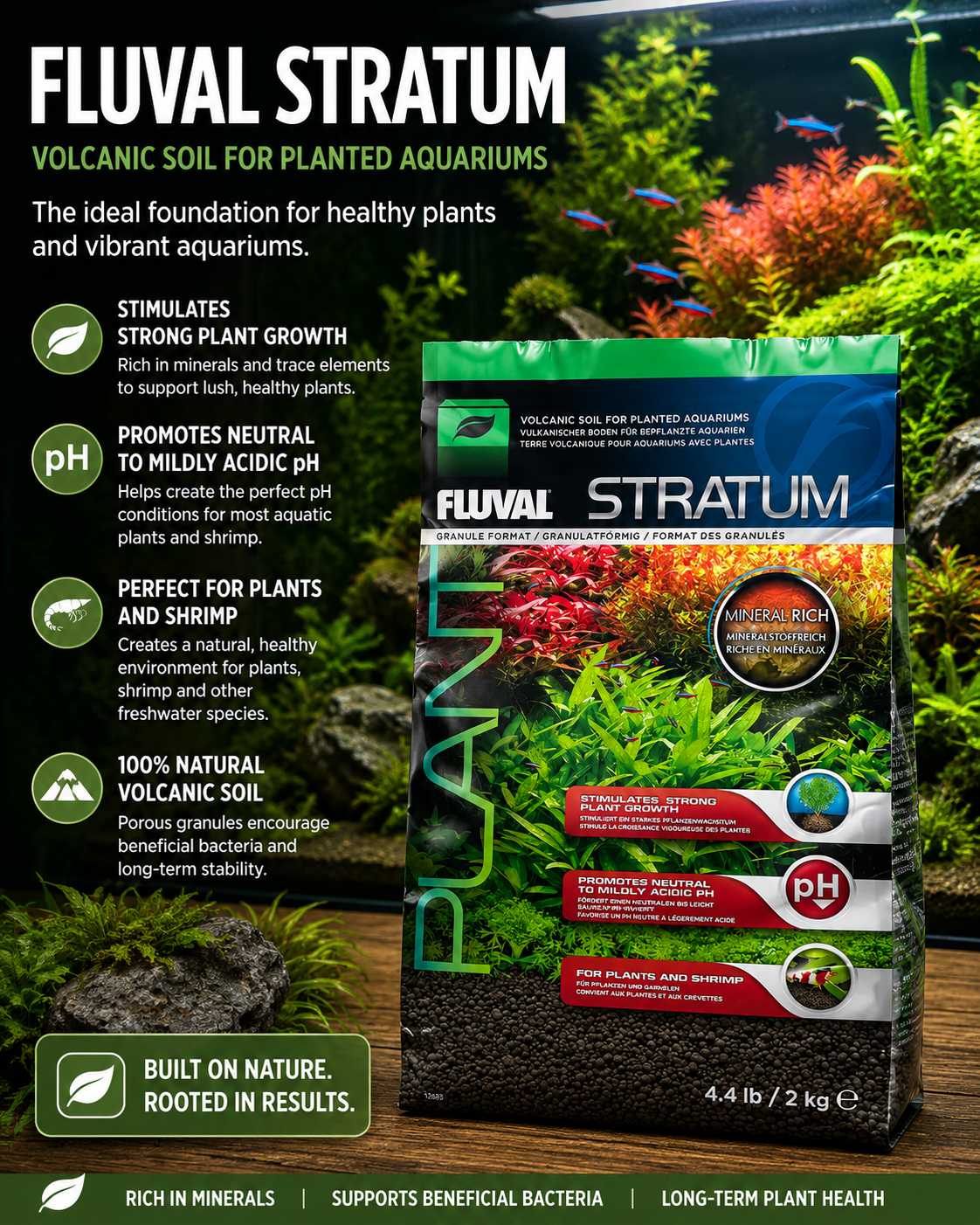
Fluval
Fluval Stratum Aquasoil 8kg
Best for: Planted aquariums, aquascapes and freshwater shrimp tanks
As an Amazon Associate, we earn from qualifying purchases.
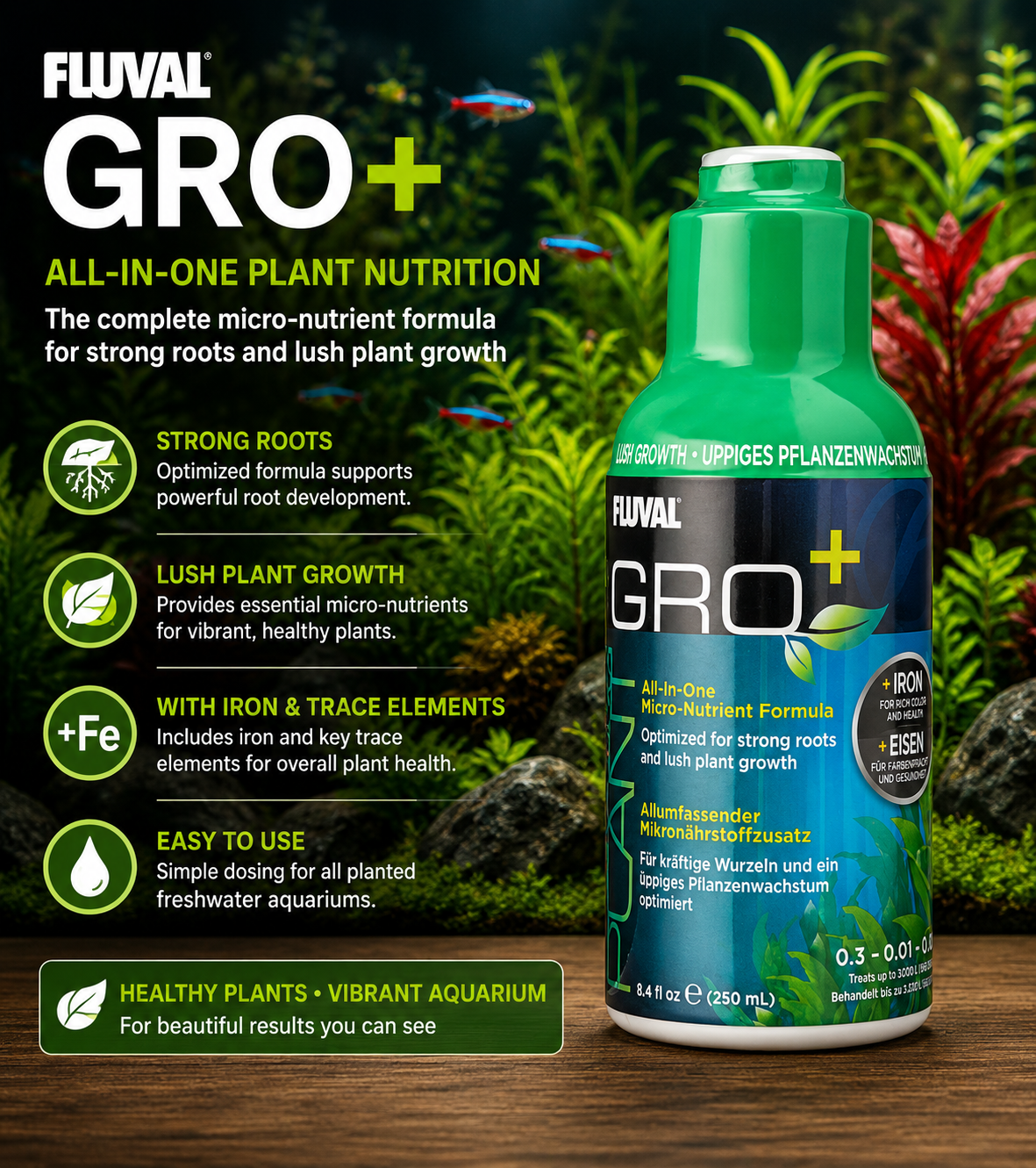
Fluval
Fluval Gro Plus Aquarium Plant Fertiliser
Best for: Low-tech and everyday planted freshwater aquariums
As an Amazon Associate, we earn from qualifying purchases.
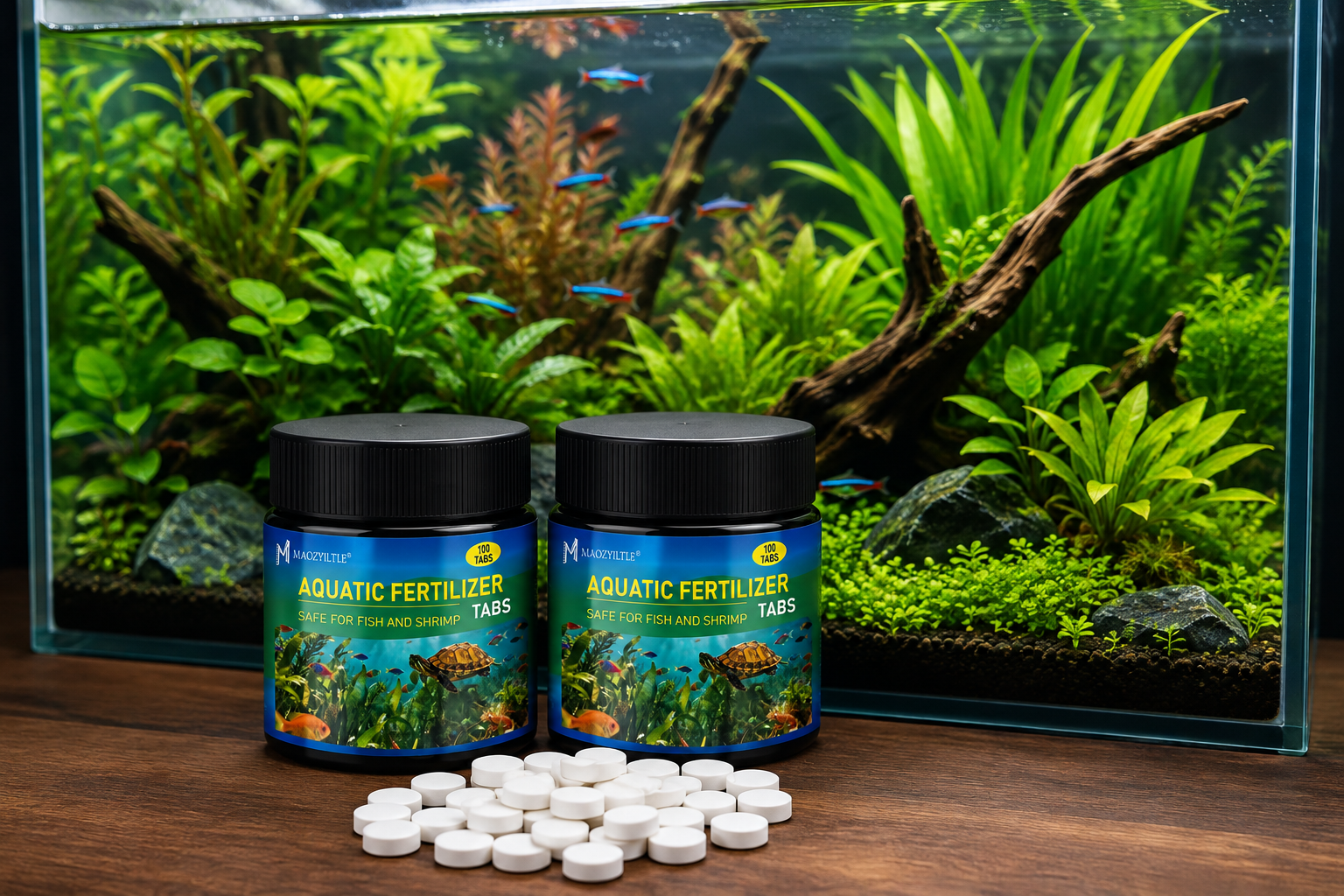
Newpie
Root Tabs for Live Aquarium Plants, Freshwater Plant Fertilizer - 100 x 2
Best for: Cryptocoryne, Amazon swords, Vallisneria and other heavy root-feeding aquarium plants
As an Amazon Associate, we earn from qualifying purchases.
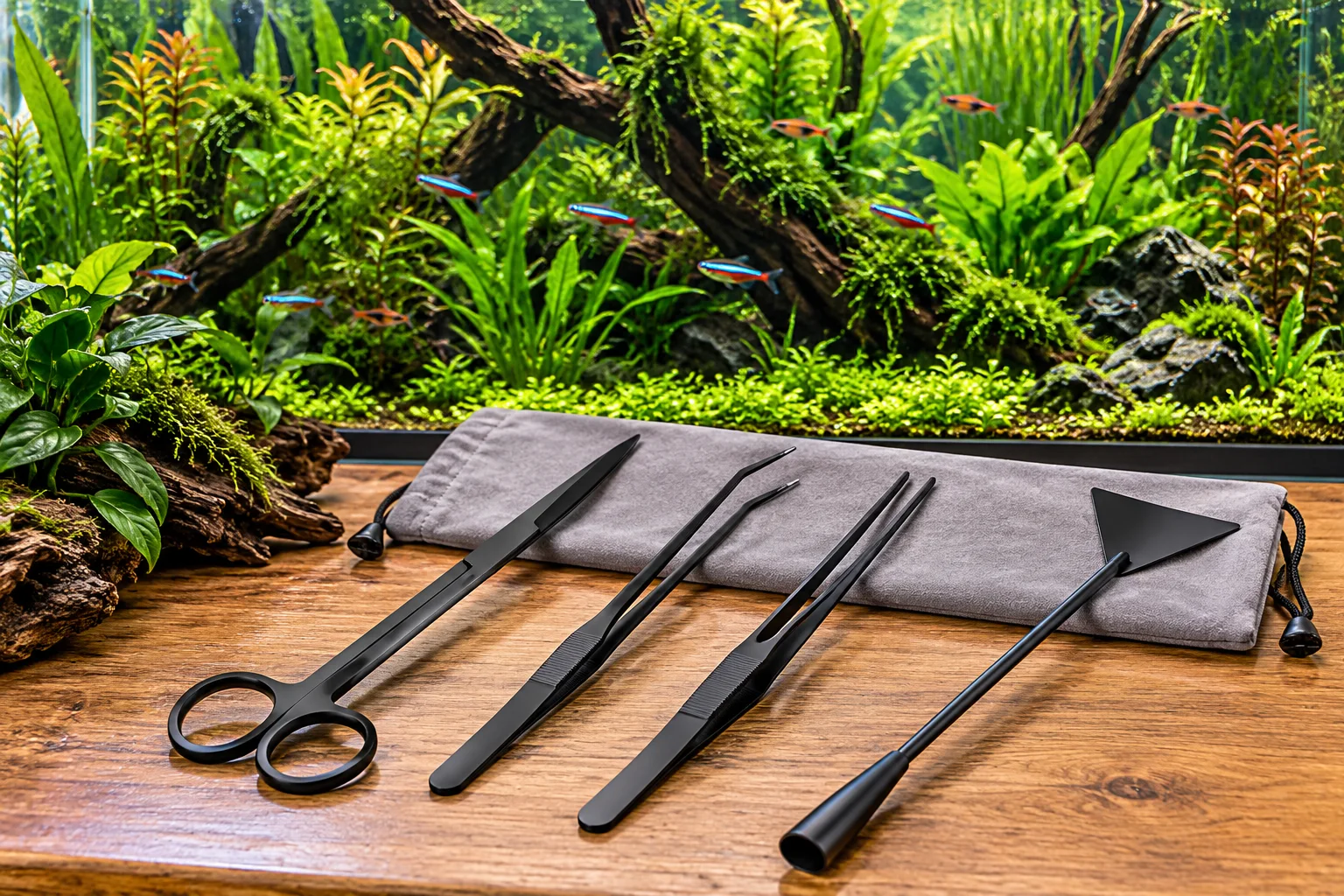
Coolrunner
Coolrunner 4 in 1 Aquarium Aquascape Tools Kit, Stainless Steel
Best for: Planting, trimming and maintaining freshwater planted aquariums
As an Amazon Associate, we earn from qualifying purchases.