Jungle Aquascapes: Creating a Lush, Natural Planted Aquarium
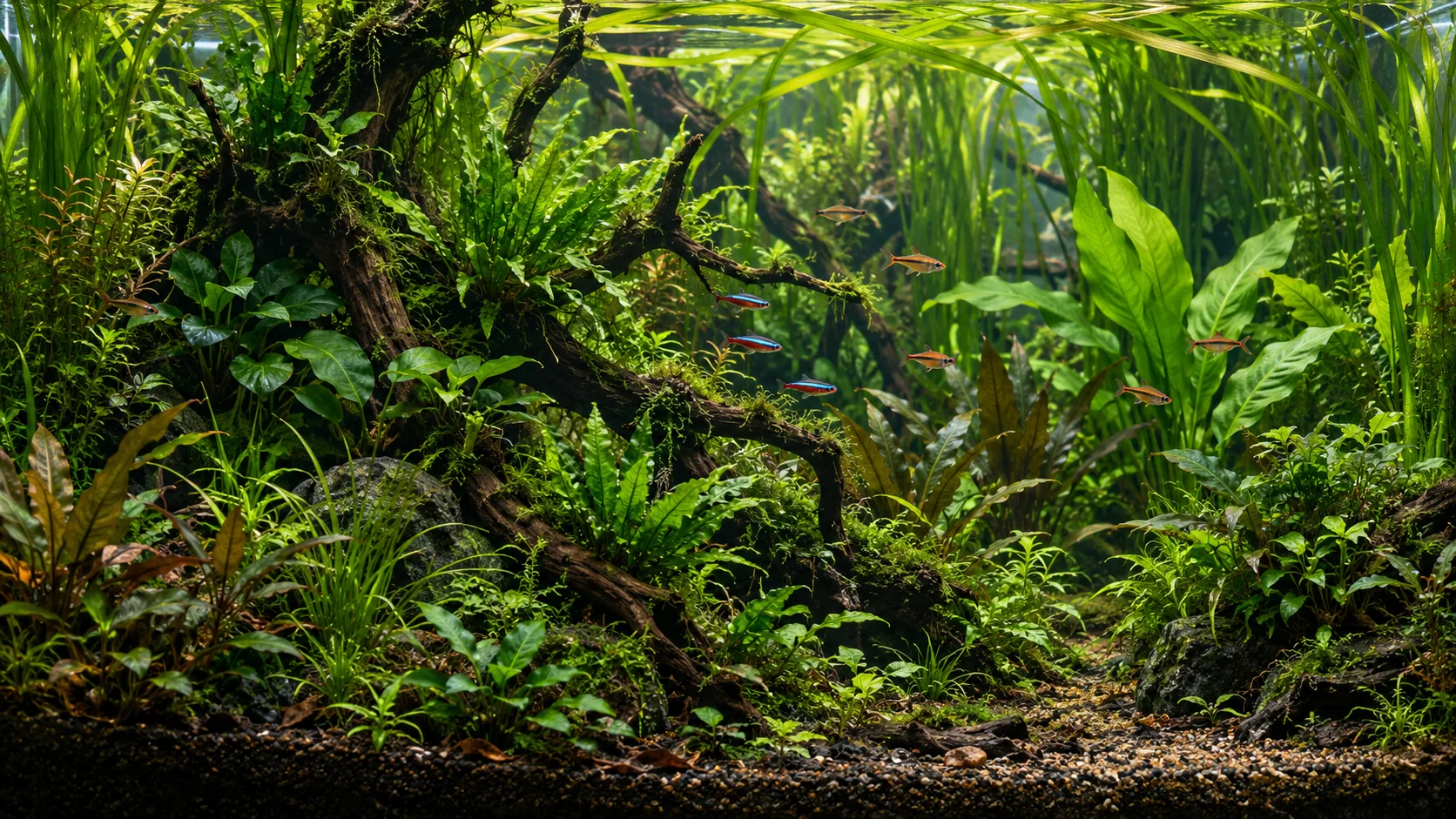
Jungle aquascapes combine dense planting, layered growth and natural hardscape to create the appearance of a mature underwater habitat. Discover the best plants, layout ideas and maintenance techniques for creating this relaxed aquascaping style.
Jungle aquascapes are among the most natural-looking styles of planted aquarium. Instead of carefully arranged rows of plants, precisely positioned stones or large areas of open substrate, the aim is to create the impression of dense, almost uncontrolled aquatic growth.
A well-designed Jungle aquascape can look as though a small section of tropical riverbank has been placed inside an aquarium. Tall plants reach towards the surface, broad leaves overlap one another and smaller species grow through gaps wherever light allows. Roots, branches and pieces of wood may disappear partially beneath the vegetation.
Although the finished aquarium can appear wild, successful Jungle aquascapes are rarely completely accidental. Plant choice, positioning and maintenance are still important. The difference is that much of this work is deliberately hidden behind a more relaxed and natural appearance.
What is a Jungle aquascape?
The Jungle style is based around creating dense, luxuriant planting with relatively little obvious structure.
Where an Iwagumi aquascape often uses carefully positioned stones and large areas of low carpeting plants, and a Dutch aquarium relies heavily on clearly defined groups of plants, the Jungle style allows vegetation to blend together much more freely.
Hardscape can still be used, particularly driftwood and roots, but it usually becomes part of the planting rather than remaining the main feature.
As the aquarium matures, plants are encouraged to grow around and sometimes across the hardscape. Mosses, ferns and epiphytes can gradually soften pieces of wood until they look as though they have been underwater for many years.
The overall impression should be rich, mature and slightly untamed.
That does not mean simply filling an aquarium with random plants. There still needs to be enough variation in height, leaf shape, colour and texture to prevent the aquarium becoming an indistinguishable mass of green.
Creating the Jungle appearance
One of the defining characteristics of Jungle aquascaping is the use of different layers of vegetation.
Tall background plants can create a dense wall towards the rear of the aquarium. Medium-height plants then provide structure through the middle, while Cryptocoryne, smaller ferns, low-growing plants and occasional open areas create interest closer to the front.
Allowing some plants to lean across one another helps produce the natural appearance associated with the style.
Vallisneria can be particularly effective because its long leaves naturally curve across the surface. Large sword plants can provide substantial areas of broad foliage, while stem plants add finer textures.
Plants such as Java fern, Anubias and Bucephalandra can then be attached to wood or rocks, helping bring vegetation into areas where rooted plants would be difficult to establish.
The result should feel layered rather than flat.
Choosing plants for a Jungle aquascape
Jungle aquariums usually benefit from relatively fast-growing and dependable species because strong plant growth is central to the appearance.
Vallisneria is one of the most useful choices. Once established, it spreads through runners and can quickly form dense stands. Its long leaves also give the aquarium considerable vertical movement.
Amazon swords and other Echinodorus species work particularly well where a large centrepiece or background plant is required. Mature specimens can develop substantial leaves, making them ideal for larger aquariums.
Cryptocoryne species provide useful midground planting. They are available in numerous forms and colours and can create dense areas of foliage without necessarily needing the intense lighting demanded by some carpeting plants.
Java fern is another excellent Jungle plant, especially when attached to pieces of driftwood. Mature plants often develop irregular leaf shapes and growth patterns that suit the less formal nature of the style.
Anubias can be used around the lower areas of wood and rocks, while mosses can gradually soften hardscape and fill shaded locations.
Stem plants such as Hygrophila, Limnophila, Ludwigia and Rotala can also be incorporated. Rather than maintaining them as perfectly shaped groups, as might be done in a Dutch aquascape, they can be allowed to grow somewhat more freely.
Some red or bronze foliage can be particularly useful. A Jungle aquarium made entirely from similar shades of green can sometimes lack definition. Occasional plants with warmer colours provide contrast without taking away from the natural appearance.
Using wood and hardscape
Driftwood is particularly well suited to Jungle aquascapes.
Branches and roots can give the impression of submerged trees or tangled riverbank vegetation. Pieces do not necessarily need to remain completely visible. In fact, allowing plants to partially obscure the hardscape often makes the aquarium look considerably more established.
Large pieces of branching wood can be positioned before planting and then covered with Java fern, Anubias, Bucephalandra or moss.
Over time, the plants begin to become visually integrated with the wood.
Rocks can also be included, although they tend to play a quieter role than they would in an Iwagumi-style aquarium.
Natural-looking substrates in darker shades often work particularly well because they allow green vegetation and fish colours to stand out.
Lighting and CO₂
A Jungle aquascape does not automatically need to be a high-tech aquarium.
It is perfectly possible to create an impressive Jungle layout using relatively modest lighting and plants such as Vallisneria, Cryptocoryne, Java fern and Anubias.
This makes the style particularly attractive for aquarists who want a heavily planted aquarium without relying on intense lighting, pressurised CO₂ and demanding carpeting plants.
Adding CO₂ does, however, considerably increase the range of plants available and can encourage faster, denser growth.
The important factor is balance.
Strong lighting without sufficient nutrients or available carbon can encourage algae. Dense Jungle aquariums can also produce heavily shaded areas as taller plants grow towards the surface.
Rather than simply increasing light intensity, regular thinning of plants is often the better solution.
Fish for Jungle aquascapes
Dense planting provides an excellent environment for many community fish.
Small schooling species can look particularly impressive when swimming between areas of vegetation before emerging into open water.
Tetras, rasboras, rainbowfish and smaller barbs can all work well depending on aquarium size and water conditions.
Black Neon Tetras can be particularly effective in planted displays because their reflective lateral stripe contrasts strongly with darker vegetation. We often use them in planted client aquariums for exactly this reason.
Dwarf cichlids can also appreciate the sheltered areas provided by dense plants and wood, while Corydoras can occupy more open areas of substrate if sufficient space has been retained.
The aquascape should always be planned around the requirements of the fish rather than simply choosing species because they suit the appearance of the aquarium.
Even in a Jungle layout, there should be adequate swimming space and good circulation.
Maintaining controlled chaos
The greatest challenge with Jungle aquascaping is preventing the aquarium from moving from intentionally wild to genuinely neglected.
Fast-growing plants can quickly dominate slower species.
Vallisneria runners may appear throughout the aquarium, stem plants can shade everything below them and floating leaves can dramatically reduce the amount of light reaching the substrate.
Regular trimming is therefore still important.
The difference is that the pruning should preserve the natural appearance rather than creating perfectly straight edges or clearly separated plant groups.
Occasionally removing entire older leaves can be more effective than repeatedly trimming their tips. Excess runners should also be removed where plants begin spreading into areas where they are not wanted.
Stem plants can be cut and replanted to maintain dense lower growth.
It is also worth checking water circulation. Extremely dense planting can create areas with very little movement, allowing debris to accumulate behind plants or hardscape.
This is particularly important in mature Jungle aquariums where the planting may eventually occupy a significant proportion of the aquarium.
Jungle aquascapes versus Nature Aquariums
Jungle aquascapes and Nature Aquariums can sometimes appear similar because both attempt to create a natural impression.
The main difference is usually the amount of visible control.
Nature Aquarium layouts are generally composed around deliberate landscapes, focal points and carefully balanced hardscape arrangements. They may represent mountains, forests, valleys or riverbanks while still following strong compositional principles.
Jungle aquascapes are normally less formal.
The plants themselves become the dominant feature and are allowed considerably more freedom to develop.
A Jungle aquarium may therefore look more like an actual overgrown underwater habitat than a deliberately constructed miniature landscape.
Is a Jungle aquascape suitable for beginners?
The Jungle style can be an excellent choice for someone creating their first serious planted aquarium.
It is relatively forgiving because every plant does not need to remain perfectly positioned.
As plants grow, the aquarium often becomes more attractive rather than gradually losing its original design.
Hardy species can also be used to create impressive results without sophisticated equipment.
However, the style still requires maintenance.
An aquarium packed with plants cannot simply be ignored. Plants compete for light and nutrients, and some species will eventually overwhelm others if they are not controlled.
For anyone who enjoys maintaining plants but does not want the precision associated with styles such as Dutch aquascaping or Iwagumi, the Jungle approach can offer a useful middle ground.
Creating a mature Jungle aquarium
Perhaps the greatest attraction of Jungle aquascaping is the way the aquarium changes over time.
A newly planted layout can look relatively sparse, but as plants establish, spread and begin interacting with one another, the aquarium develops much more character.
Wood becomes hidden behind vegetation. Cryptocoryne colonies expand. Vallisneria runners appear in unexpected places. Ferns produce new plantlets and stem plants begin reaching the surface.
Rather than constantly trying to return the aquarium to its original appearance, Jungle aquascaping allows some of this development to become part of the design.
The aquarist's role is therefore not to control every plant, but to guide the aquarium.
Remove growth where it becomes excessive, open areas where additional swimming space is required and allow attractive combinations of plants to develop naturally.
When done well, a Jungle aquascape should appear as though nature created it — even though a considerable amount of thought and maintenance has taken place behind the scenes.
Final thoughts
Jungle aquascaping offers a very different approach from highly structured styles such as Dutch aquariums and Iwagumi.
It celebrates dense growth, overlapping foliage and the gradual development of a planted ecosystem.
For aquarists who prefer a softer, more natural appearance, it can be one of the most rewarding aquascaping styles to create.
The most successful Jungle aquariums strike a balance between wild growth and subtle control. Plants are allowed to spread and mature, but enough maintenance takes place to prevent stronger species from completely dominating the aquarium.
Over time, the result can become an exceptionally natural-looking underwater environment filled with texture, depth and movement — an aquarium that feels established rather than simply arranged.
If you want to know more about other aquascaping styles we have an article called Different Types of Aquascapes - a Guide to Aquascaping Styles which you may find useful.
Products We've Mentioned & Recommend
Below you'll find a selection of products we've mentioned in this article, along with a few others we think you might find useful. We've included Amazon links to make them easy to find.
A quick word about affiliate links...
Some of these links are affiliate links, which means we may earn a small commission from qualifying purchases, at no extra cost to you.
Unfortunately, the commission doesn't quite stretch to cocktails on a yacht or a garage full of sports cars. In reality, it helps cover the running costs of this website and, with a bit of luck, might eventually buy me a new pair of waders that don't leak!
We only recommend products we genuinely believe are worth considering, and your support helps us keep sharing free advice from our years of working with aquariums and ponds.
Thanks for supporting Aquatic Specialist!
As an Amazon Associate I earn from qualifying purchases.
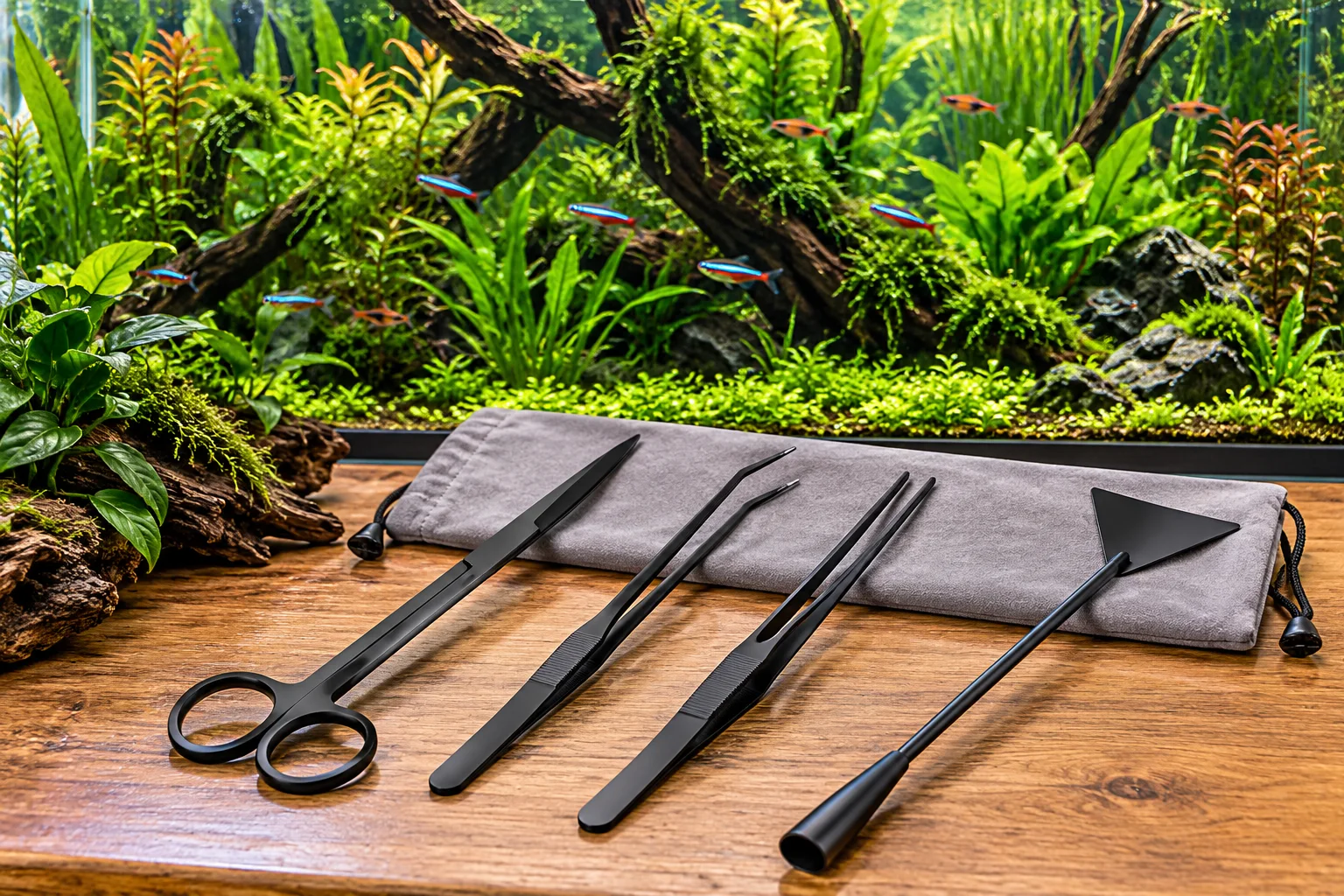
Coolrunner
Coolrunner 4 in 1 Aquarium Aquascape Tools Kit, Stainless Steel
Best for: Planting, trimming and maintaining freshwater planted aquariums
As an Amazon Associate, we earn from qualifying purchases.
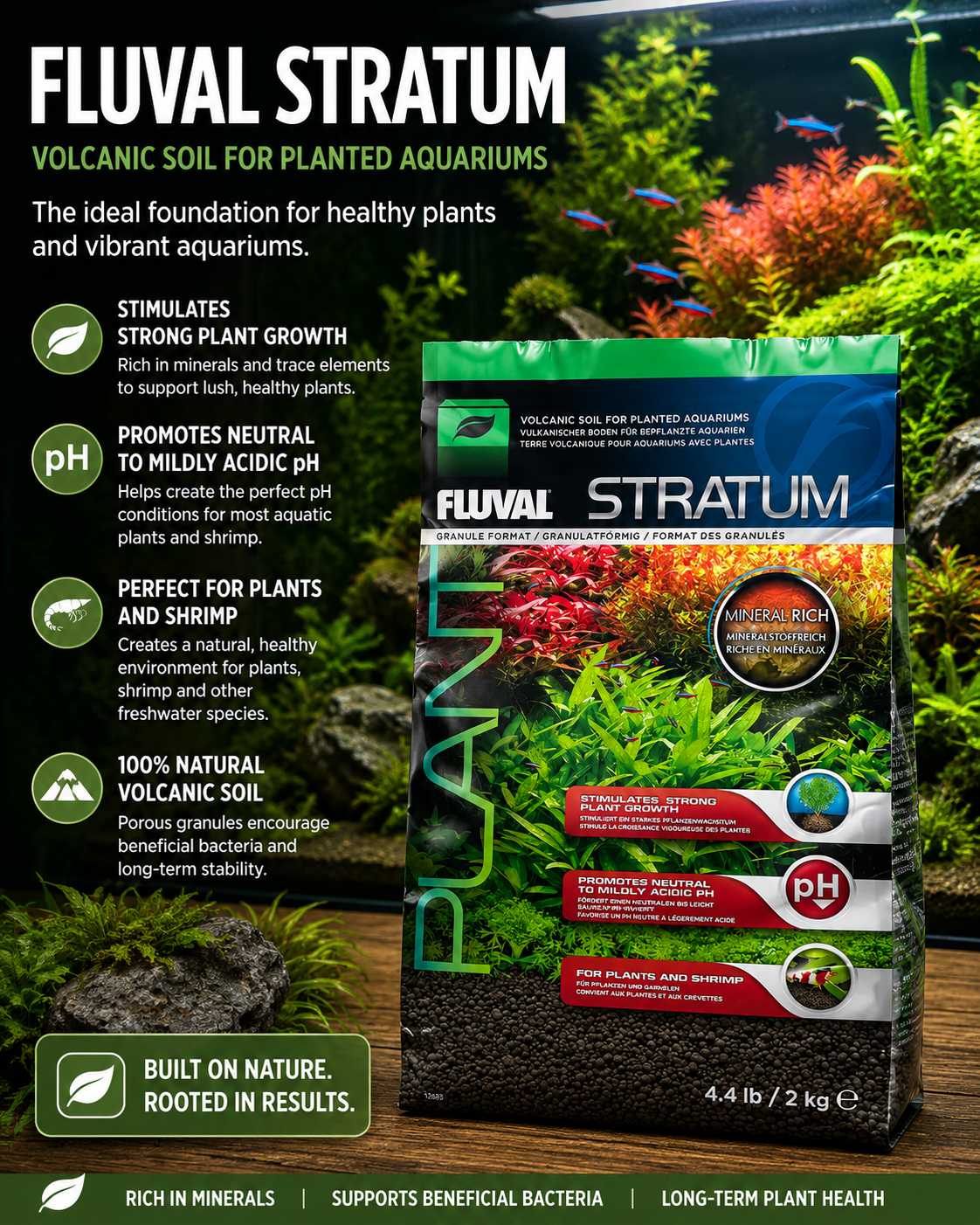
Fluval
Fluval Stratum Aquasoil 8kg
Best for: Planted aquariums, aquascapes and freshwater shrimp tanks
As an Amazon Associate, we earn from qualifying purchases.
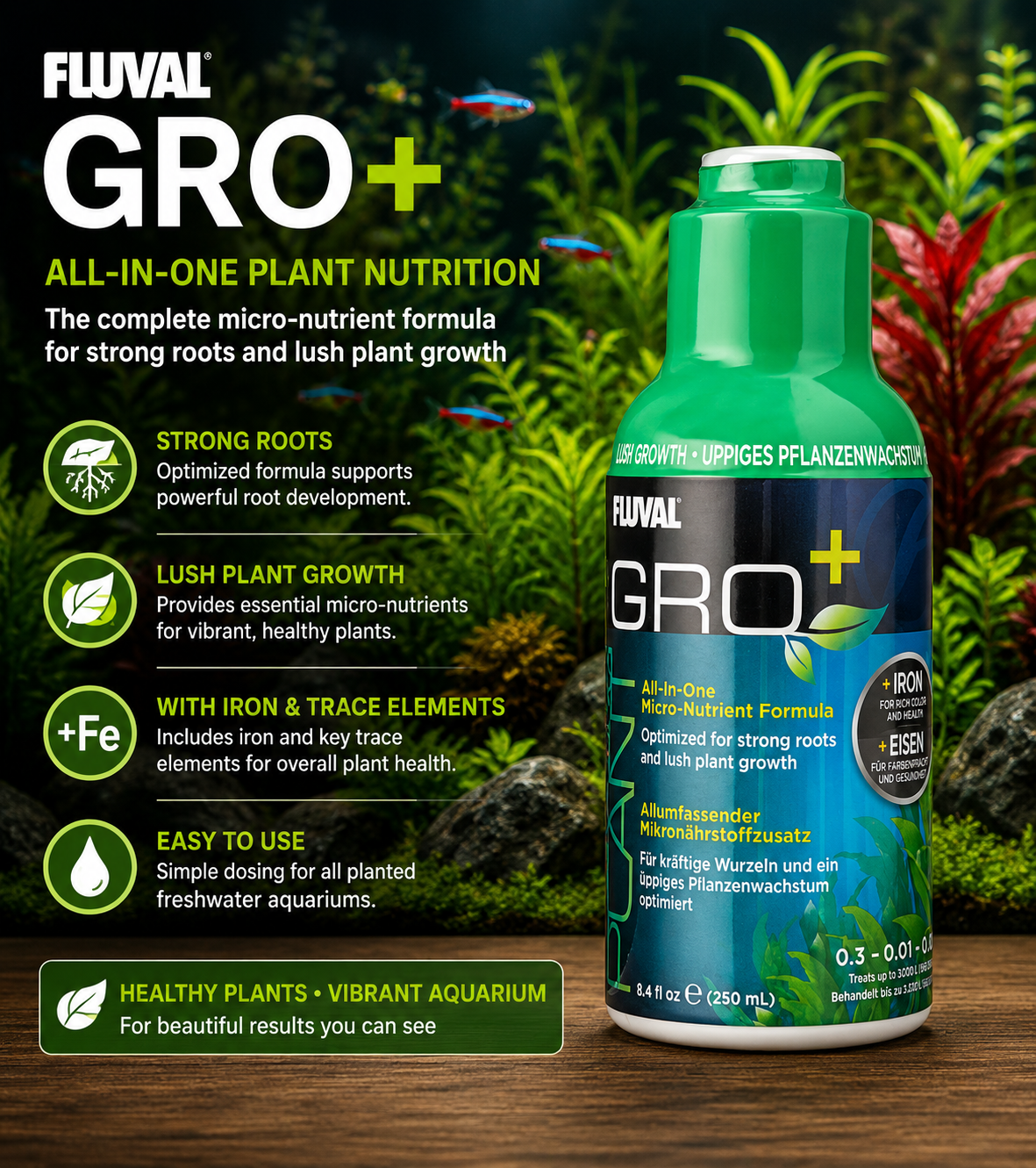
Fluval
Fluval Gro Plus Aquarium Plant Fertiliser
Best for: Low-tech and everyday planted freshwater aquariums
As an Amazon Associate, we earn from qualifying purchases.
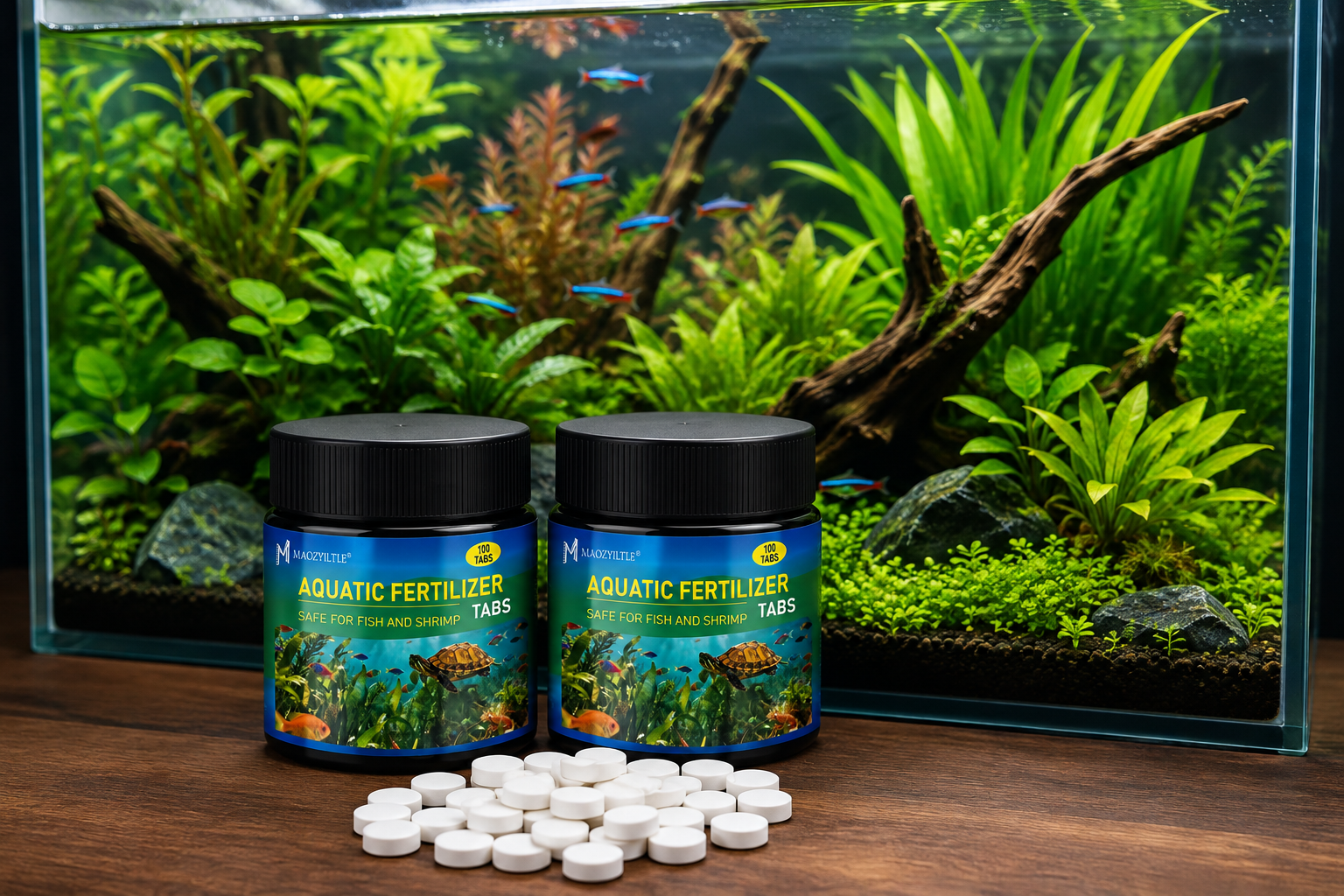
Newpie
Root Tabs for Live Aquarium Plants, Freshwater Plant Fertilizer - 100 x 2
Best for: Cryptocoryne, Amazon swords, Vallisneria and other heavy root-feeding aquarium plants
As an Amazon Associate, we earn from qualifying purchases.