How to Breed Betta Fish: A Practical Guide to Breeding and Raising Fry
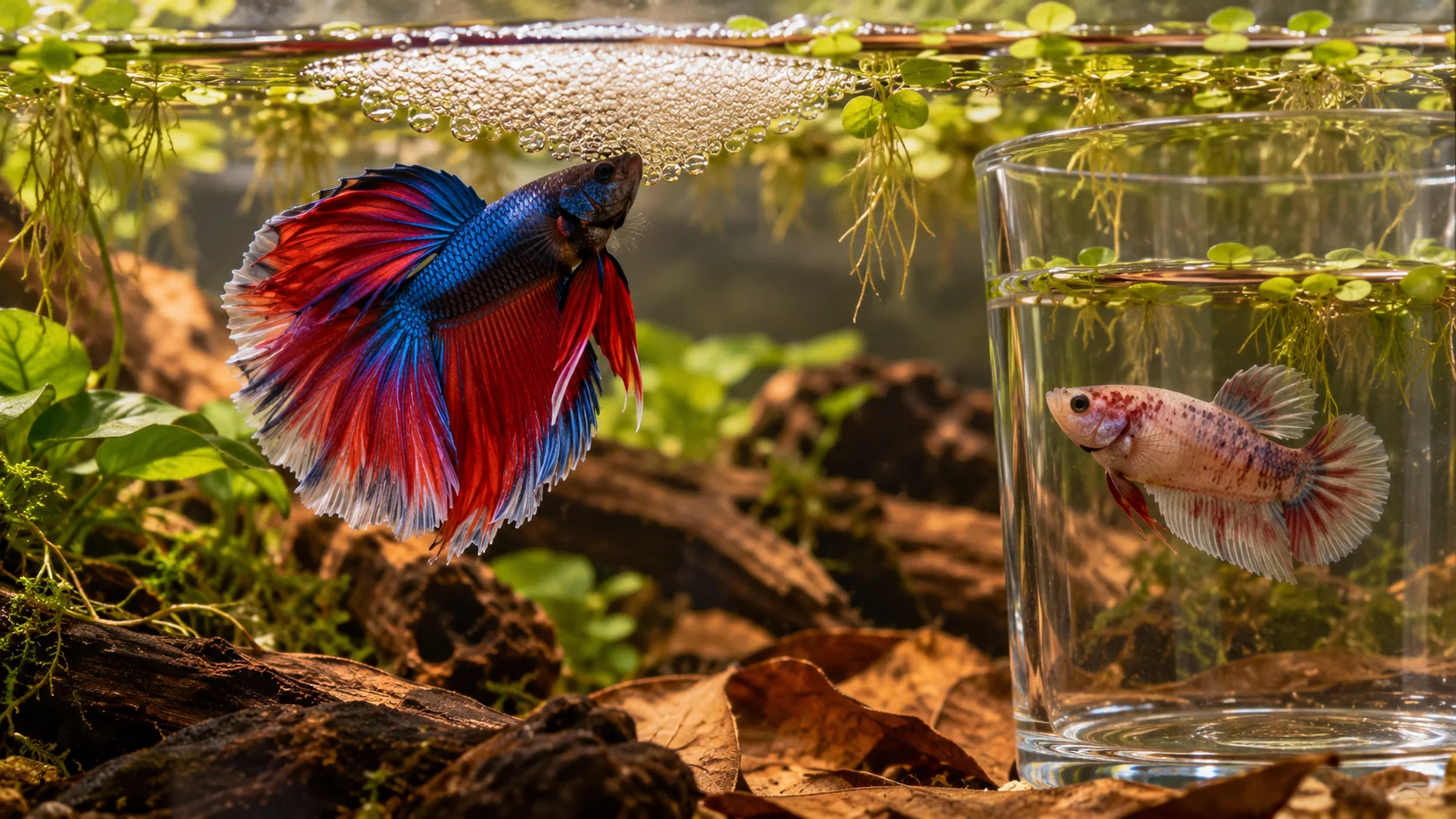
Breeding Betta fish is a fascinating and rewarding experience, but success requires careful preparation. Drawing on my own experience breeding these beautiful fish, this guide explains how to condition adults, safely introduce males and females, recognise spawning behaviour and care for their bubble nests. I'll also cover feeding newly hatched fry using Infusoria, microworms, baby brine shrimp, liquid fry foods and micro dust.
Breeding Betta fish (Betta splendens), also known as Siamese Fighting Fish, is one of the most fascinating experiences in fishkeeping. Watching a male construct his bubble nest, court a female and carefully tend to hundreds of tiny eggs is something every enthusiastic fishkeeper should have the opportunity to witness.
I've bred Betta fish myself, and although the process is incredibly rewarding, it isn't quite as straightforward as putting a male and female together and waiting for nature to take its course.
Betta fish are notoriously aggressive, particularly the males, and introducing a female before she is ready can result in serious injuries or even death. Successfully raising the fry also requires preparation, patience and, perhaps most importantly, a reliable supply of suitably sized food.
In this guide, I'll explain how to prepare your breeding pair, encourage spawning and raise the tiny fry through their first few weeks.
Understanding Betta Breeding Behaviour
Unlike many popular tropical fish, Betta fish are bubble-nest builders. The male creates a floating nest at the water's surface using hundreds of tiny, saliva-coated bubbles.
In the wild, these nests are often constructed beneath floating vegetation, where the bubbles are sheltered from disturbance. In an aquarium, males may build their nests beneath floating plants, Indian almond leaves or other objects resting at the surface.
The male is responsible for looking after the eggs and newly hatched fry. However, despite this remarkable parental behaviour, male Bettas can be extremely aggressive towards females.
Male and female Betta fish should normally be housed separately and only introduced for carefully supervised breeding. Even apparently compatible fish can become aggressive towards one another.
Conditioning Your Breeding Pair
Before attempting to breed Bettas, both adults need to be in excellent condition. I recommend conditioning the male and female separately for approximately two weeks before introducing them.
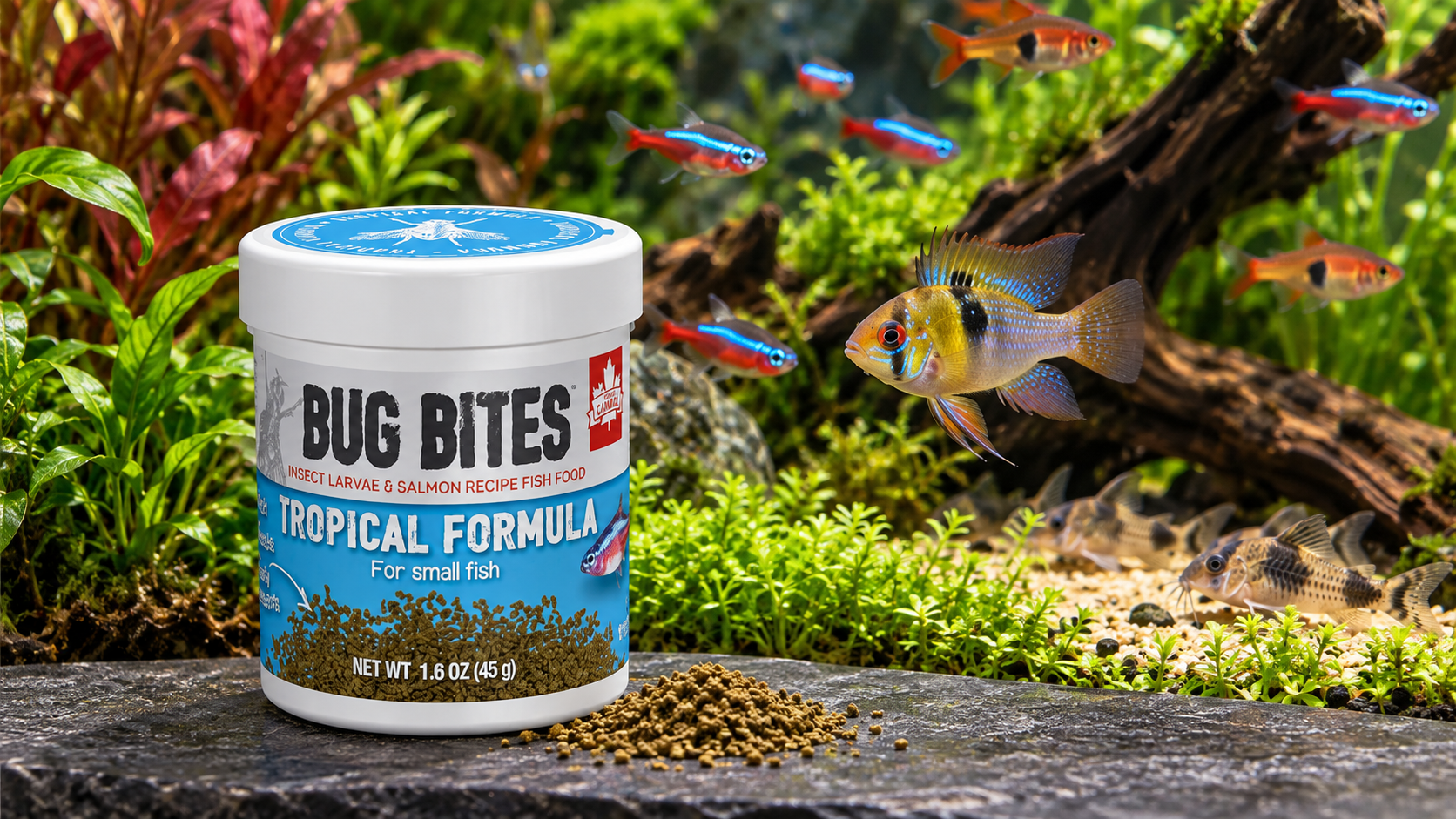
During this period, offer a varied, protein-rich diet containing high-quality Betta pellets, I used Fluval Bug Bites personally, supplemented with frozen foods.
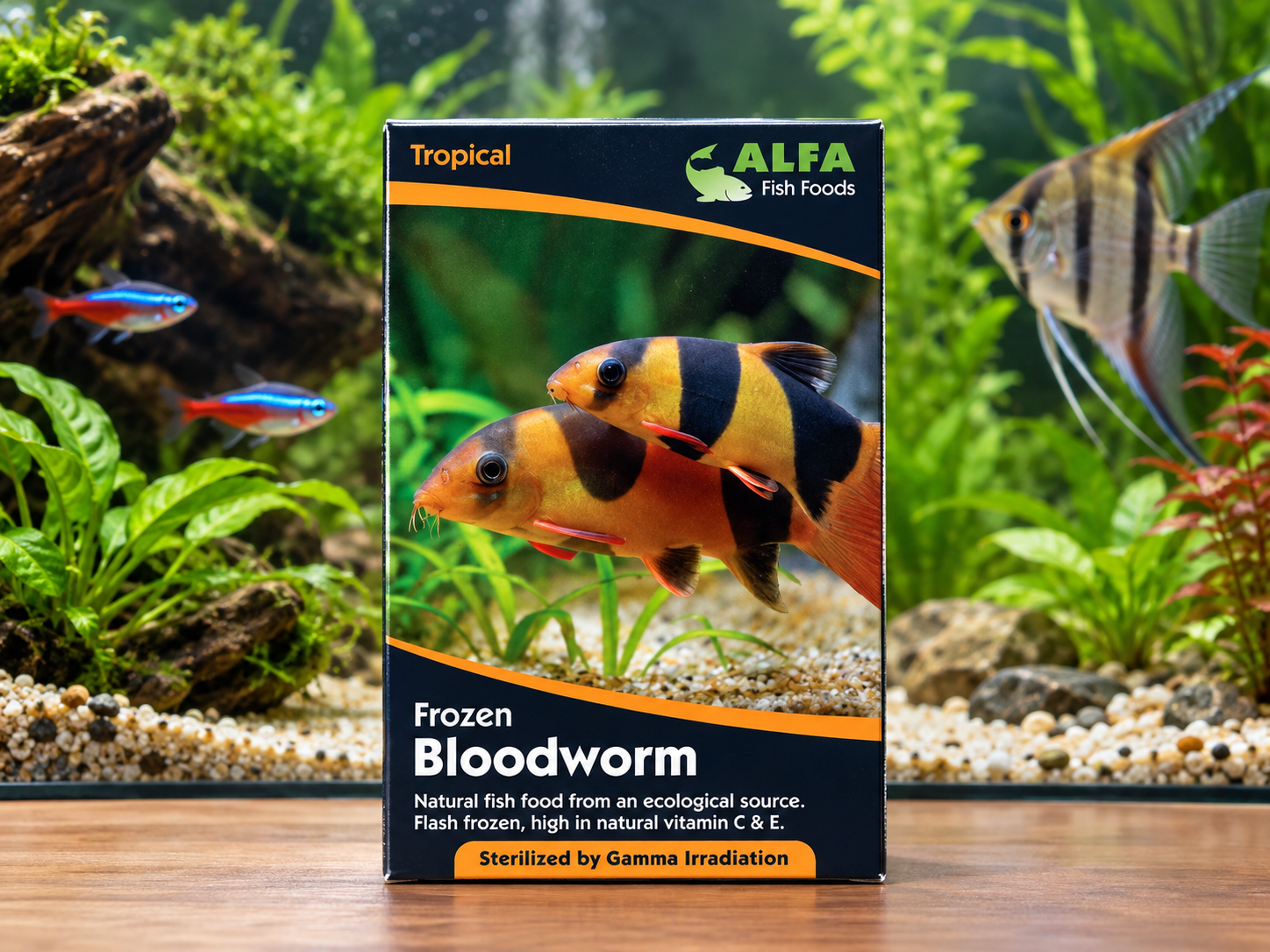
Bloodworm is particularly useful for conditioning breeding fish. Live or frozen brine shrimp, daphnia and other suitable live foods can also be offered.
The aim is to provide sufficient nutrition to encourage egg development in the female while keeping both fish healthy and active. Avoid overfeeding or relying entirely on bloodworm.
As the female develops eggs, her abdomen should gradually become noticeably rounded.
You may also see her ovipositor, sometimes called the egg spot, becoming more prominent. This appears as a small white protrusion underneath her abdomen, close to the ventral fins.
Although a visible ovipositor and rounded abdomen are encouraging signs, they don't automatically mean that she is ready to breed. Her behaviour towards the male is equally important.
Preparing the Breeding Aquarium
A separate breeding aquarium makes the process considerably easier and allows you to control the environment without disturbing other fish.
A small aquarium of approximately 25–40 litres is suitable for the initial breeding setup, provided there is sufficient space and a plan for moving the growing fry into larger accommodation.
I prefer a relatively shallow water level, around 10–15 cm during spawning, which reduces the distance the male must travel when collecting falling eggs.
The water should be maintained at approximately 27–28°C, with stable water quality and very gentle filtration.
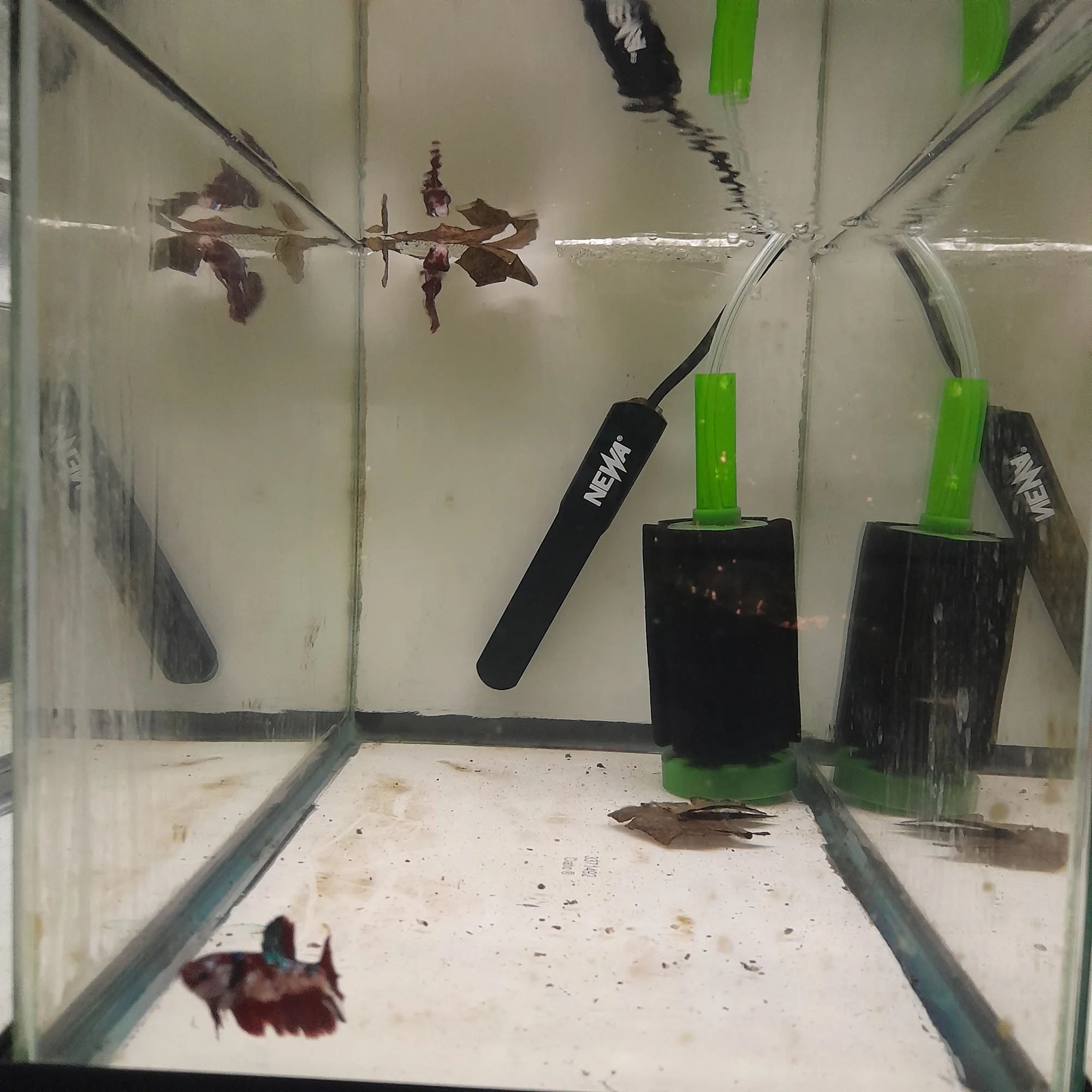
A mature sponge filter operating at a low flow rate is useful because it provides biological filtration without creating the strong currents that can destroy a bubble nest or endanger tiny fry.
A bare-bottom aquarium makes cleaning easier, while a few floating plants and sheltered areas provide security for the female.
The aquarium should also have a suitable cover to maintain warm, humid air above the water.
Introducing the Female: The Pint Glass Method
This is an important part of the breeding process, and a method I've used myself involves something as simple as a clear pint glass.
Rather than releasing the female directly into the breeding aquarium with the male, she is temporarily placed inside the glass, which sits securely within the aquarium.
The male can see the female, display towards her and begin his courtship behaviour, but he cannot physically reach her.
The glass needs to be stable, the water temperature must remain suitable, and the female must have access to air at the surface. It should only be used as a short-term, closely monitored introduction container. A secure, ventilated transparent breeding container is a safer alternative for longer introductions.
Initially, the male may become highly excited, displaying his fins and flaring his gill covers towards the female. This is perfectly normal.
If conditions are suitable, he may begin constructing a bubble nest, frequently travelling between the female and his chosen nesting site.
Do not release the female simply because the male has built a nest.
Wait until she is displaying signs of breeding readiness.
A female carrying eggs should have a noticeably rounded abdomen, and her ovipositor may become more visible. Some females also display vertical breeding stripes along their bodies.
Most importantly, a receptive female will often show interest in the male rather than continually trying to escape from him.
Horizontal stress stripes, frantic swimming and persistent hiding are warning signs.
If she appears frightened or the male is displaying excessive aggression, separate them and try again after further conditioning.
The Bubble Nest and Spawning Process
Once the female is receptive and the male has established his nest, she can be carefully released into the breeding aquarium. This stage requires close supervision.
Some chasing and displaying are normal parts of Betta courtship, but persistent attacks, serious fin damage or a female being prevented from resting are reasons to separate the fish immediately.
When the pair is ready, the male encourages the female towards the bubble nest.
He then wraps his body around her in what is commonly described as the spawning embrace.
During this embrace, the female releases a number of eggs, which the male fertilises.
The female may appear temporarily motionless afterwards. Meanwhile, the male begins collecting the falling eggs in his mouth and carefully placing them amongst the bubbles.
This process can be repeated numerous times over several hours.
Once spawning has finished, the female should be removed and returned to her own aquarium to recover.
Leaving her with the male can be extremely dangerous because his attention now turns towards defending the nest.
The Male's Role in Caring for the Eggs
One of the most fascinating aspects of breeding Bettas is watching the male care for his developing offspring.
He spends much of his time beneath the bubble nest, collecting eggs that fall and replacing them amongst the bubbles.
He may also repair the nest as bubbles burst. At suitable temperatures, the eggs generally hatch within approximately 24–48 hours.
The newly hatched fry are incredibly small and initially hang vertically beneath the nest.
They are not yet capable of swimming properly and continue to absorb their yolk sacs. If a fry falls away from the nest, the male will often retrieve it and return it to safety.
After another two or three days, the fry generally become free-swimming and begin dispersing around the aquarium. This is the point when the male should normally be removed.
His parental responsibilities are over, and leaving him with the fry risks predation.
Feeding Betta Fry: The First Few Weeks
Raising Betta fry is arguably more challenging than getting the adults to spawn.
When the fry first hatch, they are far too small to consume conventional fish foods. Initially, they survive entirely on their yolk sacs and do not require feeding.
Once they become free-swimming, however, they need access to extremely small food particles or microscopic live organisms.
Having the food ready before the eggs hatch is essential.
Infusoria: The Ideal First Food
Infusoria is a collective name for microscopic aquatic organisms that develop naturally in established freshwater environments.
Their incredibly small size makes them particularly useful during the first few days of free swimming, when some Betta fry are still too small to consume other live foods.
Infusoria can be cultured at home using established aquarium water and a small quantity of vegetable matter. Ideally, cultures should be started well before the Bettas spawn.
Microworms: Easy Live Food to Culture
Microworms are another excellent food for growing Betta fry.
These tiny nematodes can be cultured in small containers using an oatmeal or mashed potato mixture and a starter culture.
Once established, the worms multiply rapidly and can provide a convenient, inexpensive supply of live food.
They are particularly useful as the fry grow large enough to consume them, although the smallest fry may initially require Infusoria.
Microworms should form part of a varied diet rather than the sole food source.
Learn how to culture Microworms read more with our detailed article on it's production here.
Newly Hatched Brine Shrimp
Newly hatched brine shrimp, also called Artemia nauplii, are one of the best foods available for growing Betta fry.
They contain valuable protein and energy, and their constant movement encourages the young fish to feed.
Brine shrimp eggs can be purchased and hatched at home in saltwater, usually within approximately 24–36 hours, depending on the conditions.
The newly hatched shrimp are collected, separated from the eggshells and rinsed before being offered to the fry.
Some Betta fry can consume newly hatched brine shrimp almost immediately after becoming free-swimming, while others need several days of smaller foods first.
Liquid Fry Foods
Commercial liquid fry foods can be useful, particularly when live cultures are unavailable or as a supplementary food.
Products such as Interpet Men Liquifry No. 1 contain extremely fine food particles suspended in liquid, making them suitable for many newly free-swimming egg-laying fish.
Some liquid preparations also encourage the growth of naturally occurring Infusoria.
These foods should be used sparingly, as excessive amounts can quickly deteriorate water quality.
Micro Dust and Powdered Fry Foods
Another useful option is micro dust, a term often used for extremely fine powdered fish foods. These products are designed to provide nutritious particles small enough for young fish to consume.
They can be particularly convenient as the fry begin accepting prepared foods, although particle size varies considerably between products.
Hikari First Bites is one example of a commercially available fine fry food. I would still recommend offering live foods wherever possible, especially during the earliest stages when movement helps trigger feeding behaviour.
Growing the Fry and Maintaining Water Quality
Young Betta fish grow quickly when provided with suitable food, warm water and good aquarium conditions. I recommend feeding small amounts several times throughout the day rather than providing one large meal.
Water quality is particularly important. Uneaten food, especially powdered and liquid preparations, can quickly cause problems in a relatively small breeding aquarium.
Carry out gentle, regular partial water changes using temperature-matched, dechlorinated water. A length of airline tubing can help remove debris without creating excessive suction around the fry.
As the young fish develop, gradually increase their available swimming space and move them into larger grow-out accommodation when required.
A covered aquarium remains important while their labyrinth organs develop, helping maintain warm, humid air above the water. Eventually, young males begin displaying territorial and aggressive behaviour towards one another.
They must be separated before serious fighting develops, with each fish provided with appropriate heated accommodation.
Remember that a successful spawn can produce dozens or even hundreds of young Bettas, so planning for their future homes is an essential part of responsible breeding.
Final Thoughts: Is Breeding Betta Fish Worth It?
Having bred Betta fish myself, I can certainly understand why so many aquarists become fascinated with the process.
From watching the male carefully construct his bubble nest to observing the tiny fry begin swimming independently, it offers an extraordinary insight into the natural reproductive behaviour of these beautiful fish. However, successful breeding requires much more than simply owning a male and female.
The adults must be properly conditioned, introductions need to be carefully managed, and the fry require appropriate food from the moment they become free-swimming.
Perhaps the most valuable advice I can offer is to prepare your live food cultures before attempting to breed your fish.
Getting Bettas to spawn can be relatively straightforward. Raising their offspring into healthy adults is where the real commitment begins.
With patience, preparation and careful observation, breeding Betta fish can become one of the most rewarding experiences in freshwater fishkeeping.
Products We've Mentioned & Recommend
Below you'll find a selection of products we've mentioned in this article, along with a few others we think you might find useful. We've included Amazon links to make them easy to find.
A quick word about affiliate links...
Some of these links are affiliate links, which means we may earn a small commission from qualifying purchases, at no extra cost to you.
Unfortunately, the commission doesn't quite stretch to cocktails on a yacht or a garage full of sports cars. In reality, it helps cover the running costs of this website and, with a bit of luck, might eventually buy me a new pair of waders that don't leak!
We only recommend products we genuinely believe are worth considering, and your support helps us keep sharing free advice from our years of working with aquariums and ponds.
Thanks for supporting Aquatic Specialist!
As an Amazon Associate I earn from qualifying purchases.
Fluval
Fluval Bug Bites Tropical Formula for small fish
Best for: Small tropical fish and dwarf cichlids
As an Amazon Associate, we earn from qualifying purchases.
ALFA
Frozen Bloodworm Fish Food 10 Pack
Best for: Adding variety to tropical and coldwater fish diets
As an Amazon Associate, we earn from qualifying purchases.
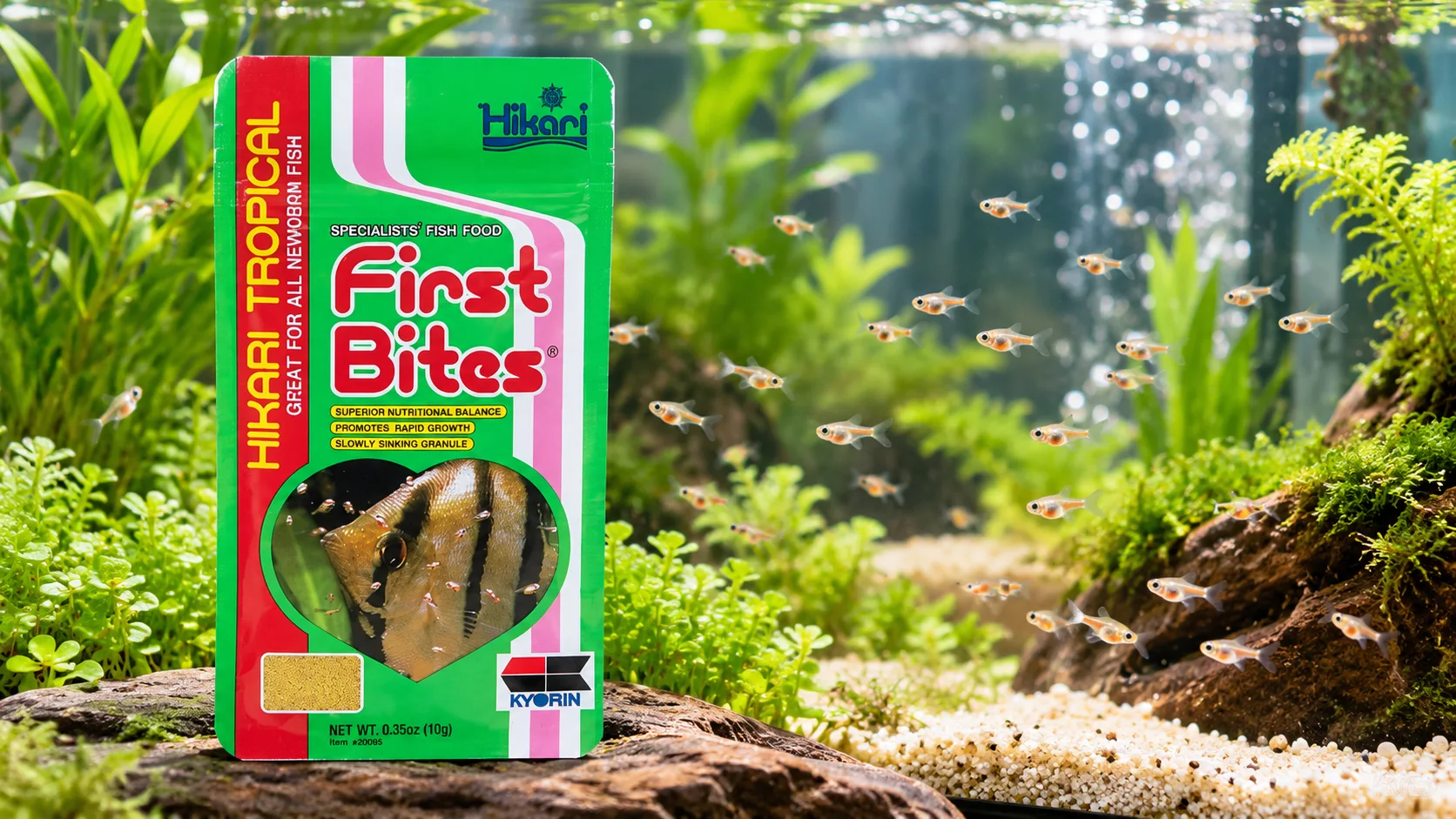
Hikari
Hikari First Bites Semi-Floating Fry Food
Best for: Young tropical fish fry, breeding aquariums and nursery tanks.
As an Amazon Associate, we earn from qualifying purchases.
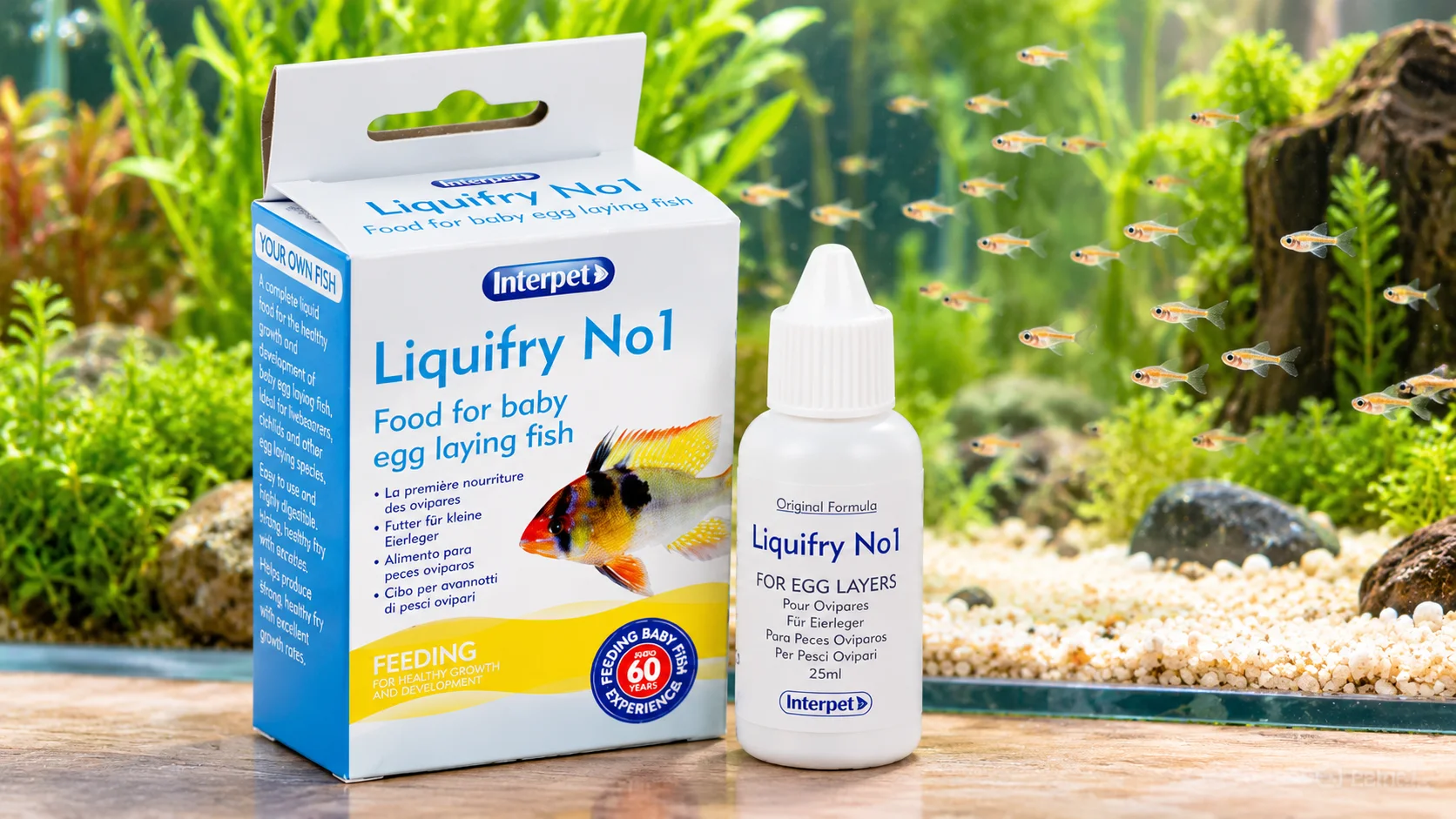
Interpet
Interpet Men Liquifry No. 1 – Food for Baby Egg Laying Fish
Best for: Newly hatched egg-laying fish, Betta fry, gourami fry and small tropical fish breeding aquariums.
As an Amazon Associate, we earn from qualifying purchases.