Freshwater Aquarium Shrimp for Beginners
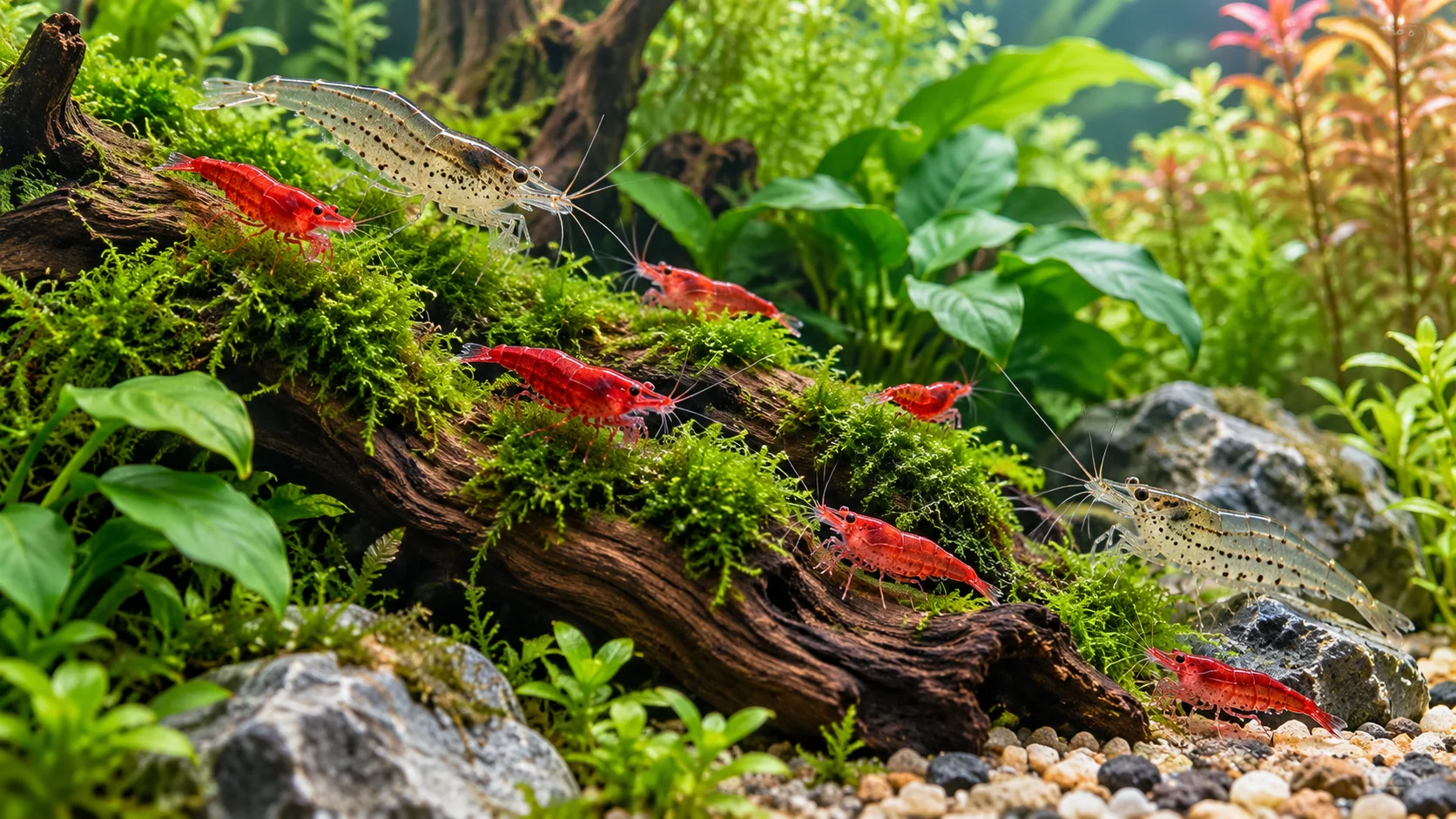
Freshwater shrimp are colourful, active and ideal for planted aquariums. This beginner’s guide covers the easiest shrimp species to keep, how to set up their aquarium, feeding, water conditions, tank mates and breeding.
Freshwater shrimp have become increasingly popular in home aquariums, and it is easy to understand why. They are small, colourful, constantly active and particularly well suited to planted aquariums. Watching a group of shrimp move through mosses, wood and plants searching for tiny pieces of food can be every bit as interesting as keeping fish.
Shrimp can also help clean up leftover food, algae and organic material from surfaces around the aquarium. However, they should not simply be considered miniature aquarium cleaners. They are animals with their own requirements, and giving them the right conditions is essential if you want them to thrive.
For beginners, the good news is that several freshwater shrimp species are relatively straightforward to keep. The biggest secret is not complicated equipment or specialist additives. It is providing a mature, stable aquarium and avoiding sudden changes in water conditions.
Are Freshwater Shrimp Good for Beginners?
Some freshwater shrimp are excellent choices for beginners, while others are considerably more demanding.
The easiest starting point for most aquarists is Neocaridina shrimp, particularly the familiar Cherry Shrimp. These adaptable little shrimp are available in an enormous range of colours including red, blue, orange, yellow and black.
Neocaridina tolerate a reasonably broad range of water conditions and will readily breed when kept in a suitable aquarium.
Another excellent species is the Amano Shrimp, Caridina multidentata. Amano Shrimp grow considerably larger than Cherry Shrimp and are particularly useful in planted aquariums because of their appetite for certain types of algae.
More specialised Caridina shrimp, including Crystal Red Shrimp and Taiwan Bee varieties, are usually better left until you have some experience. They often require much more carefully controlled water chemistry.
Cherry Shrimp and Neocaridina
If you simply want an attractive shrimp that is relatively easy to keep, Neocaridina are probably the best place to start.
Red Cherry Shrimp are the variety most people encounter first, but selective breeding has produced many different colour forms.
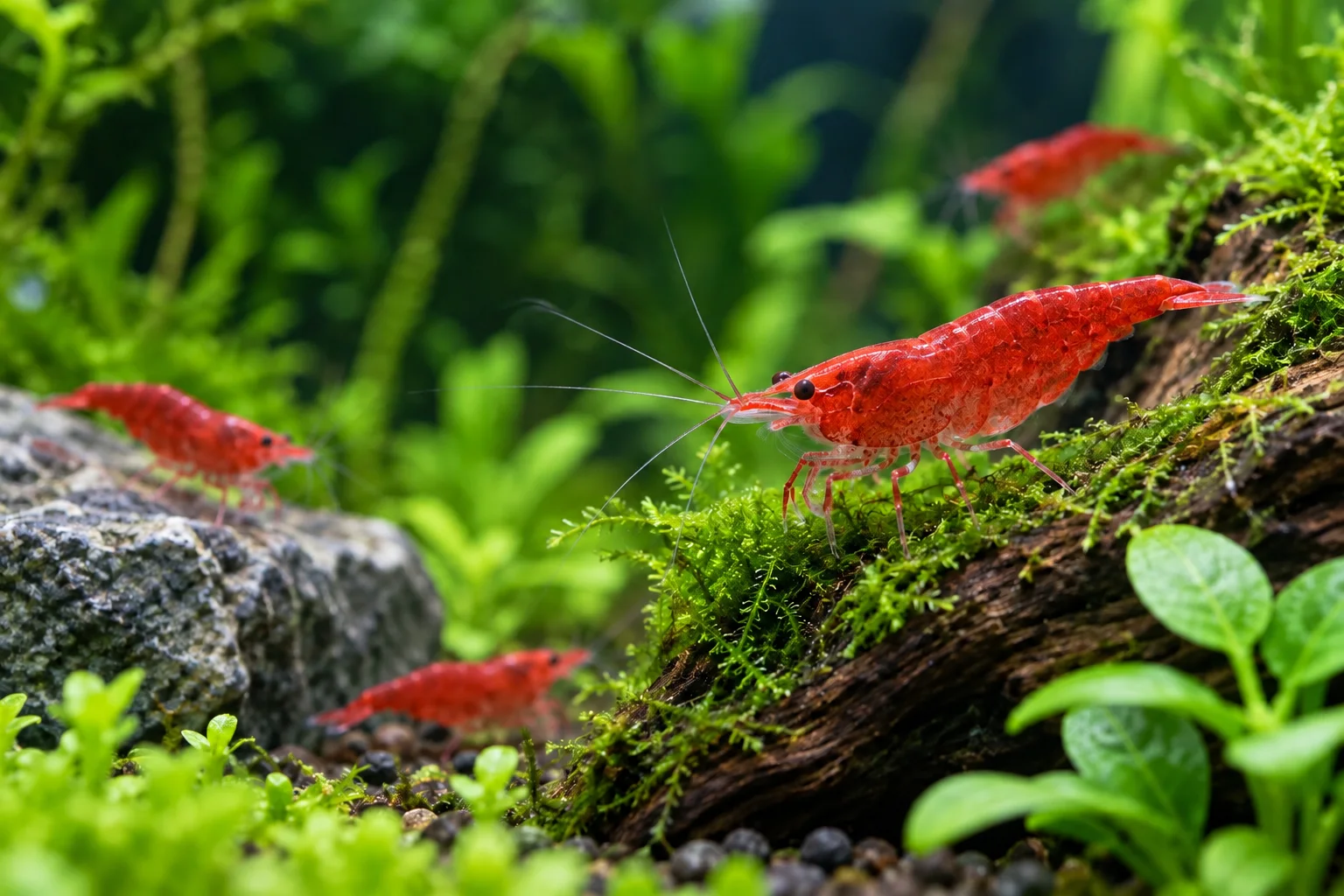
A mature Neocaridina normally reaches around 2.5–3cm in length, with females generally growing slightly larger and displaying stronger colours than males.
One of their biggest attractions is that they can reproduce entirely in freshwater.
Once established, a small colony can gradually develop into dozens of shrimp provided there is sufficient food, hiding space and protection from fish.
Although the different colour varieties belong to the same species, it is usually best to keep a single colour strain if appearance is important to you. Different colours breeding together can gradually produce less colourful, wild-type offspring.
We had a full article on the cherry shrimp which you may find interesting.
Amano Shrimp
Amano Shrimp are another species we often recommend for planted aquariums, particularly where some additional algae control would be useful.
They were popularised in planted aquariums by Japanese aquascaper Takashi Amano and have become one of the most widely kept freshwater shrimp.
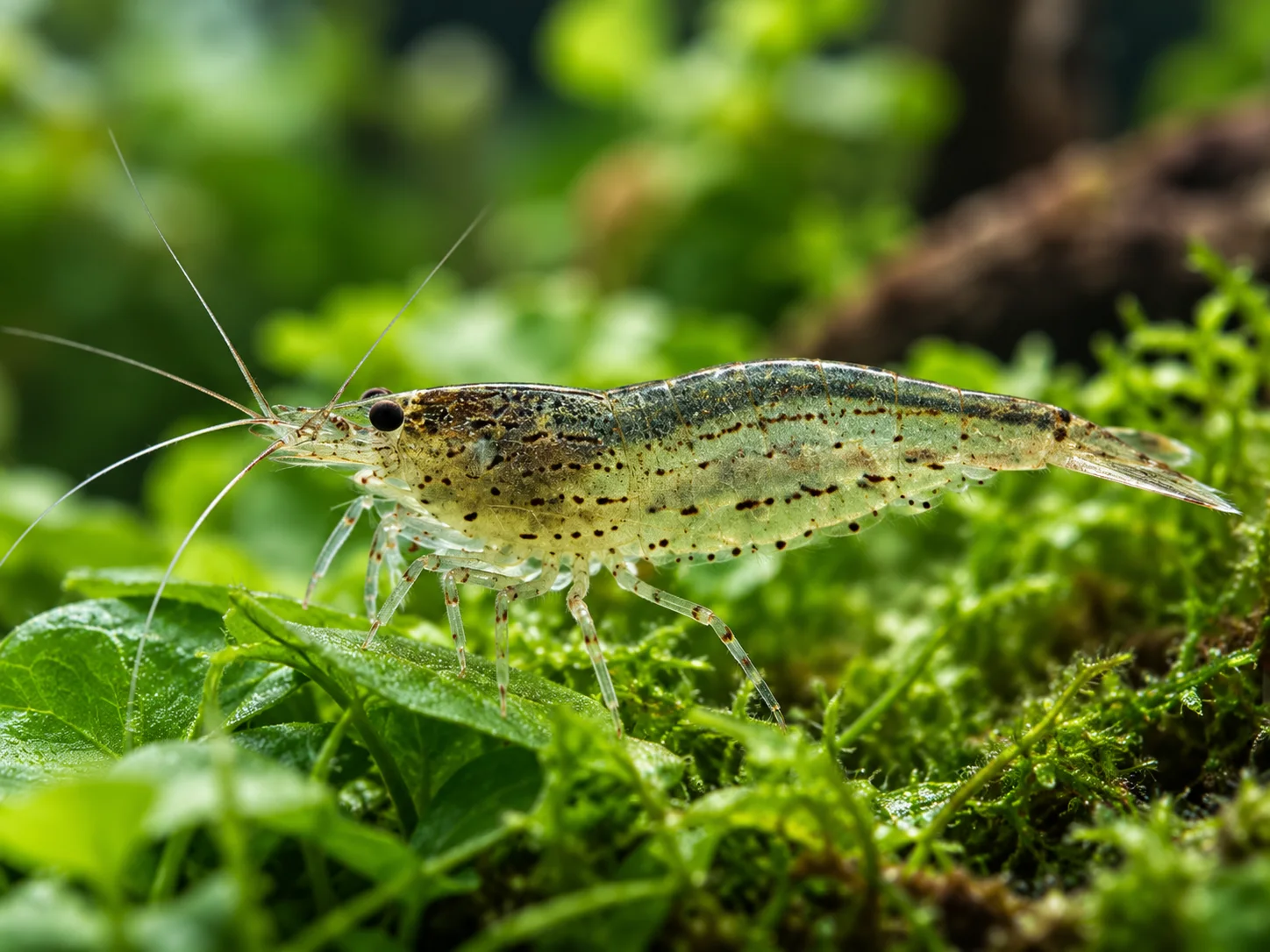
Amano Shrimp grow considerably larger than Neocaridina, often reaching around 4–5cm.
They are enthusiastic grazers and spend much of their time searching rocks, wood, plants and aquarium glass for algae and edible material.
They are particularly useful for dealing with soft algae and can sometimes help with small amounts of hair algae. However, no shrimp should be expected to solve an underlying algae problem on its own.
Unlike Cherry Shrimp, Amano Shrimp will not normally establish a breeding colony in a freshwater aquarium. Females may carry eggs, but the larvae require brackish or marine conditions during part of their development.
For many aquarists this is actually an advantage because the shrimp population remains relatively stable.
We have a full article on the Amano shrimp which you may find interesting.
The Best Aquarium for Shrimp
Shrimp do not need a particularly large aquarium.
A small group of Neocaridina can comfortably live in an aquarium of around 20 litres or more, although beginners will generally find a slightly larger tank easier to manage.
Larger volumes of water are more stable.
Temperature, pH and water chemistry change more slowly, giving you more time to correct problems.
The aquarium should ideally be fully cycled before shrimp are introduced. In fact, allowing the aquarium to mature for a little longer can be beneficial.
A newly established aquarium may look perfectly clean, but a mature aquarium contains microscopic algae, bacteria and biofilm growing across plants, rocks and wood. Shrimp spend much of their day grazing on this material.
An aquarium that is slightly mature is therefore often much more suitable for shrimp than a completely sterile-looking new setup.
Plants, Moss and Hiding Places
Shrimp work particularly well in planted aquariums.
Plants provide shelter while also dramatically increasing the amount of surface area available for biofilm to grow.
Aquarium mosses are especially useful.
Java Moss , Christmas Moss and similar plants create dense areas where adult shrimp can graze and newly hatched shrimp can hide.
Other useful plants include Anubias Nana, Bucephalandra, Java Fern , Cryptocoryne Beckettii and floating plants like Amazon Frogbit.
Pieces of aquarium wood are also excellent additions because the textured surface gradually develops a layer of biofilm.
You do not need to create an aquarium completely filled with plants, but providing plenty of surfaces and sheltered areas will make your shrimp feel much more secure.
Water Conditions
Shrimp are often described as sensitive, but this can be slightly misleading.
Many beginner species are quite tolerant of different water conditions. What they dislike much more is instability.
A sudden change in temperature, pH or mineral concentration can cause considerably more trouble than water that is slightly outside someone's supposedly perfect number.
Neocaridina usually do well in moderately hard freshwater with a neutral or slightly alkaline pH, although they can adapt to other conditions.
A temperature somewhere around 20–24°C suits most colonies well.
Amano Shrimp are similarly adaptable.
Before buying shrimp, it is therefore useful to know roughly what your tap water is like. If your aquarium has already been running successfully with healthy fish and stable parameters, complicated alterations to the water are often unnecessary.
Constantly adjusting pH with chemicals can sometimes create more problems than it solves.
Shrimp Need Minerals
One aspect of shrimp keeping that beginners sometimes overlook is mineral content.
Shrimp have an external shell called an exoskeleton. As they grow, they periodically shed this shell through a process called moulting.
Calcium and other minerals are important for the development of a healthy new exoskeleton.
In areas with moderately hard tap water, Neocaridina often obtain everything they require naturally.
Extremely soft water may need additional mineral supplementation, particularly when keeping more specialised shrimp species.
You may occasionally find an empty shrimp shell lying in the aquarium. This is normally nothing to worry about.
Leave it in the aquarium.
Shrimp will often eat the old shell and recover some of the minerals contained within it.
Feeding Freshwater Shrimp
Shrimp appear to be constantly eating.
Much of their natural diet comes from algae, microorganisms and organic material growing around the aquarium.
In a mature planted tank, this can provide a significant proportion of their food.
However, captive shrimp should still be offered a varied diet.
Specialist shrimp foods are widely available and normally contain a mixture of plant material, algae and protein.
Small amounts of algae wafers and quality fish foods can also be offered.
The most common feeding mistake is simply giving them too much.
A small colony of shrimp requires surprisingly little additional food.
If food remains untouched for hours, reduce the quantity next time.
Excess food breaks down, reduces water quality and may encourage unwanted snail populations.
Choosing Tank Mates
One of the biggest challenges when keeping shrimp is choosing suitable fish.
Many fish will eat shrimp if the opportunity arises.
Even peaceful community fish may hunt tiny newborn shrimp.
Small species such as Ember Tetras, small Rasboras and some other nano fish can sometimes coexist successfully with adult shrimp, particularly in heavily planted aquariums. However, some baby shrimp will almost certainly disappear.
Larger fish present a much greater risk.
If your aim is to build a large breeding colony, a shrimp-only aquarium is usually the best option.
Amano Shrimp have an advantage here because their larger adult size allows them to coexist with a wider range of peaceful community fish.
Always remember that if a shrimp fits comfortably inside a fish's mouth, there is a reasonable chance that eventually it will end up there.
Use a Shrimp-Safe Filter
Filtration does not need to be complicated.
Small sponge filters are particularly suitable for shrimp aquariums because they provide gentle water movement and cannot suck baby shrimp into the filter.
They also develop large populations of microorganisms that shrimp can graze on.
If you already use an internal or external filter, fit a fine sponge pre-filter over the intake.
This prevents small shrimp from disappearing inside the filtration system.
Acclimating New Shrimp
Introducing shrimp carefully is important.
The water at the shop or breeder may have very different mineral levels from your aquarium.
Rather than simply pouring the shrimp straight into the tank, gradually introduce aquarium water into their transport container.
Drip acclimation is commonly used for shrimp because it allows the water chemistry to change slowly.
The entire process does not need to become excessively complicated, but avoiding a sudden change in temperature and water chemistry gives newly purchased shrimp a much better start.
Whenever possible, avoid adding water from the transport bag directly into the aquarium.
Copper and Aquarium Treatments
Shrimp are invertebrates and can be particularly sensitive to some aquarium medications.
Copper-based treatments are the most obvious example.
Always check whether a medication is suitable for shrimp before adding it to an aquarium containing them.
The same principle applies to plant treatments and other aquarium chemicals.
Do not assume something is shrimp-safe simply because it is safe for fish.
Why Are My Shrimp Dying?
When shrimp suddenly begin dying, the temptation is often to search for a shrimp-specific disease.
In reality, water quality and instability should be investigated first.
Check ammonia and nitrite immediately. Both should remain at zero in a mature aquarium.
Look at nitrate levels and consider whether there has recently been a large water change, unusual temperature change or alteration to the aquarium's chemistry.
Recent medications, fertilisers or chemicals should also be considered.
Problems shortly after moulting can sometimes indicate unsuitable mineral conditions.
Avoid making several major changes at once. Shrimp generally respond better to stable conditions than constant attempts to adjust the aquarium.
Breeding Cherry Shrimp
One of the most enjoyable parts of keeping Neocaridina is seeing the colony reproduce.
Females carry fertilised eggs underneath their abdomen, constantly moving their swimmerets to keep water flowing across them.
After several weeks, the eggs hatch into tiny versions of the adults.
There is no free-swimming larval stage.
The young shrimp immediately begin grazing around the aquarium.
This is where mosses and dense plant growth become particularly valuable. They provide both food and protection.
If there are no predatory fish present and water conditions remain stable, you may suddenly realise that the handful of shrimp you originally purchased has become a thriving colony.
Are Freshwater Shrimp Worth Keeping?
For anyone interested in planted aquariums or smaller freshwater setups, shrimp are well worth considering.
They bring constant activity to parts of the aquarium that fish often ignore and make excellent inhabitants for heavily planted displays.
For beginners, we would generally recommend starting with Neocaridina such as Cherry Shrimp or a group of Amano Shrimp.
Avoid becoming too concerned with chasing perfect water parameters. Start with a mature, cycled aquarium, provide plenty of plants and grazing surfaces, feed sparingly and concentrate on keeping conditions stable.
Once established, freshwater shrimp can be surprisingly easy to maintain.
And after spending some time watching them carefully pick their way through aquarium plants and moss, it is easy to see why so many aquarists end up creating an aquarium specifically for shrimp.
Products We've Mentioned & Recommend
Below you'll find a selection of products we've mentioned in this article, along with a few others we think you might find useful. We've included Amazon links to make them easy to find.
A quick word about affiliate links...
Some of these links are affiliate links, which means we may earn a small commission from qualifying purchases, at no extra cost to you.
Unfortunately, the commission doesn't quite stretch to cocktails on a yacht or a garage full of sports cars. In reality, it helps cover the running costs of this website and, with a bit of luck, might eventually buy me a new pair of waders that don't leak!
We only recommend products we genuinely believe are worth considering, and your support helps us keep sharing free advice from our years of working with aquariums and ponds.
Thanks for supporting Aquatic Specialist!
As an Amazon Associate I earn from qualifying purchases.
NT Labs
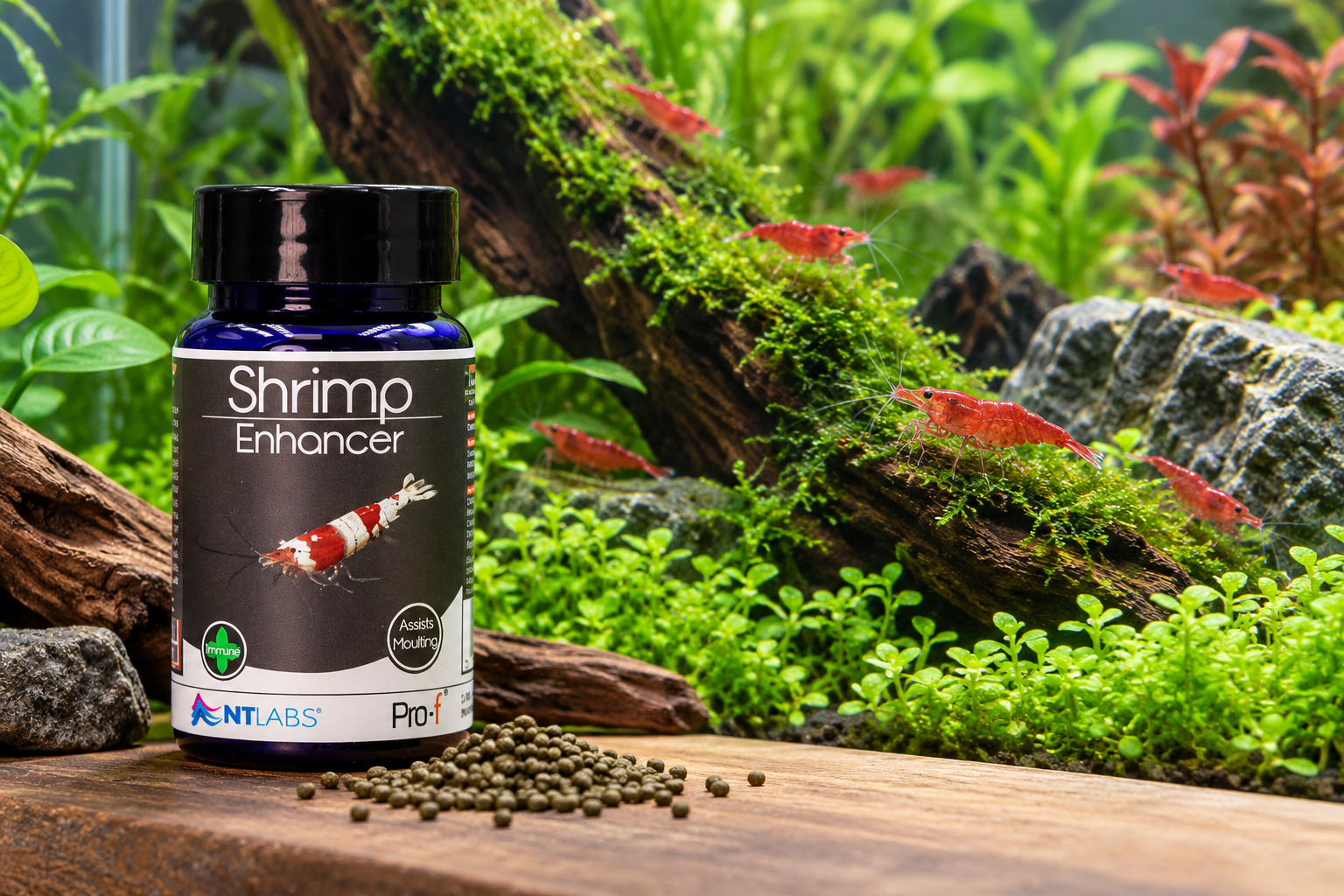
NT Labs Pro-f Shrimp Enhancer
Best for: Cherry shrimp, Neocaridina colonies and planted shrimp aquariums
As an Amazon Associate, we earn from qualifying purchases.
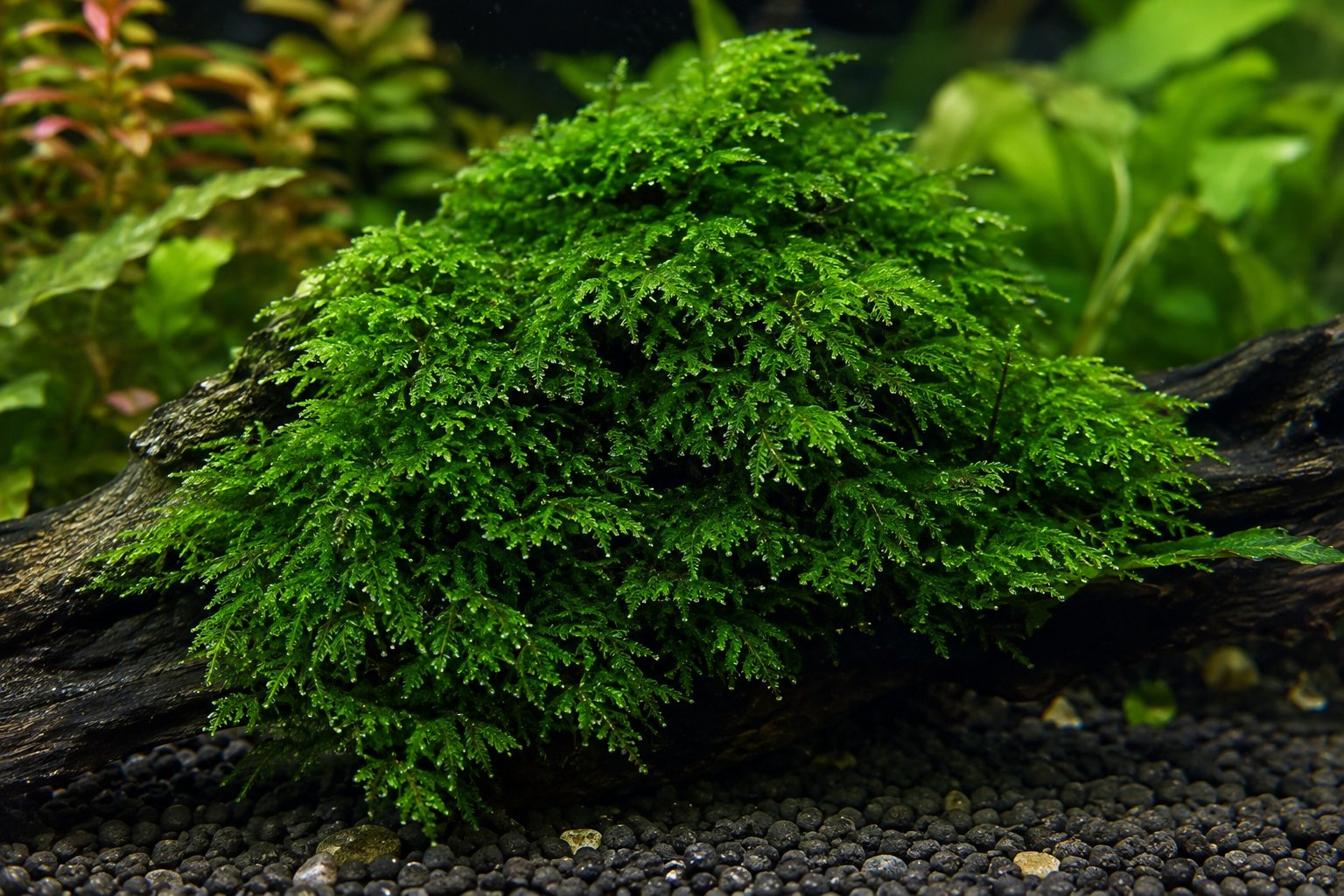
Christmas Moss
Best for: Aquascaping, shrimp tanks, breeding aquariums and attaching to wood or rock
As an Amazon Associate, we earn from qualifying purchases.
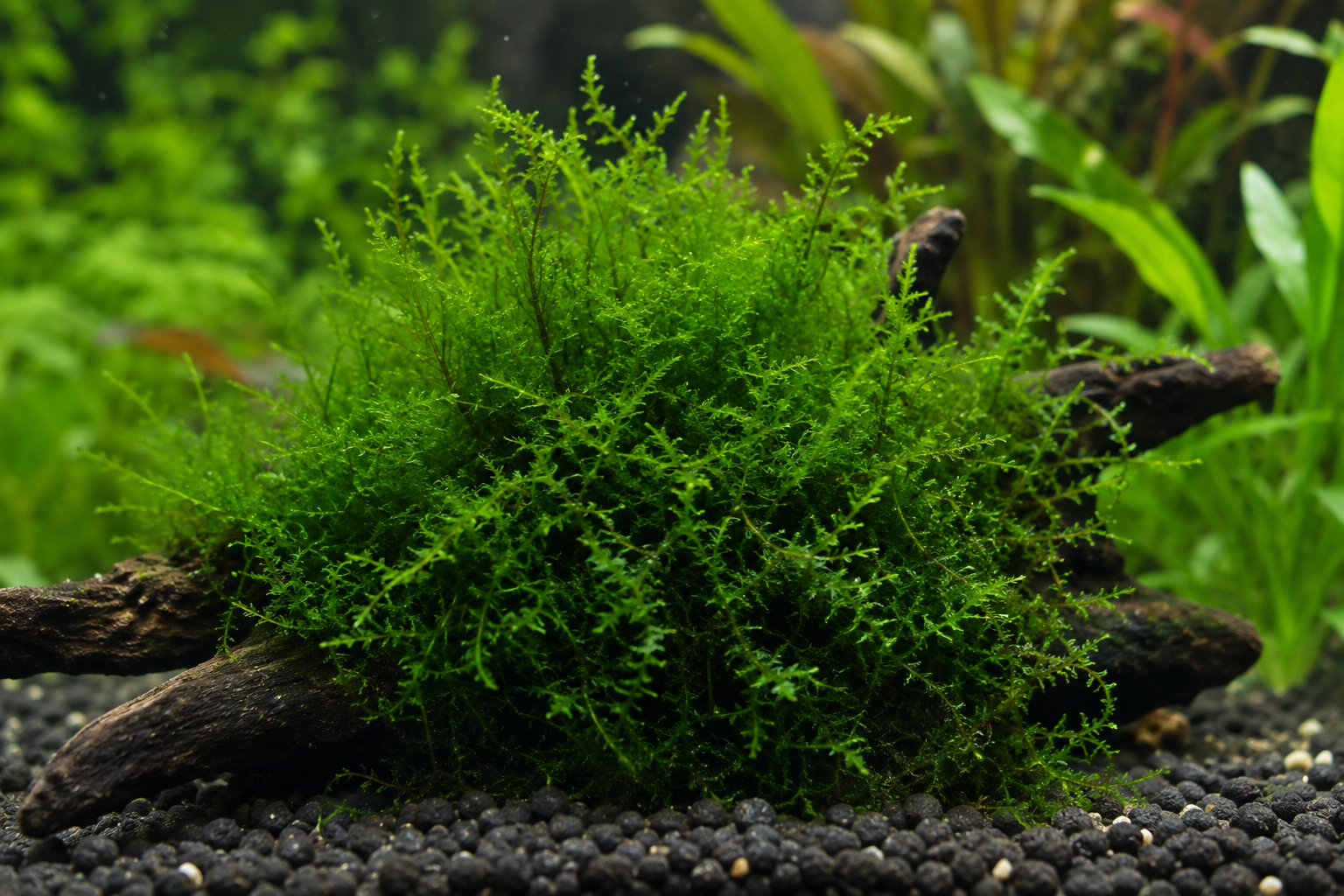
Java Moss
Best for: Beginners, shrimp tanks, breeding aquariums and natural aquascapes
As an Amazon Associate, we earn from qualifying purchases.
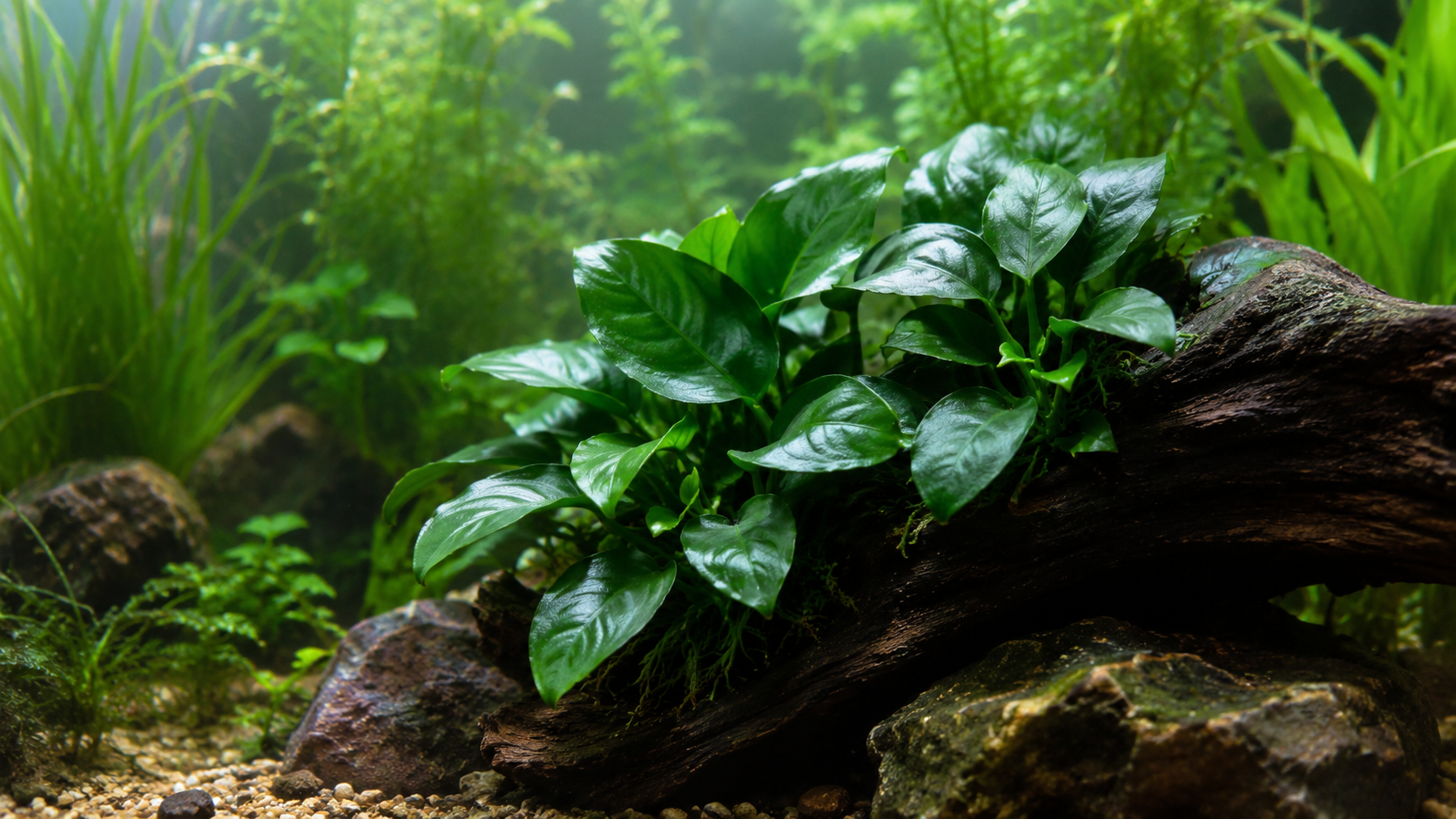
Anubias Nana
Best for: Beginners, low-light aquariums and low-tech planted tanks
As an Amazon Associate, we earn from qualifying purchases.
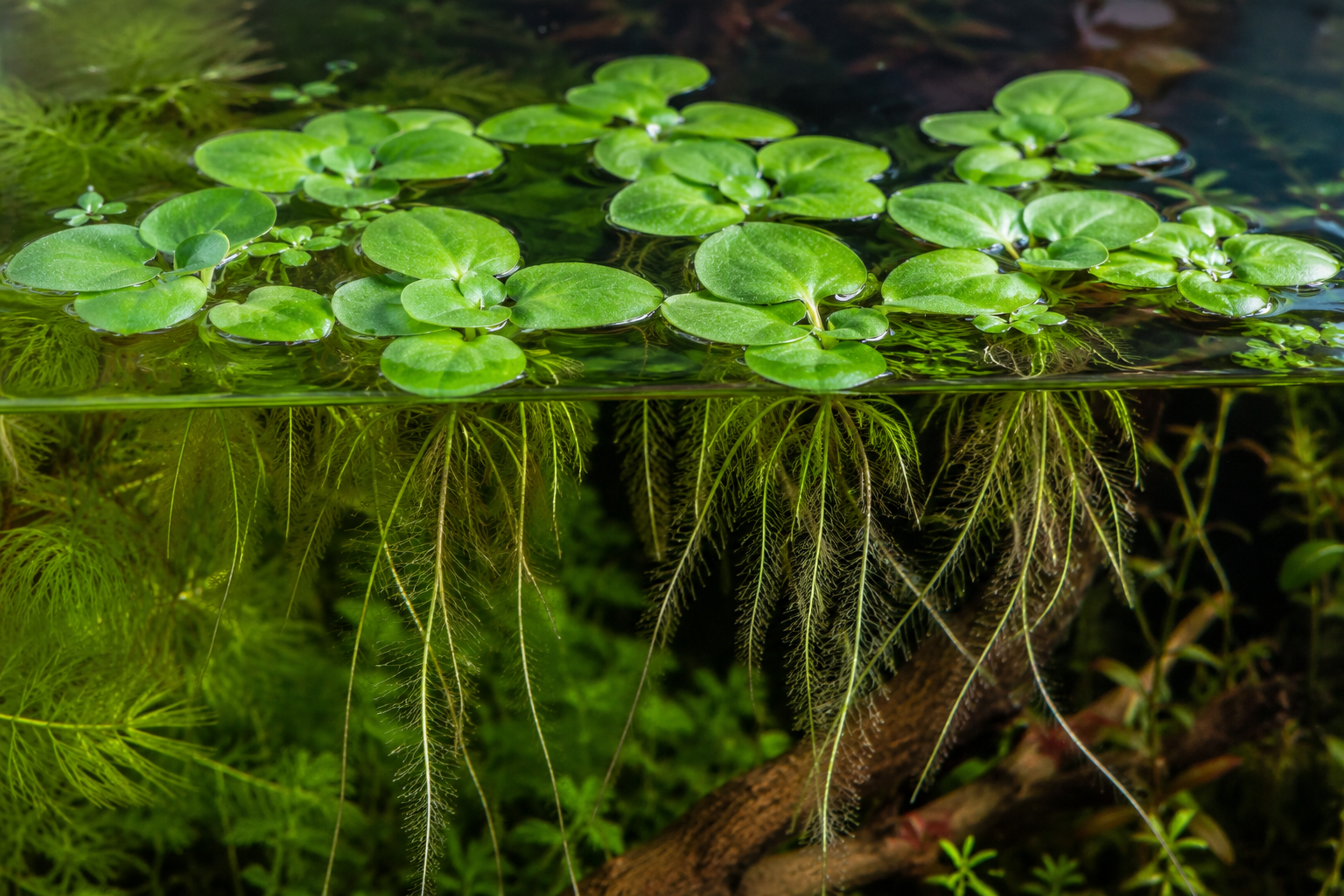
Amazon Frogbit
Best for: Natural aquariums, fry tanks, shrimp tanks and surface cover
As an Amazon Associate, we earn from qualifying purchases.
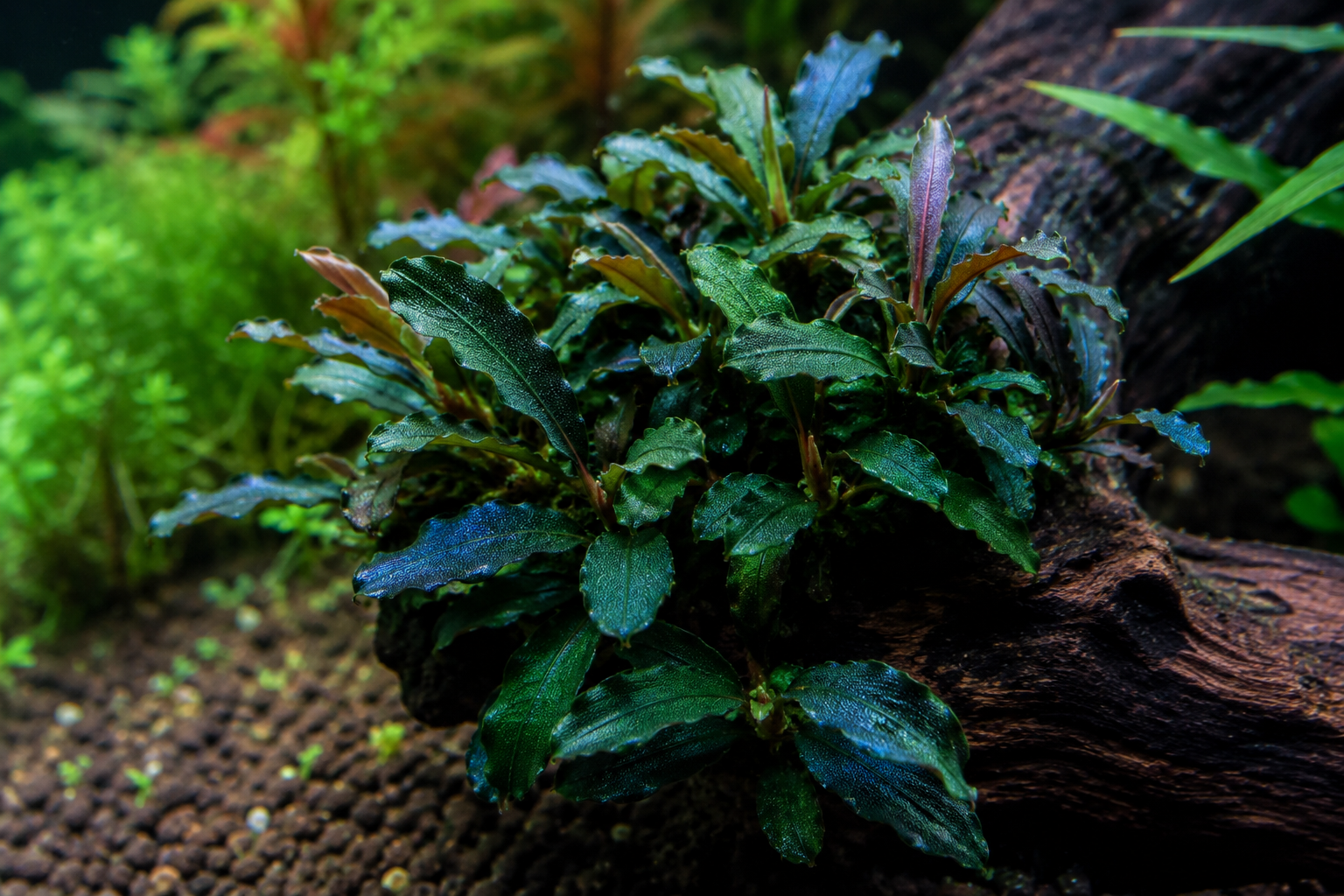
Bucephalandra
Best for: Aquascapes, nano aquariums and attaching to rocks or driftwood
As an Amazon Associate, we earn from qualifying purchases.
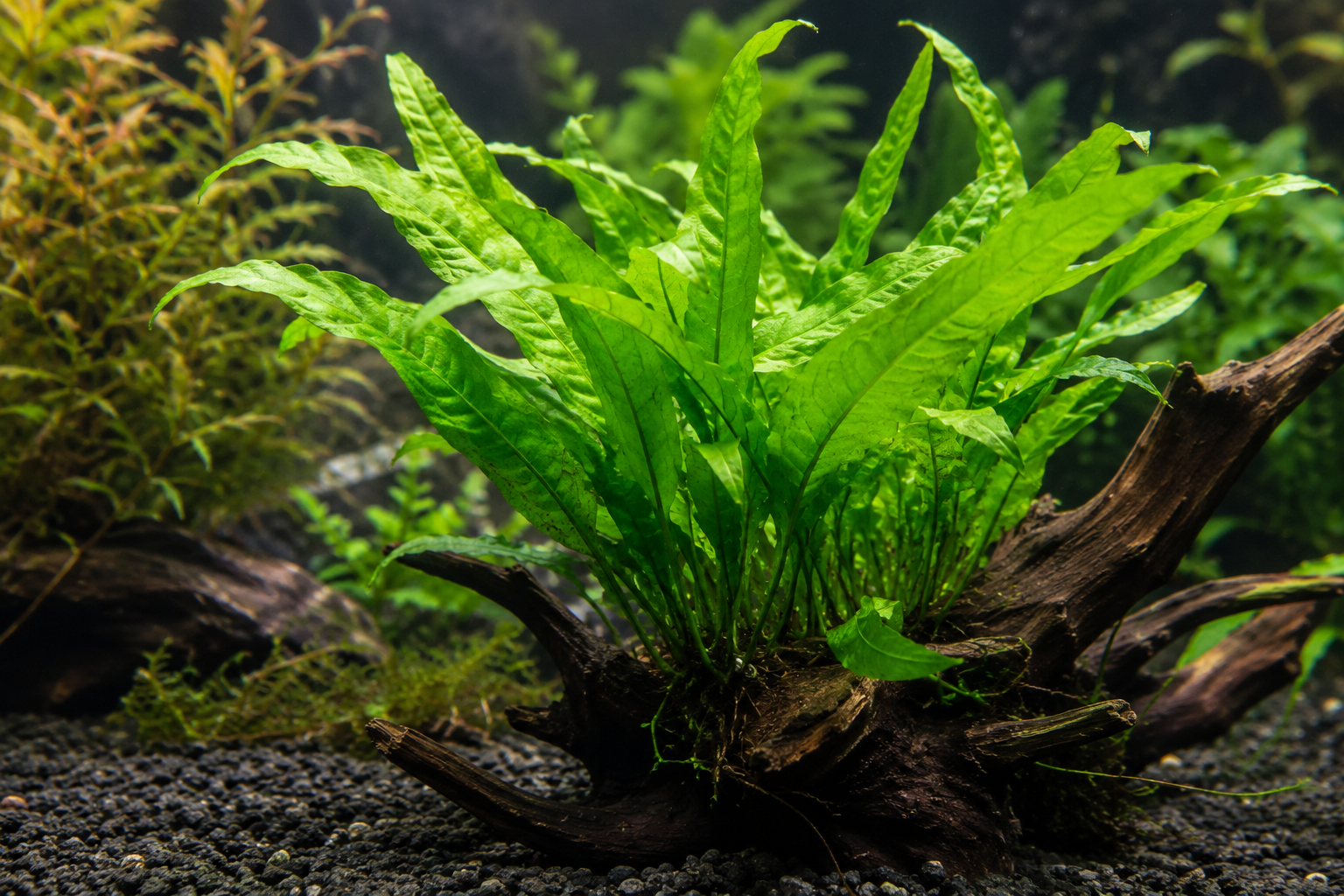
Java Fern
Best for: Beginners, low-tech aquariums and attaching to rocks or driftwood
As an Amazon Associate, we earn from qualifying purchases.
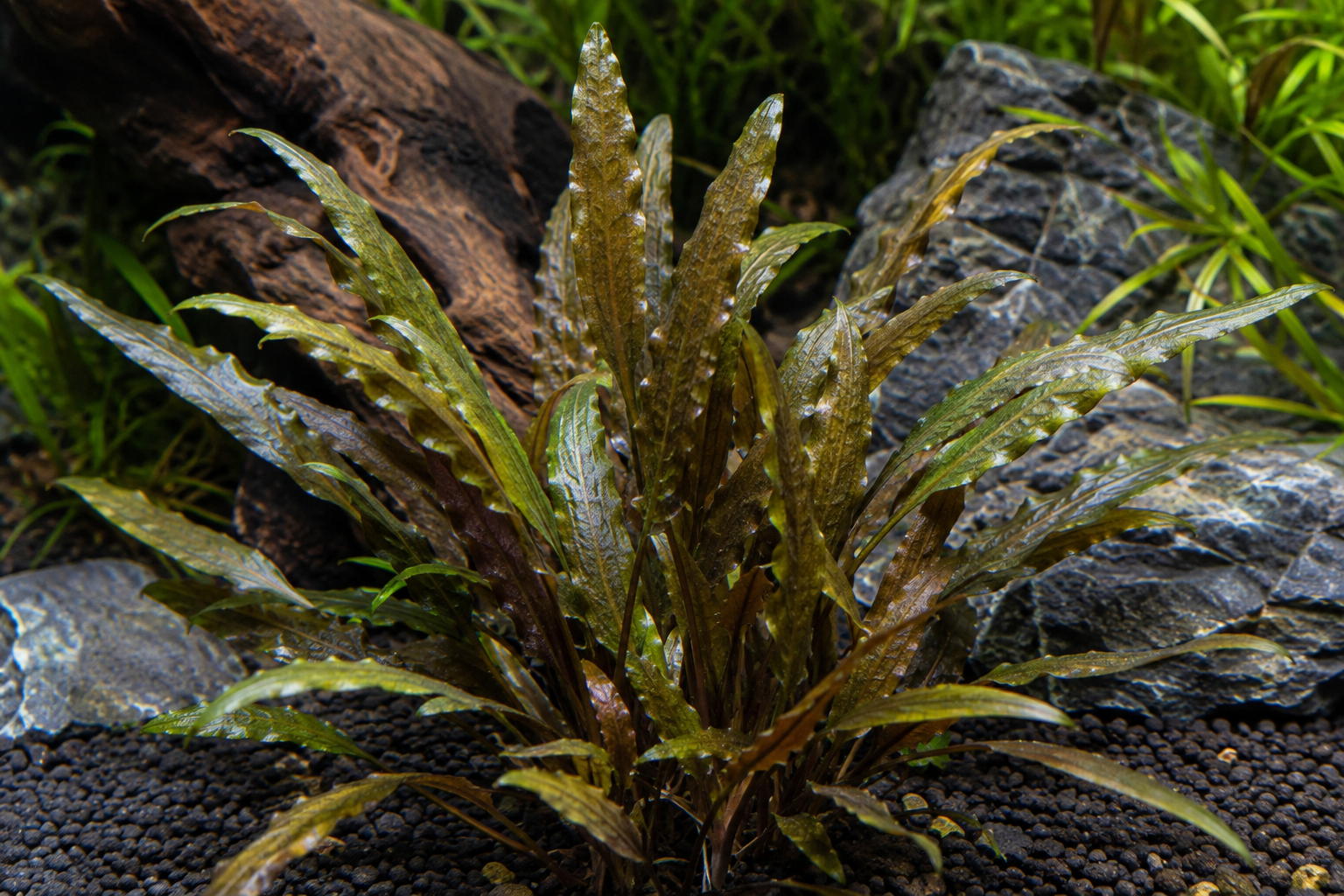
Cryptocoryne Beckettii
Best for: Beginners, low-tech aquariums and natural midground planting
As an Amazon Associate, we earn from qualifying purchases.