Amano Shrimp Care Guide: Keeping Caridina multidentata in the Aquarium
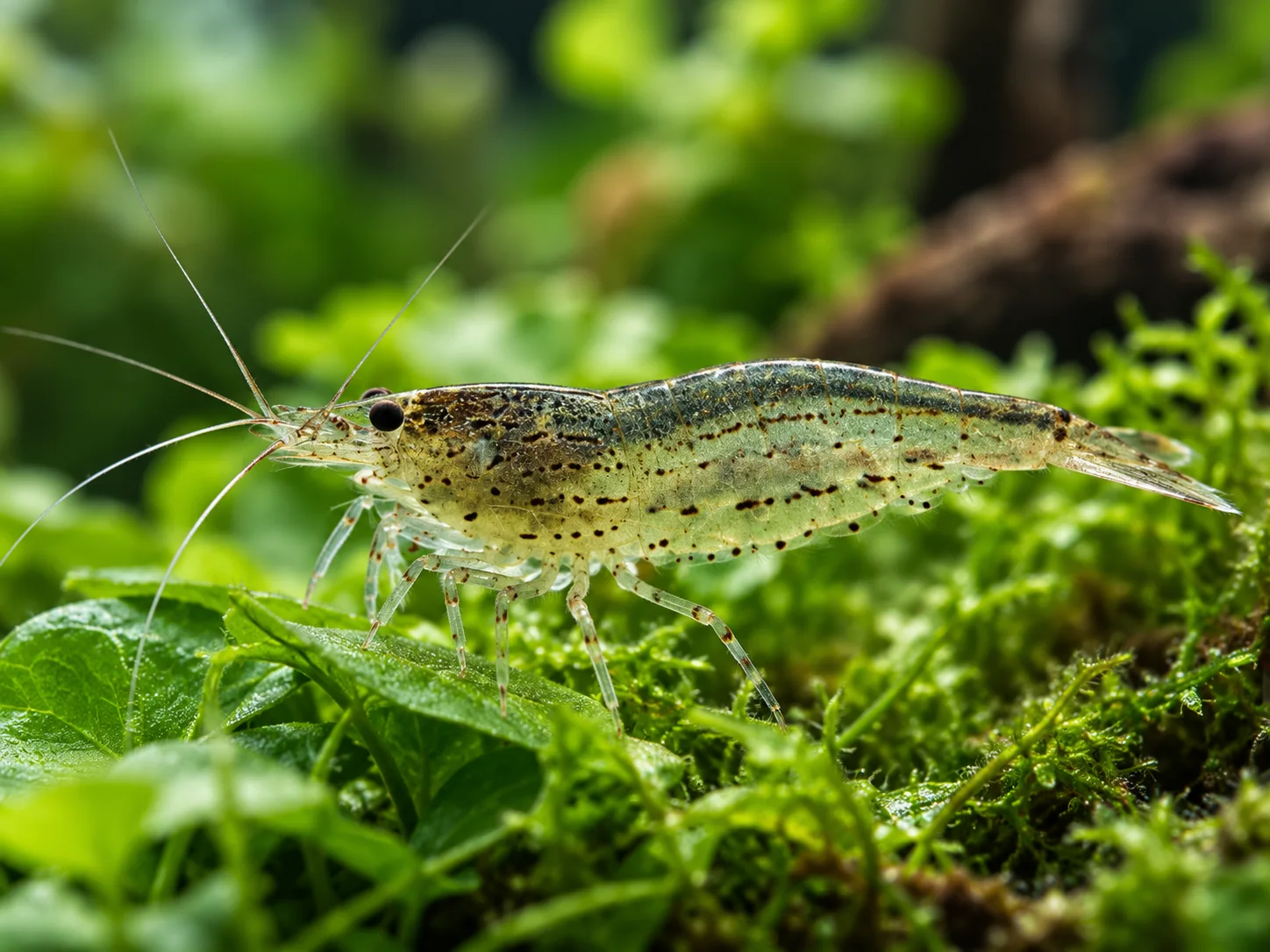
Amano shrimp are peaceful, active freshwater shrimp best known for their algae-eating ability. This guide covers their care, feeding, ideal aquarium conditions, suitable tank mates and why breeding them is more difficult than many other freshwater shrimp.
Amano shrimp are one of the most useful and popular freshwater shrimp kept in planted aquariums. Best known for their appetite for algae and leftover food, they are peaceful, active and relatively easy to care for once settled. Their scientific name is Caridina multidentata, although older aquarium books may still refer to them as Caridina japonica.
They are often recommended as part of an aquarium clean-up crew, but they are much more interesting than simply being algae eaters. Amano shrimp are constantly moving around the aquarium, picking at wood, rocks, plants and substrate. In a mature planted aquarium they can spend most of the day grazing over surfaces looking for small particles of food, biofilm and algae.
Unlike some of the smaller ornamental shrimp, such as cherry shrimp, Amano shrimp grow to a fairly noticeable size. Adults can reach around 4–5 cm in length, with females generally becoming larger and heavier-bodied than males. Their transparent grey-brown bodies are covered with rows of small dots and dashes, giving them excellent camouflage among plants and hardscape.
Amano Shrimp in the Aquarium
Amano shrimp work particularly well in planted aquariums. They are strong enough to live alongside many peaceful community fish and large enough that adult shrimp are less likely to be viewed as food by smaller species.
They are not aggressive towards fish or other shrimp. Most of their time is spent searching for food, often climbing through plants or walking across wood and rocks. When several are kept together they can become surprisingly bold, especially at feeding time.
We often think of Amano shrimp primarily as algae eaters, but it is important not to expect them to completely solve an algae problem. They can help control certain types of soft algae and will often clean surfaces that fish ignore, but excessive algae usually indicates another problem such as too much light, excess nutrients or an imbalance within the aquarium.
Amano shrimp should therefore be considered part of an aquarium's maintenance system rather than a replacement for proper aquarium care.
Aquarium Size and Setup
Amano shrimp do not require a particularly large aquarium, although they are easier to keep in a stable, established system than in a very small tank.
A planted aquarium with plenty of hiding places is ideal. Driftwood, rocks, mosses and dense plants provide a large amount of surface area for biofilm and algae to develop. These surfaces become natural feeding areas for the shrimp.
They are particularly comfortable in aquariums containing mosses and fine-leaved plants. Shrimp regularly explore these areas for tiny particles of food.
The aquarium should always have a secure lid. Amano shrimp are surprisingly good climbers and can occasionally leave an aquarium, particularly if water conditions are poor or they are newly introduced. Filter pipes, cables and plants reaching above the water can all provide potential escape routes.
Water Conditions
Amano shrimp are relatively adaptable compared with some more demanding Caridina shrimp, but stable water conditions remain important.
A temperature somewhere around 20–26°C suits most aquarium situations. They can tolerate a reasonable range of pH values, with slightly acidic to slightly alkaline water generally being suitable.
Sudden changes are more dangerous than slightly imperfect water conditions. Shrimp are sensitive to rapid changes in temperature, pH and mineral content, so new shrimp should be acclimatised carefully.
A slow acclimatisation method is particularly useful when the water in the transport bag differs noticeably from the aquarium.
Like other freshwater shrimp, Amano shrimp are sensitive to poor water quality. Ammonia and nitrite should always remain at zero, while nitrate should be kept reasonably low through regular water changes and sensible stocking.
Copper can also be toxic to shrimp at elevated levels. Care should therefore be taken when using fish medications or aquarium treatments. Always check whether a treatment is safe for shrimp before adding it to the aquarium.
Feeding Amano Shrimp
Amano shrimp are excellent scavengers and will eat a wide variety of foods.
In an established aquarium they spend much of their time grazing on algae, biofilm, decaying plant material and tiny pieces of leftover fish food. In many community aquariums they receive a surprising amount of food without needing much additional feeding.
However, they should not be expected to survive entirely on algae.
Shrimp pellets, algae wafers, sinking fish foods and small pieces of vegetable-based food can all be offered. They will also eat protein-rich foods, although these should only make up part of their diet.
One of the most entertaining things about Amano shrimp is their behaviour at feeding time. Larger individuals can be quite determined and may grab a piece of food before carrying it away to eat in peace.
Avoid overfeeding. Excess food can quickly affect water quality, and Amano shrimp need surprisingly little additional food when living in a mature aquarium.
Tank Mates
Amano shrimp are suitable for many peaceful community aquariums.
Small tetras, rasboras, rainbowfish, Corydoras, small peaceful barbs and many other community fish can generally live alongside them successfully.
The main consideration is whether the fish is large enough to eat the shrimp.
Large cichlids, predatory fish and larger bottom-dwelling species may view Amano shrimp as food. Even peaceful fish can sometimes eat newly introduced shrimp if they are small enough to fit into their mouths.
Adult Amano shrimp are considerably safer than tiny dwarf shrimp because of their size.
They can also be kept alongside other peaceful freshwater shrimp and snails.
Moulting
Like all shrimp, Amano shrimp must shed their exoskeleton as they grow.
After moulting, the new shell remains soft for a short period. During this time the shrimp may hide until the shell hardens.
An empty shrimp shell can sometimes alarm new shrimp keepers because it looks remarkably like a dead shrimp. However, a discarded moult is completely normal.
There is usually no need to remove it. Other shrimp may eat the old shell, recycling some of the minerals it contains.
Breeding Amano Shrimp
Breeding Amano shrimp is very different from breeding cherry shrimp.
Female Amano shrimp regularly carry large numbers of eggs beneath their bodies, and this can sometimes give the impression that baby shrimp will soon appear in the aquarium.
Unfortunately, successful breeding is considerably more complicated.
The larvae that hatch from the eggs are not miniature versions of the adults. In nature, the larvae are carried downstream towards brackish or marine water where they develop through several larval stages.
Once they have developed into juvenile shrimp, they migrate back into freshwater.
This means that Amano shrimp will not normally establish a self-sustaining population in a standard freshwater aquarium.
It is possible to breed them in captivity, but the larvae must be transferred to suitable salt or brackish water conditions and raised on extremely small foods. Once they develop into juvenile shrimp, they must then be gradually returned to freshwater.
For most aquarium keepers, Amano shrimp are therefore purchased rather than bred at home.
How Many Amano Shrimp Should You Keep?
Amano shrimp are social enough to live comfortably in groups, and keeping several usually makes them more visible and active.
For a medium-sized planted aquarium, a group of five or six can be a sensible starting point. Larger aquariums can easily support considerably more.
The number needed also depends on why they are being added. If the main purpose is algae control, a larger group will obviously have a greater effect than one or two individuals.
However, adding large numbers of shrimp will not solve the underlying cause of serious algae problems.
Are Amano Shrimp Worth Keeping?
Amano shrimp are one of the best freshwater shrimp for planted community aquariums.
They are peaceful, interesting to watch and constantly graze over surfaces that fish often ignore. Their larger size also makes them easier to keep with community fish than many smaller dwarf shrimp.
They are particularly useful in planted aquariums where algae, biofilm and small pieces of leftover food naturally accumulate around wood, rocks and plants.
As long as the aquarium is mature, water quality is stable and unsuitable predatory fish are avoided, Amano shrimp are usually straightforward to keep.
They should not be purchased simply as a quick solution to an algae problem, but when kept as part of a balanced aquarium they can be extremely useful inhabitants. Their combination of practical algae-grazing behaviour, peaceful nature and constant activity has made Amano shrimp one of the most popular freshwater shrimp in the aquarium hobby.
Products We've Mentioned & Recommend
Below you'll find a selection of products we've mentioned in this article, along with a few others we think you might find useful. We've included Amazon links to make them easy to find.
A quick word about affiliate links...
Some of these links are affiliate links, which means we may earn a small commission from qualifying purchases, at no extra cost to you.
Unfortunately, the commission doesn't quite stretch to cocktails on a yacht or a garage full of sports cars. In reality, it helps cover the running costs of this website and, with a bit of luck, might eventually buy me a new pair of waders that don't leak!
We only recommend products we genuinely believe are worth considering, and your support helps us keep sharing free advice from our years of working with aquariums and ponds.
Thanks for supporting Aquatic Specialist!
As an Amazon Associate I earn from qualifying purchases.
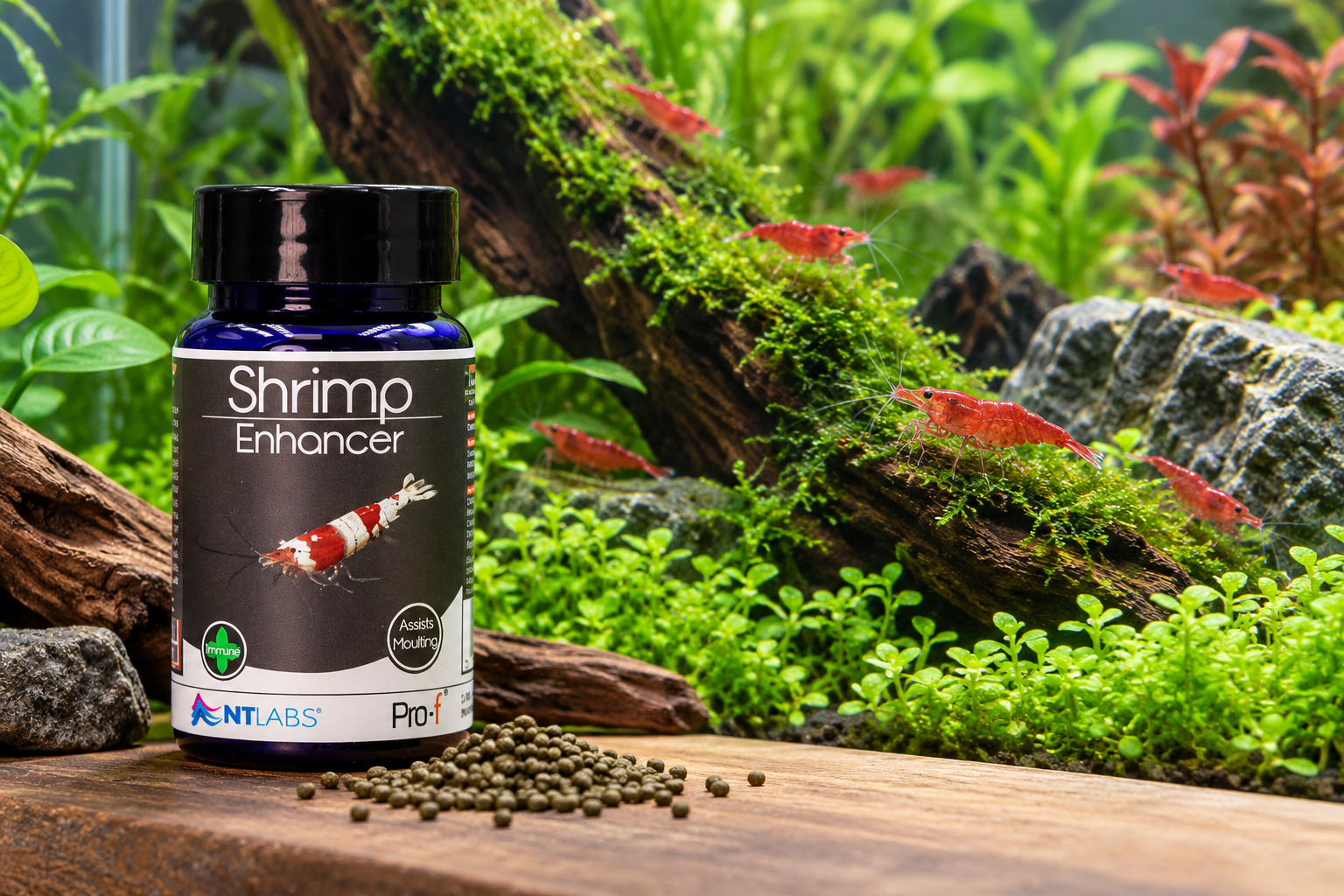
NT Labs
NT Labs Pro-f Shrimp Enhancer
Best for: Cherry shrimp, Neocaridina colonies and planted shrimp aquariums
As an Amazon Associate, we earn from qualifying purchases.
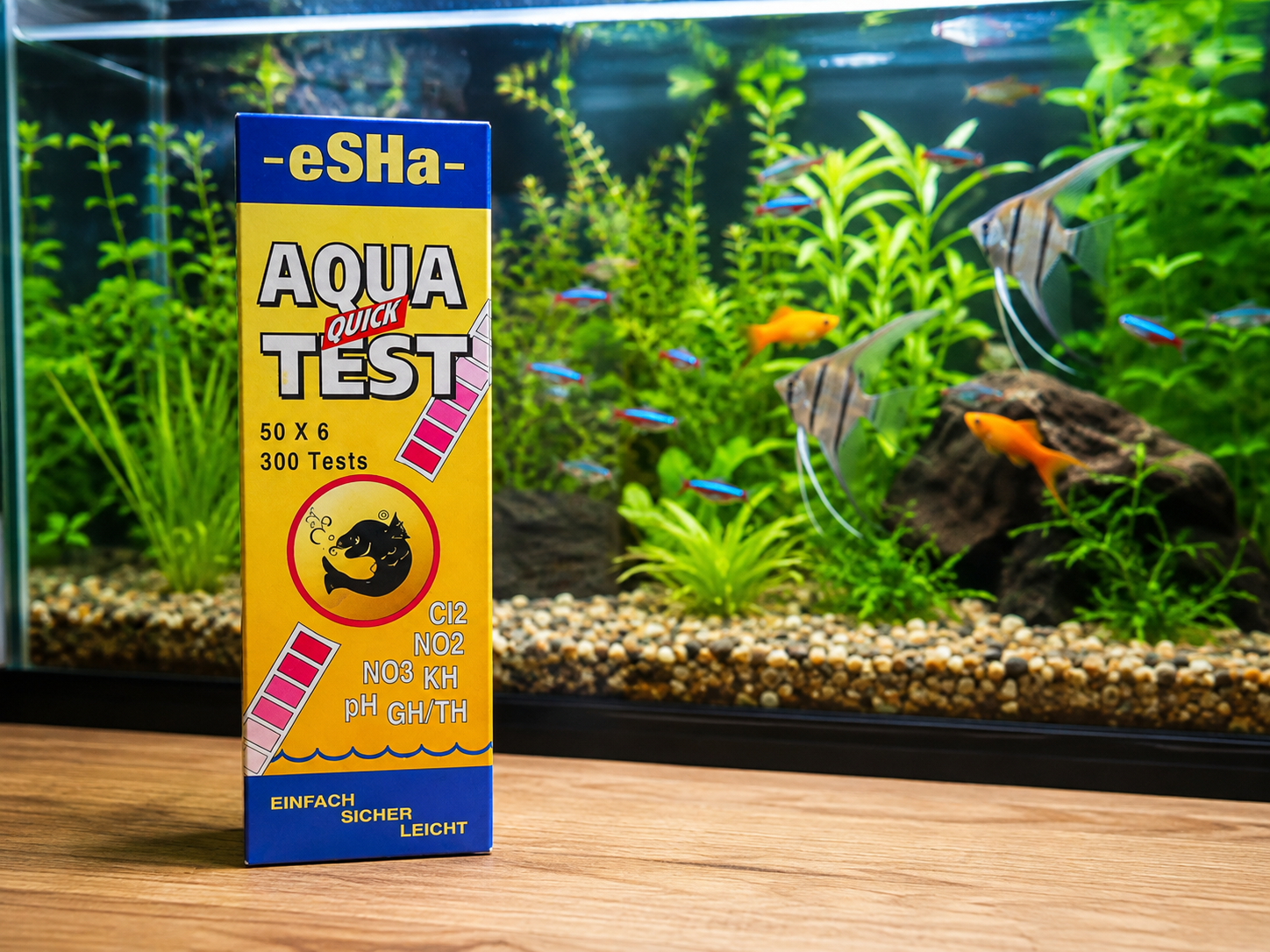
Esha
ESHA Aqua Quicktest
Best for: Fast routine water-quality checks in freshwater aquariums.
As an Amazon Associate, we earn from qualifying purchases.
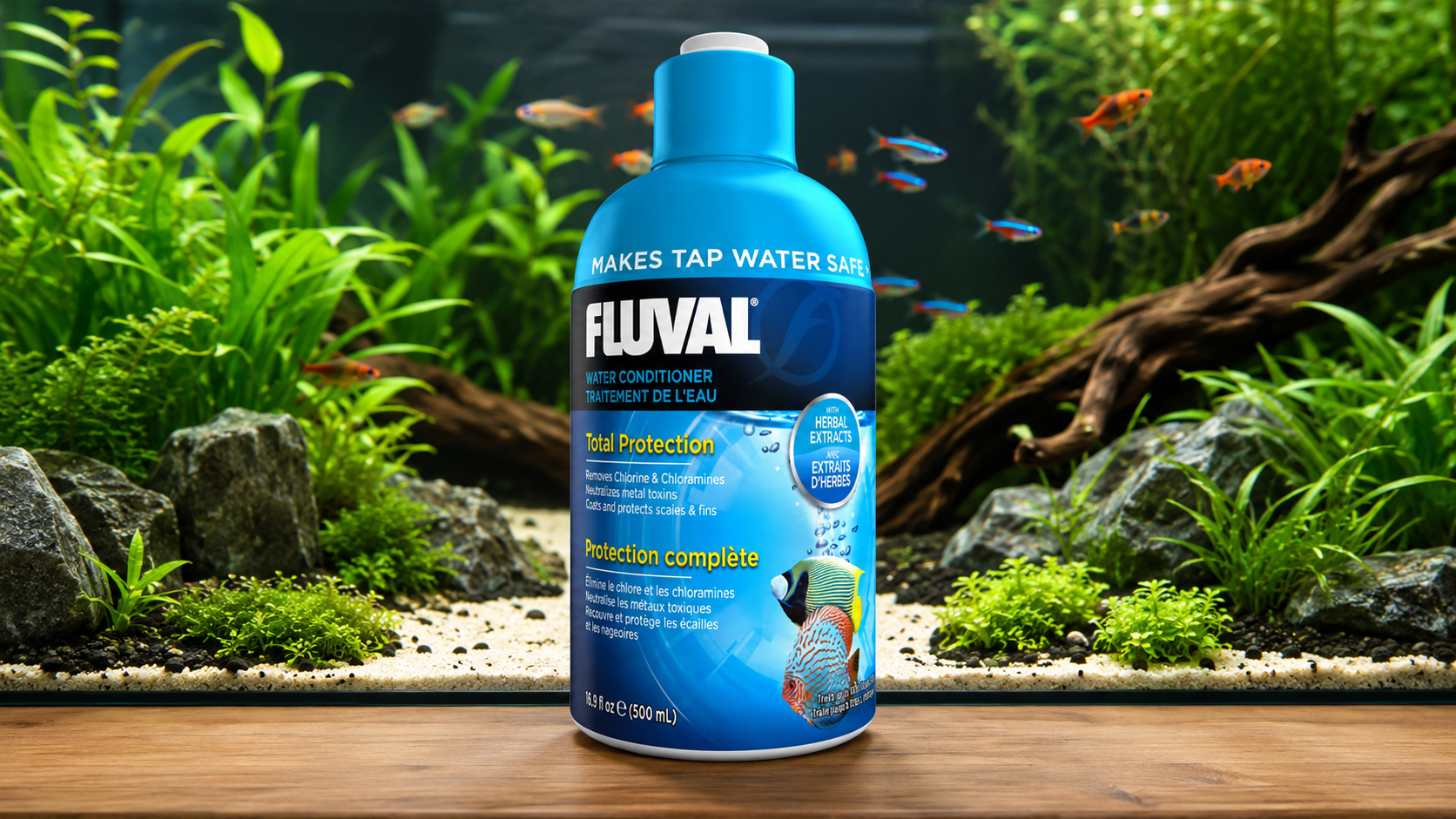
Fluval
Fluval Aqua Plus 500ml aquarium water conditioner
Best for: Routine water changes in freshwater and tropical aquariums
As an Amazon Associate, we earn from qualifying purchases.