10 Common Mistakes When Setting Up a Planted Aquarium
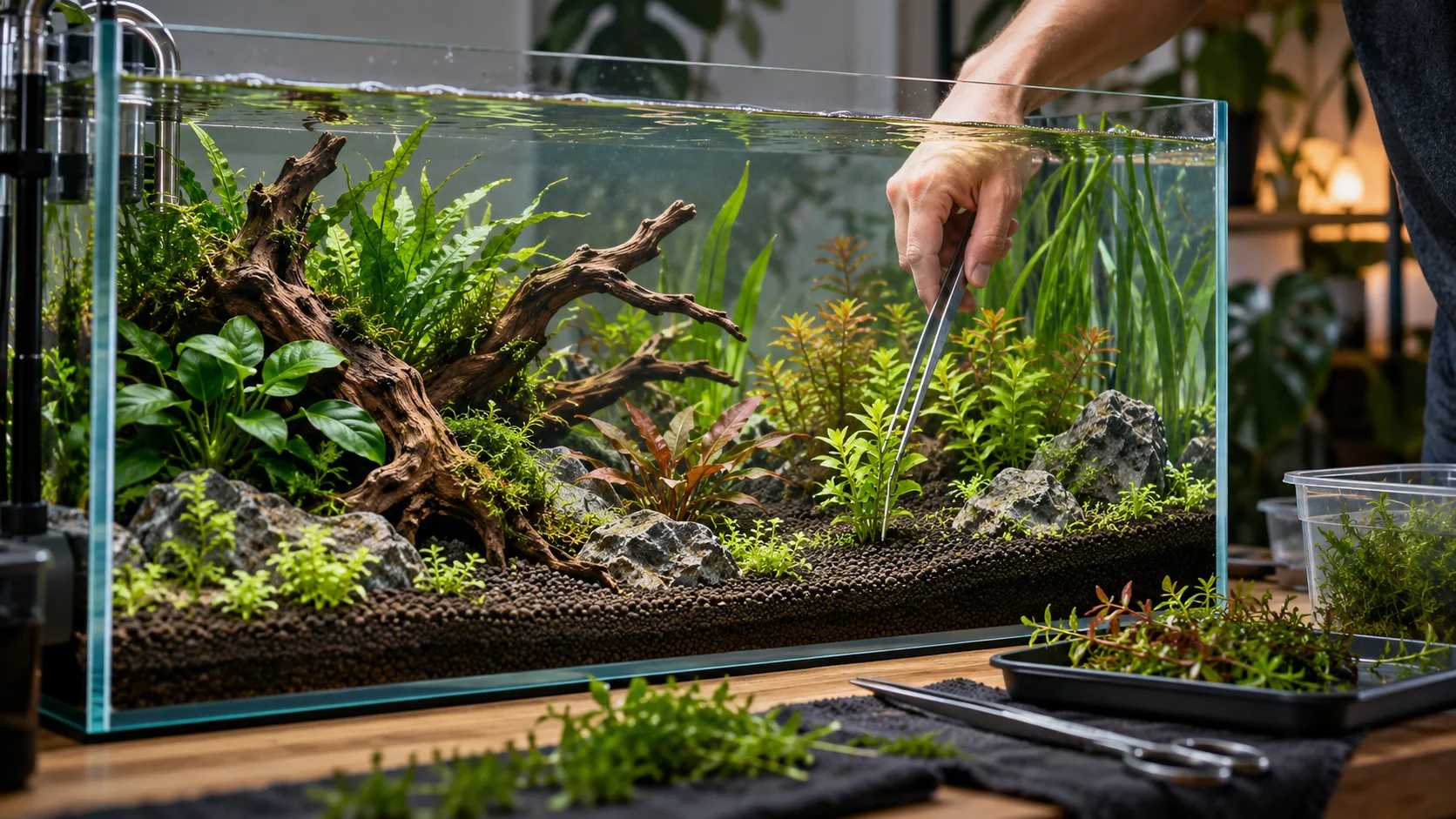
Setting up a planted aquarium can be rewarding, but simple mistakes can lead to algae problems, unhealthy plants and disappointing results. From choosing the wrong substrate to providing too much light, we explore 10 common mistakes and explain how to avoid them. Whether you're creating your first planted aquarium or improving an existing aquascape, these practical tips will help you establish a healthy, thriving underwater environment.
A beautifully planted aquarium can transform an ordinary fish tank into a thriving underwater landscape. Healthy aquatic plants provide shelter for fish, absorb nutrients from the water and create a much more natural environment.
However, establishing a successful planted aquarium isn't always as straightforward as it looks. Even experienced fishkeepers can encounter problems with algae, poor plant growth or plants that gradually deteriorate.
Many of these problems can be traced back to decisions made during the initial setup. Choosing unsuitable plants, providing too much light or overlooking the importance of nutrients can make maintaining a planted aquarium unnecessarily difficult.
Fortunately, most of these mistakes are easily avoided with a little planning.
Here are ten of the most common mistakes when setting up a planted aquarium, along with practical advice on how to avoid them.
- Choosing Plants That Are Too Demanding
One of the most common mistakes is selecting aquarium plants purely for their appearance without considering their growing requirements.
While colourful red stem plants and lush carpeting species can look spectacular, many require strong lighting, additional carbon dioxide (CO₂) and carefully controlled fertilisation.
Without these conditions, plants may struggle, lose their colour or gradually deteriorate.
For beginners, I would generally recommend starting with hardy, undemanding species such as Anubias Nana, Java Fern, Cryptocoryne wendtii Green, Vallisneria Americana and Java Moss.
These plants can adapt to a range of aquarium conditions and generally grow well without additional CO₂ injection.
Once the aquarium becomes established and you gain experience, more demanding plants can be introduced.
The important thing is to choose plants that suit your aquarium rather than trying to adapt the entire aquarium to accommodate a particular plant.
- Not Planting Enough From the Beginning
A newly established aquarium containing just a handful of plants can look rather bare. Unfortunately, it may also provide ideal conditions for algae to develop.
Aquatic plants compete with algae for resources, particularly nutrients and light. When there are insufficient healthy plants, algae can take advantage of the available conditions.
Planting more densely from the beginning helps establish a healthy balance.
Fast-growing species such as Hygrophila, Limnophila and Water Sprite are particularly useful during the early stages because they can absorb nutrients relatively quickly.
These plants don't necessarily need to remain in the aquarium permanently. They can be gradually removed or replaced once slower-growing plants become established.
Although buying additional plants increases the initial cost, it can save considerable frustration later.
- Providing Too Much Light
It is easy to assume that more light automatically produces better plant growth. Unfortunately, this isn't necessarily the case.
Aquatic plants need light for photosynthesis, but the amount they can use depends on the availability of carbon dioxide and nutrients.
Providing intense lighting without sufficient CO₂ or nutrients can result in poor plant growth and increased algae problems.
When establishing a new planted aquarium, starting with approximately six hours of lighting each day is usually sensible.
Once the aquarium becomes established, this can gradually be increased to around seven or eight hours, depending on the plants and lighting intensity.
Using a timer is particularly useful because it maintains a consistent lighting schedule.
It is also worth positioning the aquarium away from direct sunlight, which can make controlling algae and water temperature more difficult.
Remember that lighting intensity is just as important as the number of hours the aquarium is illuminated.
- Choosing the Wrong Substrate
The substrate is more than just decoration. For many aquatic plants, it provides somewhere to establish their roots and obtain essential nutrients.
Ordinary aquarium gravel can support healthy plant growth, but it generally contains very few nutrients.
Heavy root-feeding plants, such as Amazon Swords and Cryptocoryne, may benefit from fertiliser root tabs placed beneath the substrate.
Alternatively, specialist planted aquarium soils contain nutrients and are designed to support plant growth.
These can be particularly beneficial for heavily planted aquariums, although some nutrient-rich soils release ammonia during their initial establishment period and require appropriate water changes and monitoring.
Different plants also obtain nutrients in different ways.
Anubias and Java Fern, for example, absorb nutrients through their leaves and roots and are commonly grown attached to rocks or driftwood.
Understanding how your chosen plants obtain their nutrients will help determine whether you need root fertilisers, liquid fertilisers or a combination of both.
- Planting Aquarium Plants Incorrectly
Even healthy plants can struggle if they are planted incorrectly.
A particularly common mistake involves burying the rhizomes of Anubias and Java Fern beneath the substrate.
The rhizome is the thick horizontal structure from which the leaves and roots develop. Burying it can encourage rotting and eventually kill the plant.
Instead, these plants are best attached to rocks or driftwood using aquarium-safe glue or thread until their roots become established.
Other plants have different requirements.
Vallisneria and Cryptocoryne should have their roots planted in the substrate while keeping their crowns exposed.
Stem plants are generally planted individually, allowing enough space for light and water circulation between them.
Taking time to understand the planting requirements of each species can make a considerable difference to its long-term success.
- Not Planning for Plant Growth
A newly planted aquarium can look beautifully arranged, but aquatic plants rarely remain the same size.
Small Amazon Sword plants can eventually develop into impressive specimens, while Vallisneria may produce runners that spread throughout the aquarium.
Stem plants can also grow surprisingly quickly, eventually shading smaller plants beneath them.
Without considering their mature size, an initially attractive aquascape can become overcrowded within a few months.
Before planting, consider how tall each species will grow and how much space it will eventually occupy.
Taller plants generally work well towards the back, medium-height plants around the middle and smaller plants towards the foreground.
However, more natural aquascaping styles often deliberately break these rules to create depth and visual interest.
Our guides to Different Types of Aquascapes and Nature Aquariums explore how plant placement can create attractive underwater landscapes.
- Getting the CO₂ Balance Wrong
Carbon dioxide is an essential nutrient for aquatic plants, but not every planted aquarium needs additional CO₂ injection.
Many hardy species grow successfully in low-tech aquariums using the CO₂ naturally available in the water.
However, demanding plants grown under stronger lighting often benefit significantly from additional CO₂.
A common mistake is installing powerful lighting and assuming that it will produce rapid growth without considering the plants' carbon requirements.
Another mistake is allowing injected CO₂ levels to fluctuate considerably throughout the day.
Inconsistent CO₂ availability can contribute to poor plant growth and algae problems.
For aquariums using CO₂ injection, maintaining a consistent supply during the lighting period is important, alongside adequate circulation.
Excessive CO₂ can also be dangerous for fish, so equipment should be adjusted carefully and livestock monitored.
For beginners, a low-tech planted aquarium is often the most practical and affordable starting point.
- Adding Fish Before the Aquarium Has Cycled
A planted aquarium may look complete once it has been filled with water, but that doesn't necessarily mean it is ready for fish.
The biological filtration system needs time to develop bacteria capable of processing harmful ammonia and nitrite.
Although aquatic plants can absorb ammonia and other nutrients, they do not automatically make a newly established aquarium safe for livestock.
Adding too many fish before the biological filtration system has matured can lead to dangerous water conditions.
The safest approach is to establish the aquarium's biological cycle before introducing fish.
Regular testing should confirm that the aquarium can process its expected waste load, with ammonia and nitrite returning to zero.
Fish should then be introduced gradually rather than stocking the entire aquarium at once.
This allows the filtration system to adapt while reducing unnecessary stress on the fish.
- Neglecting Regular Maintenance
Planted aquariums are sometimes described as being almost maintenance-free.
While a well-established planted aquarium can be relatively easy to maintain, it still requires regular attention.
Water changes help remove accumulated waste, while pruning prevents fast-growing plants from shading slower species.
Good water circulation is also important because it helps distribute nutrients and CO₂ throughout the aquarium.
Without sufficient circulation, debris can accumulate around dense planting and some areas may receive fewer nutrients than others.
Regularly removing decaying leaves is particularly worthwhile. Deteriorating plant material adds organic waste to the aquarium and can contribute to poor water quality.
As a general starting point, a weekly water change of around 25–30% works well for many established planted aquariums, although heavily fertilised or newly established aquariums may need more frequent changes.
A consistent maintenance routine is generally more effective than allowing problems to develop and then attempting to correct everything at once.
- Expecting Immediate Results
Perhaps the biggest mistake is expecting a newly planted aquarium to look perfect within the first few weeks.
Most aquarium plants are commercially grown above water or under carefully controlled conditions.
When transferred into an aquarium, they need time to adapt to their new environment.
Some species may initially lose leaves as they transition to submerged growth. Cryptocoryne plants are particularly well known for this behaviour, commonly referred to as Crypt melt.
Although it can look alarming, the plant may recover and develop new submerged leaves if its roots remain healthy.
New aquariums can also experience temporary algae growth while the biological system establishes itself.
Constantly changing the lighting, fertilisation or CO₂ supply in response to every small problem can make achieving stability more difficult.
Instead, concentrate on providing consistent conditions, removing damaged leaves and monitoring new growth.
A well-maintained planted aquarium usually improves considerably as the plants settle in and establish healthy root systems.
Creating a Healthy, Balanced Planted Aquarium
The secret to a successful planted aquarium isn't necessarily expensive equipment or complicated fertilisation systems.
It is about understanding the relationship between lighting, nutrients, carbon dioxide and plant growth.
Providing more of one element won't automatically improve results if another essential requirement is missing.
For most beginners, I would recommend starting with a relatively simple aquarium containing plenty of hardy plants, moderate lighting and a suitable substrate.
Allow the plants time to establish, maintain good water quality and avoid making unnecessary changes.
As your experience increases, you can begin experimenting with more demanding plants, additional CO₂ and different aquascaping techniques.
A successful planted aquarium is rarely created overnight. However, with sensible planning and consistent maintenance, it can develop into a beautiful, thriving underwater environment that continues to improve for years to come.
If this article was useful for you why not read our article on Low tech Vs High Tech aquascaping.
Products We've Mentioned & Recommend
Below you'll find a selection of products we've mentioned in this article, along with a few others we think you might find useful. We've included Amazon links to make them easy to find.
A quick word about affiliate links...
Some of these links are affiliate links, which means we may earn a small commission from qualifying purchases, at no extra cost to you.
Unfortunately, the commission doesn't quite stretch to cocktails on a yacht or a garage full of sports cars. In reality, it helps cover the running costs of this website and, with a bit of luck, might eventually buy me a new pair of waders that don't leak!
We only recommend products we genuinely believe are worth considering, and your support helps us keep sharing free advice from our years of working with aquariums and ponds.
Thanks for supporting Aquatic Specialist!
As an Amazon Associate I earn from qualifying purchases.
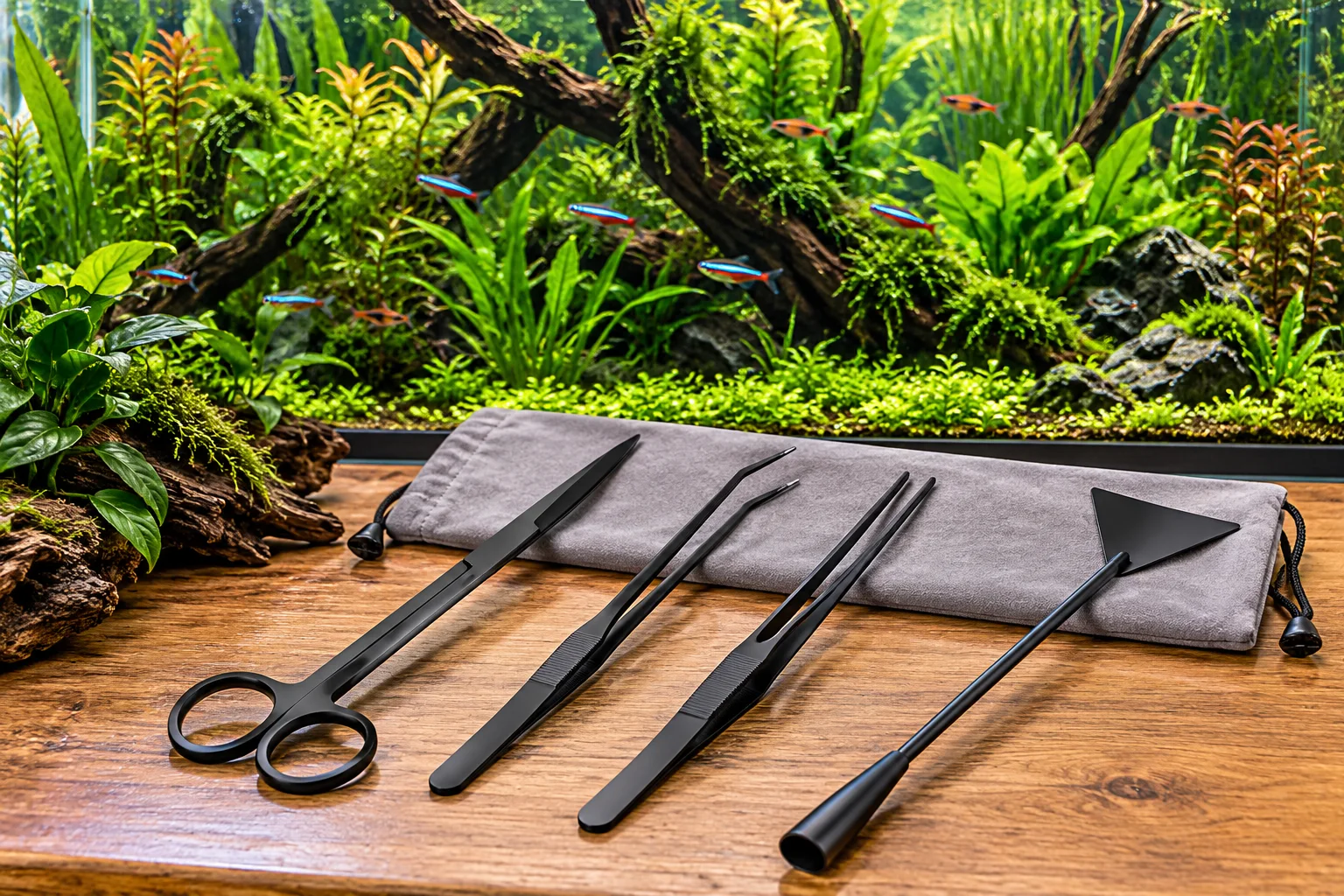
Coolrunner
Coolrunner 4 in 1 Aquarium Aquascape Tools Kit, Stainless Steel
Best for: Planting, trimming and maintaining freshwater planted aquariums
As an Amazon Associate, we earn from qualifying purchases.
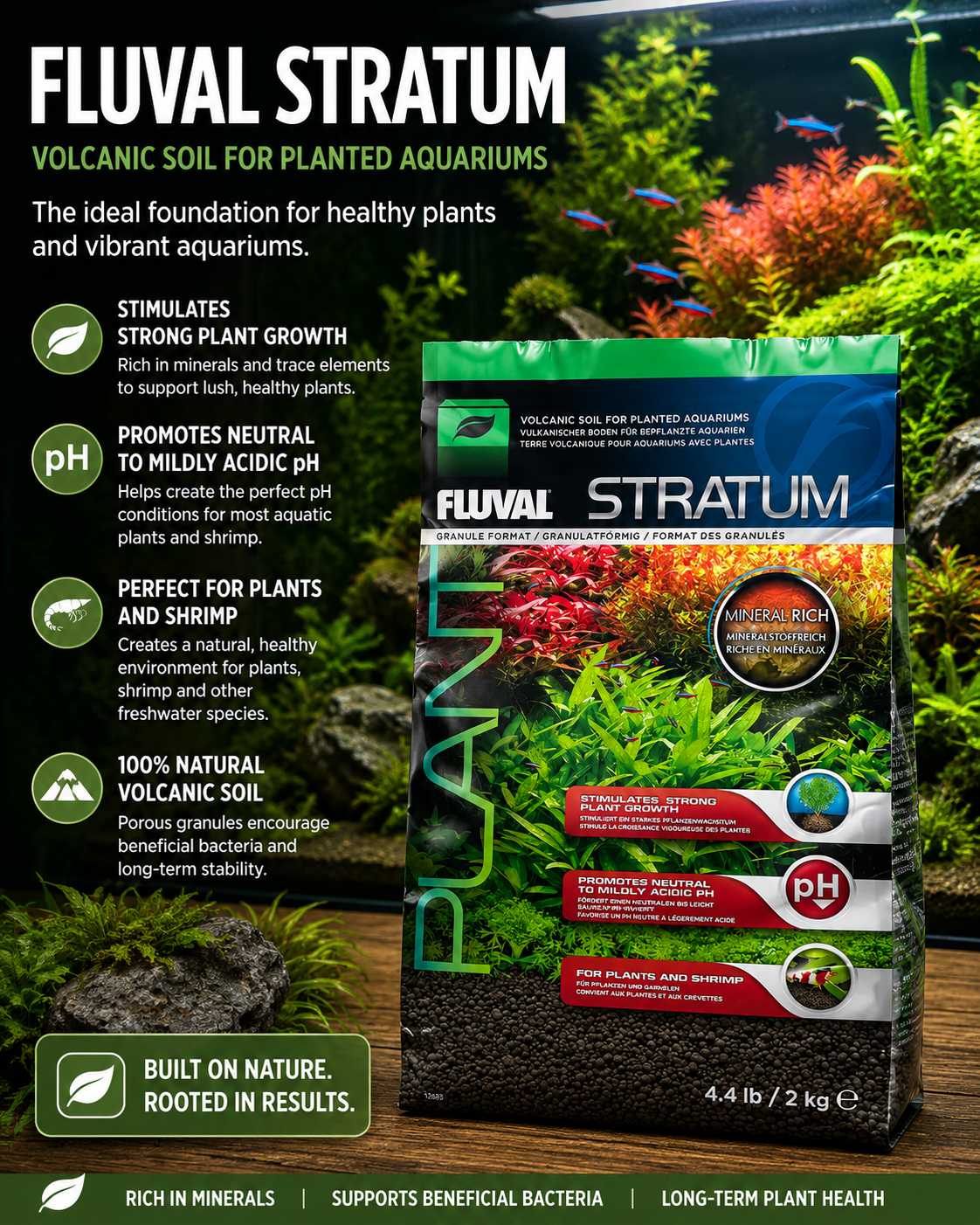
Fluval
Fluval Stratum Aquasoil 8kg
Best for: Planted aquariums, aquascapes and freshwater shrimp tanks
As an Amazon Associate, we earn from qualifying purchases.
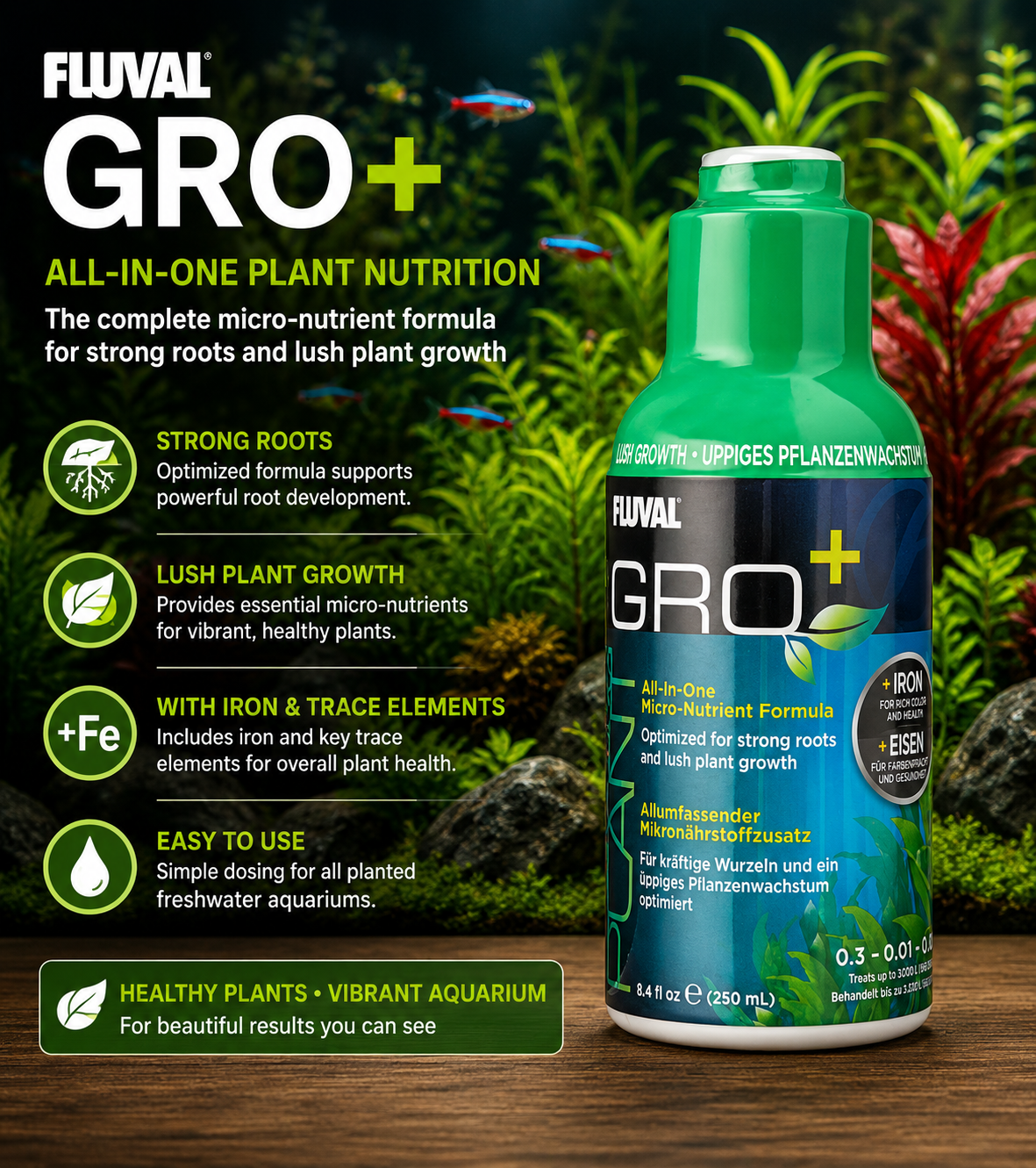
Fluval
Fluval Gro Plus Aquarium Plant Fertiliser
Best for: Low-tech and everyday planted freshwater aquariums
As an Amazon Associate, we earn from qualifying purchases.
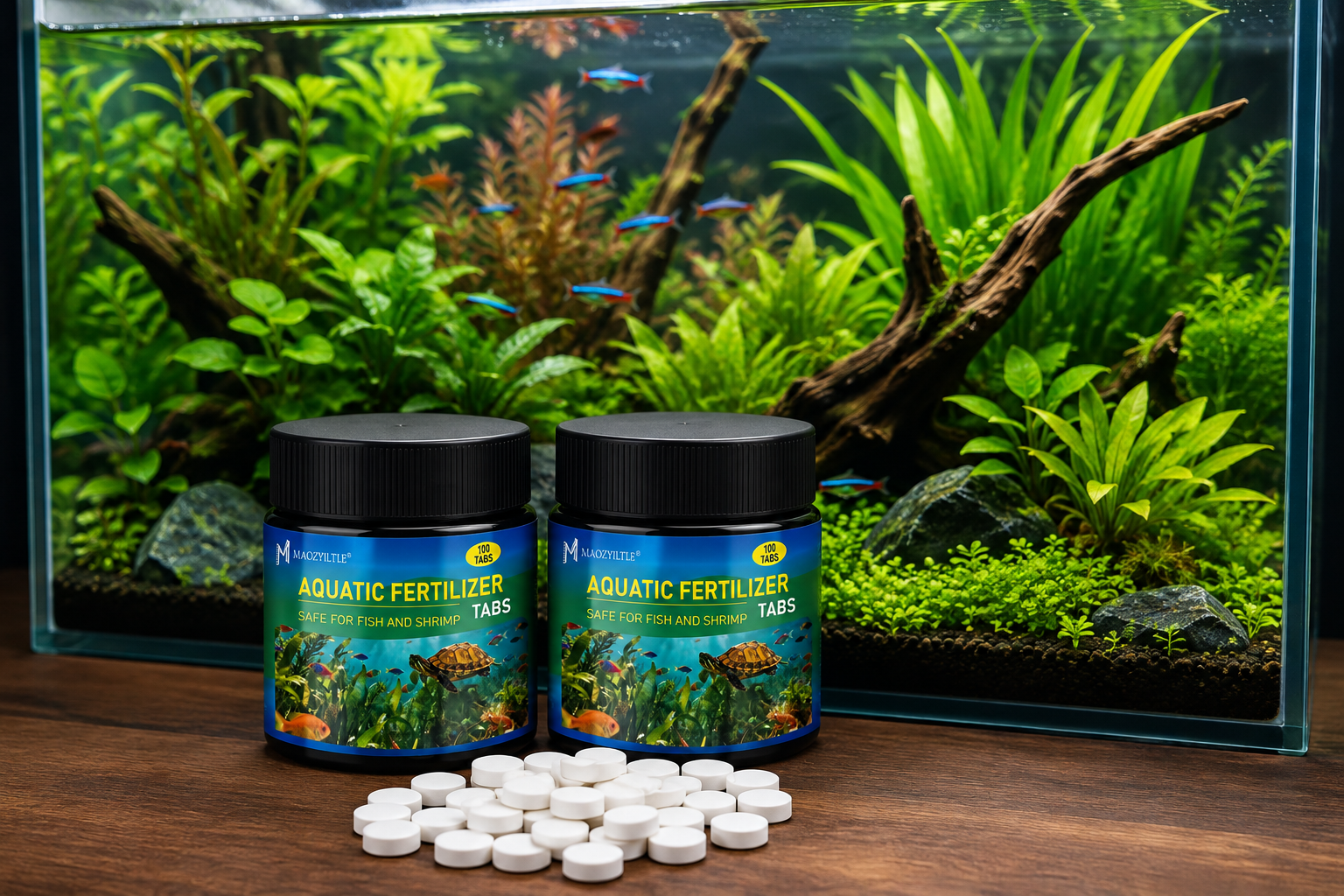
Newpie
Root Tabs for Live Aquarium Plants, Freshwater Plant Fertilizer - 100 x 2
Best for: Cryptocoryne, Amazon swords, Vallisneria and other heavy root-feeding aquarium plants
As an Amazon Associate, we earn from qualifying purchases.
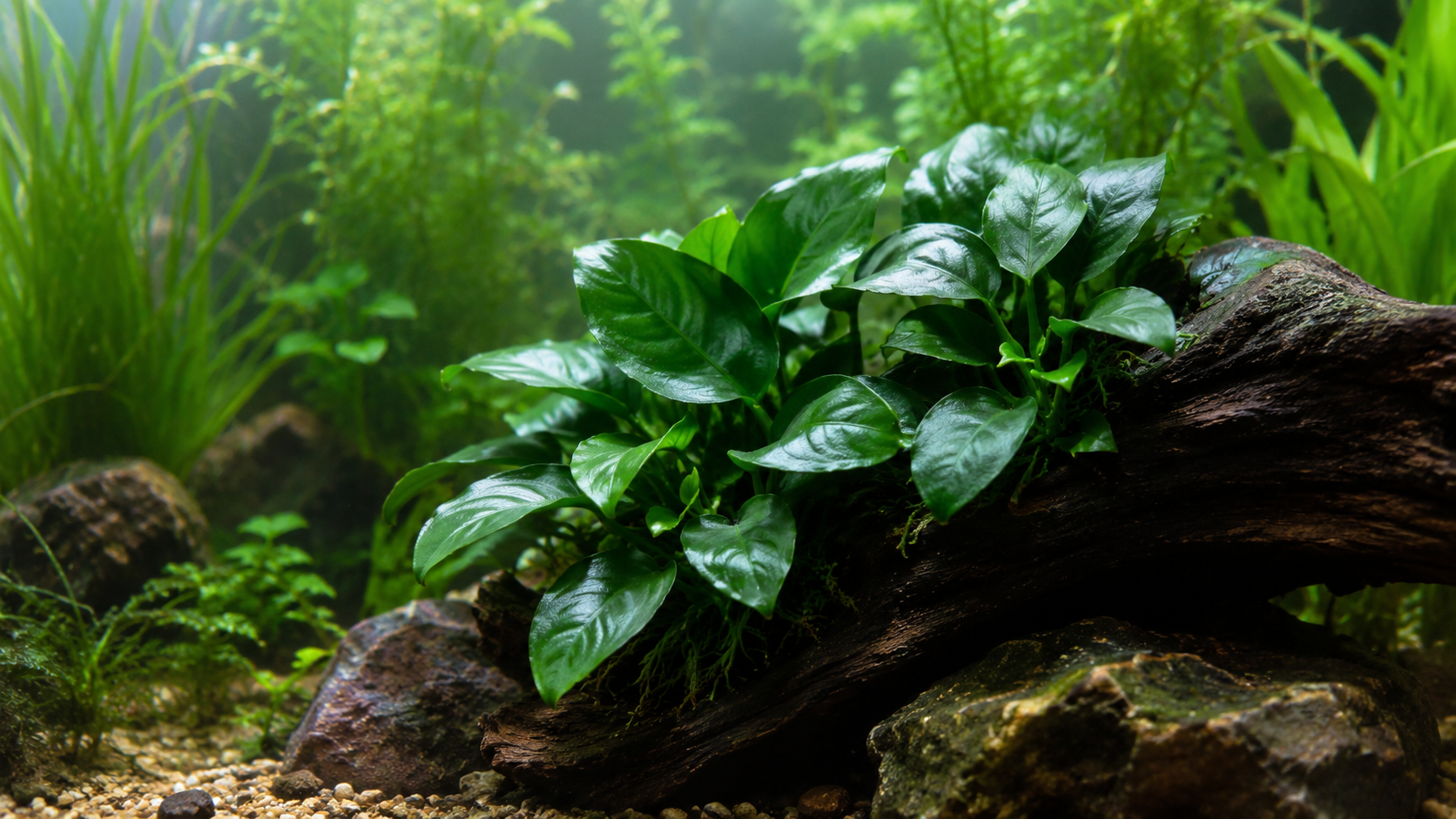
Anubias Nana
Best for: Beginners, low-light aquariums and low-tech planted tanks
As an Amazon Associate, we earn from qualifying purchases.
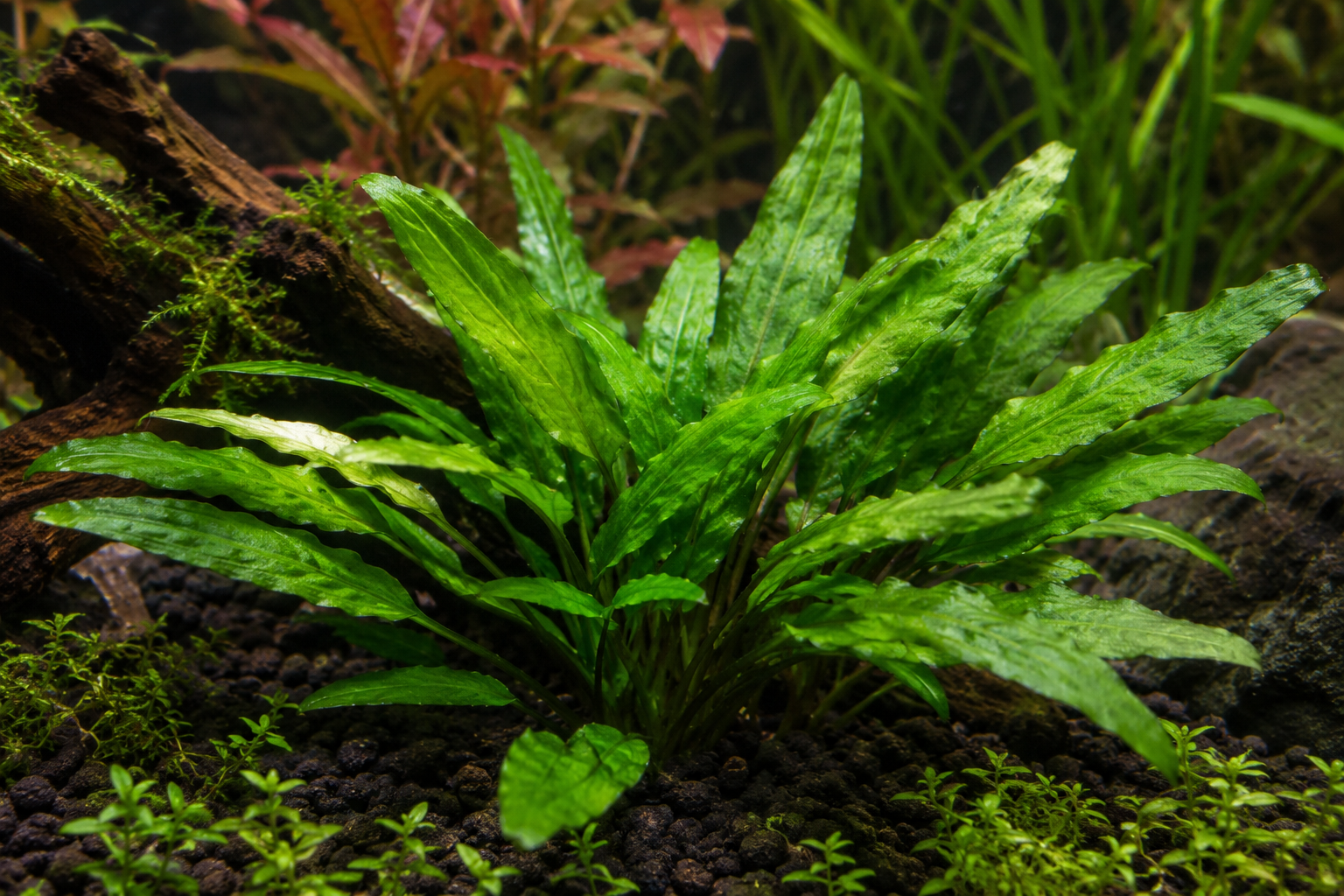
Cryptocoryne wendtii Green
Best for: Beginners, low-tech aquariums and midground planting
As an Amazon Associate, we earn from qualifying purchases.
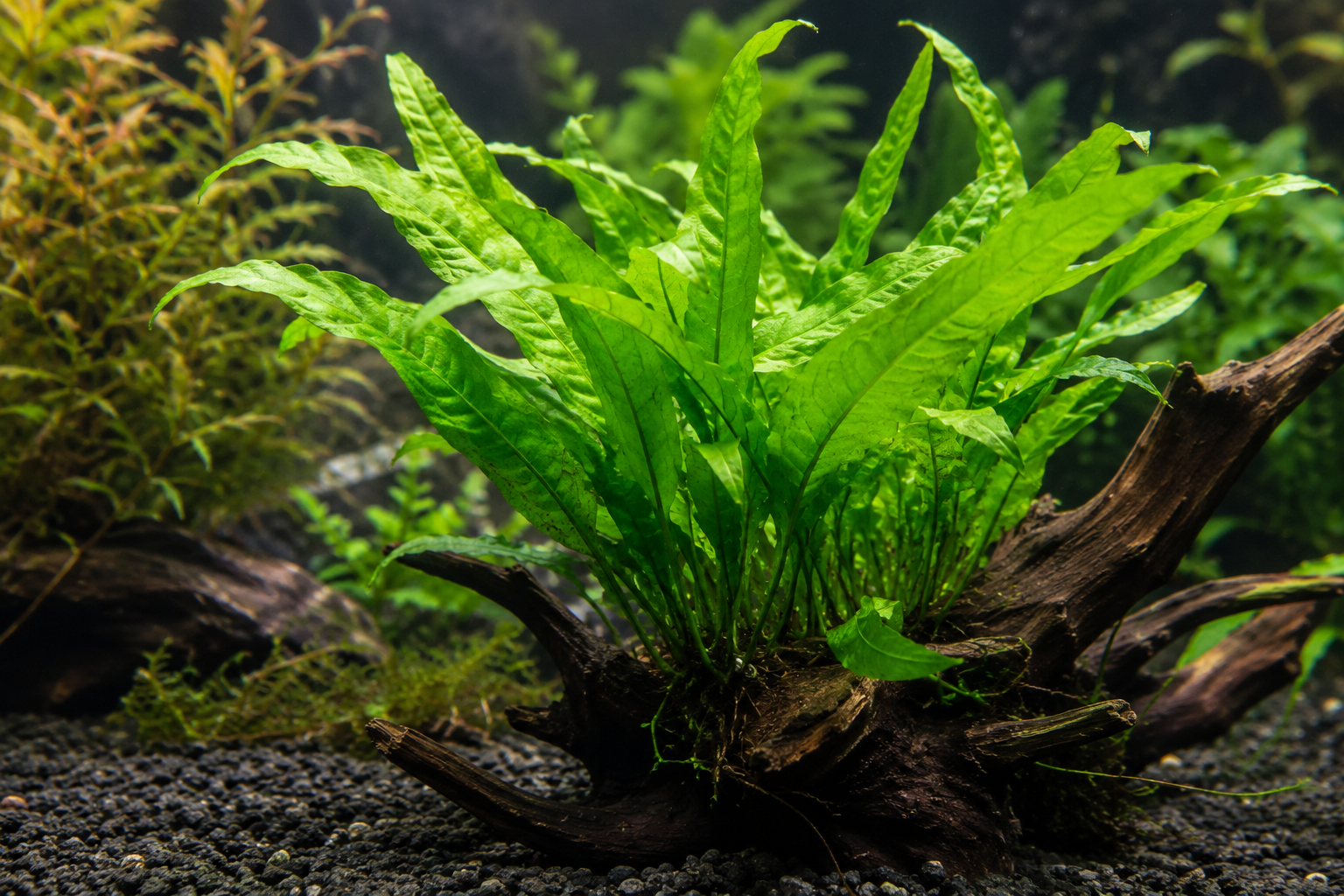
Java Fern
Best for: Beginners, low-tech aquariums and attaching to rocks or driftwood
As an Amazon Associate, we earn from qualifying purchases.
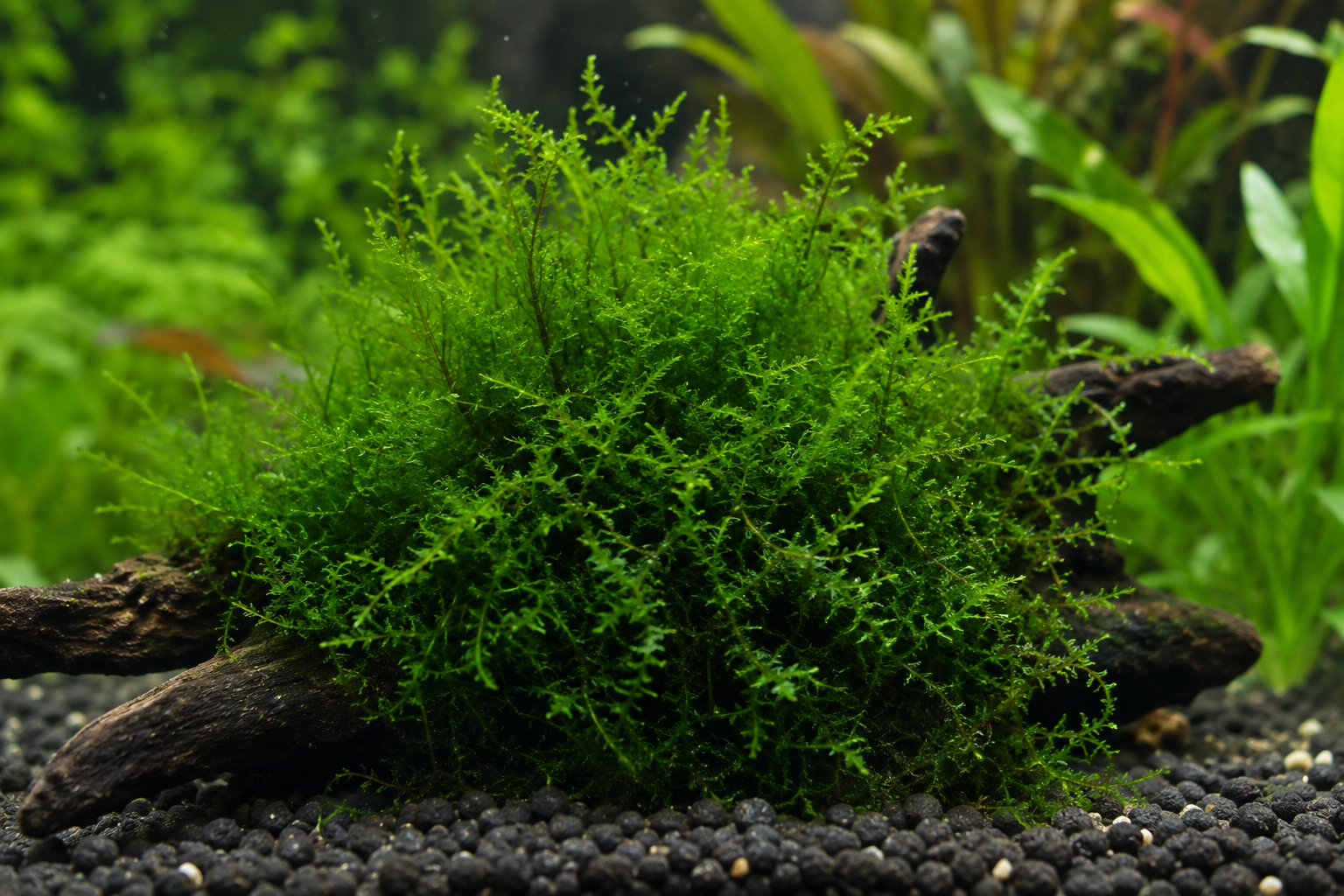
Java Moss
Best for: Beginners, shrimp tanks, breeding aquariums and natural aquascapes
As an Amazon Associate, we earn from qualifying purchases.
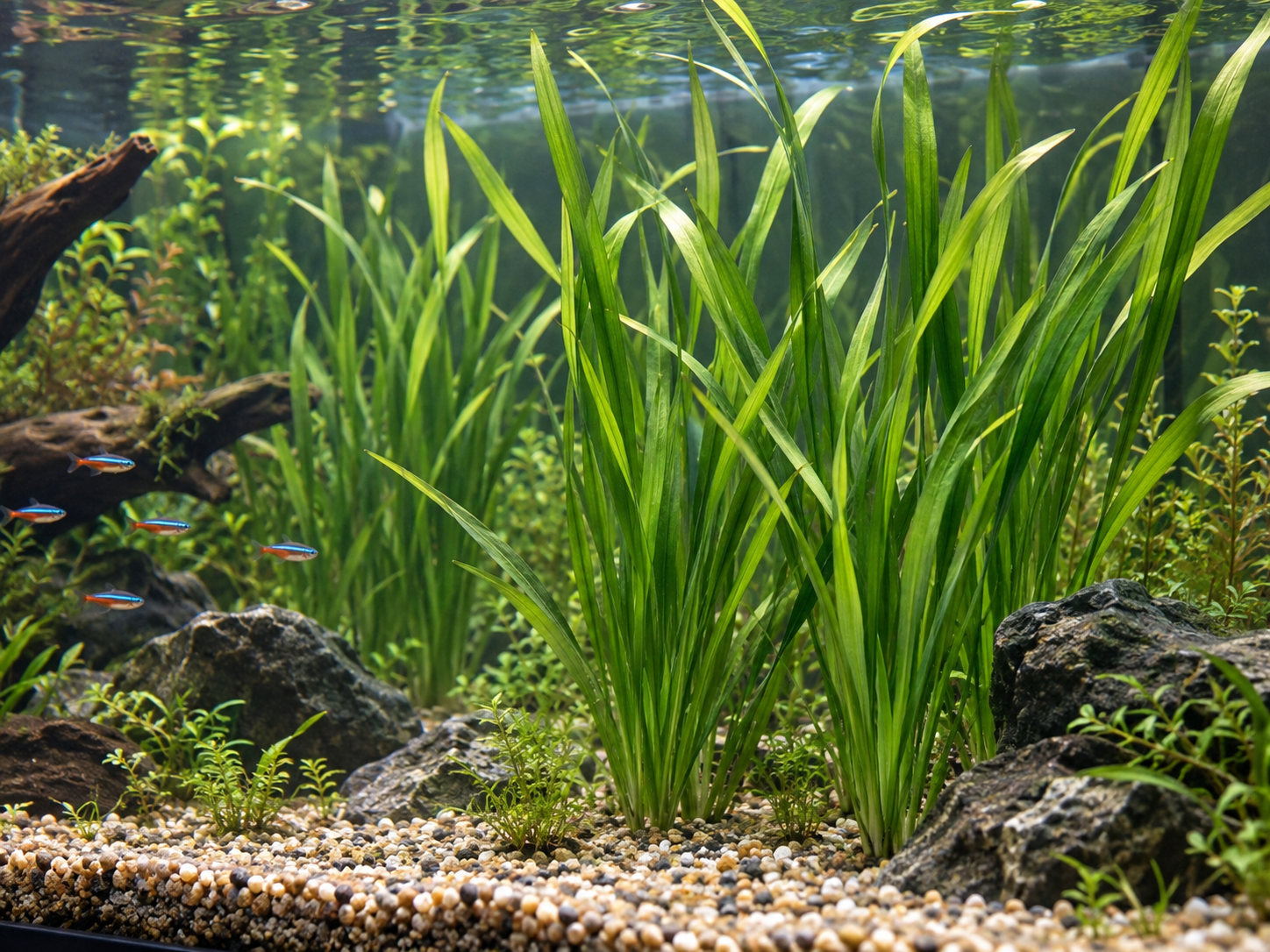
Vallisneria Americana
Best for: Easy background planting in freshwater aquariums
As an Amazon Associate, we earn from qualifying purchases.