Turquoise Rainbowfish: A Complete Guide to the Lake Kutubu Rainbowfish
Working in aquatics since 1997 and founder of Aquatic Specialist in 2003, Richard specialises in reef aquariums and pond maintenance and has lectured at Sparsholt College. Read Richard's profile.
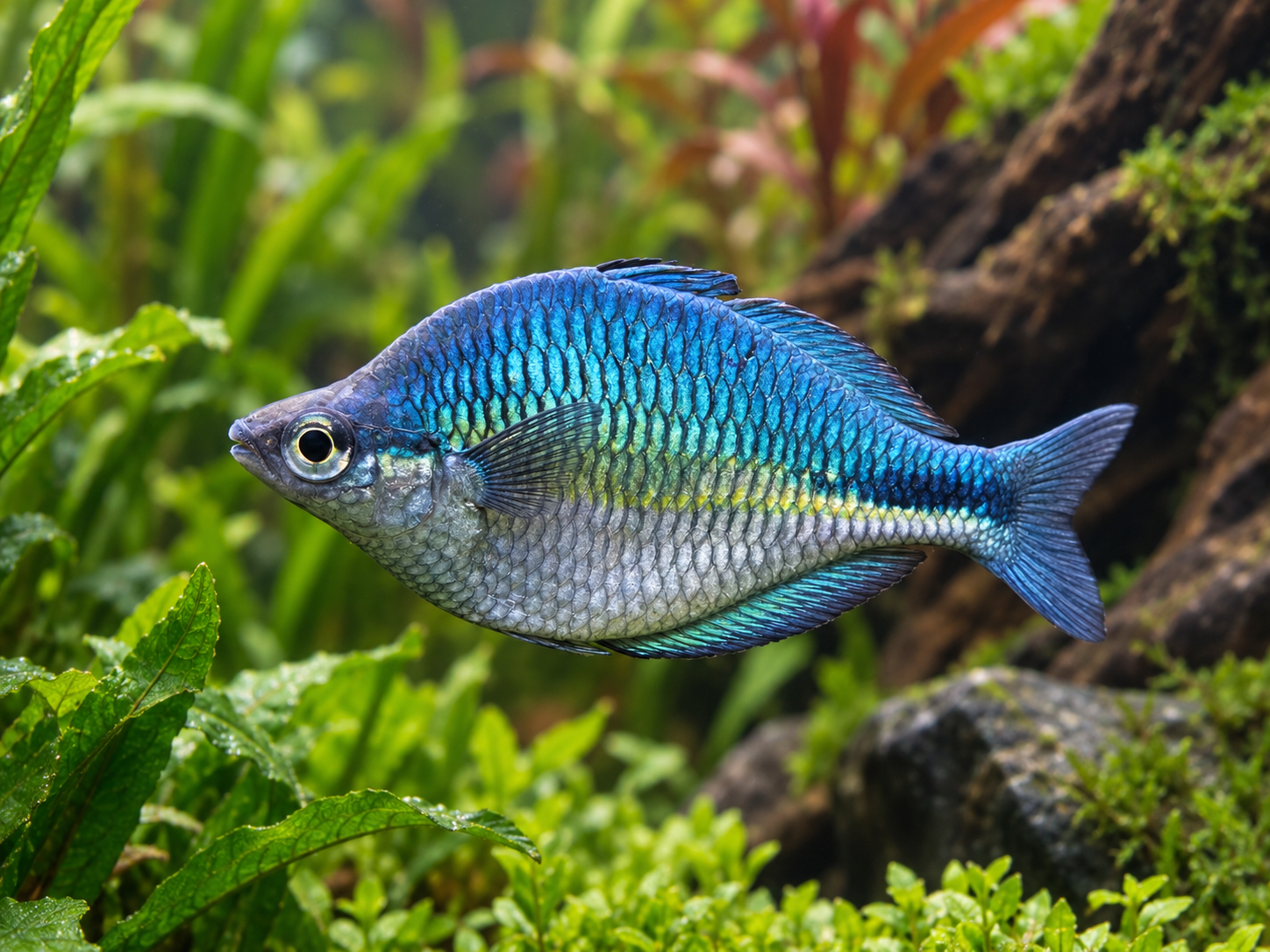
The Turquoise Rainbowfish from Lake Kutubu is a striking, active freshwater species known for its brilliant blue-green colour. This guide covers everything you need to know about keeping Melanotaenia lacustris successfully.
The Turquoise Rainbowfish, Melanotaenia lacustris, is one of the most striking rainbowfish available to freshwater aquarists. Sometimes sold as the Lake Kutubu Rainbowfish or Kutubu Rainbowfish, this species develops an intense blue-green colour that can change dramatically depending on the lighting, the fish’s mood and its position within the group.
It is a relatively large, active rainbowfish and is best suited to aquariums where it has plenty of open swimming space. When kept properly in a good-sized group, mature males can become spectacular fish and make an excellent centrepiece for a large planted community aquarium.
Where Does the Turquoise Rainbowfish Come From?
The Turquoise Rainbowfish originates from Lake Kutubu in Papua New Guinea. Lake Kutubu is an isolated freshwater lake surrounded by forest, and its isolation has resulted in the evolution of several distinctive fish species.
Melanotaenia lacustris is closely associated with this lake system and is therefore far more restricted in its natural distribution than many common aquarium fish. This limited natural range is one reason responsible captive breeding and maintaining good aquarium populations of the species are worthwhile.
In the wild, Turquoise Rainbowfish inhabit clear freshwater environments where they spend much of their time swimming through open water, often close to areas of aquatic vegetation.
Their natural behaviour explains why they do particularly well in aquariums that combine dense planting around the edges with a large uninterrupted swimming area.
What Do Turquoise Rainbowfish Look Like?
The colour of a mature Turquoise Rainbowfish can be difficult to capture in a photograph because it changes considerably as the fish moves through the aquarium.
The body generally has a brilliant turquoise, blue or blue-green appearance. Under some lighting it can appear almost metallic, while individual scales may reflect shades of green, silver and deep blue.
Males normally develop the strongest colours and a deeper body shape as they mature. Their dorsal and anal fins may also become more pronounced than those of females.
Females tend to be slightly slimmer and usually show less intense colour, although mature females can still be very attractive fish.
A healthy adult can reach approximately 10–12 cm, making this considerably larger than many of the small rainbowfish species occasionally seen in aquarium shops.
They should therefore not be bought for a small aquarium simply because the juvenile fish in the shop appear relatively small.
Aquarium Size
Turquoise Rainbowfish are extremely active swimmers and aquarium length is particularly important.
A tank of around 120 cm in length should be considered a sensible starting point for an adult group, with larger aquariums being preferable. A long aquarium allows the fish to build up speed and display the natural group swimming behaviour that makes rainbowfish so enjoyable to keep.
Although heavily planted aquariums can look impressive, avoid filling the entire tank with plants.
Plant the back and sides of the aquarium while leaving a substantial open area through the centre and front of the tank. Tall plants such as Vallisneria can work particularly well because they provide shelter without completely blocking the swimming area.
Wood and rocks can also be used, but again they should be positioned so that they do not unnecessarily reduce the available swimming space.
Water Conditions
The Turquoise Rainbowfish is reasonably adaptable once established, but it does best in clean, stable water.
A temperature of approximately 22–26°C will suit most aquarium populations. The water can be neutral to moderately alkaline, with a pH somewhere around 7.0–8.0 generally being suitable.
They are usually happier in moderately hard water than in extremely soft, acidic conditions.
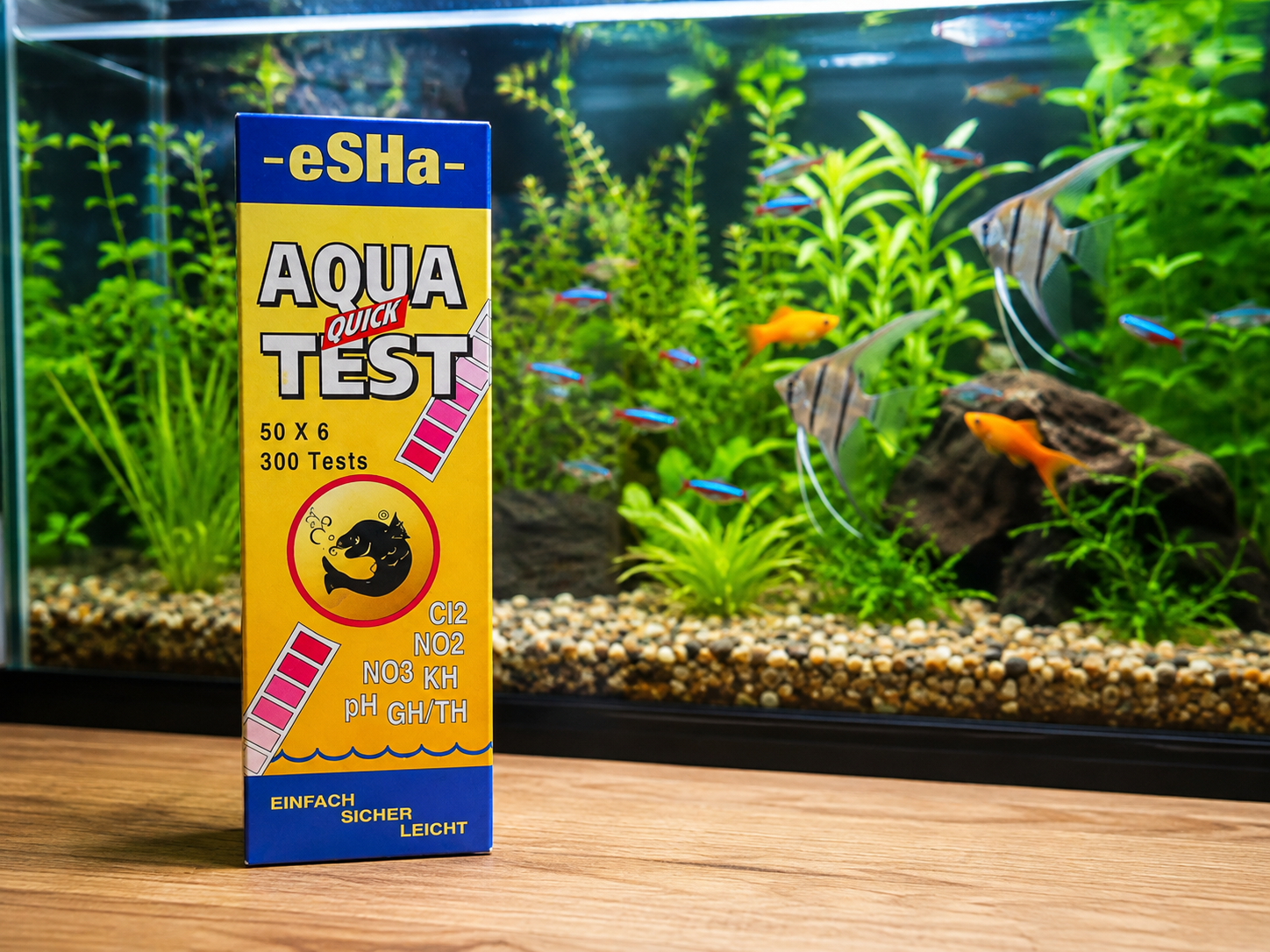
Exact numbers are less important than stability. Large fluctuations in temperature, pH or water quality are much more likely to cause problems than keeping the fish slightly outside an arbitrary ideal figure. Remember to regularly check your water quality. We use ESHA Quicktest for a quick and easy way of testing water.
As with many active rainbowfish, good filtration and oxygenation are important. These fish consume a reasonable amount of food and a group of adults can produce a significant amount of waste.
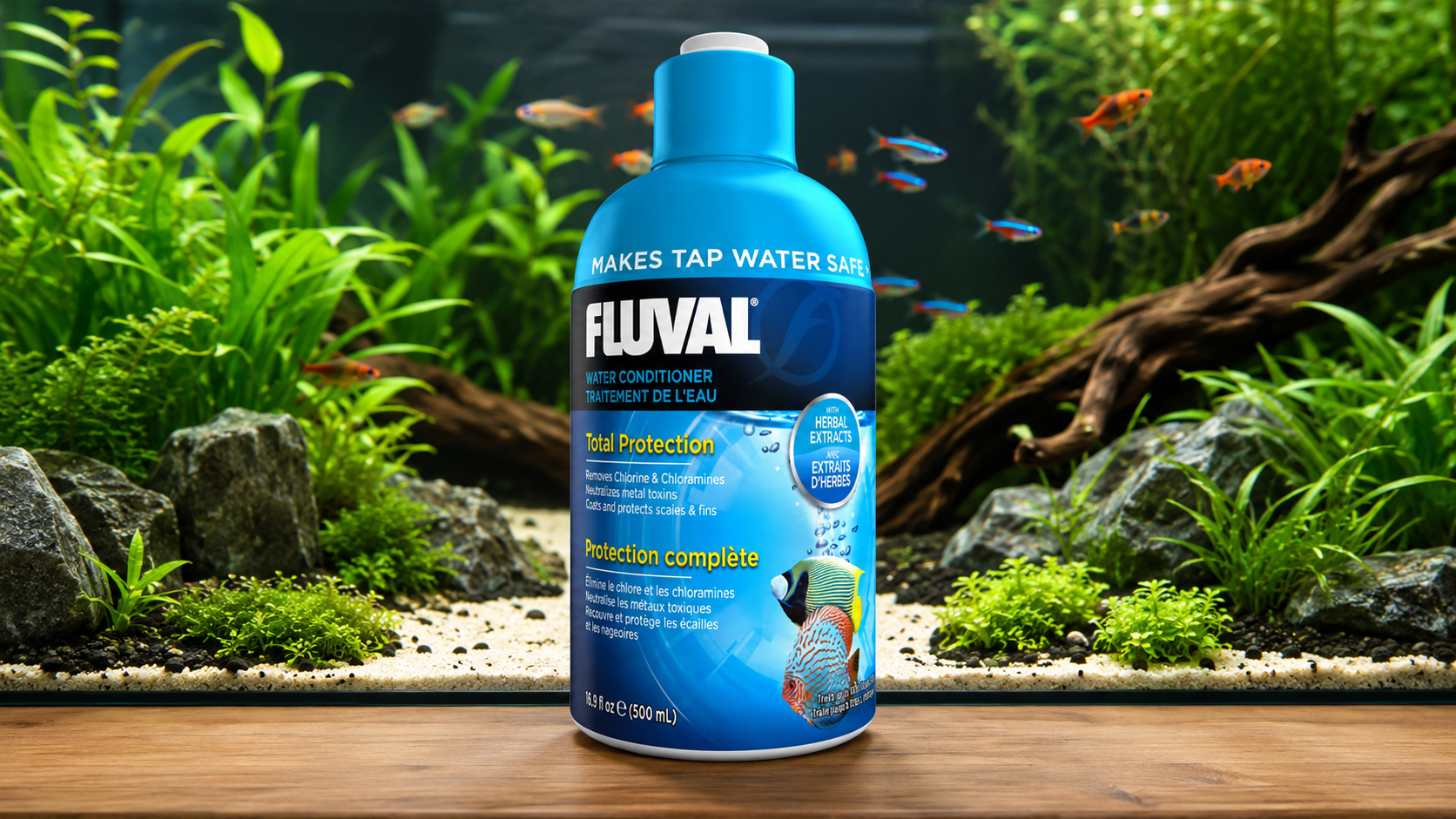
Regular partial water changes should therefore form part of normal aquarium maintenance. Remember to use a water conditioner if your are using tap water.
Keep Turquoise Rainbowfish in Groups
Turquoise Rainbowfish are social fish and should not be kept individually.
A group of at least six is preferable, although eight or more can create a much more natural display if the aquarium is large enough.
Keeping several males and females also allows their natural social behaviour to develop. Males frequently display towards one another, particularly in the morning or when females are nearby.
These displays can make the males appear considerably more colourful than they do when kept alone or in very small groups.
There may occasionally be some chasing between males, but in a properly sized aquarium with a reasonable group this is normally part of their normal social behaviour rather than serious aggression.
Feeding Turquoise Rainbowfish
Turquoise Rainbowfish are easy to feed and will accept most good-quality aquarium foods.
A quality flakes, granules or small pellet can form the basis of their diet, but feeding a varied selection of foods usually produces healthier fish and better colour.
Frozen foods such as brine shrimp, bloodworm and daphnia are useful additions. Live foods can also encourage enthusiastic feeding responses and natural hunting behaviour.
Rainbowfish are particularly energetic at feeding time and can easily dominate slower tank mates. It is therefore worth watching the aquarium during feeding to make sure quieter species are receiving enough food.
Avoid constantly overfeeding in an attempt to increase growth. Good water quality and a varied diet are more important than simply providing large quantities of food.
Suitable Tank Mates
Despite their size and speed, Turquoise Rainbowfish are generally peaceful community fish.
They work particularly well with other medium-sized rainbowfish and robust peaceful community species that appreciate similar water conditions.
Boesemani Rainbowfish, Australian Rainbowfish and other larger Melanotaenia species can all make suitable companions where the aquarium is large enough.
They can also be kept with many peaceful barbs, larger tetras, Corydoras and suitable peaceful catfish.
Very small, timid or slow-moving fish may not be ideal companions. Turquoise Rainbowfish are constantly active and their fast feeding behaviour can make quieter species uncomfortable even if there is no deliberate aggression.
Long-finned fish can also sometimes become stressed when surrounded by a large group of fast-moving rainbowfish.
Planting a Turquoise Rainbowfish Aquarium
A planted aquarium can be an excellent environment for these fish.
Tall plants positioned around the rear of the aquarium create a darker background that makes the turquoise colour of the fish stand out.
Cryptocoryne Wendtii Brown, Vallisneria Americana, Java Fern and Anubias Nana can all be useful depending on the aquarium conditions.
Floating plants like Amazon Frogbit can also be used sparingly to provide shaded areas, although the entire surface should not be covered because rainbowfish appreciate well-oxygenated water and plenty of open swimming space.
Dark gravel or sand often enhances their colour more effectively than very pale substrates.
Lighting also makes a considerable difference. Under bright white lighting the fish may appear predominantly blue, while slightly warmer or more natural lighting can reveal green and turquoise tones across the scales.
Breeding Turquoise Rainbowfish
Turquoise Rainbowfish can be bred in captivity and, like many rainbowfish, they are egg scatterers.
Adults may spawn repeatedly over a period of days rather than producing one large batch of eggs at once.
Fine-leaved plants or spawning mops provide suitable places for the adhesive eggs to attach. The adults do not provide parental care and may eat eggs or newly hatched fry, so breeders normally remove the spawning material to a separate aquarium or move the adults after spawning.
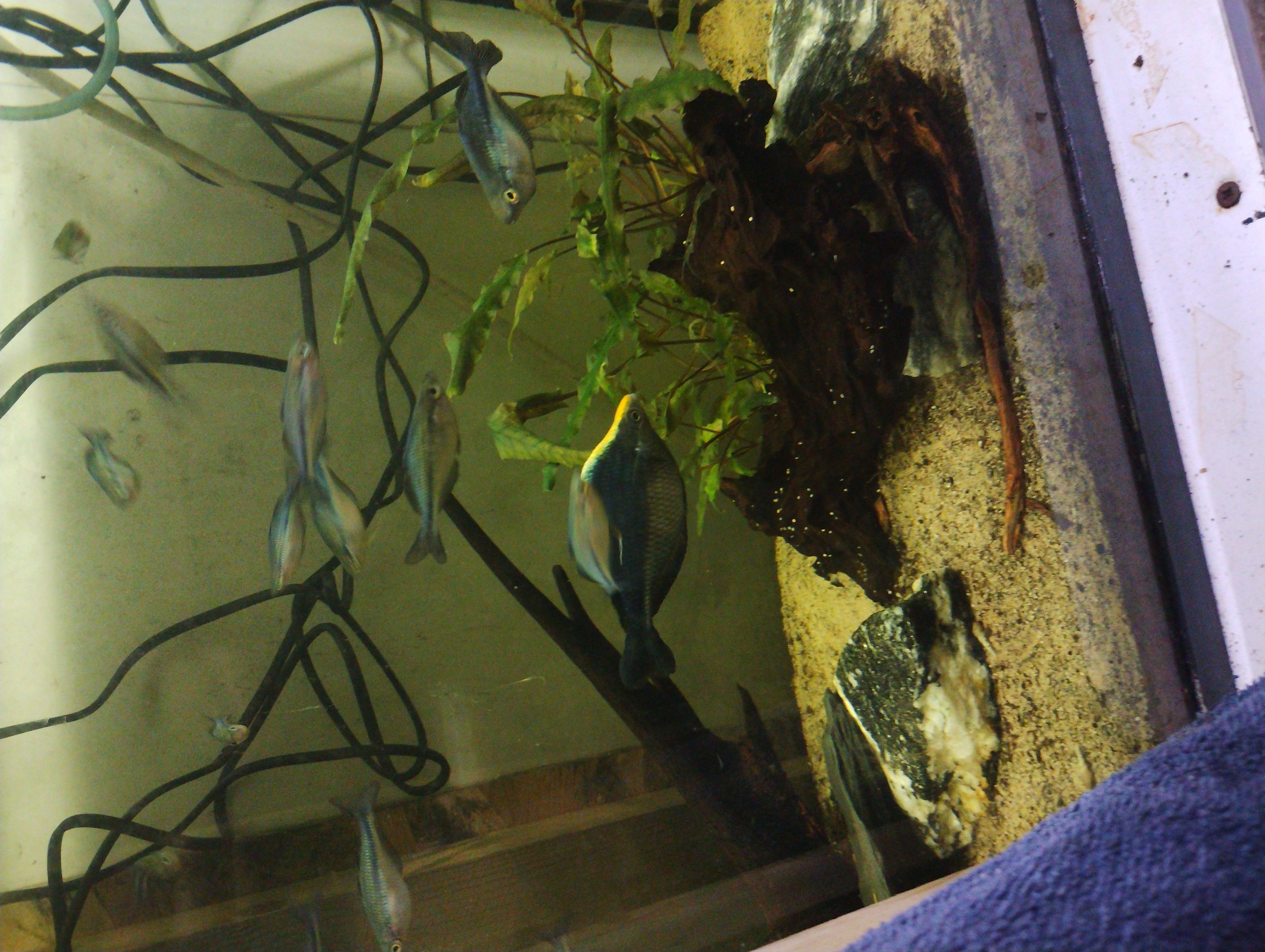
The fry are extremely small when they first become free swimming and initially require tiny foods such as infusoria or specialised liquid and powdered fry foods.
As they grow, they can be moved onto newly hatched brine shrimp and increasingly larger foods. We have bred these and grew several large batches of these fish to selling size.
Breeding rainbowfish requires some patience, but raising a group of young fish and watching the males gradually develop their adult turquoise coloration can be particularly rewarding. My dominant breeding male was a spectacular individual when he was in full breeding colouration.
Are Turquoise Rainbowfish Difficult to Keep?
Once established, Melanotaenia lacustris is not especially difficult to keep.
The biggest mistakes are usually keeping them in an aquarium that is too small, keeping too few individuals or allowing water quality to deteriorate.
They are active fish rather than demanding fish.
Provide them with a long aquarium, good filtration, regular water changes, varied food and a suitable group, and they can thrive for many years.
They also benefit from being added to a mature aquarium rather than a newly established tank where water conditions may still be fluctuating.
A Spectacular Rainbowfish for Larger Aquariums
The Turquoise Rainbowfish deserves to be much more widely appreciated.
Juveniles seen in shops can sometimes look fairly ordinary, particularly when they are stressed or kept under poor lighting. It is only as the fish mature that their real potential becomes obvious.
An adult male moving through a planted aquarium can change from silver-blue to intense turquoise within seconds, particularly when displaying to another male.
For aquarists with enough aquarium space, a properly maintained group of Lake Kutubu Rainbowfish can create one of the most impressive freshwater displays available.
They are peaceful, active, relatively straightforward to feed and compatible with a wide range of other community fish. Most importantly, however, they are fish that improve dramatically with age.
Give them space, clean water and the company of their own kind, and the Turquoise Rainbowfish can easily become the main attraction in a large freshwater aquarium.
Products We've Mentioned & Recommend
Below you'll find a selection of products we've mentioned in this article, along with a few others we think you might find useful. We've included Amazon links to make them easy to find.
A quick word about affiliate links...
Some of these links are affiliate links, which means we may earn a small commission from qualifying purchases, at no extra cost to you.
Unfortunately, the commission doesn't quite stretch to cocktails on a yacht or a garage full of sports cars. In reality, it helps cover the running costs of this website and, with a bit of luck, might eventually buy me a new pair of waders that don't leak!
We only recommend products we genuinely believe are worth considering, and your support helps us keep sharing free advice from our years of working with aquariums and ponds.
Thanks for supporting Aquatic Specialist!
As an Amazon Associate I earn from qualifying purchases.
Esha
ESHA Aqua Quicktest
Best for: Fast routine water-quality checks in freshwater aquariums.
As an Amazon Associate, we earn from qualifying purchases.
Fluval
Fluval Aqua Plus 500ml aquarium water conditioner
Best for: Routine water changes in freshwater and tropical aquariums
As an Amazon Associate, we earn from qualifying purchases.
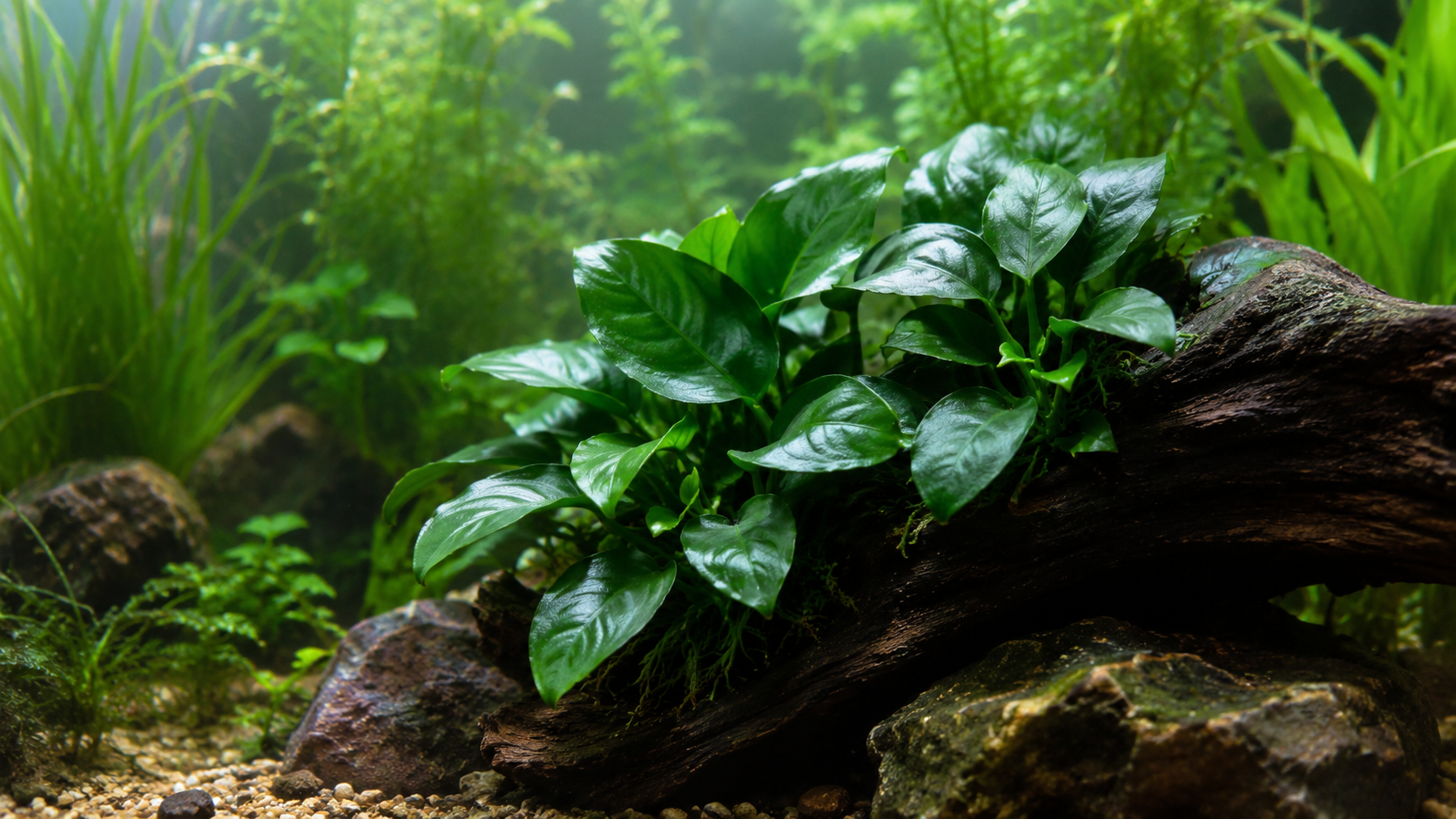
Anubias Nana
Best for: Beginners, low-light aquariums and low-tech planted tanks
As an Amazon Associate, we earn from qualifying purchases.
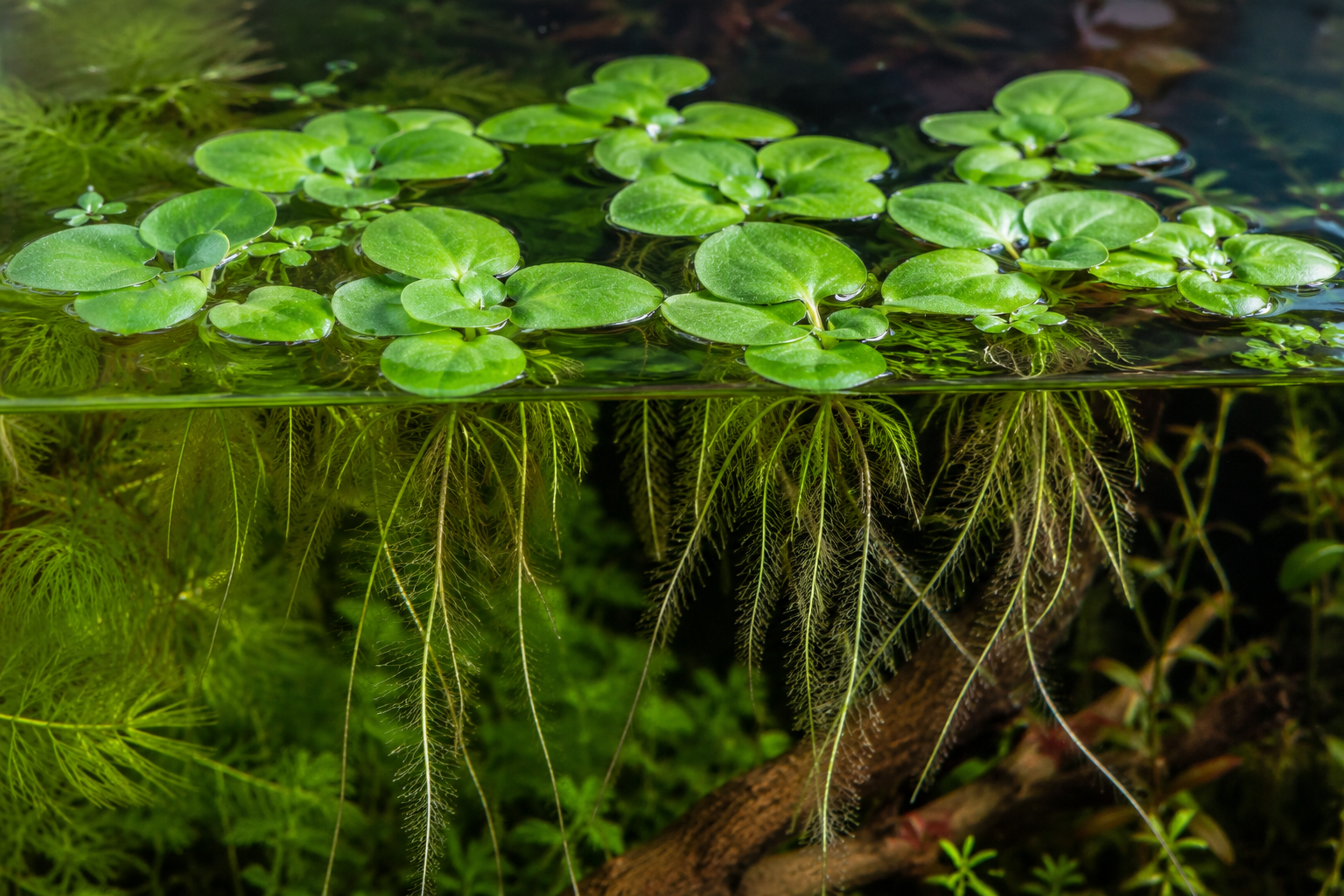
Amazon Frogbit
Best for: Natural aquariums, fry tanks, shrimp tanks and surface cover
As an Amazon Associate, we earn from qualifying purchases.
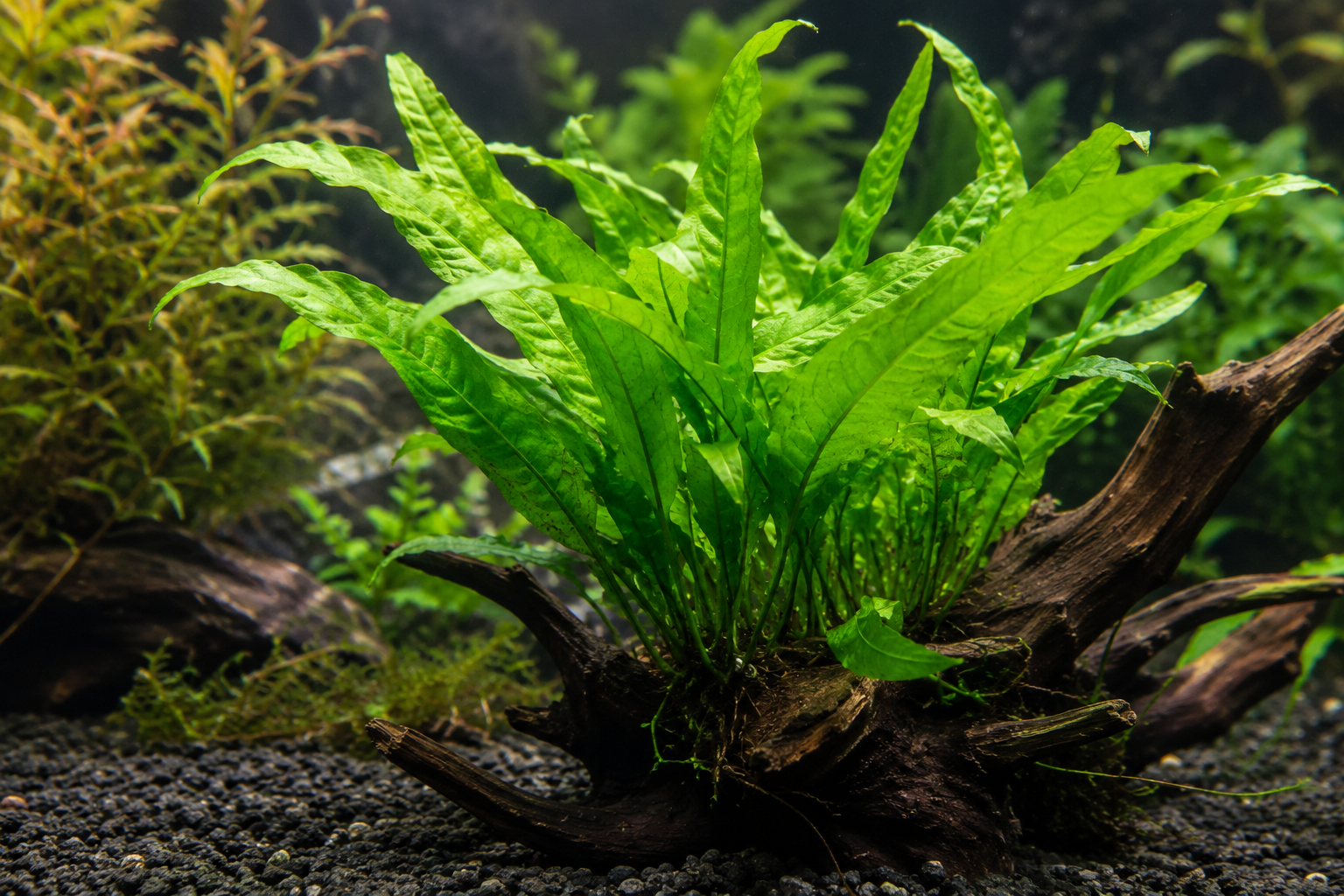
Java Fern
Best for: Beginners, low-tech aquariums and attaching to rocks or driftwood
As an Amazon Associate, we earn from qualifying purchases.
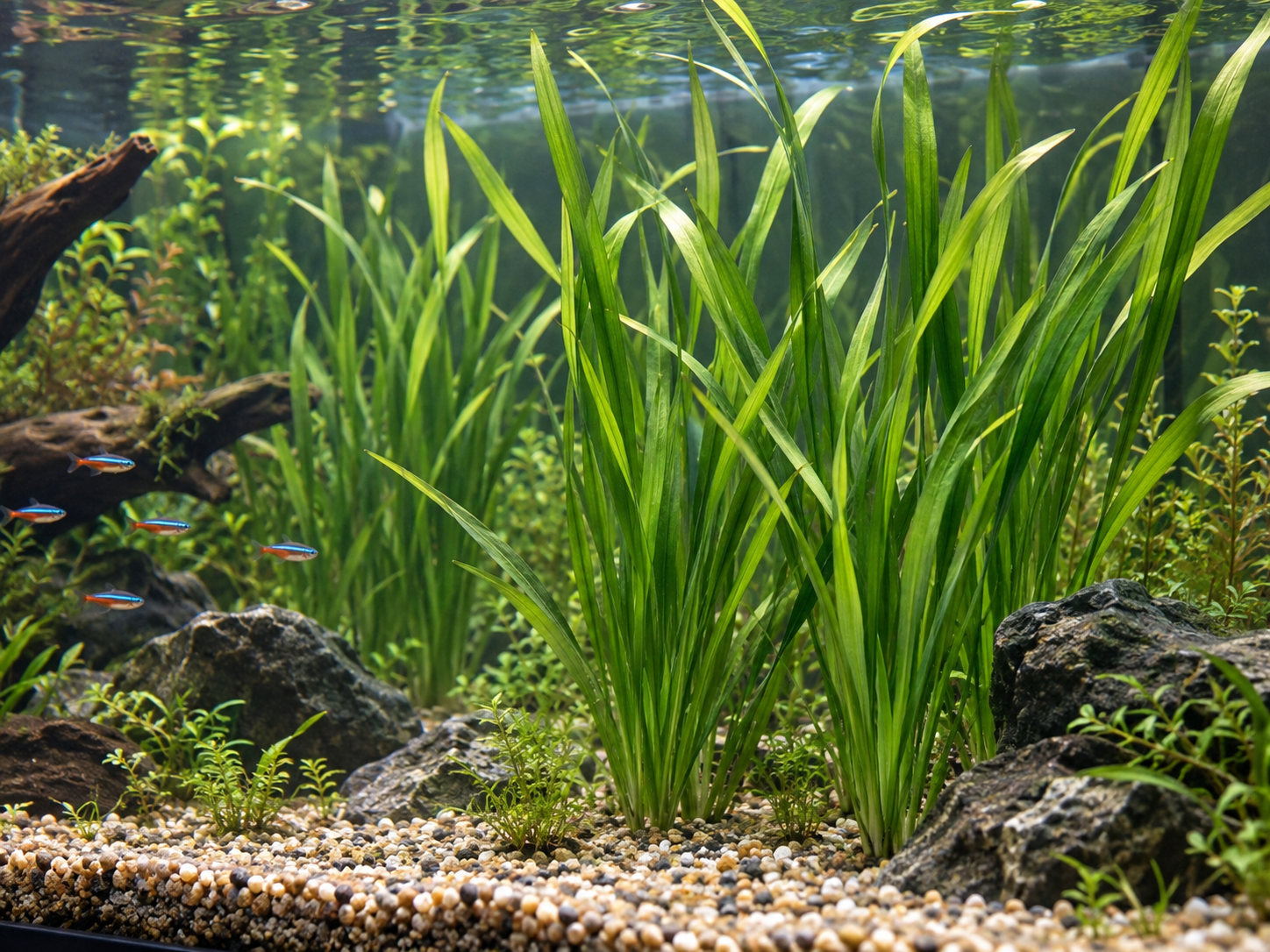
Vallisneria Americana
Best for: Easy background planting in freshwater aquariums
As an Amazon Associate, we earn from qualifying purchases.
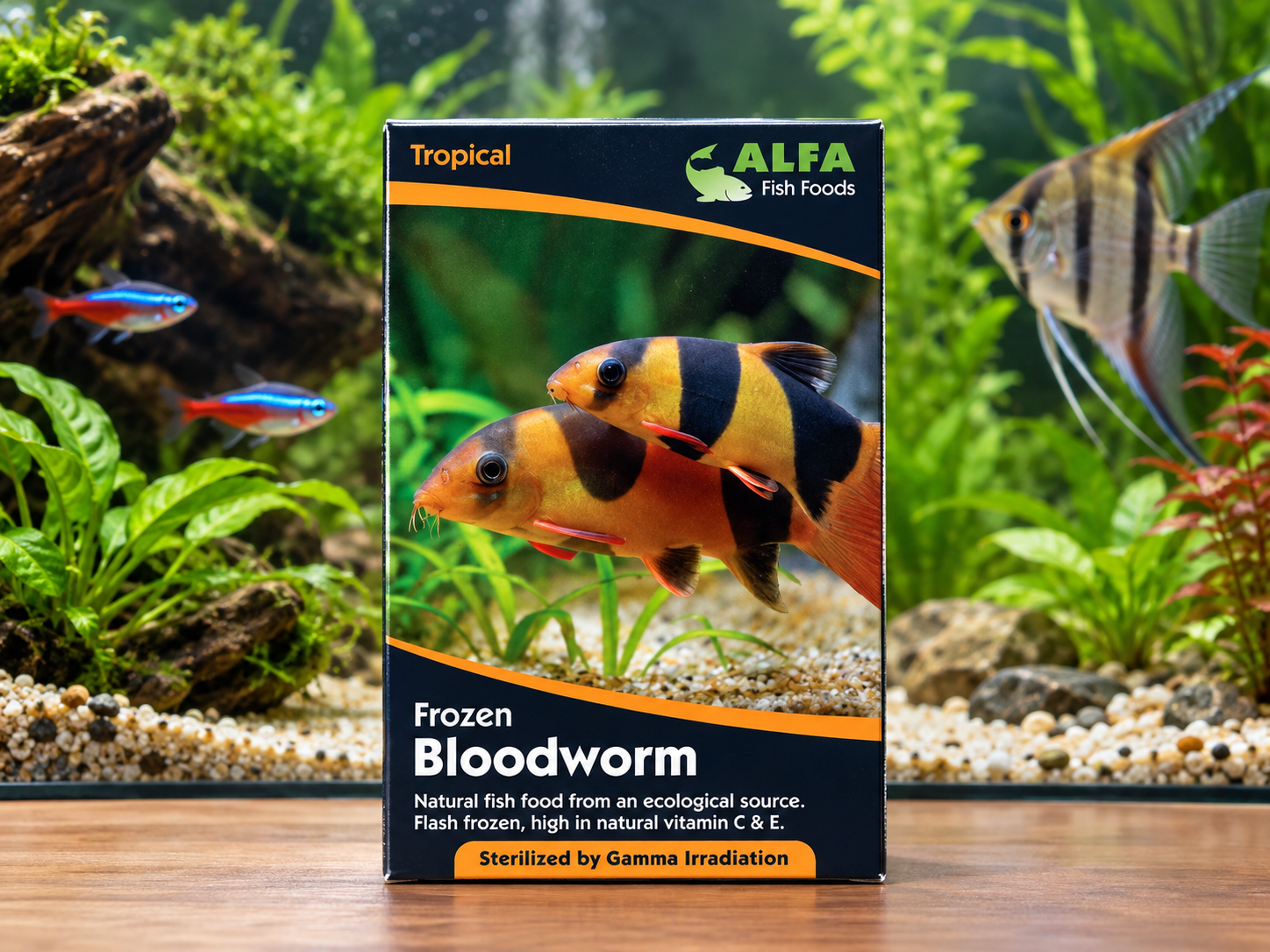
ALFA
Frozen Bloodworm Fish Food 10 Pack
Best for: Adding variety to tropical and coldwater fish diets
As an Amazon Associate, we earn from qualifying purchases.
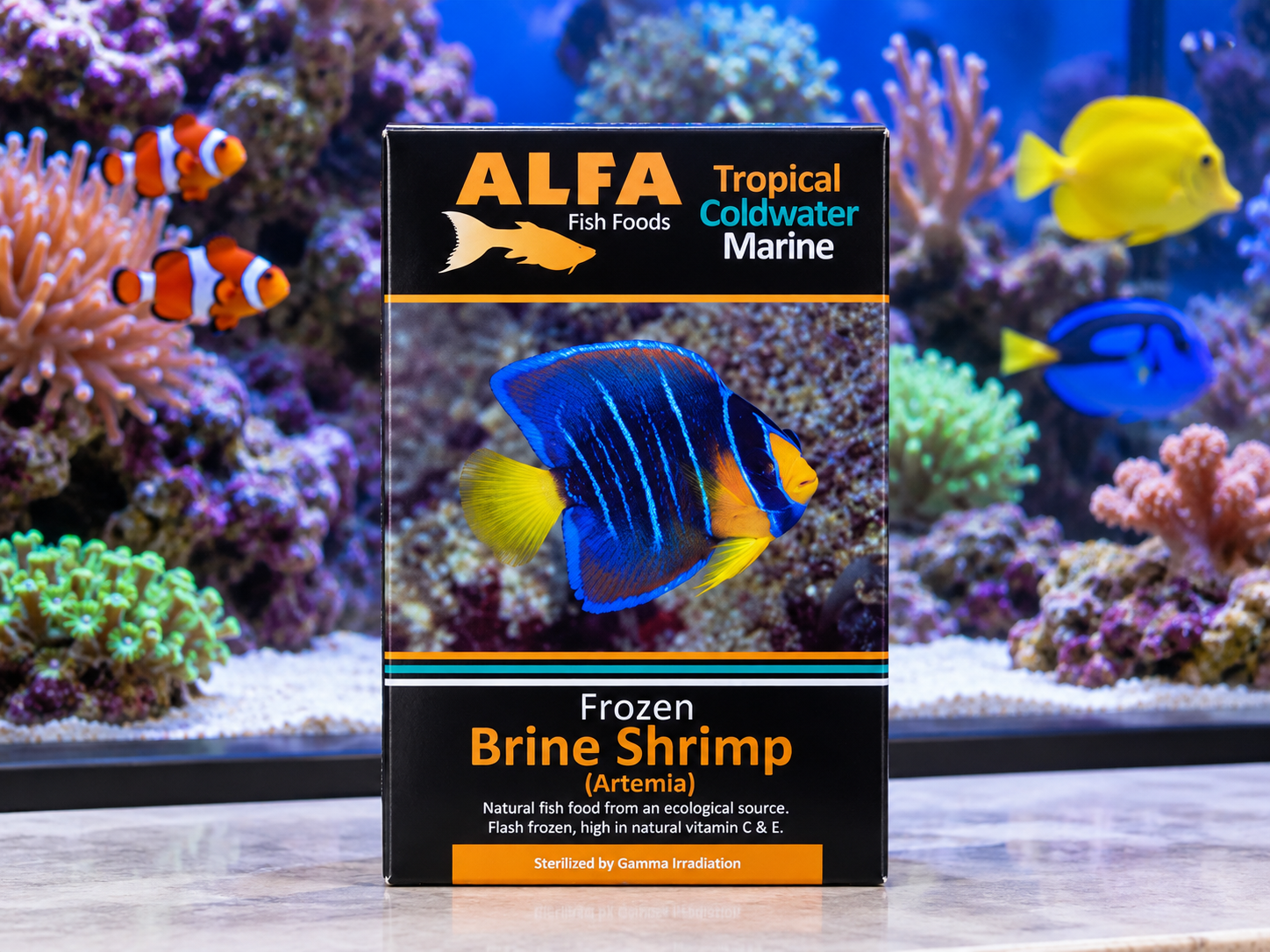
ALFA
Frozen Brine Shrimp/Artemia x5
Best for: Tropical, coldwater and marine fish needing a varied diet
As an Amazon Associate, we earn from qualifying purchases.
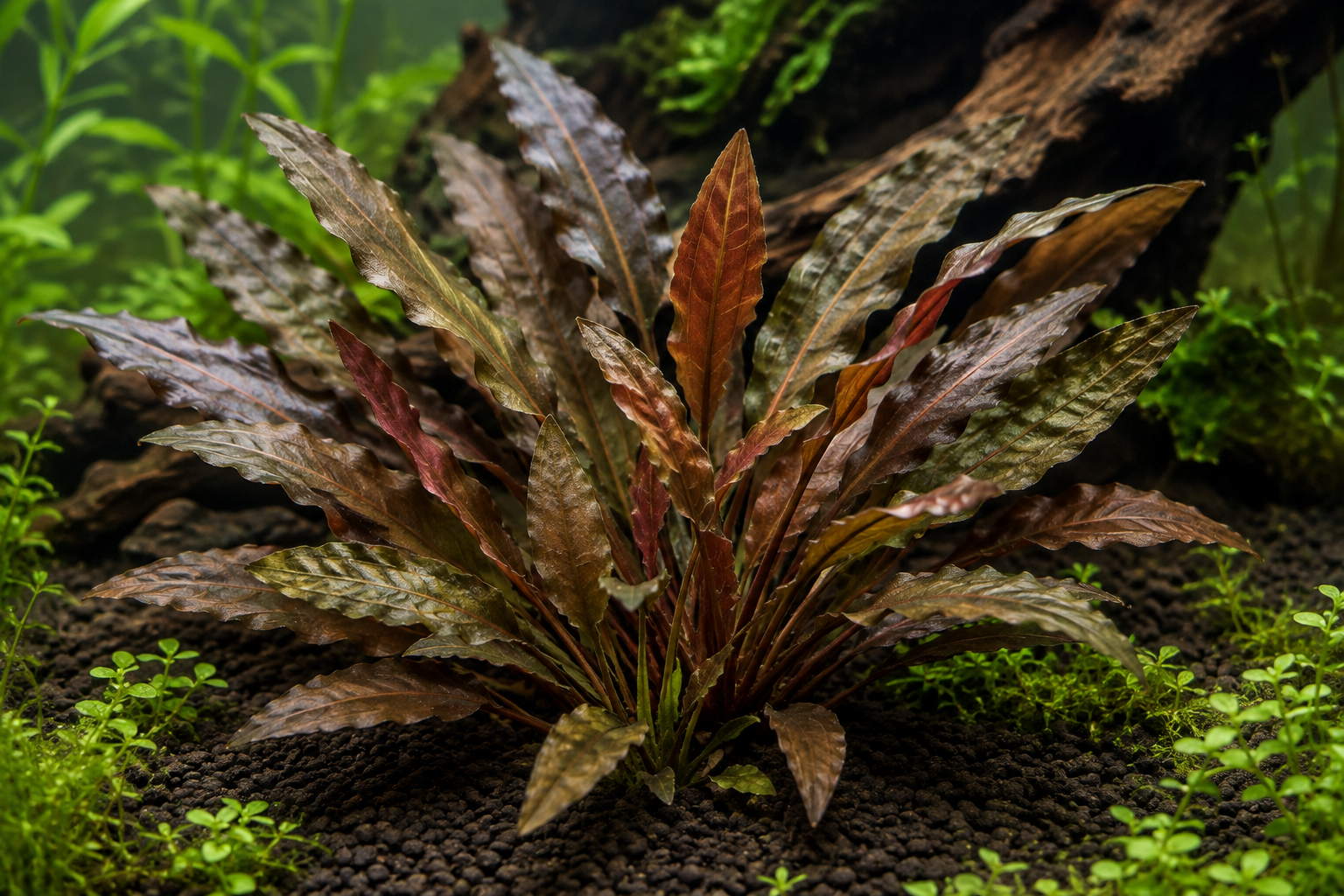
Cryptocoryne Wendtii Brown
Best for: Low-tech aquariums, beginners and midground planting
As an Amazon Associate, we earn from qualifying purchases.
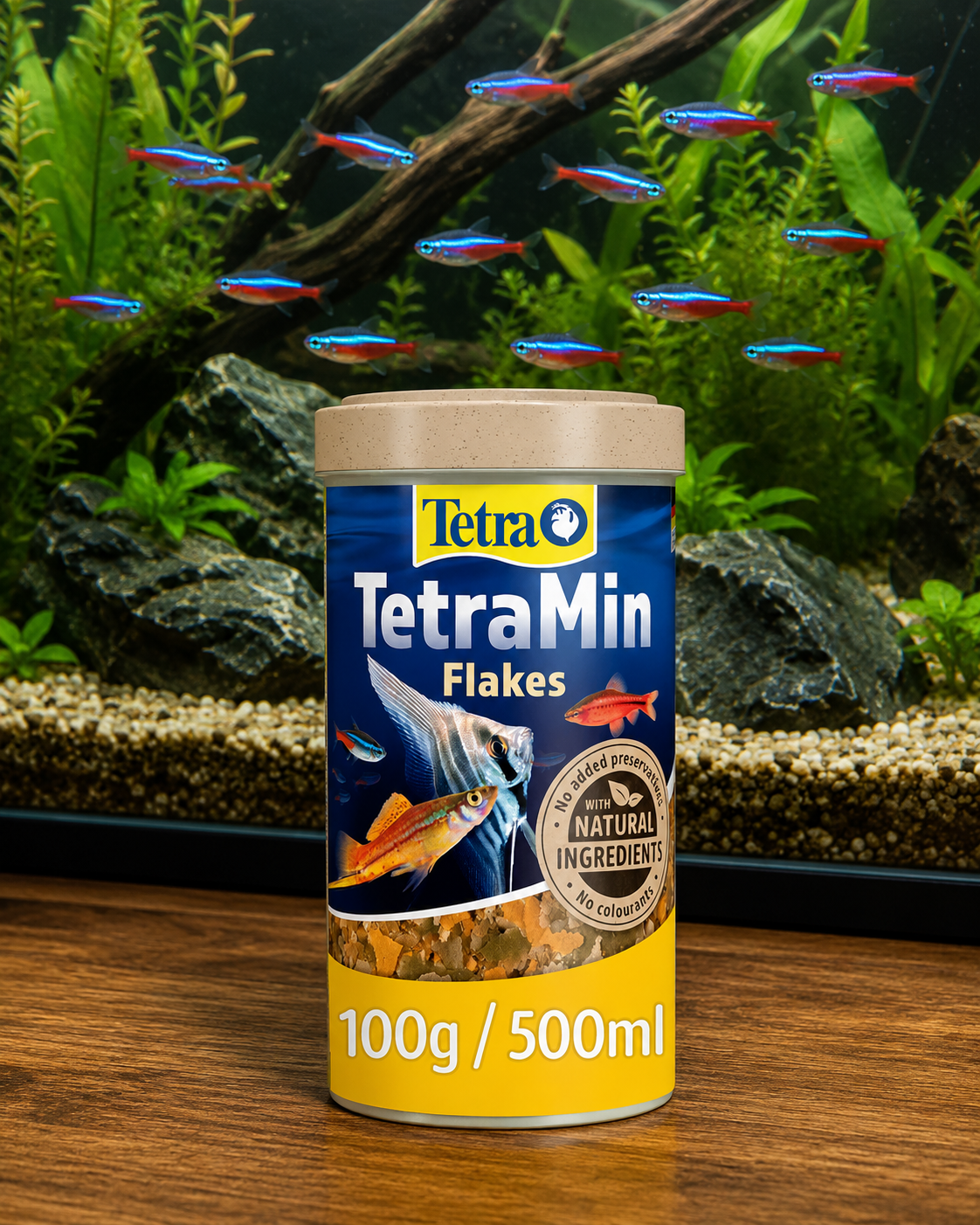
Tetra
Tetra Min Tropical Flake Food 500ml
Best for: Everyday feeding of tropical community fish
As an Amazon Associate, we earn from qualifying purchases.
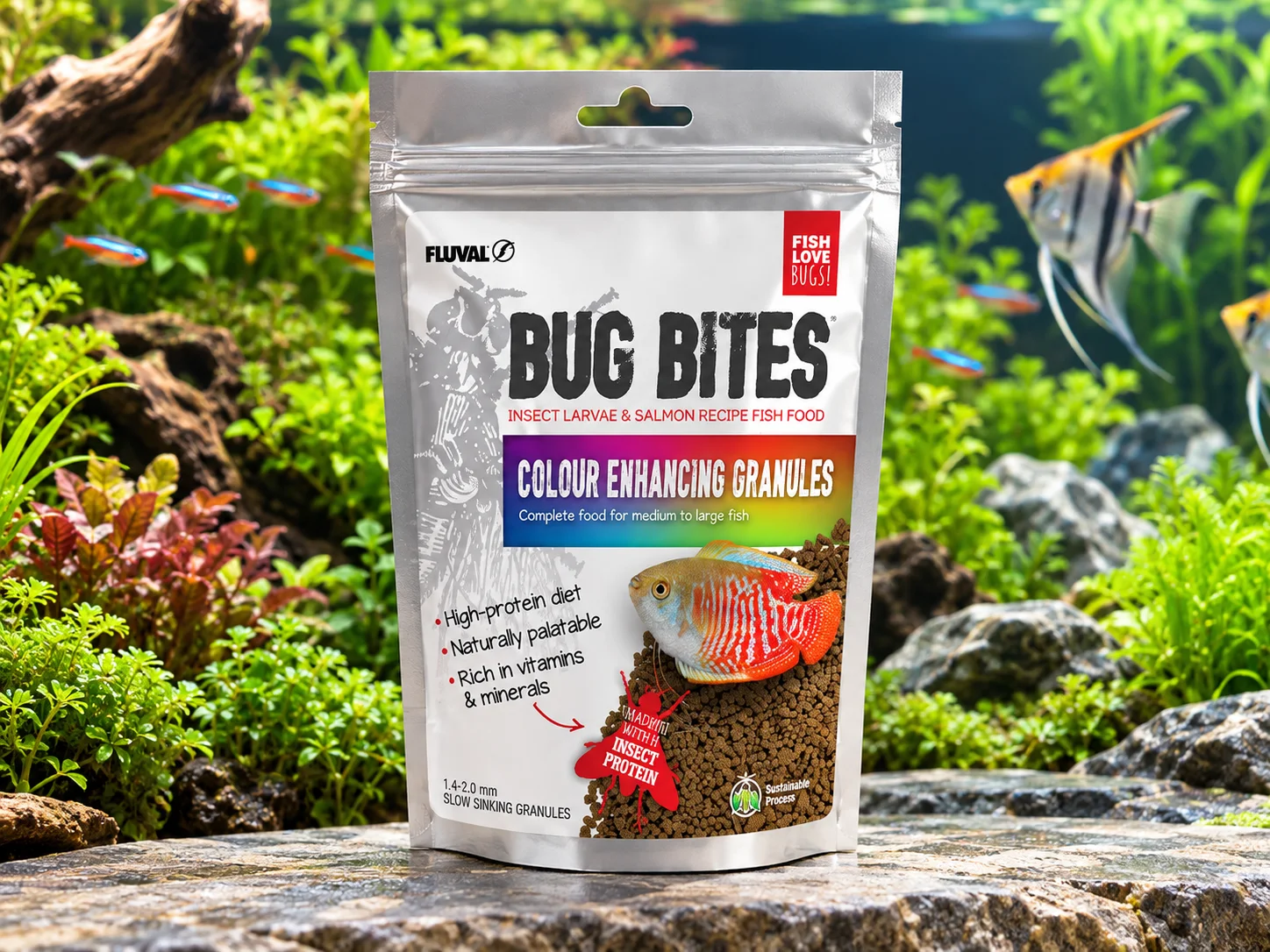
Fluval
Fluval Bug Bites Colour Enhancing Fish Food
Best for: Medium to large tropical fish and colourful community species
As an Amazon Associate, we earn from qualifying purchases.