Silver Arowana Care Guide: A Beautiful Tank Buster Unsuitable for Most Home Aquariums
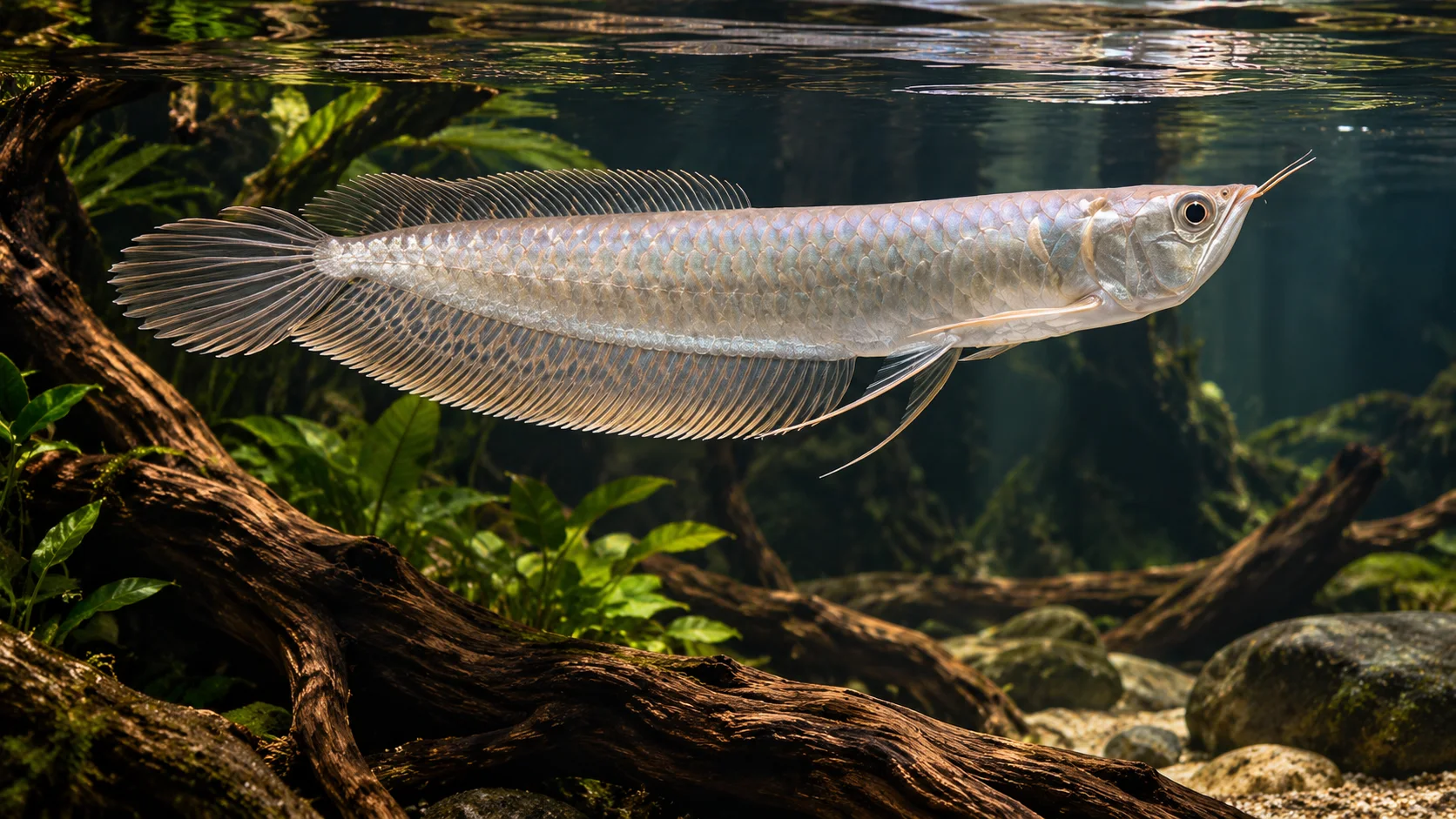
The Silver Arowana is a magnificent freshwater predator, but its enormous adult size makes it unsuitable for almost all home aquariums. Discover why this impressive tank buster requires specialist accommodation, extensive swimming space and a serious long-term commitment.
The Silver Arowana (Osteoglossum bicirrhosum) is one of the most impressive freshwater fish seen in the aquarium trade. With its long, streamlined body, large metallic scales and graceful movements just beneath the surface, it is easy to understand why so many fishkeepers find it fascinating.
Unfortunately, it is also one of the classic "tank busters": a fish sold as an attractive juvenile that eventually becomes far too large for the aquarium in which it was originally housed. A young Silver Arowana may measure only 10–20cm in a shop, but a mature specimen can approach a metre in length, with exceptional individuals reported at around 120cm.
At Aquatic Specialist, we believe fish should be chosen according to their adult requirements, not their size on the day they are purchased. For the Silver Arowana, those requirements are beyond the reach of almost every conventional home aquarium.
A Prehistoric Predator from South America
Silver Arowanas are native to tropical South America, including the Amazon basin, where they inhabit slow-moving rivers, lagoons, backwaters and seasonally flooded forests. They belong to the ancient bonytongue family, Osteoglossidae, and have a distinctive appearance unlike that of most commonly kept aquarium fish.
Their long dorsal and anal fins extend towards the tail, giving them an elegant, almost ribbon-like swimming action. The large, upward-facing mouth and two barbels on the lower jaw are adaptations for feeding at the water's surface.
In the wild, a Silver Arowana patrols the upper water layers in search of insects, smaller fish and other prey. It can even leap above the surface to catch animals among overhanging vegetation. This extraordinary ability is part of what makes the species so interesting, but it also creates serious challenges in captivity.
How Big Does a Silver Arowana Grow?
Adult size is the single most important consideration when keeping this fish. Silver Arowanas commonly reach around 80–100cm, while especially large specimens may reach approximately 120cm. Although their bodies remain relatively slender, their length, strength and constant need to move demand an enormous amount of space.
The difficulty is that juveniles do not immediately look like giant aquarium fish. In a shop display, a 15cm Arowana can appear perfectly comfortable, and an inexperienced buyer may assume that a standard large aquarium will be sufficient.
Growth can be rapid, particularly during the early stages of life. An aquarium that appears generous when the fish is purchased may become restrictive much sooner than expected. Planning to upgrade "when it gets bigger" is a risky approach, especially when the eventual upgrade may involve a custom-built tank, significant structural support and considerable expense.
A Silver Arowana should only be considered when suitable adult accommodation is genuinely available from the outset.
Why the Silver Arowana Is a Tank Buster
The expression "tank buster" describes fish whose size and behaviour make them impractical for ordinary home aquariums. Silver Arowanas fit that description not simply because they grow long, but because they are powerful, active surface swimmers.
Inadequate space prevents them from swimming and turning naturally. An aquarium can hold thousands of litres yet still be unsuitable if it is too narrow. For a fish approaching a metre in length, the distance between the front and back glass is every bit as important as the overall volume.
Jumping presents another concern. Arowanas are notorious for launching themselves upwards when startled, sometimes striking the aquarium cover with great force. Sudden lighting changes, unexpected movements or disturbance near the tank can all trigger a reaction. A secure, substantial lid with no gaps around pipes and cables is essential, although even that cannot remove every risk of injury.
Their feeding habits create additional demands. Large predatory fish consume substantial amounts of food and produce considerable waste, placing a heavy burden on filtration and water-change routines. Poor water quality can quickly compound the stress caused by insufficient space.
Perhaps the greatest problem comes when the fish outgrows its home. Rehoming an adult Arowana is difficult. Few private aquarists have appropriate facilities, most retailers cannot keep a large specimen permanently, and public aquariums are not obliged to accept unwanted fish.
What Size Aquarium Does It Need?
There is no sensible way to recommend a conventional four-, five- or six-foot aquarium for an adult Silver Arowana. Even an eight-foot aquarium may be inadequate, particularly if its width leaves the fish struggling to turn comfortably.
Suitable long-term housing is likely to mean a purpose-built installation several metres in length, with generous width and unobstructed surface swimming space. As an illustration, a tank measuring four metres long, 1.5 metres wide and 80cm deep contains approximately 4,800 litres before displacement. That is not a universal minimum or a guarantee of suitability; it simply demonstrates the scale of accommodation involved.
A structure holding that much water and equipment may weigh several tonnes. The installation needs appropriate floor support, dependable filtration, powerful heating, secure covers and safe access for maintenance. Running costs can also be substantial, especially during colder months.
This is why describing the Silver Arowana as suitable for a "large aquarium" can be misleading. What counts as large in an ordinary living room may still be wholly inadequate for this species.
Water Quality and Aquarium Environment
Although Silver Arowanas have demanding space requirements, their basic water chemistry needs are fairly straightforward. They generally do well in warm, stable tropical conditions, commonly around 24–29°C, with slightly acidic to neutral water often preferred. Consistency matters more than constantly adjusting the pH to chase a particular number.
Ammonia and nitrite must remain at zero in a properly established aquarium, while nitrate should be controlled through effective filtration, sensible feeding and regular water changes. A large sump or another suitably designed filtration system is often appropriate for an installation housing such a substantial fish.
The aquarium should prioritise open swimming space rather than elaborate decoration. Driftwood and subdued lighting can help create a natural setting, provided there are no sharp edges or obstacles where the fish could injure itself. The surrounding area should also be relatively calm, as sudden disturbances can cause these powerful fish to panic.
Good filtration and thoughtful aquarium design are important, but neither can make a cramped tank acceptable.
Feeding a Silver Arowana
Silver Arowanas are opportunistic predators. In nature, their diet includes fish, aquatic invertebrates and insects, along with other small animals encountered near the surface. Their upturned mouths are perfectly adapted for grabbing food from above.
Captive fish should receive a varied, nutritionally balanced diet. High-quality floating pellets intended for large carnivorous fish can form a useful foundation, supplemented where appropriate with prawns, suitable pieces of fish, earthworms and insects from reliable sources.
Live feeder fish are best avoided. They may introduce disease or parasites, and some commonly used feeder species provide an unbalanced diet. Mammalian meat is also inappropriate as a routine food.
Feeding an Arowana can be spectacular, but it should not be turned into a performance that encourages the fish to leap dangerously towards food. Calm, consistent feeding is safer for both the fish and its keeper.
Can Silver Arowanas Live with Other Fish?
The Silver Arowana is not a community aquarium fish. Smaller tankmates may be viewed as prey, even if they were initially ignored while the Arowana was young. As its mouth and body grow, fish that once seemed safe can eventually be swallowed.
Some specialist keepers house Arowanas with other large species, but this requires exceptional space and careful consideration of aggression, feeding behaviour and waste production. A fish being too large to eat does not automatically make it compatible.
Keeping a single Silver Arowana is often the simpler option, although it does nothing to reduce the need for an enormous aquarium.
Lifespan and Long-Term Responsibility
A Silver Arowana may live for 10–20 years or longer under suitable conditions. Buying one is therefore a long-term commitment that extends far beyond the excitement of bringing home an unusual juvenile.
Owners must be able to maintain a large, heated system year after year, including during holidays, household moves or changes in circumstances. They also need to consider what happens if the fish requires specialist treatment or if equipment fails.
One fascinating aspect of the species is its breeding behaviour. Male Silver Arowanas are mouthbrooders, carrying developing eggs and young in their mouths for protection. It is a remarkable adaptation, but breeding these fish is a specialist undertaking, not something expected in an ordinary home setup.
Should Silver Arowanas Be Sold for Home Aquariums?
There are experienced fishkeepers who provide excellent conditions for Silver Arowanas, and responsible specialist ownership is possible. Nevertheless, their presence in the general aquarium trade raises legitimate welfare concerns.
When a small juvenile is displayed for sale, customers may see an elegant fish without appreciating that it could eventually approach or exceed a metre in length. Information about adult size, jumping behaviour and the cost of proper housing should be made clear before purchase.
Too often, tank buster species are acquired with the hope that a larger aquarium can be arranged later. When that proves impossible, the fish may spend years in restrictive conditions or face an uncertain search for a new home.
Retailers and aquarists both have a part to play. Just because a species is available does not mean it is suitable for an ordinary household aquarium.
Are There Better Alternatives?
If you admire the Silver Arowana's striking presence, consider choosing fish whose adult size suits the space you actually have. Depending on the aquarium, appropriately selected rainbowfish, gouramis or medium-sized cichlids can offer colour, personality and interesting behaviour without growing to a metre long.
They are not miniature Arowanas, but that is precisely the point. The best aquarium fish is not necessarily the most dramatic one in the shop; it is one whose needs you can meet throughout its life.
Final Thoughts
The Silver Arowana is a magnificent animal, with its metallic scales, prehistoric features and remarkable surface-hunting behaviour. It deserves admiration, but admiration should not automatically lead to ownership.
For the overwhelming majority of fishkeepers, a conventional home aquarium cannot provide the space this species needs as an adult. Its size, powerful jumping ability and long lifespan turn what might seem like an exciting purchase into a substantial welfare and financial responsibility.
Our advice at Aquatic Specialist is straightforward: do not buy a Silver Arowana unless you already have a realistic, properly designed plan for housing it at full adult size. For most people, this extraordinary tank buster is best enjoyed in a large specialist or public aquarium where it can be given the room it deserves.
Products We've Mentioned & Recommend
Below you'll find a selection of products we've mentioned in this article, along with a few others we think you might find useful. We've included Amazon links to make them easy to find.
A quick word about affiliate links...
Some of these links are affiliate links, which means we may earn a small commission from qualifying purchases, at no extra cost to you.
Unfortunately, the commission doesn't quite stretch to cocktails on a yacht or a garage full of sports cars. In reality, it helps cover the running costs of this website and, with a bit of luck, might eventually buy me a new pair of waders that don't leak!
We only recommend products we genuinely believe are worth considering, and your support helps us keep sharing free advice from our years of working with aquariums and ponds.
Thanks for supporting Aquatic Specialist!
As an Amazon Associate I earn from qualifying purchases.
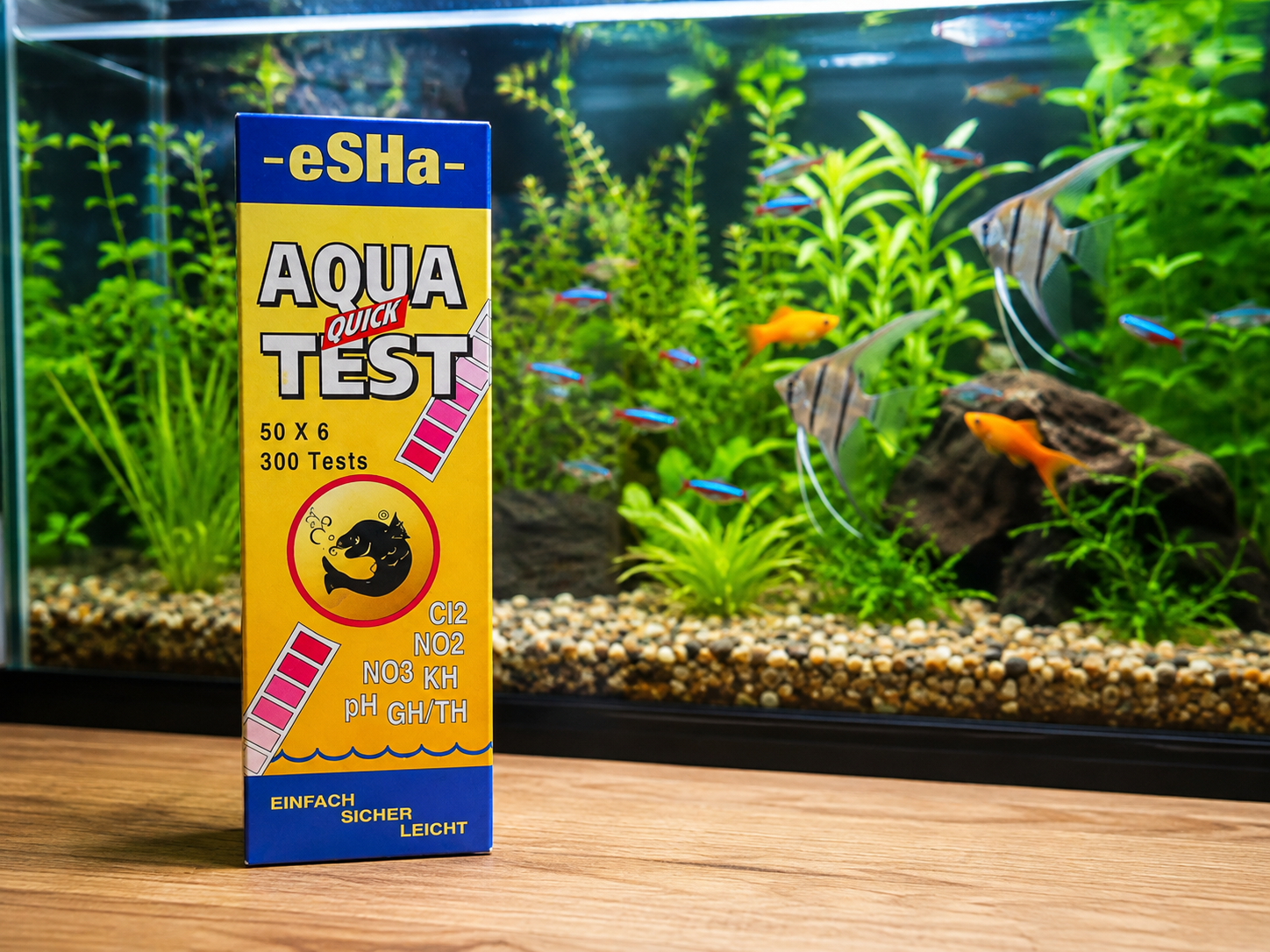
Esha
ESHA Aqua Quicktest
Best for: Fast routine water-quality checks in freshwater aquariums.
As an Amazon Associate, we earn from qualifying purchases.
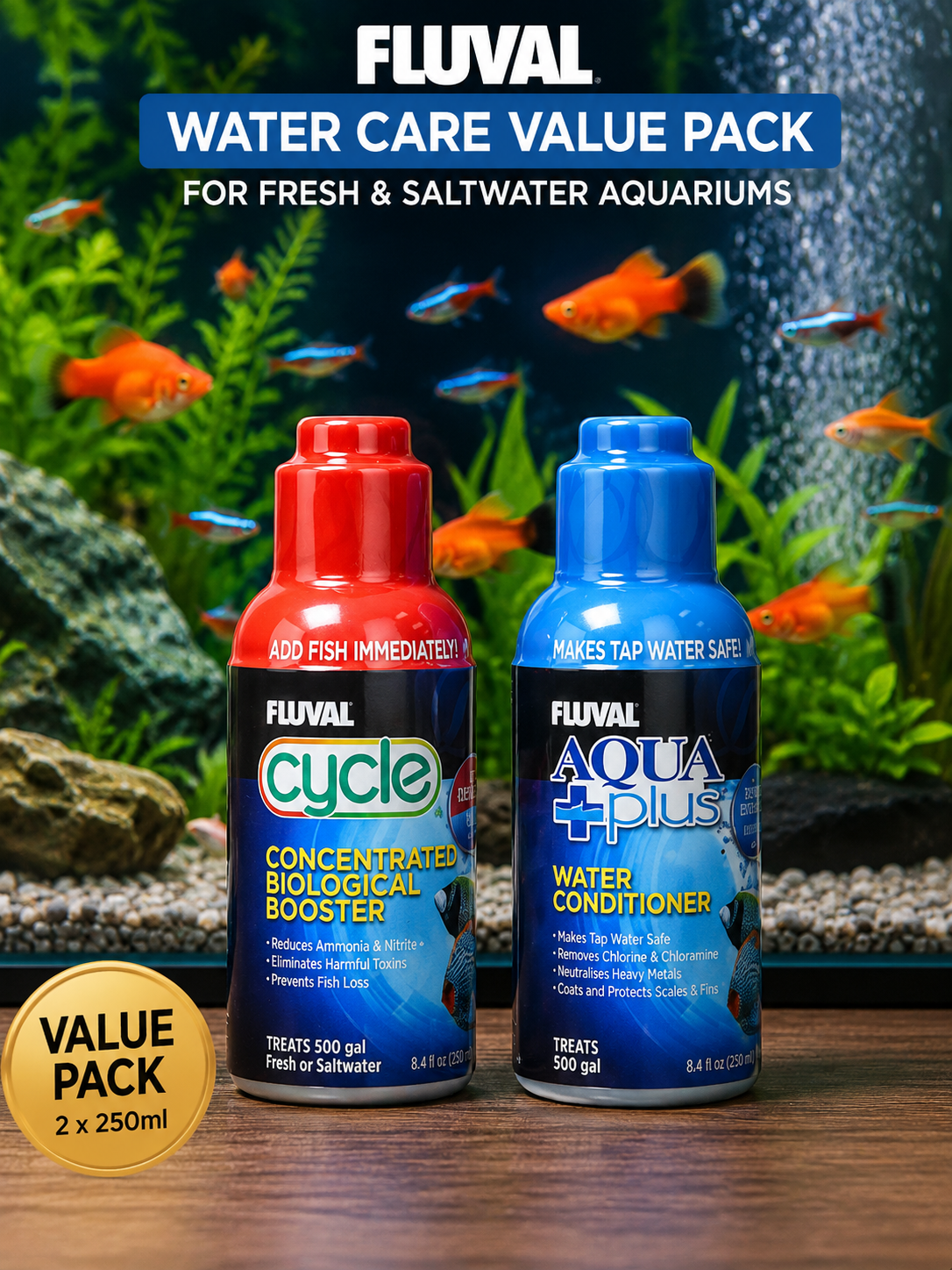
Fluval
Fluval Water Care Value Pack with Fluval Cycle & Aqua Plus, 500ml
Best for: New aquarium setups and routine water changes
As an Amazon Associate, we earn from qualifying purchases.
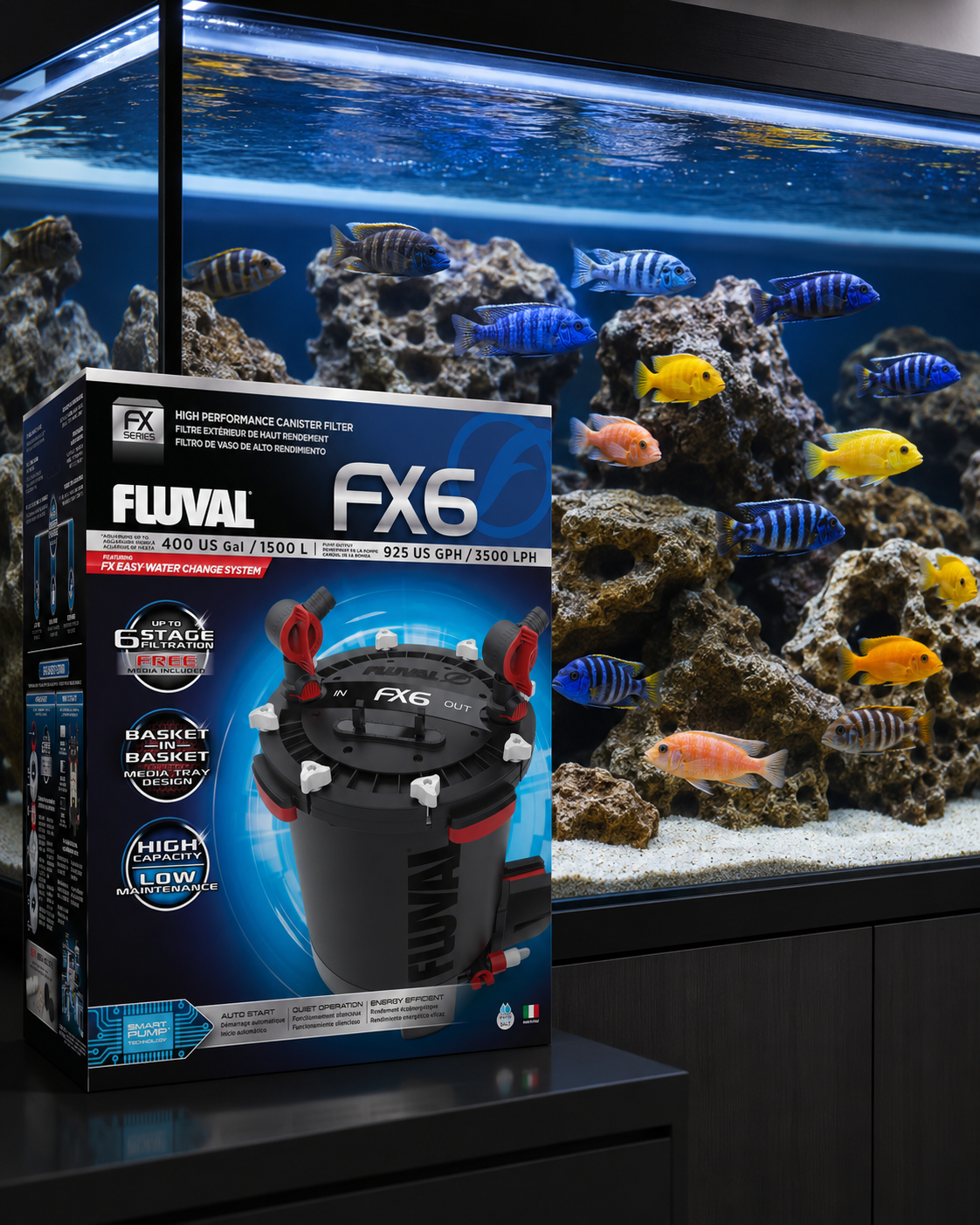
Fluval
Fluval Fx 6 High Proformance Aquarium Canister Filter
Best for: Large, heavily stocked Malawi cichlid aquariums
As an Amazon Associate, we earn from qualifying purchases.
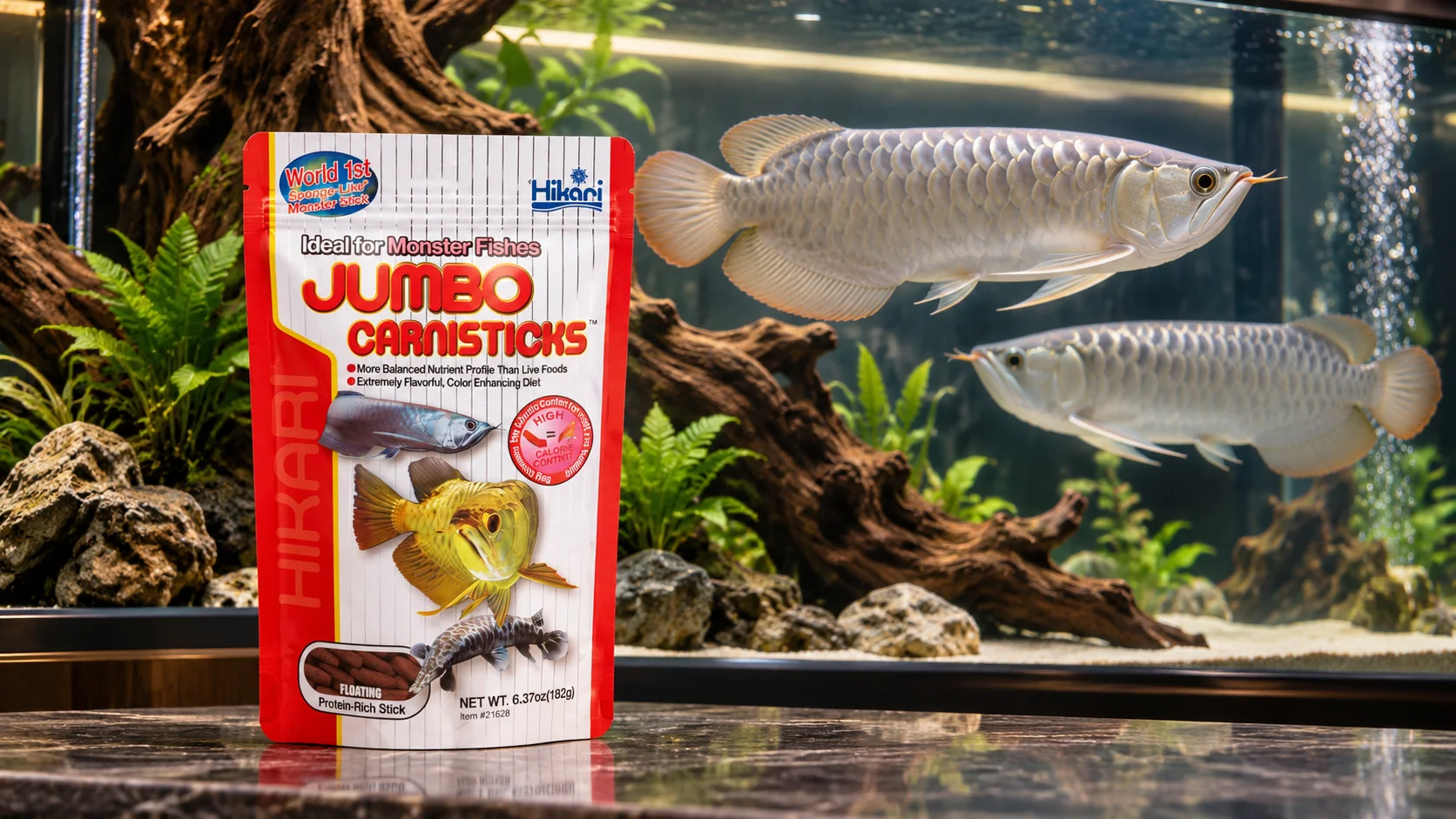
Hikari
Hikari Tropical Jumbo Carnisticks Fish Food
Best for: Large arowanas and other big, surface-feeding carnivorous aquarium fish.
As an Amazon Associate, we earn from qualifying purchases.