Rummynose Tetra (Petitella bleheri)
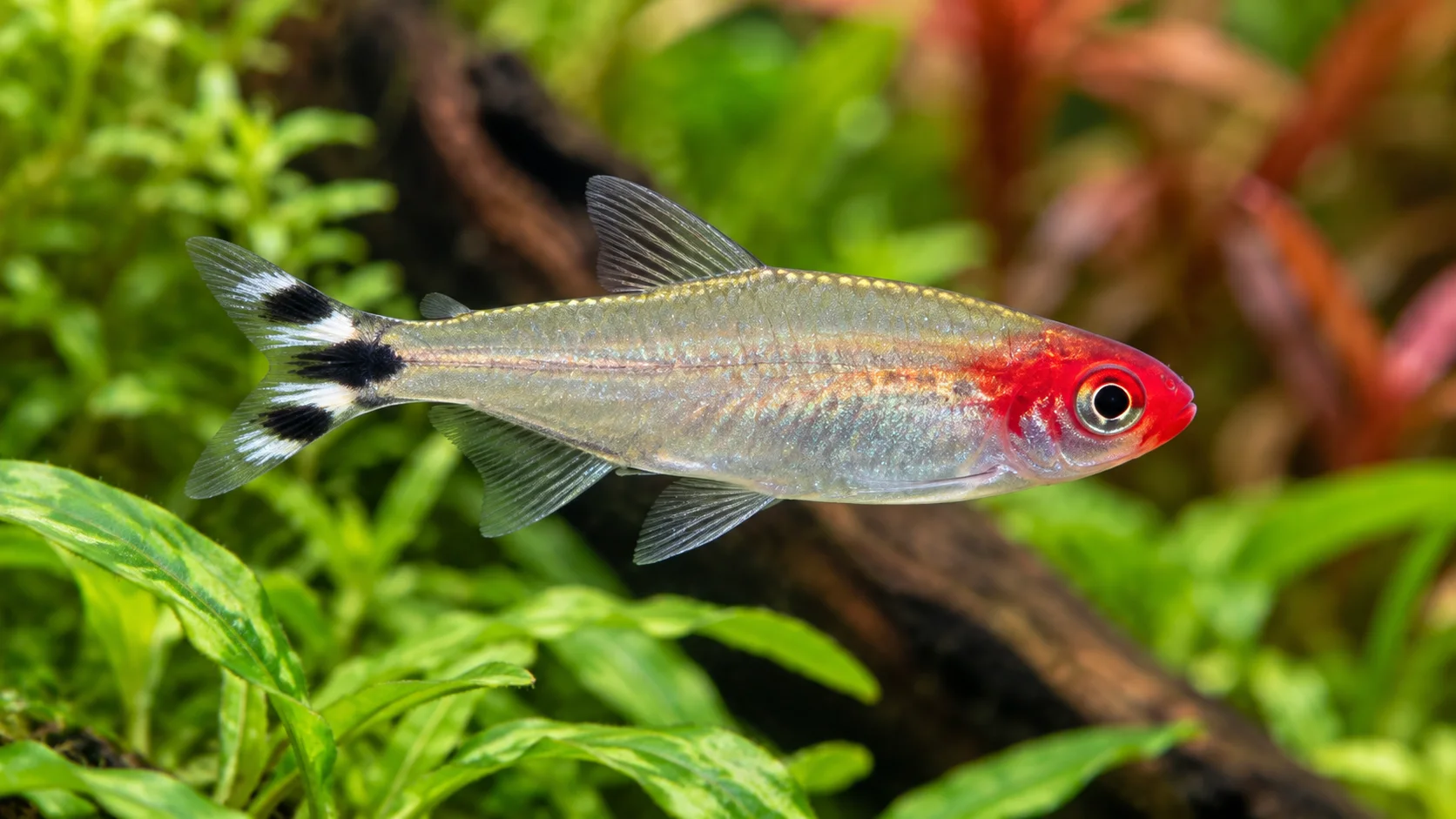
The Rummynose Tetra (Petitella bleheri) is a peaceful South American fish recognised by its bright red head and distinctive black-and-white tail. Discover how to keep a healthy shoal, including advice on aquarium setup, feeding, water quality, tank mates and breeding.
The Rummynose Tetra is one of the most distinctive and recognisable South American tetras kept in freshwater aquariums. Its bright red head, silvery body and striking black-and-white striped tail create an appearance unlike almost any other commonly available community fish. When a large group moves together through a planted aquarium, the effect can be particularly impressive.
Known scientifically as Petitella bleheri, this species was previously widely known as Hemigrammus bleheri, and the older scientific name is still commonly encountered in aquarium shops and older reference material. It is also one of several closely related fish sold under the general name Rummynose Tetra, so identification can occasionally be confusing.
Beyond its appearance, one of the great attractions of the Rummynose Tetra is its shoaling behaviour. While many tetras become quite loosely grouped once they feel secure, Rummynose Tetras have a tendency to remain together and move through the aquarium as a coordinated group. This makes them particularly effective in larger planted aquariums where there is enough open water for the shoal to swim properly.
We often use a large shoal of these fish in larger aquascapes that we maintain for clients. They look simply stunning in a big group and look great with cardinal or neon tetras. When they are unhappy they loose their red nose, its a great visual indicator that something is wrong and things need checking. The first thing we check is the water quality. We use ESHA Quicktest for a fast result, we can then quickly more on to resolve the issue and investigate further if needs be.
Natural habitat
Petitella bleheri originates from tropical South America and is associated particularly with the Rio Negro and Rio Orinoco regions. Many of the waterways within its natural range are extremely soft and acidic, with surrounding vegetation having a major influence on the aquatic environment.
Fallen leaves, branches and other organic material accumulate in the water and gradually release tannins as they decompose. In some locations this creates the characteristic tea-coloured water associated with blackwater habitats. Overhanging vegetation and tannin staining can also considerably reduce the intensity of light beneath the surface.
These natural conditions help explain why Rummynose Tetras look particularly comfortable in aquariums containing plenty of natural structure. Driftwood, plants and areas of shade can all be incorporated without needing to reproduce a strict South American biotope.
Dried leaves can also be added for a more natural appearance. As well as releasing tannins, they create interesting areas around the bottom of the aquarium. However, leaf litter and strongly tannin-stained water are optional rather than essential for maintaining healthy captive-bred Rummynose Tetras.
Appearance and size
Adult Rummynose Tetras generally reach around 4–5 cm in length. Their body is relatively slender and predominantly silver, but it is the contrasting markings at either end of the fish that make the species so recognisable.
A healthy specimen develops a vivid red colour across the head and snout. In Petitella bleheri, this colour can extend beyond the gill covers and onto the front portion of the body. At the opposite end, the tail is patterned with bold horizontal black and white markings.
When an entire shoal turns simultaneously, these tail markings create a particularly noticeable flickering pattern. Combined with the red heads, they allow a group of Rummynose Tetras to remain visually striking without having strong colour across the entire body.
The intensity of the red head can vary. Fish that have recently been transported or introduced to an unfamiliar aquarium may become noticeably pale. Poor water conditions and stress can also cause the red colour to fade.
For this reason, aquarists sometimes use the colour of their Rummynose Tetras as an informal indication of how settled the fish are. A change in colour alone shouldn't be treated as a water test, but a group that suddenly becomes unusually pale is certainly worth observing closely.
Males and females look very similar. Mature females tend to develop a slightly fuller body, particularly when carrying eggs, while males are generally somewhat slimmer.
Aquarium requirements
Although Rummynose Tetras are relatively small fish, they are active swimmers and benefit considerably from having a longer aquarium. An aquarium of around 75 litres can accommodate a group, although larger tanks are preferable where space permits.
Tank length is particularly useful because of the way these fish shoal. Providing an open swimming area allows the group to move naturally from one side of the aquarium to the other rather than continually turning within a confined space.
Plants can be concentrated around the rear and sides, leaving a generous open area through the middle or front. Pieces of driftwood or branching wood can provide additional structure and help create shaded areas.
A darker substrate can complement their appearance particularly well. The silver bodies and bright red heads tend to stand out more strongly against darker surroundings, while excessively bright lighting and a very pale aquarium can leave the fish looking less impressive.
Group size is especially important. Rummynose Tetras should not be kept individually or in very small numbers. Six should be considered a minimum, but a group of ten or more will normally produce much better behaviour.
Where aquarium size permits, fifteen or twenty Rummynose Tetras can create an exceptional display. Rather than appearing as numerous individual fish scattered around the tank, they frequently move together as a single group.
Water conditions
Rummynose Tetras naturally come from soft, acidic environments and appreciate good water quality. A temperature of approximately 24–28°C suits the species well, making them compatible with many other tropical South American fish.
Slightly acidic to neutral water is generally preferable. Captive-bred fish can adapt to conditions outside those found in the wild, but extremely hard or alkaline water isn't ideal, particularly if breeding is the aim.
More important for everyday maintenance is keeping conditions stable. Rummynose Tetras can be less forgiving of deteriorating water quality than some of the hardier community tetras.
Ammonia and nitrite should remain at zero, while nitrate should be controlled through sensible stocking, careful feeding and regular partial water changes. A mature biological filter is important, and this is not a species I would choose for a newly established or unstable aquarium.
They appreciate some water movement and good oxygenation, but the current doesn't need to be excessively powerful. Moderate circulation that leaves quieter areas around plants and wood generally works well.
Regular maintenance is one of the most important aspects of keeping them successfully. A stable, mature aquarium receiving consistent water changes is far preferable to continually trying to adjust the water to achieve an exact numerical value.
Feeding Rummynose Tetras
Rummynose Tetras are omnivorous and usually straightforward to feed once settled. A good-quality small flake, micro pellet or suitably sized granular food can provide the basis of their diet.
Variety is beneficial. Frozen daphnia, Cyclops, Artemia and mosquito larvae can all be offered, while appropriately sized live foods encourage natural feeding behaviour.
Their mouths are relatively small, so food needs to be appropriately sized. Large flakes can simply be crushed before feeding.
Rummynose Tetras usually feed actively in the middle and upper areas of the aquarium. Small meals once or twice a day are generally sufficient, and it is better to provide an amount that is quickly consumed rather than allowing excess food to settle around the aquarium.
A varied diet combined with good water conditions can help maintain the strong red colouration that makes the species so attractive.
Temperament and suitable tank mates
Rummynose Tetras are peaceful fish and are excellent inhabitants of a carefully planned community aquarium. They are best combined with species that are unlikely to intimidate or prey upon them.
Corydoras catfish make excellent companions, as do many other peaceful South American tetras. Pencilfish and some smaller peaceful dwarf cichlids can also work well where their water requirements are compatible.
They can be particularly effective in a South American planted aquarium containing a large Rummynose shoal above a group of Corydoras, with a pair of peaceful dwarf cichlids occupying the lower areas.
Their temperature requirements also make them popular companions for Discus, although sufficient aquarium space and excellent water quality are essential when combining the two.
Large predatory species should obviously be avoided, as should highly aggressive fish. Very boisterous tank mates can also prevent Rummynose Tetras from behaving naturally and may leave the group spending too much time hiding.
Breeding
Rummynose Tetras can be bred in captivity, although they are more demanding to breed successfully than many commonly kept community fish.
They are egg scatterers and provide no parental care. The adults may eat the eggs after spawning, making a separate breeding aquarium the most reliable approach.
Breeding adults should be brought into good condition with a varied diet containing live and frozen foods. Soft, acidic water is particularly important when attempting to breed this species, as unsuitable water chemistry can result in poor egg fertility or unsuccessful hatching.
Fine-leaved plants, spawning mops or protective mesh can be used to provide somewhere for the eggs to fall. Once spawning has taken place, the adults should be removed.
The eggs can be sensitive to light, so keeping the breeding aquarium relatively dark during the early stages can improve the chances of success.
Once the fry become free swimming, they require very small foods. Infusoria or specialist fry foods may initially be necessary before they become large enough to accept newly hatched Artemia.
Careful water management is essential while raising the fry. Small, regular water changes help maintain good conditions without creating sudden changes in temperature or chemistry.
One of the best shoaling tetras
The Rummynose Tetra has remained popular for good reason. While its red head and striped tail make an individual fish immediately recognisable, it is the behaviour of a group that really makes the species stand out.
A large shoal moving from one end of a planted aquarium to the other can become one of the main features of the entire display. Their relatively tight grouping also makes them particularly useful in aquascaping, where a coordinated shoal can provide movement without distracting from the overall layout.
They do require slightly more attention to water quality than some of the toughest beginner tetras. Their best colours and behaviour are normally seen in mature, stable aquariums where maintenance is consistent and sudden changes are avoided.
Keeping more than the minimum number is also worthwhile. Six fish can be maintained together, but ten, fifteen or more provide a much better representation of the natural social behaviour that makes Rummynose Tetras so appealing.
For aquarists able to provide clean, stable water and enough swimming space, Petitella bleheri is an excellent choice. Its combination of distinctive markings, peaceful temperament and exceptionally attractive shoaling behaviour makes the Rummynose Tetra one of the most impressive small fish available for a planted freshwater aquarium.
Products We've Mentioned & Recommend
Below you'll find a selection of products we've mentioned in this article, along with a few others we think you might find useful. We've included Amazon links to make them easy to find.
A quick word about affiliate links...
Some of these links are affiliate links, which means we may earn a small commission from qualifying purchases, at no extra cost to you.
Unfortunately, the commission doesn't quite stretch to cocktails on a yacht or a garage full of sports cars. In reality, it helps cover the running costs of this website and, with a bit of luck, might eventually buy me a new pair of waders that don't leak!
We only recommend products we genuinely believe are worth considering, and your support helps us keep sharing free advice from our years of working with aquariums and ponds.
Thanks for supporting Aquatic Specialist!
As an Amazon Associate I earn from qualifying purchases.
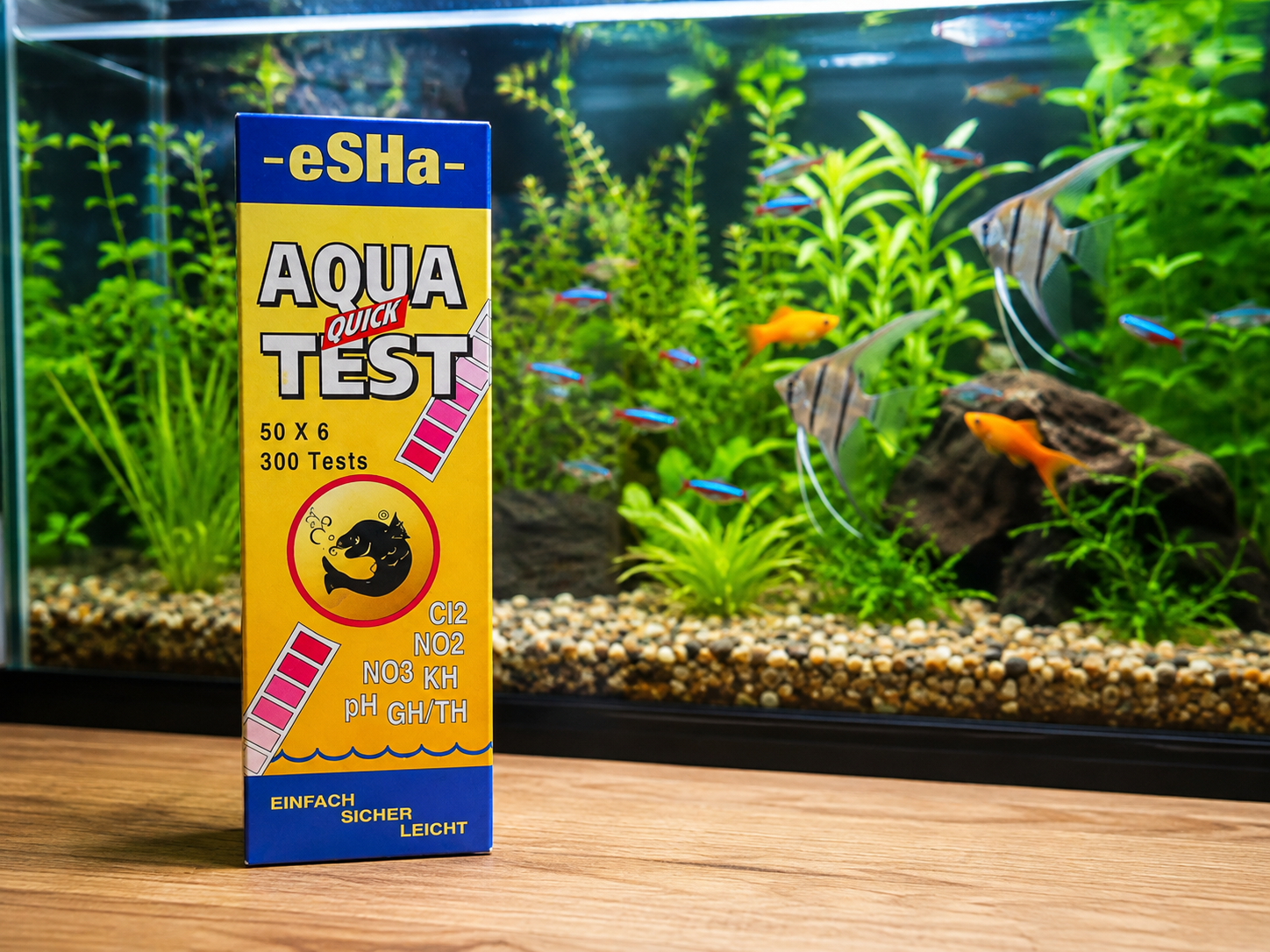
Esha
ESHA Aqua Quicktest
Best for: Fast routine water-quality checks in freshwater aquariums.
As an Amazon Associate, we earn from qualifying purchases.
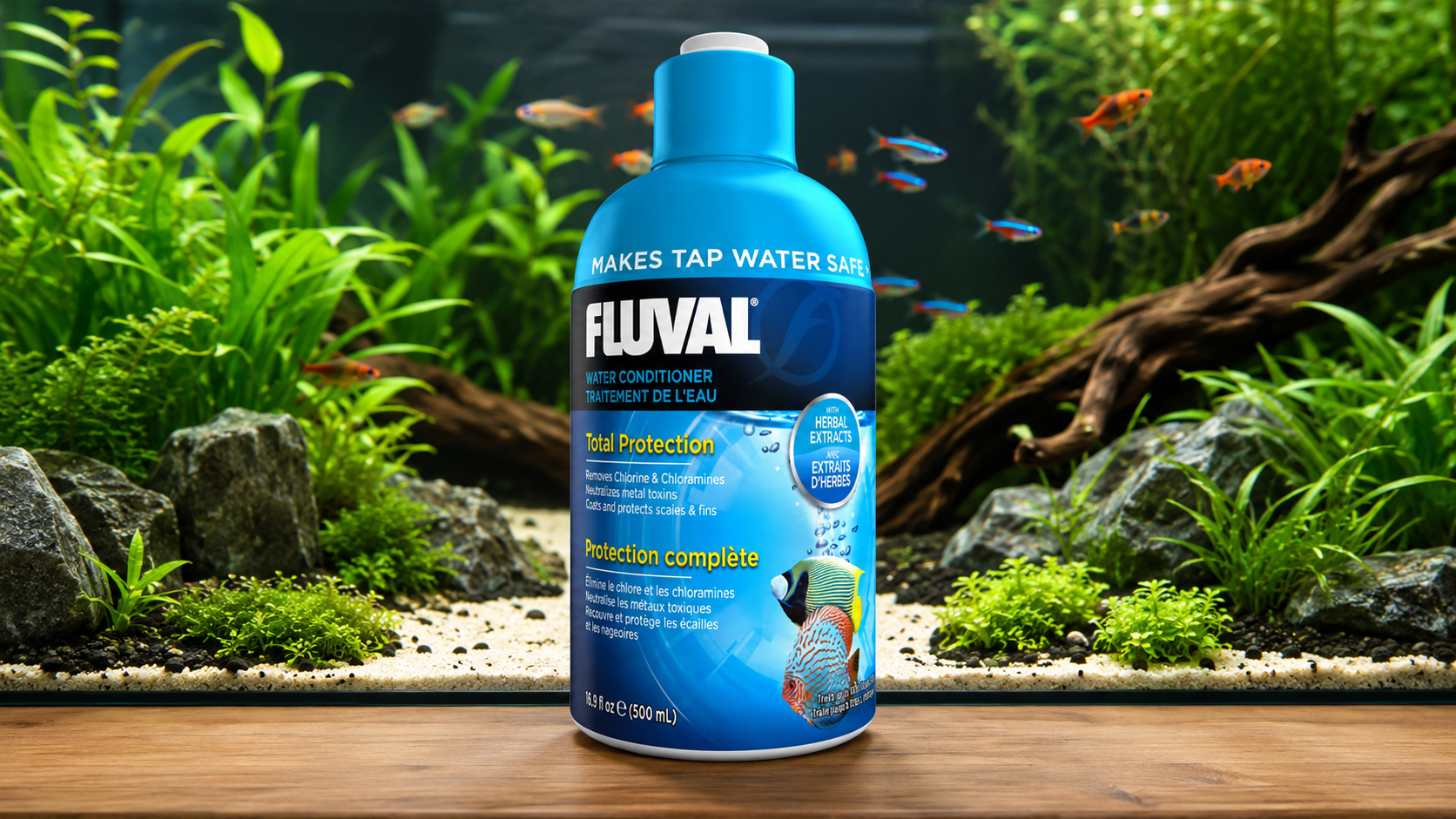
Fluval
Fluval Aqua Plus 500ml aquarium water conditioner
Best for: Routine water changes in freshwater and tropical aquariums
As an Amazon Associate, we earn from qualifying purchases.
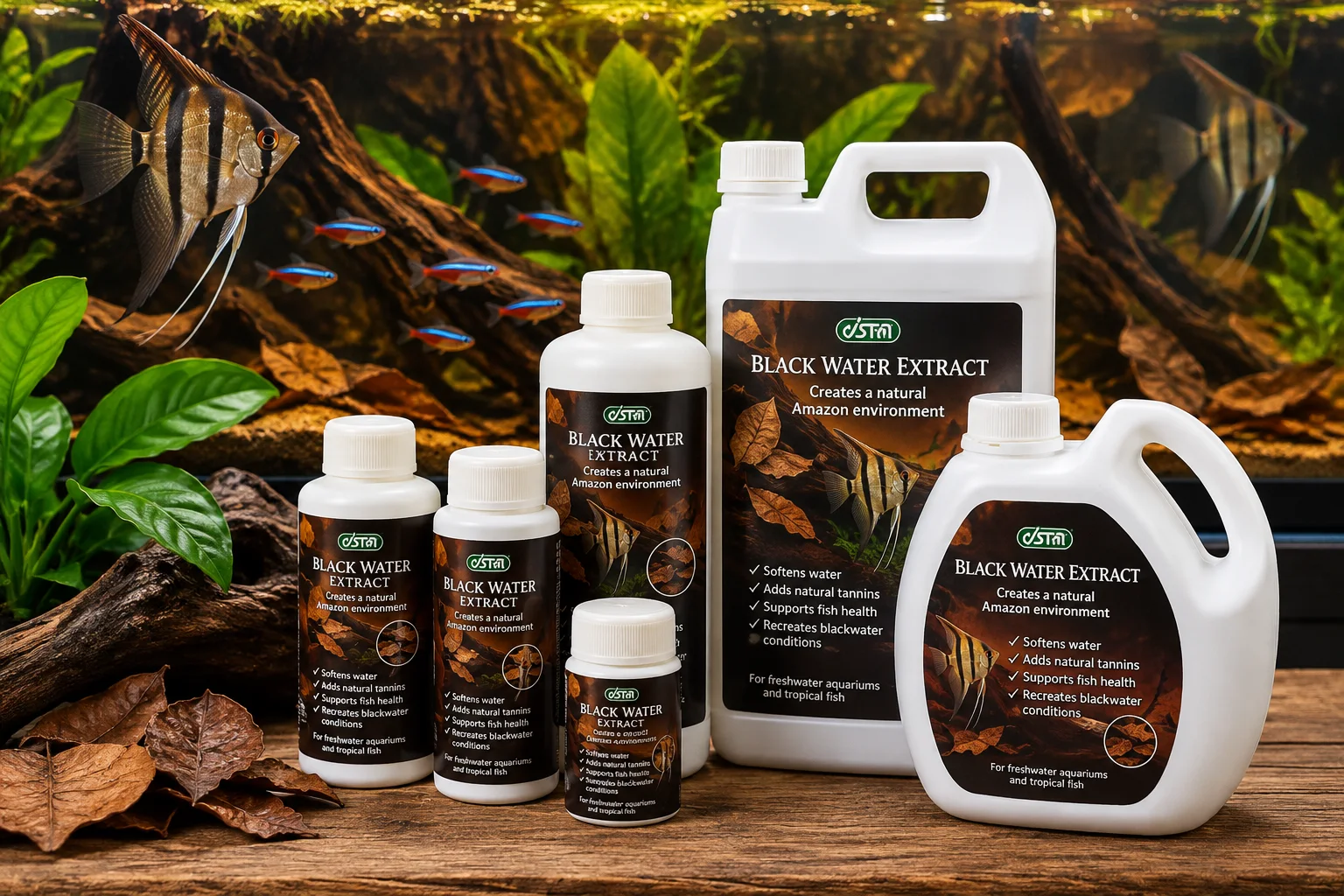
ISTA
Black Water Extract Peat Conditioner
Best for: Amazon biotopes, blackwater aquariums, discus, tetras and South American setups
As an Amazon Associate, we earn from qualifying purchases.
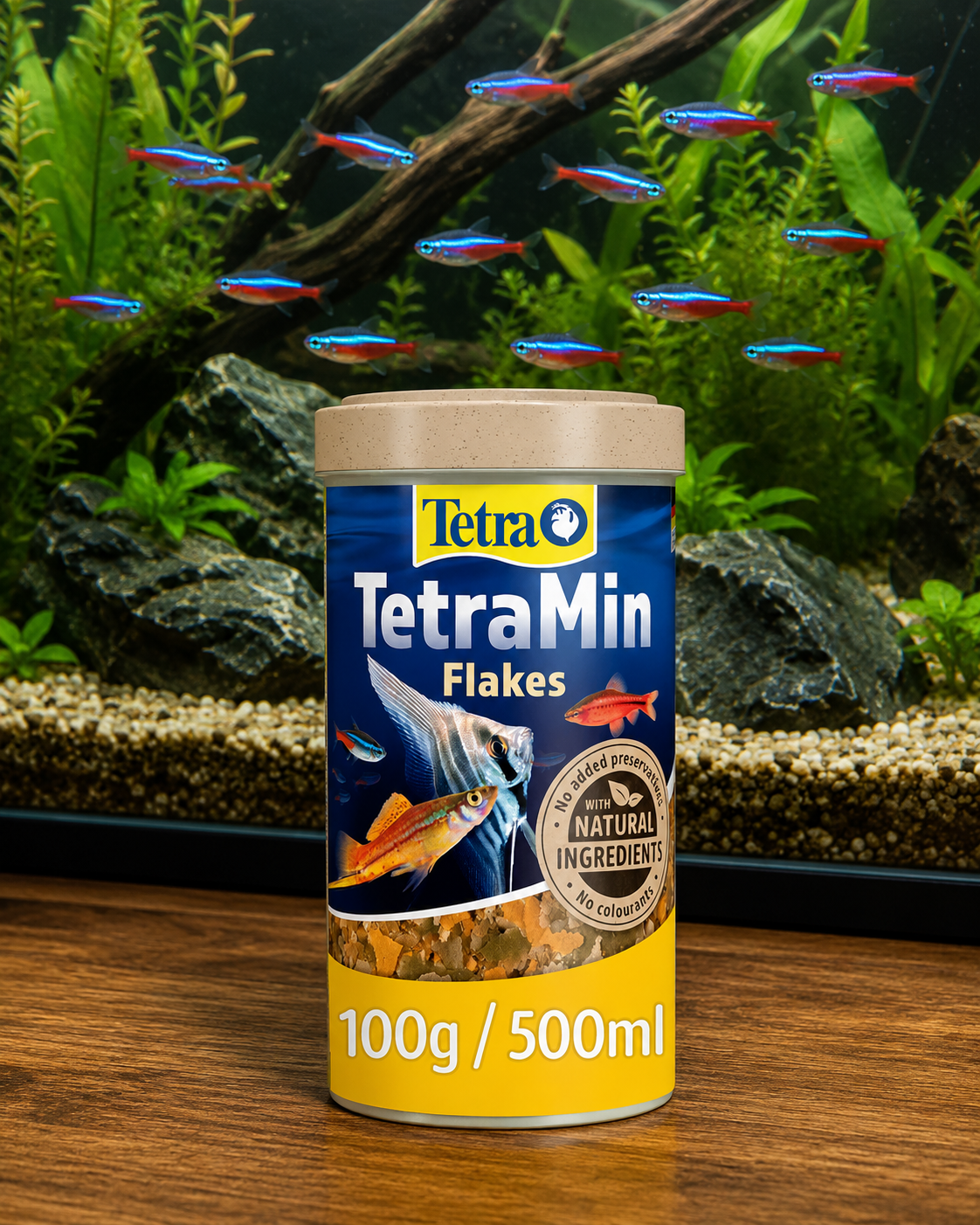
Tetra
Tetra Min Tropical Flake Food 500ml
Best for: Everyday feeding of tropical community fish
As an Amazon Associate, we earn from qualifying purchases.
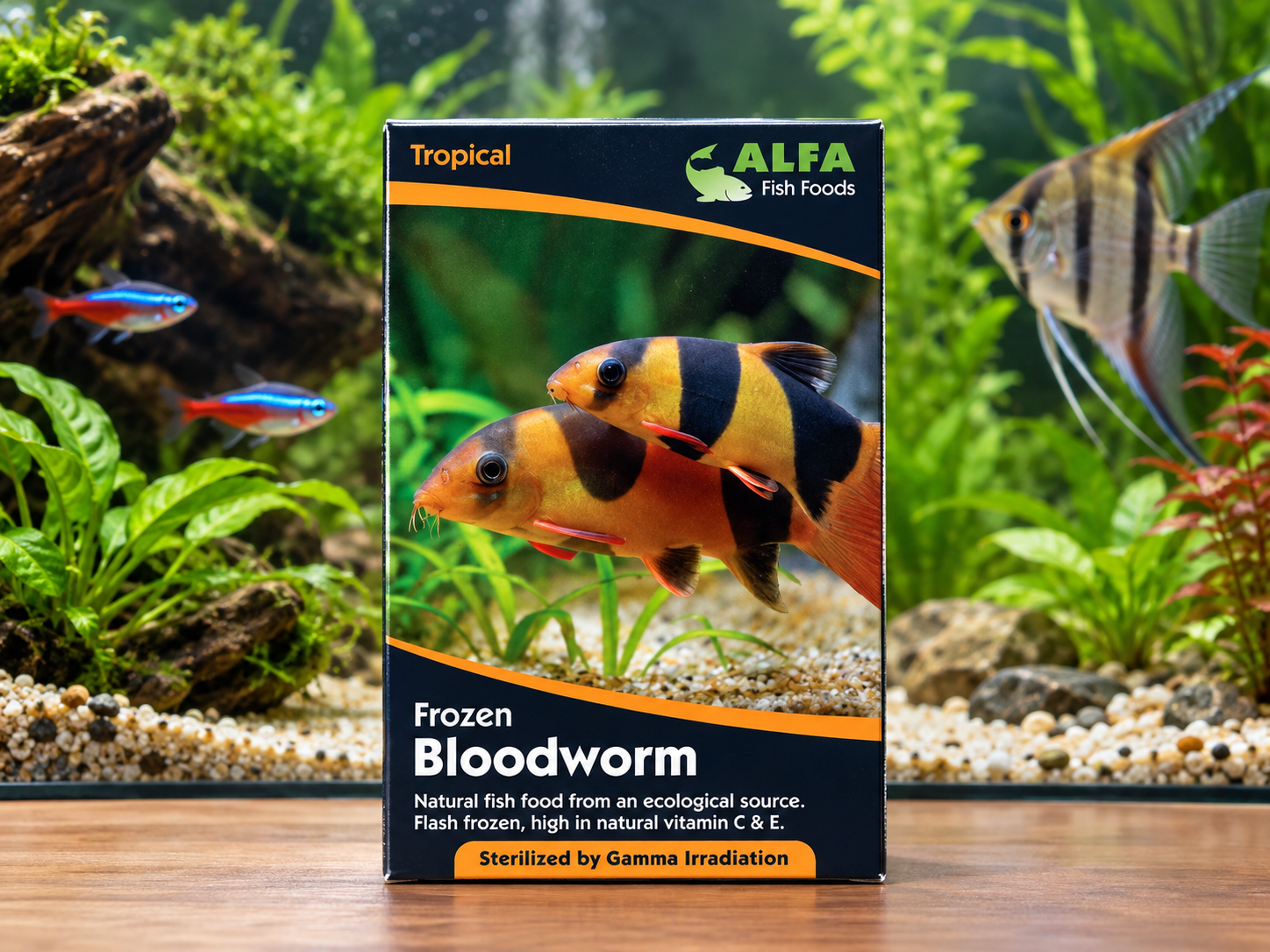
ALFA
Frozen Bloodworm Fish Food 10 Pack
Best for: Adding variety to tropical and coldwater fish diets
As an Amazon Associate, we earn from qualifying purchases.
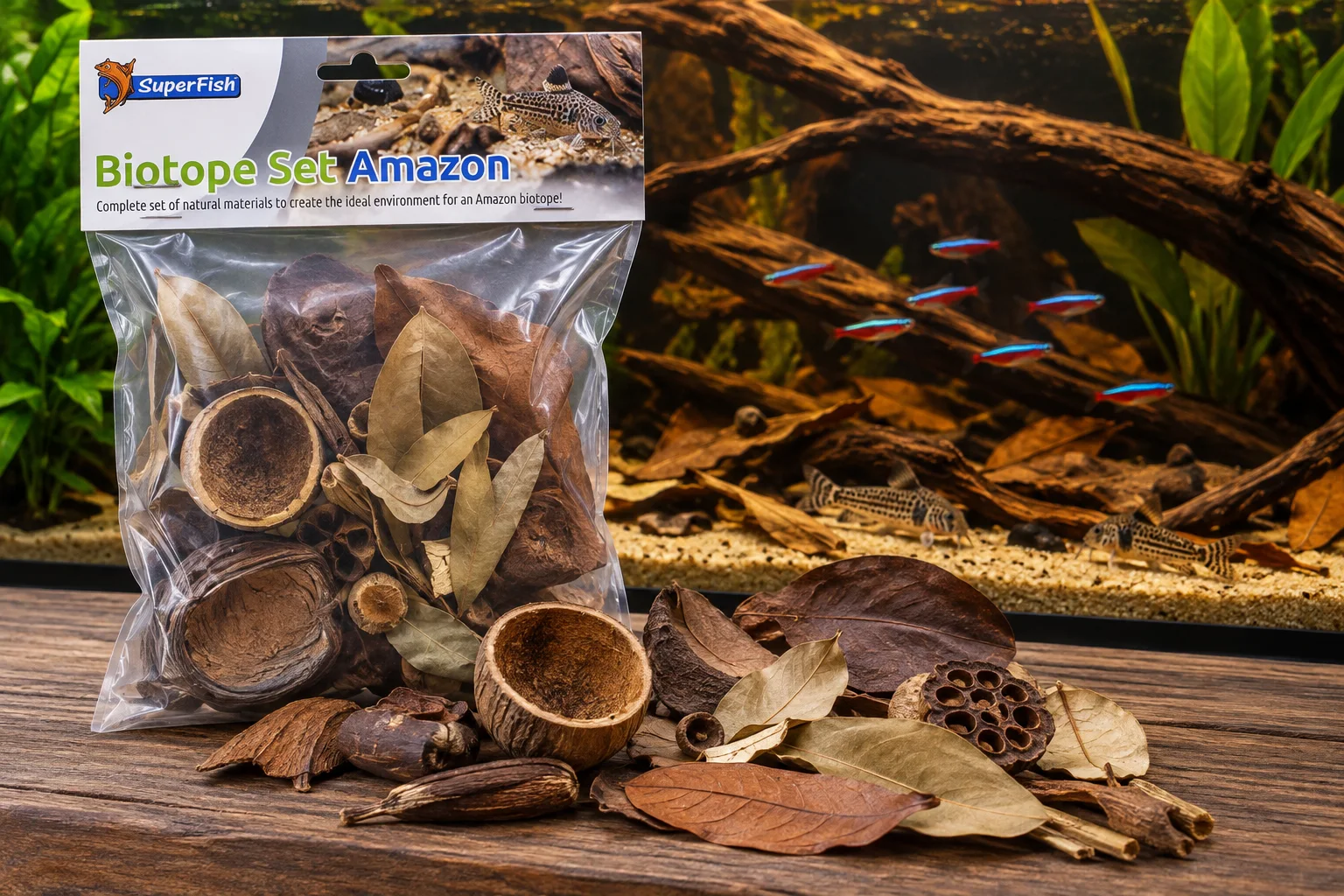
SuperFish
SuperFish Biotope Set - Amazon
Best for: Amazon biotopes, blackwater aquariums and natural South American setups
As an Amazon Associate, we earn from qualifying purchases.