Ripsaw Catfish (Oxydoras niger): A Giant Catfish Unsuitable for Most Home Aquariums
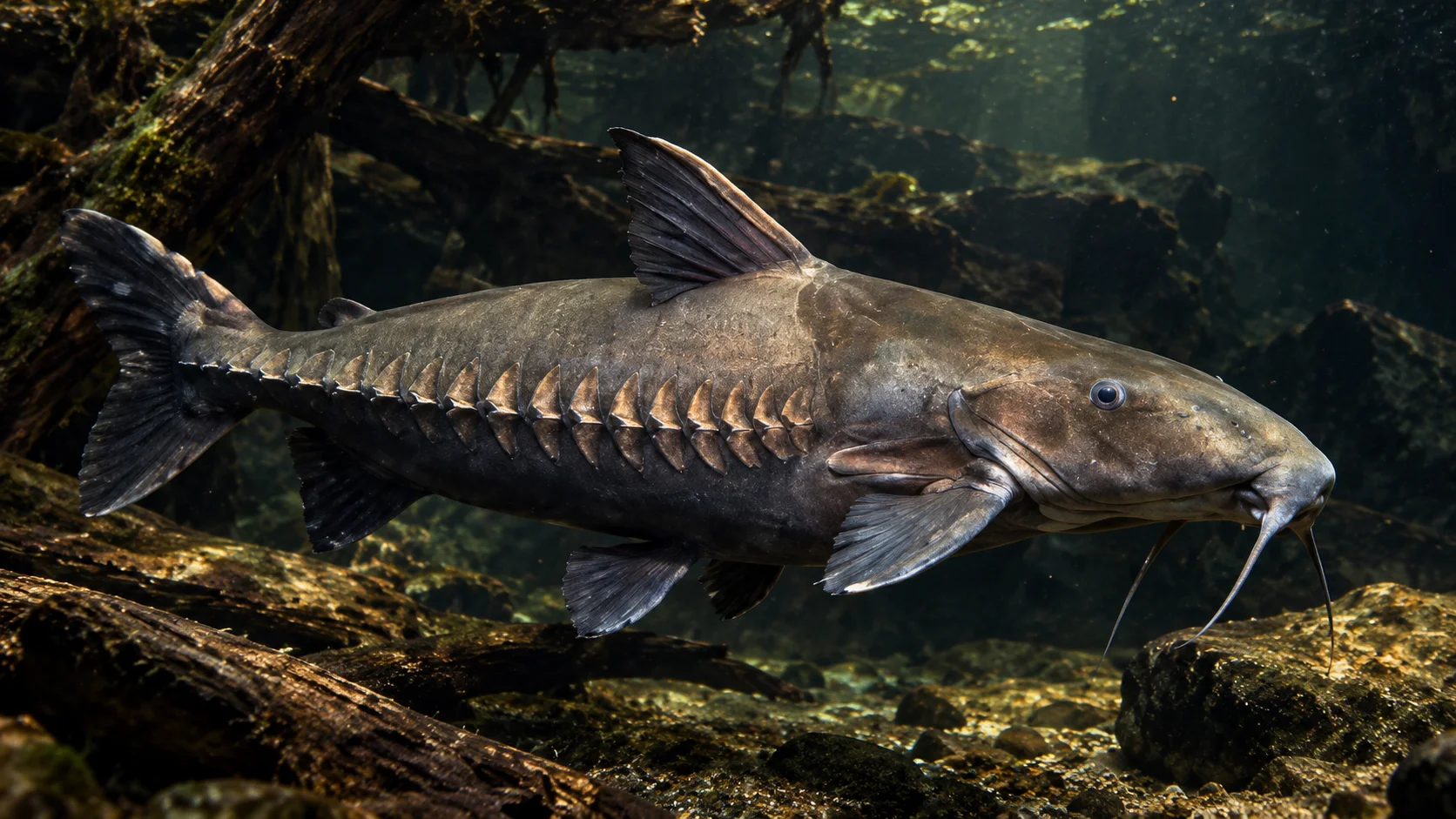
The Ripsaw Catfish (Oxydoras niger) is an impressive South American freshwater giant that can grow to over a metre in length. Despite its generally peaceful nature, this heavily armoured catfish is a true tank buster, requiring enormous amounts of space and specialist care. Discover why the Ripsaw Catfish is unsuitable for most home aquariums and why its adult size should never be underestimated.
The Ripsaw Catfish (Oxydoras niger) is one of the most impressive freshwater catfish found in South America. With its heavily armoured body, distinctive rows of sharp bony plates and enormous adult size, it is certainly a fish that attracts attention.
However, the Ripsaw Catfish is also a classic example of what aquarium enthusiasts often call a 'tank buster'. These are fish that grow so large that keeping them in a conventional home aquarium becomes extremely difficult, if not impossible.
Although juvenile Ripsaw Catfish occasionally appear in the aquarium trade, their relatively modest size when young can be very misleading. Given suitable conditions, these remarkable fish can eventually reach around a metre in length, making them far more appropriate for specialist facilities and public aquariums than ordinary domestic fish tanks.
What Is a Ripsaw Catfish?
The Ripsaw Catfish belongs to the family Doradidae, commonly known as the thorny or talking catfish. Members of this family are recognised for their protective bony plates and, in some species, their ability to produce audible sounds.
The Ripsaw gets its unusual name from the prominent row of hard, saw-like scutes running along each side of its body. These protective structures create an appearance resembling the teeth of a saw.
Its broad head, powerful body, long barbels and dark grey to brown colouration give it an almost prehistoric appearance.
Despite looking rather intimidating, the Ripsaw Catfish is generally a peaceful species. Its heavily armoured body is primarily a form of protection rather than an indication of aggressive behaviour.
Unfortunately, its relatively gentle temperament does not make it a suitable choice for the average aquarium.
Natural Habitat and Distribution
Ripsaw Catfish originate from South America, where they inhabit major river systems, including the Amazon, Essequibo and São Francisco basins.
In the wild, they are associated with large freshwater environments, including rivers, lakes and areas with muddy substrates.
These environments provide extensive areas in which the fish can move, explore and search for food. Their natural behaviour involves spending considerable time close to the bottom, using their sensitive barbels to locate edible material.
Wild Ripsaw Catfish feed on a mixture of organic debris, insect larvae, small crustaceans and other food found along the riverbed.
Although primarily bottom-dwelling, they are powerful fish capable of travelling considerable distances through their natural habitats.
Replicating the freedom of movement available in these enormous river systems is one of the greatest challenges when attempting to maintain this species in captivity.
How Big Do Ripsaw Catfish Grow?
This is undoubtedly the most important consideration for anyone thinking about keeping a Ripsaw Catfish.
Adult Ripsaw Catfish can reach approximately 100cm in standard length, measured from the snout to the base of the tail. Their total length, including the tail fin, can be greater.
Large individuals can also weigh more than 10kg.
These are substantial fish, with heavily built bodies that become increasingly bulky as they mature.
A juvenile measuring 10–15cm might initially appear manageable in a reasonably large aquarium. However, that same fish has the potential to become several times longer and dramatically heavier.
Unfortunately, the aquarium trade has a long history of selling giant catfish species without sufficient consideration for their eventual adult dimensions.
Ripsaw Catfish belong in the same general category as Redtail Catfish, Tiger Shovelnose Catfish and other enormous species that are frequently purchased when young but eventually outgrow their accommodation.
Their adult size should always determine whether they are suitable for an aquarium, not their size at the point of purchase.
Why Ripsaw Catfish Are Tank Busters
The term 'tank buster' describes fish that eventually become too large or powerful for conventional aquariums.
The problem is not simply whether the aquarium contains enough litres of water.
A fish approaching a metre long needs considerable horizontal swimming space, sufficient width to turn comfortably and an environment that allows it to move naturally without constantly encountering glass panels or decorations.
A standard four, five or six-foot aquarium is entirely unsuitable for an adult Ripsaw Catfish.
Even some aquariums marketed as exceptionally large may provide inadequate floor space for a fish of this size.
There is also the question of waste production. Large catfish consume substantial quantities of food and can place significant demands on biological filtration.
Maintaining excellent water quality becomes increasingly challenging as the fish grows, particularly when the available water volume and filtration capacity are insufficient.
The physical strength of an adult Ripsaw Catfish creates additional problems. Heavy rocks, wood and unsecured decorations can potentially be displaced as these powerful fish move around.
For these reasons, long-term accommodation is better considered in terms of enormous purpose-built installations, specialist indoor ponds or public aquarium exhibits.
Even then, careful consideration must be given to the fish's adult dimensions, filtration requirements and overall welfare.
Aquarium Conditions and Water Quality
In exceptional circumstances where suitably large accommodation is available, Ripsaw Catfish require stable tropical freshwater conditions and excellent filtration.
They are generally associated with warm freshwater environments, and slightly acidic to neutral water is commonly recommended in aquarium care guidance.
However, consistent water quality is considerably more important than attempting to achieve a precise pH reading.
A large, mature biological filtration system is essential, alongside effective mechanical filtration to remove suspended waste and uneaten food.
Regular water changes are also necessary to prevent the accumulation of nitrate and other dissolved pollutants.
As bottom-dwelling fish, Ripsaw Catfish benefit from a substrate that allows them to forage without damaging their sensitive barbels. Smooth sand is generally preferable to sharp gravel.
Large pieces of driftwood can provide shelter, although any decorations must be securely positioned and should not restrict movement.
Subdued lighting and shaded areas may also help these naturally cautious fish feel more comfortable.
In practice, providing all these features while maintaining sufficient open space becomes increasingly difficult as the fish approaches its adult size.
Feeding the Ripsaw Catfish
Despite their formidable appearance, Ripsaw Catfish are not specialised hunters of large fish.
They are primarily omnivorous bottom feeders, consuming a variety of animal and plant-derived material.
In captivity, an appropriate diet would include quality sinking catfish pellets supplemented with foods such as prawns, suitable invertebrates and occasional vegetable matter.
Their natural diet includes insect larvae, crustaceans and detritus found within river sediments.
However, describing the Ripsaw Catfish as a scavenger should never be interpreted as meaning it can survive on leftover food alone.
Like every aquarium fish, it requires a balanced diet containing suitable nutrients.
Nor should a large catfish be considered an effective solution for cleaning an aquarium. Although it may consume uneaten food, it also produces considerable waste of its own.
As the fish grows, feeding costs and the demands placed on the filtration system increase substantially.
Behaviour and Tank Mates
One surprising characteristic of the Ripsaw Catfish is its generally peaceful nature.
Unlike some giant predatory catfish, it is not normally regarded as a particularly aggressive or territorial species.
However, peaceful does not necessarily mean safe to keep with small aquarium fish.
Small fish that can fit into its mouth may be swallowed, particularly during feeding or nocturnal foraging.
Its substantial size also means that even ordinary movement around the aquarium can disturb smaller or more delicate tank mates.
Other large fish may appear to be suitable companions, but this introduces another difficulty: the aquarium must then accommodate several enormous animals rather than just one.
Keeping multiple giant species together can quickly create an environment with insufficient space and excessive biological waste.
The Ripsaw Catfish's protective lateral spines also deserve attention. These sharp structures can cause injuries during handling and may become caught in conventional aquarium nets.
Moving an adult specimen requires specialist equipment and considerable care.
The Problem With Buying Juvenile Tank Busters
One of the most concerning aspects of keeping giant catfish is how frequently young specimens are purchased without a realistic long-term plan.
A small Ripsaw Catfish may appear attractive and unusual in an aquarium shop, particularly when compared with more familiar catfish species.
It can be tempting to assume that a larger aquarium can simply be purchased when the fish eventually outgrows its current surroundings.
Unfortunately, this approach rarely considers the true scale of the accommodation that will ultimately be required.
Custom-built aquariums holding thousands of litres of water can involve considerable expense, specialist filtration, substantial running costs and even structural considerations within the home.
Rehoming an oversized fish is not necessarily straightforward either.
Public aquariums and specialist facilities have limited space and cannot be expected to accept unwanted giant fish from private collections.
Releasing an unwanted aquarium fish into a local river or pond is never an acceptable solution. Apart from the serious welfare concerns, introducing non-native species can threaten local ecosystems and may break the law.
The responsible decision needs to be made before the fish is purchased.
Should Ripsaw Catfish Be Sold for Home Aquariums?
There is an argument that species such as the Ripsaw Catfish should not be routinely offered to ordinary aquarium hobbyists.
Although experienced enthusiasts with exceptional facilities may be capable of providing suitable accommodation, these situations are extremely uncommon.
For the overwhelming majority of fishkeepers, purchasing a Ripsaw Catfish creates a predictable problem that becomes increasingly difficult to resolve as the animal grows.
Providing accurate adult-size information at the point of sale is essential, as is explaining the financial and practical commitment involved.
Fishkeepers should also be encouraged to research any unfamiliar catfish species before buying, rather than relying entirely on the size of the specimens displayed in shop aquariums.
Final Thoughts: An Impressive Fish Best Admired Elsewhere
The Ripsaw Catfish is undoubtedly a remarkable freshwater species. Its prehistoric appearance, unusual protective armour and generally peaceful temperament make it fascinating to observe.
However, being fascinating does not automatically make a fish suitable for captivity in the home.
With the potential to exceed a metre in total length, a powerful body and demanding space requirements, this is a genuine tank-busting species.
For most aquarium enthusiasts, there is simply no realistic way to provide the accommodation an adult Ripsaw Catfish deserves.
Fortunately, there are numerous smaller catfish species that offer interesting behaviour and attractive appearances without requiring an aquarium approaching the scale of a public exhibit.
Ultimately, the Ripsaw Catfish is a fish best appreciated in its natural environment or within appropriately equipped specialist aquariums, where its extraordinary size and appearance can be enjoyed without compromising its welfare.
Products We've Mentioned & Recommend
Below you'll find a selection of products we've mentioned in this article, along with a few others we think you might find useful. We've included Amazon links to make them easy to find.
A quick word about affiliate links...
Some of these links are affiliate links, which means we may earn a small commission from qualifying purchases, at no extra cost to you.
Unfortunately, the commission doesn't quite stretch to cocktails on a yacht or a garage full of sports cars. In reality, it helps cover the running costs of this website and, with a bit of luck, might eventually buy me a new pair of waders that don't leak!
We only recommend products we genuinely believe are worth considering, and your support helps us keep sharing free advice from our years of working with aquariums and ponds.
Thanks for supporting Aquatic Specialist!
As an Amazon Associate I earn from qualifying purchases.
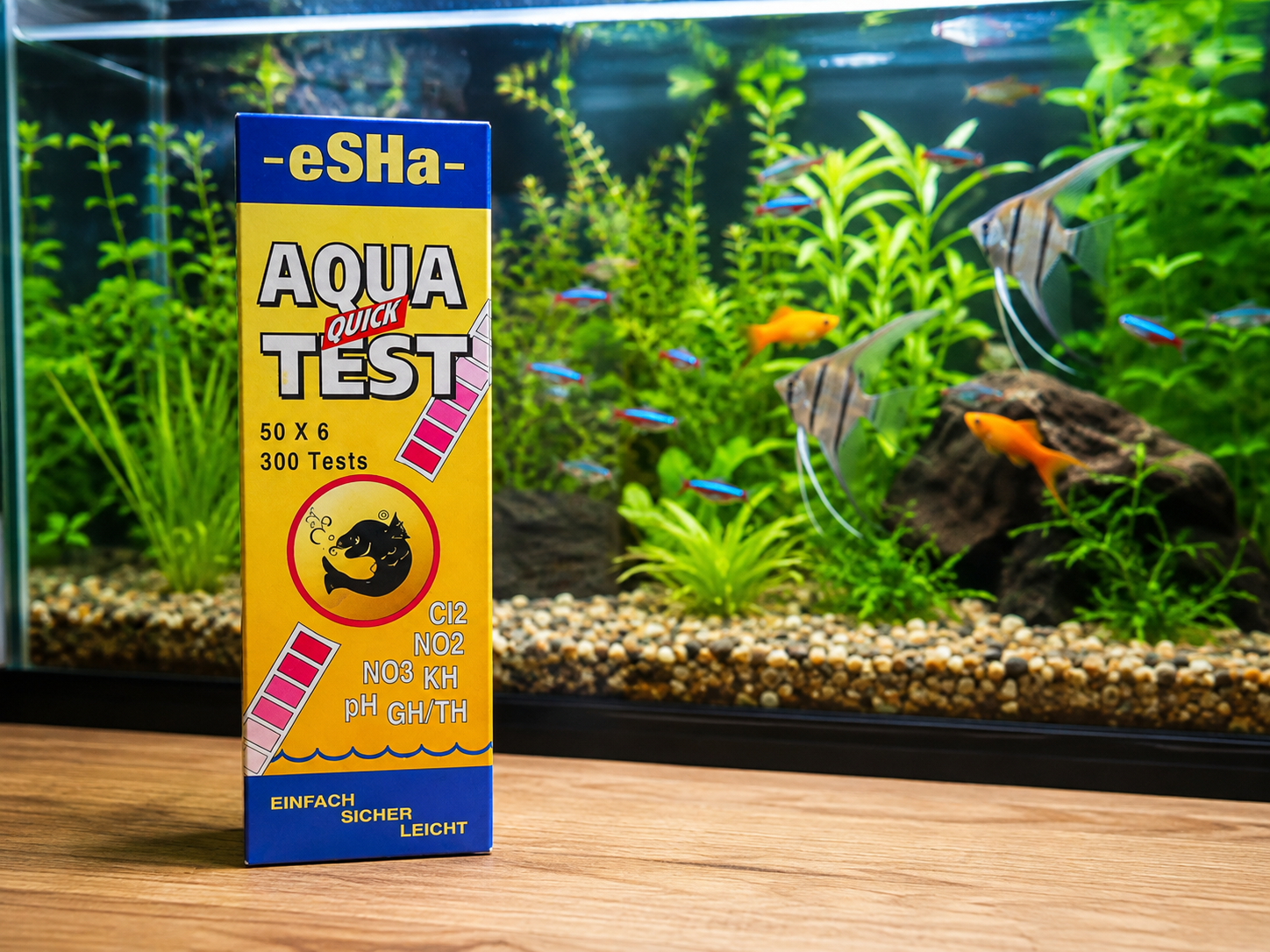
Esha
ESHA Aqua Quicktest
Best for: Fast routine water-quality checks in freshwater aquariums.
As an Amazon Associate, we earn from qualifying purchases.
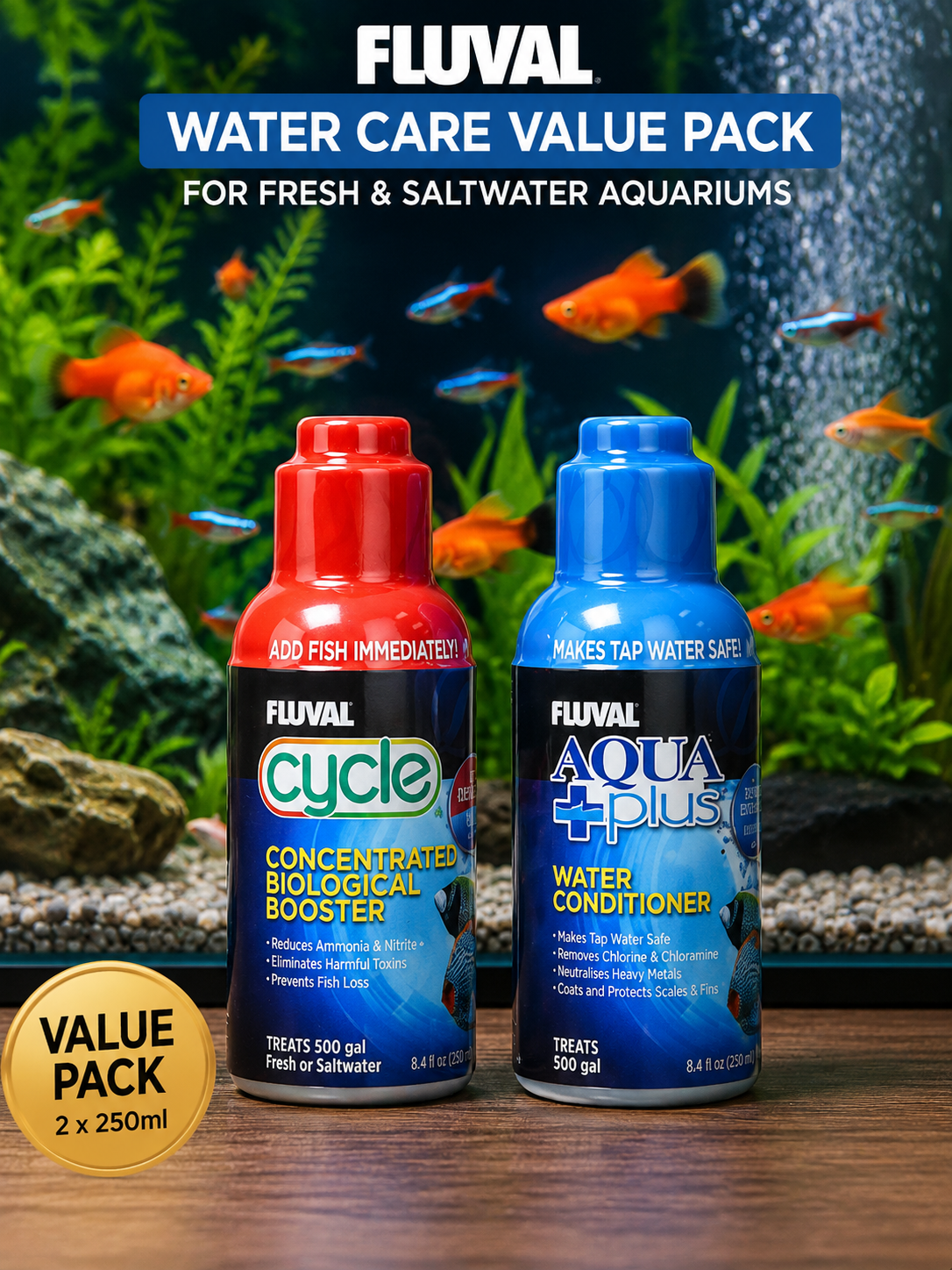
Fluval
Fluval Water Care Value Pack with Fluval Cycle & Aqua Plus, 500ml
Best for: New aquarium setups and routine water changes
As an Amazon Associate, we earn from qualifying purchases.
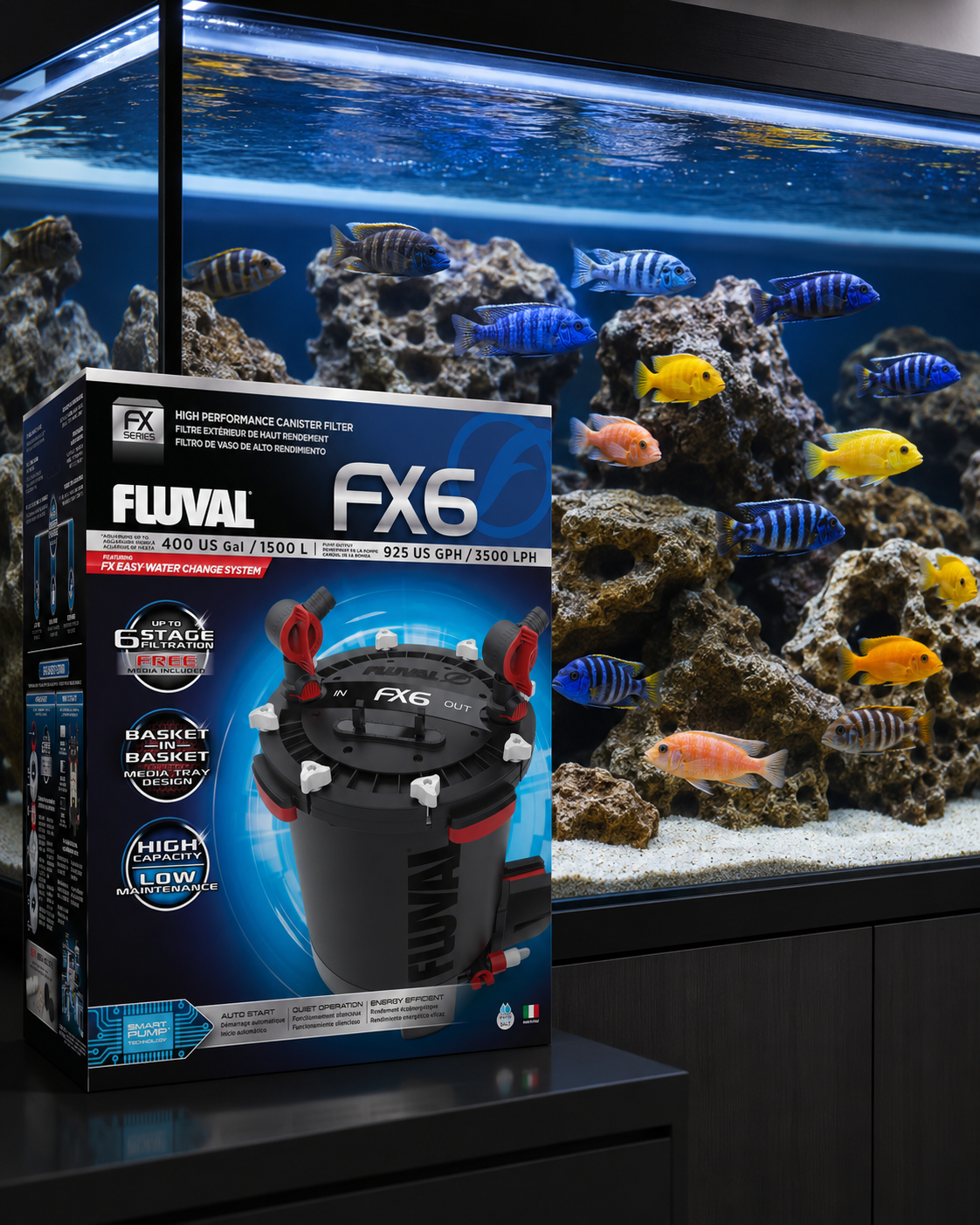
Fluval
Fluval Fx 6 High Proformance Aquarium Canister Filter
Best for: Large, heavily stocked Malawi cichlid aquariums
As an Amazon Associate, we earn from qualifying purchases.
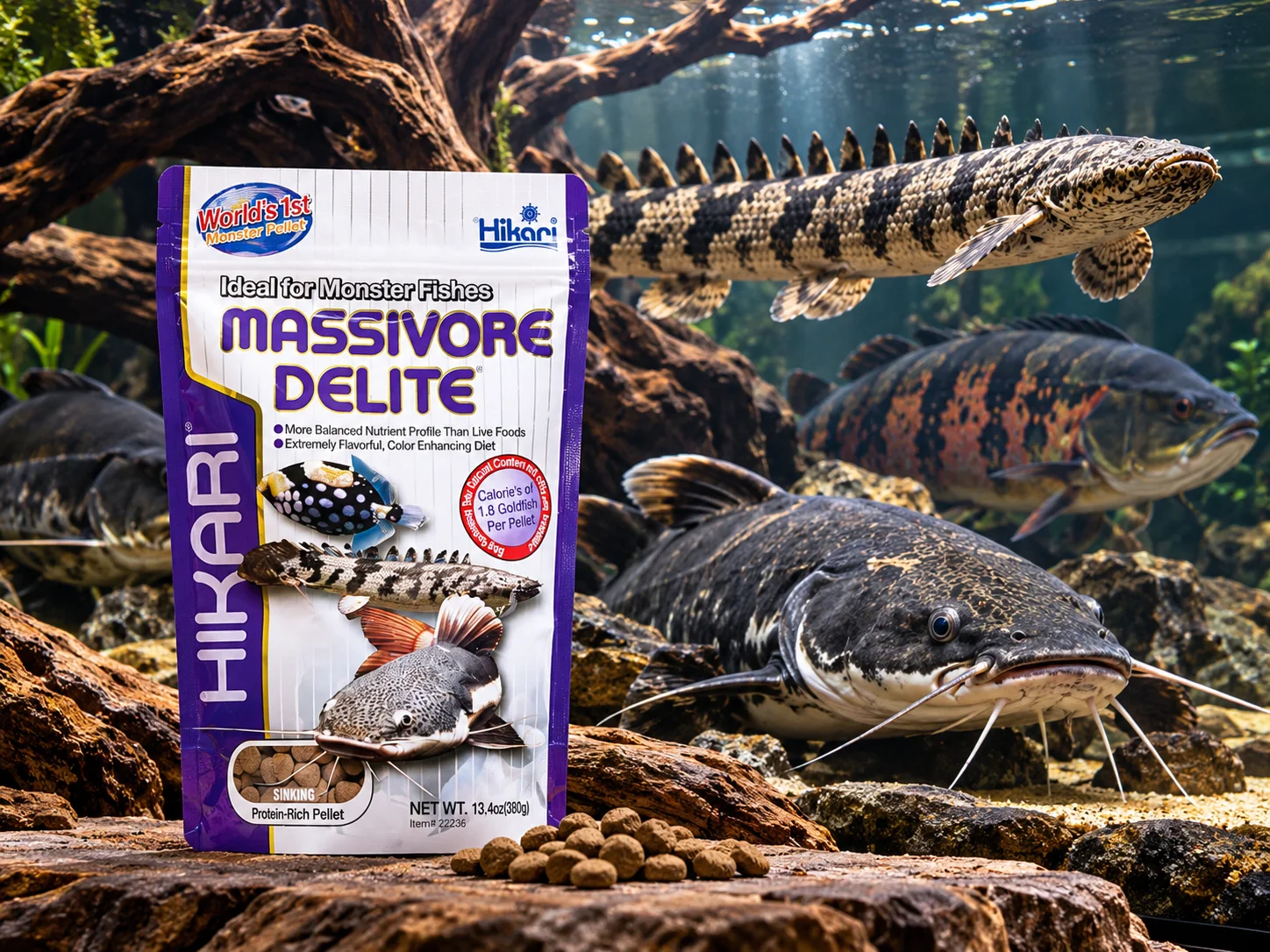
Hikari
Hikari Massivore Delite
Best for: Large carnivorous aquarium fish, including adult Bichirs, predatory catfish and other tank buster species.
As an Amazon Associate, we earn from qualifying purchases.