Winter Pond Care Guide: Essential UK Maintenance Tips
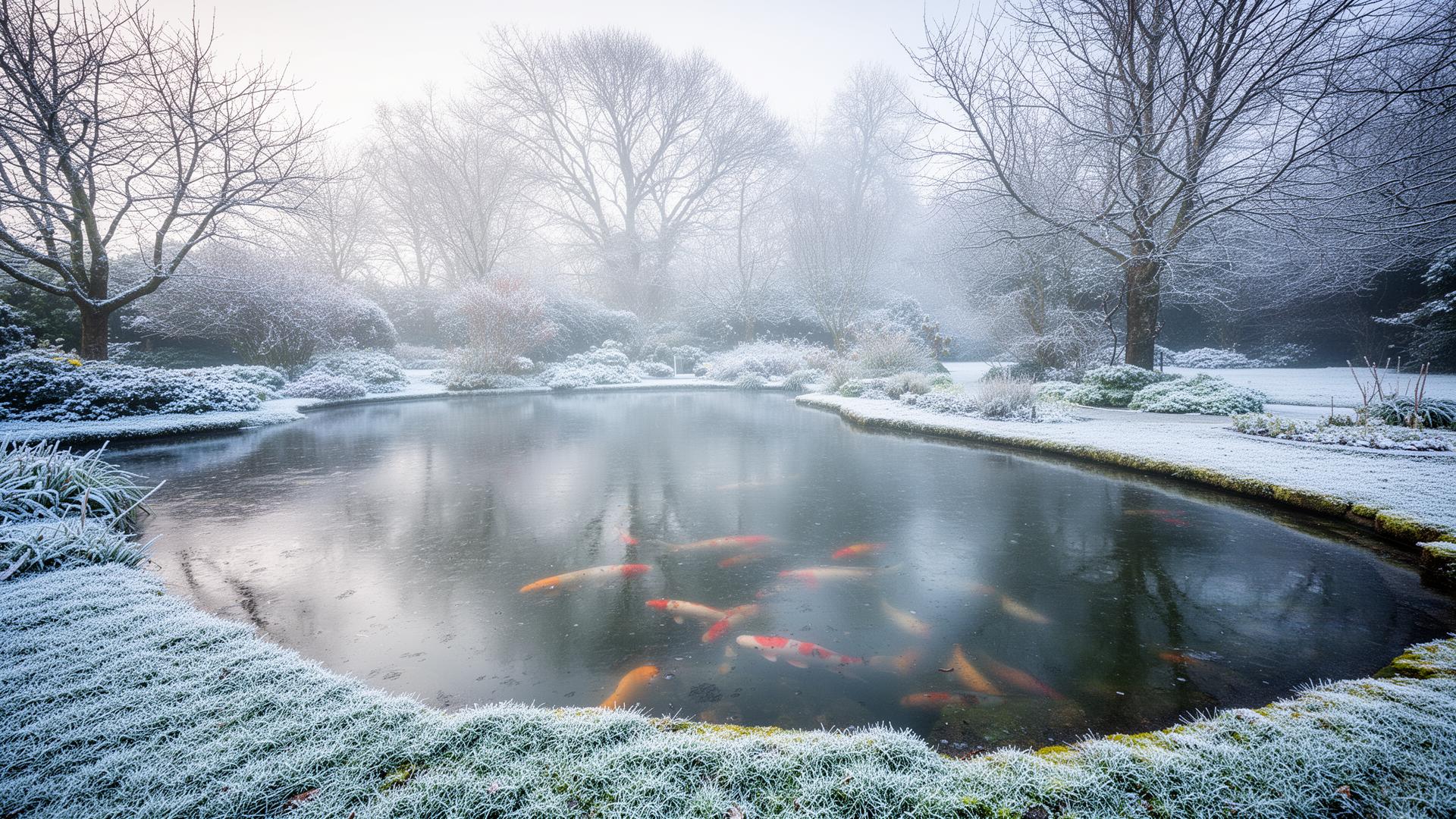
As the UK climate shifts towards freezing temperatures and shorter days, your garden pond requires specific attention to remain a healthy ecosystem. Proper winter pond care prevents toxic gas build-up and ensures your fish and plants emerge healthy in the spring.
Preparing Your UK Pond for the Winter Months
Winter in the UK presents a unique set of challenges for pond owners. From the biting frosts of the Scottish Highlands to the damp, grey winters of Bournemouth and the South Coast, the drop in temperature fundamentally changes the biology of your pond. At Aquatic Specialist UK, we understand that proactive winter pond care is the difference between a thriving spring awakening and a costly biological collapse.
The Science of the Winter Pond
When temperatures drop below 10°C, the metabolism of your fish slows down significantly, and the beneficial bacteria in your biological filter become less active. This state, often referred to as 'torpor' in fish, means the pond's nitrogen cycle slows. However, organic matter like fallen leaves and dying weed continue to decay, potentially releasing harmful gases like methane and hydrogen sulfide. Without proper ventilation, these gases can become trapped under ice, proving fatal to your livestock.
Why UK Ponds Need Specific Care
Unlike deeper lakes, typical UK garden ponds are susceptible to rapid temperature fluctuations. Our winters are often characterized by 'freeze-thaw' cycles. This volatility can stress fish and damage pond liners if not managed correctly. Ensuring your winter pond is clean and well-oxygenated is the primary goal of any maintenance routine during this period.
Overview of Winter Challenges
- Ice Cover: A completely frozen pond prevents gas exchange.
- Debris Accumulation: Autumn leaves that weren't cleared will rot, depleting oxygen levels.
- Equipment Failure: Water freezing inside pumps or external filters can crack casings.
- Predation: As natural food sources become scarce, herons become more persistent in visiting garden ponds.
By following a structured maintenance plan, you can mitigate these risks and enjoy a stress-free winter season.
✓Winter Maintenance Checklist
Step-by-Step Winter Maintenance Checklist
-
The Final Clean-Up: Before the first hard frost, use a fine-mesh pond net to remove as much organic debris as possible from the bottom of the pond. If you have a pond vacuum, now is the time for a final session to remove sludge.
-
Netting the Surface: If you haven't already, stretch a pond net over the surface to catch the final falling leaves. Ensure the net is taut so it doesn't sag into the water under the weight of wet leaves.
-
Water Testing: Conduct a full water test (Ammonia, Nitrite, Nitrate, and pH). While biological activity is low, you want to ensure the water chemistry is stable before the deep freeze.
-
Partial Water Change: Perform a 10-15% water change using a high-quality dechlorinator. This helps dilute any built-up nitrates and replenishes essential minerals.
-
Ice Management: Never smash ice on a pond as the shockwaves can kill fish. Instead, use a pond heater or a 'de-icer' to keep a small hole open. Alternatively, place a pan of hot water on the ice to melt a hole gently.
🌿Plant Care
Caring for Aquatic Plants in Winter
UK pond plants fall into several categories, each requiring different winter treatment:
- Water Lilies (Nymphaea): Trim back dead leaves and spent flowers. Drop the lily baskets to the deepest part of the pond (usually the 'shelf' isn't deep enough) to prevent the crown from freezing.
- Marginal Plants: Cut back brown, decaying foliage of plants like Iris and Marsh Marigold to about 2-3 inches above the water level. This prevents the dead matter from falling into the water and rotting.
- Oxygenators: Most submerged oxygenators like Hornwort will sink to the bottom and remain dormant. Remove any clumps that look brown or slimy.
- Floating Plants: Remove non-hardy floating plants like Water Hyacinth or Water Lettuce. These are tropical and will turn to mush at the first frost; move them to a frost-free greenhouse or compost them.
🐟Fish Care
Fish Health and Feeding Protocols
Your fish's behavior will change as the water cools. Follow these guidelines for Koi and Goldfish:
- The 10°C Rule: Once the water temperature drops below 10°C, switch to a wheatgerm-based food. Wheatgerm is highly digestible and easier for fish to process in cold water.
- The 4°C Rule: When the water temperature consistently stays below 4-5°C, stop feeding entirely. The fish's digestive systems effectively shut down, and undigested food can rot in their gut, causing fatal infections.
- Location: Fish will congregate in the deepest part of the pond where the water is densest and slightly warmer (usually around 4°C). Avoid disturbing them or performing maintenance that requires moving them.
- Health Checks: Keep an eye out for 'clamped fins' or fish hanging near the surface. While you cannot treat most parasites in very cold water, knowing there is an issue allows you to prepare for early spring treatments.
⚙️Equipment Tips
Winterizing Your Pond Technology
- Pumps: If you have a shallow pond, move your pump off the very bottom to a slightly higher shelf. This prevents the pump from mixing the warmer water at the bottom with the freezing water at the top. If you turn your pump off, remove it from the pond, clean it, and store it in a bucket of water in a frost-free shed to keep the seals moist.
- Filters: In the UK, many keep filters running all year to maintain some biological activity. Ensure external pipes are insulated with lagging to prevent freezing. If you shut down the filter, drain it completely to avoid the casing cracking.
- UV Clarifiers: These should generally be turned off and drained in winter. Quartz sleeves are very fragile and will shatter if the water inside them freezes.
- Air Pumps: These are your best friend in winter. An air stone placed about 30cm below the surface will create bubbles that prevent ice from forming and ensure vital oxygenation.
⚠️Important Warnings
Important Winter Warnings
- NO SMASHING ICE: As mentioned, the acoustic shock can rupture the swim bladders of your fish.
- AVOID OVERFEEDING: It is better to underfeed than overfeed in winter. Rotting food on the pond floor is a primary cause of spring 'wipe-outs'.
- WATCH THE WATER LEVEL: Evaporation still happens in winter, and leaks can occur if ice pushes against liners. Check levels weekly.
- HERON ALERTS: Herons are most active in winter when natural lakes may be frozen. Ensure your pond covers or deterrents are in place.
- SNOW COVER: If snow covers the ice, brush it off. Submerged plants and algae still need light to produce oxygen; total darkness can lead to an oxygen crash.
Products We've Mentioned & Recommend
Below you'll find a selection of products we've mentioned in this article, along with a few others we think you might find useful. We've included Amazon links to make them easy to find.
A quick word about affiliate links...
Some of these links are affiliate links, which means we may earn a small commission from qualifying purchases, at no extra cost to you.
Unfortunately, the commission doesn't quite stretch to cocktails on a yacht or a garage full of sports cars. In reality, it helps cover the running costs of this website and, with a bit of luck, might eventually buy me a new pair of waders that don't leak!
We only recommend products we genuinely believe are worth considering, and your support helps us keep sharing free advice from our years of working with aquariums and ponds.
Thanks for supporting Aquatic Specialist!
As an Amazon Associate I earn from qualifying purchases.
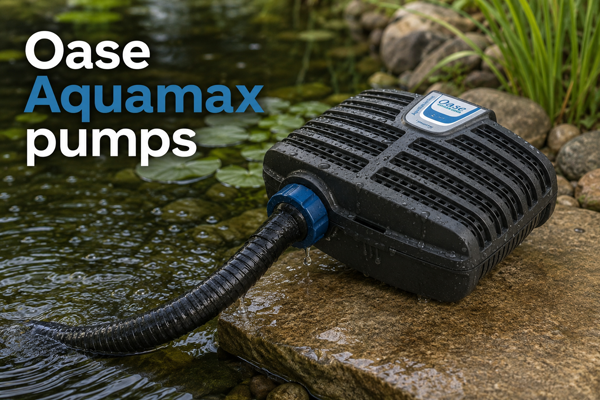
Oase AquaMax Eco Premium 4000
Energy-efficient pond pump ideal for filter systems and watercourses.
Search on Amazon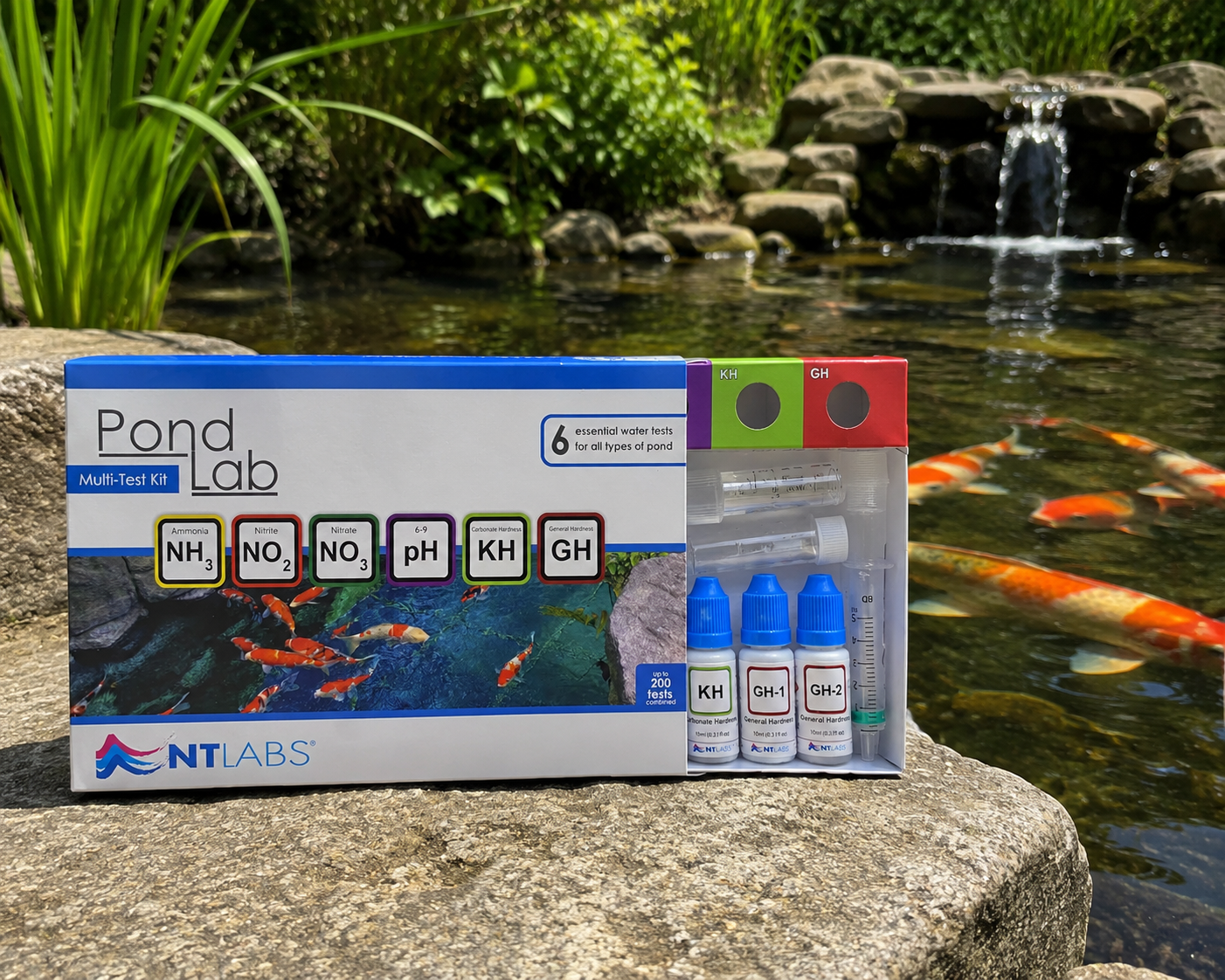
NT Labs Pond Lab Multi-Test Kit
Comprehensive pond water testing kit. Tests all essential parameters including ammonia, nitrite, nitrate, pH, and KH.
Search on AmazonAffiliate Disclosure: As an Amazon Associate, we earn commission from qualifying purchases made through these links at no extra cost to you.
Related Topics:
Need Professional Pond Care?
Our experts in Bournemouth and surrounding areas are here to help with all your pond needs.
GET IN TOUCHPrefer to leave it to us? We provide professional pond cleaning and maintenance across Bournemouth, Poole, Christchurch and the surrounding Dorset area.