Spring Pond Care Guide: Expert Tips for UK Gardens 2026
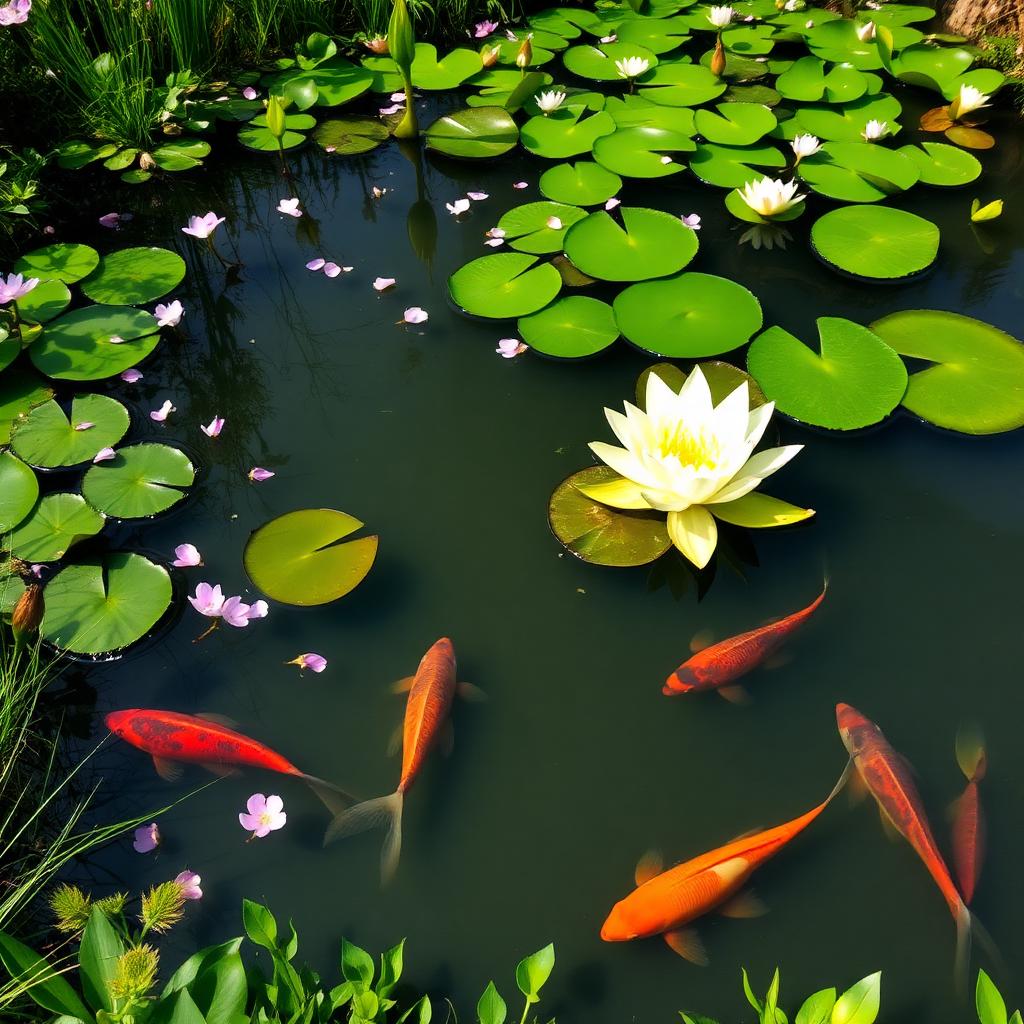
As the UK climate shifts from the dormant winter months into the vibrancy of spring, your garden pond requires specific attention to ensure a healthy ecosystem. Proper spring pond care prevents algae blooms and supports the delicate transition of fish and plants as water temperatures rise.
Revitalising Your Garden Pond for Spring 2026
Spring is the most critical time for any pond owner in the UK. After a period of winter dormancy, the increasing daylight hours and rising temperatures trigger a biological awakening. However, this period also presents the greatest risk for water quality issues and fish health problems. At Aquatic Specialist UK, we understand that a successful year starts with a proactive approach to spring pond management.
The Spring Transition Challenge
In the UK, spring weather is notoriously unpredictable. One week may bring mild sunshine, while the next sees a return to frosty nights. For a pond, this means fluctuating water temperatures. While your fish and plants are waking up, the beneficial bacteria in your biological filter are often slower to react. This 'lag time' can lead to spikes in ammonia and nitrite, often referred to as 'New Pond Syndrome' even in established setups.
Furthermore, the accumulation of organic debris over winter—such as fallen leaves and decaying plant matter—begins to decompose more rapidly as the water warms. This releases nutrients that, if not managed, will fuel extensive algae growth and green water. Our comprehensive guide will walk you through the essential steps of pond care to ensure your aquatic environment remains balanced, clear, and healthy throughout 2026.
Why Early Maintenance Matters
Taking action in late March or early April (depending on your local Bournemouth or UK climate) prevents problems before they become unmanageable. By removing excess nutrients, checking equipment, and supporting your fish's immune systems, you set the stage for a low-maintenance summer. A well-maintained spring pond is not only more aesthetically pleasing but also provides a safer habitat for native UK wildlife, from frogs and toads to dragonflies.
✓Spring Maintenance Checklist
Step-by-Step Spring Maintenance Checklist
-
Debris Removal: Start by using a heavy-duty pond net to remove any sunken leaves, twigs, and organic sludge from the bottom. If the sludge layer is significant (over 2cm), consider using a pond vacuum. Removing this waste is the most effective way to prevent algae later in the season.
-
Water Testing: Use a high-quality liquid test kit to check Ammonia, Nitrite, Nitrate, pH, and KH (Carbonate Hardness). UK tap water can vary, and winter rainfall often depletes the KH levels, which can lead to dangerous pH swings.
-
Partial Water Change: Perform a 15-20% water change. This helps dilute nitrates and replenishes essential minerals. Always use a high-quality tap water conditioner (dechlorinator) to neutralise chlorine and chloramines, which are harmful to fish and filter bacteria.
-
Filter Start-Up: If you turned your pump off for winter, give the filter media a gentle rinse in a bucket of pond water (never tap water) to remove heavy solids. Add a 'filter start' bacterial culture to boost the biological activity as temperatures rise.
-
Edge and Liner Check: Inspect the pond perimeter for any damage caused by winter frosts. Ensure that rocks are secure and that the liner hasn't shifted or been punctured by ice.
🌿Plant Care
Nurturing Your Aquatic Flora
Spring is the ideal time for 'pond gardening.' As your marginal plants and lilies begin to show new growth, they require specific care:
- Pruning: Cut back any dead, brown stems and foliage from the previous year. This prevents the material from falling into the water and rotting.
- Repotting and Dividing: If your plants have become root-bound or too large for their baskets, spring is the time to divide them. Use aquatic compost and top with washed gravel to prevent soil from clouding the water.
- Fertilising: Water lilies are heavy feeders. Insert aquatic fertiliser tabs into the soil of your lily baskets once the first leaves reach the surface. This encourages vibrant blooms throughout the summer.
- Oxygenators: Introduce new bunches of oxygenating plants like Elodea or Hornwort. These compete with algae for nutrients and provide vital cover for fish and fry.
🐟Fish Care
Supporting Fish Health and Nutrition
Your fish (Koi, Goldfish, and Orfe) are most vulnerable during the spring. Their immune systems are suppressed after winter, while pathogens like parasites and bacteria become active earlier than the fish's defences.
- Feeding Regimen: Do not start feeding until the water temperature is consistently above 8-10°C. Start with a highly digestible wheatgerm-based food. Wheatgerm is easier for fish to process when their metabolism is slow. Only feed once a day, and only what they can consume in 2-3 minutes.
- Health Checks: Observe your fish closely for signs of 'flashing' (rubbing against the pond sides), gasping at the surface, or visible white spots/fungus. If you notice unusual behaviour, contact a specialist for a skin scrape or water diagnosis.
- Temperature Monitoring: Invest in a floating pond thermometer. Relying on air temperature is deceptive; water takes much longer to warm up and cool down.
⚙️Equipment Tips
Optimising Your Technical Hardware
- The Pump: Remove your pump and check the intake for debris. Ensure the impeller is spinning freely. If you live in a hard water area (common in parts of the UK), soak the pump in a descaling solution to remove calcium build-up.
- UV Clarifier: The UV bulb loses its effectiveness over time, even if it still glows blue. To prevent green water, you must replace your UV bulb every spring. Also, clean the quartz sleeve (the glass tube) to ensure the light can penetrate the water effectively.
- Air Pumps: Oxygen levels can fluctuate in spring. Ensure your air stones are clean and positioned correctly. Check the diaphragms in your air pump for any perishing or tears.
- Surface Skimmers: If you have a skimmer, ensure the basket is emptied daily during the spring blossom and pollen season to prevent the pump from running dry.
⚠️Important Warnings
Critical Spring Warnings for UK Pond Owners
- Avoid Overfeeding: This is the number one cause of fish loss in spring. Unbeaten food rots and causes toxic ammonia spikes while the filter is still 'waking up.'
- Don't Scrub the Liner: You may see a layer of short, green velvet-like algae on the liner. Do not scrub this off! This 'bio-film' is home to beneficial bacteria and provides a natural grazing ground for fish.
- Watch the Spawning: In late spring, fish may begin spawning. This can be vigorous and may cause minor physical injuries to the fish. Monitor water quality closely during this time, as spawning releases a high protein load into the water.
- Heron Protection: Spring is a prime hunting time for herons as they have young to feed. Ensure your pond covers or deterrents are in place as the fish become more active near the surface.
Products We've Mentioned & Recommend
Below you'll find a selection of products we've mentioned in this article, along with a few others we think you might find useful. We've included Amazon links to make them easy to find.
A quick word about affiliate links...
Some of these links are affiliate links, which means we may earn a small commission from qualifying purchases, at no extra cost to you.
Unfortunately, the commission doesn't quite stretch to cocktails on a yacht or a garage full of sports cars. In reality, it helps cover the running costs of this website and, with a bit of luck, might eventually buy me a new pair of waders that don't leak!
We only recommend products we genuinely believe are worth considering, and your support helps us keep sharing free advice from our years of working with aquariums and ponds.
Thanks for supporting Aquatic Specialist!
As an Amazon Associate I earn from qualifying purchases.
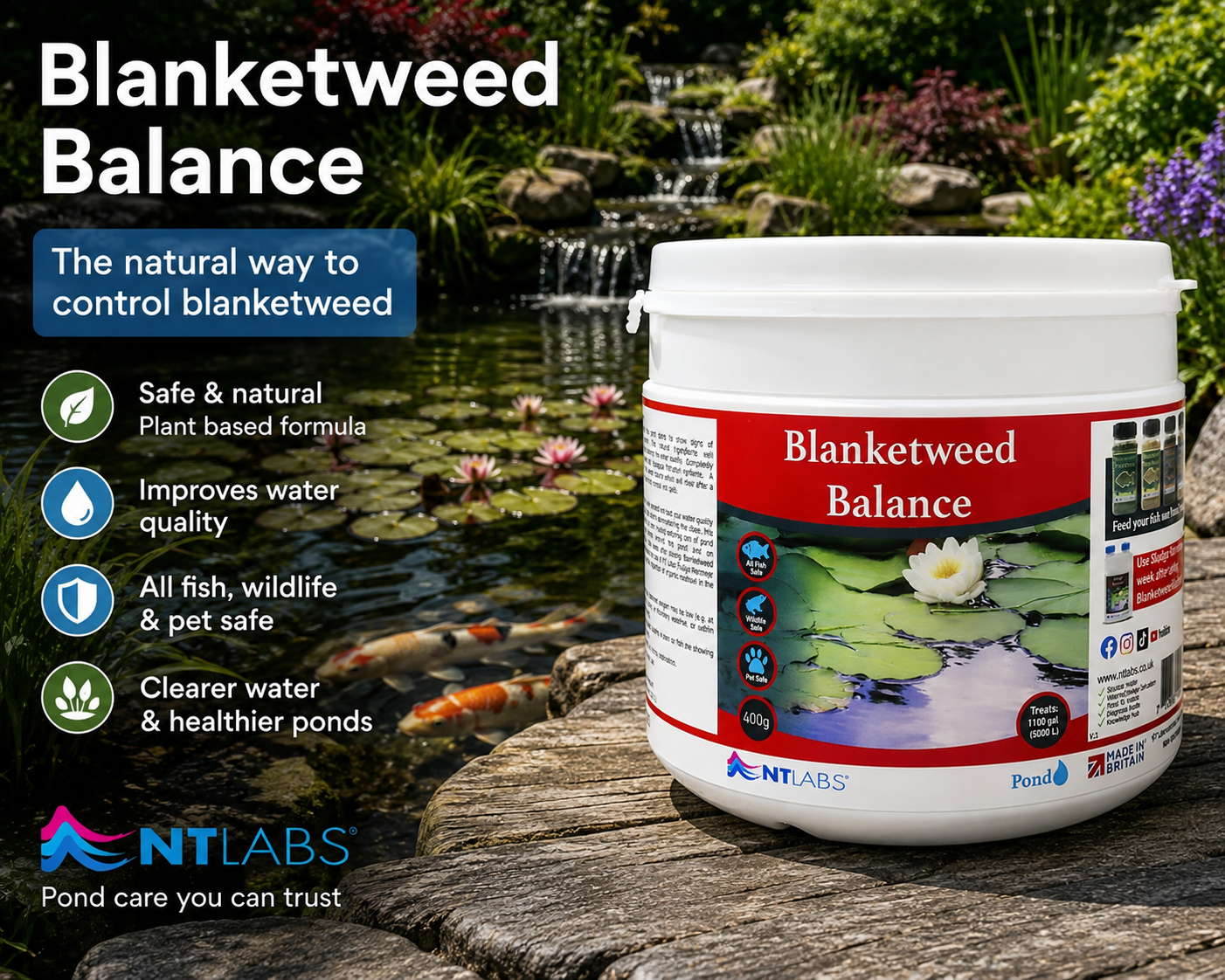
NT Labs Eradick Blanketweed Treatment
Effective treatment against stubborn blanketweed in garden ponds.
Search on Amazon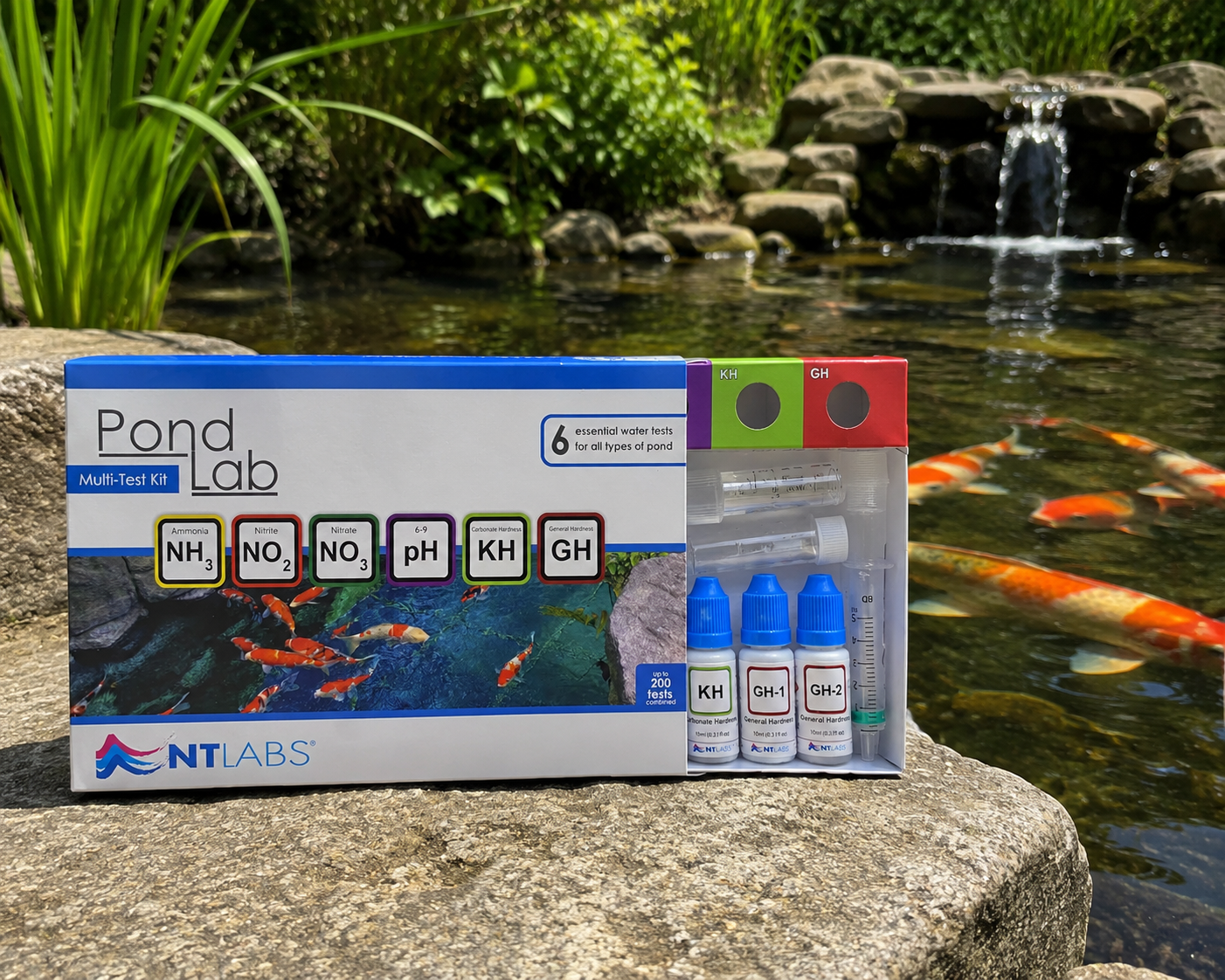
NT Labs Pond Lab Multi-Test Kit
Comprehensive pond water testing kit. Tests all essential parameters including ammonia, nitrite, nitrate, pH, and KH.
Search on AmazonAffiliate Disclosure: As an Amazon Associate, we earn commission from qualifying purchases made through these links at no extra cost to you.
Related Topics:
Need Professional Pond Care?
Our experts in Bournemouth and surrounding areas are here to help with all your pond needs.
GET IN TOUCHPrefer to leave it to us? We provide professional pond cleaning and maintenance across Bournemouth, Poole, Christchurch and the surrounding Dorset area.