Neolamprologus multifasciatus: The Tiny Shell-Dwelling Cichlid with a Big Personality
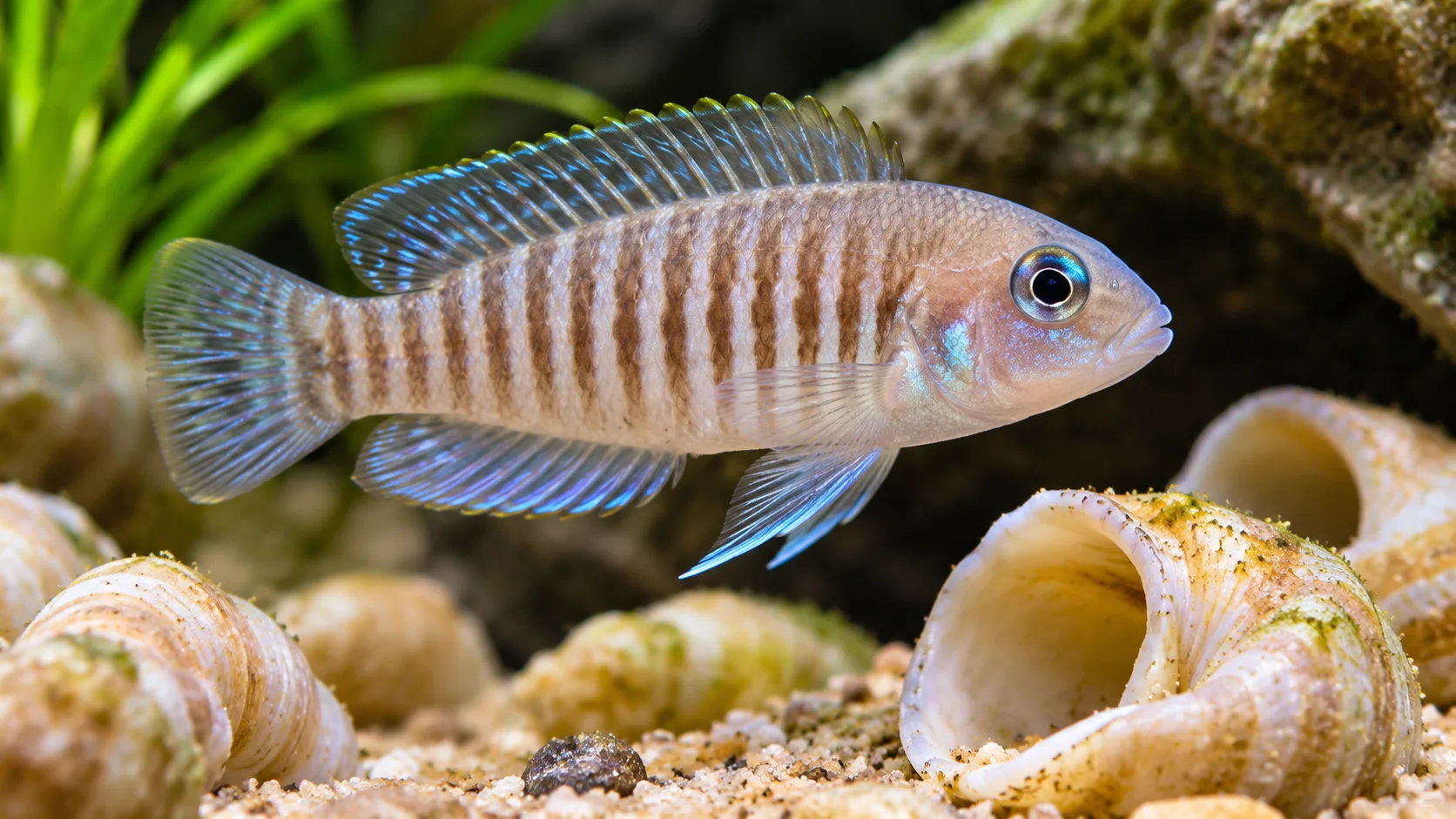
Neolamprologus multifasciatus may be one of the smallest cichlids in the world, but these fascinating shell dwellers have enormous personalities. Native to Lake Tanganyika, they spend their days digging, defending their shells and raising young within thriving colonies. Discover how to create the ideal aquarium, maintain suitable water conditions and enjoy their remarkable natural behaviour.
There are plenty of aquarium fish that attract attention through their bright colours or impressive size, but Neolamprologus multifasciatus offers something rather different. This tiny African cichlid is unlikely to be the most colourful fish in your local aquatic shop, yet its behaviour makes it one of the most entertaining species you can keep.
Commonly known as the Multie or Multifasciatus Shell Dweller, this little fish spends much of its life rearranging sand, defending its territory and living inside empty snail shells. Given the right conditions, a small group can gradually develop into a thriving colony, complete with breeding pairs and several generations of youngsters.
For aquarists who enjoy watching natural fish behaviour rather than simply admiring colourful fish swimming around, these little cichlids are well worth considering.
A Small Cichlid from Lake Tanganyika
Neolamprologus multifasciatus originates from Lake Tanganyika in East Africa, one of the world's largest and oldest freshwater lakes. The lake is famous for its remarkable variety of cichlids, many of which have evolved highly specialised ways of living.
What makes this species unusual is its relationship with empty snail shells. In certain parts of the lake, enormous numbers of shells have accumulated across the sandy lakebed. These originally belonged to large freshwater snails, particularly those of the genus Neothauma.
Rather than sheltering among rocks or plants, Multifasciatus have adapted to use these empty shells as their homes, breeding sites and places of refuge.
They are among the smallest cichlids in the world. Adult males generally reach around 4–5cm, while females are noticeably smaller, often measuring just 2.5–3cm.
Their colouring is fairly understated, with pale cream or beige bodies covered in narrow vertical brown stripes. Look closely, however, and you will notice attractive blue eyes and delicate markings across the fins.
Although small, they certainly don't lack confidence. A fish barely 3cm long will happily confront a much larger intruder if it ventures too close to its shell.
Creating the Perfect Shell-Dweller Aquarium
One of the most appealing things about Multifasciatus is that they don't require an enormous aquarium. However, the way the aquarium is arranged is far more important than simply choosing a particular volume of water.
We would recommend an aquarium of approximately 75–100 litres for a small group, ideally with a length of at least 60cm. Larger aquariums provide more room for the colony to expand and help reduce territorial disputes.
Because these fish spend almost all their time near the bottom, the floor area is considerably more important than the height.
Fine aquarium sand is essential. Multifasciatus are enthusiastic diggers and will spend hours moving sand around their shells, creating little pits and mounds. It's quite common to find that an aquarium carefully arranged one evening looks completely different the following morning.
This is perfectly normal behaviour and something that should be encouraged.
The most important decorations are, of course, the shells themselves. In the wild, these fish use empty Neothauma snail shells, but suitable empty escargot shells are commonly used in aquariums.
We recommend providing considerably more shells than fish, ideally at least two or three per individual. This gives them a choice of homes and allows territories to develop naturally.
Arrange the shells across an open area of sand, rather than piling them into one small corner. The fish will soon decide where they want everything positioned.
Rocks can be included, although they are not particularly necessary. If you do use them, make sure they are securely positioned, as the fish may excavate sand from underneath.
Plants are optional. Hardy species attached to rocks can work, but this is one aquarium where an open, sandy appearance actually looks more natural.
Water Conditions and Everyday Care
Like most cichlids from Lake Tanganyika, Multifasciatus prefer hard, alkaline water. A temperature of around 24–27°C and a pH between approximately 7.8 and 9.0 is suitable, with moderately hard to very hard water.
Here in our part of Dorset, where much of the tap water is naturally hard, this can make them a particularly appealing choice.
Through our aquarium maintenance work, we've found that choosing fish suited to the available water is often much easier than constantly trying to adjust water chemistry to accommodate unsuitable species.
That doesn't mean every hard-water aquarium will automatically be suitable. It's still important to test the pH, general hardness and carbonate hardness before introducing the fish.
As with most aquarium species, stability matters. Sudden changes in water chemistry are best avoided, particularly during water changes.
A reliable filter, good oxygenation and regular partial water changes will help maintain suitable conditions. Although these are small fish, an expanding colony can gradually increase the biological load on the aquarium.
Feeding is straightforward. In the wild, Multifasciatus feed primarily on tiny aquatic animals and plankton drifting above their territories.
In captivity, they readily accept appropriately sized quality pellets and flakes, along with frozen foods such as Cyclops, Daphnia and brine shrimp.
We would recommend offering a varied diet, with small portions rather than large amounts of food that could become trapped among the shells.
A Fascinating Social Life
The real attraction of keeping Multifasciatus is watching how they interact with one another. Unlike many cichlids that become increasingly aggressive towards their own species, Multifasciatus naturally live in colonies.
Each fish generally establishes its own shell, while several individuals occupy neighbouring territories. A dominant male may share an area with several females, younger fish and other subordinate individuals.
They still have disagreements, of course. You will regularly see individuals displaying to neighbours, chasing intruders away or defending a particularly desirable shell.
What makes their behaviour so interesting is that the colony also provides a degree of security. Fish may defend their individual homes but will also respond to threats entering the wider territory.
For a new aquarium, starting with around four to six young individuals can work well, provided there is sufficient room and plenty of shells. As they mature, their social structure will begin to develop.
It's important to monitor aggression, particularly if several males mature together in a limited space. Providing additional shells and more floor area helps, but persistent bullying may require separating fish.
We would generally recommend keeping them in a species-only aquarium, especially when starting out. Although other Tanganyikan cichlids can sometimes be suitable companions in larger aquariums, their territorial behaviour and specialised requirements make them less suited to a typical community tank.
Breeding Neolamprologus multifasciatus
One of the most rewarding aspects of keeping these fish is that breeding often happens naturally once they are settled. There is usually no need for complicated breeding arrangements or a separate breeding aquarium.
Females select suitable shells and lay their eggs inside, where they remain protected from view. The male fertilises the eggs and helps defend the surrounding territory.
You may not even realise spawning has taken place until tiny fry begin appearing around the entrance to a shell.
At first, the youngsters remain very close to their home, quickly retreating inside whenever they sense danger. As they grow, they gradually become more adventurous, venturing farther out to explore the surrounding sand.
Newly hatched brine shrimp and finely powdered fry food are excellent choices for feeding the youngsters.
Unlike many other aquarium fish, older offspring are often tolerated within the colony. Over time, this can produce a remarkable little community containing adults, juveniles and newly emerged fry.
Watching these relationships develop is arguably more interesting than the breeding itself.
You will, however, need to consider what happens as the population increases. A successful colony can eventually outgrow its available space, and some fish may need to be moved into another aquarium.
Are Multifasciatus Worth Keeping?
If you're looking for a brightly coloured centrepiece fish, Multifasciatus probably wouldn't be your first choice. But if you enjoy watching fish establish territories, interact with neighbours, raise youngsters and constantly modify their surroundings, they offer something quite special.
They are also an excellent example of why aquarium keeping doesn't always need to involve large tanks or elaborate aquascapes. A relatively simple aquarium containing clean sand, plenty of shells and suitable hard water can provide everything these little cichlids need.
With good water quality, a varied diet and enough room for their colony to develop, Neolamprologus multifasciatus can become one of the most engaging species in a freshwater aquarium.
Sometimes the smallest fish really do have the biggest personalities.
Products We've Mentioned & Recommend
Below you'll find a selection of products we've mentioned in this article, along with a few others we think you might find useful. We've included Amazon links to make them easy to find.
A quick word about affiliate links...
Some of these links are affiliate links, which means we may earn a small commission from qualifying purchases, at no extra cost to you.
Unfortunately, the commission doesn't quite stretch to cocktails on a yacht or a garage full of sports cars. In reality, it helps cover the running costs of this website and, with a bit of luck, might eventually buy me a new pair of waders that don't leak!
We only recommend products we genuinely believe are worth considering, and your support helps us keep sharing free advice from our years of working with aquariums and ponds.
Thanks for supporting Aquatic Specialist!
As an Amazon Associate I earn from qualifying purchases.
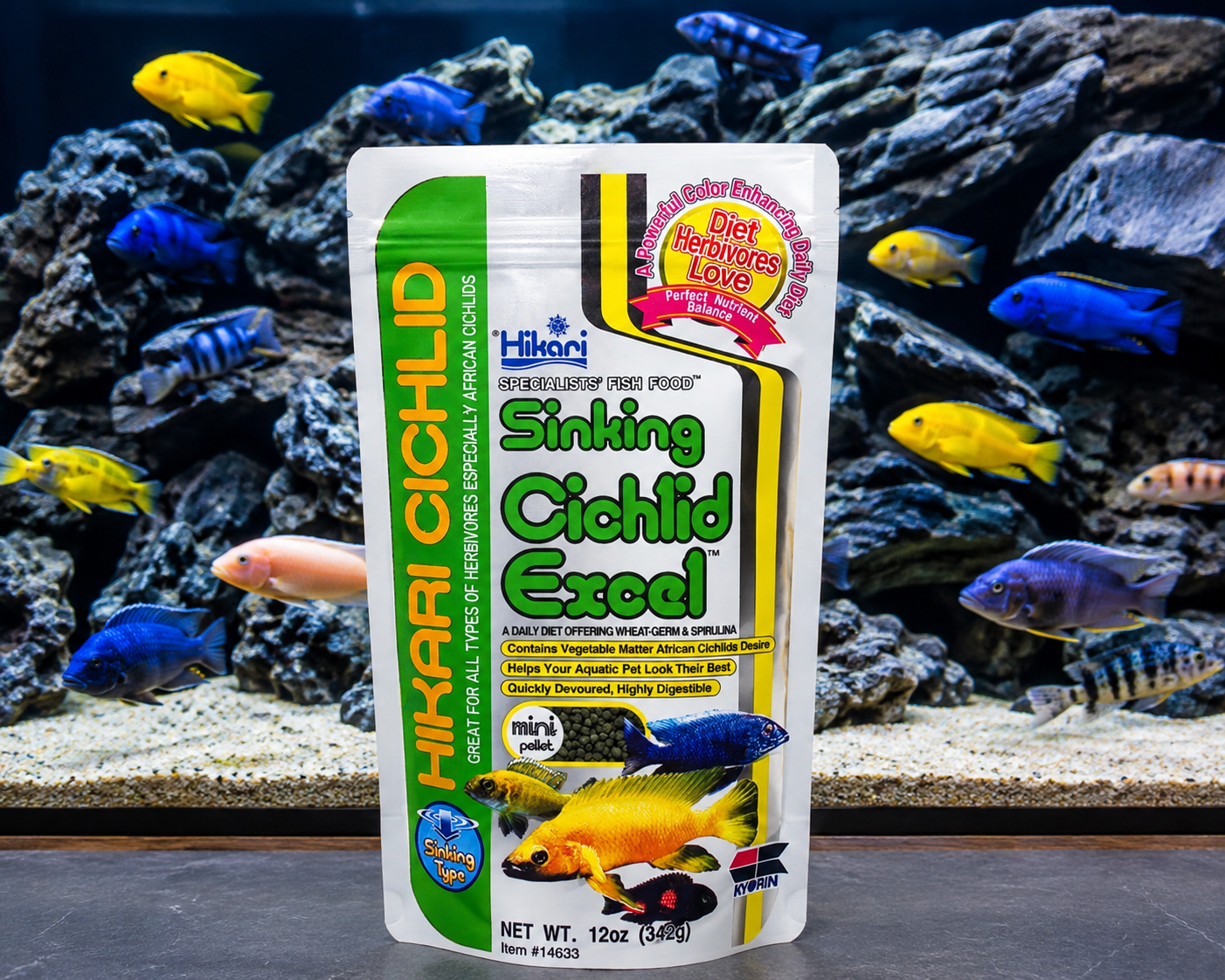
Hikari
Hikari Cichlid Excel Mini Sinking Pellets
Best for: Mbuna and omnivorous Malawi cichlids
As an Amazon Associate, we earn from qualifying purchases.
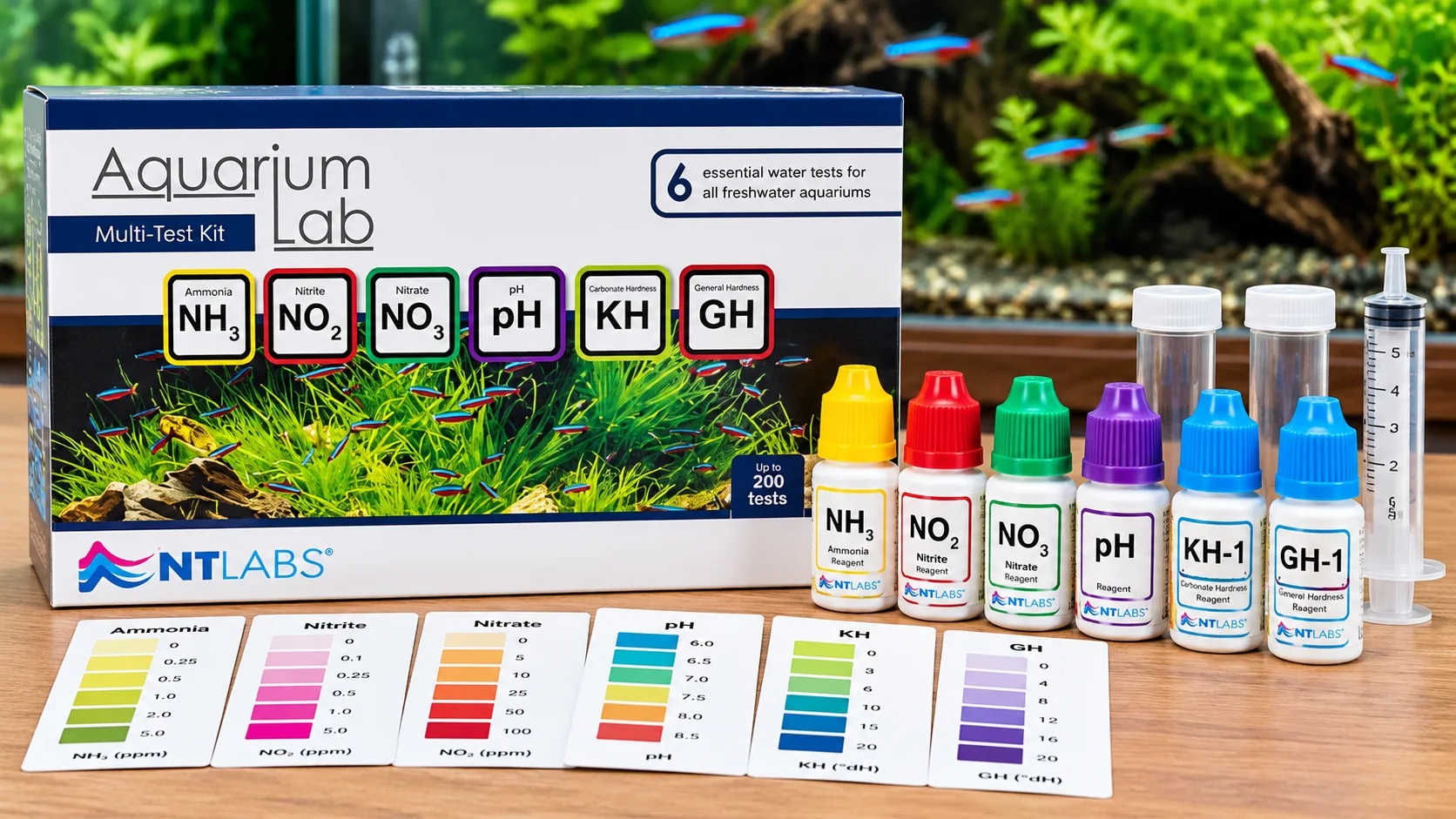
NT Labs
NT Labs Aquarium Lab Multi Test Kit
Best for: Cycling new freshwater aquariums and routine water quality monitoring.
As an Amazon Associate, we earn from qualifying purchases.
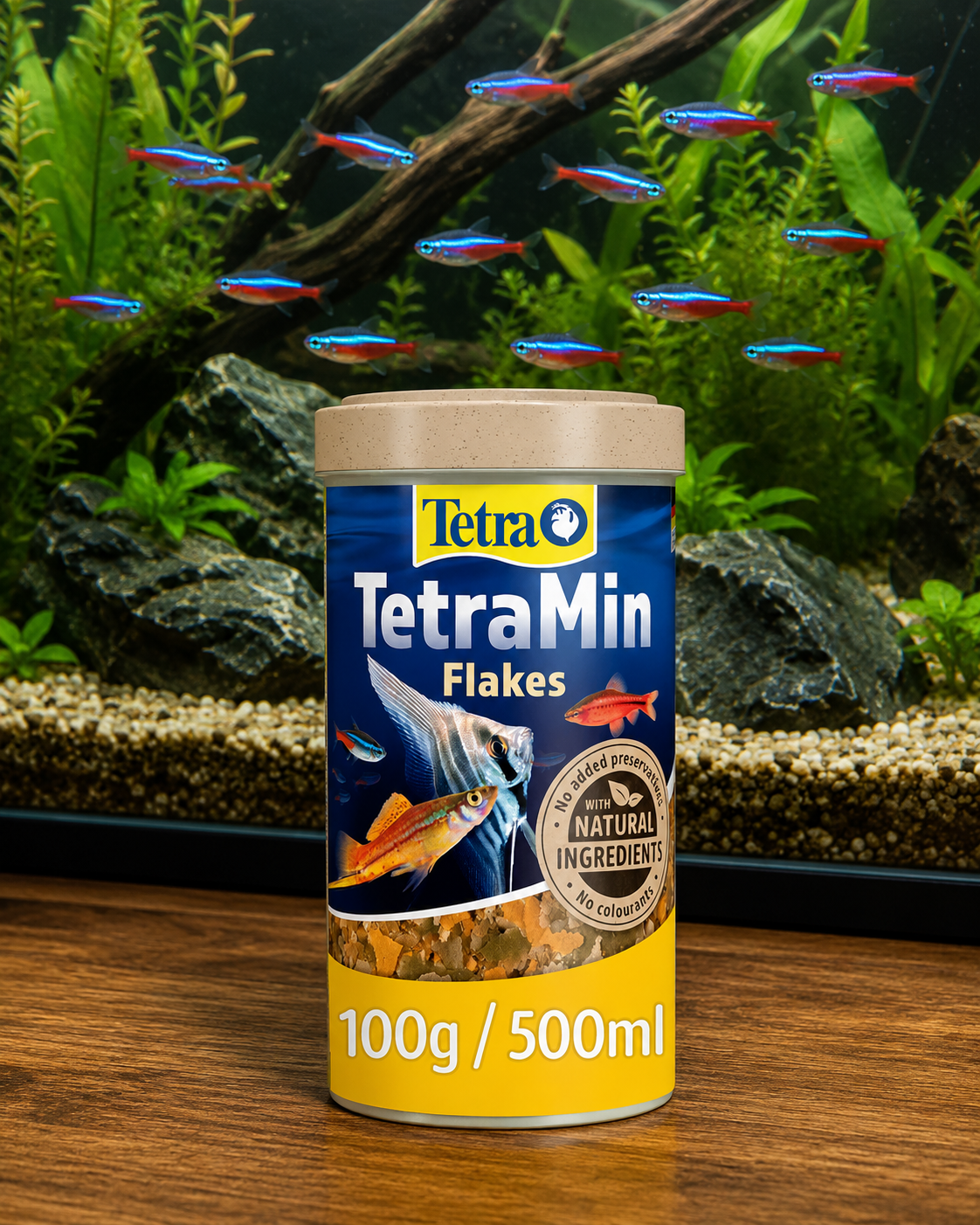
Tetra
Tetra Min Tropical Flake Food 500ml
Best for: Everyday feeding of tropical community fish
As an Amazon Associate, we earn from qualifying purchases.