Low Oxygen in Garden Ponds During Summer: Causes, Symptoms & Solutions
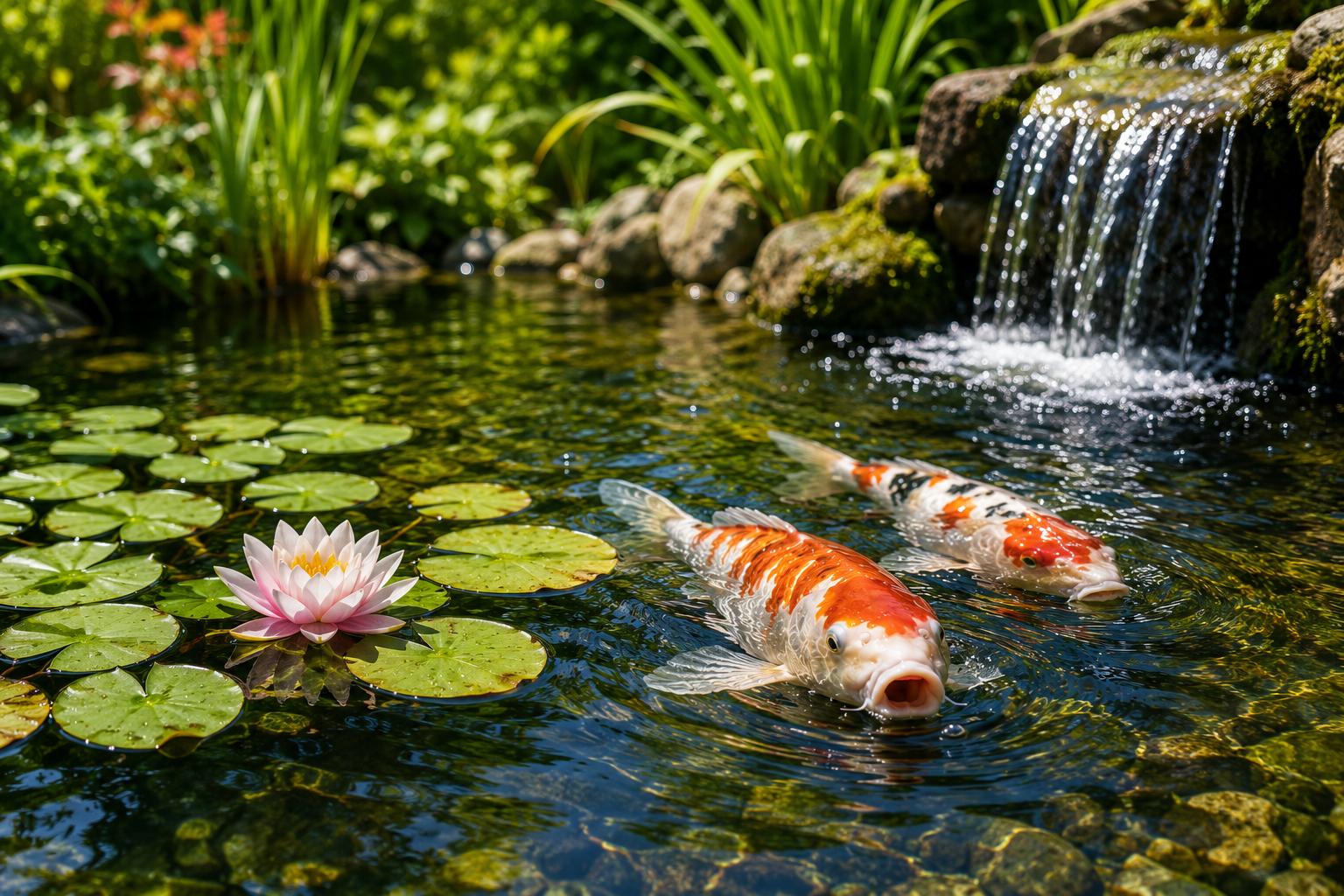
Low oxygen is one of the biggest summer dangers for pond fish. Learn the warning signs, common causes and practical steps you can take to restore healthy oxygen levels and prevent fish losses.
Hot summer weather is great for enjoying your garden pond, but it's also one of the most dangerous times of year for fish. As water temperatures rise, oxygen levels naturally fall, leaving fish struggling to breathe. Low oxygen is one of the most common reasons for emergency pond callouts during the summer months, but with the right maintenance and a few preventative measures, it's usually easy to avoid.
In this guide we'll explain the signs of low oxygen, what causes it, and the best ways to restore healthy oxygen levels in your pond. This is a common issue and we get many calls about this every summer to our pond maintenance business.
Why Does Oxygen Drop During Summer?
Warm water simply cannot hold as much dissolved oxygen as cold water. As temperatures climb, fish actually need more oxygen because their metabolism speeds up, while the pond contains less oxygen than it did during spring. This creates the perfect conditions for oxygen shortages, especially overnight.
Other factors that make the problem worse include:
- Heavy fish stocking
- Excess algae growth
- Blanket weed
- Poor water circulation
- Overfeeding
- Decaying leaves and sludge
- Still weather with little surface movement
Large koi ponds can be particularly vulnerable because bigger fish consume far more oxygen than smaller species. Signs Your Pond Has Low Oxygen
Watch out for these common warning signs:
- Fish gasping at the surface
- Fish gathering around waterfalls or filters
- Fish becoming sluggish
- Fish refusing food
- Increased gill movement
- Fish staying near air stones
- Sudden fish deaths, especially early in the morning
If several fish are gasping at the surface, act immediately.
Why Does It Often Happen Early in the Morning?
Many pond owners notice problems just after sunrise. During daylight hours, aquatic plants and algae produce oxygen through photosynthesis. However, once it becomes dark they stop producing oxygen and begin consuming it instead. Fish, plants and beneficial bacteria continue using oxygen all night, so dissolved oxygen levels are usually at their lowest just before sunrise.
Emergency Steps to Increase Oxygen
If your fish are struggling to breathe:
- Add More Aeration Turn on additional air pumps or add extra air stones if you have them. More bubbles mean more water movement, allowing oxygen to dissolve into the pond.
- Increase Surface Movement Point filter outlets towards the surface or increase the flow over waterfalls and streams. It's the movement of the water surface—not the bubbles themselves—that transfers most oxygen into the pond.
- Stop Feeding Fish can safely go several days without food. Stopping feeding reduces their oxygen demand and decreases waste entering the water.
- Carry Out a Partial Water Change Replacing around 10–20% of the pond water with fresh, dechlorinated water can help lower the temperature and introduce more dissolved oxygen. Avoid large water changes that could shock the fish.
- Remove Excess Blanket Weed Heavy blanket weed and algae consume large amounts of oxygen overnight. Removing excess growth improves oxygen levels and overall water quality.
Long-Term Prevention
The best solution is preventing oxygen shortages before they occur.
Install an Air Pump
A quality pond air pump provides constant oxygen throughout the warmer months and is one of the best investments for any stocked pond.
Keep Fish Stocking Sensible
Overstocked ponds run out of oxygen much faster. Ensure your pond isn't carrying more fish than its filtration and aeration systems can comfortably support.
Maintain Good Water Circulation
Clean filters regularly and make sure pumps are operating efficiently. Dead spots with little water movement can quickly become oxygen-poor.
Add Pond Plants
Aim for around 60% surface coverage using aquatic plants such as:
- Water Lilies
- Frogbit
- Water Soldier
- Water Hawthorn
- Hornwort
These plants provide shade, helping to keep water temperatures lower during hot weather.
Control Blanket Weed
Excess blanket weed not only looks unsightly but can contribute to overnight oxygen depletion. We regularly use Cloverleaf Blanket Answer as part of our pond maintenance programme to help keep blanket weed under control. Remember to always follow the manufacturer's instructions carefully when using any pond treatment.
Remove Sludge
Organic sludge consumes oxygen as it decomposes.
Regular pond maintenance and debris removal help reduce this oxygen demand.
Can Water Features Help?
Yes.
Waterfalls, fountains, streams and venturi systems all increase surface agitation, improving gas exchange between the pond and the atmosphere. Combined with an air pump, these can make a significant difference during hot weather.
When Should You Test Your Water?
If fish appear distressed, it's worth checking:
- Ammonia
- Nitrite
- pH
- Water temperature
Poor water quality and low oxygen often occur together, particularly during prolonged hot weather.
Final Thoughts
Low oxygen is one of the biggest summer risks for pond fish, but it's also one of the easiest problems to prevent. Good aeration, sensible fish stocking, regular maintenance and controlling blanket weed all help keep oxygen levels healthy throughout the warmer months. If your fish are gasping at the surface, don't ignore it. Acting quickly can often prevent serious losses and restore your pond to full health.
Frequently Asked Questions
Why are my pond fish gasping at the surface?
This is usually a sign of low dissolved oxygen, although poor water quality or high ammonia levels can also cause similar symptoms.
Should I feed my fish if oxygen is low?
No. Stop feeding until the fish have recovered and oxygen levels have returned to normal.
Does an air pump really help?
Yes. A properly sized pond air pump is one of the most effective ways to prevent oxygen shortages during summer.
Are waterfalls enough?
Waterfalls help increase oxygen but heavily stocked ponds often benefit from additional aeration using an air pump.
Does blanket weed reduce oxygen?
Yes. During the night, blanket weed consumes oxygen, contributing to low oxygen levels, especially during hot weather.
Products We've Mentioned & Recommend
Below you'll find a selection of products we've mentioned in this article, along with a few others we think you might find useful. We've included Amazon links to make them easy to find.
A quick word about affiliate links...
Some of these links are affiliate links, which means we may earn a small commission from qualifying purchases, at no extra cost to you.
Unfortunately, the commission doesn't quite stretch to cocktails on a yacht or a garage full of sports cars. In reality, it helps cover the running costs of this website and, with a bit of luck, might eventually buy me a new pair of waders that don't leak!
We only recommend products we genuinely believe are worth considering, and your support helps us keep sharing free advice from our years of working with aquariums and ponds.
Thanks for supporting Aquatic Specialist!
As an Amazon Associate I earn from qualifying purchases.
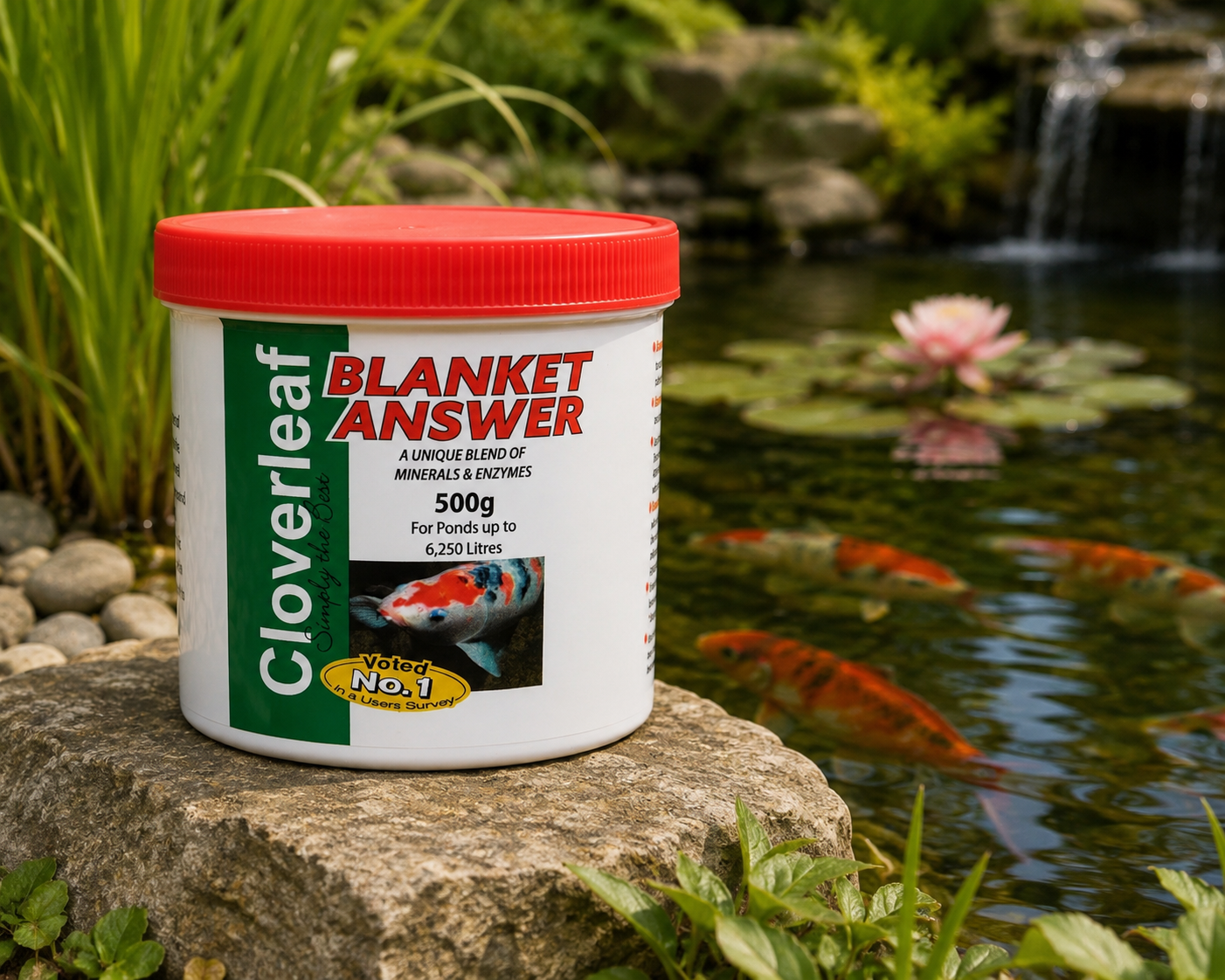
Cloverleaf
Cloverleaf Blanket Answer 500g
Best for: Treating stubborn blanket weed in garden ponds
As an Amazon Associate, we earn from qualifying purchases.
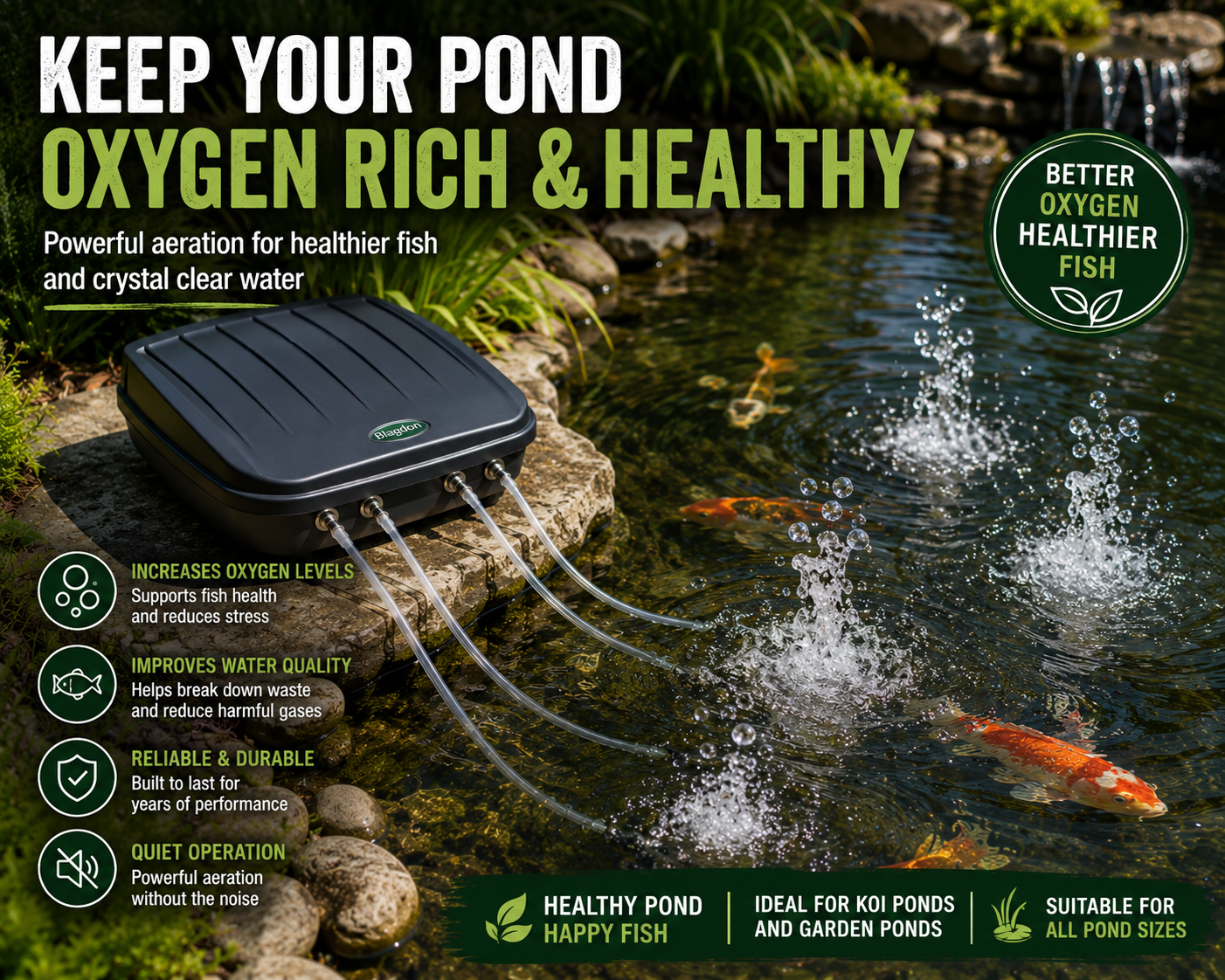
Blagdon Pond Water Oxygenator Kit
The Blagdon Pond Air Pump provides reliable aeration for garden ponds, increasing dissolved oxygen levels to support healthier fish and beneficial bacteria. Ideal for use throughout the year, it is especially valuable during the summer months when warm water holds less oxygen. Suitable for koi ponds and ornamental ponds, it helps improve water quality and maintain a healthy aquatic environment.
Search on Amazon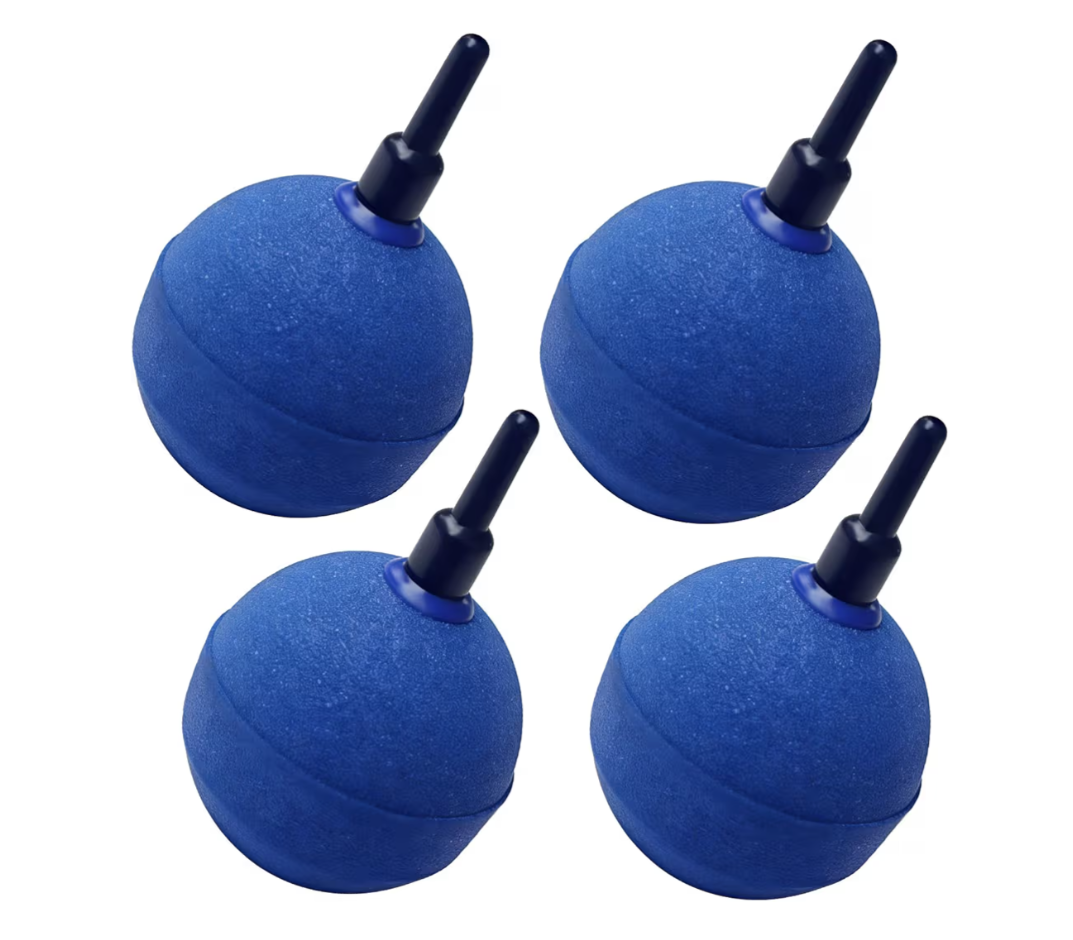
Ball air stones
An image of 4 ball air stones suitable for use in a pond. Simply add to the end of an air line attached to a pond air pump.
Search on Amazon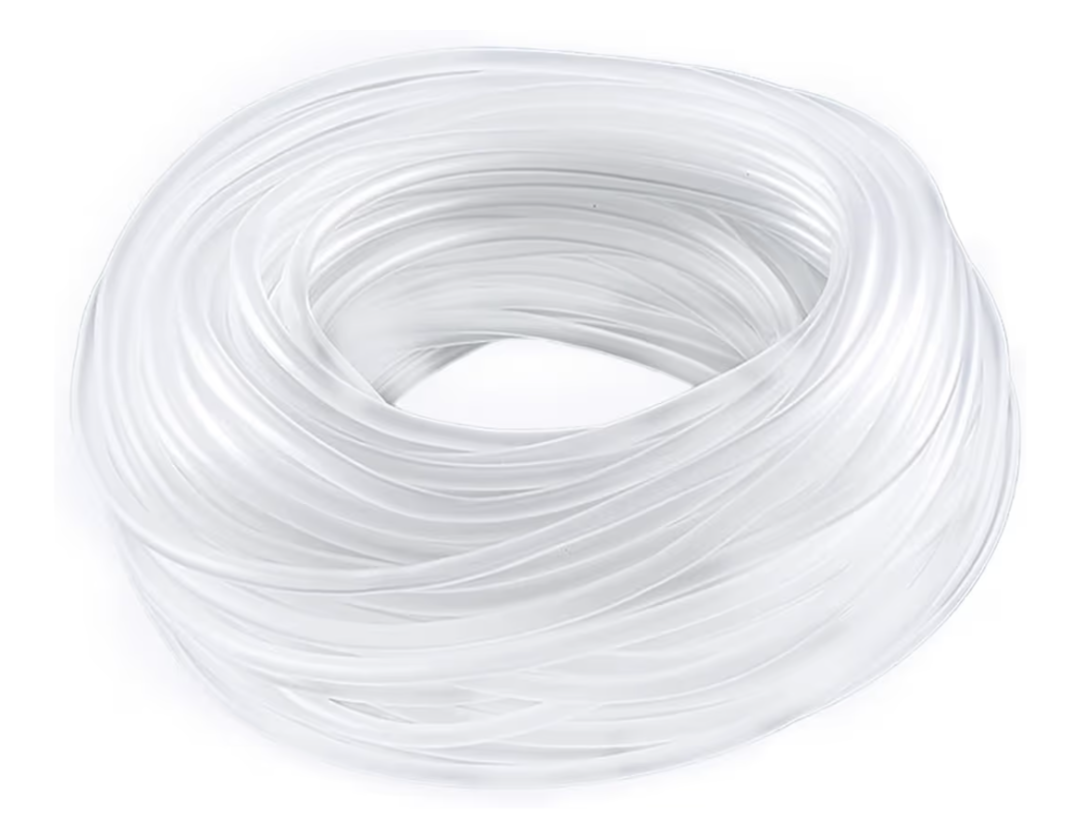
Air Line for attaching pond air pump
This air line is used to attached the air stone to the air pump.
Search on Amazon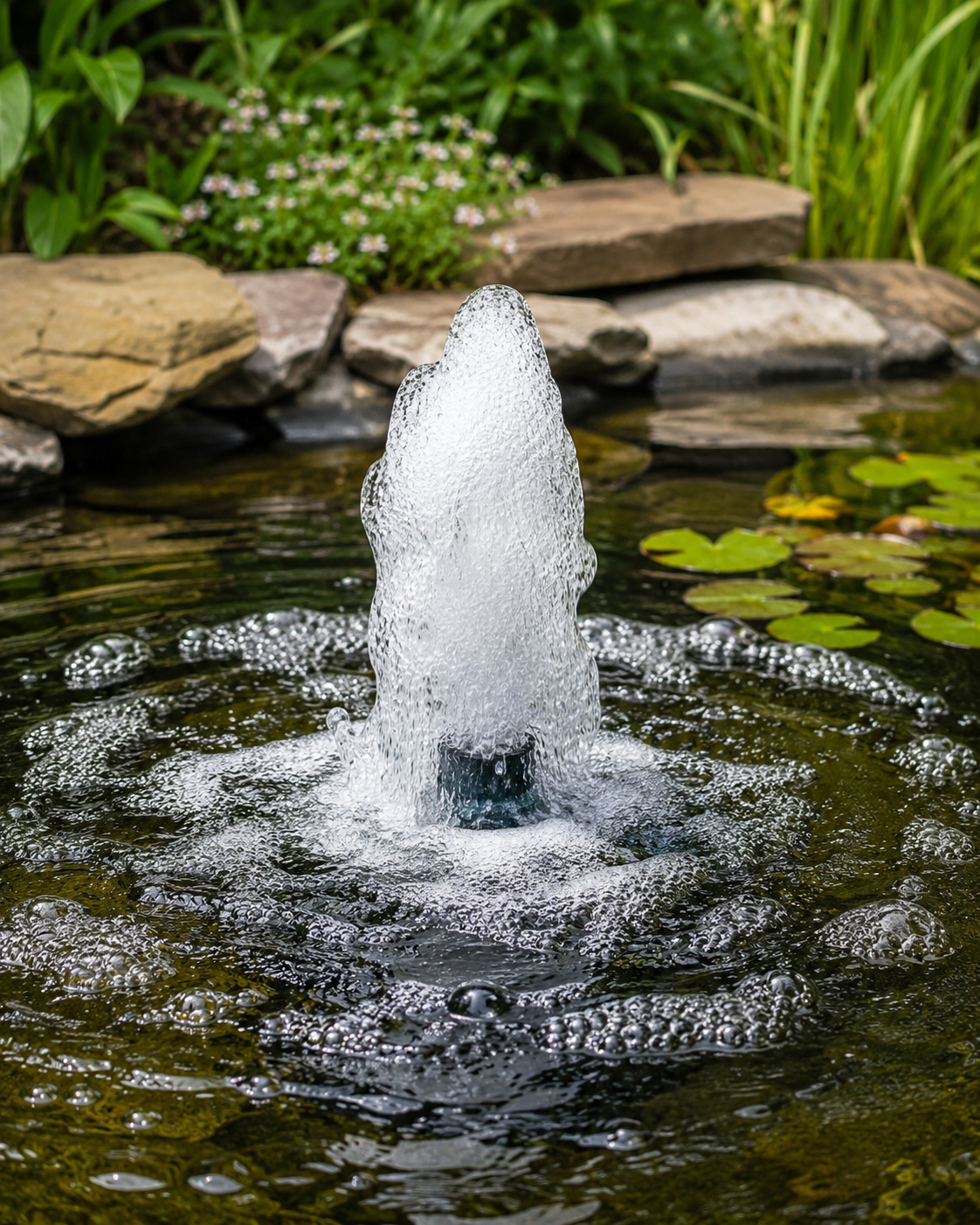
Oase fountain pump. 750 set
We at Aquatic Specialist love Oase equipment due to its reliability and quality. We want to install their pumps because it greatly reduces unwanted return visits. These fountains pumps will add extra oxygen to a pond helping to maintain suitable oxygen levels.
Search on Amazon