Koi Ulcers: Causes, Symptoms and Effective Treatment
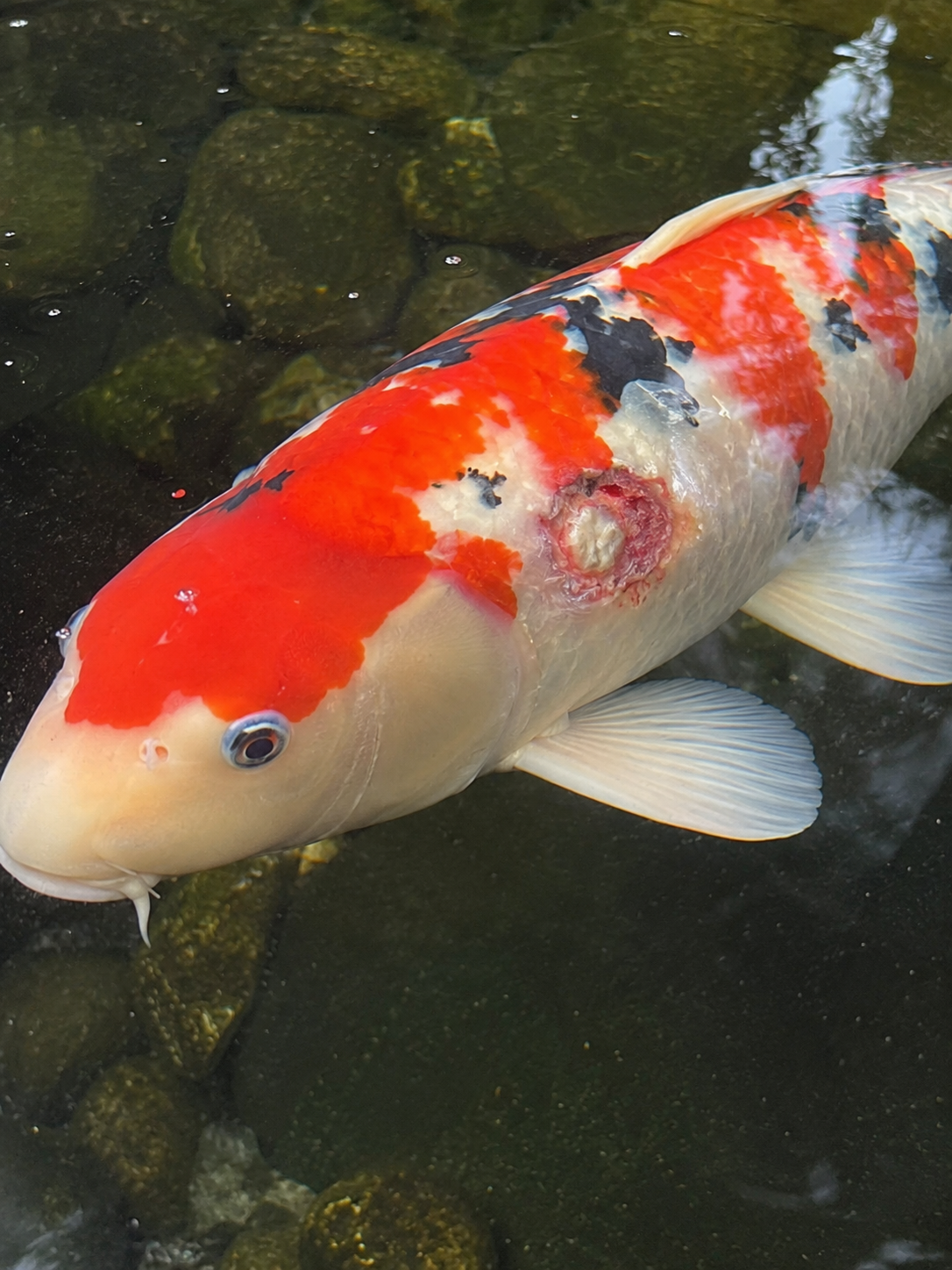
Koi ulcers are a common but serious health problem, often caused by poor water quality, parasites, stress or injury. Learn how to identify the symptoms, treat ulcers effectively, and prevent them from returning with proper pond management.
Koi ulcers are one of the most common health problems seen in garden ponds. An ulcer is an open wound that develops when the fish's protective skin is damaged and harmful bacteria invade the tissue underneath. Without prompt treatment, ulcers can become severe, leading to deep tissue damage, infection and even death.
The good news is that most ulcers can be successfully treated if the underlying cause is identified and corrected early.
What Causes Ulcers in Koi?
An ulcer is usually the result of several factors rather than a single problem.
Poor Water Quality
Poor water conditions place stress on koi and weaken their immune system, making them much more susceptible to bacterial infections.
Common water quality issues include:
- High ammonia
- Elevated nitrite
- High nitrate
- Low oxygen levels
- Sudden pH changes
- Excess organic waste
Regular water testing is one of the best ways to prevent ulcer outbreaks.
Parasites
External parasites are one of the leading causes of ulcers.
Parasites such as:
- Flukes
- Costia
- Trichodina
- Chilodonella
- White Spot (Ich)
damage the skin and gills. As the koi attempts to scratch against pond walls or rocks, the skin becomes further damaged, allowing bacteria to enter and create an ulcer.
For this reason, ulcers should never be treated without first considering whether parasites are the primary cause.
Physical Injury
Cuts and scrapes from:
- Sharp rocks
- Damaged pond liners
- Netting
- Predator attacks
- Aggressive spawning
can all develop into ulcers if bacteria infect the wound.
Stress
Stress suppresses the immune system and allows normally harmless bacteria to become dangerous.
Common causes of stress include:
- Overcrowding
- Poor filtration
- Frequent handling
- Sudden temperature changes
- Inadequate oxygen
- Transportation
Bacterial Infection
The bacteria most commonly responsible for koi ulcers include species of Aeromonas and Pseudomonas. These bacteria naturally exist in most ponds and usually only cause disease when a fish's immune system has been weakened.
Symptoms of a Koi Ulcer
Early signs include:
- Red patches on the skin
- Missing scales
- Raised or inflamed areas
- Small open wounds
As the ulcer progresses you may notice:
- Deep holes in the skin
- White or yellow dead tissue
- Exposed muscle
- Swelling
- Loss of appetite
- Lethargy
- Clamped fins
Severe ulcers can expose bone and internal organs if left untreated.
Diagnosing the Cause
Simply applying medication to an ulcer without identifying why it developed often leads to repeated outbreaks.
A proper diagnosis should include:
- Full water testing
- Examination for parasites using a microscope
- Checking for recent injuries
- Assessing stocking levels and filtration
Treating the underlying cause is just as important as treating the wound itself.
How to Treat Koi Ulcers
- Improve Water Quality
Carry out partial water changes if necessary and ensure:
- Ammonia = 0 mg/L
- Nitrite = 0 mg/L
- Stable pH
- Excellent oxygen levels
Clean filters only when required and avoid overfeeding during treatment.
- Treat Any Parasites
If parasites are present, they should be treated with the appropriate medication before expecting ulcers to heal properly.
Using the wrong treatment wastes time and allows the disease to progress, so parasite identification is strongly recommended.
- Topical Treatment
For larger ulcers, many experienced koi keepers will sedate the fish before cleaning the wound.
Typical treatment involves:
- Gently drying the ulcer
- Cleaning with an appropriate disinfectant
- Applying a suitable ulcer treatment or protective sealant
Sedation and topical treatments should only be carried out by someone experienced in handling koi safely.
- Antibiotics
Deep or widespread ulcers may require antibiotics prescribed by a veterinarian. Antibiotics are often the only effective option for severe internal bacterial infections.
Can Ulcers Heal?
Yes. Small ulcers often heal completely when water quality is excellent and the underlying cause has been corrected.
Larger ulcers may take several weeks to heal and can leave permanent scarring.
The earlier treatment begins, the better the outcome.
Preventing Ulcers
The best prevention is maintaining healthy pond conditions all year round.
Follow these simple steps:
- Test water regularly.
- Maintain excellent filtration.
- Avoid overcrowding.
- Quarantine new koi before adding them to the pond.
- Treat parasites promptly.
- Feed a high-quality diet.
- Minimise unnecessary handling.
Healthy koi with strong immune systems rarely develop ulcers, even though bacteria are naturally present in almost every pond.
Frequently Asked Questions
Can koi ulcers spread to other fish?
The ulcer itself is not contagious, but the underlying cause—such as poor water quality, parasites or bacterial infections—can affect multiple fish within the pond.
Should I isolate a koi with an ulcer?
If practical, isolating the fish in a well-filtered quarantine system can make treatment easier and reduce stress. However, the main pond must still be investigated and corrected, otherwise other fish may also become affected.
Will salt cure koi ulcers?
Salt is not a cure for bacterial ulcers. While it may reduce stress in some situations, it will not eliminate the underlying infection or parasites responsible for the ulcer.
Final Thoughts
Koi ulcers are a warning sign that something is wrong within the pond environment or with the fish's health. Treating the wound alone is rarely enough. By improving water quality, identifying parasites, reducing stress and using appropriate treatments, most koi can make a full recovery.
Early diagnosis is always the key. If an ulcer continues to worsen despite treatment, seek advice from an experienced aquatic professional or aquatic veterinarian as soon as possible.
Products We've Mentioned & Recommend
Below you'll find a selection of products we've mentioned in this article, along with a few others we think you might find useful. We've included Amazon links to make them easy to find.
A quick word about affiliate links...
Some of these links are affiliate links, which means we may earn a small commission from qualifying purchases, at no extra cost to you.
Unfortunately, the commission doesn't quite stretch to cocktails on a yacht or a garage full of sports cars. In reality, it helps cover the running costs of this website and, with a bit of luck, might eventually buy me a new pair of waders that don't leak!
We only recommend products we genuinely believe are worth considering, and your support helps us keep sharing free advice from our years of working with aquariums and ponds.
Thanks for supporting Aquatic Specialist!
As an Amazon Associate I earn from qualifying purchases.
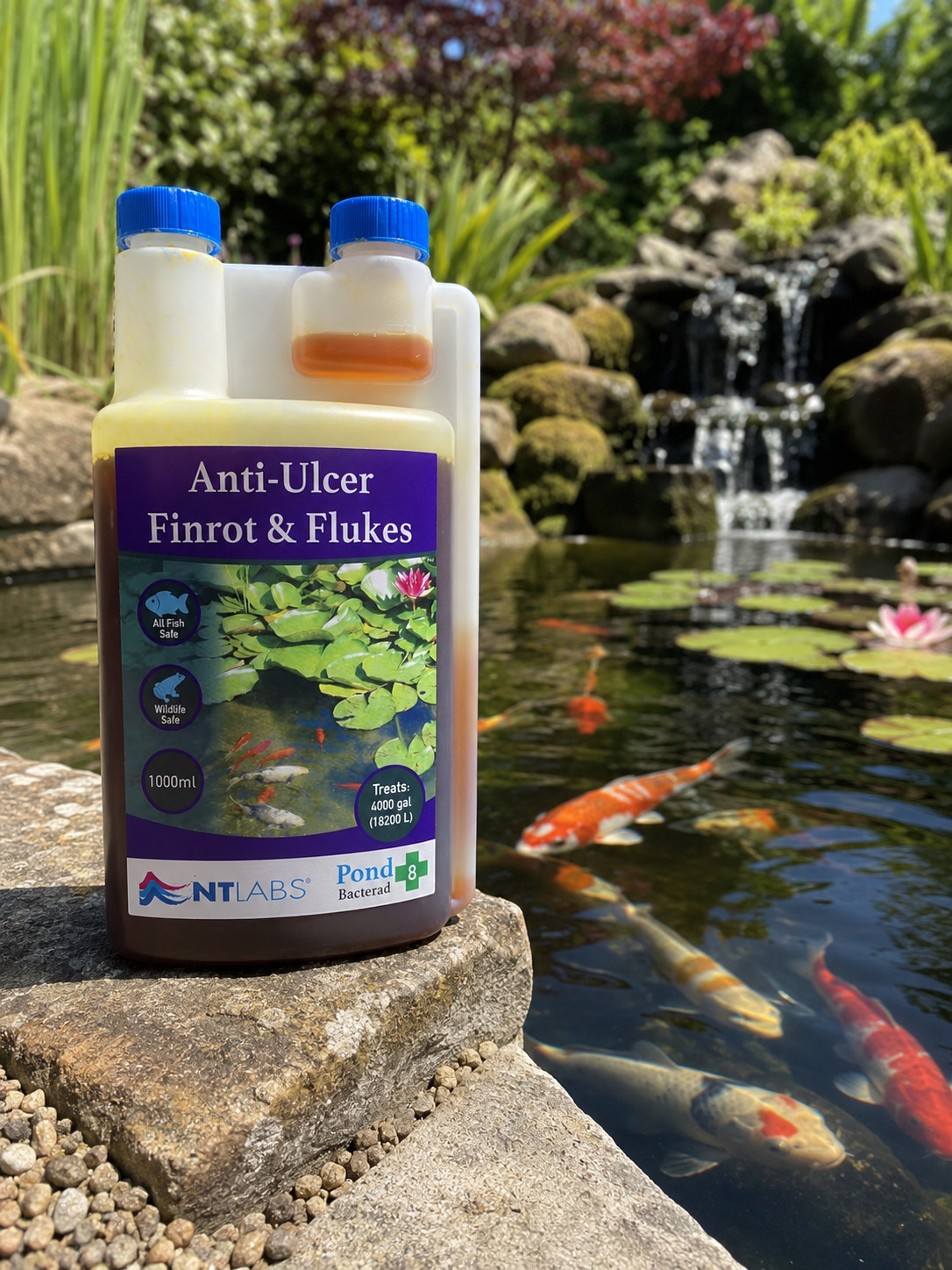
NT Labs Anti Ulcer, treatment
NT Labs Anti-Ulcer, Finrot & Flukes is a pond treatment designed to help control bacterial infections such as ulcers and fin rot, while also treating common skin and gill flukes. Suitable for koi, goldfish and other pond fish, it targets two common causes of fish health problems in a single treatment, helping your fish recover and return to full health when used as directed.
Search on Amazon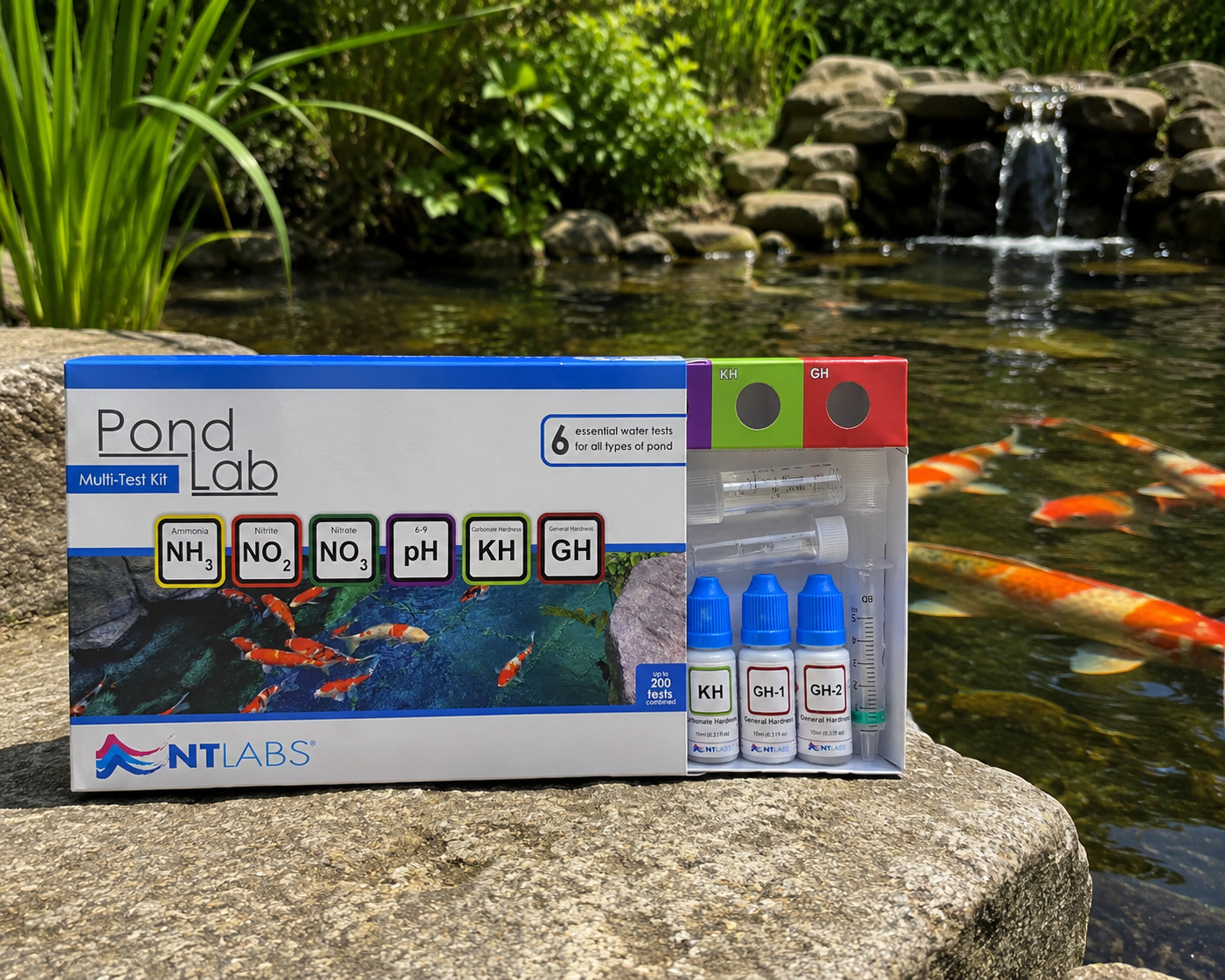
NT Labs Pond Lab Test kit
NT Labs Pond Lab Multi-Test Kit provides accurate testing for six essential pond water parameters, including ammonia, nitrite, nitrate, pH, KH and GH. Regular testing helps maintain excellent water quality, keeping koi and pond fish healthy while preventing many common health problems.
Search on Amazon