Giant Gourami: The Gentle Giant That Outgrows Most Home Aquariums
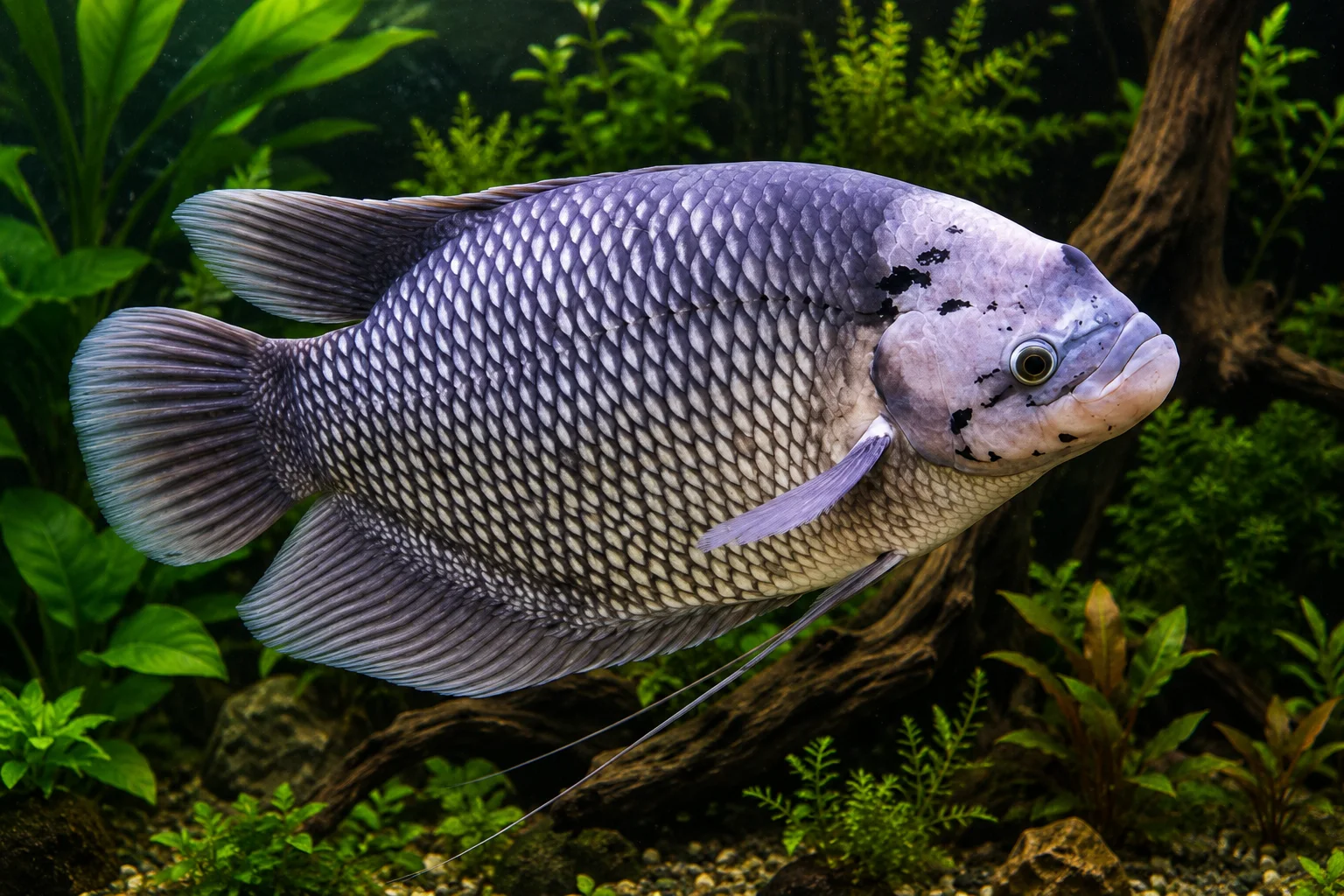
The Giant Gourami is an intelligent and fascinating freshwater fish, but its enormous adult size makes it unsuitable for most home aquariums. Capable of reaching approximately 70 cm and living for more than 20 years, this impressive tank buster requires exceptional space and specialist care. Discover why these gentle giants are best left to experienced fishkeepers with purpose-built aquariums.
The Giant Gourami (Osphronemus goramy) is one of the most impressive freshwater fish occasionally offered for sale in the aquarium trade. With its distinctive appearance, inquisitive behaviour and remarkable intelligence, it is easy to understand why some fishkeepers become fascinated by this unusual species.
However, behind its appealing personality lies a serious problem. The Giant Gourami is a genuine aquarium tank buster, capable of growing to an enormous size that makes it unsuitable for almost every conventional home aquarium.
Unfortunately, these fish are sometimes purchased as attractive juveniles without their owners fully appreciating just how large they will eventually become. What begins as a manageable young fish can develop into a powerful adult requiring an exceptionally large, purpose-built aquarium.
For most fishkeepers, the Giant Gourami is a species best admired rather than owned.
What Is a Giant Gourami?
The Giant Gourami belongs to the family Osphronemidae, which also includes familiar aquarium species such as Dwarf Gouramis, Pearl Gouramis and Three-Spot Gouramis.
Native to Southeast Asia, Giant Gouramis inhabit rivers, lakes, swamps and other relatively slow-moving waters. Their natural distribution includes parts of Indonesia, Malaysia and neighbouring regions.
Like other gouramis, they possess a specialised labyrinth organ that allows them to breathe atmospheric air. This adaptation enables them to survive in environments where dissolved oxygen levels may be relatively low.
Their appearance changes considerably as they mature. Juveniles often display dark vertical bands across their bodies, while adults develop a deeper, heavier build with a distinctive rounded forehead and thick lips.
Colouration varies, with grey, silver and golden forms encountered in the aquarium trade.
Their appearance becomes increasingly impressive with age, but it is their eventual size that presents the greatest challenge.
Just How Big Do Giant Gouramis Grow?
The Giant Gourami is among the largest members of the gourami family.
Adults commonly reach around 45–60 cm in length, with exceptionally large individuals reported at approximately 70 cm or more when the tail is included.
However, length alone does not adequately describe the size of these fish.
Unlike the relatively slender bodies of many aquarium species, mature Giant Gouramis become extremely deep-bodied and heavy. A large adult is an immensely substantial fish, requiring considerable space simply to turn around comfortably.
This is where many aquarium owners underestimate their requirements.
A juvenile measuring 8–10 cm might initially appear perfectly comfortable in a medium-sized aquarium. However, as it develops, the available swimming space becomes increasingly restricted.
Even an aquarium measuring 120–150 cm in length, which might be considered reasonably large by many hobbyists, is completely inadequate for a fully grown Giant Gourami.
A fish that can approach 70 cm in length should never be purchased on the assumption that it will remain small enough for an ordinary aquarium.
The idea that fish only grow to the size of their aquarium is a persistent and harmful misconception. Restricted growth can occur under unsuitable conditions, but this does not mean the fish is healthy or appropriately housed.
Why Giant Gouramis Are Unsuitable for Normal Aquariums
The greatest difficulty in keeping Giant Gouramis is providing enough space for them to develop and behave naturally.
A mature specimen requires considerably more than a large volume of water. The aquarium must have sufficient length and width to allow comfortable movement, turning and exploration.
For a fully grown specimen, a specially constructed aquarium around three metres long, with generous front-to-back dimensions, is a far more realistic starting point than a conventional domestic aquarium. Very large individuals may require even greater accommodation.
Such installations can contain several thousand litres of water once appropriate dimensions are provided.
This introduces additional challenges involving structural support, filtration, heating, running costs and ongoing maintenance.
The weight of the aquarium alone may require professional assessment of the supporting floor, particularly when installed in a domestic property.
There is also the problem of furnishing the aquarium. Large Giant Gouramis can disturb decorations, uproot plants and move smaller objects. Everything inside the aquarium needs to be selected with the fish's considerable strength in mind.
A large aquarium is not automatically a suitable aquarium. Its dimensions and layout must genuinely accommodate the fish.
A Huge Appetite and Considerable Waste Production
Giant Gouramis are omnivorous fish with a strong preference for plant material, although they also consume a variety of animal foods.
In captivity, they can be offered quality prepared foods, vegetables and appropriate supplementary protein sources.
Young specimens may be relatively inexpensive to feed, but maintaining a mature Giant Gourami is a different matter entirely.
Large fish consume substantial quantities of food and consequently produce considerable amounts of waste.
This places significant demands on the aquarium's biological and mechanical filtration systems.
Heavy-duty filtration, appropriate water circulation and regular partial water changes become essential to maintain good water quality.
Although Giant Gouramis are hardy fish capable of tolerating a range of environmental conditions, their ability to survive does not mean they should be subjected to poor water quality.
Their labyrinth organ allows them to breathe air, but it does not protect them from the harmful effects of ammonia, nitrite or prolonged exposure to unsuitable aquarium conditions.
Are Giant Gouramis Aggressive?
One of the more appealing characteristics of Giant Gouramis is their intelligence.
Many individuals become remarkably responsive to their owners, learning to recognise familiar people and approaching the aquarium glass when someone enters the room.
Some develop distinctive personalities and can become particularly engaging fish to maintain.
However, temperament varies between individuals.
Although many adults are relatively peaceful, others can become territorial or aggressive, particularly towards fish competing for food or space.
Smaller aquarium fish may also be eaten, especially if they are small enough to fit into the Giant Gourami's mouth.
This makes them unsuitable for conventional community aquariums containing tetras, rasboras and other small tropical species.
Even housing them alongside other large fish requires careful planning and an enormous amount of space.
A fish that appears peaceful when young may become increasingly dominant as it matures.
A Commitment That Can Last Decades
Another frequently overlooked consideration is the lifespan of these extraordinary fish.
Under suitable conditions, Giant Gouramis can survive for more than 20 years.
This makes purchasing one a potentially decades-long responsibility.
During that time, owners must continue providing suitable accommodation, food, heating, filtration and regular maintenance.
Circumstances can change dramatically over two decades. Moving house, changes in employment or financial difficulties may make maintaining an enormous aquarium increasingly challenging.
Unfortunately, finding a new home for an adult Giant Gourami is not straightforward.
Very few private fishkeepers possess aquariums large enough to accommodate one properly. Public aquariums and specialist aquatic facilities may already be fully stocked and cannot be relied upon to accept unwanted fish.
Rehoming a mature specimen can therefore become extremely difficult.
This is one of the strongest reasons for discouraging inexperienced aquarists from purchasing juveniles.
Why Are Giant Gouramis Still Sold in Aquarium Shops?
Like several other tank-busting aquarium species, Giant Gouramis are considerably easier to sell when they are young.
Juveniles are attractive, relatively small and often display interesting behaviour that makes them appealing to customers.
At this stage, their future size may be difficult for inexperienced fishkeepers to imagine.
Unfortunately, not every purchaser receives adequate information about the enormous accommodation these fish will eventually require.
Some owners purchase them with the intention of upgrading their aquarium later. While this might sound reasonable, plans can change, and large aquarium installations are expensive.
A more responsible approach is to ensure that suitable adult accommodation is already available before purchasing the fish.
Aquarium retailers also have an important role to play by explaining the species' adult size and refusing unsuitable sales.
Can Giant Gouramis Be Kept Successfully?
Despite their enormous size, Giant Gouramis can be maintained successfully by dedicated, experienced fishkeepers who have the necessary space and resources.
In exceptionally large, purpose-built aquariums, these fish can become magnificent display animals.
Their intelligence, responsiveness and unusual appearance make them fascinating subjects.
However, these are specialist installations rather than ordinary domestic aquariums.
Successful long-term care requires careful planning, substantial financial investment and a willingness to maintain the fish throughout its considerable lifespan.
For the overwhelming majority of aquarium enthusiasts, these requirements are simply impractical.
Better Alternatives for the Home Aquarium
Fortunately, there are several smaller gourami species that offer fascinating behaviour and attractive colouration without requiring enormous aquariums.
Pearl Gouramis (Trichopodus leerii) are particularly appealing, displaying delicate markings and generally peaceful behaviour when maintained in appropriately sized, well-planted aquariums.
Honey Gouramis (Trichogaster chuna) are another excellent option, especially for aquarists interested in smaller, peaceful community fish.
Three-Spot Gouramis (Trichopodus trichopterus) are larger and more robust, although their territorial behaviour needs consideration when selecting tankmates.
These species still require suitable accommodation and proper care, but they are considerably more practical for conventional home aquariums.
Final Thoughts: A Magnificent Fish, but Not for Most Aquariums
There is no doubt that the Giant Gourami is an extraordinary freshwater fish.
Its impressive appearance, remarkable intelligence and engaging personality make it one of the more memorable species encountered in the aquarium hobby.
However, these qualities should never overshadow its substantial care requirements.
A fish capable of reaching approximately 70 cm in length, developing a massive body and living for more than two decades is simply not appropriate for most home aquariums.
Purchasing a small juvenile without considering its eventual size can result in years of unsuitable accommodation and serious difficulties finding an appropriate new home.
At Aquatic Specialist, we believe that choosing fish responsibly means considering their needs throughout their entire lives, rather than simply whether they will fit into an aquarium when purchased.
The Giant Gourami deserves to be recognised as a true tank buster — an impressive species best reserved for specialist aquarists with exceptionally large, purpose-built facilities.
For most fishkeepers, choosing one of the smaller gourami species is a far more practical and responsible decision.
Products We've Mentioned & Recommend
Below you'll find a selection of products we've mentioned in this article, along with a few others we think you might find useful. We've included Amazon links to make them easy to find.
A quick word about affiliate links...
Some of these links are affiliate links, which means we may earn a small commission from qualifying purchases, at no extra cost to you.
Unfortunately, the commission doesn't quite stretch to cocktails on a yacht or a garage full of sports cars. In reality, it helps cover the running costs of this website and, with a bit of luck, might eventually buy me a new pair of waders that don't leak!
We only recommend products we genuinely believe are worth considering, and your support helps us keep sharing free advice from our years of working with aquariums and ponds.
Thanks for supporting Aquatic Specialist!
As an Amazon Associate I earn from qualifying purchases.
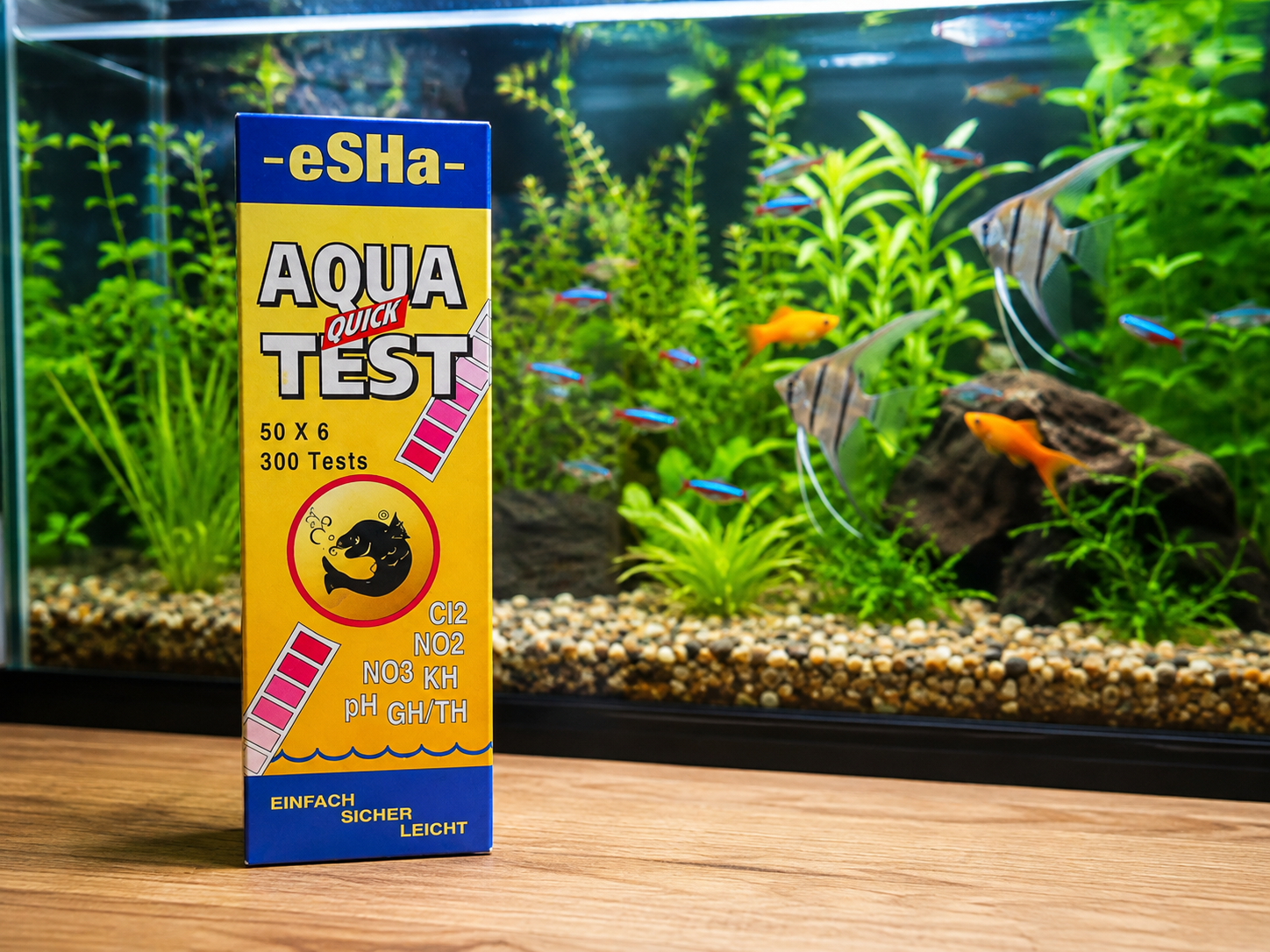
Esha
ESHA Aqua Quicktest
Best for: Fast routine water-quality checks in freshwater aquariums.
As an Amazon Associate, we earn from qualifying purchases.
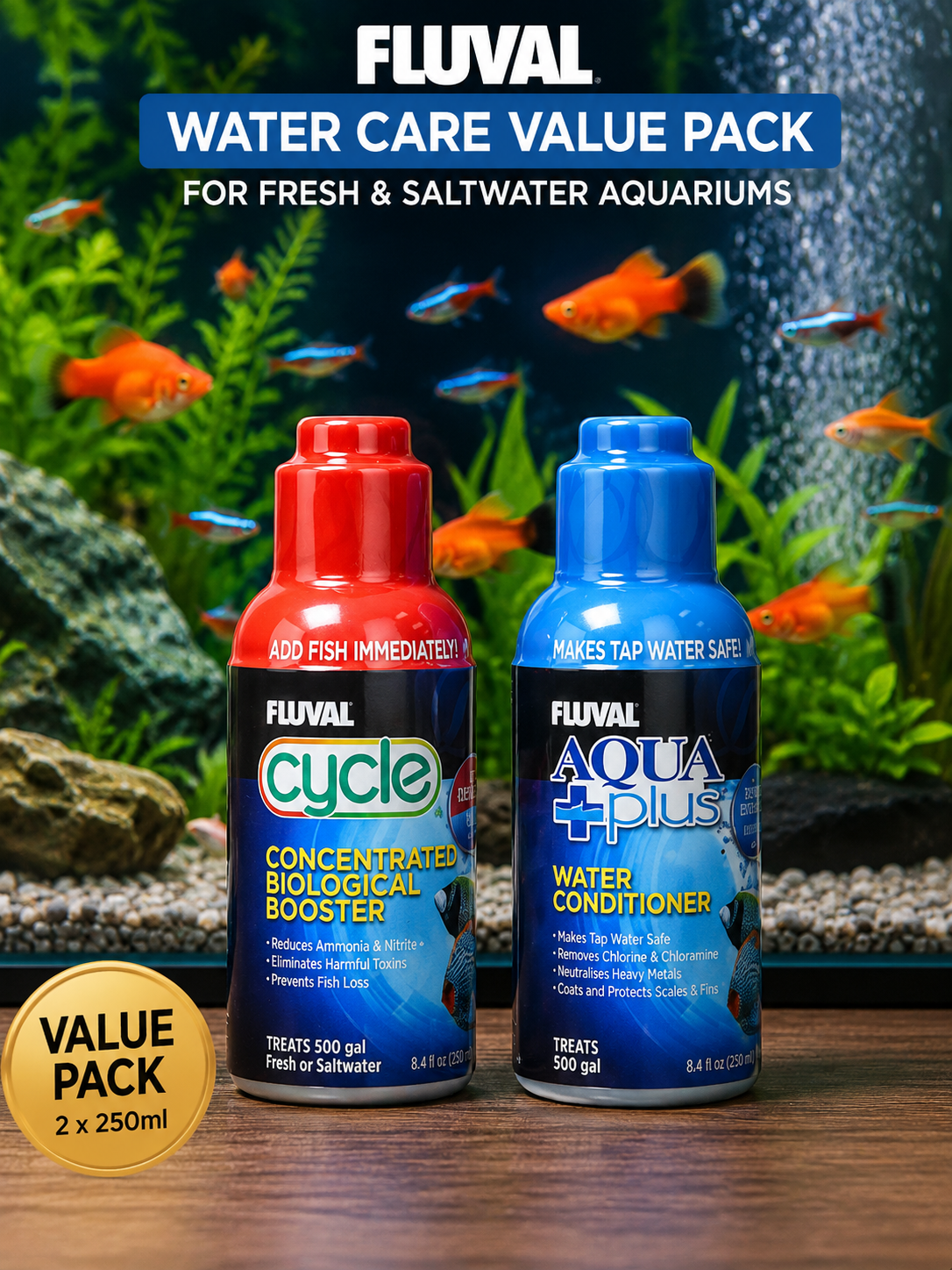
Fluval
Fluval Water Care Value Pack with Fluval Cycle & Aqua Plus, 500ml
Best for: New aquarium setups and routine water changes
As an Amazon Associate, we earn from qualifying purchases.
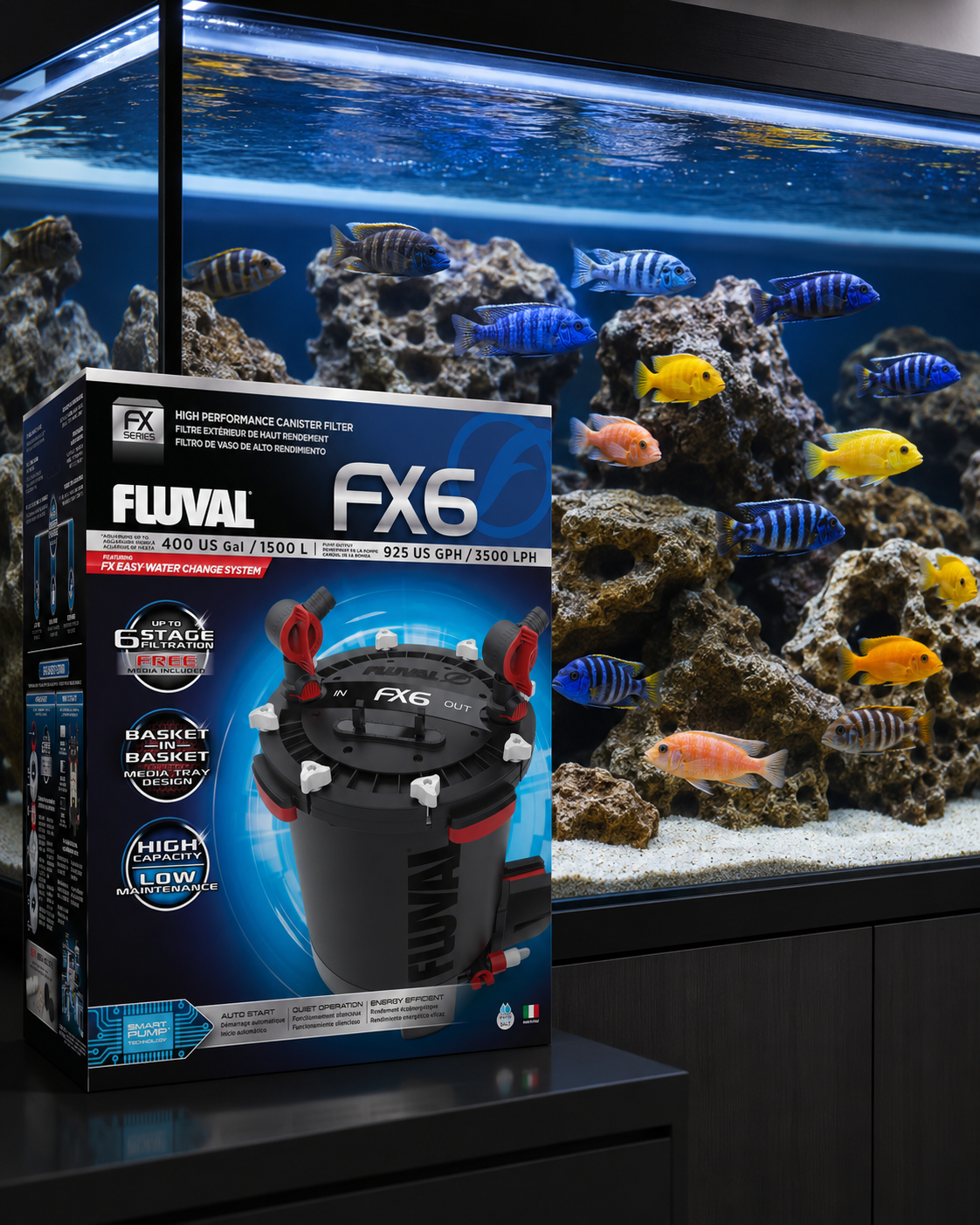
Fluval
Fluval Fx 6 High Proformance Aquarium Canister Filter
Best for: Large, heavily stocked Malawi cichlid aquariums
As an Amazon Associate, we earn from qualifying purchases.