Forktail Rainbowfish Care Guide
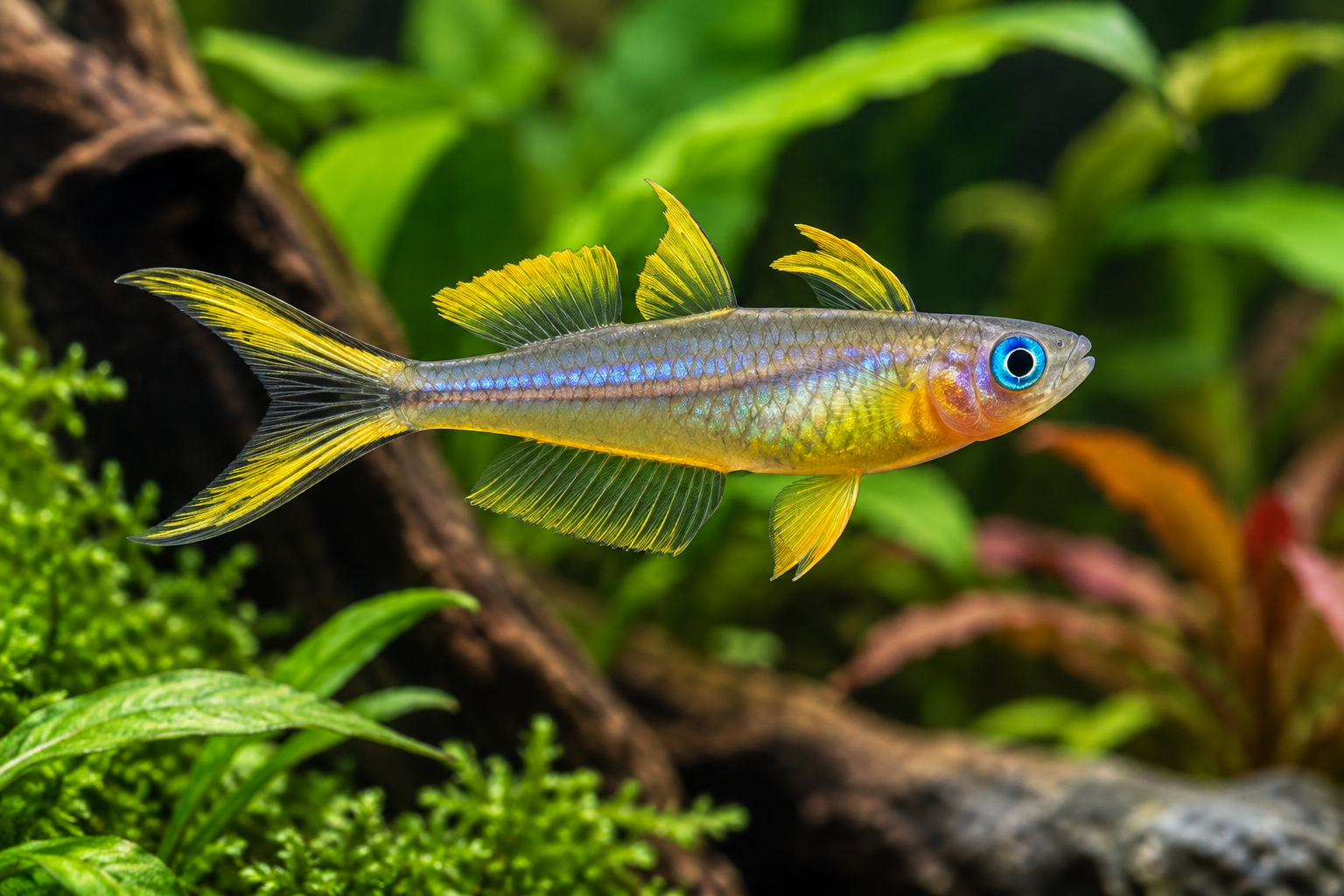
Forktail rainbowfish are small, active freshwater fish known for their bright blue eyes, yellow fins and distinctive forked tails. Discover how to keep a healthy group in a planted community aquarium.
The Forktail rainbowfish is a small, energetic freshwater fish that combines bright colours with almost constant activity. With brilliant blue eyes, yellow fins and a distinctive forked tail, it can make a particularly attractive addition to a planted community aquarium.
Its scientific name is Pseudomugil furcatus, although it is also widely known as the Forktail blue-eye. Despite its common name, it isn't closely related to larger rainbowfish such as the Boesemani rainbowfish in quite the way many aquarists assume. It belongs to the blue-eye group of fishes and remains considerably smaller than most Melanotaenia rainbowfish.
Forktails are peaceful, social fish, but they are certainly not shy or inactive. A healthy group spends much of the day swimming through the middle and upper areas of the aquarium, while males regularly display their colourful fins to females and one another.
I have bred these unusual looking rainbow fish. Like the Neon Red Pseudomugil they produce quite large eggs for their size. The eggs and fry are very sensitive to nitrates and levels need to be kept low or growth slows and mortality increases.
WHERE DO FORKTAIL RAINBOWFISH COME FROM?
Forktail rainbowfish originate from Papua New Guinea, where they occur in clear freshwater streams. Their natural environment helps explain some of their requirements in captivity. They appreciate clean, well-oxygenated water, some water movement and plenty of vegetation.
There is no need to recreate their natural habitat exactly, but a planted aquarium with good filtration and open swimming areas provides an excellent environment for them.
HOW BIG DO FORKTAIL RAINBOWFISH GROW?
Forktail rainbowfish remain relatively small, usually reaching around 5–6 cm when fully grown.
Their size makes them suitable for smaller aquariums than many traditional rainbowfish, but they shouldn't be treated as tiny nano fish. Forktails are active swimmers and benefit greatly from having room to move.
An aquarium around 60 cm long can accommodate a small group, although I would always choose a larger aquarium where possible. Extra swimming space also makes it easier to maintain a larger group, which is when these fish really begin to show their natural behaviour.
KEEPING FORKTAIL RAINBOWFISH IN GROUPS
Forktail rainbowfish are social fish and shouldn't be kept individually. I would recommend keeping at least six, although a group of eight or more is even better if the aquarium has enough space.
A larger group creates a much more natural-looking display and allows you to see one of the most interesting aspects of keeping Forktails: the interactions between the males.
Male Forktails frequently display to one another by extending their fins and positioning themselves alongside rival males. These displays can look surprisingly dramatic for such a small fish, but they are generally part of normal social behaviour rather than serious aggression.
Having several males in the group can actually make the aquarium more colourful because the presence of rivals encourages them to display.
Males usually develop stronger yellow markings and more impressive fins than females. Females tend to be slightly less colourful, although both sexes have the characteristic bright blue eyes that give Pseudomugil species their alternative name of blue-eyes.
THE BEST AQUARIUM FOR FORKTAIL RAINBOWFISH
A planted aquarium is an excellent choice for Forktail rainbowfish.
Rather than filling the entire aquarium with plants, I prefer to create areas of relatively dense planting towards the back and sides while leaving plenty of open water through the middle. This gives the fish security without sacrificing the swimming space they need.
Plants such as Java Fern , Anubias Nana, Cryptocoryne Wendtii Brown and Vallisneria Americana can all be incorporated into the aquarium. Fine-leaved plants and mosses (Java Moss being my favourite )are particularly useful if you are interested in breeding the fish.
Floating plants like Amazon Frogbit can also provide useful cover, although I wouldn't allow them to completely cover the surface.
A darker substrate can make Forktails look particularly impressive. Against dark gravel or sand and healthy green plants, their yellow fins and electric-blue eyes become much more noticeable.
Wood and smooth rocks can be used to add structure to the aquarium, but there is little benefit in creating large numbers of caves. Forktails are open-water swimmers and will normally spend far more time swimming amongst and above plants than hiding inside decorations.
A secure aquarium lid is important. These are active fish capable of jumping, particularly when startled.
WATER CONDITIONS
Forktail rainbowfish aren't exceptionally difficult when it comes to water chemistry, but good water quality is important.
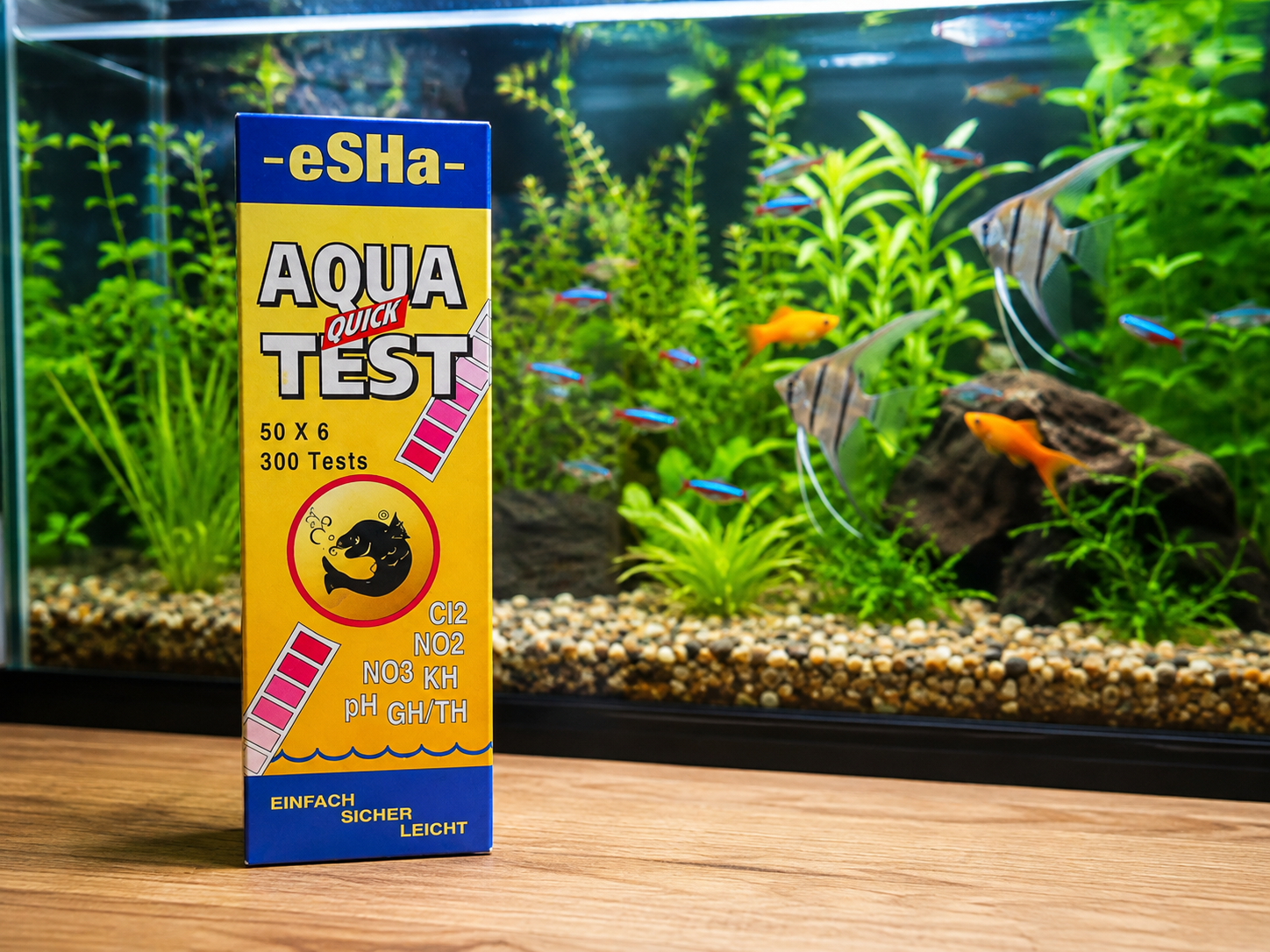
A temperature somewhere around 24–28°C works well for most aquarium-kept Forktails. They generally prefer water around neutral to moderately alkaline rather than extremely soft and acidic conditions. Remember to keep an eye on your water quality by regularly testing. We use ESHA Aqua Quicktest, they are a quick and easy way of keeping track of your water conditions.
As with many aquarium fish, stability is more important than constantly attempting to achieve an exact pH value. If your tap water is reasonably suitable, it is usually better to maintain stable conditions than repeatedly alter the chemistry using additives.
Good filtration should be combined with regular partial water changes. If you using tap water ensure you use a quality aquarium water conditioner to ensure that the water is safe for fish. Forktails appreciate oxygen-rich water, so some surface movement is beneficial.
Because of their relatively small size, they can be affected by deteriorating water quality more quickly than some larger, tougher community fish. An established aquarium with a mature biological filter is preferable to introducing them into a newly set-up tank.
FEEDING FORKTAIL RAINBOWFISH
Forktail rainbowfish are relatively easy to feed, although their small mouths need to be taken into consideration.
A good-quality crushed flake, micro pellets or granules and appropriately sized prepared food can form the basis of their diet. This should ideally be supplemented with a variety of frozen and live foods.
Small foods such as daphnia, Cyclops, Bloodworms and appropriately sized brine shrimp are particularly useful. Larger frozen foods may need to be broken into smaller pieces before feeding.
Forktails are enthusiastic feeders and will quickly learn when food is approaching the aquarium. They tend to feed mainly from the surface and mid-water, so make sure food remains available long enough for the whole group to eat.
Several sensible small feeds are preferable to dumping a large quantity of food into the aquarium at once.
A varied diet also helps males maintain their best colour and condition.
FORKTAIL RAINBOWFISH TANK MATES
Forktail rainbowfish are peaceful and can work extremely well in a carefully chosen community aquarium.
Their ideal tank mates are other small, peaceful fish that enjoy similar water conditions. Small rainbowfish, peaceful rasboras, smaller tetras and Corydoras can all potentially work well.
The important thing is to avoid combining them with large, aggressive or highly predatory species.
Forktails have relatively delicate-looking fins, so persistent fin-nipping species should also be avoided. Even if the nipping doesn't cause serious injury, constantly being harassed prevents the Forktails from displaying their natural behaviour.
Very slow or timid feeders can sometimes struggle alongside an energetic group of Forktails at feeding time. Watching the aquarium while feeding will quickly show whether every species is getting enough food.
They can also be kept with some freshwater shrimp, although very small shrimp and newly hatched shrimplets could potentially be eaten. Like most small omnivorous fish, a Forktail isn't going to ignore an edible animal simply because we would prefer it to.
BREEDING FORKTAIL RAINBOWFISH
Forktail rainbowfish can be bred in the home aquarium and their regular displaying behaviour means that well-conditioned adults may attempt to spawn without much encouragement.
They are egg scatterers rather than fish that construct nests or care for their young.
Fine-leaved plants, moss or artificial spawning mops provide suitable places for the fish to deposit their eggs. If the aim is to raise a reasonable number of fry, spawning mops are particularly useful because they can be removed and transferred to a separate aquarium.
Leaving the eggs in a community aquarium will usually result in relatively few surviving. Adult fish may eat both eggs and tiny fry.
Once the fry hatch, their small size can make the early stages of raising them challenging. They need extremely small foods initially before eventually progressing onto larger foods such as newly hatched brine shrimp.
Maintaining excellent water quality is particularly important when raising young fish. Small, regular water changes are generally safer than allowing waste to accumulate and then carrying out a very large change.
HOW LONG DO FORKTAIL RAINBOWFISH LIVE?
Forktail rainbowfish are not particularly long-lived compared with some aquarium species. Around three years is fairly typical, although individuals can live longer when maintained under good conditions.
This shorter lifespan is worth understanding before buying them. It doesn't mean that there is anything wrong with the fish if an older individual begins to decline sooner than a larger rainbowfish species that might live considerably longer.
Buying healthy young fish and providing clean water, a good diet and suitable social conditions gives them the best chance of reaching their natural lifespan.
ARE FORKTAIL RAINBOWFISH GOOD FOR BEGINNERS?
Forktail rainbowfish can be suitable for someone relatively new to fishkeeping, provided the aquarium is already established and the owner understands basic aquarium maintenance.
They aren't difficult because they require complicated equipment or unusual water chemistry. Their main requirements are good water quality, suitable food, enough swimming space and the company of their own species.
Where beginners can run into trouble is treating them as tiny fish that can simply be placed into a very small aquarium.
A group of Forktails needs room to swim. Giving them that space makes them easier to keep and produces a much better display.
WHY KEEP FORKTAIL RAINBOWFISH?
There are plenty of colourful freshwater fish available, but Forktail rainbowfish have a character of their own.
Their appearance is attractive without relying on artificially exaggerated colour varieties. The combination of blue eyes, yellow fins and translucent bodies gives them a delicate appearance, while their behaviour is anything but delicate.
A group is constantly interacting. Males display, individuals chase briefly through the plants and the shoal moves between open water and planted areas throughout the day.
They are particularly well suited to aquarists who enjoy planted community aquariums but want something a little different from the usual selection of tetras and rasboras.
FINAL THOUGHTS
The Forktail rainbowfish is an excellent example of why a fish doesn't have to grow large to become a major feature of an aquarium.
A single Forktail may not look particularly dramatic in a dealer's tank, but a healthy group in a mature planted aquarium is a completely different proposition. Their bright blue eyes, yellow fins and constant social activity make them difficult to ignore.
Give them clean, well-oxygenated water, plenty of swimming space and a varied diet, and keep them in a decent-sized group rather than as isolated individuals. Combine that with a planted aquarium and peaceful tank mates and Forktail rainbowfish can create one of the most active and attractive small-fish displays in the freshwater hobby.
Products We've Mentioned & Recommend
Below you'll find a selection of products we've mentioned in this article, along with a few others we think you might find useful. We've included Amazon links to make them easy to find.
A quick word about affiliate links...
Some of these links are affiliate links, which means we may earn a small commission from qualifying purchases, at no extra cost to you.
Unfortunately, the commission doesn't quite stretch to cocktails on a yacht or a garage full of sports cars. In reality, it helps cover the running costs of this website and, with a bit of luck, might eventually buy me a new pair of waders that don't leak!
We only recommend products we genuinely believe are worth considering, and your support helps us keep sharing free advice from our years of working with aquariums and ponds.
Thanks for supporting Aquatic Specialist!
As an Amazon Associate I earn from qualifying purchases.
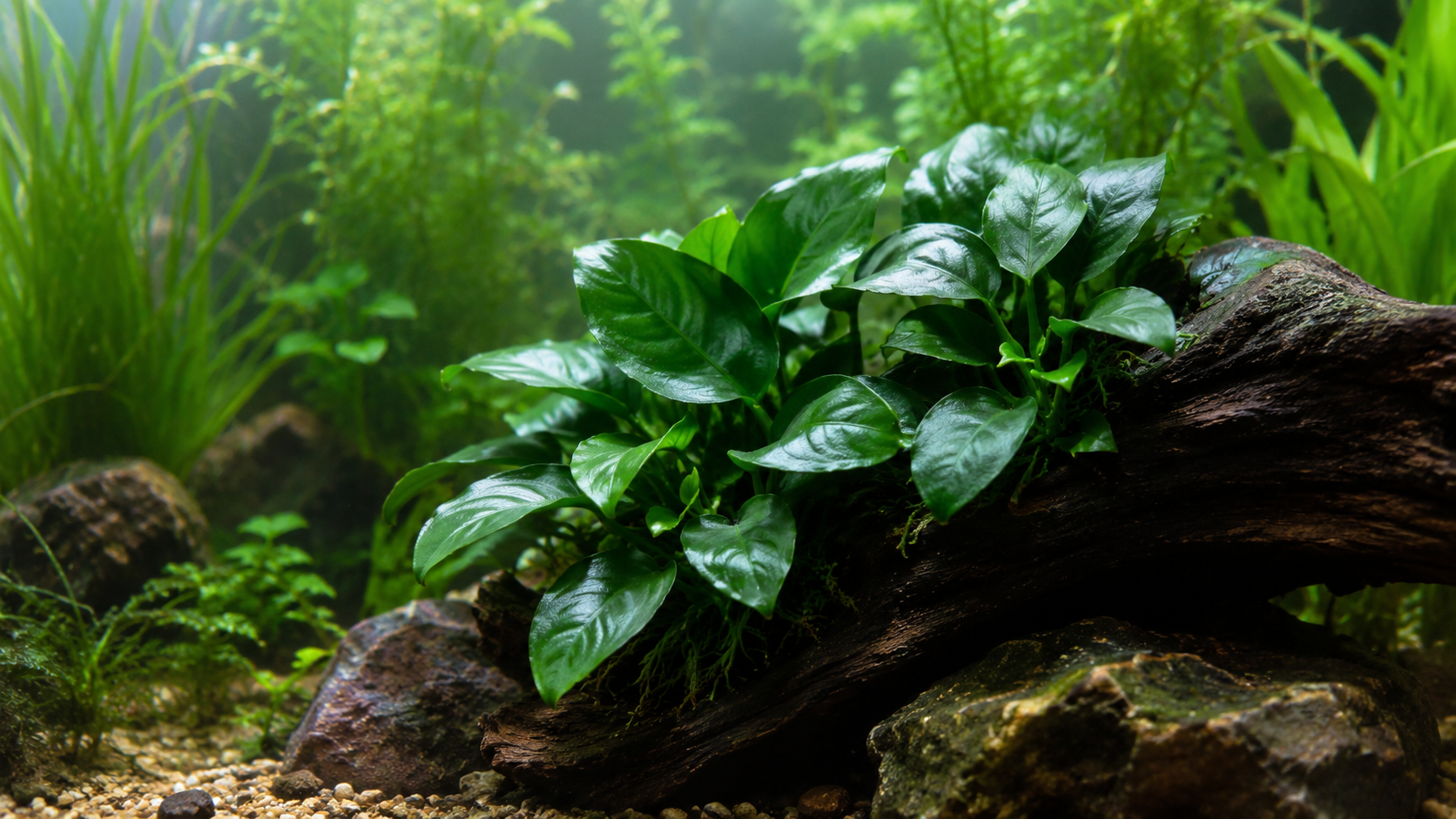
Anubias Nana
Best for: Beginners, low-light aquariums and low-tech planted tanks
As an Amazon Associate, we earn from qualifying purchases.
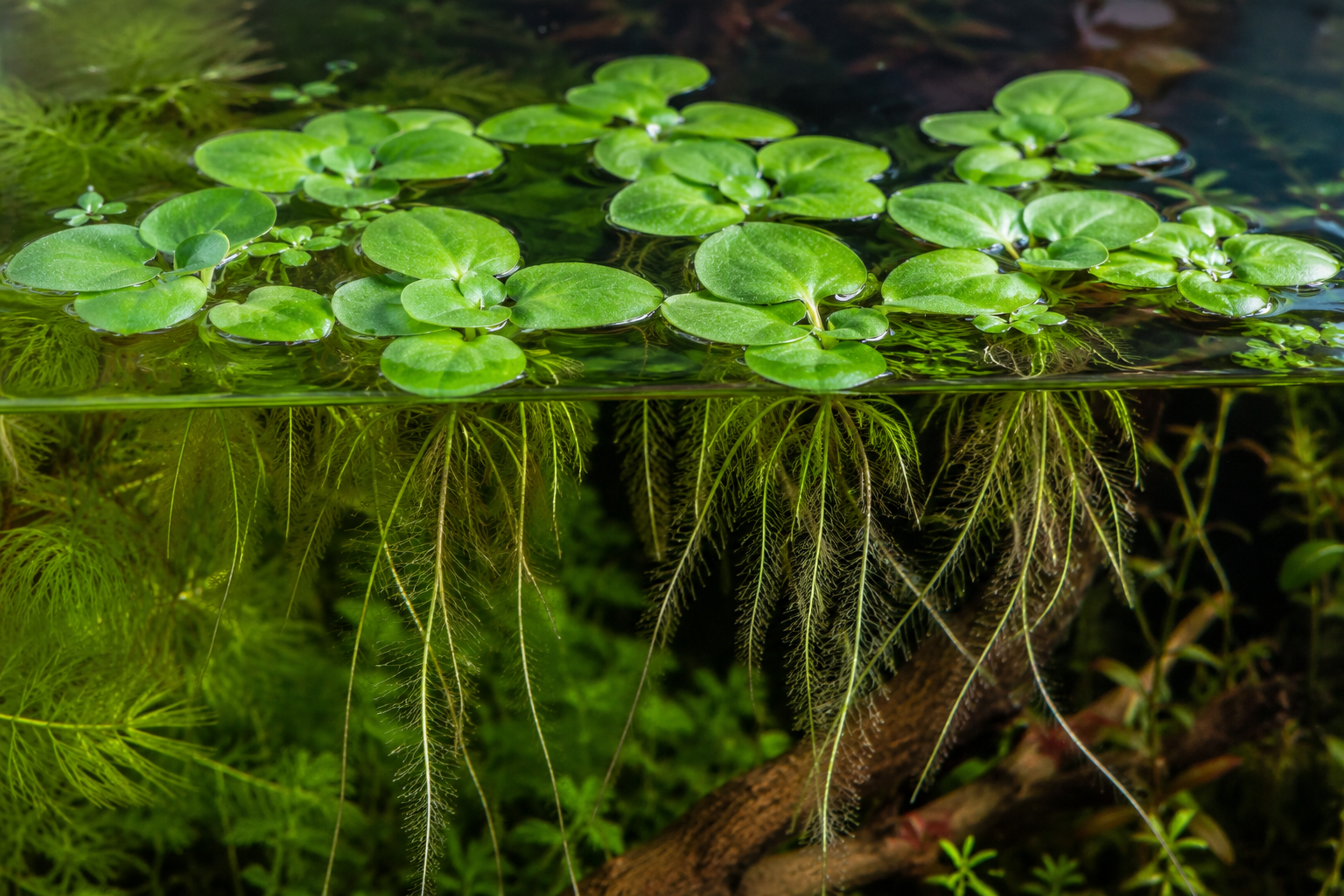
Amazon Frogbit
Best for: Natural aquariums, fry tanks, shrimp tanks and surface cover
As an Amazon Associate, we earn from qualifying purchases.
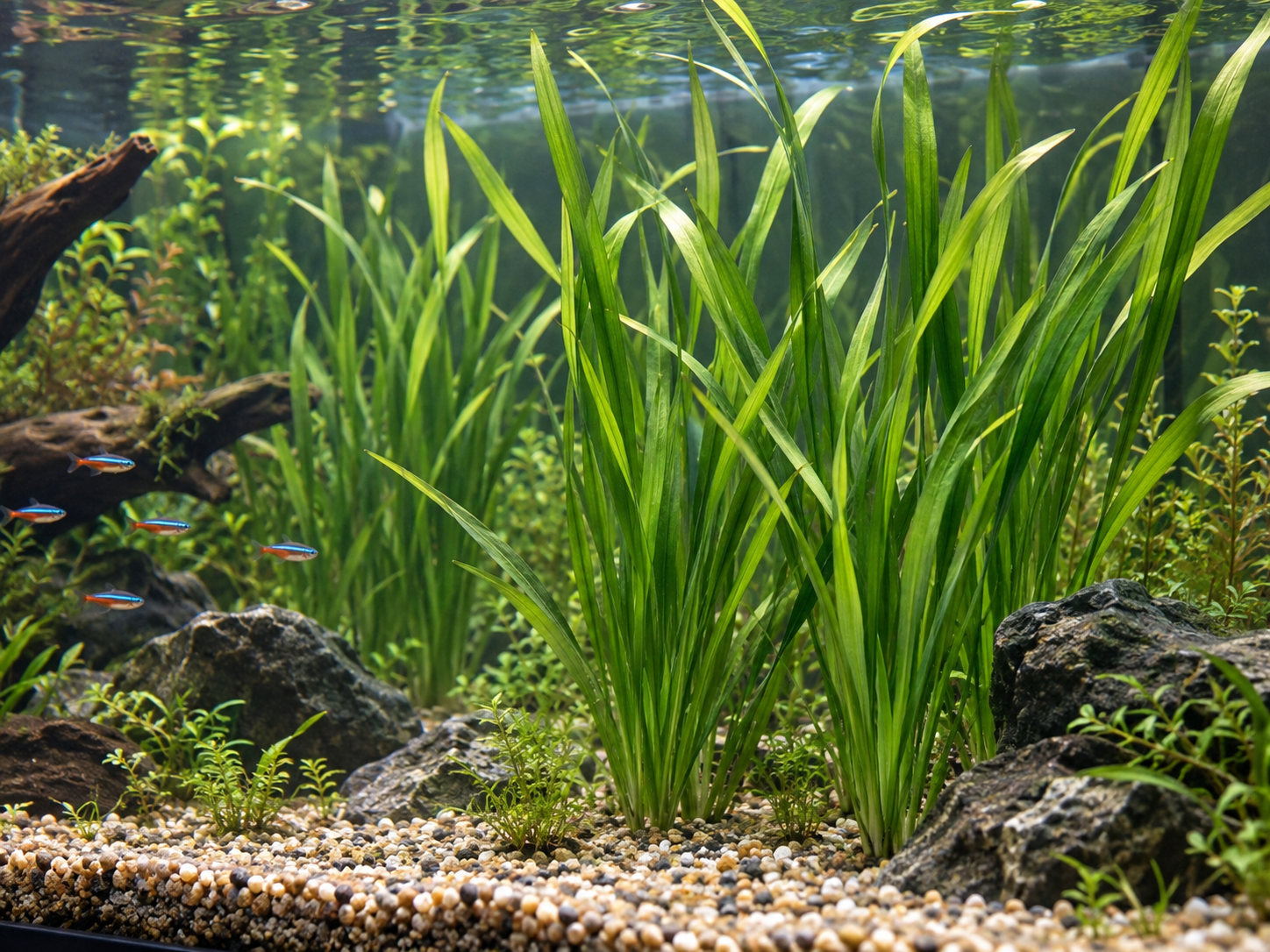
Vallisneria Americana
Best for: Easy background planting in freshwater aquariums
As an Amazon Associate, we earn from qualifying purchases.
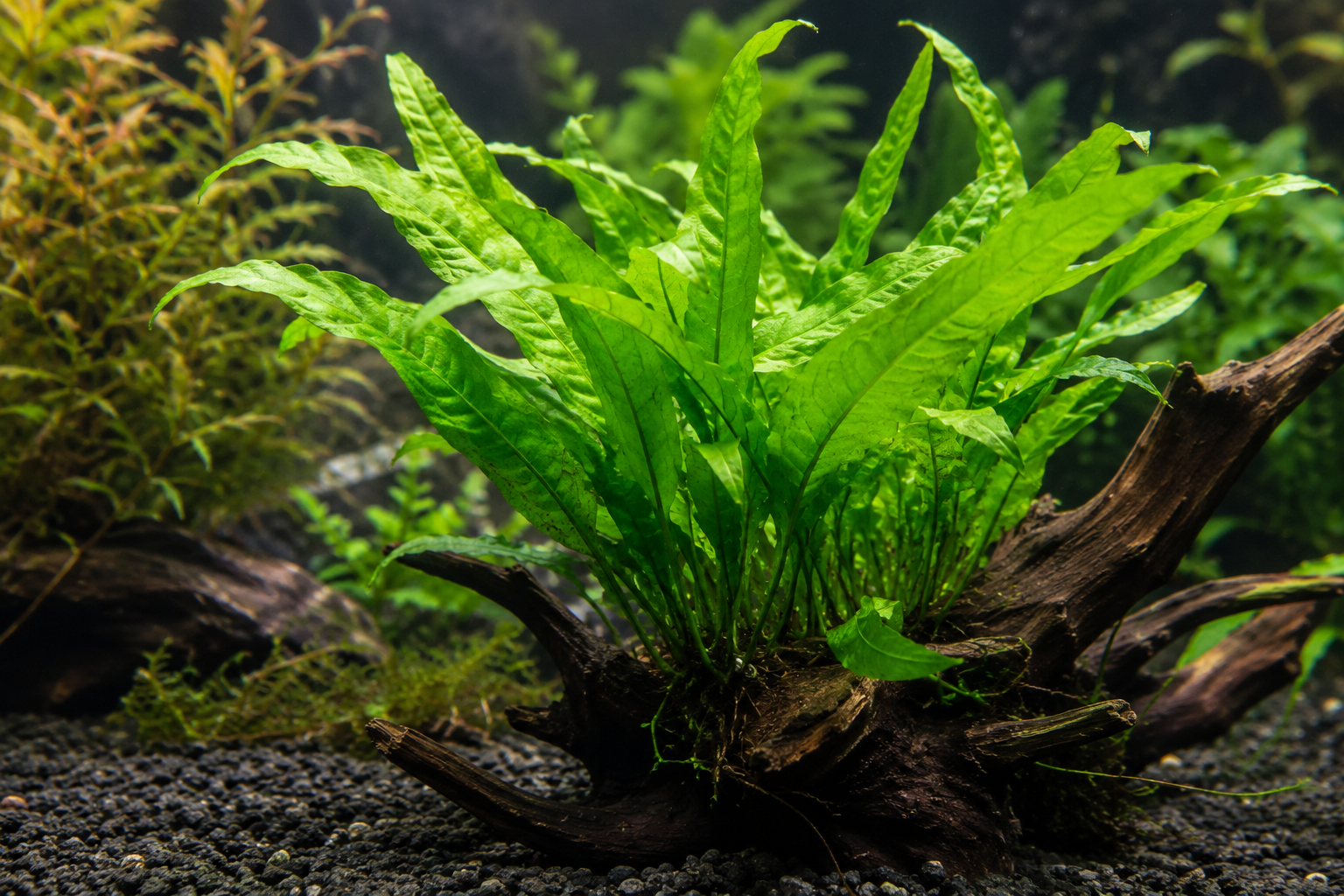
Java Fern
Best for: Beginners, low-tech aquariums and attaching to rocks or driftwood
As an Amazon Associate, we earn from qualifying purchases.
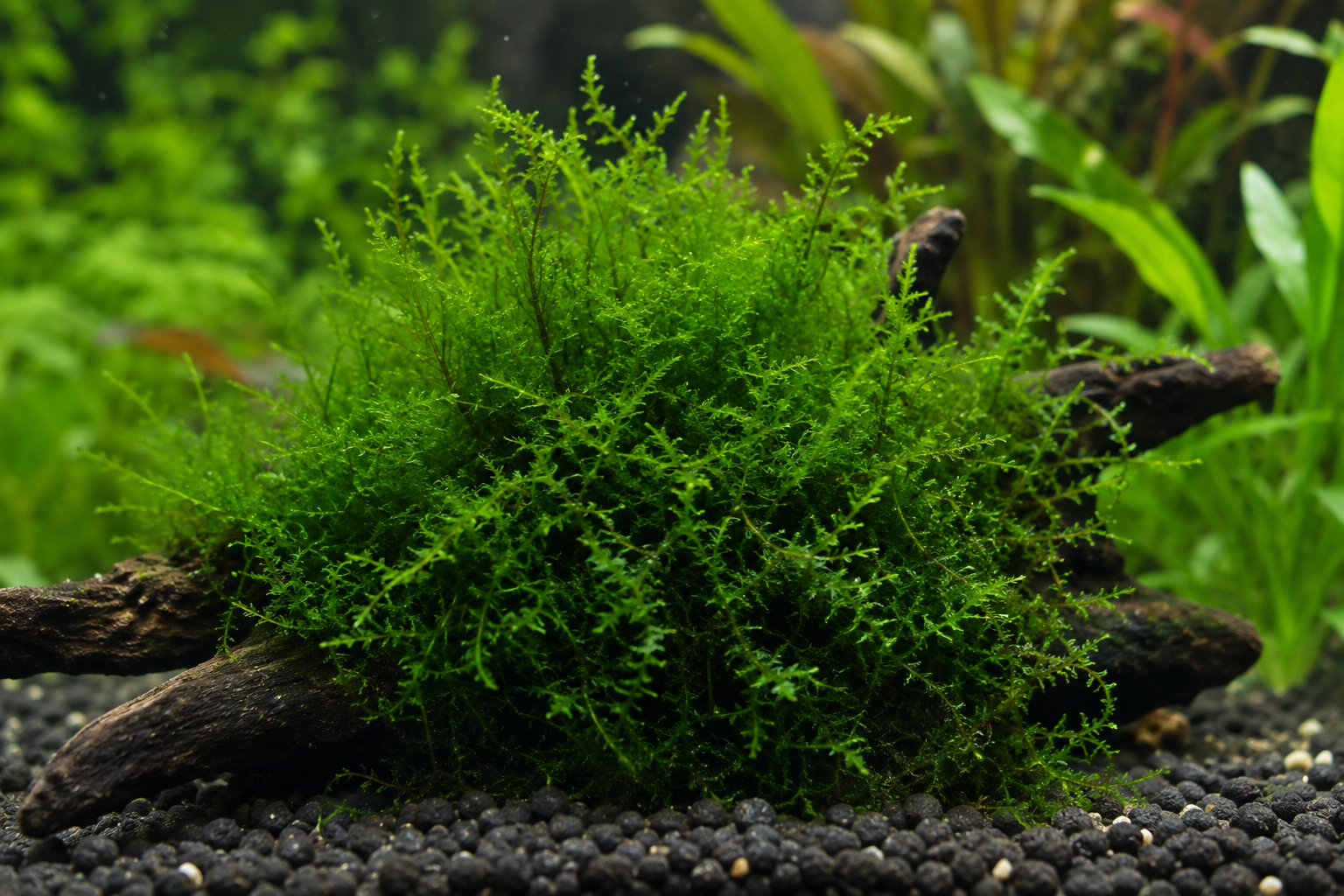
Java Moss
Best for: Beginners, shrimp tanks, breeding aquariums and natural aquascapes
As an Amazon Associate, we earn from qualifying purchases.
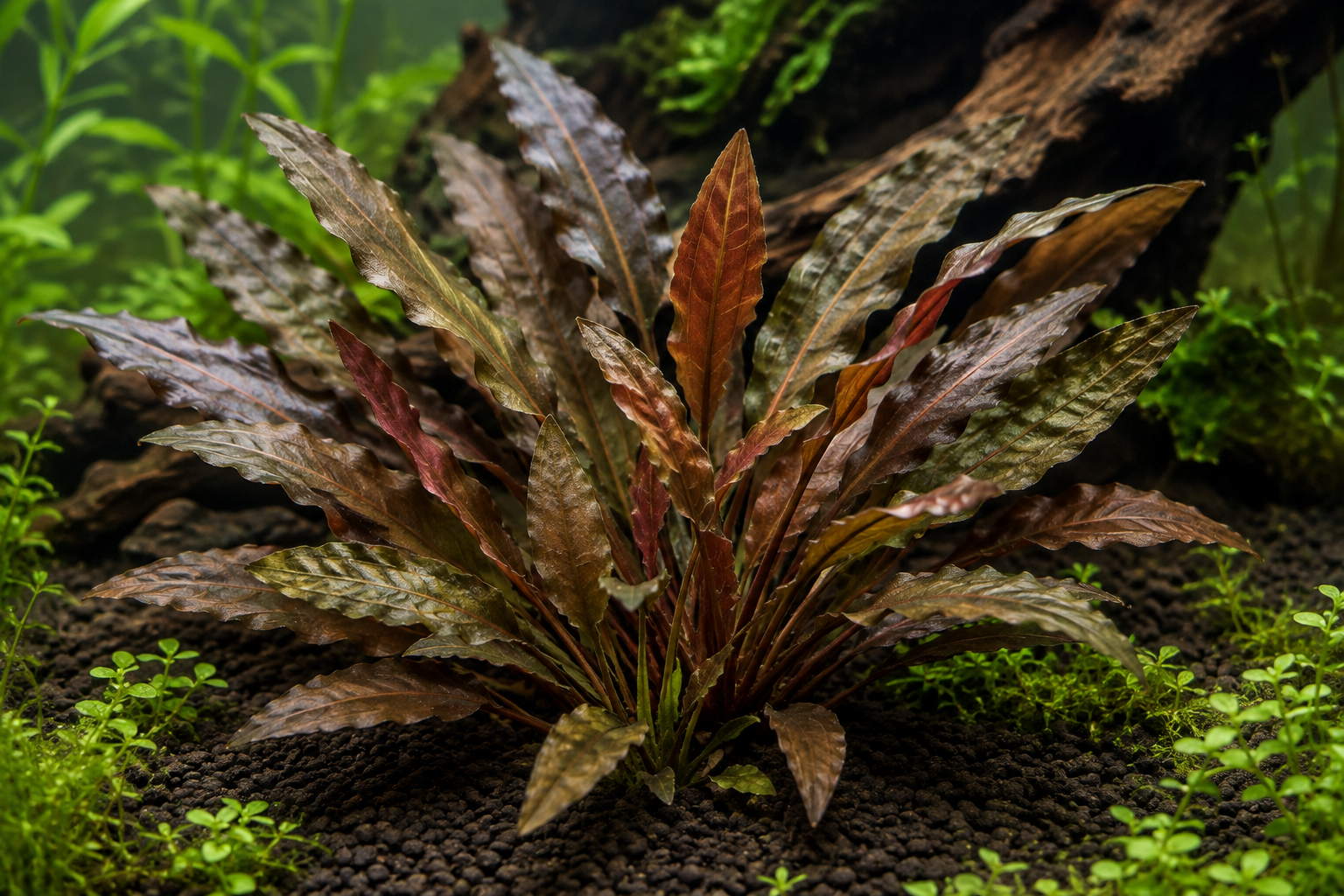
Cryptocoryne Wendtii Brown
Best for: Low-tech aquariums, beginners and midground planting
As an Amazon Associate, we earn from qualifying purchases.
Esha
ESHA Aqua Quicktest
Best for: Fast routine water-quality checks in freshwater aquariums.
As an Amazon Associate, we earn from qualifying purchases.
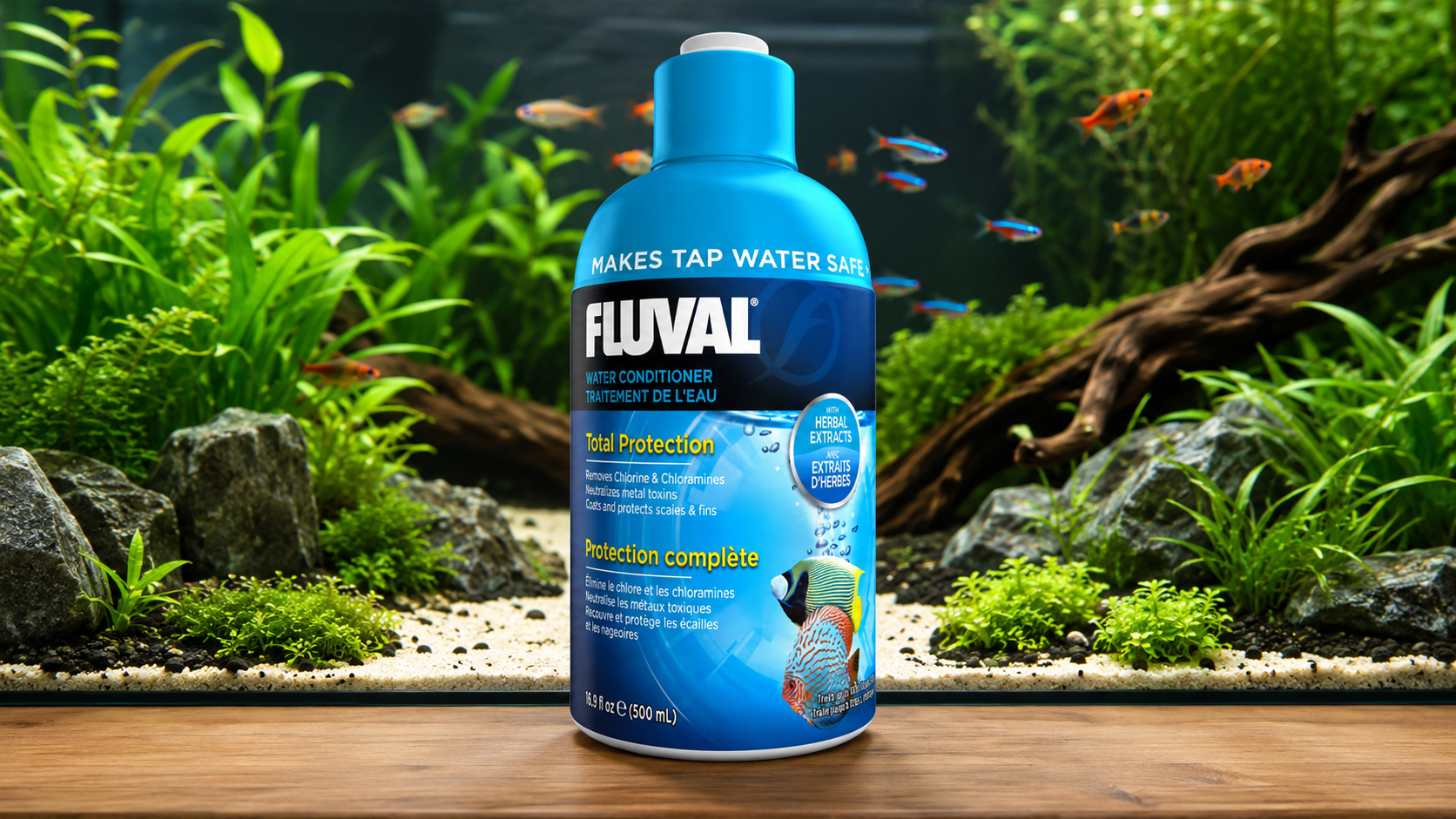
Fluval
Fluval Aqua Plus 500ml aquarium water conditioner
Best for: Routine water changes in freshwater and tropical aquariums
As an Amazon Associate, we earn from qualifying purchases.
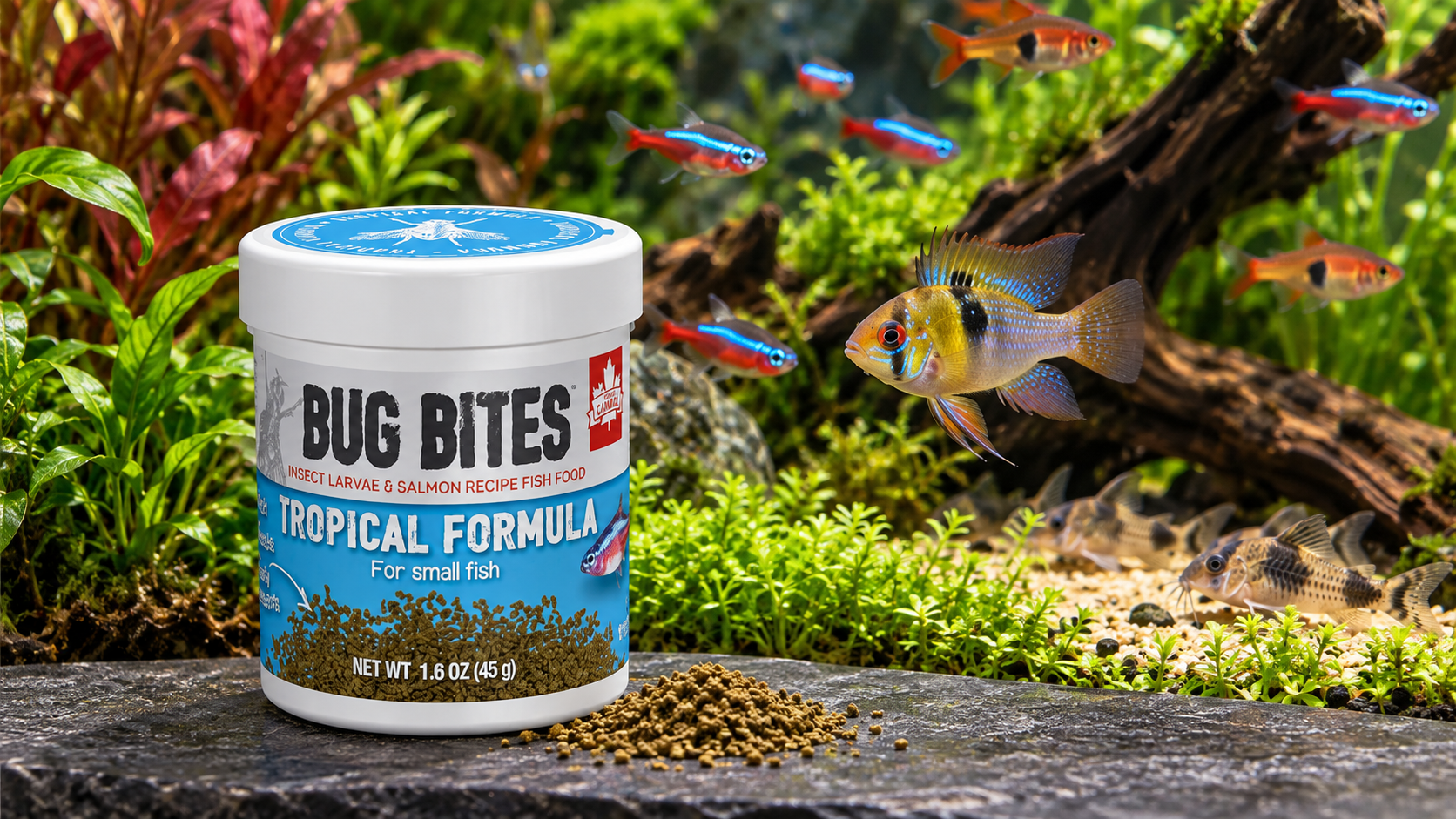
Fluval
Fluval Bug Bites Tropical Formula for small fish
Best for: Small tropical fish and dwarf cichlids
As an Amazon Associate, we earn from qualifying purchases.
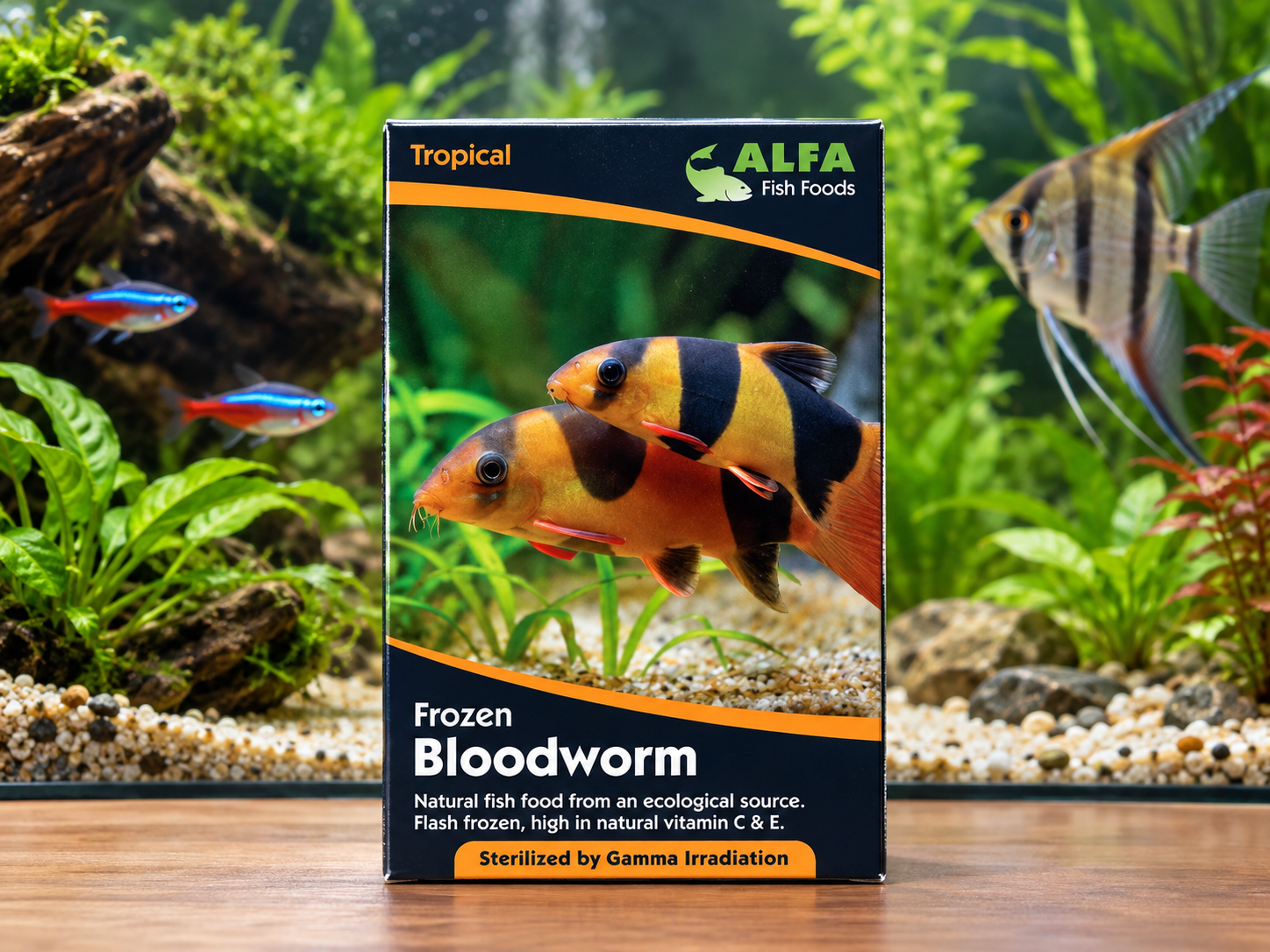
ALFA
Frozen Bloodworm Fish Food 10 Pack
Best for: Adding variety to tropical and coldwater fish diets
As an Amazon Associate, we earn from qualifying purchases.