Sarasa Comet Care Guide: The Ultimate Pond & Tank Guide
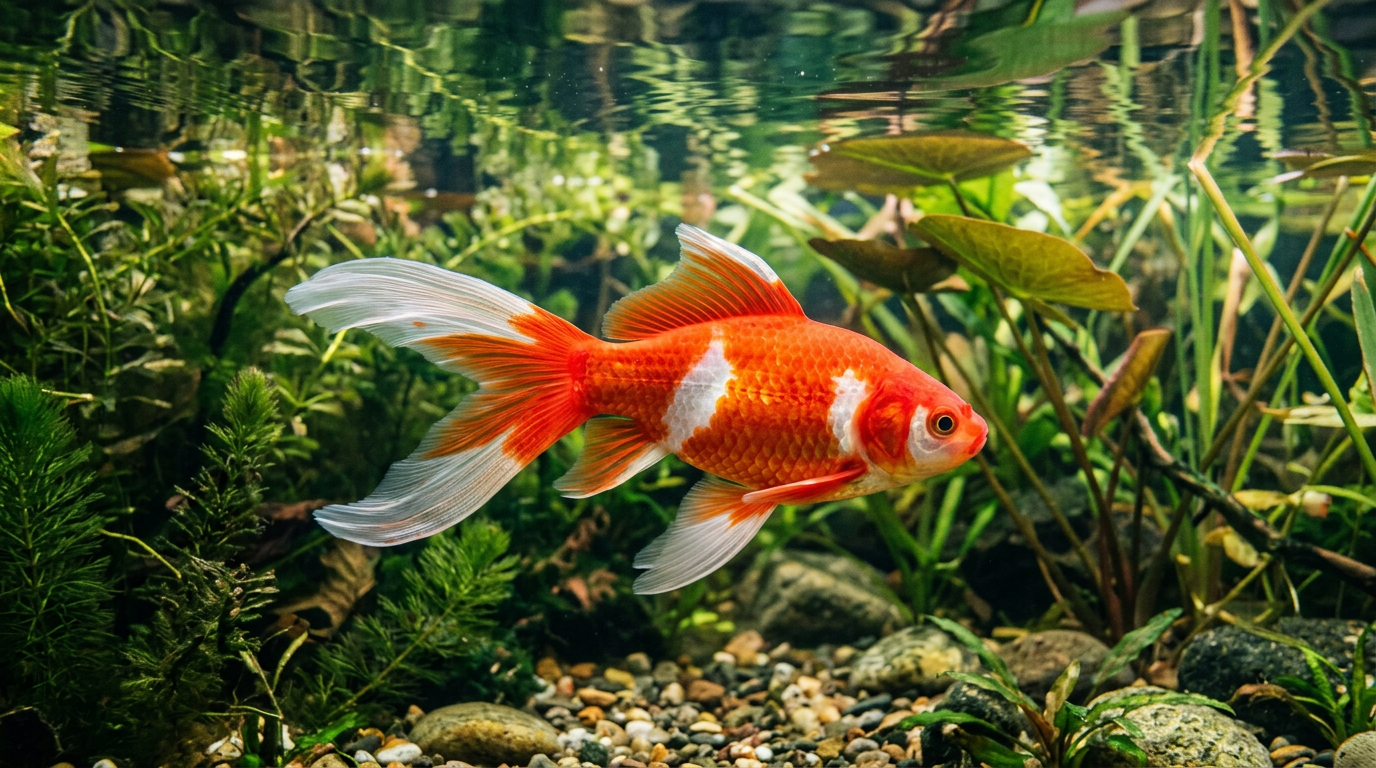
The Sarasa Comet is a breathtakingly vibrant variety of goldfish known for its striking red-and-white patterns and graceful, flowing fins. These hardy fish are perfect for both beginners and advanced keepers, offering a splash of elegance to garden ponds and large indoor aquaria alike.
The Ultimate Sarasa Comet Care Guide: Elegance in Motion
When it comes to hardy, visually stunning fish that bridge the gap between indoor aquaria and outdoor garden ponds, few species can compete with the Sarasa Comet (Carassius auratus). Distinguished by its brilliant "lipstick red" and snow-white coloration, the Sarasa Comet is a long-bodied goldfish variety that brings energy and grace to any aquatic environment.
Originally developed in Japan, the Sarasa Comet is a descendant of the common goldfish but features a more streamlined body and a deeply forked, flowing tail. Because of their stamina and tolerance for temperature fluctuations, they have become a staple in the UK aquatic hobby. Whether you are looking to start your first pond or want a centerpiece for a large cold-water tank, understanding how to keep Sarasa Comets is the first step toward a thriving aquatic display.
Physical Characteristics of the Sarasa Comet
The most defining feature of the Sarasa Comet is its bi-colour pattern. Unlike the solid orange of the standard Comet goldfish, the Sarasa must exhibit clear, distinct patches of red on a white base.
- Body Shape: They possess a sleek, torpedo-shaped body that allows them to be incredibly fast swimmers.
- Fins: They are characterized by long, flowing fins, particularly the caudal (tail) fin, which is deeply forked and can grow to be nearly as long as the body itself.
- Size: In a well-maintained environment, a Sarasa Comet can easily reach 10 to 12 inches (25-30 cm) in length.
- Lifespan: With proper Sarasa Comet care, these fish can live for 10 to 15 years, with some individuals reaching 20 years in optimal pond conditions.
Behavior and Temperament
The Sarasa Comet is a peaceful, social, and highly active species. Unlike fancy goldfish (such as Orandas or Ranchus), which are slow and clumsy, Comets are agile and energetic. They spend much of their day foraging and swimming through all levels of the water column.
Because they are social creatures, they should never be kept alone. They thrive in groups and exhibit schooling-like behavior, especially in larger ponds. However, their speed can be a problem if housed with slower-moving fish, as they may inadvertently outcompete them for food.
Why Choose a Sarasa Comet?
Keeping Sarasa Comets is rewarding for several reasons:
- Hardiness: They are incredibly resilient to varying water conditions.
- Visibility: Their bright red-and-white patterns make them easy to spot from above in a pond.
- Personality: They can become quite tame, often learning to recognize their owners and even feeding from the hand.
🌍 Natural Habitat
Natural Habitat and Replicating it for Sarasa Comets
While the Sarasa Comet is a man-made variety, its ancestors hailed from slow-moving or stagnant waters in East Asia. To replicate this, they require high oxygen levels and plenty of space to swim.
In the UK, they are most commonly kept in garden ponds. A pond for Sarasa Comets should be at least 18-24 inches deep to ensure they can survive the winter months when the surface may freeze. If kept indoors, a very large tank is required to accommodate their size and activity level.
Water Parameters:
- Water Temperature: 10°C to 24°C (50°F - 75°F). They can tolerate lower temperatures in winter if the pond does not freeze solid.
- pH Level: 6.5 – 8.0 (7.4 is considered ideal).
- Water Hardness: 5 – 19 dGH.
- Ammonia/Nitrite: 0 ppm.
- Nitrate: < 20 ppm.
🏠 Care Requirements
Comprehensive Sarasa Comet Care Requirements
Tank and Pond Size: Due to their size and high waste production, the Sarasa Comet is not suitable for small bowls or nano tanks.
- Minimum Tank Size: 200 litres (approx. 55 gallons) for a single fish, with an additional 50-75 litres for each subsequent fish.
- Pond Size: A minimum of 1,000 litres is recommended for a small group.
Filtration: Goldfish are notorious for being 'messy' eaters and producing significant bio-load. A high-quality external canister filter or a robust pond pressure filter is essential. The filtration system should be rated for at least double the volume of the tank or pond to handle the waste effectively.
Substrate and Decor: In tanks, use large, smooth gravel or fine sand. Avoid sharp rocks that could tear their long, delicate fins. In ponds, a bare bottom or large river stones work well.
Plants: Sarasa Comets love to forage, which often involves uprooting plants. Use hardy species like Anubias, Java Fern, or Hornwort. In ponds, Lilies provide excellent shade and protection from predators like herons.
Maintenance Schedule:
- Weekly: 25-30% water change for indoor tanks.
- Monthly: Check filter media and rinse in dechlorinated water; test water parameters.
- Seasonally (Ponds): Remove fallen leaves in autumn and perform a partial water change in spring.
🐟 Compatible Tank Mates
Selecting the Best Tank Mates for Sarasa Comets
When considering how to keep Sarasa Comets with other fish, the primary rule is to match speed and size.
Compatible Species:
- Common Goldfish & Shubunkins: These share the same body shape and energy levels.
- Rosy Barbs: In large indoor setups, these can work well as they are also temperate-water fish.
- Weather Loaches: Excellent bottom-dwellers that thrive in the same temperature range.
- Koi: In large ponds, Sarasa Comets coexist peacefully with Koi, though Koi will eventually grow much larger.
Incompatible Species:
- Fancy Goldfish: Species like Fantails or Telescopes are too slow and will be outcompeted for food by the agile Sarasa Comet.
- Tropical Fish: Guppies, Tetras, and Bettas require much warmer water and may be eaten by an adult Comet.
- Small Invertebrates: Tiny shrimp will likely become a snack.
🍽️ Diet & Feeding
Sarasa Comet Diet and Nutrition
The Sarasa Comet is an omnivore with a hearty appetite. To maintain their vibrant red coloration, their diet should be rich in carotenoids.
Food Types:
- High-Quality Pellets/Flakes: Use a staple goldfish food. Sinking pellets are often preferred for indoor tanks to prevent the fish from gulping air at the surface.
- Live/Frozen Foods: Bloodworms, daphnia, and brine shrimp provide essential protein for growth.
- Vegetables: They enjoy blanched peas (deshelled), spinach, and zucchini, which help prevent constipation and swim bladder issues.
Feeding Frequency:
- Adults: Feed 2-3 times daily, only as much as they can consume in 2 minutes.
- Pond Fish: In winter (below 10°C), their metabolism slows down significantly. Switch to a wheatgerm-based food or stop feeding entirely if they become dormant.
💕 Breeding Guide
How to Breed Sarasa Comet Goldfish
Breeding Sarasa Comets is relatively straightforward, especially in a pond setting during the spring.
- Conditioning: Feed high-protein live or frozen foods as the water temperature begins to rise above 15°C.
- Spawning Behavior: The male will develop small white bumps (nuptial tubercles) on his gill covers and pectoral fins. He will begin chasing the female, nudging her abdomen to encourage egg release.
- The Spawn: Females scatter thousands of adhesive eggs over fine-leaved plants or spawning mops.
- Fry Care: Adult goldfish will eat their own eggs and fry. For successful rearing, move the eggs to a separate hatching tank. Eggs hatch in 4-7 days depending on temperature. Feed the fry 'infusoria' or liquid fry food initially, moving to baby brine shrimp as they grow.
✨ Fun Facts
["The name 'Sarasa' translates from Japanese to describe a printed calico cloth, referring to their unique red-and-white patterns.","Unlike many goldfish, Sarasa Comets are prized for their 'lipstick' markings—red patches specifically around the mouth.","They are one of the fastest varieties of goldfish thanks to their streamlined body and powerful tail.","Sarasa Comets can recognize their owners and are known to 'beg' for food at the surface.","They are descendants of the Prussian Carp and were selectively bred for centuries to achieve their current look.","A healthy Sarasa Comet can grow up to 12 inches, making them one of the larger goldfish varieties available."]
Products We've Mentioned & Recommend
Below you'll find a selection of products we've mentioned in this article, along with a few others we think you might find useful. We've included Amazon links to make them easy to find.
A quick word about affiliate links...
Some of these links are affiliate links, which means we may earn a small commission from qualifying purchases, at no extra cost to you.
Unfortunately, the commission doesn't quite stretch to cocktails on a yacht or a garage full of sports cars. In reality, it helps cover the running costs of this website and, with a bit of luck, might eventually buy me a new pair of waders that don't leak!
We only recommend products we genuinely believe are worth considering, and your support helps us keep sharing free advice from our years of working with aquariums and ponds.
Thanks for supporting Aquatic Specialist!
As an Amazon Associate I earn from qualifying purchases.
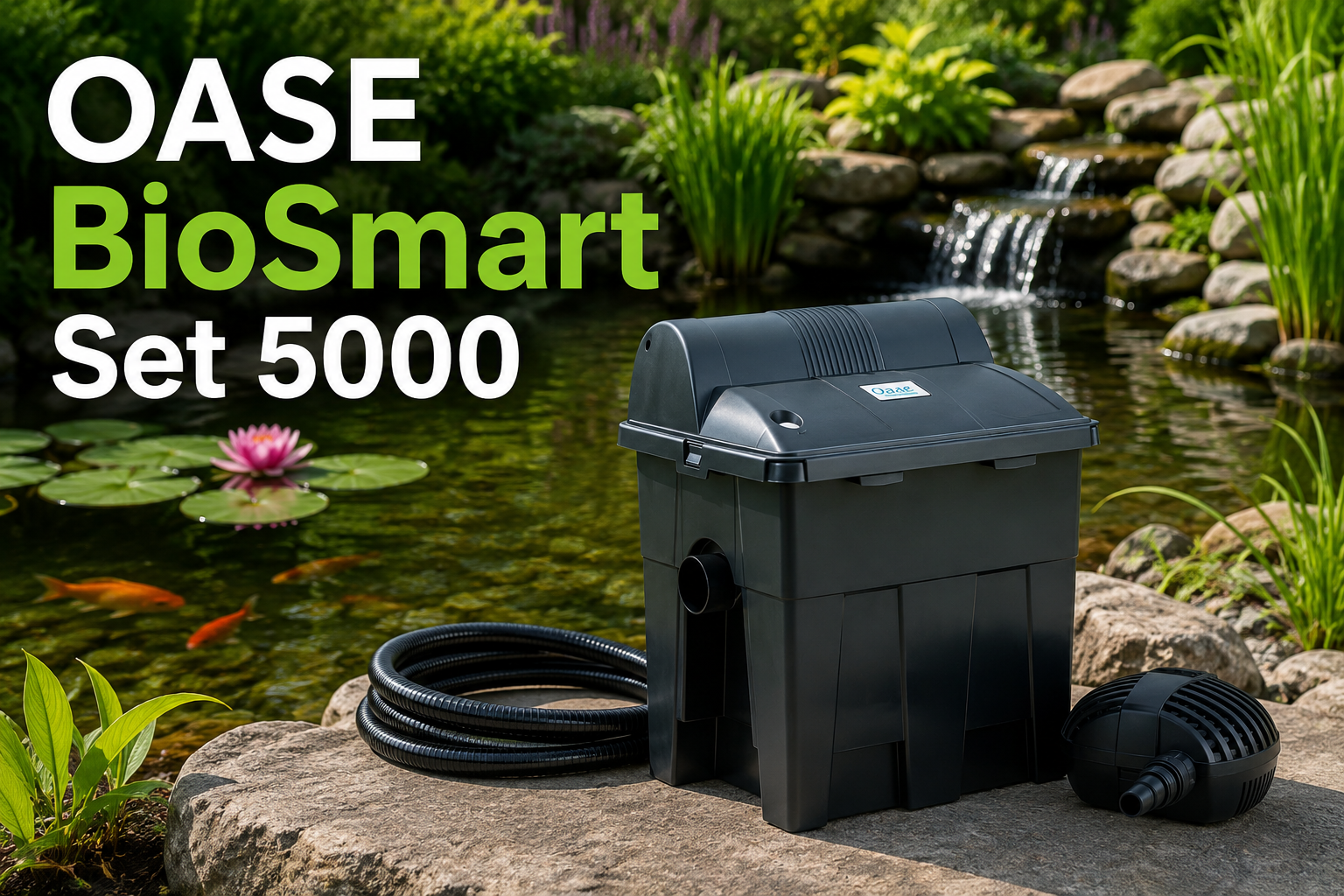
Oase BioSmart 5000 Pond Filter
Flow-through pond filter with integrated UVC clarifier for crystal clear water.
Search on Amazon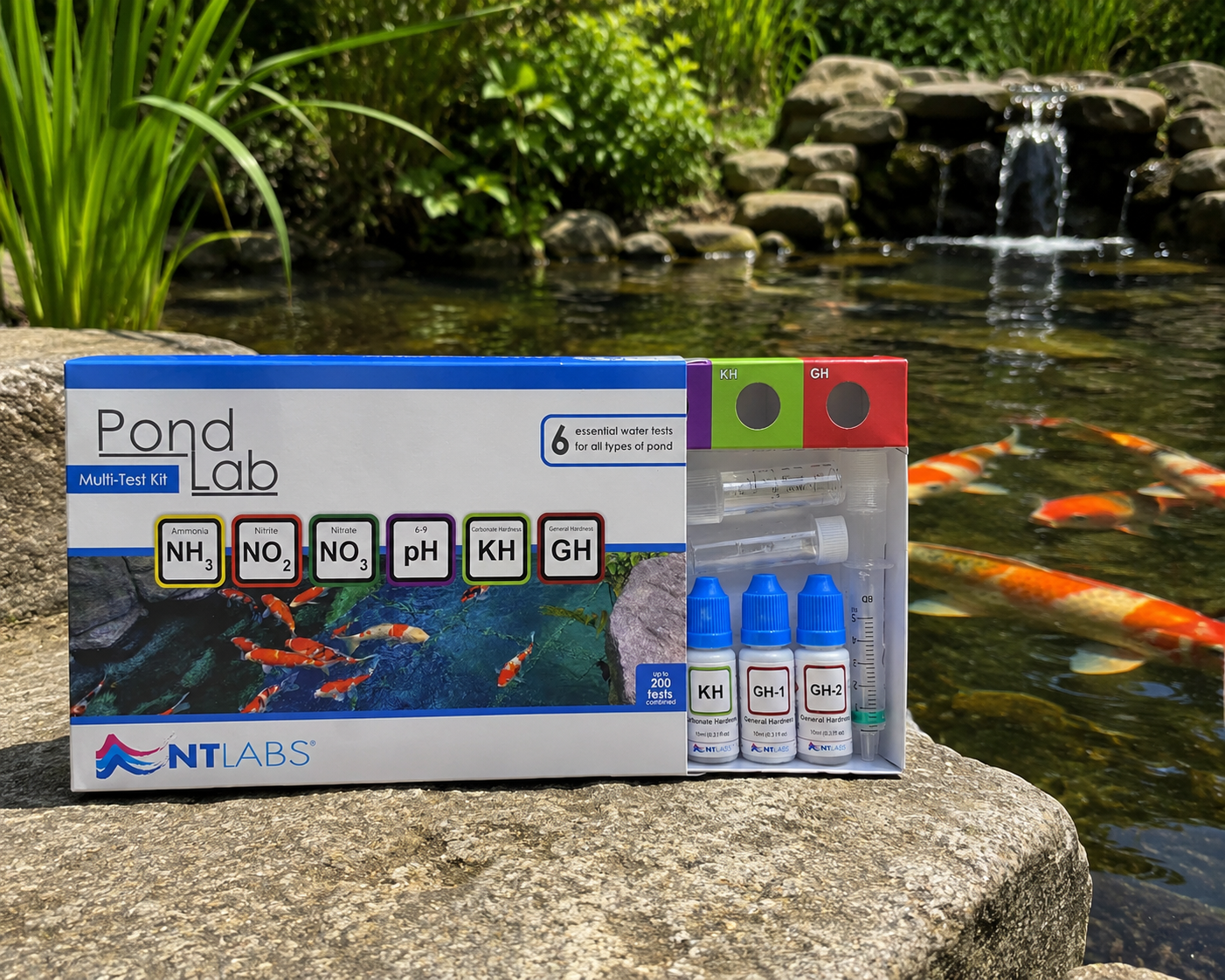
NT Labs Pond Lab Multi-Test Kit
Comprehensive pond water testing kit. Tests all essential parameters including ammonia, nitrite, nitrate, pH, and KH.
Search on AmazonAffiliate Disclosure: As an Amazon Associate, we earn commission from qualifying purchases made through these links at no extra cost to you.
Related Topics:
Need Help With Your Sarasa Comet?
Our expert team can help you create the perfect environment for your aquatic pets, with professional aquarium maintenance across Bournemouth, Poole and Dorset.
GET IN TOUCH