Royal Gramma Care Guide: Keeping the Gramma loreto
The Royal Gramma is arguably the most iconic beginner-friendly marine fish, boasting a stunning bicolour purple and yellow aesthetic. This hardy species is the perfect addition to any reef tank, offering vibrant movement and a peaceful temperament that suits both novices and experts alike.
Introduction to the Royal Gramma (Gramma loreto)
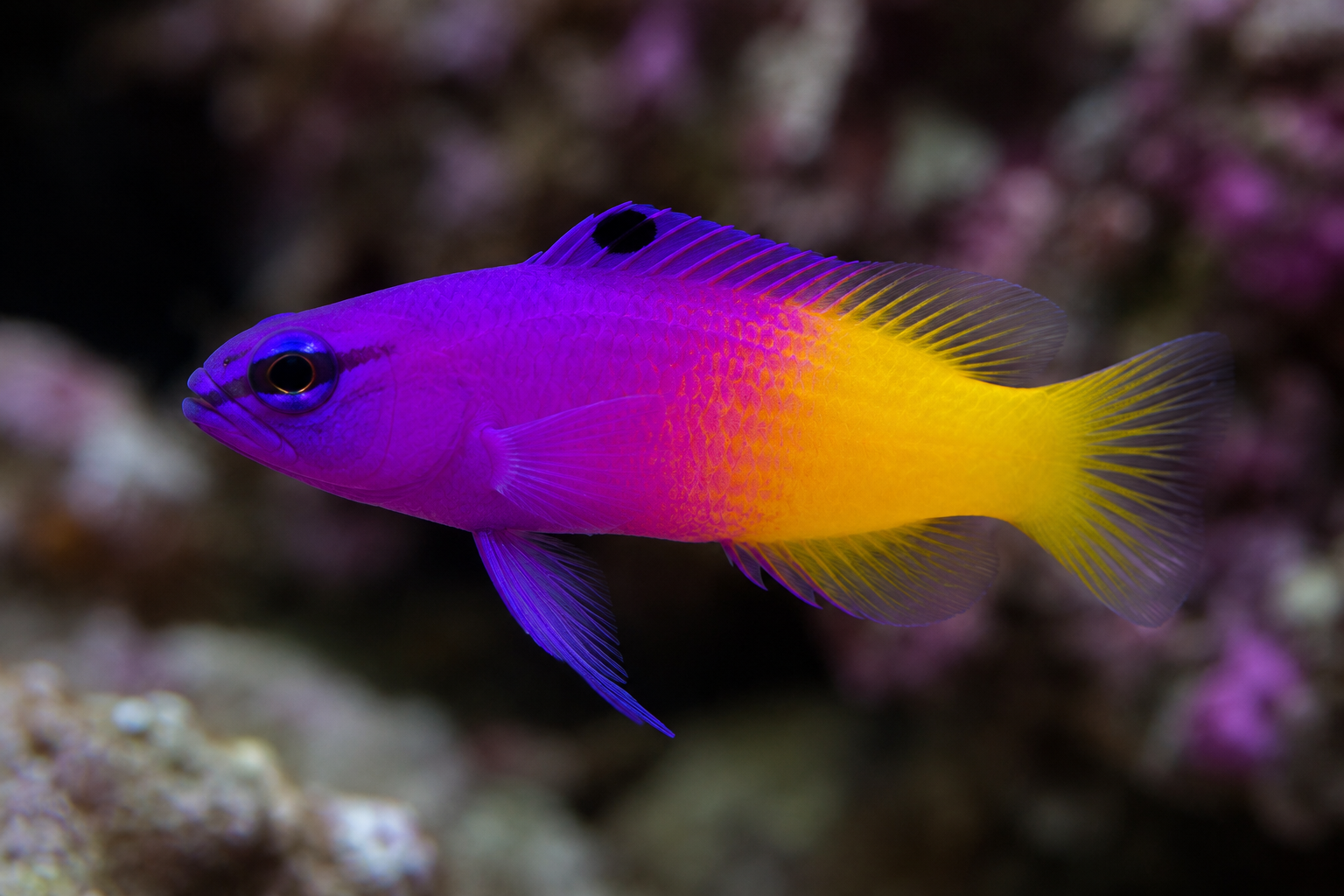
The Royal Gramma, scientifically known as Gramma loreto, is a jewel of the Western Atlantic. Known for its striking split-colouration—vibrant violet on the front half and sun-yellow on the rear—this species has become a staple in the marine aquarium hobby. Whether you are setting up your first nano reef or managing a large community system, understanding how to keep a Royal Gramma is essential for long-term success.
Physical Characteristics
The Royal Gramma is a small, slender fish that typically reaches a maximum size of 3 inches (8 cm). One of its most distinctive features, aside from its neon colours, is the small black eyespot located on the front of its dorsal fin. This is a natural defense mechanism intended to confuse predators. They also possess a unique 'broken' lateral line and a relatively large mouth for their size, which they use to threaten intruders by yawning widely.
Temperament and Behavior
In the wild, Gramma loreto is known for its peculiar swimming habits. They are often found hovering upside down under ledges or vertically against rock faces. In the home aquarium, this behavior continues, making them fascinating to watch.
While generally peaceful toward other species, the Royal Gramma can be territorial toward its own kind or fish that look similar (like the False Gramma or Dottybacks). They are 'cave dwellers' and will claim a specific hole in the rockwork as their home, defending it with open-mouthed displays if another fish gets too close.
Why the Royal Gramma is Perfect for Reef Tanks
One of the primary reasons for the popularity of the Royal Gramma care guide search is the species' reef-safe nature. They do not nip at corals, clams, or ornamental invertebrates. They act as a 'dither fish,' providing movement in the lower to middle sections of the water column, which can help more timid fish feel secure enough to swim in the open.
🌍 Natural Habitat
Natural Habitat
The Royal Gramma is native to the tropical waters of the Western Central Atlantic, ranging from the Bahamas and Bermuda to the Caribbean and the northern coast of South America. They are typically found at depths between 1 and 40 metres, usually tucked away in coral reefs or rocky outcrops.
Replicating the Environment in Captivity
To keep a Royal Gramma healthy, you must provide an environment rich in 'nooks and crannies.' Use high-quality live rock or dry rock to create caves, overhangs, and tunnels. This allows the fish to display its natural hovering behavior and provides a sense of security.
Water Parameters
Maintaining stable water chemistry is vital for the Royal Gramma. Aim for the following parameters:
- Temperature: 22°C to 27°C (72°F to 80°F)
- Salinity / Specific Gravity: 1.020 to 1.025
- pH: 8.1 to 8.4
- Alkalinity: 8 to 12 dKH
- Ammonia/Nitrite: 0 ppm
- Nitrate: < 20 ppm
🏠 Care Requirements
Tank Size
For a single Royal Gramma, a minimum tank size of 115 litres (30 gallons) is recommended. While they are small, they require enough territory to feel secure. In smaller nano tanks, they may become more aggressive toward tank mates due to limited space.
Filtration and Lighting
Standard reef-grade filtration is required. Protein skimmers are highly recommended to keep oxygen levels high and organic waste low. Lighting should be moderate; while the fish can tolerate high-intensity reef lights, they must have shaded areas or caves to retreat to during the day.
Substrate and Maintenance
A sandy or fine gravel substrate is ideal. Maintenance should include bi-weekly water changes of 10-15% to ensure trace elements are replenished and nitrates remain low. Regularly check that the rockwork is secure, as the Royal Gramma may occasionally move small pieces of rubble to 'decorate' its cave.
🐟 Compatible Tank Mates
Compatible Species
The Royal Gramma is an excellent community fish. Ideal tank mates include:
- Clownfish: Most species (Ocellaris, Percula) coexist peacefully.
- Blennies and Gobies: These bottom-dwellers rarely interact with the Gramma.
- Cardinalfish: Peaceful mid-water swimmers like the Banggai Cardinal.
- Tangs and Angelfish: In larger systems, these larger fish are ignored by the Gramma.
Species to Avoid
- Other Grammas: Unless the tank is very large (over 400 litres), do not keep more than one Royal Gramma. They will fight for territory.
- Dottybacks: Species like the Orchid Dottyback look too similar and will result in aggression.
- Aggressive Predators: Large Groupers or Lionfish will view the Royal Gramma as a snack.
- Six-Line Wrasse: Can sometimes be overly aggressive toward the Royal Gramma in smaller setups.
🍽️ Diet & Feeding
Feeding Your Royal Gramma
The Royal Gramma is a carnivore and an opportunistic planktivore. In the wild, they feed on zooplankton and occasionally act as 'cleaners,' picking parasites off other fish.
Recommended Foods
To maintain their vibrant purple and yellow hues, provide a varied diet:
- Frozen Foods: Mysis shrimp, enriched Brine shrimp, and finely chopped krill.
- High-Quality Pellets/Flakes: Ensure these are formulated for marine carnivores.
- Vitamin Supplements: Occasionally soaking food in Selcon or similar vitamins will boost their immune system.
Feeding Frequency
Feed small amounts 1-2 times per day. Only provide what the fish can consume within two minutes to prevent excess nutrients from fouling the water.
💕 Breeding Guide
Breeding Behavior
Breeding Royal Grammas in captivity is possible but challenging. They are 'nest builders.' The male will construct a nest using small pieces of macroalgae and substrate inside a cave.
The Spawning Process
The male will court the female by leading her to the nest. Once the eggs are laid and fertilized, the male becomes highly protective, guarding the nest for 5 to 7 days until the eggs hatch.
Fry Care
The larvae are extremely small and require specialized live food such as rotifers or copepod nauplii. Raising the fry to adulthood is difficult in a community setting and usually requires a dedicated larval rearing tank with very gentle filtration (sponge filters).
✨ Fun Facts
["Royal Grammas are known to swim upside down under ledges, defying gravity!","They have a 'false eye' spot on their dorsal fin to trick predators into attacking the wrong end.","In the wild, they sometimes act as 'cleaner fish,' removing parasites from larger species.","They are often confused with the Royal Dottyback, which has a much more aggressive temperament.","The Royal Gramma was featured in the movie 'Finding Nemo' as the character Gurgle.","They are incredibly hardy and can live for 5 to 6 years with proper care."]
Products We've Mentioned & Recommend
Below you'll find a selection of products we've mentioned in this article, along with a few others we think you might find useful. We've included Amazon links to make them easy to find.
A quick word about affiliate links...
Some of these links are affiliate links, which means we may earn a small commission from qualifying purchases, at no extra cost to you.
Unfortunately, the commission doesn't quite stretch to cocktails on a yacht or a garage full of sports cars. In reality, it helps cover the running costs of this website and, with a bit of luck, might eventually buy me a new pair of waders that don't leak!
We only recommend products we genuinely believe are worth considering, and your support helps us keep sharing free advice from our years of working with aquariums and ponds.
Thanks for supporting Aquatic Specialist!
As an Amazon Associate I earn from qualifying purchases.
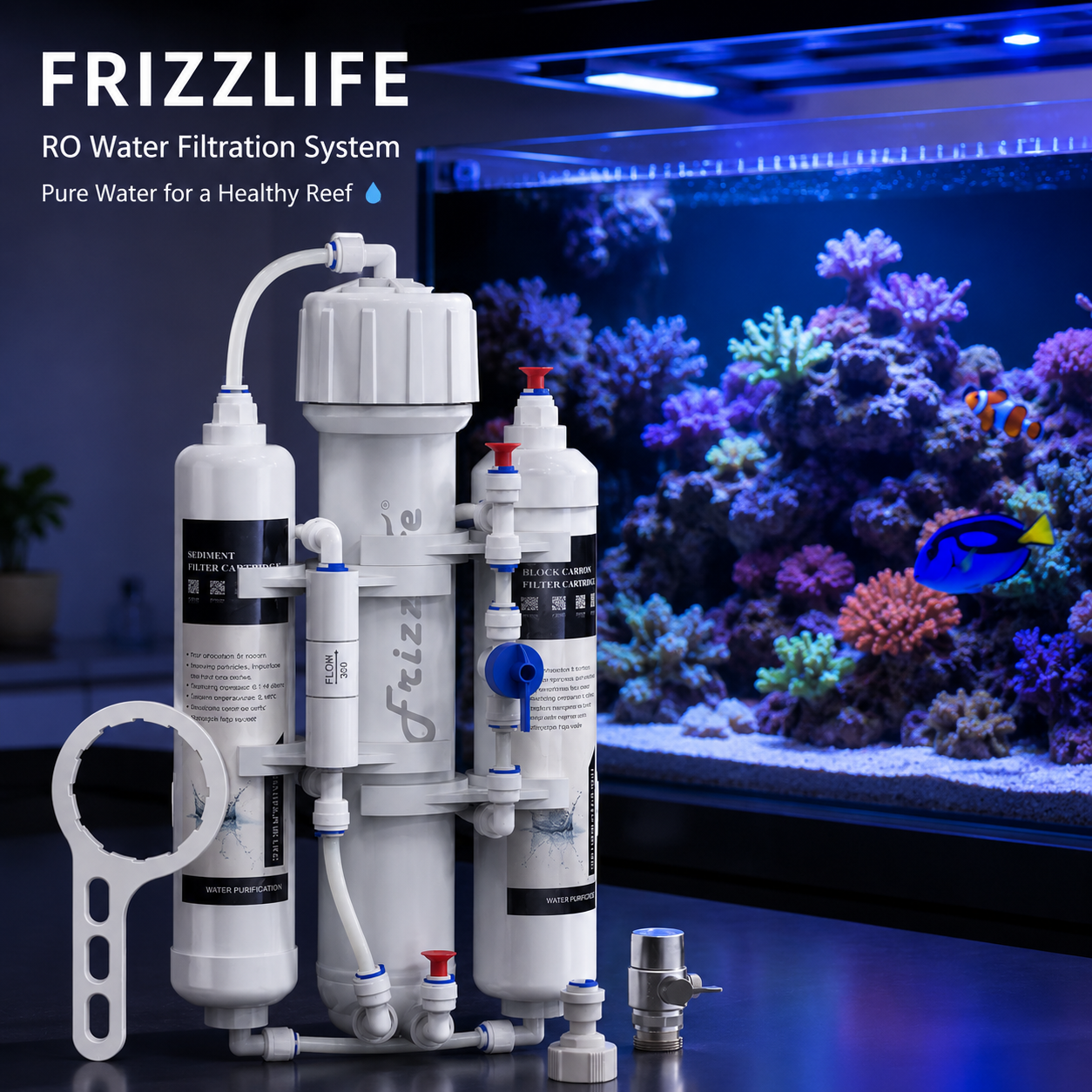
FRIZZLIFE Aquarium Reverse Osmosis System
Compact reverse osmosis (RO) water filtration system for marine and freshwater aquariums. Produces high-purity water by removing chlorine, heavy metals, nitrates, phosphates and other dissolved impurities, helping create the ideal water for reef aquariums and sensitive fish.
Search on Amazon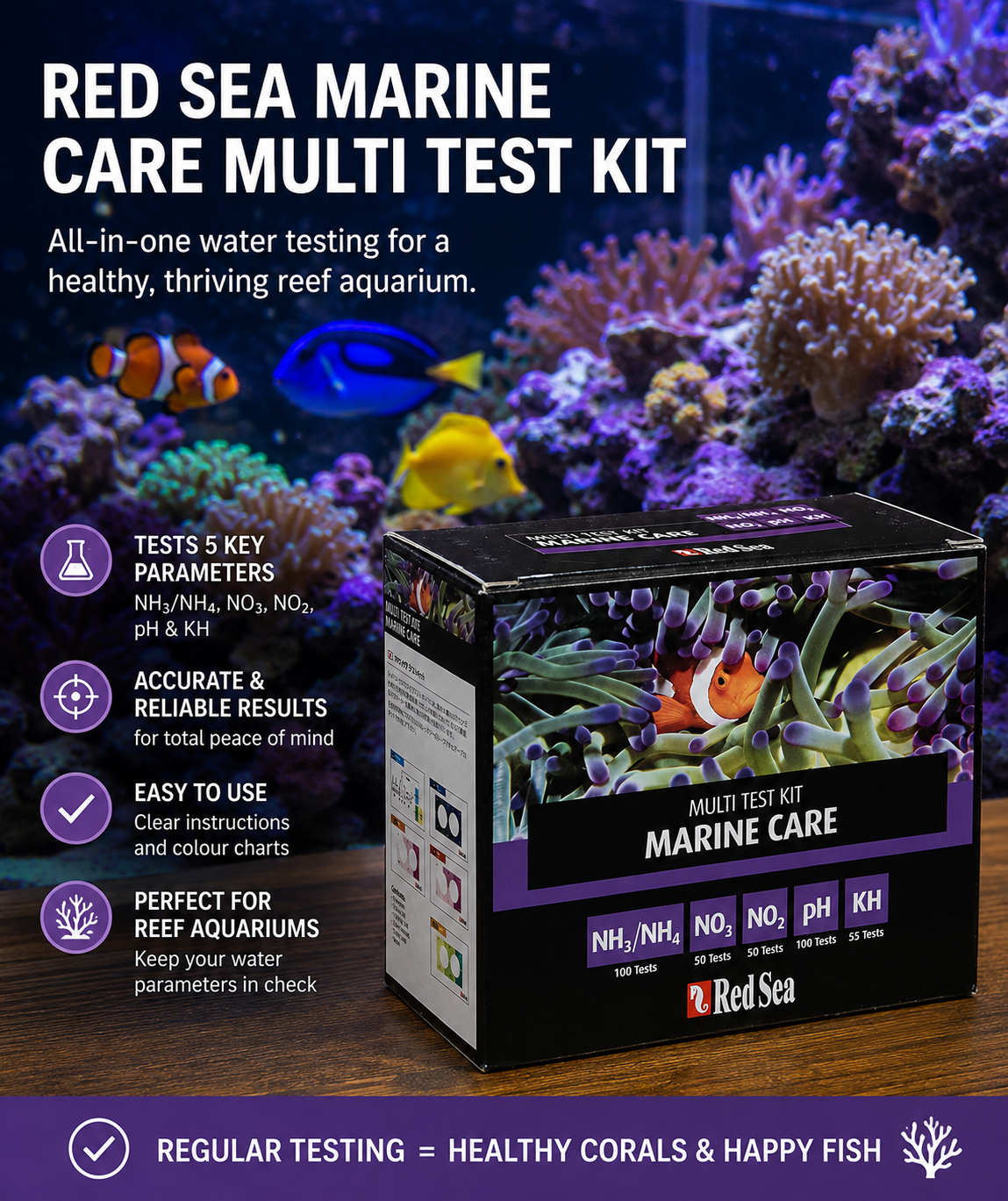
Red Sea Marine Care Test Kit
Professional marine test kit covering pH, ammonia, nitrite, and nitrate. Essential for maintaining a healthy reef environment.
Search on Amazon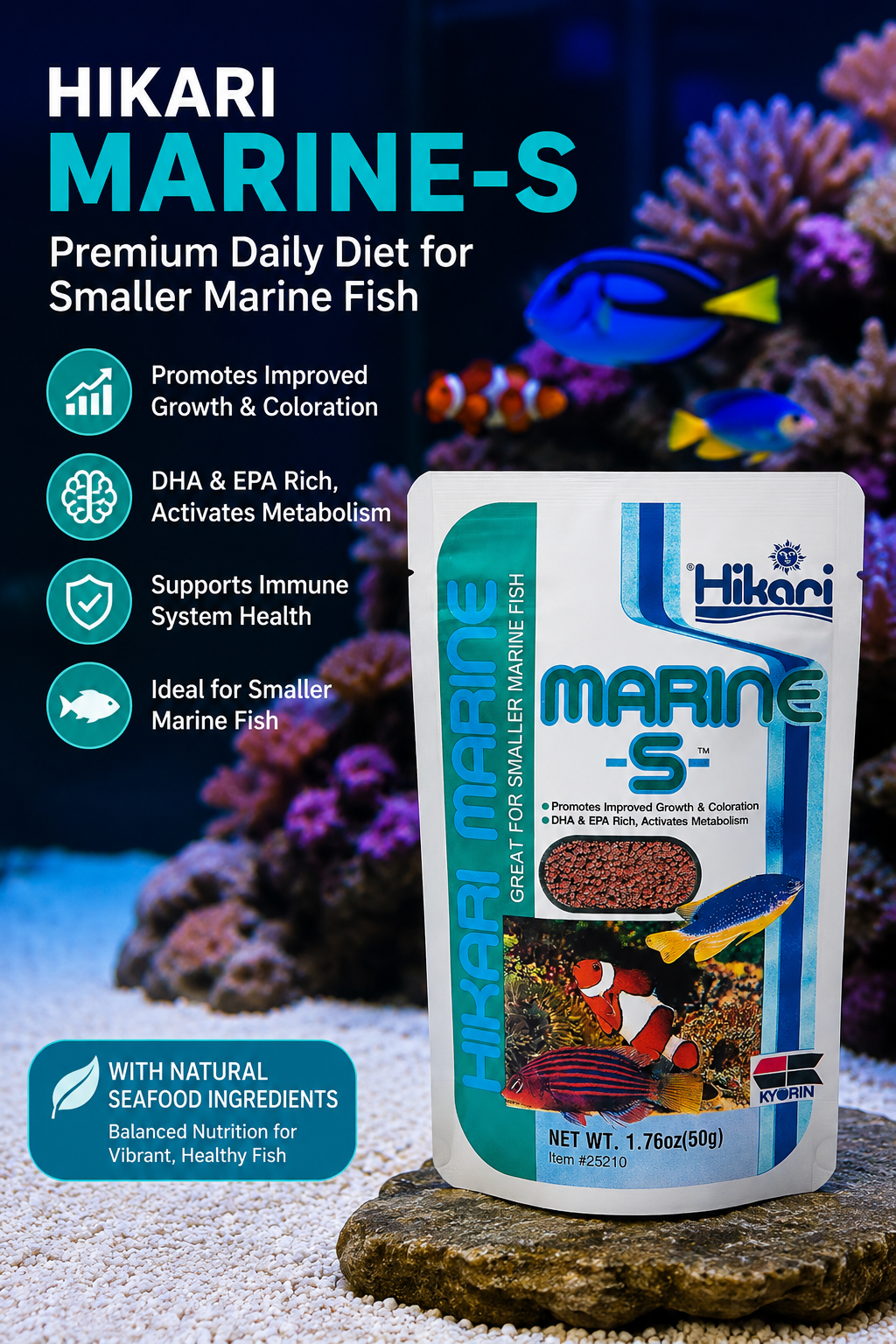
Hikari Marine-S Pellets
Premium daily pellet food specially formulated for smaller marine fish, including Royal Grammas, clownfish, gobies and blennies. Highly digestible, enhances colour, supports immune health and produces less waste for improved water quality.
Search on AmazonAffiliate Disclosure: As an Amazon Associate, we earn commission from qualifying purchases made through these links at no extra cost to you.
Related Topics:
Need Help With Your Royal Gramma?
Our expert team can help you create the perfect environment for your aquatic pets, with professional aquarium maintenance across Bournemouth, Poole and Dorset.
GET IN TOUCH