Discus Fish: The Ultimate Care Guide for Aquarium Success
Known as the 'King of the Aquarium,' Discus fish are the crown jewel of the freshwater hobby, offering unparalleled beauty and graceful behavior. While they have a reputation for being challenging, this comprehensive guide will provide you with the expert knowledge needed to successfully keep these majestic cichlids in your home.
Introduction to the Majestic Discus Fish
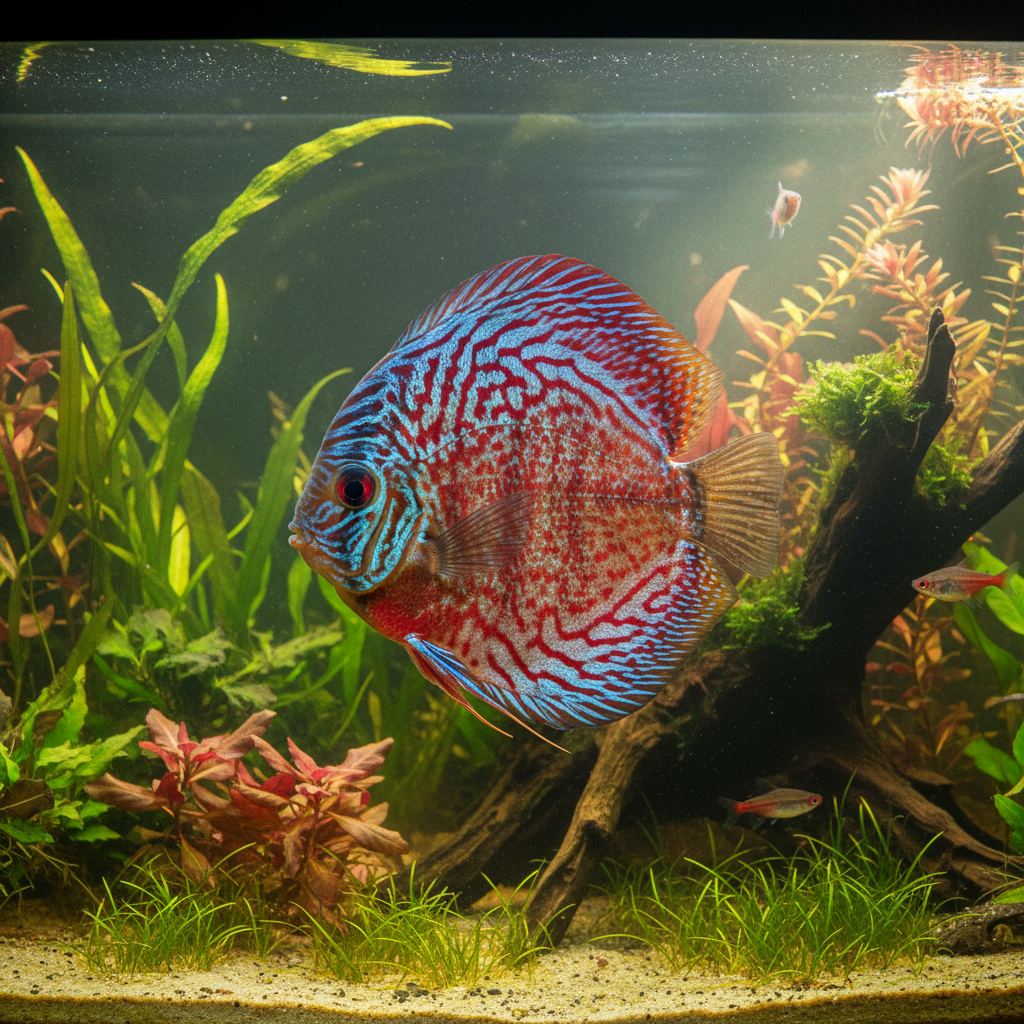
The Discus (Symphysodon) is widely regarded as one of the most beautiful freshwater fish in the world. Originating from the complex river systems of the Amazon basin, these cichlids are famous for their unique disc-like shape, vibrant colors, and intricate patterns. For many aquarists, successfully keeping a thriving Discus tank is a hallmark of skill and dedication.
At Aquatic Specialist UK, we believe that anyone can keep Discus if they understand the biological needs of this species. This care guide will break down everything from water chemistry to social dynamics, ensuring your 'Kings' reign supreme in their aquatic palace.
Physical Characteristics and Varieties
Discus are laterally compressed fish, meaning they are thin when viewed from the front but possess a large, circular profile when viewed from the side. In the wild, they typically display earthy tones with vertical stress bars, but selective breeding has produced a kaleidoscope of domestic strains, including:
- Solid Strains: Blue Diamond, Marlboro Red, and Snow White.
- Patterned Strains: Pigeon Blood, Snake Skin, and Leopard Skin.
- Albino Variations: Featuring translucent scales and red eyes.
Adult Discus can reach sizes of 6 to 9 inches (15–23 cm) in diameter. Their lifespan is impressive, often living 10 to 15 years with proper care.
Understanding Discus Behavior
Unlike many other cichlids that are aggressive and territorial, Discus are schooling fish that thrive in groups. They have a complex social hierarchy and communicate through subtle body language and color changes. You will often see a 'pecking order' established within a group, which is why we recommend keeping them in groups of at least six to distribute any minor aggression.
They are generally peaceful and somewhat shy, often retreating to cover if there is sudden movement outside the tank. This gentle nature makes them suitable for specific community setups, though they are often best kept in a species-only environment to cater to their strict water requirements.
Why Are Discus Considered Difficult?
The reputation of Discus being 'difficult' stems from their low tolerance for fluctuating water parameters and poor water quality. In the wild, they inhabit extremely clean, soft, and acidic water. In the home aquarium, mimicking these pristine conditions and maintaining a high-protein diet is the key to success. With modern advancements in filtration and a better understanding of their biology, keeping Discus is more achievable than ever before.
🌍 Natural Habitat
The Amazonian Home
In their natural habitat, Discus are found in the slow-moving tributaries and floodplains of the Amazon River. They congregate around fallen trees, submerged roots, and overhanging vegetation, which provide protection from predators. The water in these regions is 'blackwater' or 'clearwater,' characterized by very low mineral content and high acidity due to decaying organic matter.
Replicating Habitat in Captivity
To keep Discus healthy, you must replicate these stable, warm conditions. Sudden changes in temperature or pH are the primary causes of stress and illness in this species.
Ideal Water Parameters:
- Temperature: 28°C to 30°C (82°F to 86°F). This is significantly warmer than most tropical tanks.
- pH Level: 6.0 to 7.0 for domestic strains; wild-caught Discus may require 5.0 to 6.0.
- Water Hardness: Soft to medium-soft (1–8 dGH).
- Ammonia/Nitrite: Strictly 0 ppm.
- Nitrates: Ideally below 10 ppm; never exceeding 20 ppm.
🏠 Care Requirements
Tank Size and Setup
Because Discus are large schooling fish, they require significant space. A minimum tank size of 250 litres (approx. 55-60 gallons) is recommended for a small group of six. However, a 350-450 litre tank is far better for long-term stability and growth.
Filtration and Maintenance
Discus require 'over-filtration' but low water flow. Large canister filters or sump systems are ideal. Because Discus are fed high-protein diets, they produce a significant bioload.
The Golden Rule of Discus Care: Frequent water changes. Most successful keepers perform 25-50% water changes at least twice a week. Professional breeders often perform daily water changes to ensure maximum growth and health.
Lighting and Substrate
- Lighting: Dim to moderate lighting is preferred. If using bright lights for plants, provide plenty of floating cover or shaded areas.
- Substrate: Fine sand is the best choice as Discus like to 'blow' into the substrate to search for food. Many keepers prefer 'bare bottom' tanks for easier cleaning, especially when growing out young fish.
- Decor: Use smooth driftwood and large-leafed plants like Amazon Swords (Echinodorus) or Anubias. Avoid sharp rocks that could scratch their delicate sides.
🐟 Compatible Tank Mates
Choosing Compatible Companions
When selecting tank mates for Discus, you must choose fish that can thrive in the high temperatures (28°C+) that Discus require. Many common tropical fish will suffer from shortened lifespans in such heat.
Recommended Tank Mates:
- Cardinal Tetras: The classic companion. They are beautiful, peaceful, and heat-tolerant.
- Rummy Nose Tetras: Excellent schoolers that act as a 'canary in the coal mine' for water quality.
- Sterbai Corydoras: One of the few Cory species that thrives in 28°C+ water; they are excellent bottom cleaners.
- Bristlenose Plecos: Great for algae control and generally leave Discus alone.
- German Blue Rams: Beautiful dwarf cichlids that share the same water preferences.
Species to Avoid:
- Angelfish: While they look similar, Angelfish are aggressive feeders and may carry parasites that are harmful to Discus.
- Large Cichlids: Oscar or Jack Dempsey fish will bully and stress the gentle Discus.
- African Cichlids: They require hard, alkaline water, which is the opposite of what Discus need.
- Fast, Boisterous Fish: Species like Giant Danios can out-compete Discus for food and cause stress.
🍽️ Diet & Feeding
Feeding the King
Discus are carnivorous and require a high-protein, varied diet to maintain their brilliant colors and round shape. In nature, they eat insects, larvae, and small crustaceans.
Best Foods for Discus:
- Beef Heart Mixes: A staple for many keepers, providing high protein for rapid growth (ensure it is finely ground).
- Frozen Foods: Bloodworms, brine shrimp, and mysis shrimp are highly palatable.
- High-Quality Pellets: Specifically formulated Discus granules (like those from Hikari or Sera) are essential for balanced vitamins.
- Freeze-Dried Blackworms: An excelente, safe alternative to live foods.
Feeding Frequency:
- Juveniles: 3–5 times per day to support growth.
- Adults: 1–2 times per day.
Note: Remove any uneaten food after 10 minutes to prevent water quality spikes.
💕 Breeding Guide
The Art of Breeding Discus
Breeding Discus is a rewarding challenge. They are unique among fish because they are excellent parents and provide 'milk' for their young.
- Pairing: Discus usually pair off naturally from a group. You will notice a pair defending a corner of the tank or cleaning a vertical surface.
- The Setup: Move the pair to a dedicated 100-litre breeding tank with a sponge filter and a spawning cone or PVC pipe.
- Water Conditions: Lower the pH to 6.0 and ensure the water is very soft (1-3 dGH) to prevent the egg shells from hardening too much.
- The Spawning: The female lays rows of eggs, and the male follows to fertilize them. They will fan the eggs with their fins to keep them oxygenated.
- Feeding the Fry: After hatching and becoming free-swimming, the fry will attach to the parents' sides. They feed on a nutritious mucus secretion produced by the parents' skin. After about a week, you can begin supplementing with freshly hatched baby brine shrimp.
✨ Fun Facts
["Discus are known as the 'King of the Aquarium' due to their majestic appearance and regal bearing.","Unlike most fish, both parents produce a 'milk-like' secretion from their skin to feed their fry.","They can change color based on their mood, stress levels, or health—vertical bars often appear when they are stressed.","The first Discus were brought to Europe in the 1920s, but they weren't successfully bred in captivity until the 1950s.","In the wild, Discus live in 'blackwater' which is so dark it looks like tea, caused by tannins from fallen leaves.","There are three recognized wild species: the Green Discus, the Blue/Brown Discus, and the Heckel Discus."]
Products We've Mentioned & Recommend
Below you'll find a selection of products we've mentioned in this article, along with a few others we think you might find useful. We've included Amazon links to make them easy to find.
A quick word about affiliate links...
Some of these links are affiliate links, which means we may earn a small commission from qualifying purchases, at no extra cost to you.
Unfortunately, the commission doesn't quite stretch to cocktails on a yacht or a garage full of sports cars. In reality, it helps cover the running costs of this website and, with a bit of luck, might eventually buy me a new pair of waders that don't leak!
We only recommend products we genuinely believe are worth considering, and your support helps us keep sharing free advice from our years of working with aquariums and ponds.
Thanks for supporting Aquatic Specialist!
As an Amazon Associate I earn from qualifying purchases.
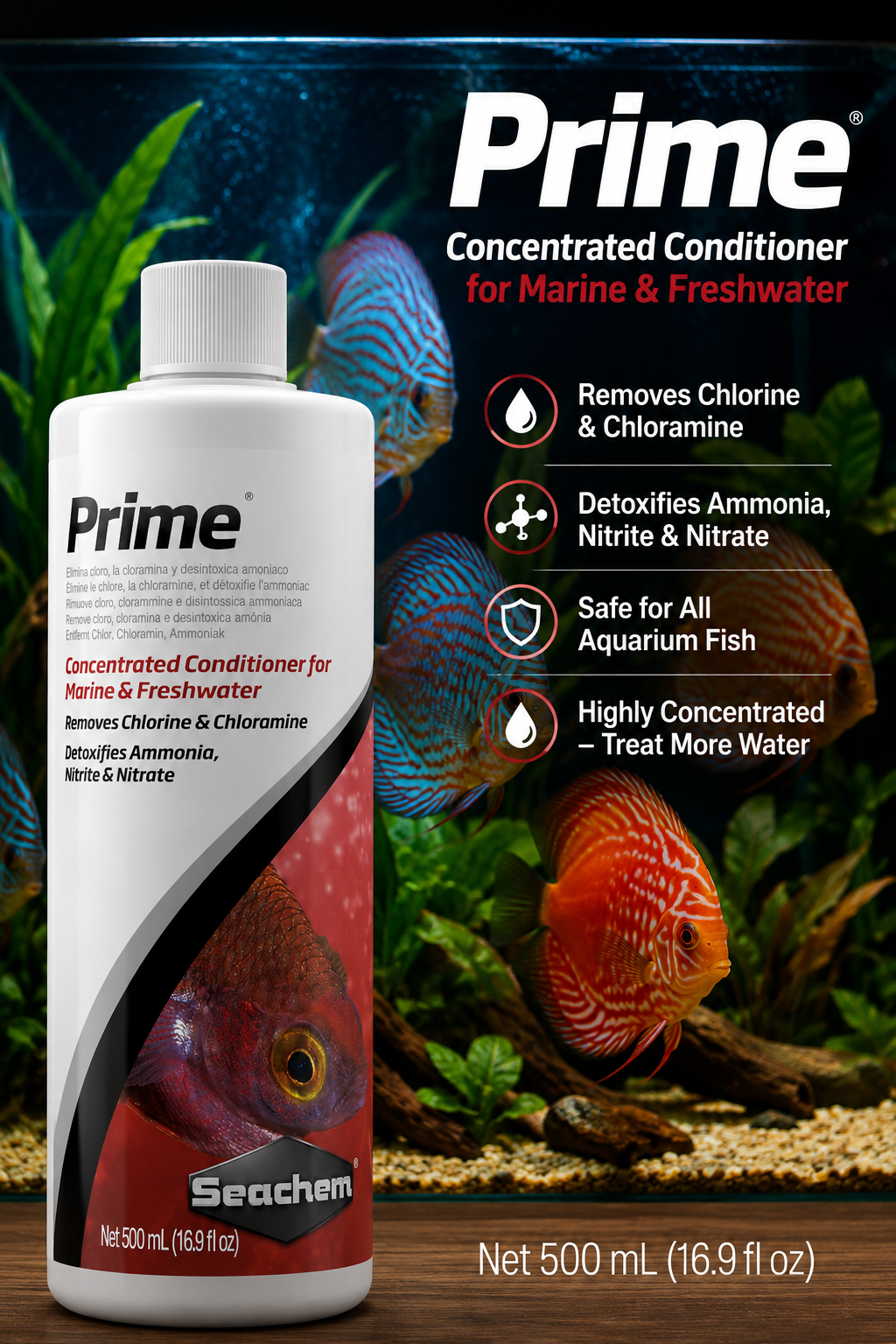
Seachem Prime Water Conditioner
The complete and concentrated conditioner for both fresh and saltwater. Removes chlorine, chloramine, and detoxifies ammonia.
Search on Amazon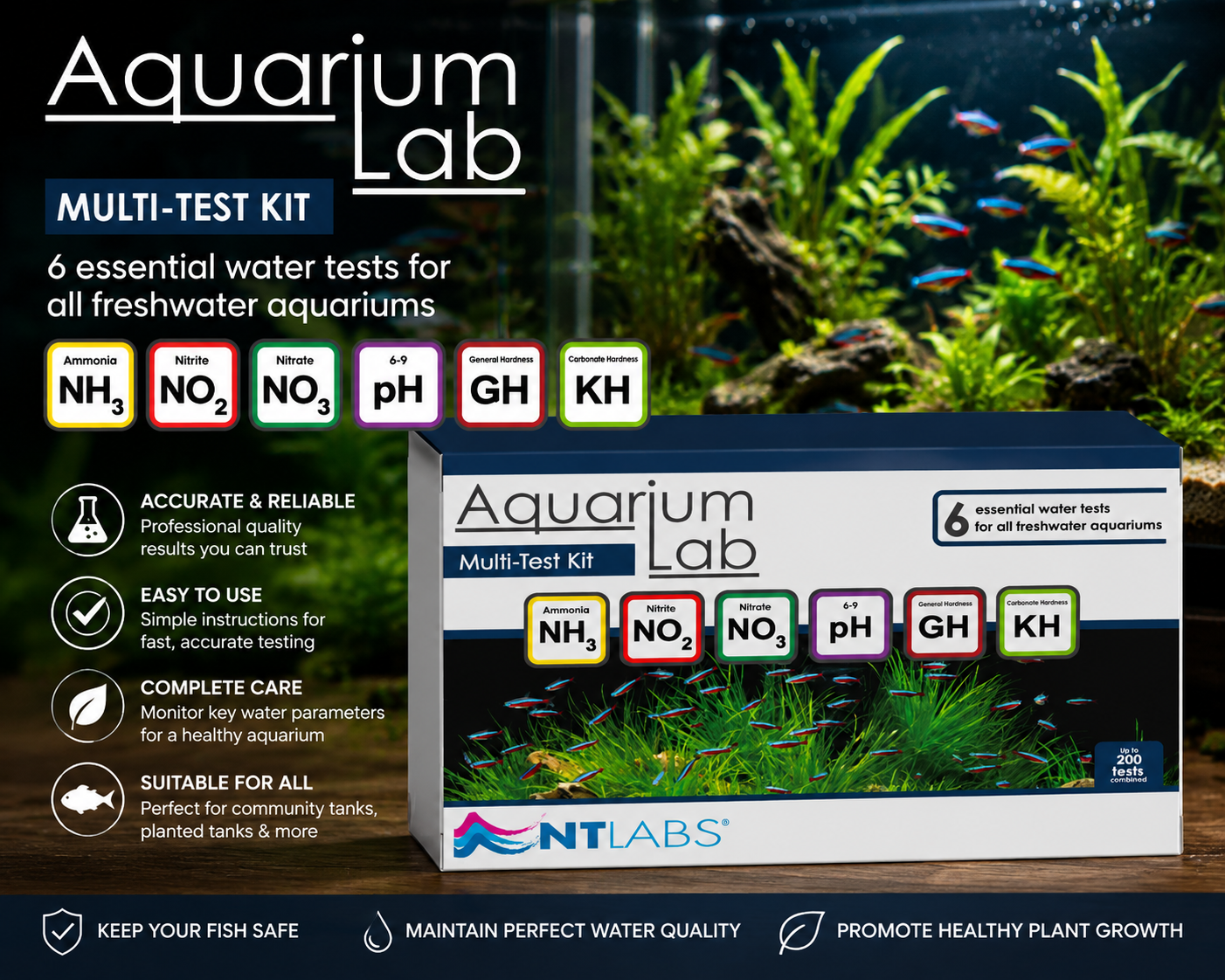
NT Labs Aquarium Lab Multi-Test Kit
Complete water testing kit for freshwater aquariums. Tests ammonia, nitrite, nitrate, pH, and more for optimal fish health.
Search on Amazon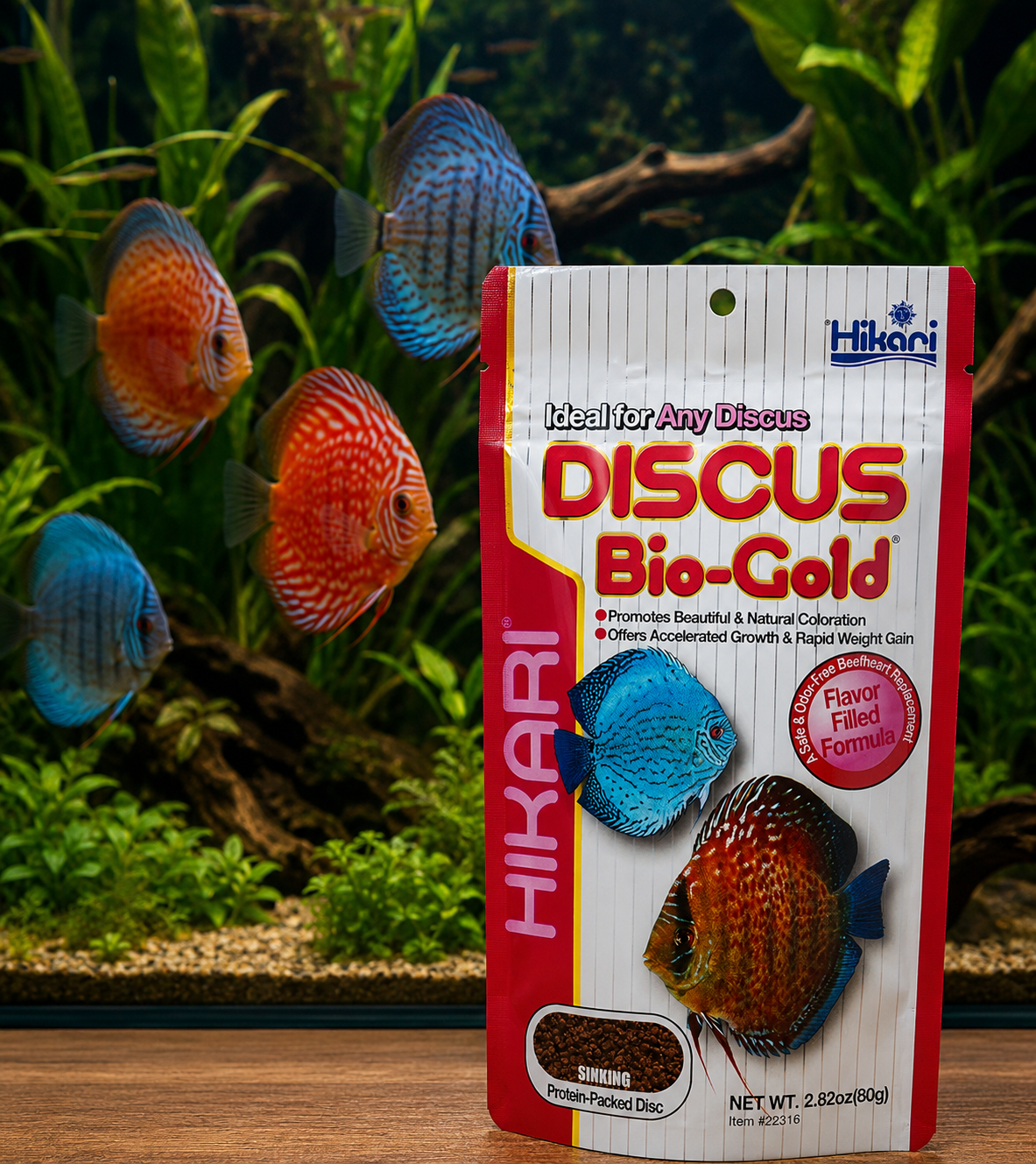
Hikari Discus Bio-Gold
Premium daily food specially developed for discus fish. Rich in high-quality protein to support healthy growth, vibrant colours and excellent condition. A trusted choice for both juvenile and adult discus.
Search on AmazonAffiliate Disclosure: As an Amazon Associate, we earn commission from qualifying purchases made through these links at no extra cost to you.
Related Topics:
Need Help With Your Discus?
Our expert team can help you create the perfect environment for your aquatic pets, with professional aquarium maintenance across Bournemouth, Poole and Dorset.
GET IN TOUCH