Betta Fish Care Guide: How to Keep Healthy Siamese Fighting Fish
The Betta fish, or Siamese Fighting Fish, is one of the most iconic and vibrant species in the aquarium hobby. Renowned for their spectacular finnage and bold personalities, these fish are perfect for both beginners and seasoned aquarists looking for a captivating centerpiece.
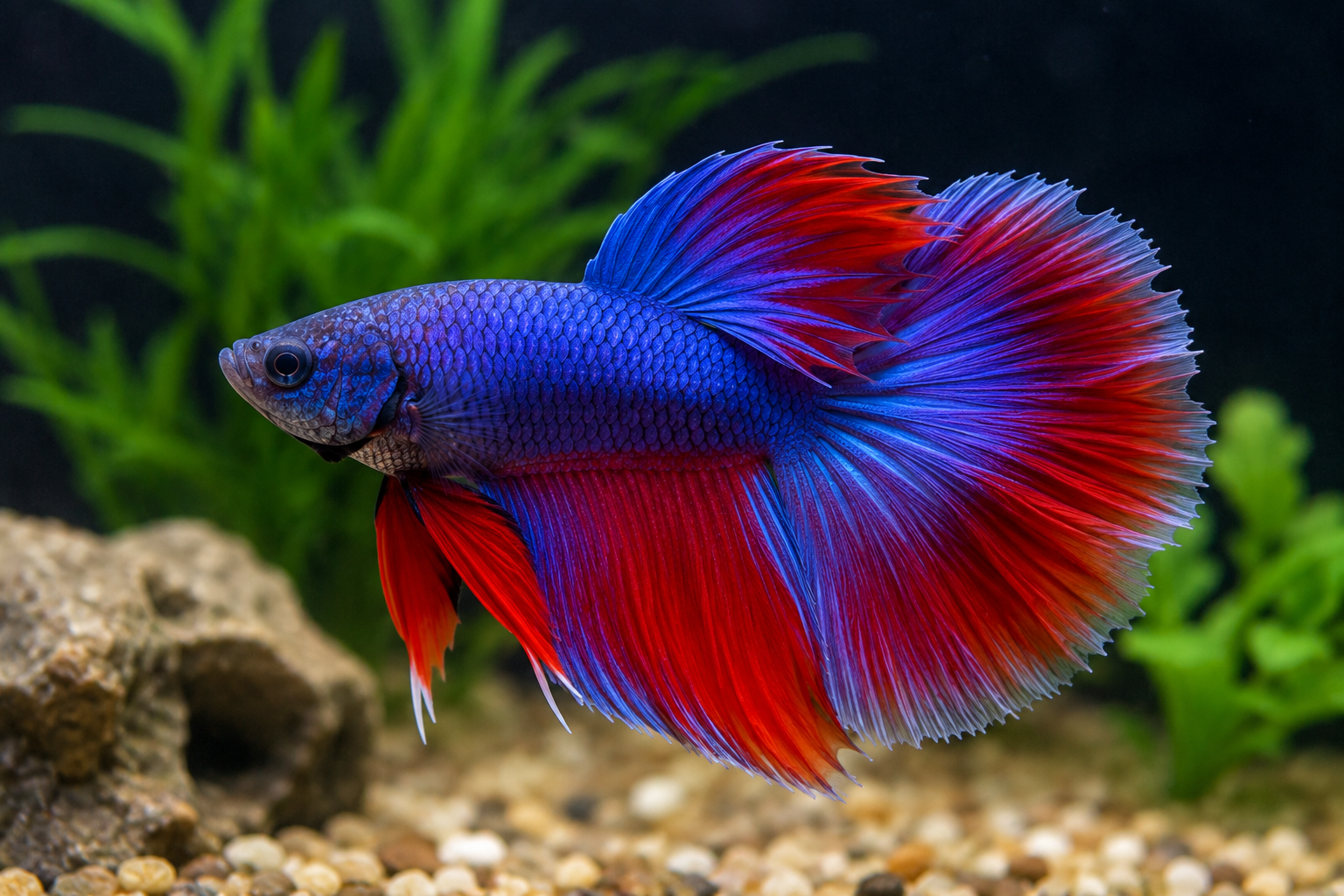
Introduction to the Betta Fish (Betta splendens)
The Betta fish, scientifically known as Betta splendens, is perhaps the most recognizable freshwater fish in the world. Originating from the shallow waters of Southeast Asia, these fish have been selectively bred for centuries, resulting in the breathtaking array of colors and fin types we see today. Often called the Siamese Fighting Fish, their reputation for aggression is matched only by their incredible intelligence and ability to interact with their owners.
Physical Characteristics and Varieties
When you think of a Betta fish, you likely picture the flowing, veil-like fins of the male. However, the world of Betta splendens is vast. They typically grow to about 2.5 to 3 inches in length.
Popular Tail Types:
- Veil Tail: The most common variety with long, drooping fins.
- Halfmoon: Boasts a 180-degree tail spread resembling a capital 'D'.
- Crowntail: Features extended fin rays that give a spiky, crown-like appearance.
- Plakat: Short-finned varieties that more closely resemble their wild ancestors.
Colors range from solid vibrant reds and deep blues to 'Koi' patterns and iridescent metallics. Interestingly, Betta fish possess a specialized 'labyrinth organ,' which allows them to breathe atmospheric air from the surface, a survival mechanism from their oxygen-depleted natural habitats.
Understanding Betta Fish Behavior
Betta fish are highly territorial, particularly the males. This behavior is central to their identity; two males placed in the same tank will fight, often with fatal results. However, they are also remarkably curious. It is not uncommon for a Betta fish to 'beg' for food or follow their owner's finger along the glass. They are intelligent enough to be trained to jump through hoops or push small balls, making them more like 'underwater puppies' than simple decorative pets.
Why Quality Care Matters
Despite the common myth that Betta fish can live in tiny bowls or vases, they require a filtered and heated environment to truly flourish. Proper captive Betta fish care ensures a lifespan of up to 2 years, with the odd individual lasting longer. Apparently some strains will live considerably longer but I have not come across that with the fish I have care for and bred. It is possible with the right care to keep Betta fish vibrant, active, and engaging for a healthy length of time. In this guide, we will break down exactly how to create a premium environment for your aquatic companion.
🌍 Natural Habitat
Natural Habitat
In the wild, Betta fish inhabit the stagnant or slow-moving waters of rice paddies, marshes, and floodplains in Thailand, Cambodia, and Vietnam. These waters are often warm and densely vegetated. Contrary to popular belief, these are not 'puddles' but large, interconnected systems with complex ecosystems.
Replicating the Environment
To replicate their natural home, your aquarium should be heavily planted with low water flow. Betta fish are not strong swimmers and can become stressed by high-output filter intakes.
Water Parameters:
- Temperature: 24°C to 28°C (75°F to 82°F). A consistent temperature is vital; a heater is mandatory.
- pH Level: 6.5 to 7.5 (Slightly acidic to neutral is ideal).
- Water Hardness: 5–15 dGH.
- Ammonia/Nitrite: 0 ppm.
- Nitrate: < 20 ppm.
🏠 Care Requirements
Tank Size
The absolute minimum tank size for a single Betta fish is 20 litres (approx. 5 gallons). Smaller volumes are difficult to stabilize chemically and do not provide enough swimming space for enrichment.
Filtration
Use a sponge filter or a power filter with an adjustable flow. Betta fish prefer 'still' water. If the fish is being pushed around by the current, the flow is too strong.
Lighting and Substrate
- Lighting: Moderate lighting is best. If using high-intensity LEDs for live plants, ensure there are floating plants (like Salvinia or Frogbit) to provide shade.
- Substrate: Smooth gravel or sand. Avoid sharp rocks that could tear their delicate fins.
Plants and Decor
Live plants like Anubias, Java Fern, and Amazon Swords are excellent. If using artificial plants, choose silk over plastic to prevent fin damage. Always include a 'Betta hammock' (a leaf perch) near the surface where they can rest.
Maintenance
Perform a 20-25% water change weekly. Use a high-quality water conditioner to remove chlorine and chloramines from tap water. Regularly test the water using a liquid test kit to ensure the nitrogen cycle remains stable.
🐟 Compatible Tank Mates
Can Betta Fish Have Roommates?
This depends entirely on the individual's personality and the tank size. In a 20-litre tank, a Betta should live alone. In 40-60 litre tanks, you may consider companions.
Compatible Tank Mates:
- Snails: Nerite or Mystery snails are excellent as they have little 'flesh' for a Betta to nip at.
- Shrimp: Amano shrimp or large Ghost shrimp. Note: Small cherry shrimp may become an expensive snack.
- Bottom Dwellers: Corydoras catfish or Kuhli Loaches (require 60L+ tanks).
Incompatible Species:
- Other Male Bettas: Never house two males together.
- Fancy Guppies: Their bright colors and long fins may trigger a Betta's aggression.
- Nipping Fish: Species like Tiger Barbs or Serpae Tetras will shred a Betta's fins.
🍽️ Diet & Feeding
Nutritional Needs
Betta fish are insectivores. In the wild, they feed on insect larvae and small insects that fall onto the water surface. Their diet must be high in protein.
Recommended Foods:
- High-Quality Pellets: Look for brands where the first ingredient is a whole protein (like whole fish meal or shrimp). Avoid 'fillers' like wheat and corn.
- Frozen Foods: Bloodworms, Brine Shrimp, and Mysis shrimp are excellent treats that mimic their natural diet.
- Live Foods: Daphnia can help with digestion and provide enrichment.
Feeding Frequency:
Feed your Betta 2-3 small pellets twice a day. A Betta's stomach is roughly the size of its eye; overfeeding is a leading cause of bloating and swim bladder issues. Fasting your fish one day a week can help clear their digestive tract.
💕 Breeding Guide
The Bubble Nest
Breeding Betta fish is a complex process and should only be attempted by prepared hobbyists. It begins with the male building a 'bubble nest' at the surface.
The Process:
- Conditioning: Feed both parents high-quality live foods for two weeks.
- Introduction: Use a clear divider so they can see each other without physical contact.
- The Embrace: When released, the male will wrap himself around the female (the 'nuptial embrace') to squeeze out eggs, which he then catches and places in the nest.
- Post-Spawn: The female must be removed immediately as the male will become aggressive while guarding the nest.
Fry Care:
The eggs hatch in 24-48 hours. Fry require microscopic live foods like Infusoria or Vinegar Eels initially, graduating to Baby Brine Shrimp. Raising fry requires multiple grow-out tanks and significant time commitment.
✨ Fun Facts
["Betta fish can breathe air from the surface thanks to their labyrinth organ.","They are known to recognize their owners and can be trained to do tricks.","In their native Thailand, they are called 'Plakat,' which means 'biting fish'.","Wild Betta fish are a dull grey-green; the bright colors are a result of selective breeding.","Bettas sleep! You might find them resting on a flat leaf or even on the substrate.","Each Betta has a unique personality—some are shy, while others are incredibly 'feisty'."]
Products We've Mentioned & Recommend
Below you'll find a selection of products we've mentioned in this article, along with a few others we think you might find useful. We've included Amazon links to make them easy to find.
A quick word about affiliate links...
Some of these links are affiliate links, which means we may earn a small commission from qualifying purchases, at no extra cost to you.
Unfortunately, the commission doesn't quite stretch to cocktails on a yacht or a garage full of sports cars. In reality, it helps cover the running costs of this website and, with a bit of luck, might eventually buy me a new pair of waders that don't leak!
We only recommend products we genuinely believe are worth considering, and your support helps us keep sharing free advice from our years of working with aquariums and ponds.
Thanks for supporting Aquatic Specialist!
As an Amazon Associate I earn from qualifying purchases.
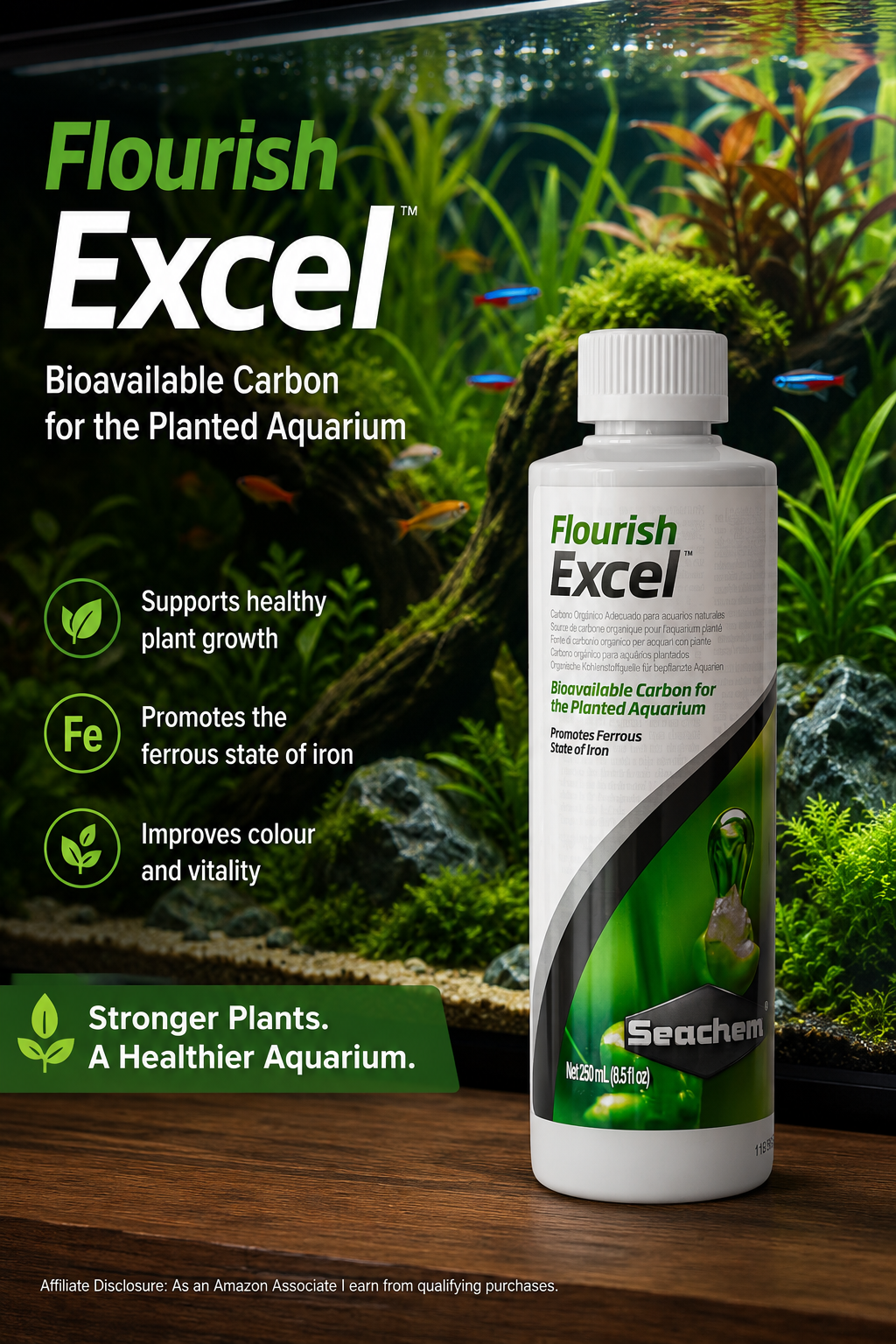
Seachem Flourish Excel
Source of bioavailable organic carbon for the planted aquarium. Helps plants compete against algae.
Search on Amazon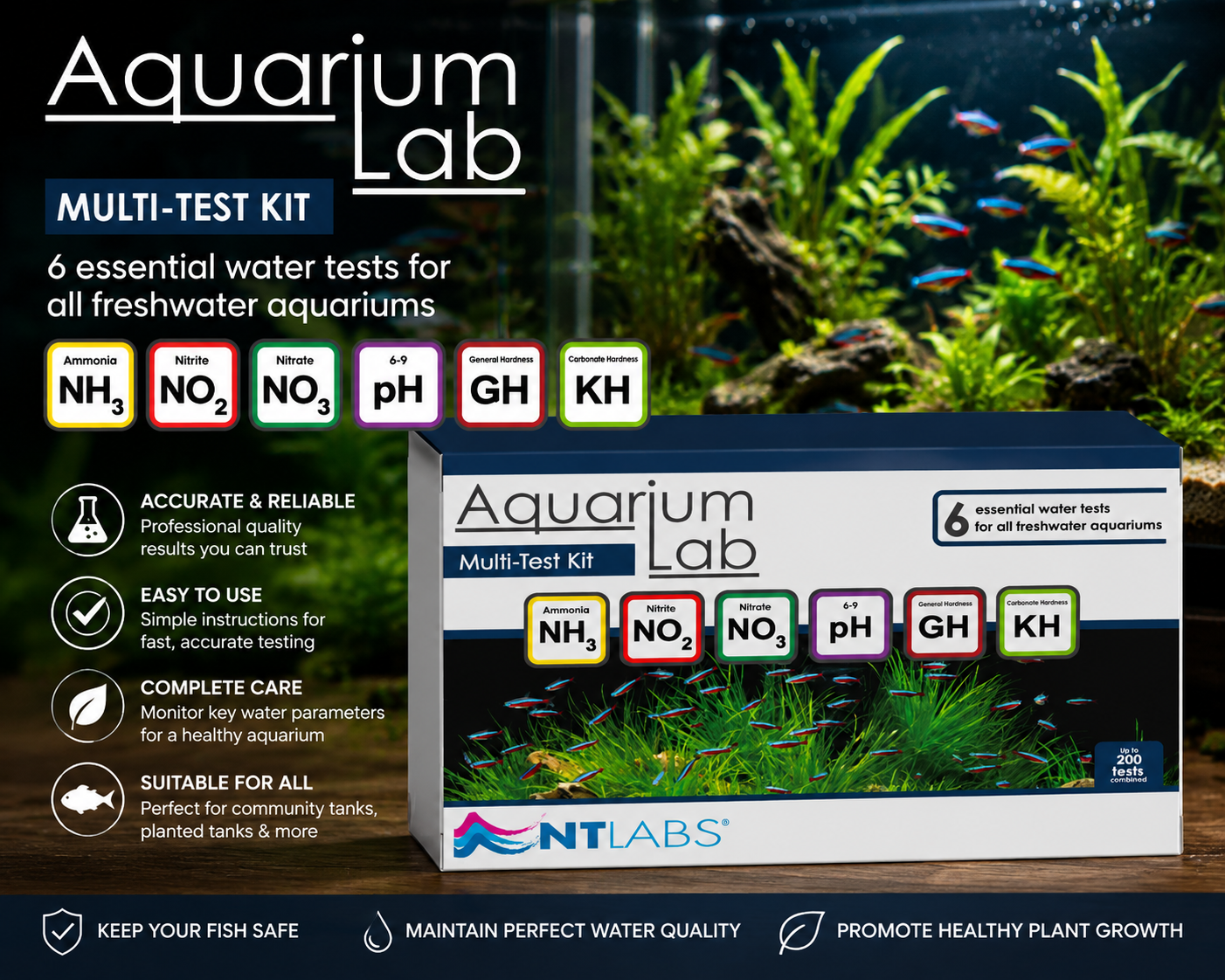
NT Labs Aquarium Lab Multi-Test Kit
Complete water testing kit for freshwater aquariums. Tests ammonia, nitrite, nitrate, pH, and more for optimal fish health.
Search on Amazon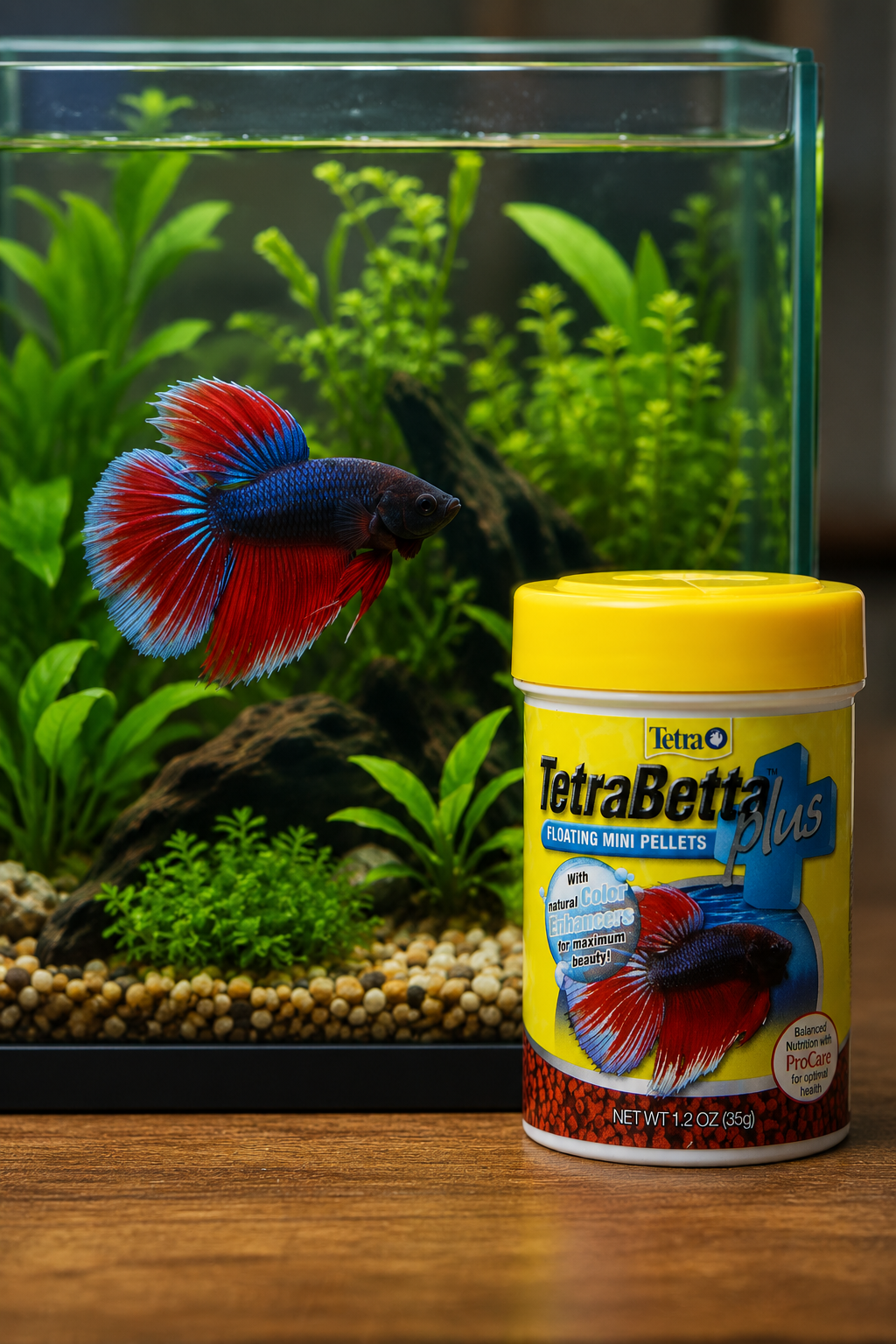
Tetra Betta Plus Floating Mini Pellets
A high-quality daily food specially formulated for Betta fish. These floating mini pellets provide balanced nutrition, help support vibrant colours, healthy growth and a strong immune system while reducing waste in the aquarium.
Search on AmazonAffiliate Disclosure: As an Amazon Associate, we earn commission from qualifying purchases made through these links at no extra cost to you.
Related Topics:
Need Help With Your Betta Fish?
Our expert team can help you create the perfect environment for your aquatic pets, with professional aquarium maintenance across Bournemouth, Poole and Dorset.
GET IN TOUCH