Banggai Cardinalfish Care Guide: Pterapogon kauderni Tips
The Banggai Cardinalfish is a crown jewel of the marine aquarium world, prized for its striking monochromatic patterns and unique mouthbrooding behavior. This guide provides everything you need to know about keeping this elegant, endangered species thriving in your home reef.
Introduction to the Banggai Cardinalfish
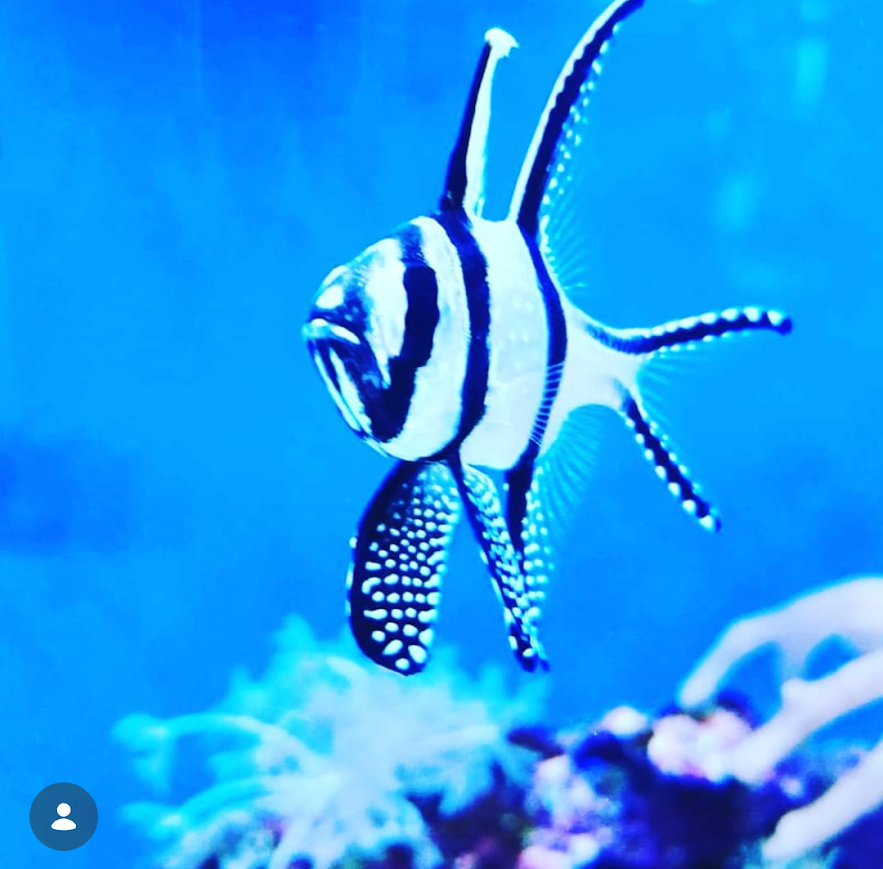
The Banggai Cardinalfish (Pterapogon kauderni) is arguably one of the most iconic species in the marine aquarium hobby. With its elegant, long fins and striking contrast of silver, black, and white spots, it brings a sense of sophisticated beauty to any reef tank. Originally discovered in the Banggai Islands of Indonesia, this species has transitioned from a rare find to a staple for beginner and advanced aquarists alike.
At Aquatic Specialist UK, we advocate for the responsible keeping of these fish. Because they are listed as endangered in the wild due to over-collection, we strongly recommend sourcing captive-bred specimens. Not only does this protect wild populations, but captive-bred Banggai Cardinalfish are significantly hardier and better adjusted to aquarium life.
Physical Characteristics
The most distinctive feature of the Banggai Cardinalfish is its body shape. They possess a tassel-like first dorsal fin and elongated second dorsal and anal fins. Their silver bodies are adorned with three bold black vertical bars and a constellation of tiny white dots that shimmer under high-quality reef lighting.
Adults typically reach a size of about 3 inches (8 cm). Unlike many other marine fish, they do not exhibit significant sexual dimorphism, making it difficult to distinguish males from females outside of the breeding season. However, mature males often develop a more angular, larger jaw structure to accommodate their role as mouthbrooders.
Behavior and Social Structure
Understanding Banggai Cardinalfish behavior is key to a peaceful tank. In the wild, juveniles often hide among the spines of Diadema sea urchins for protection. In the home aquarium, they are relatively slow-moving and peaceful.
However, they can be territorial toward their own kind. While they are often sold in groups, they usually form pairs as they mature. Once a pair is established, they may become aggressive toward other Banggai Cardinalfish in smaller aquariums. For this reason, we recommend keeping them as a single individual or a proven mated pair unless you have a very large system (100+ gallons) with plenty of visual breaks.
Why Choose the Banggai Cardinalfish?
If you are looking for a fish that stays out in the open rather than hiding in the rockwork, the Banggai Cardinalfish is an excellent choice. They are "hoverers," spending much of their time suspended in the water column, making them a fantastic focal point for viewers.
🌍 Natural Habitat
The Banggai Cardinalfish has a very restricted natural range, found primarily around the Banggai Islands of Indonesia. They inhabit shallow, calm waters, often associated with seagrass beds, coral reefs, and sea urchins.
To replicate this in your aquarium, provide plenty of open swimming space combined with vertical structures. They appreciate the presence of long-spined sea urchins (or artificial substitutes) and branching corals like Acropora or Seriatopora.
Water Parameters for Banggai Cardinalfish:
- Temperature: 24°C to 27°C (75°F to 80°F)
- pH: 8.1 to 8.4
- Specific Gravity: 1.023 to 1.025
- Carbonate Hardness (dKH): 8 to 12
- Nitrate/Ammonia/Nitrite: 0 ppm is ideal, though they can tolerate nitrates up to 20 ppm.
🏠 Care Requirements
When considering how to keep Banggai Cardinalfish, tank stability is paramount. While they are hardy, they do not tolerate rapid fluctuations in water chemistry.
- Tank Size: A minimum of 115 litres (30 gallons) is required for a single fish or a pair. Larger tanks are always better for maintaining stable parameters.
- Filtration: High-quality protein skimming and efficient biological filtration are essential. They prefer moderate water flow; excessive powerheads can exhaust these slow swimmers.
- Lighting: They are not demanding regarding light, but reef-standard lighting will bring out their iridescent spots.
- Substrate: A sandy bottom or fine crushed coral is preferred to mimic their natural lagoon habitats.
- Maintenance: We recommend 10-15% weekly water changes. Ensure you use high-quality reef salt and RO/DI water to prevent the buildup of heavy metals and phosphates.
🐟 Compatible Tank Mates
The Banggai Cardinalfish is a peaceful community fish that thrives with non-aggressive tank mates.
Compatible Species:
- Clownfish: Most species like Ocellaris or Percula make great neighbors.
- Blennies and Gobies: Excellent bottom-dwelling companions.
- Dwarf Angelfish: Generally safe, provided the tank is large enough.
- Royal Grammas: Peaceful and colorful additions.
- Invertebrates: They are completely reef-safe and will not bother corals, snails, or large shrimp. However, very tiny ornamental shrimp might be viewed as a snack.
Species to Avoid:
- Aggressive Tangs or Large Angels: May bully the slow-moving Cardinalfish.
- Predatory Fish: Groupers or Lionfish will easily swallow a Banggai.
- Conspecifics: Avoid keeping multiple males in the same tank to prevent fatal fighting.
🍽️ Diet & Feeding
A proper Banggai Cardinalfish diet is essential for their health and coloration. In the wild, they are carnivores, feeding on small crustaceans and plankton.
In the aquarium, they can be finicky eaters initially, especially if they are wild-caught. Captive-bred individuals usually accept prepared foods more readily.
Recommended Foods:
- Frozen Foods: Mysis shrimp, enriched brine shrimp, chopped krill, and plankton.
- High-Quality Pellets: Small, slow-sinking pellets may be accepted over time.
- Live Foods: If a fish is refusing to eat, live blackworms or brine shrimp can stimulate their hunting instinct.
Feeding Frequency: Feed 2-3 times daily in small amounts. Because they are slow swimmers, ensure that faster fish don't steal all the food before the Cardinalfish can reach it.
💕 Breeding Guide
Breeding the Banggai Cardinalfish is one of the most rewarding experiences for a marine aquarist. They are paternal mouthbrooders, meaning the male carries the eggs in his mouth until they hatch.
The Breeding Process:
- Pairing: Establish a bonded male-female pair.
- Spawning: The female produces a cluster of eggs which the male fertilizes and then takes into his mouth.
- Incubation: The male will not eat for approximately 20-30 days while he carries the eggs and developing fry.
- Release: Once the fry are fully developed (resembling miniature adults), the male releases them.
Fry Care: For the best survival rate, the male should be moved to a dedicated nursery tank before release. The fry will require live baby brine shrimp (Artemia nauplii) or copepods immediately upon release. Providing a "fake" sea urchin made of epoxy and cable ties gives the fry a place to hide and feel secure.
✨ Fun Facts
["The Banggai Cardinalfish is one of the few marine fish that can be easily bred in captivity without a complex larval stage.","Male Banggai Cardinalfish can go nearly a month without eating while they protect their young in their mouths.","They are one of the most geographically restricted fish species in the world, naturally found only around a small group of islands.","In the wild, they have a symbiotic relationship with sea urchins, hiding among the spines for safety.","They are nocturnal by nature, which is why they have such large, expressive eyes.","The white spots on their body are unique to each individual, much like a human fingerprint."]
Products We've Mentioned & Recommend
Below you'll find a selection of products we've mentioned in this article, along with a few others we think you might find useful. We've included Amazon links to make them easy to find.
A quick word about affiliate links...
Some of these links are affiliate links, which means we may earn a small commission from qualifying purchases, at no extra cost to you.
Unfortunately, the commission doesn't quite stretch to cocktails on a yacht or a garage full of sports cars. In reality, it helps cover the running costs of this website and, with a bit of luck, might eventually buy me a new pair of waders that don't leak!
We only recommend products we genuinely believe are worth considering, and your support helps us keep sharing free advice from our years of working with aquariums and ponds.
Thanks for supporting Aquatic Specialist!
As an Amazon Associate I earn from qualifying purchases.
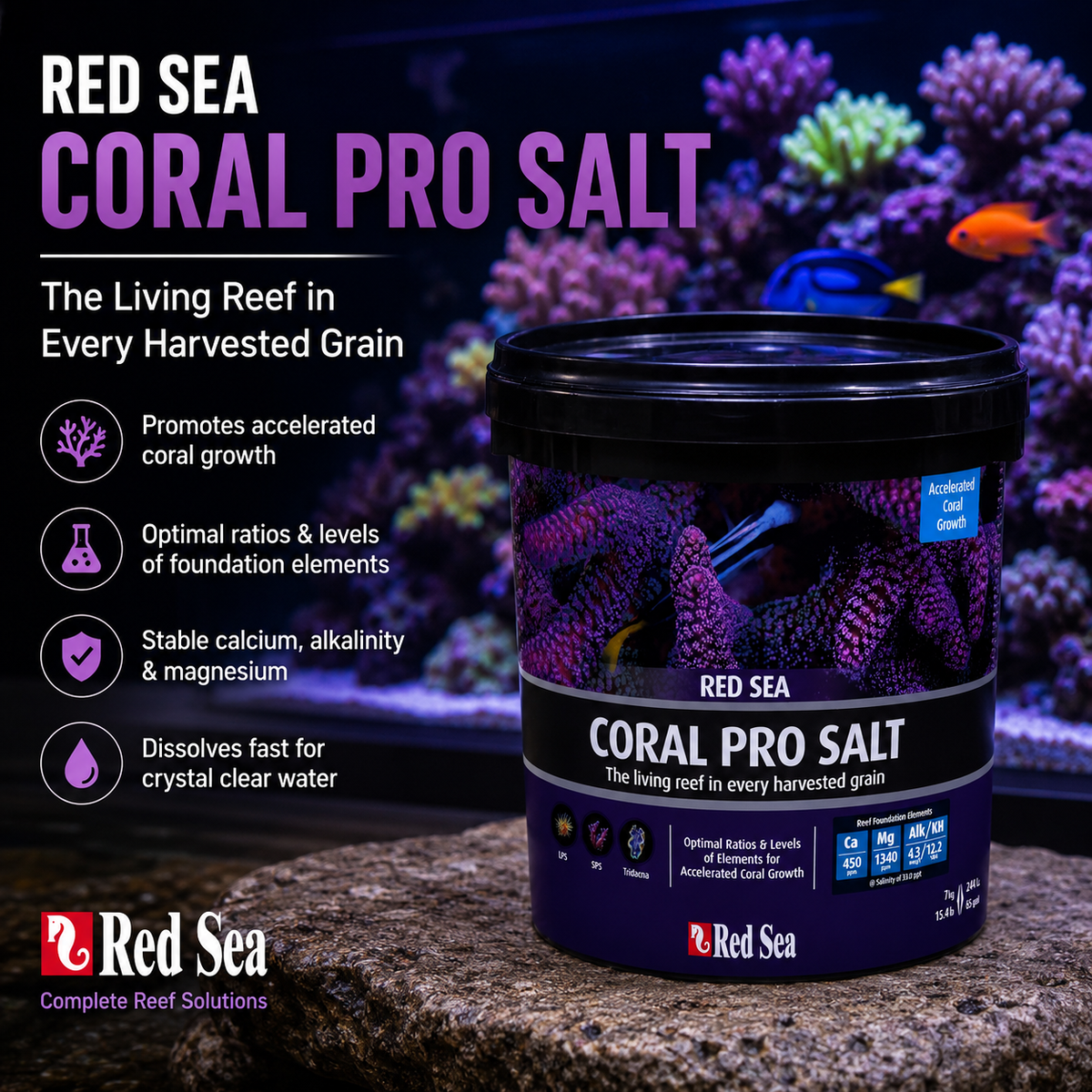
Red Sea Coral Pro Salt
Premium reef salt mix formulated with elevated levels of calcium, magnesium and alkalinity to support accelerated coral growth. Dissolves quickly to produce crystal-clear saltwater, making it ideal for reef aquariums with LPS and SPS corals.
Search on Amazon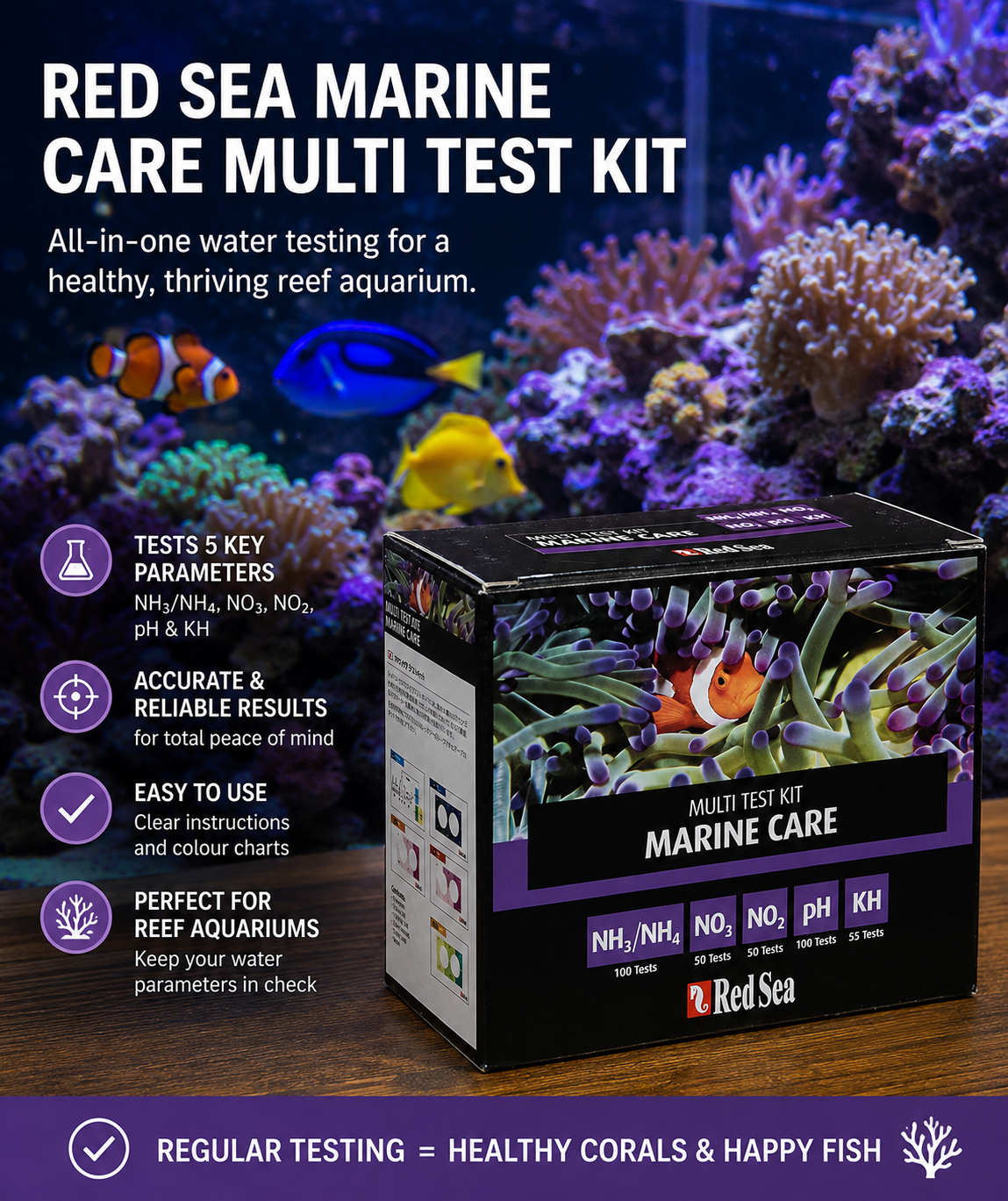
Red Sea Marine Care Test Kit
Professional marine test kit covering pH, ammonia, nitrite, and nitrate. Essential for maintaining a healthy reef environment.
Search on AmazonAffiliate Disclosure: As an Amazon Associate, we earn commission from qualifying purchases made through these links at no extra cost to you.
Related Topics:
Need Help With Your Bangaii Cardinalfish?
Our expert team can help you create the perfect environment for your aquatic pets, with professional aquarium maintenance across Bournemouth, Poole and Dorset.
GET IN TOUCH