Angelfish Care Guide: How to Keep Pterophyllum Scalare
With their elegant, disc-shaped bodies and graceful swimming style, Angelfish (Pterophyllum) are the undisputed crown jewels of the freshwater aquarium. This comprehensive guide explores why these intelligent cichlids are a must-have for any serious aquarist looking to add a touch of majesty to their home.
Introduction to the Freshwater Angelfish
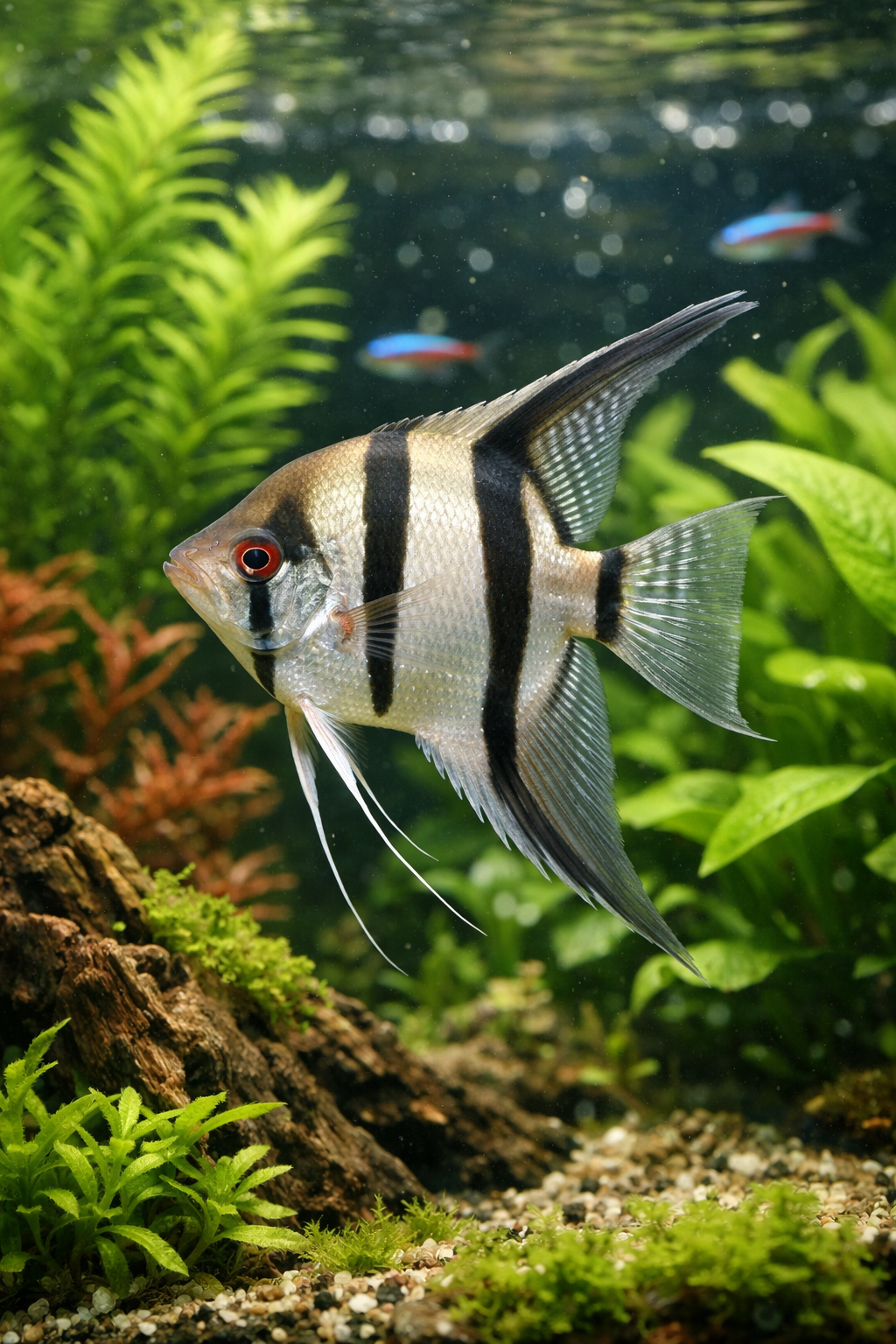
The Angelfish, belonging to the genus Pterophyllum, is perhaps the most iconic freshwater fish in the world. Native to the vast Amazon River basin, these cichlids have captivated hobbyists for over a century. Unlike their more aggressive cichlid cousins, Angelfish possess a unique blend of elegance and personality, making them a centerpiece species for many large display tanks.
At Aquatic Specialist UK, we often recommend the Angelfish to hobbyists who have mastered basic fishkeeping and are ready to transition into keeping more specialized species. Their laterally compressed bodies allow them to glide effortlessly through underwater vegetation, a sight that never fails to impress.
Physical Characteristics and Varieties
When we discuss the Angelfish, we are usually referring to Pterophyllum scalare, though P. altum and P. leopoldi are also available in the trade. In the wild, they sport a silver body with vertical black stripes for camouflage. However, decades of selective breeding have produced a stunning array of color morphs, including:
- Marble Angelfish: Featuring black and white marbled patterns.
- Koi Angelfish: Displaying orange, white, and black blotches resembling pond koi.
- Black Lace: A dark, moody variant with intricate fin patterns.
- Veiltail: Known for exceptionally long, flowing fins.
An adult Angelfish can grow up to 6 inches (15 cm) in length, but more importantly, they can reach a height of over 10 inches (25 cm) including their fins. This verticality is a crucial factor in their care requirements.
Behavior and Social Structure
Angelfish are highly intelligent and can recognize their owners, often "begging" for food at the glass. However, it is vital to remember they are still cichlids. While generally peaceful when young, they become increasingly territorial as they mature, especially when forming breeding pairs.
They exhibit a complex social hierarchy. If kept in groups of less than five, a dominant individual may bully the others. Keeping them in larger groups or as a mated pair is usually the best strategy for a harmonious tank.
🌍 Natural Habitat
The natural habitat of the Angelfish spans the Amazon River and its tributaries across Brazil, Peru, and Colombia. They prefer slow-moving water, often found among submerged tree roots and dense aquatic plants where their vertical stripes help them blend into the shadows.
To replicate this in your aquarium, focus on a vertical landscape. Use tall pieces of driftwood and hardy plants like Amazon Swords (Echinodorus) to provide cover.
Water Parameter Requirements:
- Temperature: 24°C to 29°C (75°F to 84°F). They prefer warmer water than many other tropical fish.
- pH Level: 6.0 to 7.5. While they prefer slightly acidic water, captive-bred specimens are quite adaptable.
- Water Hardness: 3 to 10 dKH. Soft to moderately hard water is ideal.
- Flow: Low to moderate. Large fins make it difficult for them to swim against strong currents.
🏠 Care Requirements
Tank Size
Because of their height, the Angelfish care guide starts with the tank dimensions. A standard 60-litre tank is far too small. We recommend a minimum of 150 litres for a pair, and 250+ litres for a small group. A 'tall' tank is always preferable to a 'long' tank for this species.
Filtration and Maintenance
Angelfish are sensitive to pristine water conditions. High nitrate levels can lead to "hole-in-the-head" disease. We recommend a high-quality canister filter to maintain biological stability. Weekly water changes of 25-30% are essential to keep tannins and nitrates in check.
Substrate and Lighting
A fine sand or smooth gravel substrate is best. Lighting should be moderate; if using high-intensity LED lights for plants, ensure there are plenty of floating plants (like Frogbit) to provide shaded areas where the fish can retreat.
Decoration
Avoid sharp rocks or decorations that could tear their delicate fins. Focus on verticality—tall driftwood branches and tall-growing plants are the gold standard for an Angelfish setup.
🐟 Compatible Tank Mates
Choosing compatible tank mates for Angelfish requires a balance. You must avoid "fin-nippers" and fish small enough to be eaten.
Ideal Tank Mates:
- Corydoras Catfish: Excellent bottom dwellers that stay out of the Angelfish's way.
- Larger Tetras: Rummy Nose Tetras and Bleeding Heart Tetras are great choices. Avoid Neon Tetras, as adult Angelfish may eat them.
- Dwarf Cichlids: Species like Apistogramma or Ram Cichlids usually occupy the bottom of the tank.
- Gouramis: Generally compatible, though watch for territorial disputes.
Species to Avoid:
- Tiger Barbs: Notorious fin-nippers that will shred an Angelfish's fins.
- Small Shrimp: Neocaridina (Cherry Shrimp) will quickly become an expensive snack.
- Aggressive Cichlids: Oscars or Jack Dempseys will bully or kill Angelfish.
🍽️ Diet & Feeding
The Angelfish diet should be varied to ensure vibrant colors and a strong immune system. In the wild, they are omnivorous, eating small insects, crustaceans, and plant matter.
- High-Quality Flakes/Pellets: Use a cichlid-specific formula as the base.
- Frozen Foods: Bloodworms, brine shrimp, and mysis shrimp are favorites. Feed these 2-3 times a week.
- Live Foods: If available, live daphnia or wingless fruit flies provide excellent enrichment.
- Vegetable Matter: They will occasionally graze on algae wafers or blanched spinach.
Feeding Frequency: Feed adults once or twice daily. Only provide what they can consume within 2 minutes to prevent water fouling.
💕 Breeding Guide
Breeding Angelfish is a rewarding experience for many hobbyists. They are substrate spawners and take their parental duties very seriously.
The Process:
- Pairing: It is difficult to sex Angelfish until they are ready to spawn. The best way to get a pair is to buy 6 juveniles and let them pair off naturally.
- The Spawning Site: The pair will clean a vertical surface, such as a large leaf, a piece of slate, or even the filter intake pipe.
- Laying Eggs: The female lays rows of eggs, which the male then fertilizes. A single spawn can result in 100-1000 eggs.
- Parental Care: Both parents will fan the eggs with their fins to provide oxygen and remove fungus-infected eggs. Once hatched (approx. 60 hours), the "wigglers" are moved to different locations until they become free-swimming.
- Fry Care: Once free-swimming, fry should be fed freshly hatched brine shrimp (Artemia) or specialized liquid fry food 4-5 times a day.
✨ Fun Facts
["Angelfish are one of the few fish species that form monogamous pairs that can stay together for life.","Their thin, flat shape is an evolutionary adaptation for moving through dense vertical reeds and roots.","Despite their name, they are members of the Cichlidae family, making them relatives of the fierce Oscar and Discus.","The 'Altum' Angelfish is the largest of the genus and can reach heights of over 15 inches.","Angelfish have been kept in the aquarium hobby since the late 1800s.","They use their pectoral fins to 'taste' and feel their surroundings."]
Products We've Mentioned & Recommend
Below you'll find a selection of products we've mentioned in this article, along with a few others we think you might find useful. We've included Amazon links to make them easy to find.
A quick word about affiliate links...
Some of these links are affiliate links, which means we may earn a small commission from qualifying purchases, at no extra cost to you.
Unfortunately, the commission doesn't quite stretch to cocktails on a yacht or a garage full of sports cars. In reality, it helps cover the running costs of this website and, with a bit of luck, might eventually buy me a new pair of waders that don't leak!
We only recommend products we genuinely believe are worth considering, and your support helps us keep sharing free advice from our years of working with aquariums and ponds.
Thanks for supporting Aquatic Specialist!
As an Amazon Associate I earn from qualifying purchases.
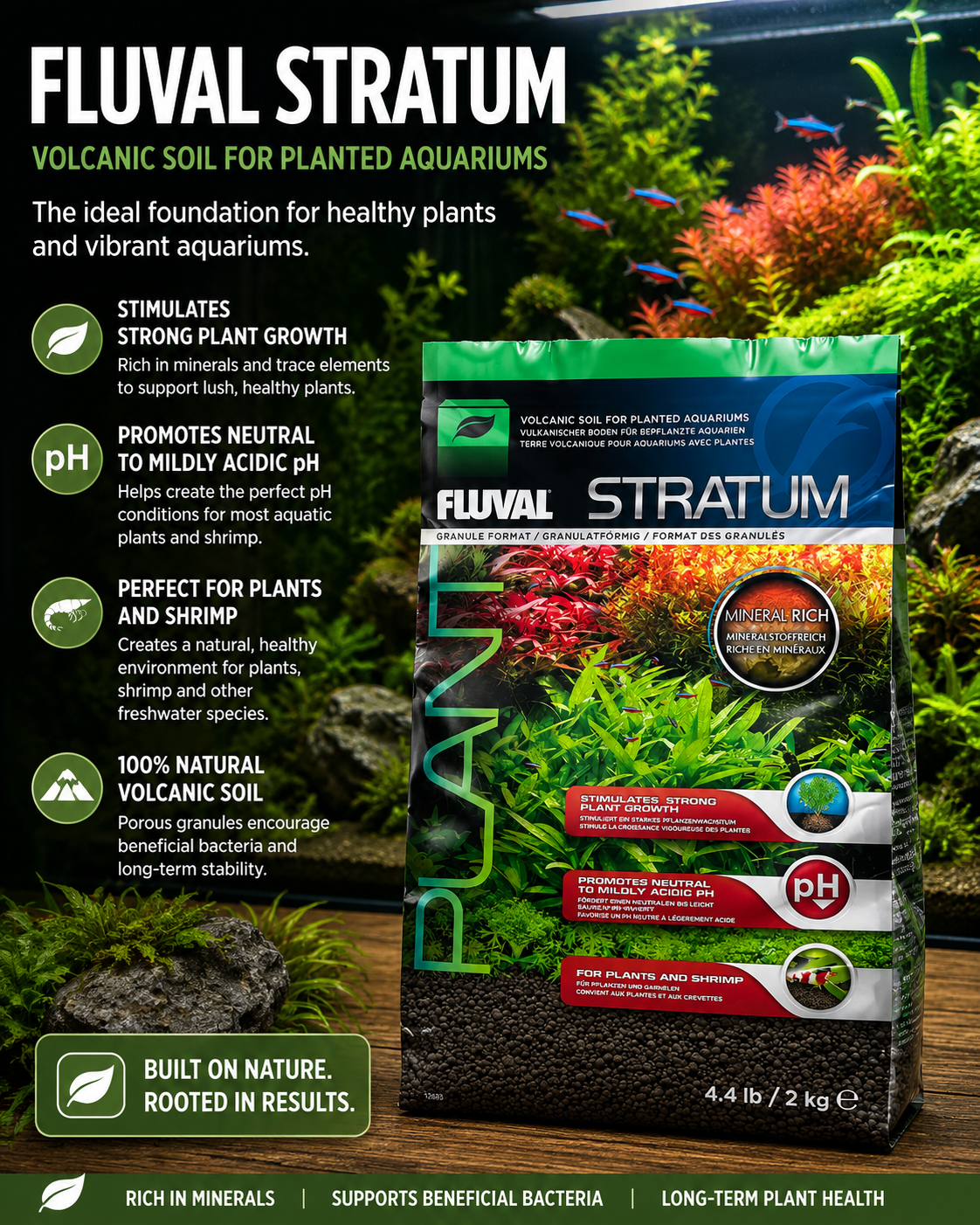
Fluval Plant and Shrimp Stratum
Volcanic soil substrate that encourages strong plant growth and provides shrimp with a safe habitat.
Search on Amazon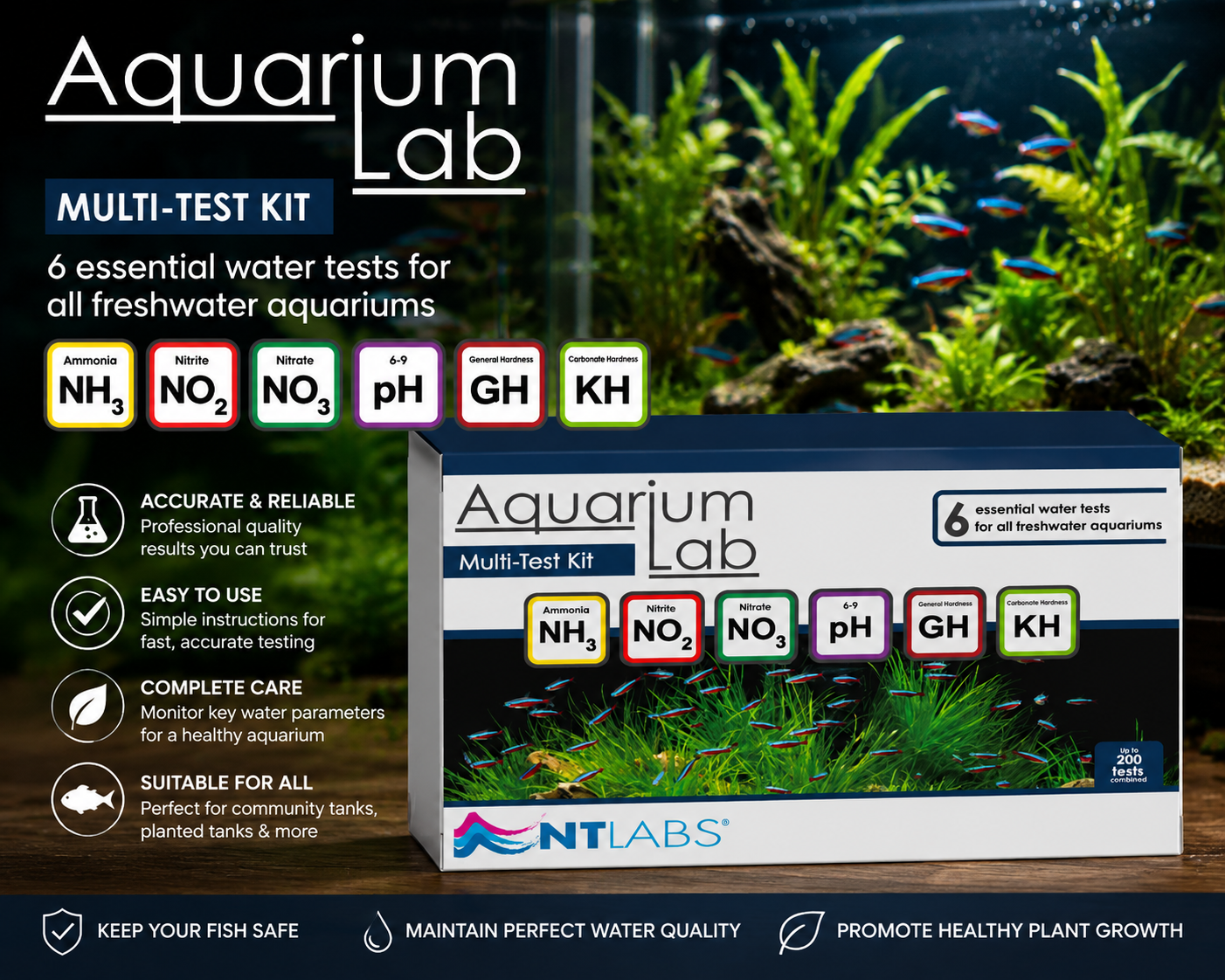
NT Labs Aquarium Lab Multi-Test Kit
Complete water testing kit for freshwater aquariums. Tests ammonia, nitrite, nitrate, pH, and more for optimal fish health.
Search on Amazon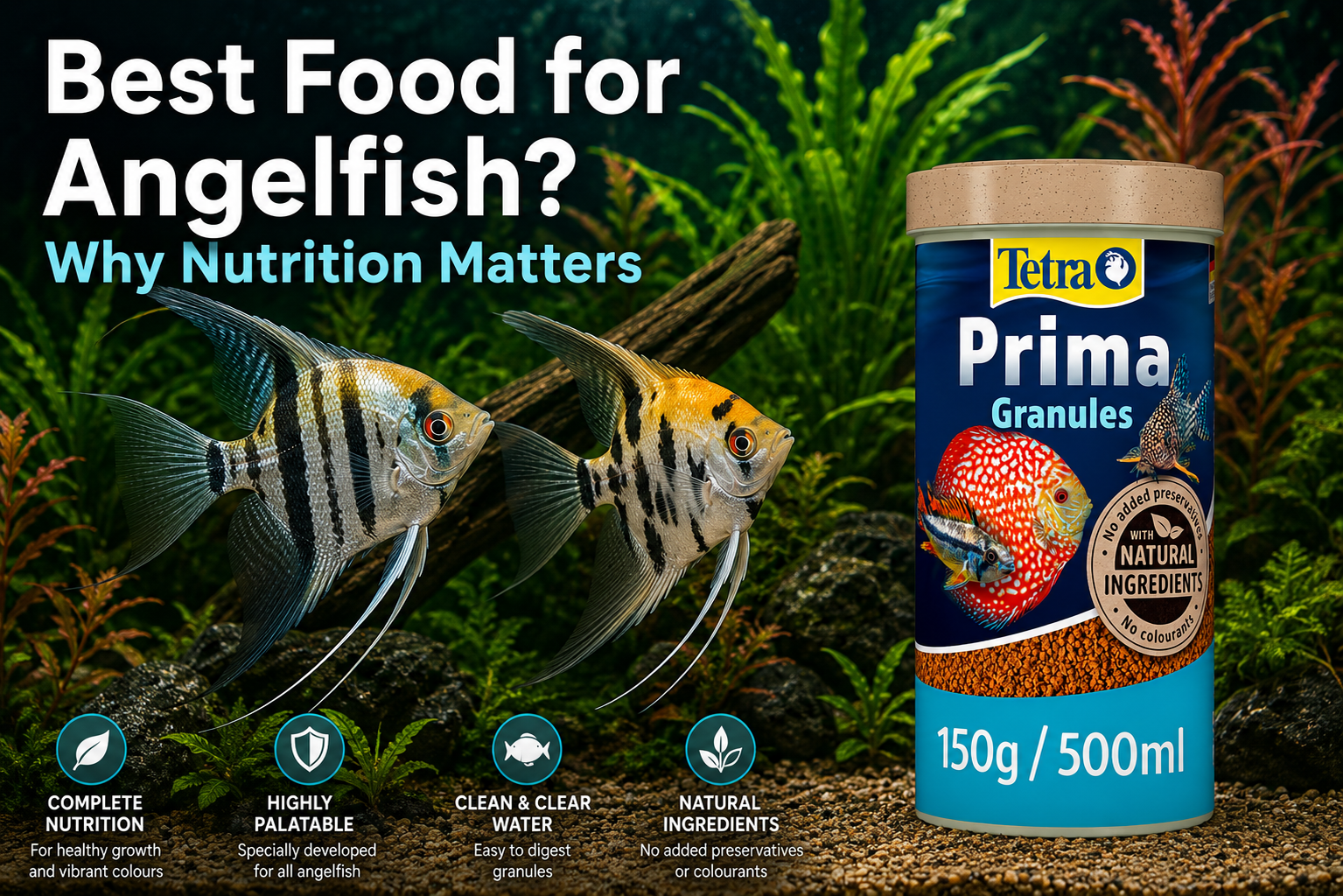
Tetra Prima Granules
Nutrient-rich granules specially formulated for angelfish, with natural ingredients and no added preservatives or colourants to support healthy growth and vibrant colours.
Search on AmazonAffiliate Disclosure: As an Amazon Associate, we earn commission from qualifying purchases made through these links at no extra cost to you.
Related Topics:
Need Help With Your Angelfish?
Our expert team can help you create the perfect environment for your aquatic pets, with professional aquarium maintenance across Bournemouth, Poole and Dorset.
GET IN TOUCH