Ember Tetra (Hyphessobrycon amandae)
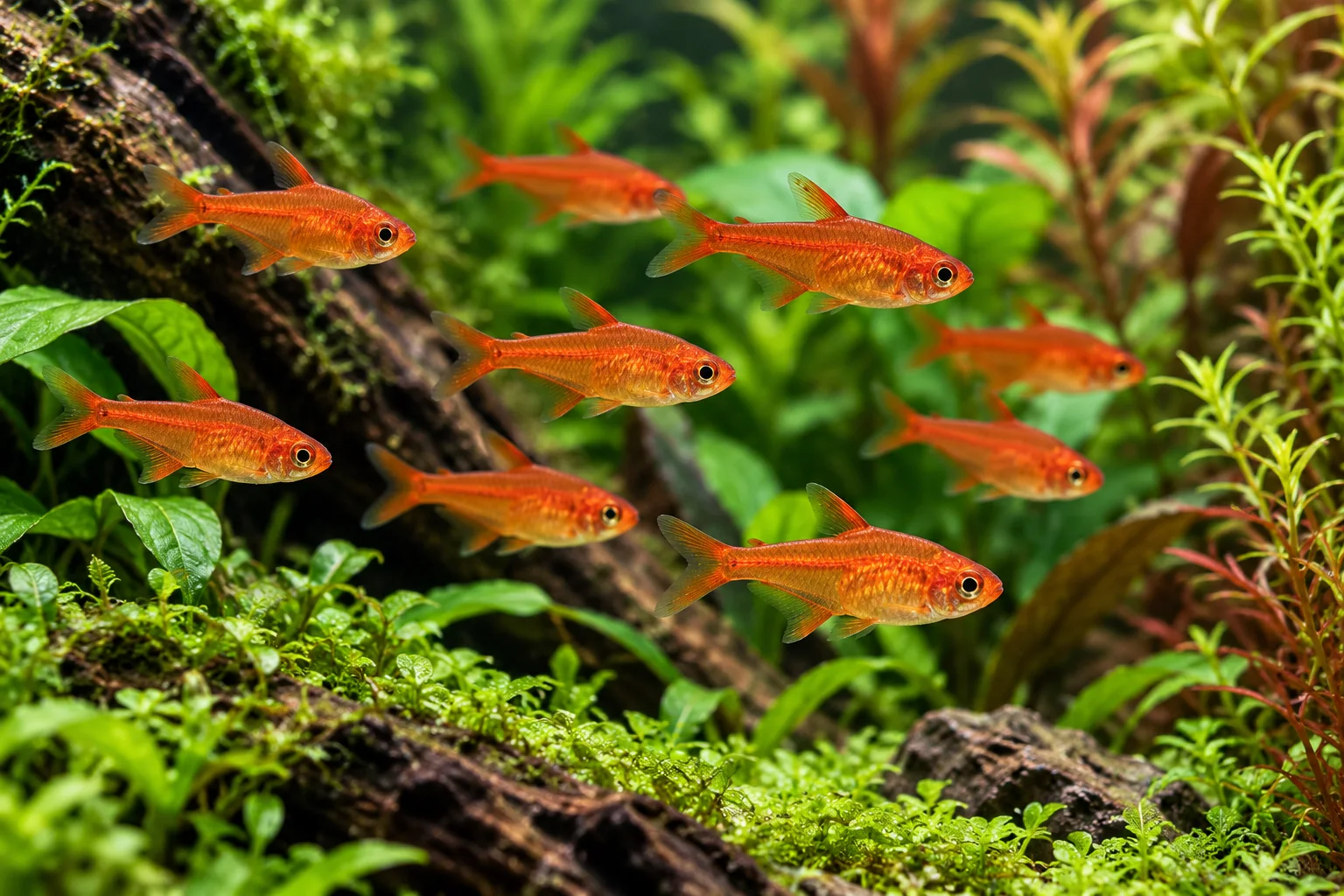
The Ember Tetra (Hyphessobrycon amandae) is a tiny, peaceful South American tetra known for its warm orange colouration. Discover how to keep a healthy shoal in a planted aquarium, including advice on feeding, water conditions, tank mates and breeding.
The Ember Tetra is a tiny South American tetra that has become particularly popular in planted and aquascaped aquariums. Its warm orange to reddish colouration stands out beautifully against green aquatic plants, while its small size allows a surprisingly large group to be kept without overwhelming the aquarium.
We love this fish and have used it in a number of client aquariums around Bournemouth, Poole and Christchurch where we provide professional aquarium installation and maintenance. Ember tetra suitable planted aquariums particularly well and we like to use them in our low tech planted aquascapes.
Known scientifically as Hyphessobrycon amandae, the Ember Tetra is peaceful, social and relatively straightforward to maintain. Although individual fish are attractive, this is a species that really comes into its own when kept as a good-sized shoal. A group moving between plants and gathering together in open water can provide constant colour and movement without disturbing the calmer atmosphere of a planted aquarium.
Despite their small size, Ember Tetras should not simply be treated as fish for tiny aquariums. Providing them with swimming space, plenty of cover and the company of their own kind produces much more natural behaviour and usually results in stronger colouration.
Natural habitat
Ember Tetras originate from Brazil, where they are found in the Araguaia River basin. Their natural environment consists of relatively slow-moving freshwater habitats where vegetation and organic material provide considerable shelter.
Fallen leaves, branches and other plant material can accumulate in these environments, creating shaded areas and releasing tannins into the water as they decompose. The resulting habitat is very different from a brightly illuminated aquarium with little cover.
It isn't necessary to reproduce these conditions exactly, and captive Ember Tetras adapt well to conventional planted aquariums. However, their natural habitat provides some useful clues about how to create an environment in which they feel secure.
Dense areas of planting around the sides and rear of the aquarium work particularly well, especially when combined with some open swimming space. Pieces of branching wood can add further structure, while floating plants can be used to create areas of shade.
Aquarists wanting a more natural South American appearance can also add dried leaves to sections of the substrate. These gradually release tannins and can give the water a slightly darker appearance, although this isn't essential for keeping the species successfully.
Appearance and size
Ember Tetras are extremely small fish, with adults generally reaching around 2 cm in length. Their diminutive size is one of their most distinctive characteristics and makes them considerably smaller than many of the familiar tetras found in community aquariums.
Healthy adults develop an attractive orange colour that can vary from a relatively pale amber to a much richer orange-red. The intensity of this colour depends on genetics, diet, water conditions and how secure the fish feel in their surroundings.
Fish that have recently arrived at an aquatic shop may look surprisingly pale. Transport and unfamiliar surroundings can cause their colour to fade, so newly purchased Ember Tetras should not necessarily be judged by their initial appearance. After several weeks in a settled aquarium, their colour can become considerably stronger.
A darker substrate and plenty of green plants provide an excellent background for the species. Their orange bodies contrast particularly well with fine-leaved plants and darker areas of the aquarium.
Males tend to be slightly slimmer, while mature females usually develop fuller bodies. The difference becomes easier to recognise when a group of adults is viewed together, particularly when females are carrying eggs.
Aquarium requirements
The small size of the Ember Tetra means that it doesn't require an enormous aquarium, but providing sufficient horizontal swimming space is still important. An aquarium of around 40 litres or larger can house a group comfortably, although larger tanks provide more opportunities for creating a substantial shoal.
They are particularly well suited to planted aquariums. Plants can be allowed to grow relatively densely around the rear and sides while leaving some open areas where the fish can gather together.
Fine-leaved plants are especially effective because they complement the scale of such small fish. Mosses, carpeting plants and delicate stem plants can all work well, although Ember Tetras are equally comfortable among larger-leaved species.
One of the most important considerations is group size. Ember Tetras are social fish and should not be kept individually or as a pair. Six is generally regarded as a minimum, but there is little reason to stop there if the aquarium has sufficient space.
Groups of ten, fifteen or even more can create a much more impressive display. A larger group also tends to make the fish more confident, encouraging them to spend more time swimming in open areas rather than remaining hidden among plants.
They may not remain tightly grouped throughout the day. When relaxed, individuals often spread around the aquarium and form smaller groups before coming together again. A tighter shoal is often seen when the fish are startled or feel threatened.
Water conditions
Ember Tetras naturally inhabit relatively soft, acidic water, although captive-bred fish can adapt to a wider range of conditions.
A temperature of approximately 23–28°C is suitable, with somewhere around 24–26°C working well for most aquariums. Slightly acidic to neutral water is ideal, although maintaining stable conditions is generally more important than continually trying to achieve a particular pH.
Their tiny size makes good water quality particularly important. Ammonia and nitrite should remain at zero, while nitrate should be controlled through sensible stocking, careful feeding and regular partial water changes.
Ember Tetras don't need a powerful current. In fact, very strong water movement can make such small fish work unnecessarily hard simply to maintain their position. Gentle to moderate circulation from a mature aquarium filter is normally sufficient.
A sponge filter can work particularly well in smaller aquariums and breeding setups because it provides biological filtration without creating excessive flow or presenting a danger to tiny fry.
Feeding Ember Tetras
Ember Tetras are relatively easy to feed, but their extremely small mouths need to be taken into consideration.
Good-quality micro pellets,small granulated food crushed flakes and other small prepared foods can form the basis of their diet. Standard aquarium flakes may need to be broken into much smaller pieces before being offered.
Frozen and live foods can provide useful variety. Small foods such as Cyclops, daphnia and newly hatched Artemia are particularly suitable, while larger foods may simply be ignored because the fish cannot swallow them.
Providing a varied diet can also help improve their colouration. Healthy Ember Tetras receiving good-quality foods often develop a noticeably deeper orange than fish maintained on a limited diet.
Small meals once or twice a day are generally preferable to adding a large amount of food at once. Because the fish themselves are so small, it is very easy to overestimate how much food a group actually requires.
Temperament and suitable tank mates
Ember Tetras are extremely peaceful and are best kept with similarly calm species. Their tiny adult size needs to be considered carefully when choosing companions.
Small Corydoras species can make excellent tank mates because they occupy a different part of the aquarium. Pygmy Corydoras are particularly suitable and complement Ember Tetras well in smaller planted setups.
Other small peaceful tetras, pencilfish and miniature rasboras may also be appropriate where their water requirements are compatible. Freshwater shrimp are frequently kept alongside Ember Tetras, although very small newly hatched shrimp may potentially be eaten.
Larger or aggressive fish should be avoided. Even species that aren't normally regarded as predators may attempt to eat an Ember Tetra simply because the fish is small enough to fit into its mouth.
Very active tank mates can also be problematic. Ember Tetras are not particularly aggressive feeders, so they can struggle to compete if kept alongside much larger fish that consume food immediately.
Their peaceful nature makes them particularly well suited to carefully planned aquascapes containing other small species rather than traditional community tanks containing fish of dramatically different sizes.
Breeding
Ember Tetras can be bred in captivity and, like many small tetras, reproduce by scattering their eggs among vegetation.
There is no parental care, and adults may eat both eggs and newly hatched fry. Although occasional fry may survive unnoticed in a heavily planted mature aquarium, anyone deliberately attempting to breed the species will normally achieve better results using a separate breeding tank.
Adults can be conditioned beforehand with plenty of good-quality live and frozen foods. A pair or small group can then be introduced to an aquarium containing fine-leaved plants, spawning mops or another arrangement that provides somewhere for the eggs to fall.
Soft, slightly acidic water can encourage successful spawning and help improve egg viability. Once spawning has occurred, the adults should be removed to prevent them from eating the eggs.
The fry are exceptionally small when they become free swimming. This is perhaps the greatest challenge when breeding Ember Tetras because newly hatched Artemia may initially be too large for them.
Infusoria and specialist microscopic fry foods can be used during the earliest stages. Once the fry have grown sufficiently, newly hatched Artemia becomes an excellent food and can help encourage rapid development.
Careful maintenance is important because tiny fry are particularly vulnerable to deteriorating water quality. Small regular water changes are generally preferable to making large changes that could suddenly alter temperature or water chemistry.
A tiny tetra with plenty of colour
The Ember Tetra demonstrates that an aquarium fish doesn't need to be large to become one of the main features of an aquarium. In the right surroundings, a group of these tiny orange fish can be far more noticeable than a handful of considerably larger species.
They are particularly effective in planted aquariums because their warm colour contrasts so strongly with green vegetation. A group appearing between dense plants before moving together across an open area can produce an impressive display despite each fish measuring only around 2 cm.
Keeping a larger group is one of the simplest ways to get the best from the species. While six fish may technically constitute a group, ten or more generally creates a more natural appearance and allows their social behaviour to become much more obvious.
Their small size also opens up interesting possibilities for aquascaping. Plants, pieces of wood and rocks that might look relatively insignificant alongside larger fish can become substantial features when viewed alongside Ember Tetras. This can make even a moderately sized aquarium appear considerably larger.
For aquarists looking for a peaceful shoaling species for a planted freshwater aquarium, Hyphessobrycon amandae is an excellent fish to consider. Given clean water, gentle filtration, appropriately sized food and plenty of companions of its own kind, the Ember Tetra combines manageable care requirements with striking colour and interesting social behaviour.
Products We've Mentioned & Recommend
Below you'll find a selection of products we've mentioned in this article, along with a few others we think you might find useful. We've included Amazon links to make them easy to find.
A quick word about affiliate links...
Some of these links are affiliate links, which means we may earn a small commission from qualifying purchases, at no extra cost to you.
Unfortunately, the commission doesn't quite stretch to cocktails on a yacht or a garage full of sports cars. In reality, it helps cover the running costs of this website and, with a bit of luck, might eventually buy me a new pair of waders that don't leak!
We only recommend products we genuinely believe are worth considering, and your support helps us keep sharing free advice from our years of working with aquariums and ponds.
Thanks for supporting Aquatic Specialist!
As an Amazon Associate I earn from qualifying purchases.
Esha
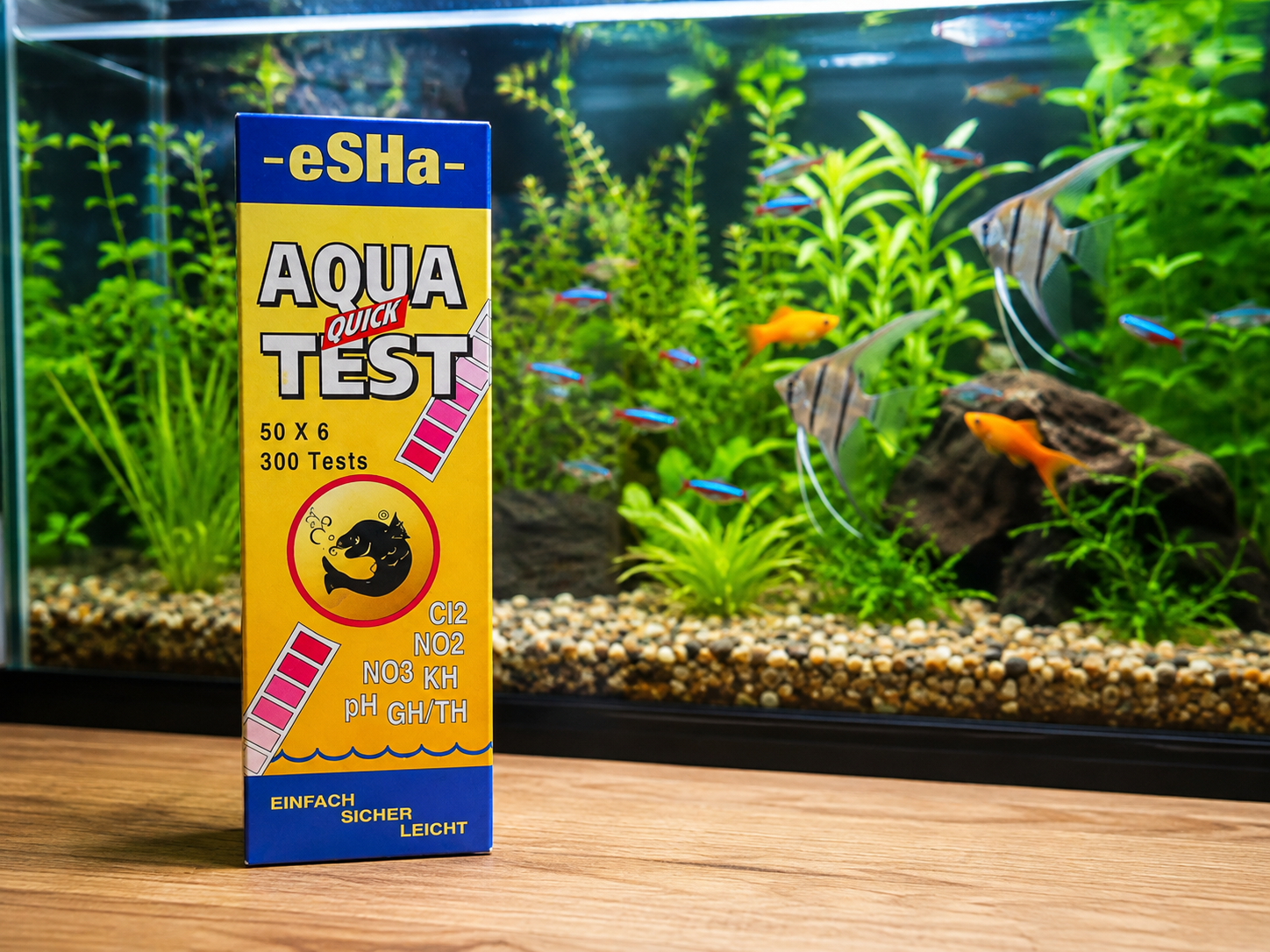
ESHA Aqua Quicktest
Best for: Fast routine water-quality checks in freshwater aquariums.
As an Amazon Associate, we earn from qualifying purchases.
Fluval
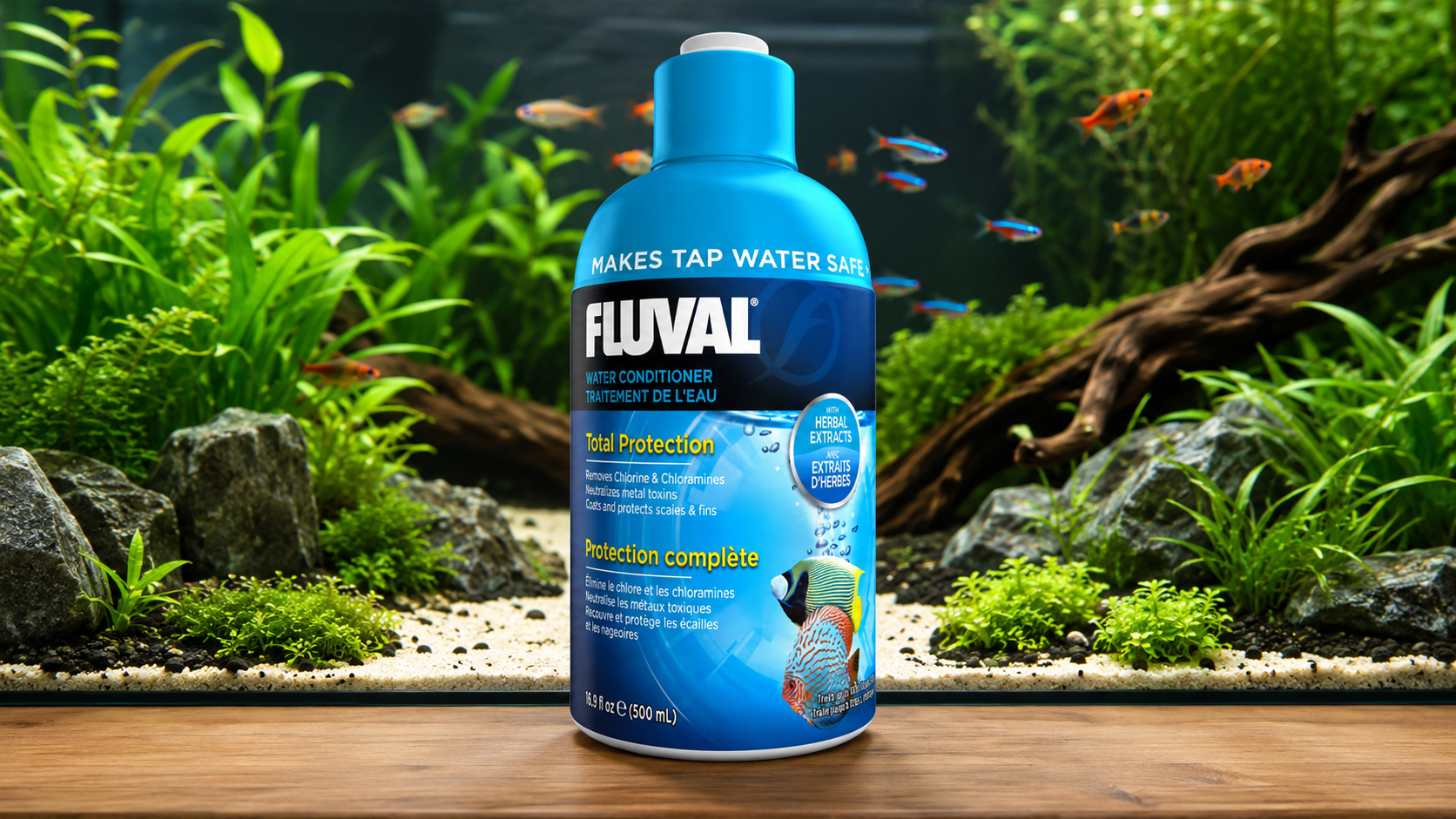
Fluval Aqua Plus 500ml aquarium water conditioner
Best for: Routine water changes in freshwater and tropical aquariums
As an Amazon Associate, we earn from qualifying purchases.
Fluval
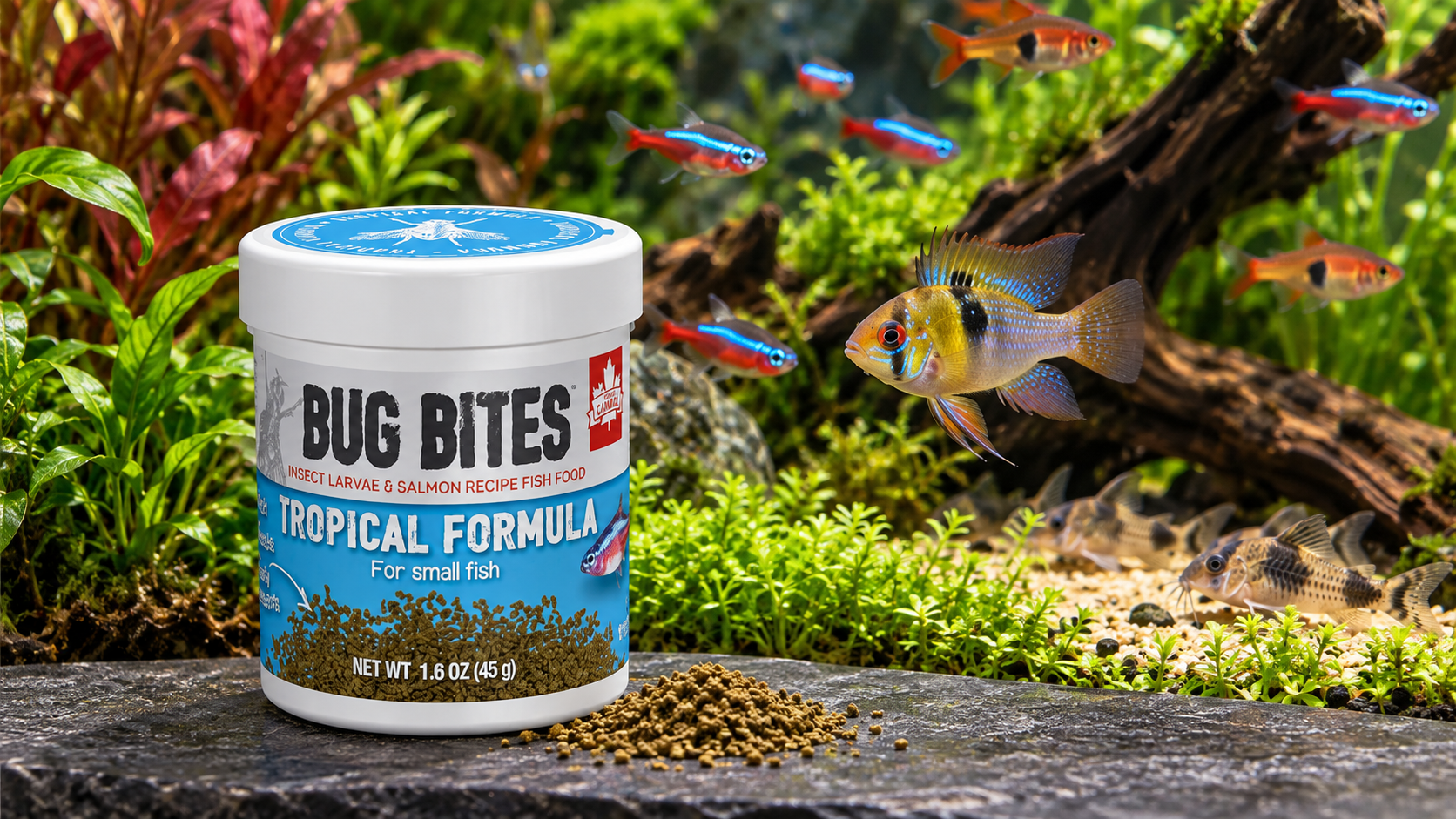
Fluval Bug Bites Tropical Formula for small fish
Best for: Small tropical fish and dwarf cichlids
As an Amazon Associate, we earn from qualifying purchases.
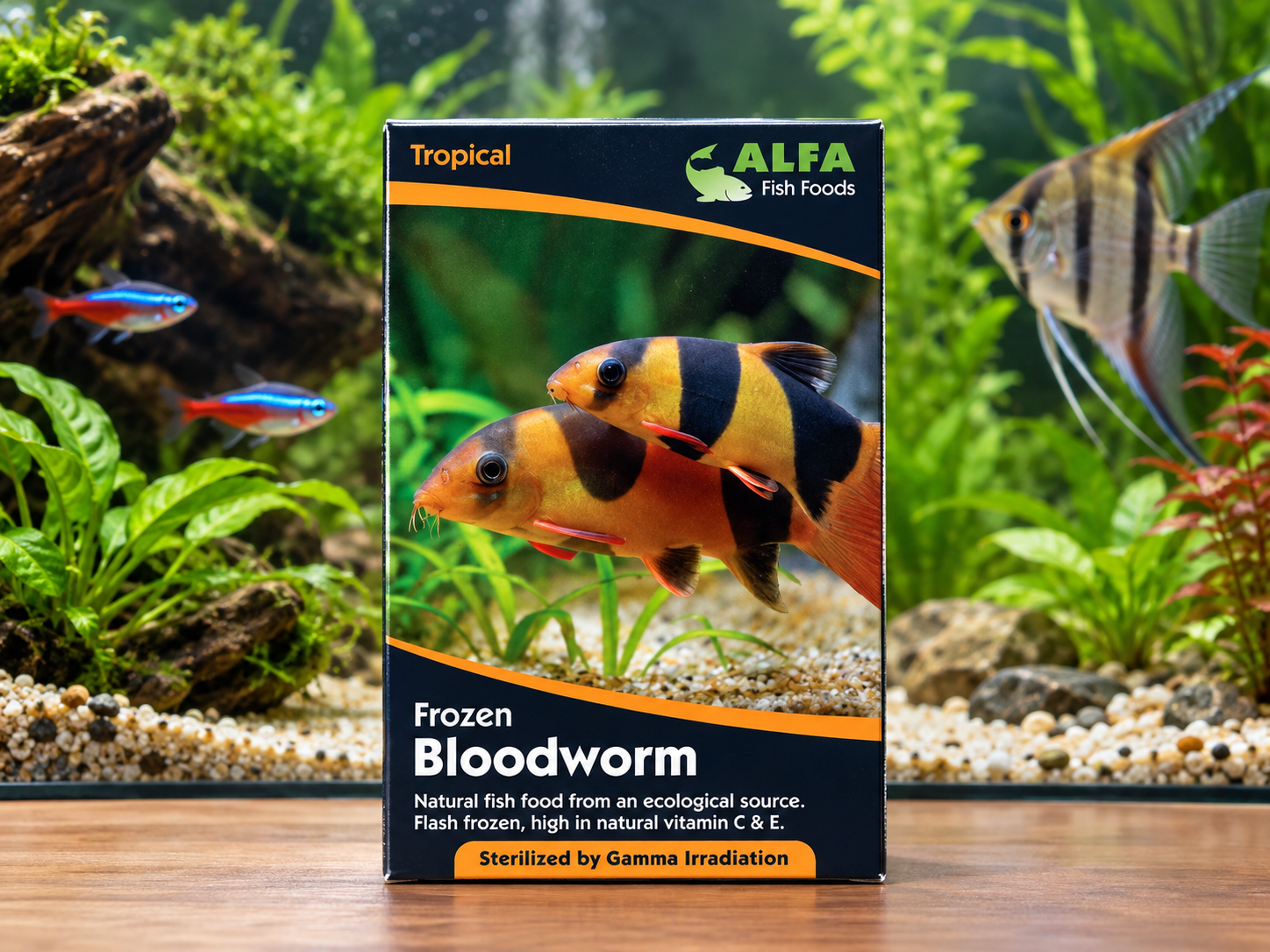
ALFA
Frozen Bloodworm Fish Food 10 Pack
Best for: Adding variety to tropical and coldwater fish diets
As an Amazon Associate, we earn from qualifying purchases.