Common Betta Fish Diseases: Symptoms, Causes and What to Do First
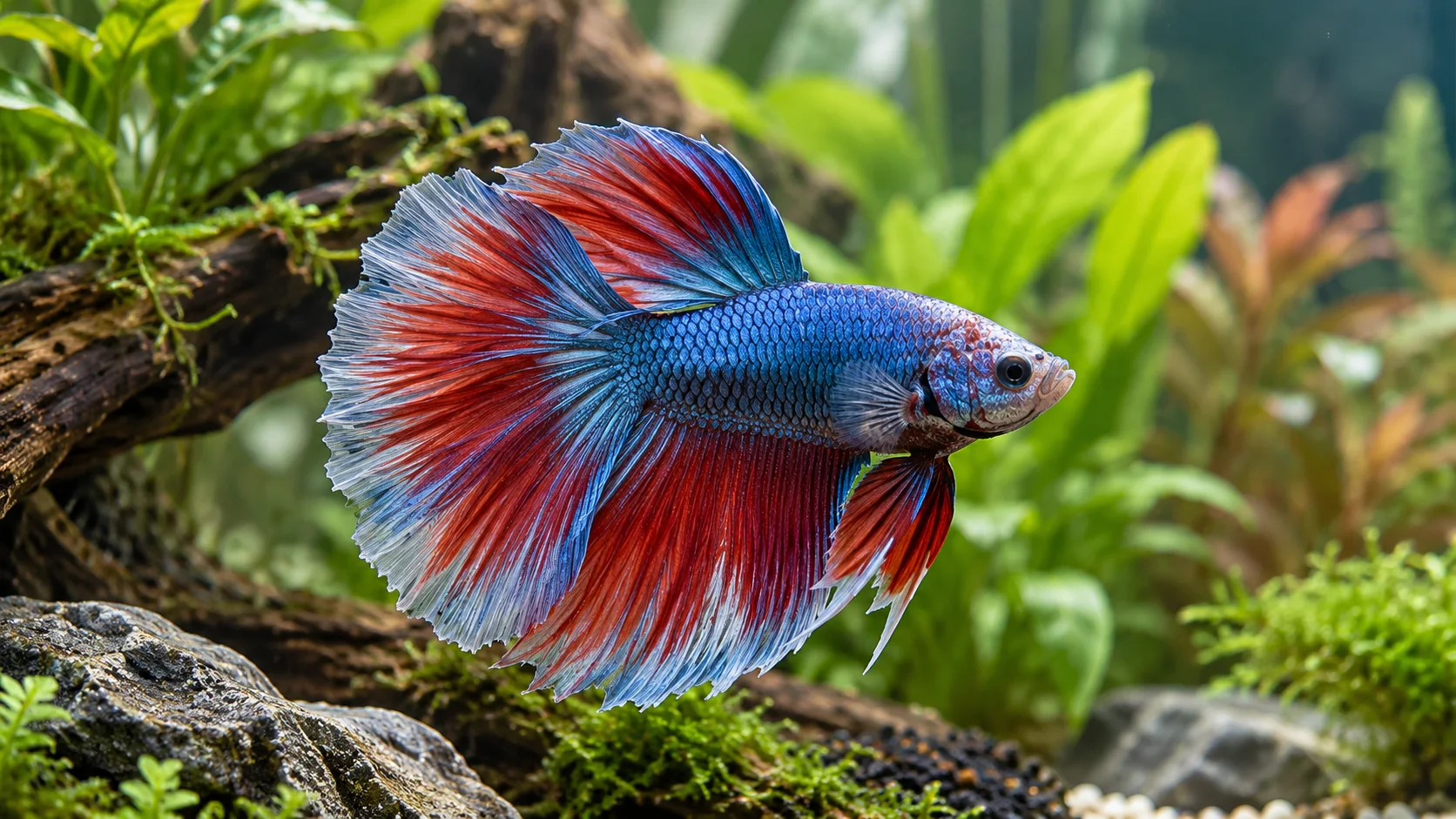
Is your Betta fish showing signs of illness? From damaged fins and white spots to unusual swimming behaviour and swollen eyes, recognising the early symptoms can make all the difference. This practical guide explores the most common Betta fish diseases, explains their possible causes and helps you understand what to do first. Learn how to distinguish infections from water quality problems, avoid unnecessary treatments and keep your Betta healthy.
Betta fish are among the most recognisable freshwater aquarium fish, admired for their vibrant colours, flowing fins and distinctive personalities. Although they are often described as hardy fish, Bettas can develop a range of health problems, particularly when water conditions, nutrition or their environment are unsuitable.
One of the difficulties with identifying Betta fish diseases is that several conditions produce very similar symptoms. A Betta sitting on the bottom of its aquarium might be suffering from poor water quality, an infection, an unsuitable temperature or simply exhaustion caused by excessive water flow.
Understanding the difference is important because treating the wrong condition can make matters worse.
This guide explores some of the most common Betta fish diseases, the symptoms to look for, their possible causes and, most importantly, what you should do first when something appears wrong.
How to Tell if Your Betta Fish Is Unwell
A healthy Betta should be alert, responsive and interested in its surroundings. Although Bettas naturally spend periods resting among plants or on broad leaves, they should generally respond to activity around the aquarium and show an interest in feeding.
Changes in normal behaviour are often the earliest indication that something is wrong.
A Betta that suddenly becomes withdrawn, refuses food, clamps its fins against its body or spends unusually long periods hiding may be experiencing stress or illness.
Physical changes can also provide important clues. Torn or deteriorating fins, white spots, unusual patches on the skin, swelling around the abdomen and protruding eyes should all be investigated.
However, these symptoms do not automatically confirm a particular disease. Water quality problems and environmental stress can produce many of the same warning signs as infectious diseases.
The most useful approach is to consider both the appearance of the fish and the conditions inside its aquarium.
What to Do First When Your Betta Looks Sick
Before purchasing medication, the first step should almost always be to check the aquarium environment.
Many Betta health problems are associated with unstable water conditions, elevated ammonia or nitrite, inappropriate temperatures and inadequate maintenance.
Test the aquarium water for ammonia, nitrite, nitrate and pH. In an established aquarium, ammonia and nitrite should both be undetectable, ideally 0 mg/L.
Check that the heater is operating correctly. Bettas generally do well in stable tropical temperatures of approximately 25–28°C. Water that is consistently too cold can reduce activity and place additional stress on the fish.
If ammonia or nitrite is detected, a partial water change using appropriately conditioned, temperature-matched water is usually necessary. More substantial or repeated changes may be required where concentrations are dangerous, although severely neglected aquariums with unstable pH need particular care to avoid sudden chemical changes.
Inspect the filter, remove any uneaten food and check that the aquarium is not experiencing excessive water movement.
Bettas prefer relatively gentle water flow, and long-finned varieties can become exhausted when constantly fighting a strong filter current.
Avoid completely cleaning the aquarium or replacing all the filter media, as doing so can damage the beneficial bacterial population responsible for biological filtration.
These basic checks are particularly important because adding medication to an aquarium with poor water quality may create further problems rather than solve the original cause.
Fin Rot: Ragged or Deteriorating Fins
Symptoms: Frayed fin edges, shortening fins, discolouration and progressive tissue loss.
Fin rot is one of the most frequently recognised health problems in Betta fish, partly because their elaborate fins make deterioration particularly noticeable.
The condition often begins with the edges of the fins appearing ragged, uneven or slightly discoloured. As the problem progresses, sections of fin tissue may disappear, leaving the fins noticeably shorter.
Fin rot is commonly associated with bacterial infection, although tissue damage, poor water conditions and underlying stress often contribute.
Not every damaged fin is infected. Bettas can tear their fins on decorations, suffer injuries from other fish or occasionally bite their own tails. A clean tear that begins healing is different from a fin that continues deteriorating.
What Should You Do First?
Check ammonia, nitrite and temperature, and carefully inspect the aquarium for sharp decorations or other possible causes of injury.
Correct any water quality problems and maintain a clean, stable environment.
Mild fin damage may heal without medication once the underlying cause has been removed. New fin growth may initially appear transparent.
However, continuing tissue loss, inflamed fin bases, ulcers or rapidly worsening damage may indicate an infection requiring professional assessment and an appropriate treatment like NT Labs Aquarium Anti-Ulcer & Finrot Treatment.
Avoid using antibacterial medication simply because a fin looks torn.
White Spot Disease (Ich)
Symptoms: Small white spots, rubbing against objects, clamped fins and reduced appetite.
White spot disease, commonly known as Ich, is caused by the freshwater parasite Ichthyophthirius multifiliis.
The most recognisable symptom is the appearance of small white spots resembling grains of salt on the body and fins.
Affected Bettas may also rub against aquarium decorations, become unusually inactive or lose interest in feeding.
White spot can be introduced through infected fish or contaminated equipment. The parasite has a life cycle involving stages on the fish and within the aquarium environment, which is why treatment must address more than the visible spots.
What Should You Do First?
Check the water conditions and look carefully at the nature of the white spots.
True white spot usually produces multiple distinct spots, although infections involving the gills may not create obvious marks on the body.
If white spot is suspected, seek an appropriate freshwater white spot treatment like NT Labs White Spot Treatment and follow the manufacturer's instructions carefully. Professional confirmation is preferable when the diagnosis is uncertain.
Treatment must be continued for the recommended duration, even when the visible spots begin disappearing, because the parasite has several life stages.
Some medications require adjustments to filtration, additional aeration or special precautions around aquarium invertebrates.
Never assume that raising the temperature alone will eliminate the parasite.
Velvet Disease: A Fine Golden Dusting
Symptoms: Fine gold or rust-coloured coating, scratching, lethargy and rapid breathing.
Velvet is another parasitic disease that can affect freshwater Bettas. It is caused by organisms commonly known as Piscinoodinium.
Unlike white spot, which produces relatively distinct white marks, velvet may create an extremely fine golden or brownish dusting over the fish.
The coating can be difficult to notice, particularly on brightly coloured Bettas. Examining the fish under a suitable light from different angles may help reveal an unusual sheen.
Affected Bettas may clamp their fins, rub against objects, refuse food or breathe more rapidly than normal.
Velvet can become serious because the parasites may damage the gills as well as the skin.
What Should You Do First?
Check water quality immediately and observe the fish for signs of respiratory distress.
If velvet is suspected, obtain advice on a suitable antiparasitic treatment rather than using a general antibacterial medication.
Severely affected fish require prompt attention, especially when breathing appears laboured.
Treatments and their effectiveness vary, so choosing a product specifically appropriate for the suspected parasite is important.
Fungal Infections: White Cotton-Like Growths
Symptoms: Fluffy white or grey growths, often developing around damaged tissue.
Cotton-like growths on a Betta's body are frequently described as fungal infections.
One common cause is Saprolegnia, a water mould that can colonise damaged skin, fins and other external tissues.
These infections are often secondary problems, developing after physical injury or when the fish has already been weakened by unsuitable environmental conditions.
The growth typically has a fluffy, thread-like appearance rather than the distinct grains associated with white spot.
However, not every white patch is fungal. Certain bacterial infections, particularly columnaris, can create a similar appearance.
What Should You Do First?
Check water quality and look for an underlying injury or other cause of skin damage.
If the growth is genuinely fluffy and consistent with a water mould, an appropriate treatment like NT Labs White Spot Treatment may be required.
Where the affected area is spreading quickly, involves the mouth or gills, or looks more like a flat grey-white lesion, seek professional identification before choosing medication.
Treating a bacterial infection with an antifungal product may delay the treatment the fish actually needs.
Columnaris: A Potentially Serious Bacterial Infection
Symptoms: Grey-white patches, damaged mouth tissue, ulcers and rapid deterioration.
Columnaris is a bacterial disease associated with Flavobacterium columnare.
It is sometimes confused with a fungal infection because affected fish can develop pale, cotton-like or slimy patches around the mouth, body or fins.
However, columnaris is bacterial rather than fungal, and certain forms can progress rapidly.
Affected Bettas may develop areas of damaged skin, inflamed tissue, fin deterioration or lesions around the mouth. In more serious cases, the gills may become involved.
Poor water conditions, stress and damage to the protective mucus layer can contribute to the development of bacterial disease.
What Should You Do First?
Immediately assess the aquarium environment and avoid unnecessary handling.
Because columnaris can resemble other conditions, diagnosis by a fish professional is particularly valuable.
A rapidly spreading white patch, skin ulcer or breathing difficulty should be treated as urgent.
Appropriate antibacterial treatment may be required, but the choice of medication should be based on the likely infection rather than the appearance of a white patch alone.
Swim Bladder Problems: Difficulty Swimming Normally
Symptoms: Floating uncontrollably, sinking, swimming sideways or struggling to maintain balance.
Swim bladder disorder is a familiar term among aquarium keepers, although it describes a problem with buoyancy rather than one specific disease.
The swim bladder is an internal organ that helps many fish maintain their position in the water.
A Betta experiencing buoyancy difficulties might float towards the surface, sink repeatedly or struggle to remain upright.
Possible causes include digestive problems, abdominal swelling, injury, infection and disorders affecting the swim bladder itself.
Strong water flow can also make a weak or long-finned Betta appear to have difficulty swimming, even when buoyancy is not the original problem.
What Should You Do First?
Begin by checking the water temperature, water quality and filter flow.
If the fish has recently been overfed and is otherwise alert, withholding the next feeding while observing its condition may be reasonable.
Do not automatically assume constipation, however. Persistent abnormal swimming, swelling or a loss of balance may indicate something more serious.
Avoid using peas as a routine treatment. Bettas are primarily carnivorous fish and do not require vegetable-based remedies.
If the Betta cannot reach the surface, remains on its side or deteriorates rapidly, veterinary assistance should be sought.
Dropsy: Swelling and Raised Scales
Symptoms: Enlarged abdomen, raised scales, lethargy and reduced appetite.
Dropsy is one of the more concerning conditions that can affect Betta fish.
It is important to understand that dropsy is not a single disease. The term describes abnormal fluid accumulation within the body, which may develop because of bacterial infection, kidney damage or other internal disorders.
The most recognisable symptom is severe abdominal swelling accompanied by scales that begin to stick out from the body.
When viewed from above, the raised scales can produce an appearance resembling a pine cone.
However, a swollen abdomen alone does not establish dropsy. Overfeeding, reproductive conditions, masses and other problems can also cause enlargement.
What Should You Do First?
Test the water immediately and correct any environmental problems without creating sudden changes.
A Betta displaying pronounced swelling and raised scales requires urgent assessment by a fish veterinarian.
The underlying cause must be identified wherever possible, because treatment depends on what has produced the fluid accumulation.
Although some fish recover when treatment begins early, advanced dropsy often carries a poor prognosis.
Random combinations of antibiotics, aquarium salt and other treatments are unlikely to address every possible cause and can create additional stress.
Popeye: Swollen or Protruding Eyes
Symptoms: One or both eyes protruding, swelling around the eye and occasional cloudiness.
Popeye, medically known as exophthalmia, describes abnormal protrusion of one or both eyes.
The condition can result from injury, infection, inflammation or internal problems affecting fluid balance.
If only one eye is affected, physical trauma may be a possibility. Swelling affecting both eyes can sometimes suggest a broader underlying problem, although neither pattern provides a definitive diagnosis.
A Betta may damage its eye by colliding with a hard decoration or becoming trapped between aquarium furnishings.
What Should You Do First?
Check water quality and carefully inspect the aquarium for potential hazards.
If the eye is only mildly swollen and the fish otherwise appears healthy, correcting the environment and closely monitoring its condition may help prevent further damage.
However, pronounced swelling, cloudiness, bleeding, loss of appetite or deterioration should prompt veterinary assessment.
Avoid attempting to physically treat or manipulate the affected eye.
Why Water Quality Is So Important for Betta Health
Many common Betta health problems are either caused or made worse by poor aquarium conditions.
Ammonia is released through fish waste and the breakdown of uneaten food. In a properly established aquarium, beneficial bacteria convert ammonia into nitrite and then into nitrate.
When the biological filter is immature, damaged or overloaded, toxic waste compounds can accumulate.
A Betta exposed to elevated ammonia or nitrite may become lethargic, develop breathing difficulties, lose its appetite or become more vulnerable to secondary infections.
This is particularly relevant to Bettas kept in very small aquariums, where water conditions can deteriorate quickly.
Although Bettas possess a labyrinth organ that allows them to breathe atmospheric air, this does not protect them against ammonia poisoning or other harmful water conditions.
A suitable aquarium should provide sufficient swimming space, a reliable heater, gentle biological filtration and areas of planting or cover where the fish can rest.
Regular partial water changes, careful feeding and routine testing all help reduce the likelihood of disease.
Stability is equally important. Sudden changes in temperature, pH or water chemistry can create additional stress for an already weakened fish.
Should You Move a Sick Betta into a Hospital Tank?
A separate hospital aquarium can be useful when a Betta requires isolation from other fish, needs carefully controlled treatment or is being disturbed by tankmates.
However, moving a fish is not always necessary.
If a Betta already lives alone in a suitable aquarium, transferring it into a smaller, uncycled container may expose it to less stable water conditions and additional handling stress.
Where a hospital aquarium is required, it should provide appropriate heating, clean conditioned water, gentle aeration or filtration as needed, and secure cover.
Any treatment equipment should be dedicated to that aquarium to reduce the risk of spreading infectious organisms.
The decision should depend on the suspected condition and whether the new environment genuinely offers an advantage.
When Should You Seek Urgent Help?
Some symptoms require more than routine observation or a simple water change.
A Betta experiencing severe breathing difficulties, rapidly spreading skin lesions, significant abdominal swelling with raised scales, uncontrolled swimming or an inability to reach the surface should be assessed urgently by a fish veterinarian.
The same applies when a fish is deteriorating despite the correction of water quality problems.
Early diagnosis is particularly important with conditions that can progress quickly, including serious bacterial infections and parasitic diseases affecting the gills.
If treatment is recommended, follow the instructions carefully and avoid mixing different aquarium medications unless a suitably qualified professional has advised doing so.
Many treatments can affect sensitive aquarium inhabitants or interfere with the biological filtration system.
Preventing Common Betta Fish Diseases
Prevention remains the most reliable way of protecting Betta health.
A mature aquarium with stable water conditions provides a much better foundation than relying on treatments whenever problems develop.
Feeding a suitable, varied diet in sensible quantities helps maintain condition without introducing unnecessary waste into the aquarium.
Carefully selecting decorations and avoiding sharp surfaces reduces the risk of fin and eye injuries.
New fish should be quarantined where appropriate before introduction into an established aquarium, and equipment should not be transferred between aquariums without suitable cleaning.
Above all, take time to observe your Betta each day.
Because Bettas often develop recognisable routines and individual behaviours, small changes in appetite, activity or appearance can provide useful early warnings.
Identifying a problem before it becomes advanced can make a considerable difference to the outcome.
Final Thoughts
Betta fish can suffer from several different diseases, but successful treatment begins with understanding what is actually wrong.
Frayed fins do not automatically mean bacterial fin rot, white patches are not necessarily fungal infections, and a swollen abdomen does not always indicate dropsy.
Many symptoms overlap, making water testing, careful observation and an understanding of the fish's environment essential.
When a Betta first appears unwell, check the aquarium temperature, test the water and look for obvious causes of stress before reaching for medication. Where symptoms are severe, spreading or unclear, seek professional advice promptly.
With a stable, well-maintained aquarium, appropriate nutrition and a little daily observation, many common health problems can be prevented or identified early.
Ultimately, the best approach to Betta fish health is not simply knowing which medication to use. It is recognising when something has changed, understanding the possible causes and taking the right action before a manageable problem becomes a serious one.
Products We've Mentioned & Recommend
Below you'll find a selection of products we've mentioned in this article, along with a few others we think you might find useful. We've included Amazon links to make them easy to find.
A quick word about affiliate links...
Some of these links are affiliate links, which means we may earn a small commission from qualifying purchases, at no extra cost to you.
Unfortunately, the commission doesn't quite stretch to cocktails on a yacht or a garage full of sports cars. In reality, it helps cover the running costs of this website and, with a bit of luck, might eventually buy me a new pair of waders that don't leak!
We only recommend products we genuinely believe are worth considering, and your support helps us keep sharing free advice from our years of working with aquariums and ponds.
Thanks for supporting Aquatic Specialist!
As an Amazon Associate I earn from qualifying purchases.
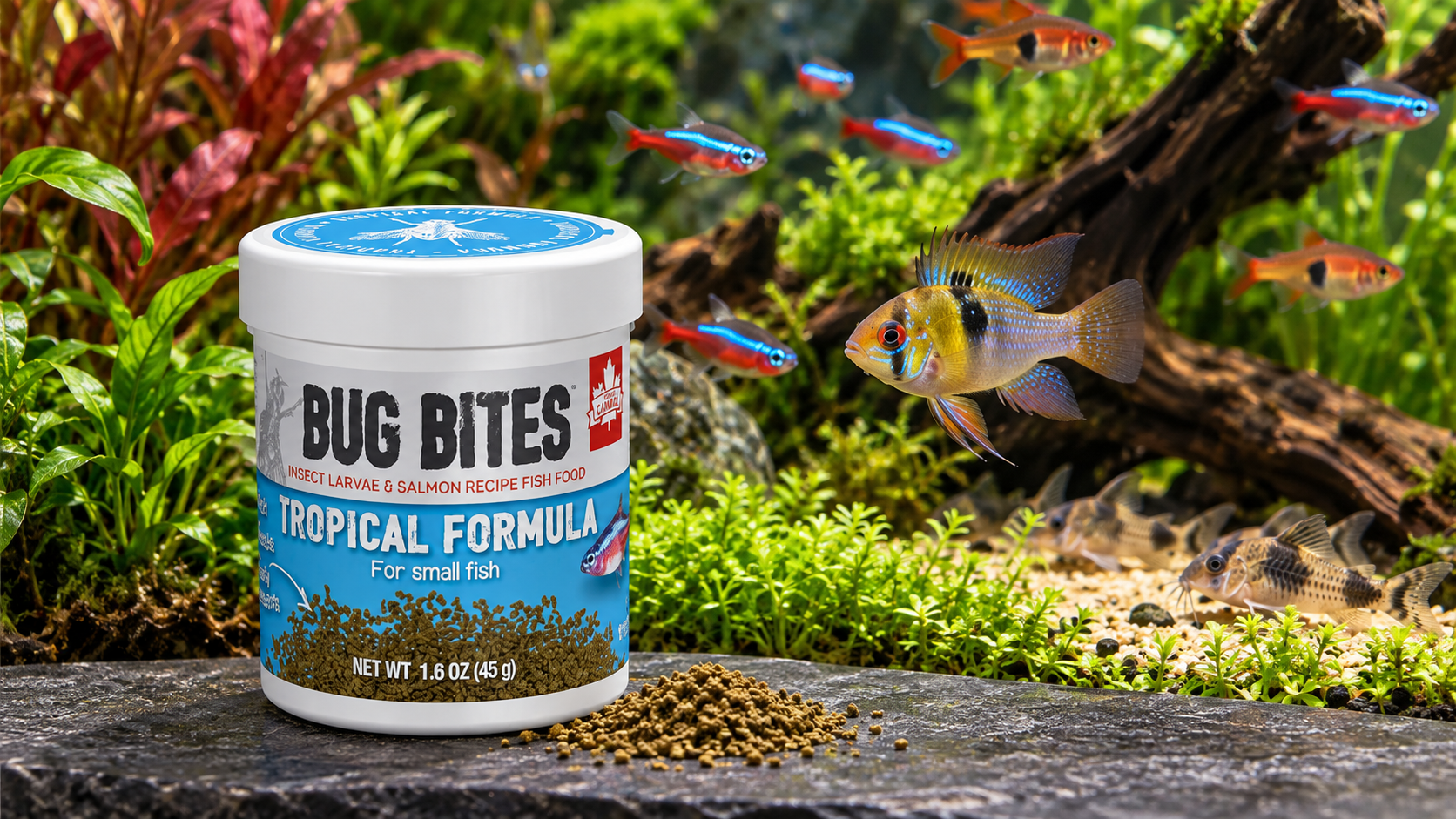
Fluval
Fluval Bug Bites Tropical Formula for small fish
Best for: Small tropical fish and dwarf cichlids
As an Amazon Associate, we earn from qualifying purchases.
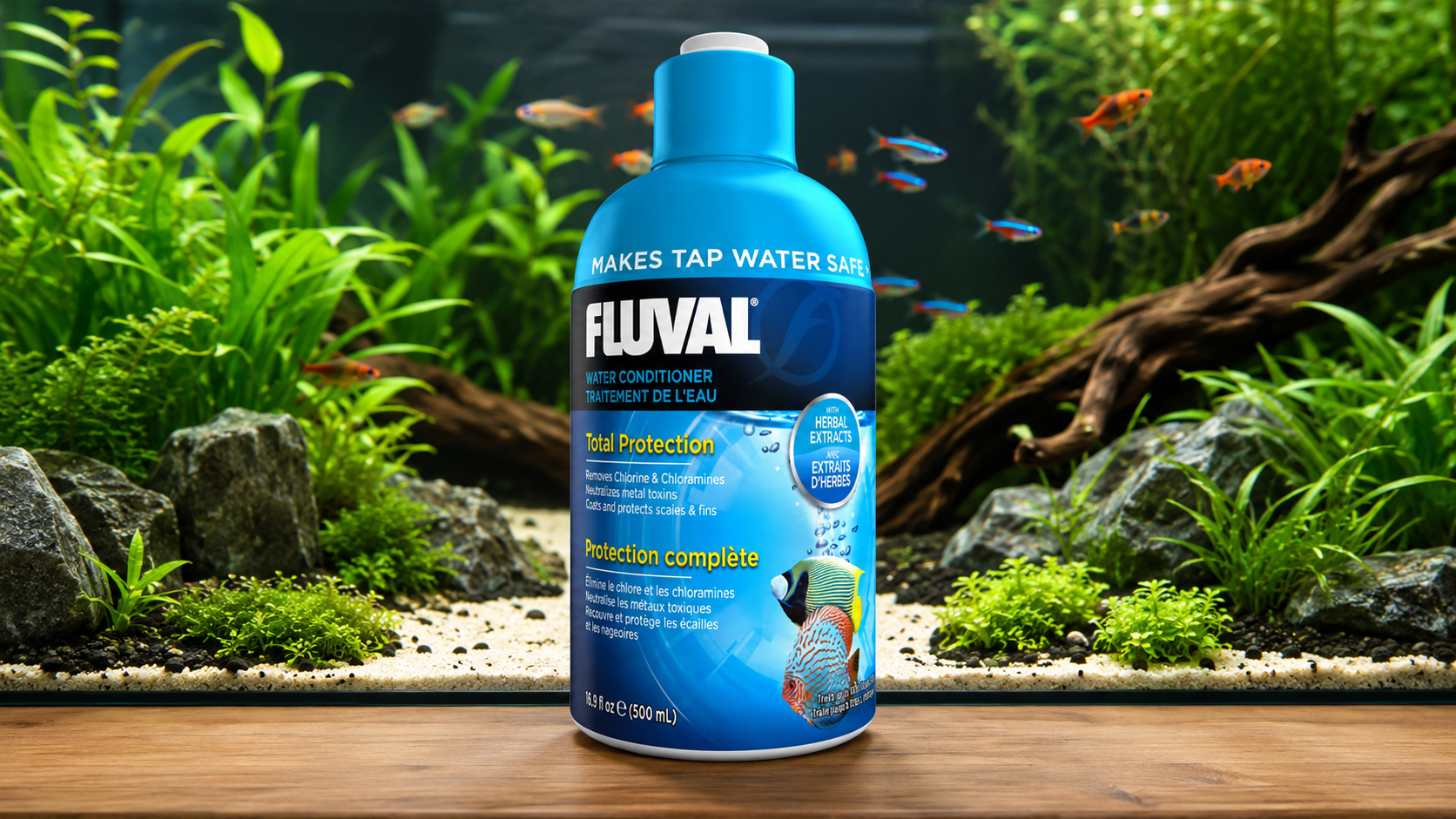
Fluval
Fluval Aqua Plus 500ml aquarium water conditioner
Best for: Routine water changes in freshwater and tropical aquariums
As an Amazon Associate, we earn from qualifying purchases.
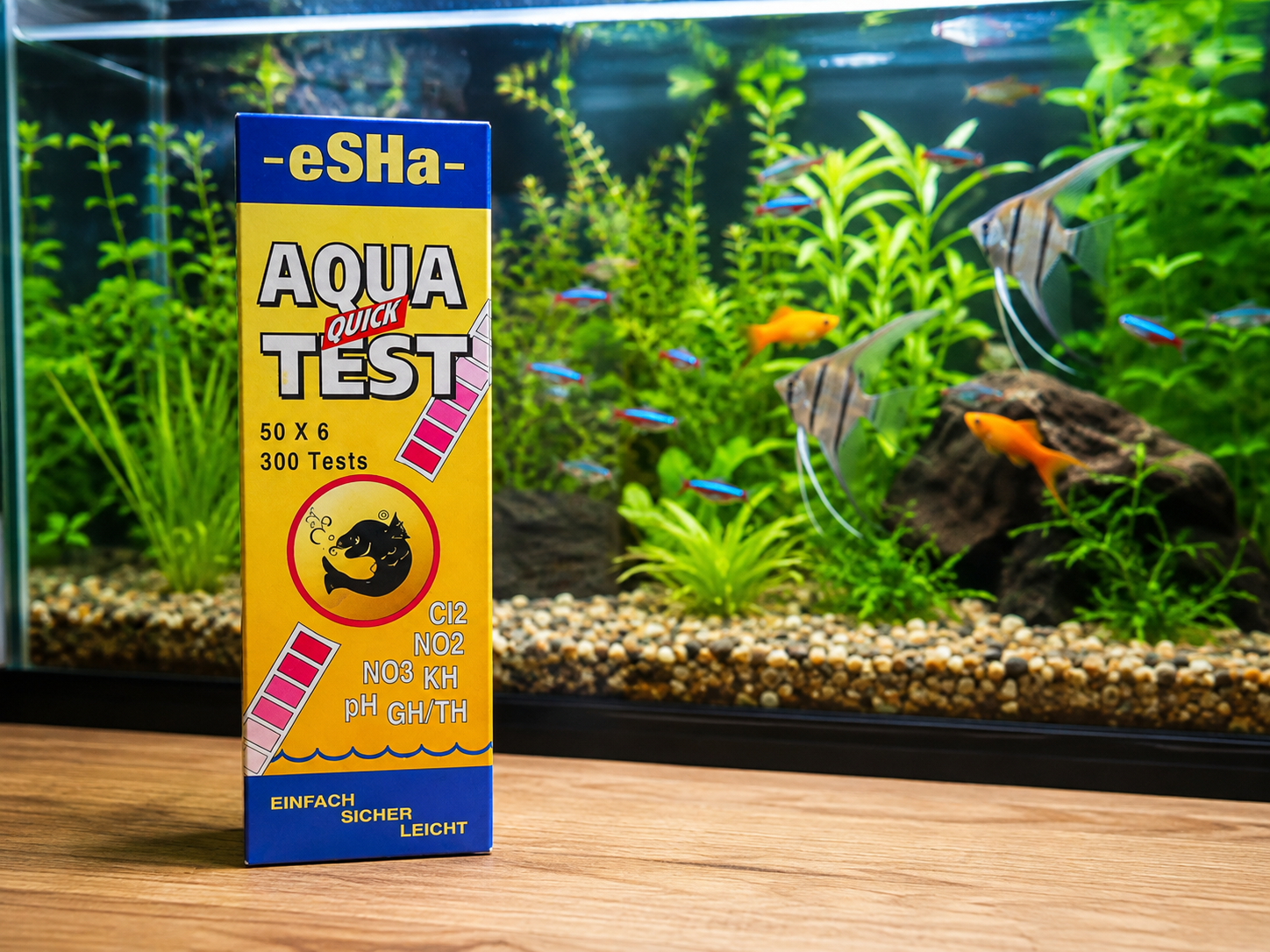
Esha
ESHA Aqua Quicktest
Best for: Fast routine water-quality checks in freshwater aquariums.
As an Amazon Associate, we earn from qualifying purchases.
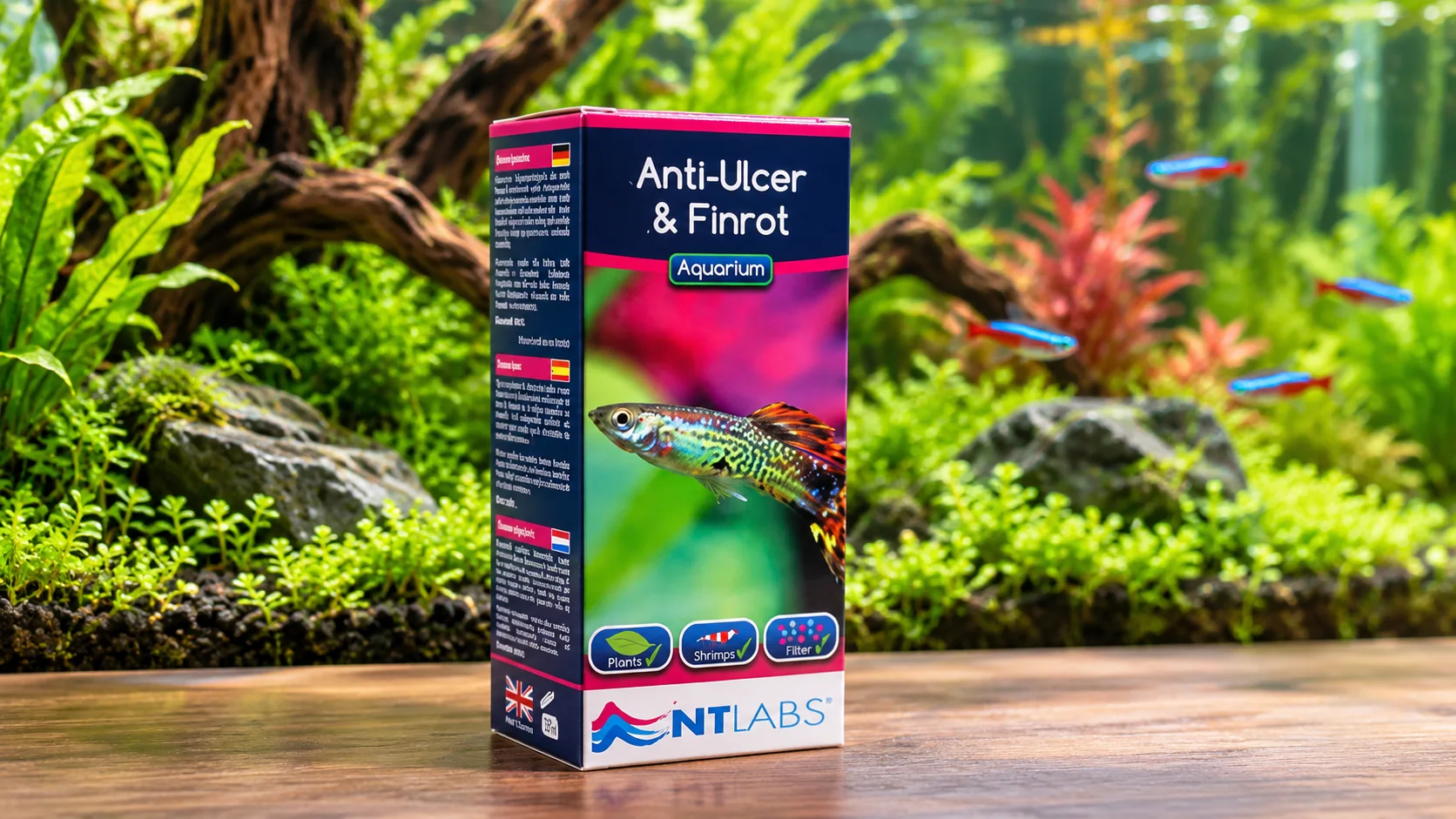
NT Labs
NT Labs Aquarium Anti-Ulcer & Finrot Treatment
Best for: Treating fin rot, mouth rot, ulcers and external bacterial infections in freshwater aquarium fish.
As an Amazon Associate, we earn from qualifying purchases.
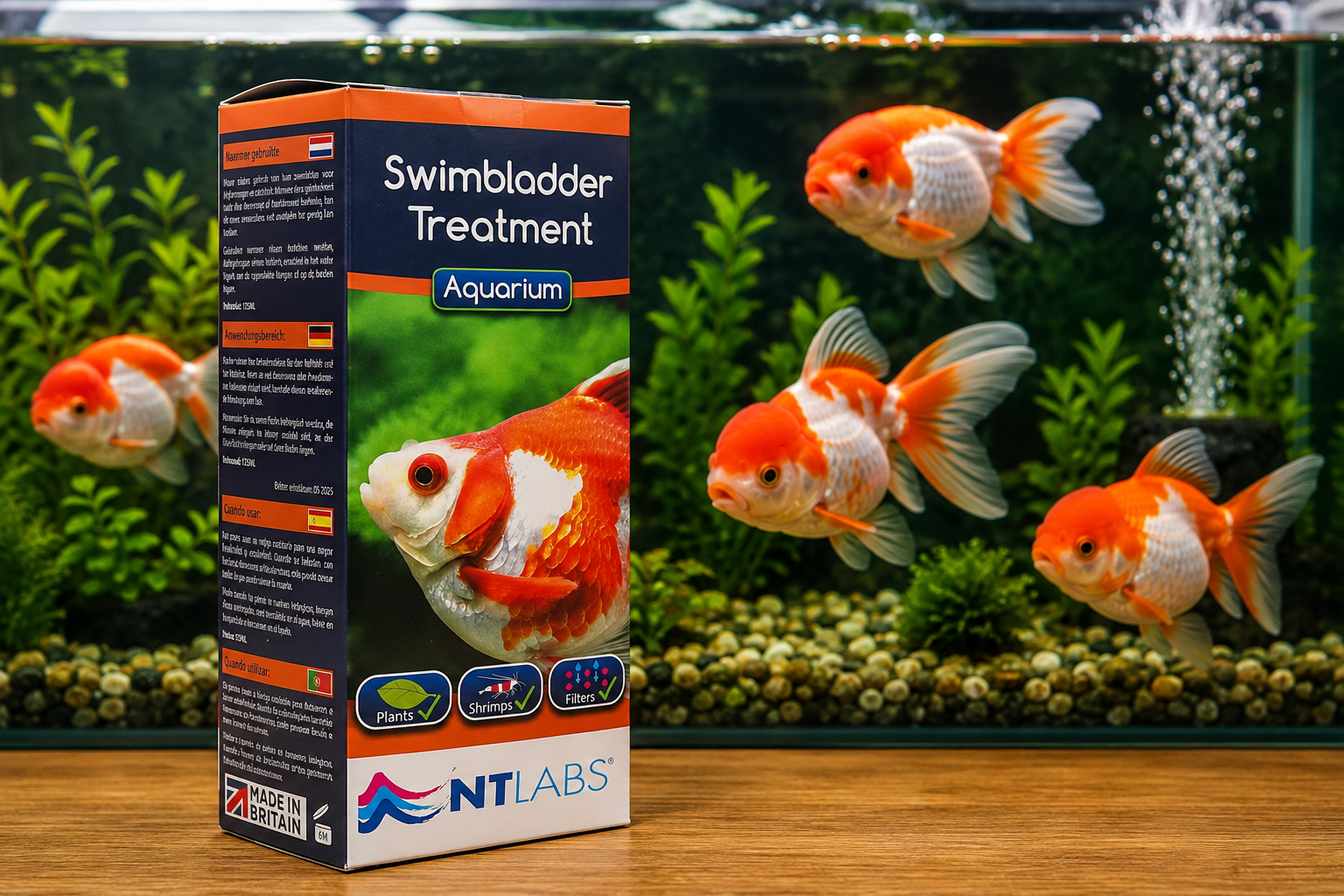
NT Labs
NT Labs Aquarium Swimbladder Disease Treatment
Best for: Fancy goldfish with buoyancy or stability problems
As an Amazon Associate, we earn from qualifying purchases.
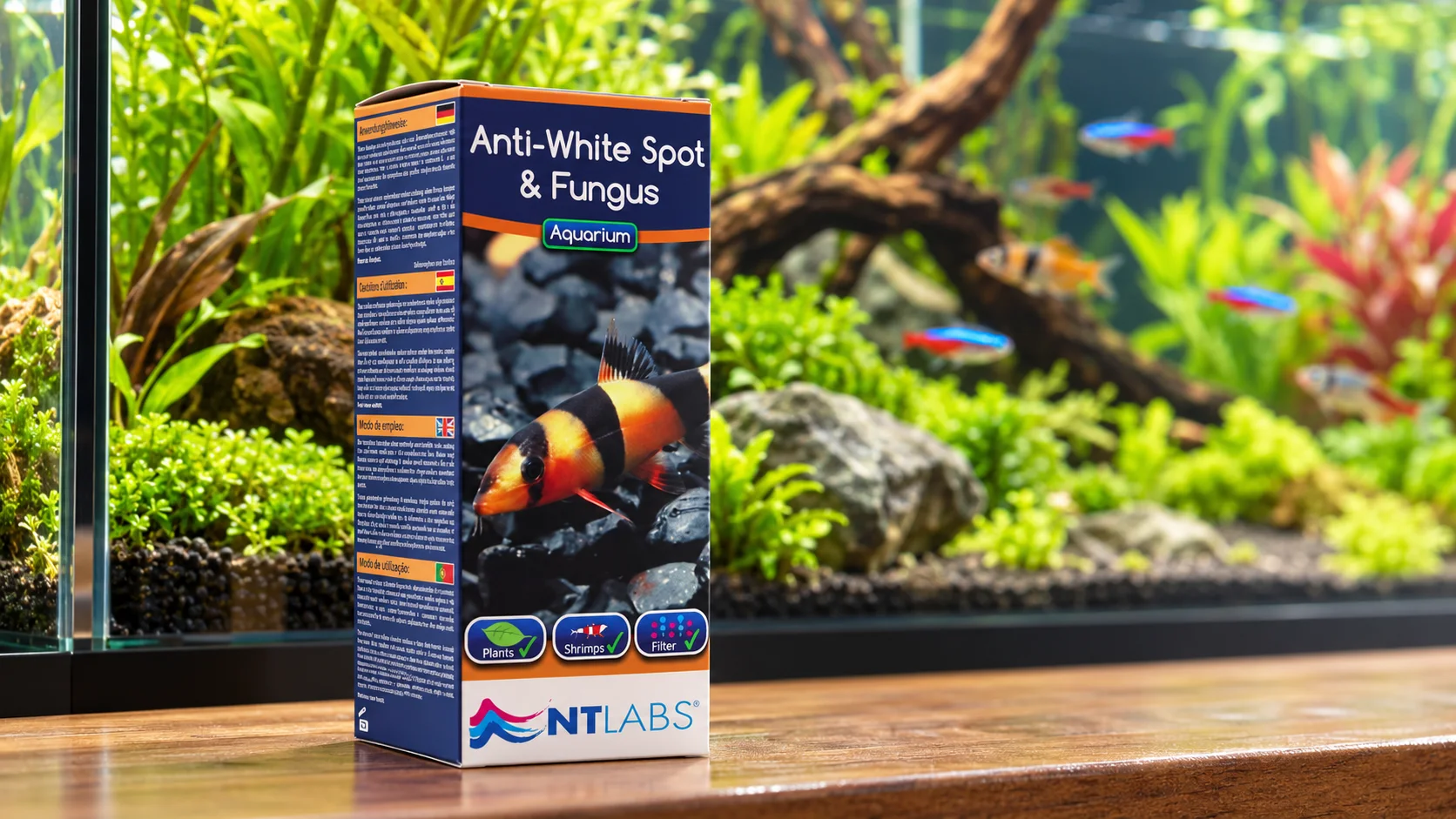
NT Labs
NT Labs White Spot & Fungus Treatment
Best for: Treating white spot disease and external fungal infections in tropical and coldwater freshwater aquariums.
As an Amazon Associate, we earn from qualifying purchases.