Chilli Rasbora Care Guide: A Tiny Fish with Plenty of Colour
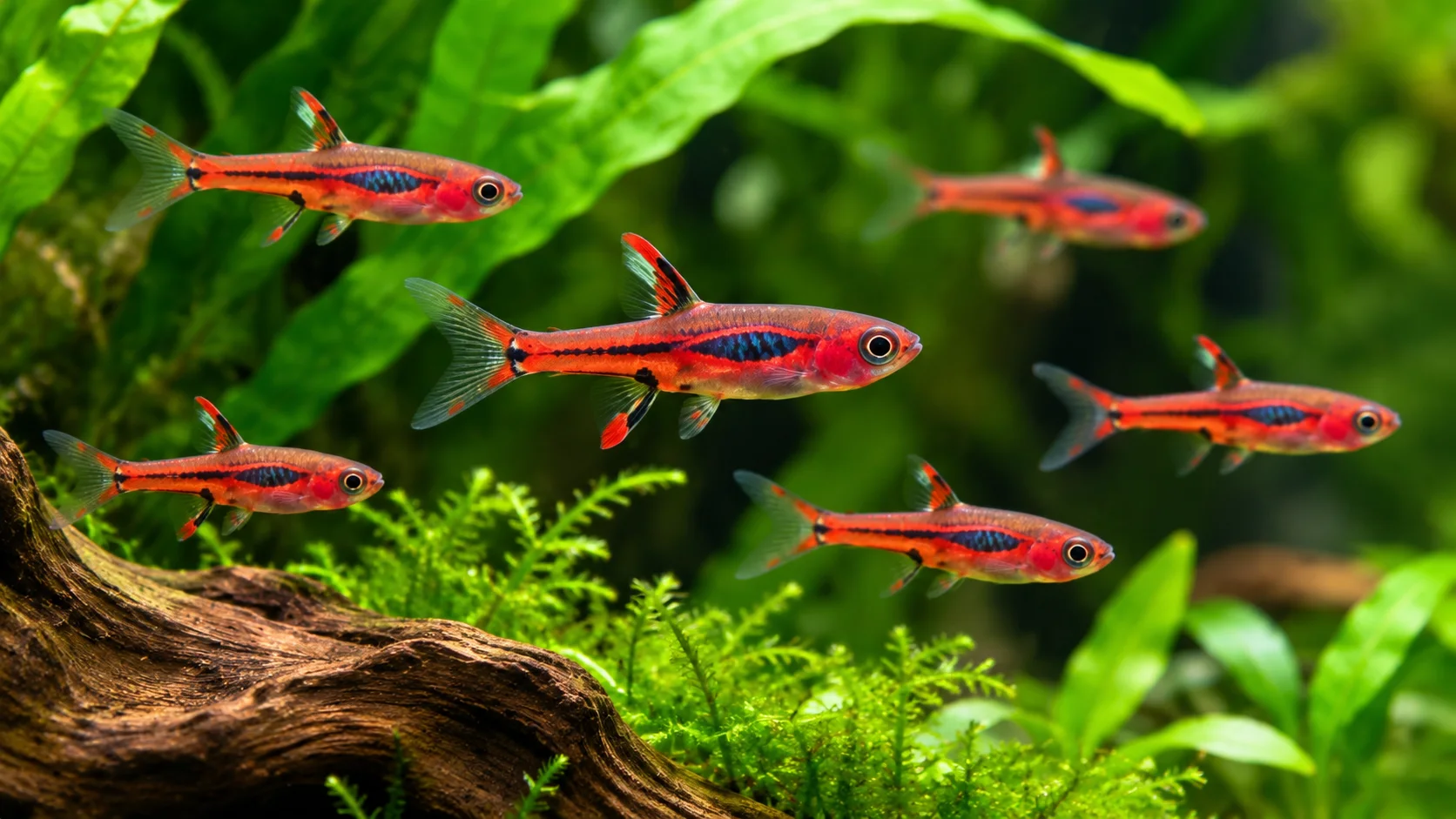
The Chilli Rasbora is a tiny, colourful freshwater fish that's become a favourite among nano aquarium enthusiasts. Drawing on our experience maintaining planted aquariums, we look at their care requirements, ideal water conditions, feeding habits and why these beautiful little fish deserve a carefully planned aquarium.
The Chilli Rasbora (Boraras brigittae) is one of those fish that proves you don't need a large aquarium or particularly large fish to create an impressive display. Despite reaching little more than 2cm when fully grown, these tiny freshwater fish have become increasingly popular, particularly with people keeping nano aquariums and heavily planted aquascapes.
Their bright red colouring, dark markings and peaceful nature make them an attractive choice for smaller aquariums. When kept in a good-sized group, they can create a surprisingly colourful display, especially against dark substrates and lush green plants.
At Aquatic Specialist, we don't get asked to maintain many nano aquariums. Most of our regular maintenance clients have larger freshwater community tanks, planted displays or marine aquariums. Consequently, Chilli Rasboras aren't a species we come across particularly often during our working week.
However, we can certainly appreciate why they've become so popular among aquascaping enthusiasts. They're attractive, interesting to watch and, provided their requirements are understood, can be a rewarding species to keep.
What Is a Chilli Rasbora?
The Chilli Rasbora originates from Borneo, particularly the peat swamp forests and slow-moving waterways of Indonesia. These environments are often shaded by surrounding vegetation, with fallen leaves, branches and decaying organic material giving the water a characteristic tea-coloured appearance.
The water in these habitats is generally very soft and acidic, something worth remembering when considering whether they're suitable for your aquarium.
Although commonly called a rasbora, the Chilli Rasbora belongs to the genus Boraras, which contains several other miniature freshwater species.
Their appearance is what makes them stand out. Healthy adults develop a beautiful red colour, with a distinctive dark stripe running along the body. Males are generally more intensely coloured, particularly when mature and displaying to one another, while females tend to be slightly fuller-bodied.
They're easily confused with other small Boraras species, so it's worth checking what you're buying, especially if you're hoping to establish a breeding group.
Why Are Chilli Rasboras So Popular in Nano Aquariums?
Nano aquariums have become increasingly popular over recent years, partly because modern LED lighting, compact filtration and improved aquascaping materials have made it possible to create attractive planted displays in relatively small spaces. Chilli Rasboras fit particularly well into this style of aquarium.
Their small size means they don't dominate the layout, allowing the plants, wood and rocks to remain an important part of the display. A group moving gently through the planting can make even a modest aquarium look surprisingly natural.
In our experience maintaining planted aquariums, the most attractive displays are often those where the fish complement the aquascape rather than overpower it.
Our clients generally like fish that provide colour and movement without constantly disturbing plants or creating unnecessary waste. Chilli Rasboras certainly fit that description, although they're more suited to specialist small-fish setups than the larger community aquariums we usually maintain.
If you're interested in creating this type of aquarium, we've also written a guide to Nano Aquascaping: How to Create a Beautiful Small Planted Aquarium , which covers the planting, layout and equipment needed for a successful small display.
What Size Aquarium Do Chilli Rasboras Need?
Although Chilli Rasboras are tiny, that doesn't mean they should automatically be kept in the smallest aquarium available.
For a group, we'd generally recommend a mature, well-planted aquarium of around 30–40 litres or larger. Experienced aquarists may successfully keep them in smaller specialist setups, but the additional water volume provides a useful margin for maintaining stable conditions.
One thing we've learned from maintaining aquariums professionally is that smaller tanks aren't necessarily easier to look after.
Temperature changes, overfeeding and deteriorating water quality can all have a greater impact when there's very little water to dilute the problem.
A slightly larger nano aquarium also provides more swimming space and allows you to keep a proper group rather than just a handful of individuals.
Keeping Chilli Rasboras in Groups
Chilli Rasboras are naturally social fish and should never be kept individually. We'd recommend keeping at least ten, although a group of fifteen or more can make a particularly attractive display when the aquarium is large enough.
In smaller groups, these fish can become nervous and spend much of their time hiding among the plants.
When they're comfortable, you'll see them exploring the aquarium, interacting with one another and occasionally displaying their colours.
They don't necessarily swim in a tight formation all day, but they do benefit from the security of having others of their own species nearby.
A larger group also makes a much better visual impression than scattering several different miniature fish species throughout a small aquarium.
Water Conditions and Temperature
Water chemistry is probably the most important consideration when keeping Chilli Rasboras. Unlike many familiar community fish, they're naturally adapted to very soft, acidic water.
A temperature of approximately 24–28°C is suitable, with a pH of around 4.5–6.5 being a good target for a specialist setup. Low mineral hardness is preferable.
Here on the south coast of England, much of our tap water is relatively hard and alkaline. That's something we regularly consider when selecting fish for our clients' aquariums.
While some captive-bred fish can adapt to a wider range of conditions, we wouldn't recommend assuming that Chilli Rasboras will thrive in ordinary hard tap water.
Where necessary, reverse osmosis water can be remineralised appropriately to provide suitable conditions.
As always, stability is essential. Sudden changes in water chemistry can be particularly stressful for such small fish.
Creating the Right Aquarium Environment
A natural-looking planted aquarium is ideal for Chilli Rasboras. Fine-leaved plants, Java Moss,Cryptocoryne Wendtii Brown and floating plants like Amazon Frogbit can all help create the sheltered environment these fish appreciate.
Bogwood and small pieces of driftwood provide additional cover, while dried aquarium-safe leaves can introduce tannins and give the water a more natural appearance.
Personally, I think these fish look particularly attractive against darker backgrounds. Their red colouring becomes much more noticeable, especially when they're swimming between patches of green planting.
Water movement should be gentle. Strong filtration currents can make life unnecessarily difficult for such small fish.
A sponge filter or carefully adjusted compact filter is usually sufficient, provided it maintains good biological filtration.
It's also important to make sure the filter intake cannot trap the fish, particularly if you're hoping to breed them.
What Should You Feed Chilli Rasboras?
Feeding Chilli Rasboras requires a little more thought than feeding larger community fish. Their mouths are extremely small, so many ordinary tropical fish pellets are simply too large.
Good-quality powdered foods and very fine microgranules can form part of their diet, supplemented with suitably small frozen or live foods.
Baby brine shrimp, microworms and other tiny invertebrates are useful options, provided the food is small enough for them to swallow.
We generally prefer feeding small amounts that fish can consume quickly rather than adding excessive food and allowing it to settle.
This is particularly important in nano aquariums, where uneaten food can quickly affect water quality.
Suitable Tank Mates
Chilli Rasboras are extremely peaceful, but their small size makes choosing suitable companions important. Larger or particularly active community fish may intimidate them, even if those fish aren't normally considered aggressive.
Small, peaceful shrimp can make suitable companions, although newly hatched shrimp may occasionally be eaten. We have a great article on the cherry shrimp which you may find interesting.
Personally, I'd be inclined to keep Chilli Rasboras in a species-focused planted aquarium rather than trying to introduce too many different fish.
A well-maintained group of these colourful little fish can provide more than enough interest on its own.
Can Chilli Rasboras Be Bred?
Breeding Chilli Rasboras is possible, particularly in mature, densely planted aquariums with suitable soft, acidic water.
They're egg scatterers and may deposit eggs among fine-leaved plants or moss. Unfortunately, the adults don't provide parental care and may eat their own eggs.
In a heavily planted aquarium, occasional fry may survive naturally, although a separate breeding setup generally gives better results.
Newly hatched fry are exceptionally small and initially require microscopic foods such as infusoria before progressing to larger live foods.
Raising them successfully requires patience and careful attention to water quality.
Are Chilli Rasboras Worth Keeping?
For anyone interested in nano aquariums, Chilli Rasboras are certainly worth considering. They're colourful, peaceful and ideally suited to the natural planted aquariums that have become so popular with aquascaping enthusiasts.
Although we don't maintain many nano aquariums for our clients, the principles remain exactly the same as those we apply to much larger installations. Suitable water chemistry, reliable filtration, sensible stocking and regular maintenance are what keep fish healthy.
The main thing I'd emphasise is that small fish shouldn't be mistaken for easy fish.
Chilli Rasboras have fairly specific requirements, particularly when it comes to water hardness, and they deserve an aquarium designed around those needs.
Get those conditions right, though, and a good-sized group of these beautiful little fish can create a display that's every bit as enjoyable as a much larger community aquarium.
Products We've Mentioned & Recommend
Below you'll find a selection of products we've mentioned in this article, along with a few others we think you might find useful. We've included Amazon links to make them easy to find.
A quick word about affiliate links...
Some of these links are affiliate links, which means we may earn a small commission from qualifying purchases, at no extra cost to you.
Unfortunately, the commission doesn't quite stretch to cocktails on a yacht or a garage full of sports cars. In reality, it helps cover the running costs of this website and, with a bit of luck, might eventually buy me a new pair of waders that don't leak!
We only recommend products we genuinely believe are worth considering, and your support helps us keep sharing free advice from our years of working with aquariums and ponds.
Thanks for supporting Aquatic Specialist!
As an Amazon Associate I earn from qualifying purchases.
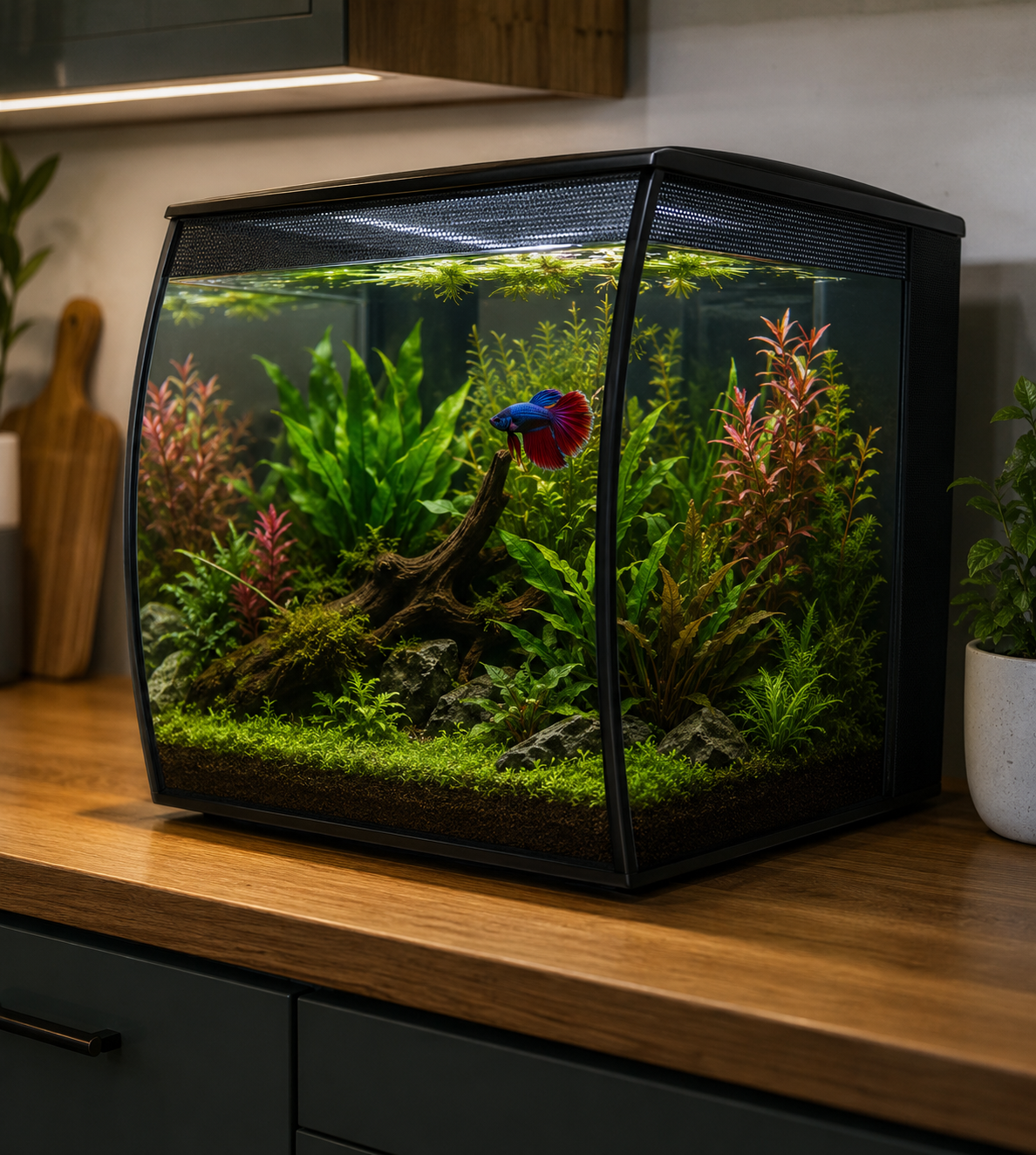
Fluval
Fluval Flex 2.0 34L Nano Aquarium
Best for: Small planted aquariums, shrimp and nano freshwater setups
As an Amazon Associate, we earn from qualifying purchases.
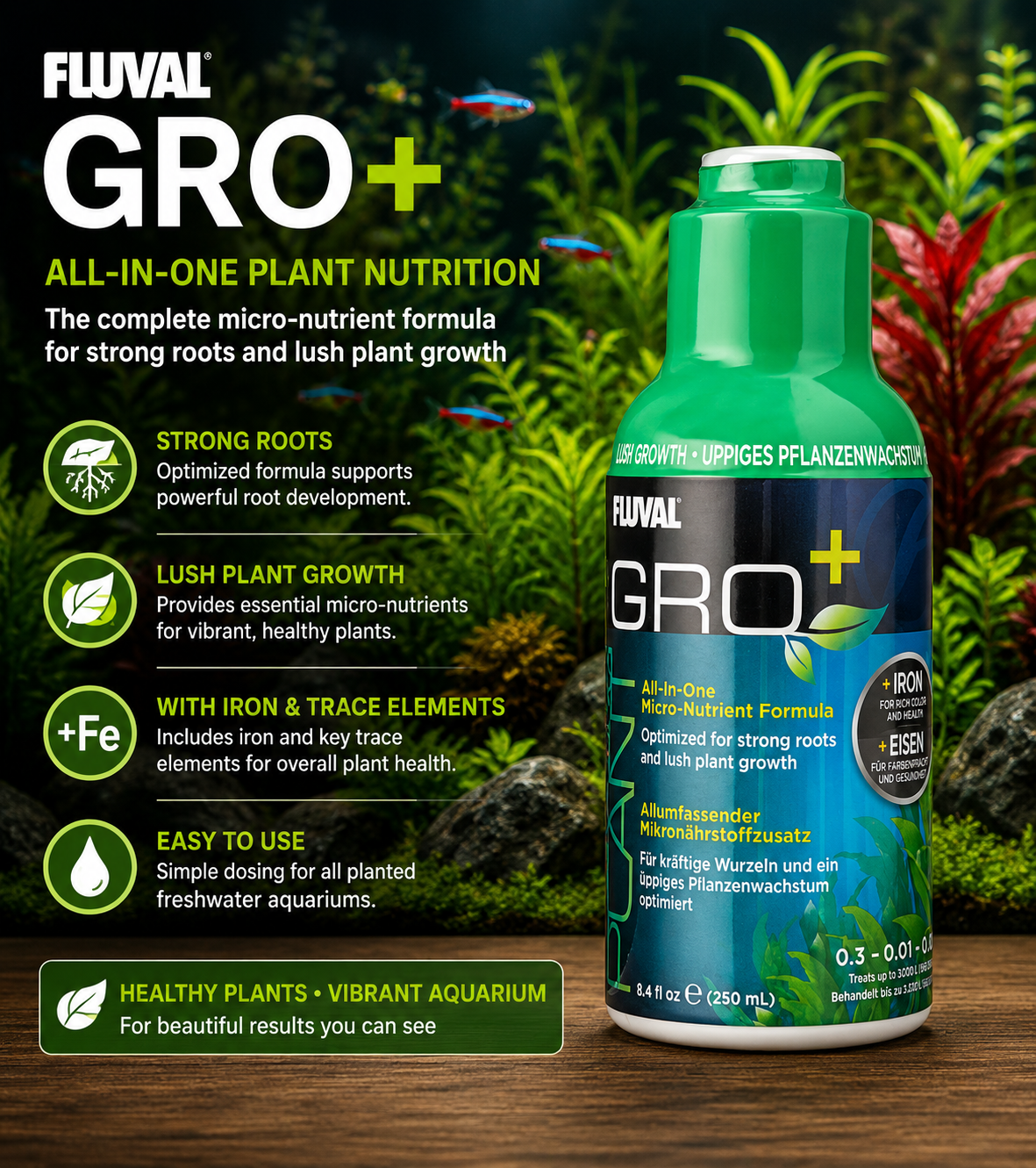
Fluval
Fluval Gro Plus Aquarium Plant Fertiliser
Best for: Low-tech and everyday planted freshwater aquariums
As an Amazon Associate, we earn from qualifying purchases.
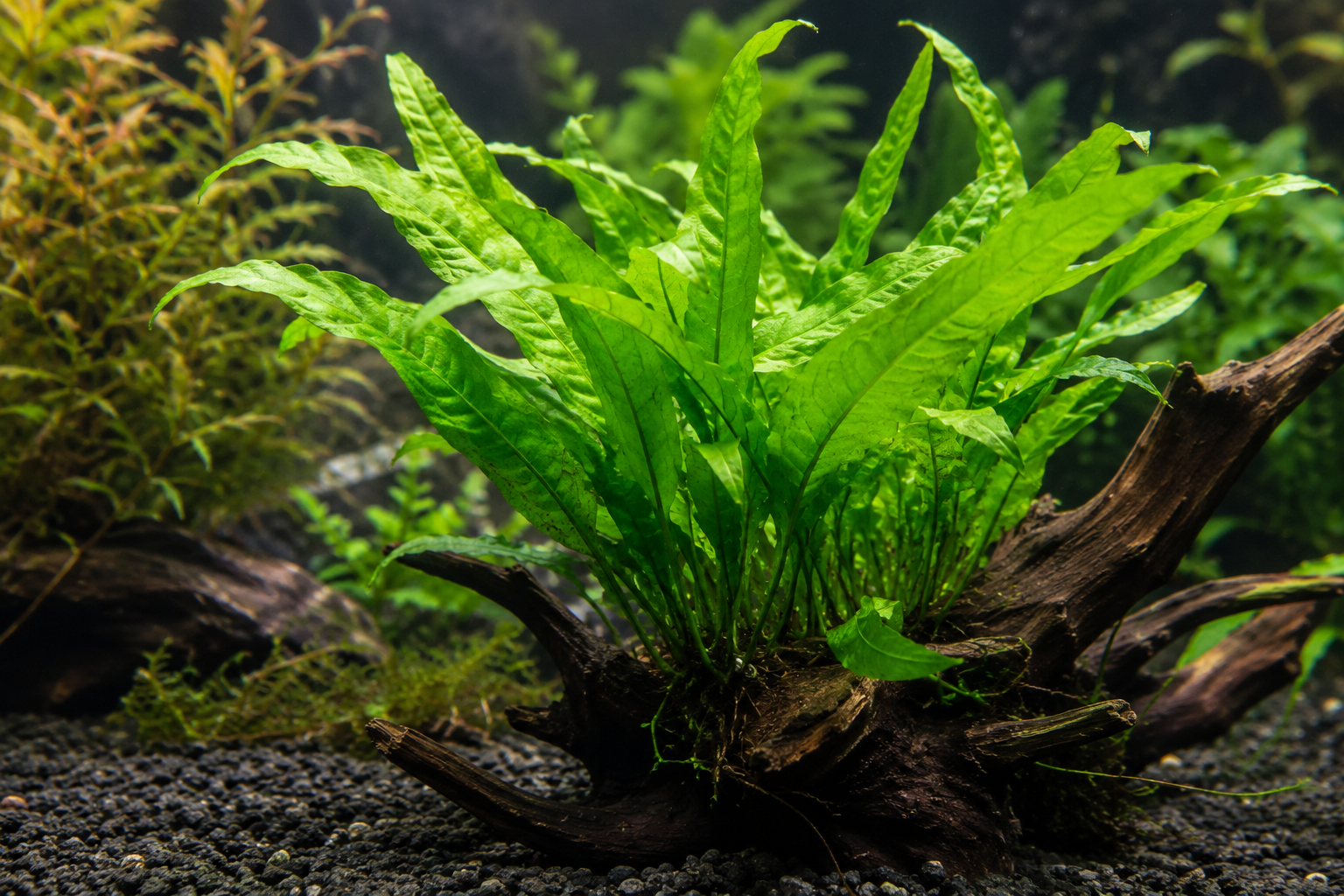
Java Fern
Best for: Beginners, low-tech aquariums and attaching to rocks or driftwood
As an Amazon Associate, we earn from qualifying purchases.
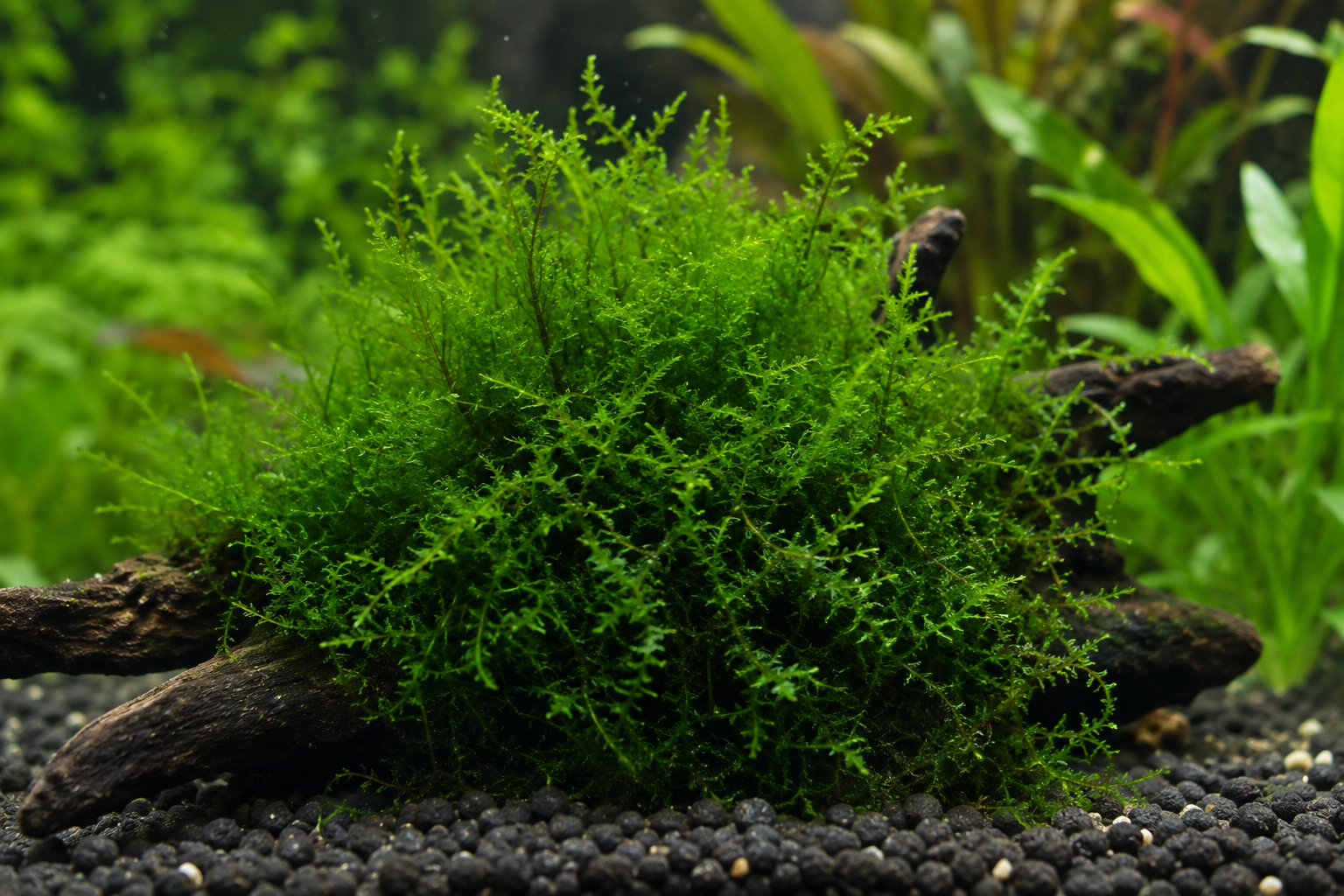
Java Moss
Best for: Beginners, shrimp tanks, breeding aquariums and natural aquascapes
As an Amazon Associate, we earn from qualifying purchases.
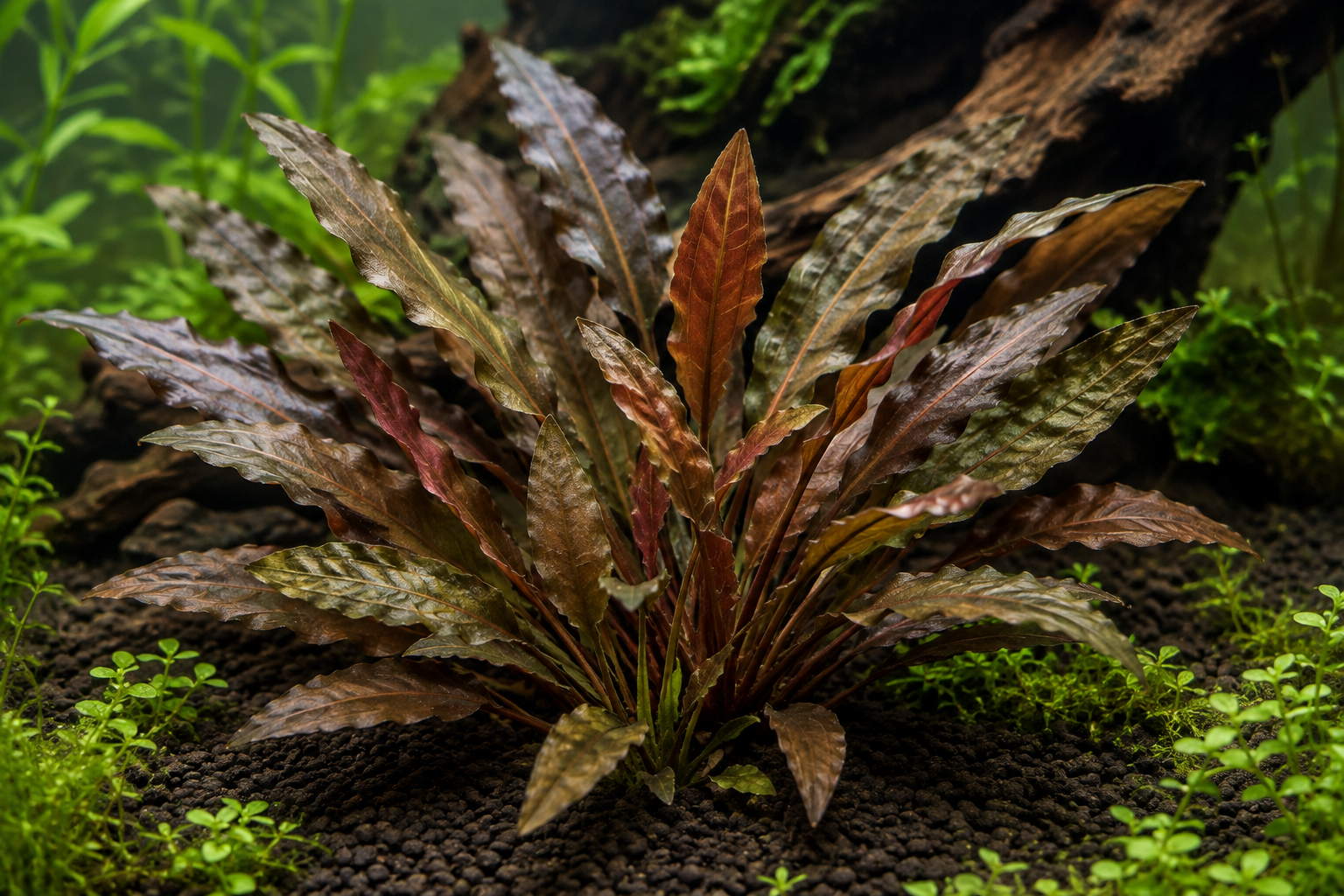
Cryptocoryne Wendtii Brown
Best for: Low-tech aquariums, beginners and midground planting
As an Amazon Associate, we earn from qualifying purchases.
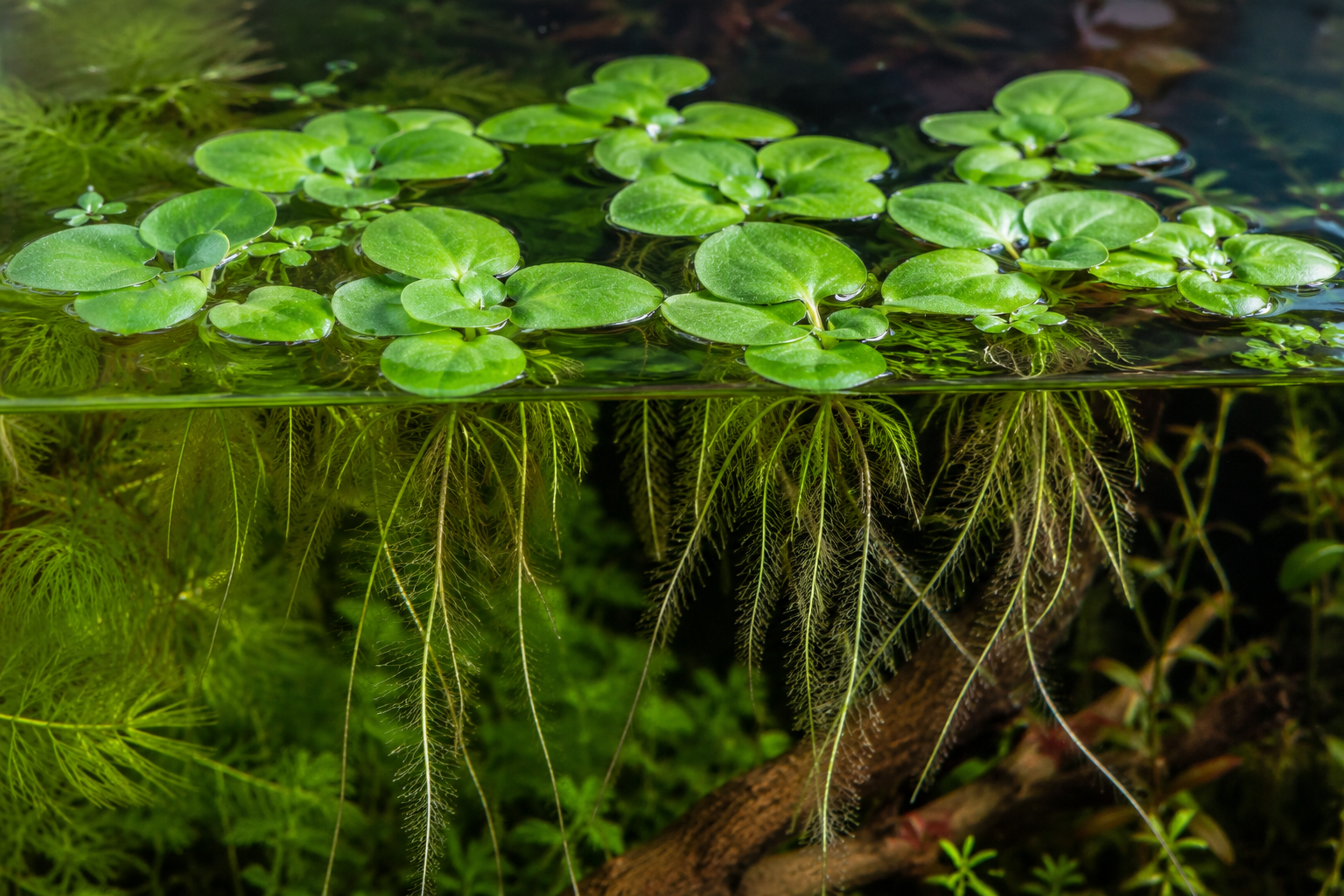
Amazon Frogbit
Best for: Natural aquariums, fry tanks, shrimp tanks and surface cover
As an Amazon Associate, we earn from qualifying purchases.