Bristlenose Catfish Care Guide (Ancistrus spp.) The Complete Guide to Keeping Bristlenose Catfish
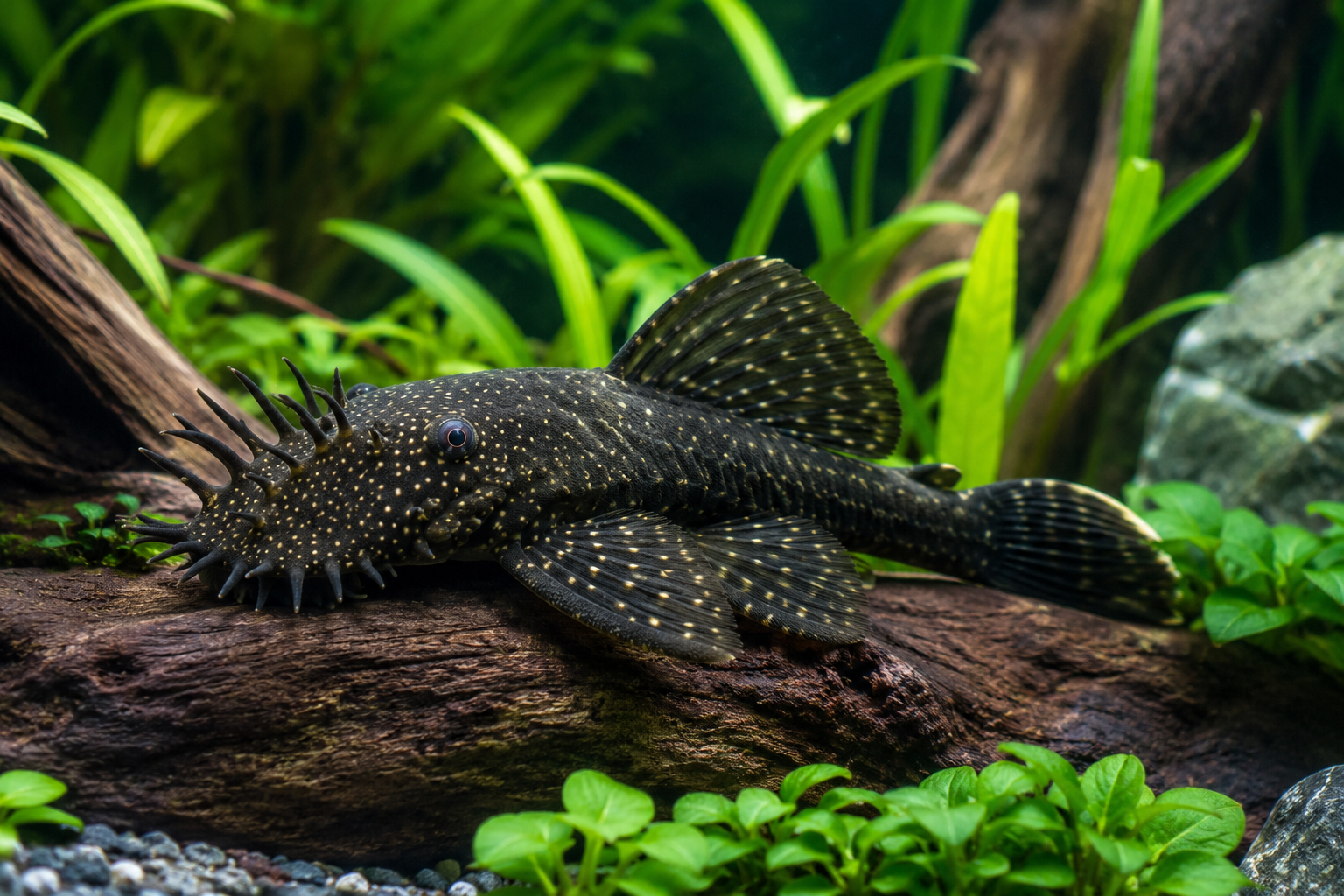
Learn how to keep and breed Bristlenose catfish with our expert care guide, based on over 25 years of aquarium experience.
Bristlenose catfish are one of the most popular freshwater aquarium fish, and for good reason. They are peaceful, hardworking algae eaters, easy to care for, and suitable for aquariums of all sizes. Unlike the Common Pleco, Bristlenose catfish remain relatively small, making them an excellent choice for most home aquariums.
At Aquatic Specialist, we've been keeping and breeding Bristlenose catfish for many years. We've successfully bred hundreds of these fascinating fish and even wrote a book dedicated to breeding Bristlenose catfish, which you can find using the Amazon link at the bottom of this article.
Quick Facts
- Scientific Name: Ancistrus spp.
- Common Name: Bristlenose Catfish, Bushynose Pleco
- Adult Size: 10–15 cm
- Lifespan: 8–12 years
- Minimum Aquarium Size: 80 litres
- Water Temperature: 23–27°C
- pH: 6.5–7.8
- Temperament: Peaceful
- Difficulty: Easy
Why Choose a Bristlenose Catfish?
Bristlenose catfish are well known for their algae-eating abilities. They constantly graze on algae growing on glass, rocks, wood and decorations, helping to keep your aquarium clean naturally.
They are also fascinating fish to watch. Adult males develop impressive fleshy bristles around their nose, while females usually have much smaller bristles or none at all. Unlike larger plecos that can exceed 45 cm, Bristlenose catfish stay compact and are far more suitable for community aquariums.
Aquarium Setup
A well-established aquarium is ideal. They particularly enjoy:
- Natural driftwood
- Caves for hiding
- Rounded rocks
- Dense planting
- Moderate water flow
- Good filtration
Driftwood is Essential
Driftwood isn't just decoration. Bristlenose catfish rasp on wood throughout the day, helping with digestion while also encouraging natural behaviour.
Water Parameters
Maintain stable water conditions:
- Temperature: 23–27°C
- pH: 6.5–7.8
- Ammonia: 0 ppm
- Nitrite: 0 ppm
- Nitrate: Below 20 ppm where possible
Regular weekly water changes of around 25% will help keep them healthy.
Feeding
Although often sold as algae eaters, Bristlenose catfish still require a varied diet. A healthy feeding routine includes:
- High-quality algae wafers
- Sinking catfish pellets
- Courgette (zucchini)
- Cucumber
- Green beans
- Spinach
- Shelled peas
- Occasional frozen foods such as bloodworm
Remove uneaten vegetables after 24 hours.
Tank Mates
Bristlenose catfish are peaceful and mix well with most community fish. Good companions include; Tetras, Rasboras, Corydoras, Rainbowfish, Angelfish, Gouramis, Livebearers to name but a few.
Avoid housing multiple adult males in smaller aquariums, as they may become territorial over caves.
Breeding Bristlenose Catfish
One reason Bristlenose catfish are so popular is that they are one of the easiest catfish to breed. The male selects a cave before enticing the female inside to lay eggs. Once spawning has finished, the female leaves while the male guards and fans the eggs until they hatch.
The fry remain in the cave until their yolk sacs are absorbed before venturing out to feed.
Having personally bred Bristlenose catfish over many years, we've learned countless practical tips that simply aren't found in many care guides. That's why we wrote a dedicated book covering everything from selecting breeding pairs to raising healthy fry successfully.
If you're interested in breeding Bristlenose catfish yourself, you'll find a link to our book below.
Common Problems
Most health issues are caused by poor water quality.
Watch for:
- Rapid breathing
- Weight loss
- White spot disease
- Fin damage
- Hollow belly caused by poor diet
Maintaining good filtration and carrying out regular maintenance will prevent most problems.
Do Bristlenose Catfish Eat Algae?
Yes—but they shouldn't be relied upon as your only algae control.
Healthy aquariums rely on:
- Good filtration
- Controlled lighting
- Regular maintenance
- Sensible feeding
Live plants
A Bristlenose catfish helps manage algae but isn't a substitute for good aquarium care.
Our Experience
We've been keeping Bristlenose catfish for many years and have successfully bred them on numerous occasions. Their fascinating breeding behaviour, ease of care and hardworking nature make them one of our favourite freshwater species. Our experience inspired us to write a practical guide dedicated entirely to breeding Bristlenose catfish, packed with advice gained from real-world experience rather than theory alone.
Final Thoughts
Whether you're setting up your first tropical aquarium or looking for an effective algae grazer, the Bristlenose catfish is an excellent choice.
They're peaceful, hardy, entertaining to watch and relatively easy to breed, making them one of the best all-round catfish available for freshwater aquariums.
If you'd like to learn how to breed Bristlenose catfish successfully, we've written a complete guide based on our own experience. You'll find the Amazon link to our book below this article.
Products We've Mentioned & Recommend
Below you'll find a selection of products we've mentioned in this article, along with a few others we think you might find useful. We've included Amazon links to make them easy to find.
A quick word about affiliate links...
Some of these links are affiliate links, which means we may earn a small commission from qualifying purchases, at no extra cost to you.
Unfortunately, the commission doesn't quite stretch to cocktails on a yacht or a garage full of sports cars. In reality, it helps cover the running costs of this website and, with a bit of luck, might eventually buy me a new pair of waders that don't leak!
We only recommend products we genuinely believe are worth considering, and your support helps us keep sharing free advice from our years of working with aquariums and ponds.
Thanks for supporting Aquatic Specialist!
As an Amazon Associate I earn from qualifying purchases.
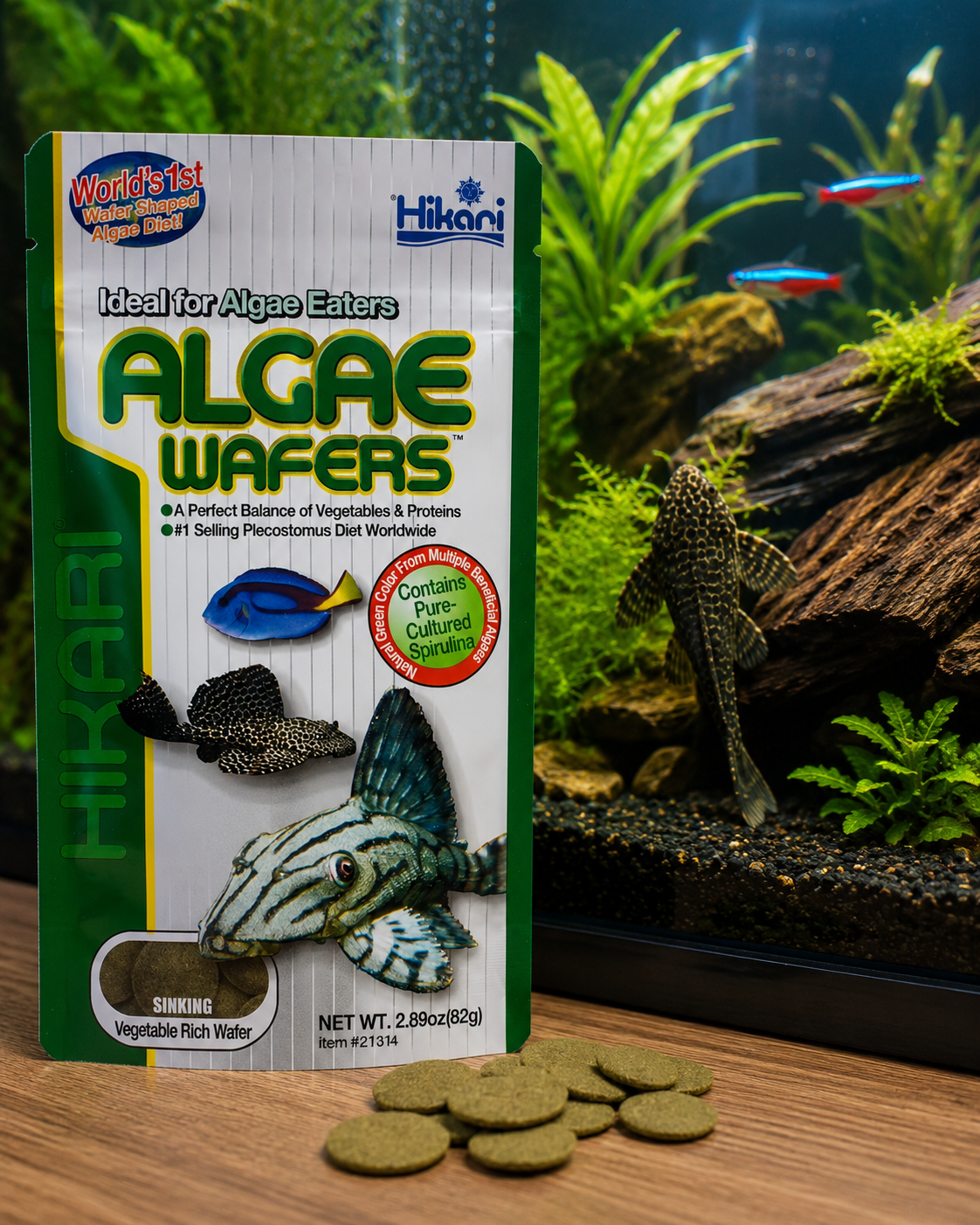
Hikari Algae Wafers
Hikari Algae Wafers are a high-quality sinking food formulated for Bristlenose catfish, plecos and other algae-eating fish. Rich in vegetable ingredients and spirulina, they provide balanced daily nutrition while encouraging natural grazing behaviour.
Search on Amazon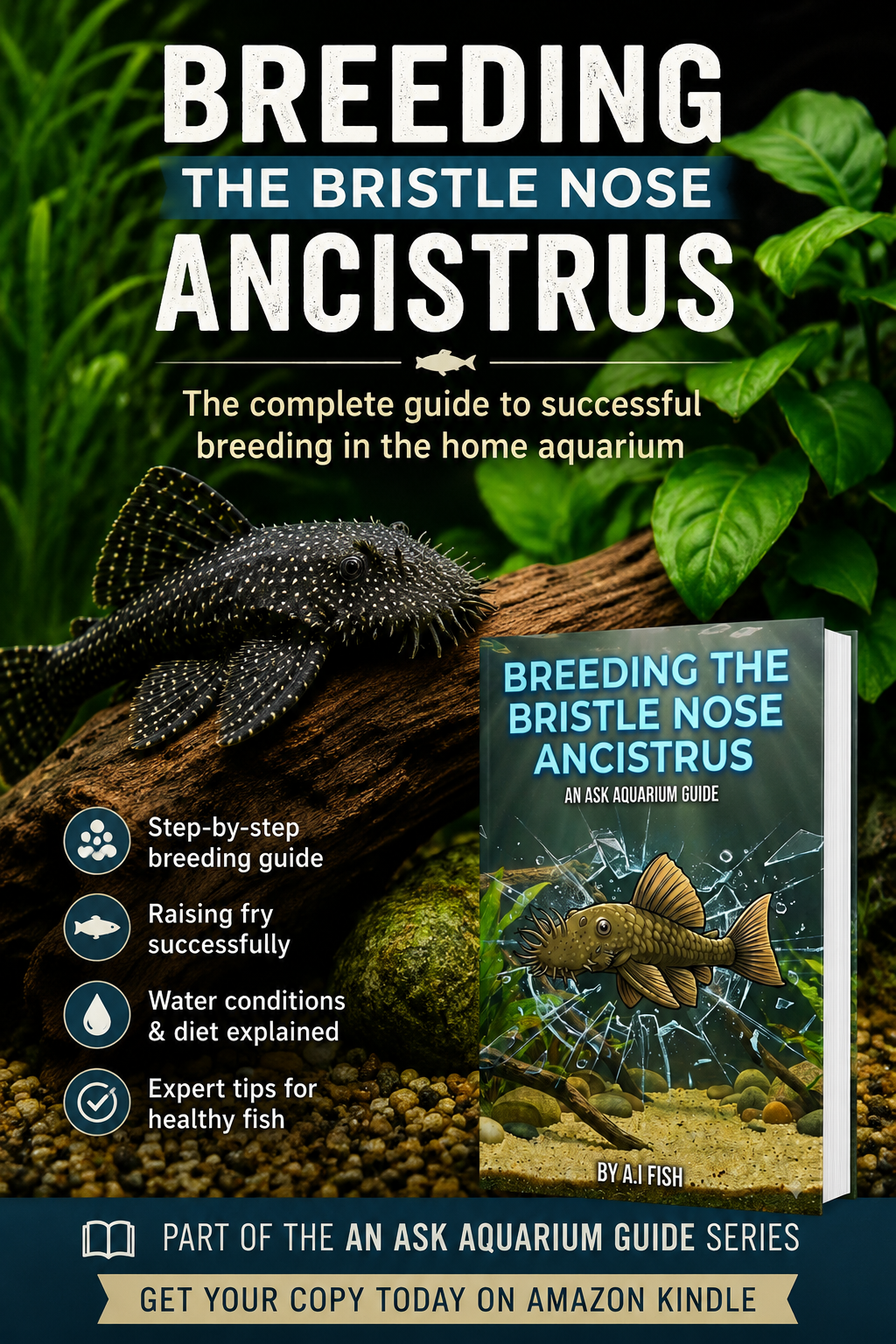
Breeding the Bristle Nose Ancistrus available on Kindle
Breeding the Bristlenose Ancistrus is our practical guide to successfully breeding Ancistrus catfish in the home aquarium. Based on our own hands-on breeding experience, the book covers selecting breeding pairs, spawning, egg care, raising fry, feeding, water conditions and proven techniques to help you breed healthy Bristlenose catfish with confidence.
Search on Amazon