Blanket Weed in Garden Ponds: Causes, Prevention & The Best Treatments
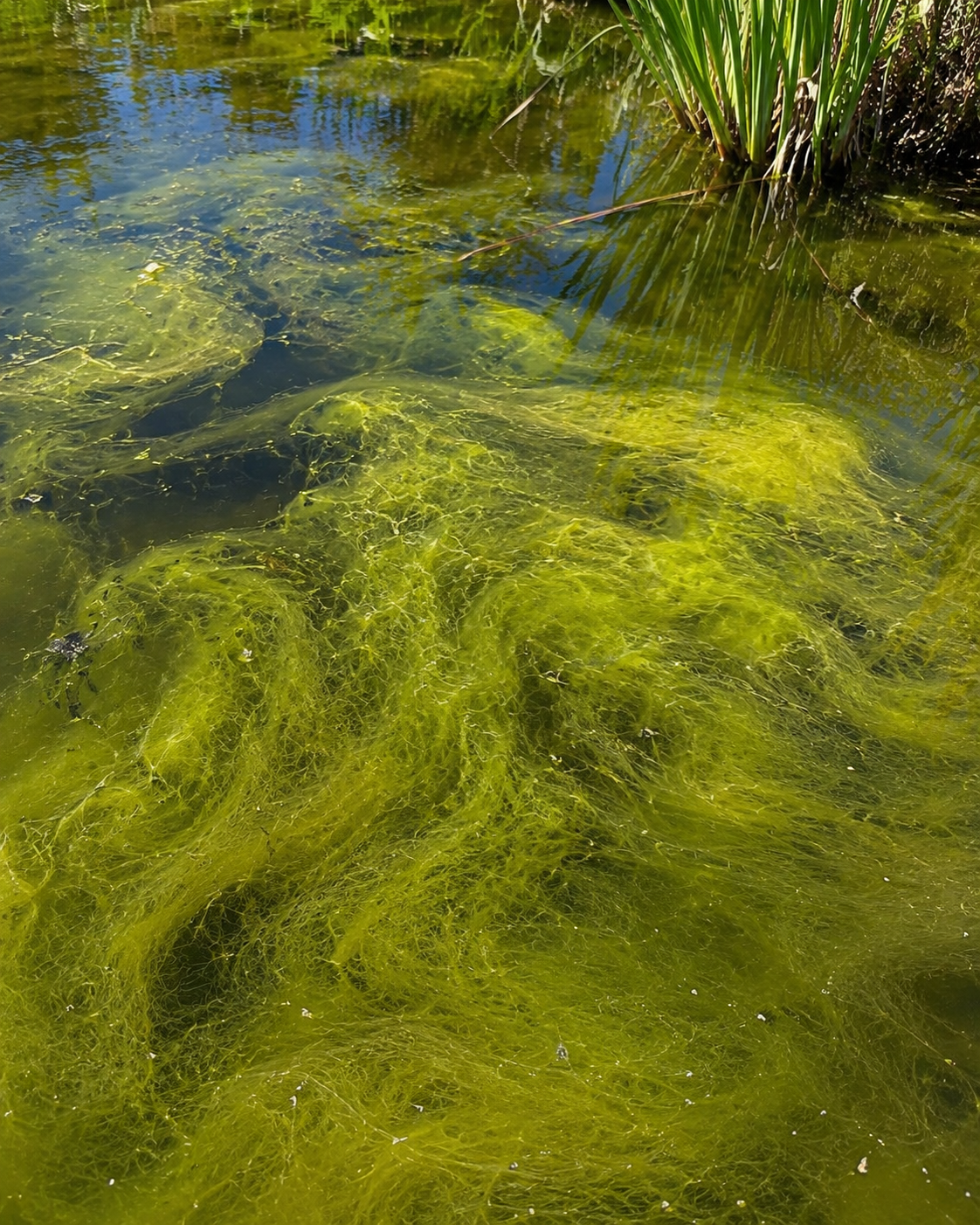
Blanket weed is one of the most common problems in garden ponds, especially during spring and summer. Learn what causes it, how to prevent it naturally, and when treatments such as Cloverleaf Blanket Answer can help restore a healthy pond.
If you've ever found long green strands of algae covering your pond plants, waterfalls or pump, you've probably experienced blanket weed.
Blanket weed (also known as string algae or filamentous algae) is one of the most common problems we encounter while maintaining customer ponds. Left untreated, it can block pumps, reduce water flow, trap debris and make an otherwise beautiful pond look neglected.
The good news is that blanket weed is usually a symptom of an imbalance rather than the problem itself. By understanding why it grows, you can prevent it returning year after year.
What Is Blanket Weed?
Blanket weed is a form of filamentous green algae that grows in long strands. Unlike green water algae that turns the pond pea soup green, blanket weed attaches itself to rocks, waterfalls, pond walls, plants and equipment.
It thrives when three things are available:
- Plenty of sunlight
- Excess nutrients
- Warm water
Once conditions are favourable, it can grow surprisingly quickly.
Why Does Blanket Weed Grow?
Blanket weed feeds on nutrients dissolved in the water, mainly:
- Nitrates
- Phosphates
These nutrients usually come from:
- Overfeeding fish
- Overstocking the pond
- Fish waste
- Decaying leaves
- Dead aquatic plants
- Lawn or garden fertilisers washing into the pond
Even crystal-clear water can contain enough nutrients for blanket weed to thrive.
How To Prevent Blanket Weed
After maintaining ponds for many years, we've found that prevention is always easier, cheaper and more effective than cure.
- Cover Around 60% Of The Pond Surface With Plants
- One of the biggest mistakes pond owners make is leaving too much open water.
- Aquatic plants compete directly with algae for nutrients. The more healthy plants you have, the fewer nutrients remain available for blanket weed.
- Aim to cover around 60% of your pond's surface during the growing season.
Some of the best plants include:
- Water Lilies
- Frogbit
- Hornwort
- Water Soldier
- Yellow Flag Iris
- Pickerel Weed
- Water Hawthorn
- Water Mint
A well-planted pond is naturally more stable and much less likely to suffer from excessive algae growth.
- Avoid Overstocking Fish
- Too many fish produce too much waste.
- Every fish contributes nutrients to the water, and those nutrients eventually feed blanket weed.
- If your pond contains a large number of koi or goldfish, consider whether your filtration and planting are sufficient to cope with the increased waste.
- Don't Overfeed
- Only feed what your fish can eat within a couple of minutes.
- Any uneaten food quickly breaks down into nutrients that encourage algae growth.
- During cooler weather, fish require much less food than many pond owners realise.
- Remove Leaves And Organic Debris
Dead leaves, old aquatic plants and sludge release nutrients as they decompose.
Regularly remove:
- Fallen leaves
- Dead water lily leaves
- Excess pond sludge
- Dead marginal plants
Using a pond net during autumn can dramatically reduce nutrient build-up over winter.
- Maintain Good Filtration
- A properly maintained filter removes waste before it has the chance to decompose.
- Clean mechanical filter media regularly while preserving the beneficial bacteria living in your biological filter media.
- Good water circulation also helps reduce stagnant areas where algae can flourish.
Does A UV Clarifier Remove Blanket Weed?
No.
This is a common misconception.
UV clarifiers are excellent for controlling green water algae, but blanket weed is attached to surfaces and does not pass through the UV unit.
A UV clarifier is still a valuable piece of equipment, but it should not be relied upon to solve blanket weed problems.
Treating Blanket Weed
If blanket weed has already become established, manual removal should always be your first step. Twisting the algae around a stick or using a pond brush removes a surprising amount of algae along with the nutrients locked inside it.
After removing as much as possible, a suitable blanket weed treatment can deal with the remaining growth.
The Treatment We Use
When maintaining customer ponds, one of the products we regularly use is Cloverleaf Blanket Answer . It has proven to be an effective treatment when used correctly alongside good pond management.
For the best results:
- Remove as much blanket weed as possible before treatment.
- Follow the manufacturer's dosage instructions carefully.
- Ensure the pond is well aerated during treatment.
- Continue removing dead algae over the following days.
Remember, no treatment will provide a permanent solution if the underlying causes—such as excess nutrients or insufficient planting—are not addressed.
Common Mistakes
Avoid these common errors:
- Adding chemicals without removing algae first.
- Overstocking fish.
- Leaving large areas of open water.
- Overfeeding fish.
- Allowing leaves and debris to accumulate.
- Assuming a UV clarifier will remove blanket weed.
Frequently Asked Questions
Is blanket weed harmful to fish?
Small amounts are generally harmless, but heavy growth can block pumps, reduce water circulation and contribute to oxygen shortages when it dies back.
Will blanket weed disappear naturally?
Sometimes. As aquatic plants mature and begin absorbing more nutrients, blanket weed often declines naturally.
Does barley straw work?
Barley Straw can help suppress algae in some ponds, but results vary considerably and it works much more slowly than good pond management.
How long does treatment take?
Most treatments begin working within a few days, although heavily affected ponds often require several weeks of manual removal and ongoing maintenance to achieve the best results.
Final Thoughts
Blanket weed is usually a sign that your pond contains more nutrients than your plants can absorb. Instead of relying solely on chemical treatments, focus on creating a healthy, balanced pond with plenty of aquatic plants, sensible fish stocking, careful feeding and regular maintenance.
When blanket weed does appear, removing as much as possible by hand before using a quality treatment such as Cloverleaf Blanket Answer will usually produce the best results.
With the right balance, most ponds can remain healthy, attractive and largely free from blanket weed throughout the growing season.
Products We've Mentioned & Recommend
Below you'll find a selection of products we've mentioned in this article, along with a few others we think you might find useful. We've included Amazon links to make them easy to find.
A quick word about affiliate links...
Some of these links are affiliate links, which means we may earn a small commission from qualifying purchases, at no extra cost to you.
Unfortunately, the commission doesn't quite stretch to cocktails on a yacht or a garage full of sports cars. In reality, it helps cover the running costs of this website and, with a bit of luck, might eventually buy me a new pair of waders that don't leak!
We only recommend products we genuinely believe are worth considering, and your support helps us keep sharing free advice from our years of working with aquariums and ponds.
Thanks for supporting Aquatic Specialist!
As an Amazon Associate I earn from qualifying purchases.
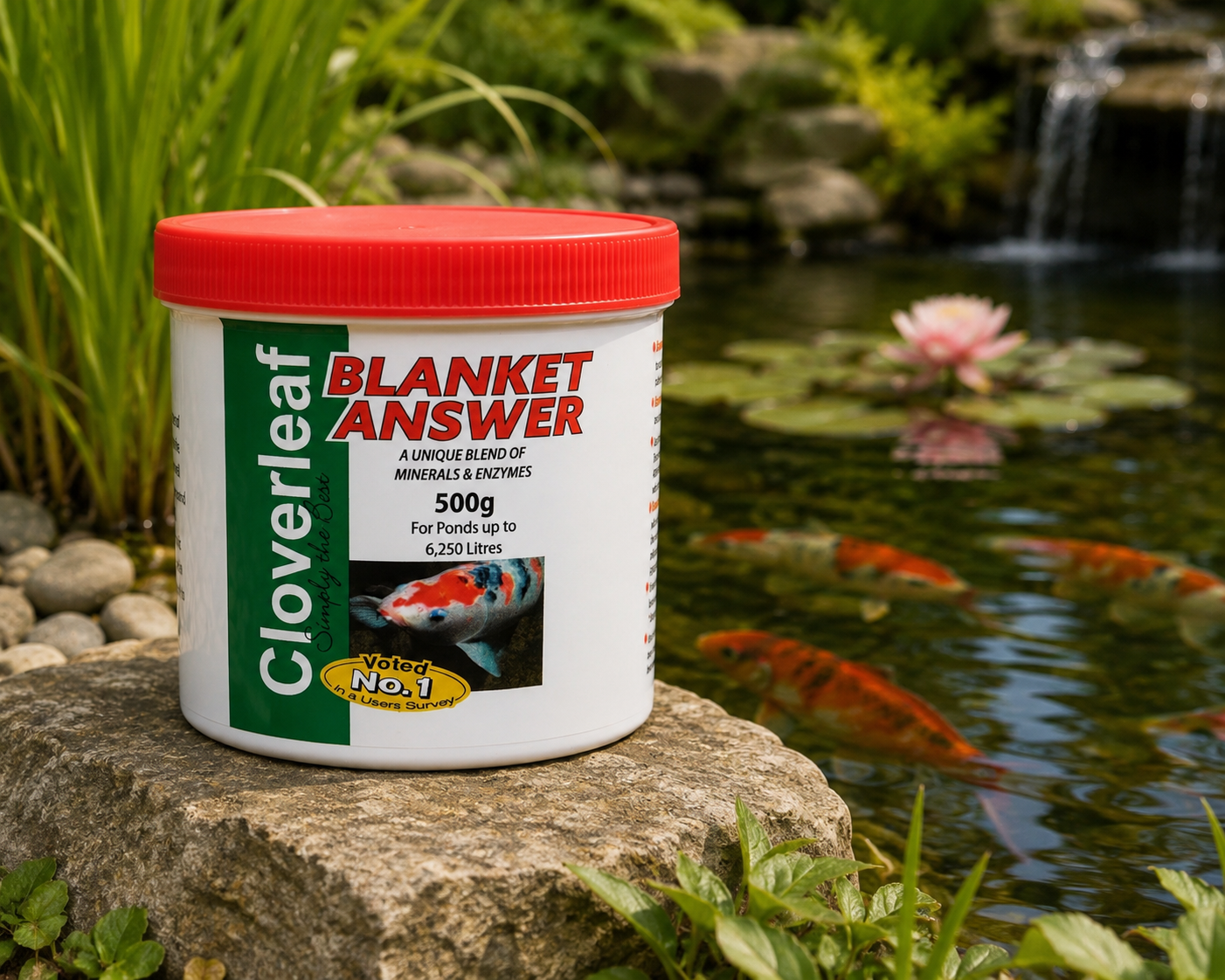
Cloverleaf
Cloverleaf Blanket Answer 500g
Best for: Treating stubborn blanket weed in garden ponds
As an Amazon Associate, we earn from qualifying purchases.
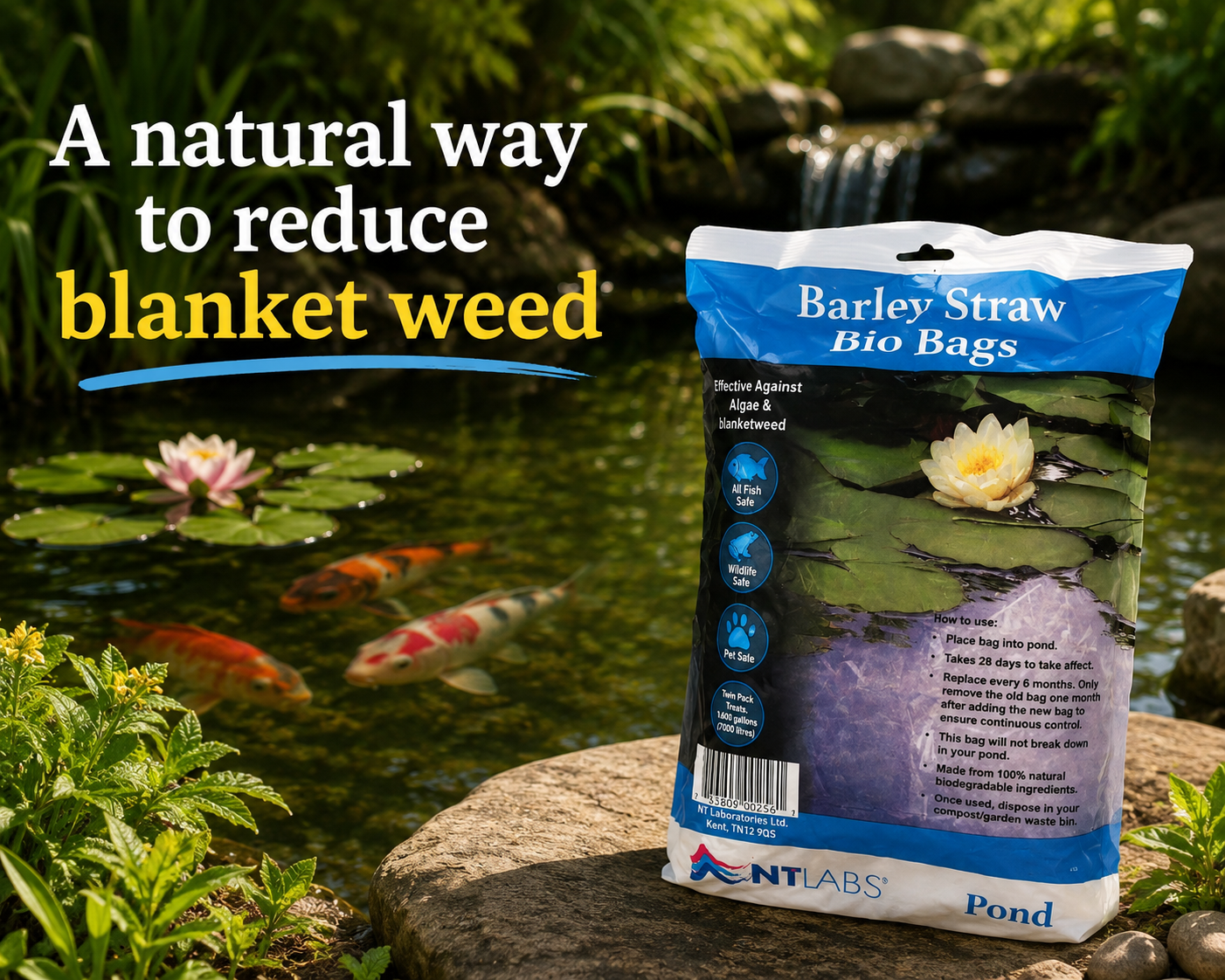
NT Labs
NT Labs Barley Straw
Best for: Natural, preventative blanket weed and green water control
As an Amazon Associate, we earn from qualifying purchases.
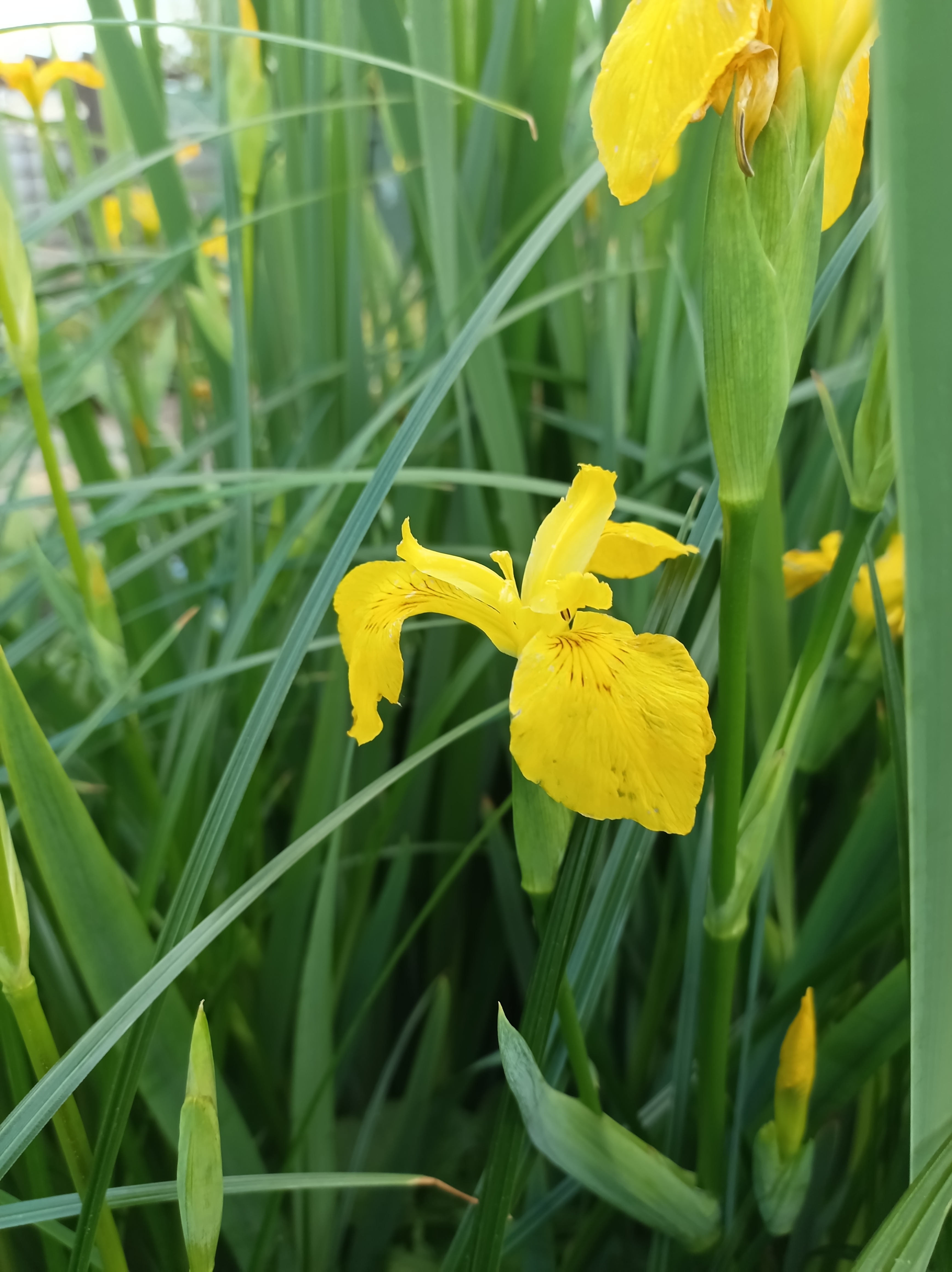
Yellow Flag Iris
Best for: Wildlife ponds, natural ponds and boggy pond margins
As an Amazon Associate, we earn from qualifying purchases.
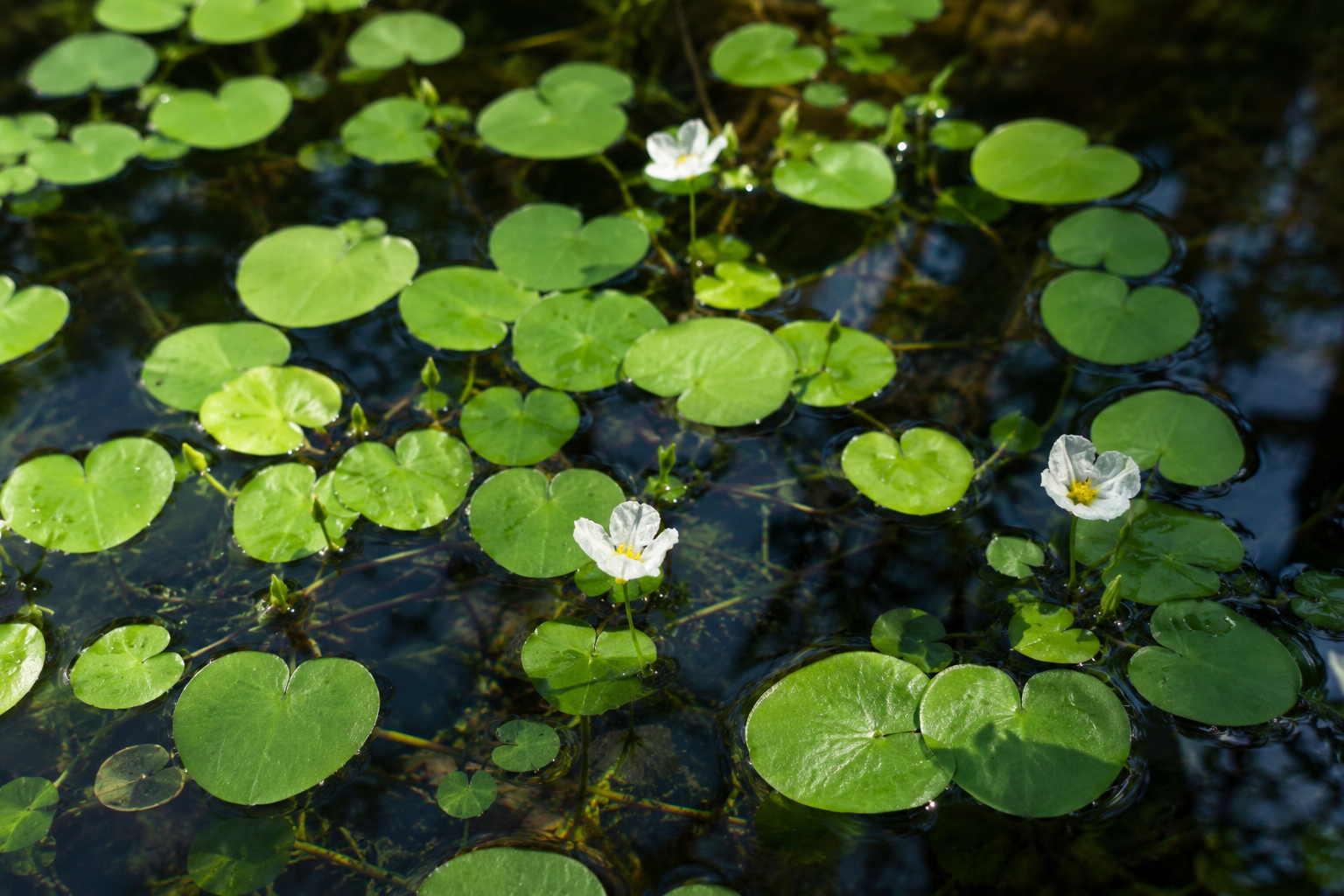
European Frogbit
Best for: Wildlife ponds and natural-style garden ponds
As an Amazon Associate, we earn from qualifying purchases.
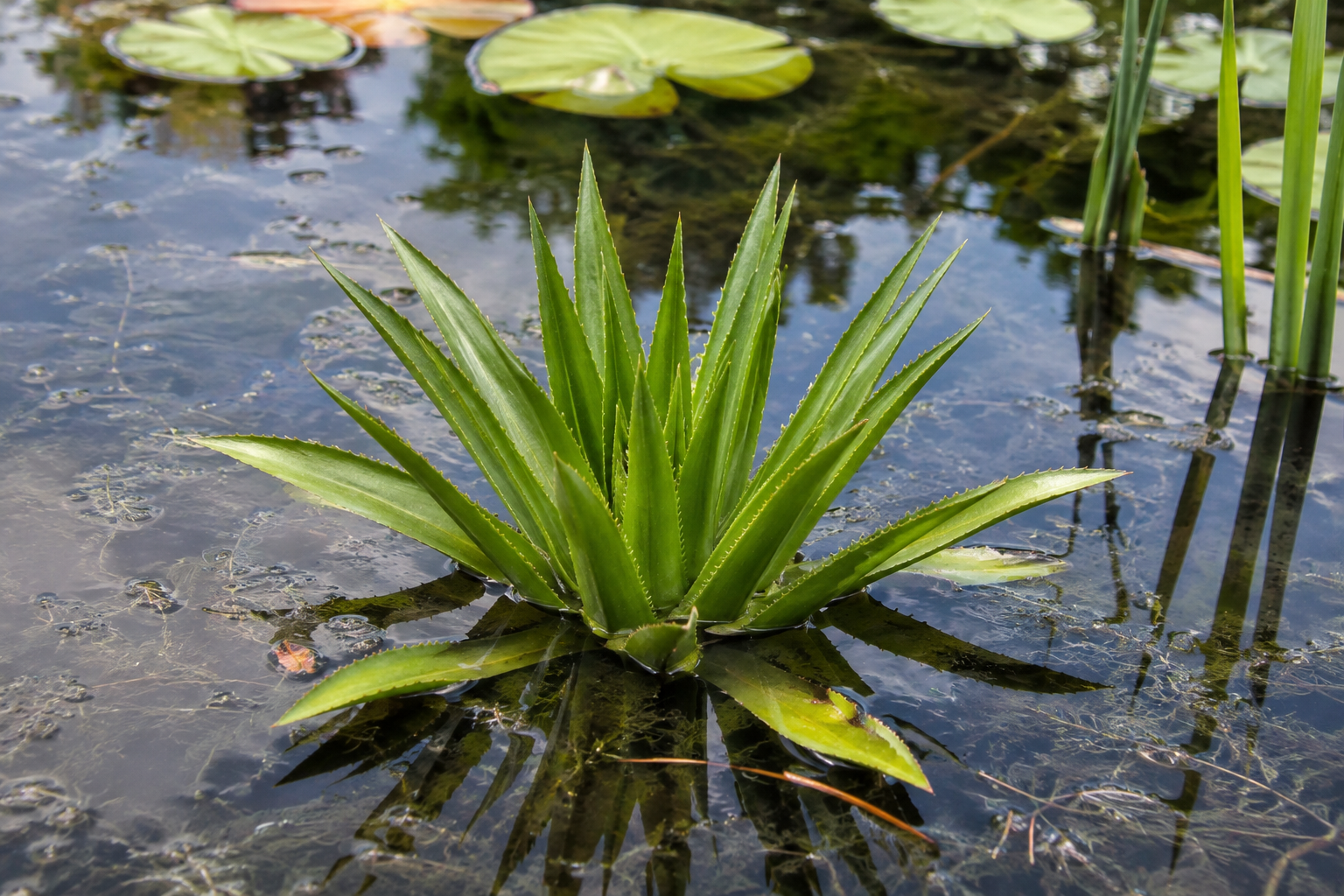
Water Soldier x5
Best for: Wildlife ponds and natural-style garden ponds
As an Amazon Associate, we earn from qualifying purchases.
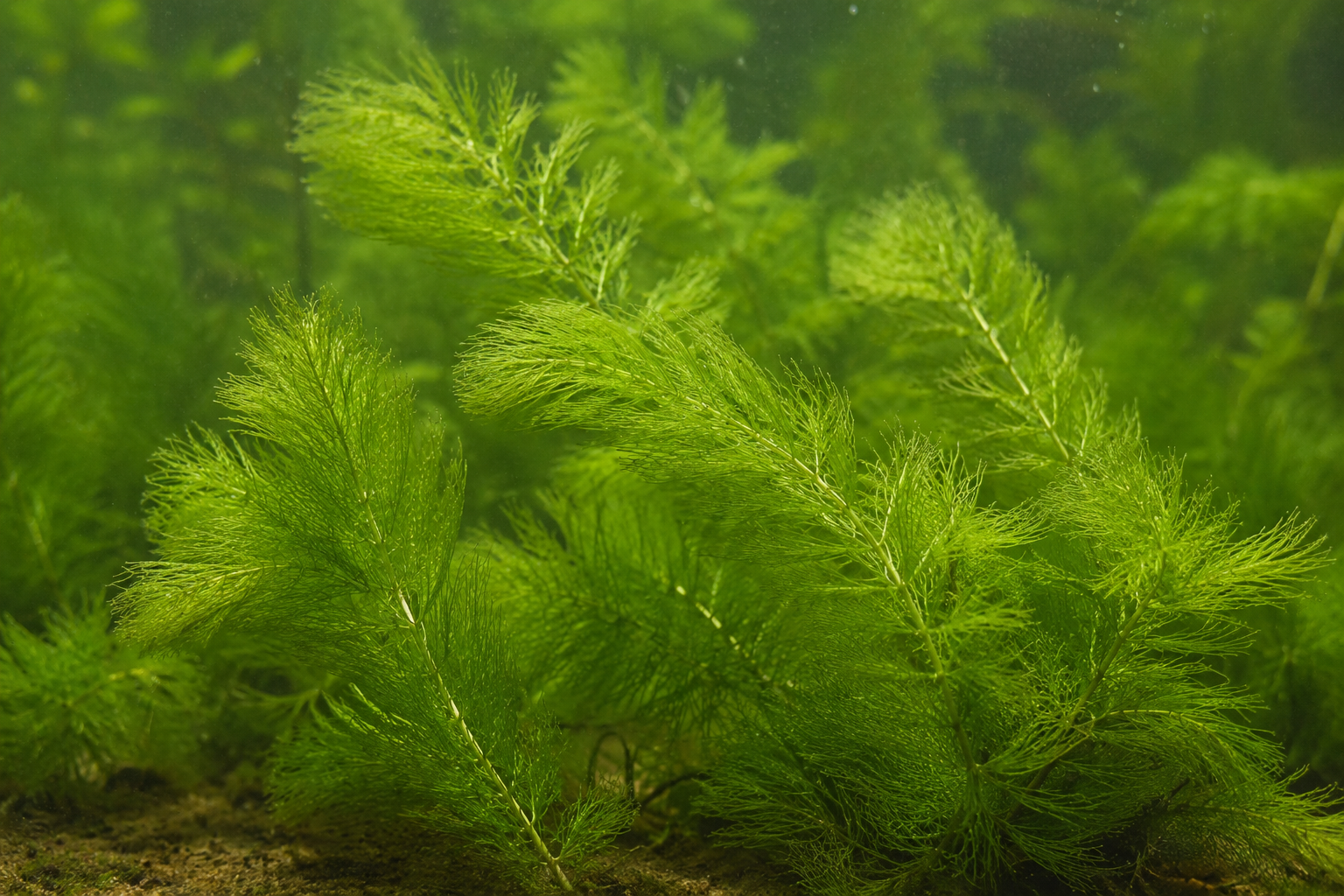
Water Hornwort
Best for: Wildlife ponds, natural ponds and improving underwater plant cover
As an Amazon Associate, we earn from qualifying purchases.
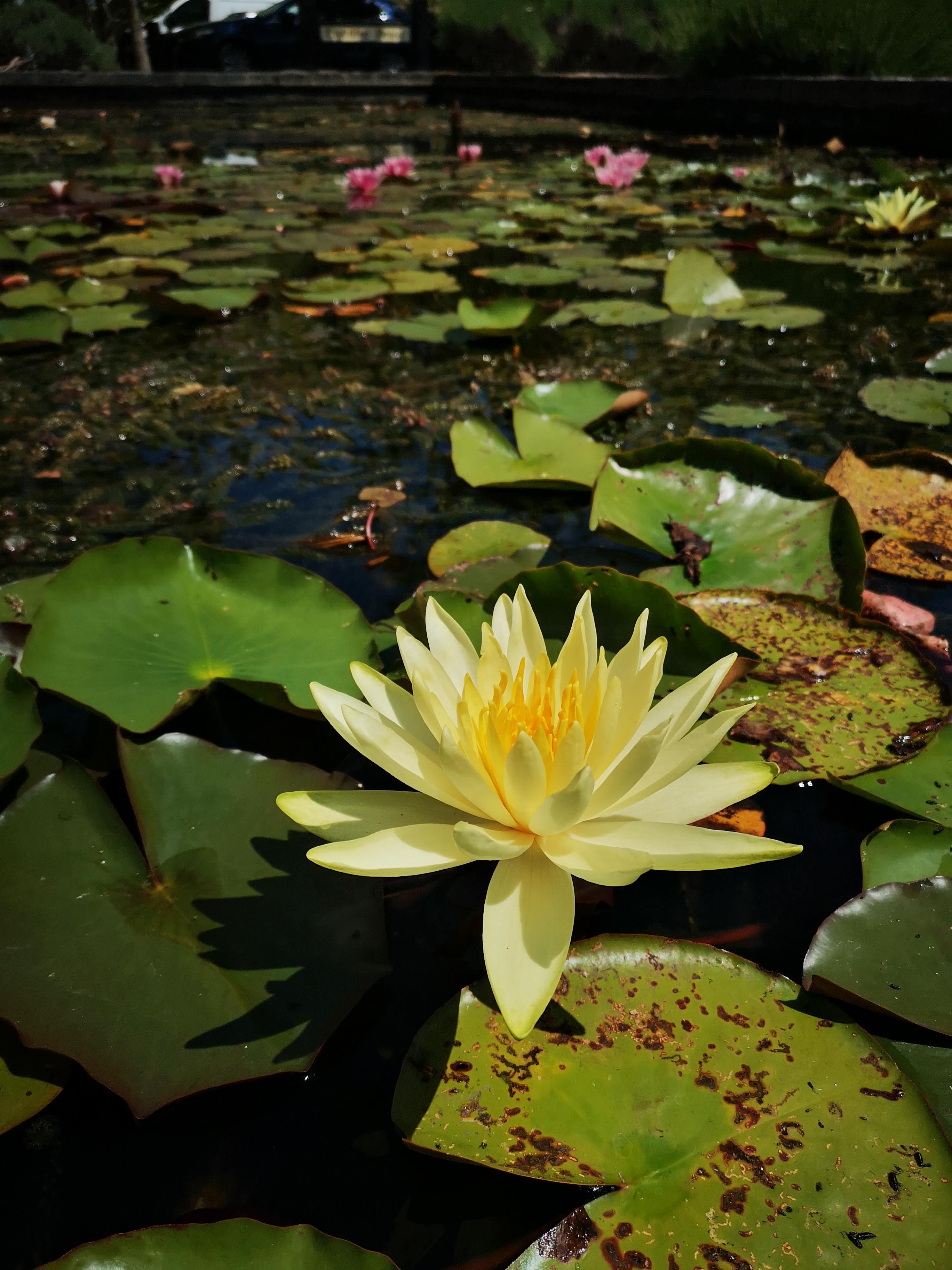
Water Lilies
Best for: Adding colourful flowers and natural surface cover to garden ponds
As an Amazon Associate, we earn from qualifying purchases.
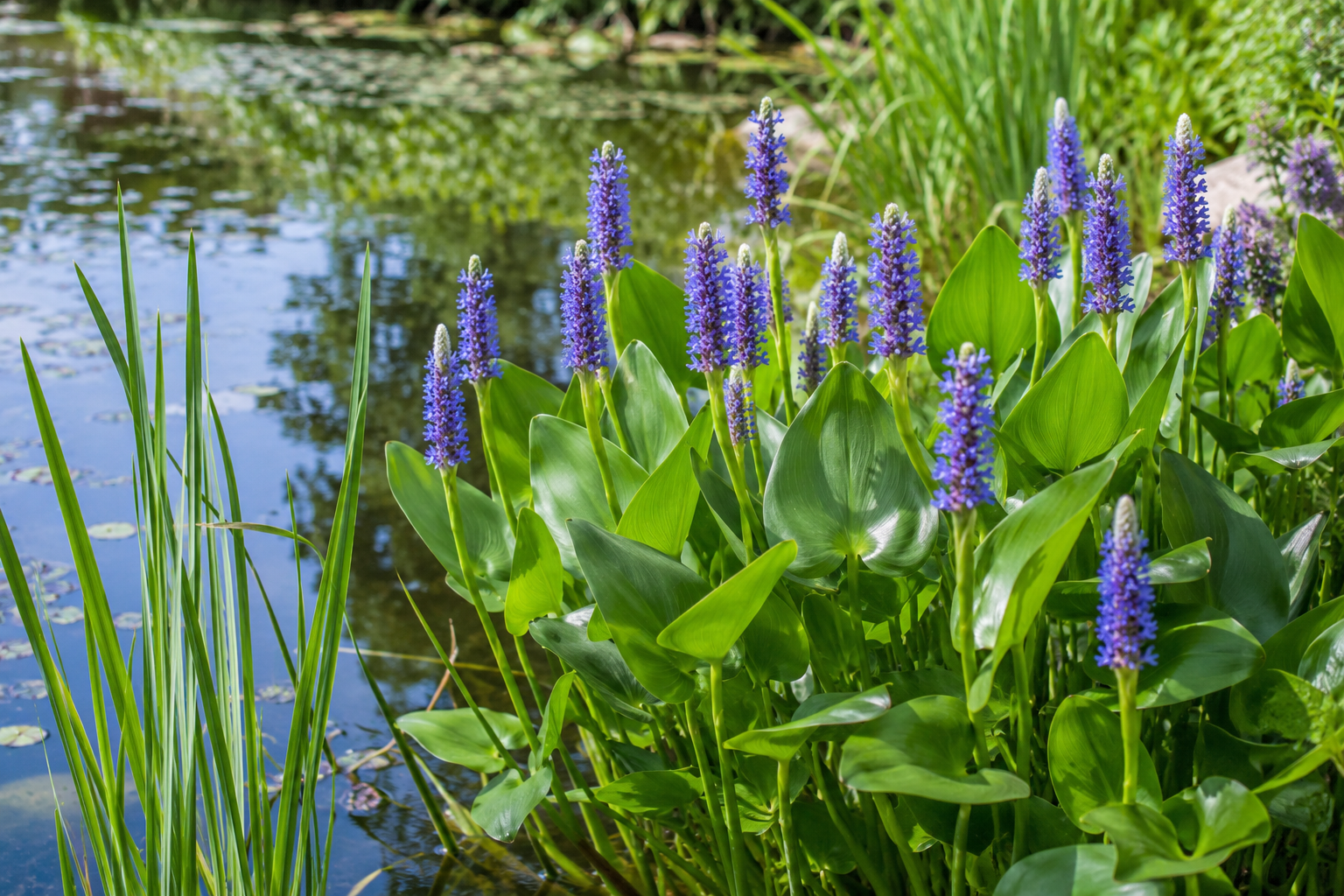
Pickerel Weed
Best for: Colourful planting around shallow pond margins
As an Amazon Associate, we earn from qualifying purchases.
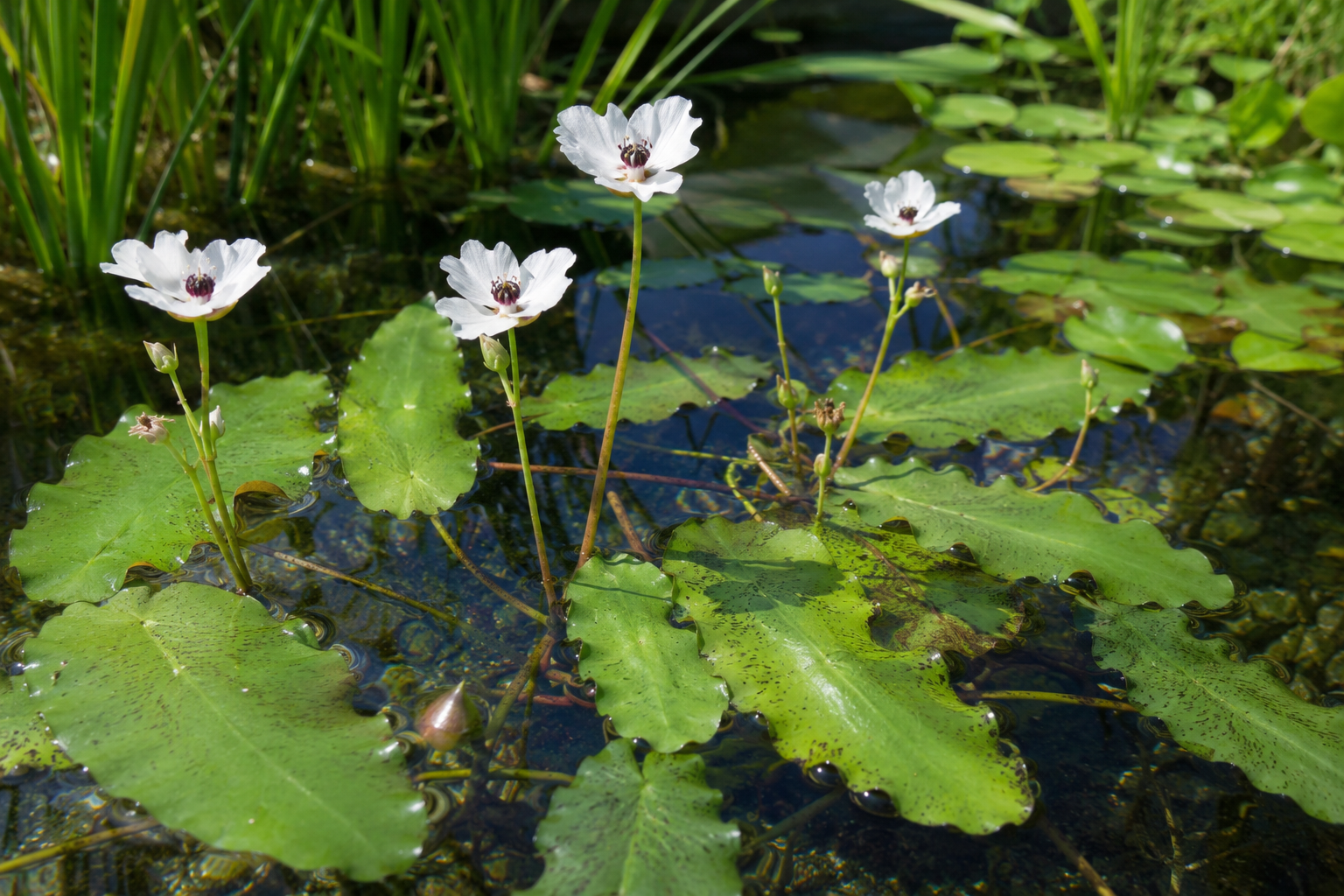
Water Hawthorn
Best for: Adding flowers and surface cover to medium and larger ponds
As an Amazon Associate, we earn from qualifying purchases.
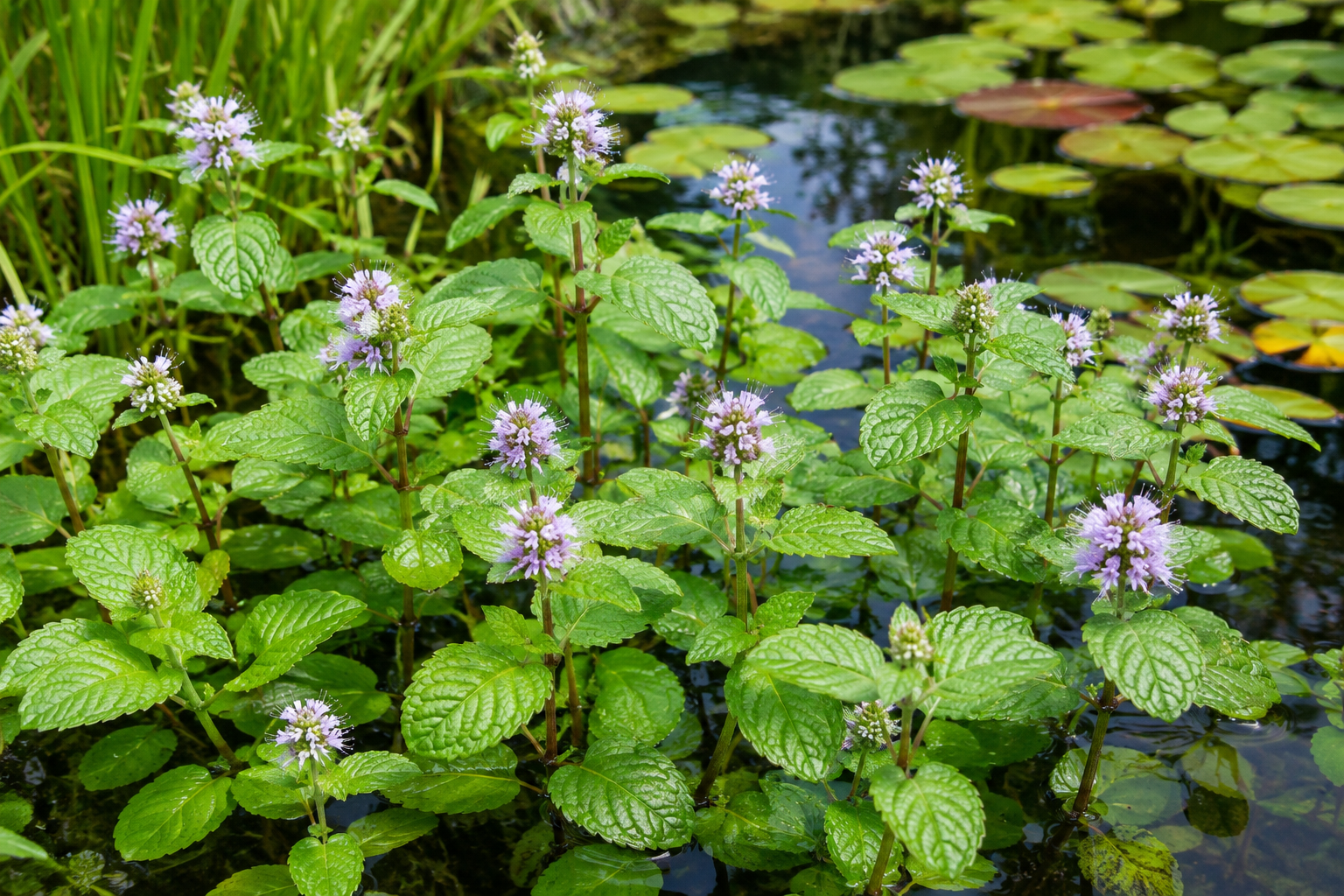
Water Mint
Best for: Wildlife ponds and natural pond margins
As an Amazon Associate, we earn from qualifying purchases.