Black Pacu: The Gentle Giant That Is Too Big for Most Home Aquariums
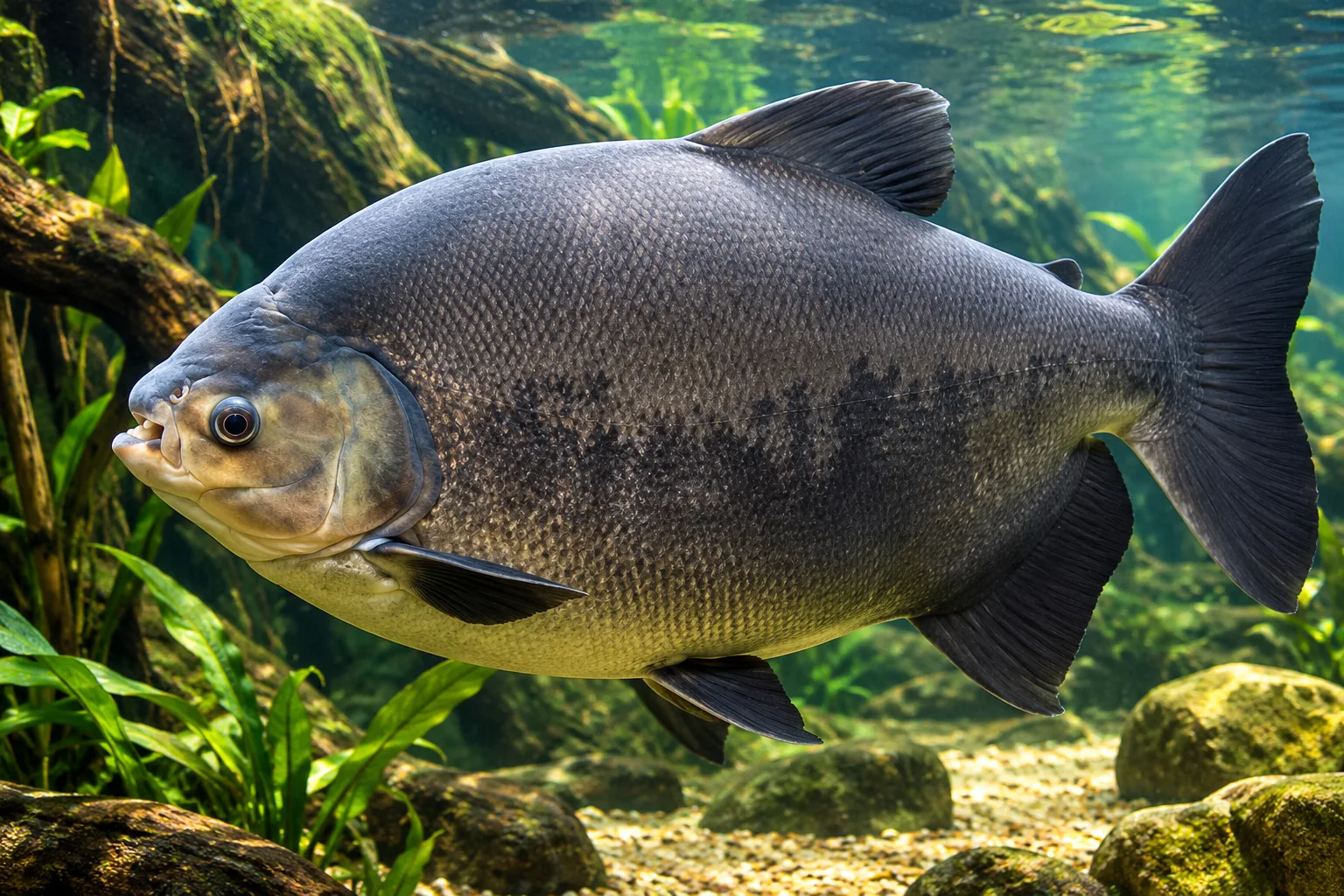
The Black Pacu, also known as the Tambaqui, is one of the largest freshwater fish found in the aquarium trade. Although peaceful and fascinating, its enormous adult size makes it unsuitable for most home aquariums. Discover why this South American giant is considered a true tank buster, along with its natural habitat, feeding habits and specialist care requirements.
The Black Pacu (Colossoma macropomum), also known as the Tambaqui, is one of the largest freshwater fish occasionally encountered in the aquarium trade. Closely related to the infamous piranha, this impressive South American species has a very different temperament and feeding behaviour. However, its enormous adult size makes it one of the most unsuitable fish for the average home aquarium.
When young, Black Pacu can appear to be attractive and manageable aquarium fish. Their rounded bodies, peaceful nature and interesting feeding habits make them appealing to fishkeepers looking for something unusual. Unfortunately, these small juveniles eventually develop into extraordinarily powerful fish that can exceed one metre in length and weigh several tens of kilograms.
Like the Redtail Catfish, Giant Gourami and Silver Arowana, the Black Pacu belongs firmly in the category of aquarium fish commonly described as "tank busters".
Understanding the true size and requirements of this remarkable species is essential before considering keeping one.
What Is a Black Pacu?
The Black Pacu is a large freshwater fish belonging to the family Serrasalmidae, which also includes piranhas and several other species of pacu.
It originates from the Amazon and Orinoco river basins of South America, where it inhabits rivers, floodplains and seasonally flooded forests.
In the wild, Black Pacu have an important ecological role. During the rainy season, rising river levels allow them to enter flooded forests, where they feed on fruits, seeds and other plant material that falls into the water.
As they move through these environments, they help disperse seeds, contributing to the regeneration of tropical forests.
Their natural behaviour illustrates just how different their lives are from those of fish confined to a conventional aquarium.
Black Pacu have a distinctive deep, rounded body, a relatively small head and powerful jaws. Adults generally display dark grey to almost black colouring, with a lighter underside.
Their substantial body shape makes them particularly impressive when fully grown.
How Big Do Black Pacu Grow?
The enormous adult size of the Black Pacu is the main reason it should not be considered a suitable fish for ordinary home aquariums.
In its natural environment, this species can reach approximately 108 cm in length, with recorded weights approaching 40 kg.
Although many captive individuals remain smaller than the largest wild specimens, they are still capable of reaching dimensions that make conventional aquariums completely unsuitable.
A juvenile measuring just 10–15 cm may look perfectly comfortable in a large domestic aquarium. However, these fish can grow rapidly when provided with suitable food and conditions.
Within a relatively short period, the same fish may become far too large for its surroundings.
Even an aquarium measuring two metres in length would be inadequate as a permanent home for a fully grown Black Pacu.
It is also important to consider the fish's substantial body depth and weight. Unlike a long, slender fish, an adult Black Pacu has an exceptionally bulky body that requires considerable room for turning and swimming.
A fish of this size needs much more than enough water to physically fit inside its enclosure.
It needs sufficient space to behave naturally and remain healthy throughout its life.
Why Black Pacu Are Considered Tank Busters
The term "tank buster" is commonly used to describe aquarium fish that eventually become too large, powerful or demanding for standard aquarium installations.
The Black Pacu is an excellent example.
Although generally peaceful, an adult is an extremely strong fish capable of moving large amounts of water with its powerful body and tail.
A frightened or startled specimen may collide with aquarium glass, decorations or filtration equipment.
This creates potential risks both to the aquarium and to the fish itself.
Large adult Black Pacu can also produce considerable quantities of waste, placing substantial demands on biological filtration and aquarium maintenance.
An aquarium that appears adequate while the fish is young can become increasingly unsuitable as it grows.
This creates a familiar problem in the aquarium hobby: an impressive juvenile is purchased without sufficient consideration of its eventual adult requirements.
By the time its true size becomes apparent, finding appropriate accommodation can be extremely difficult.
Are Black Pacu Aggressive?
Despite their close relationship to piranhas, Black Pacu are generally peaceful fish.
They do not display the predatory behaviour commonly associated with some piranha species and are not naturally aggressive towards people.
However, peaceful does not necessarily mean harmless.
Black Pacu possess strong jaws and robust teeth adapted for crushing seeds and other hard food items.
These teeth are sometimes compared to human teeth because of their broad, relatively flattened appearance.
Their bite can be powerful, and care should always be taken when feeding or handling large specimens.
An accidental bite during feeding could cause a serious injury.
Their considerable body size also means that even an otherwise calm fish can accidentally injure smaller tankmates or damage aquarium equipment.
Black Pacu should therefore never be treated as harmless simply because they are not typically aggressive.
What Do Black Pacu Eat?
One of the most fascinating aspects of the Black Pacu is its natural diet.
Unlike many of its piranha relatives, it feeds heavily on fruits, seeds and other plant material.
During seasonal flooding in South America, Black Pacu take advantage of the abundance of food available beneath submerged forest trees.
Their powerful jaws allow them to crush certain seeds and consume a wide variety of plant-based foods.
However, Black Pacu are not strictly vegetarian.
They are omnivorous and may also consume insects, snails, small aquatic animals and other available food sources.
In captivity, a balanced diet can include suitable high-quality omnivore pellets, vegetables and occasional portions of fruit.
Foods such as peas, leafy greens and appropriate commercially prepared feeds can provide variety.
Fruit should form part of a varied diet rather than being offered as the sole food source.
A mature Black Pacu consumes considerable quantities of food, which adds to the demands placed on aquarium filtration.
Its appetite, combined with its enormous body size, makes maintaining excellent water quality increasingly challenging in a domestic environment.
Aquarium Requirements: Why Bigger Is Not Always Big Enough
There is no realistic standard home aquarium that can be recommended for a fully grown Black Pacu.
While very large aquariums may accommodate young specimens temporarily, the long-term requirements of this species are far beyond those of most aquarium fish.
An adult requires an exceptionally large, purpose-built aquatic environment with several metres of unobstructed swimming space.
Custom indoor ponds or professional public aquarium installations are far more appropriate than conventional glass aquariums.
Water volume alone is not enough. The enclosure must also provide suitable dimensions for comfortable movement and turning.
The filtration system must be capable of processing substantial quantities of waste while maintaining stable water quality and adequate oxygen levels.
Black Pacu are tropical fish, with temperatures of approximately 22–28°C suitable for their normal requirements.
In the UK, maintaining an enormous volume of heated water throughout the year would involve considerable running costs.
The combined expense of heating, filtration, water changes and suitable accommodation makes these fish impractical for all but the most specialist keepers.
Their size also requires careful consideration of structural support, equipment protection and safe access for maintenance.
A custom-built installation holding many thousands of litres of water represents a significant engineering and financial commitment.
Can Black Pacu Live with Other Fish?
Black Pacu are generally not aggressive towards suitably sized fish, but their enormous adult dimensions create difficulties when selecting tankmates.
Small fish may be accidentally swallowed, while delicate species could easily be injured by the movements of such a large animal.
Large cichlids, catfish and other substantial freshwater species are sometimes associated with oversized aquarium displays.
However, the compatibility of these fish depends on individual temperament, available space and the design of the enclosure.
Adding several enormous species together also greatly increases the filtration requirements and reduces the space available to each fish.
For most fishkeepers, trying to build a community aquarium around an adult Black Pacu is neither practical nor advisable.
The Problem with Selling Juvenile Black Pacu
Perhaps the greatest concern surrounding this species is its availability as a relatively small juvenile.
Young Black Pacu are sometimes sold alongside other large tropical fish without sufficient attention being given to their adult dimensions.
At a few inches long, they may look like unusual but perfectly manageable additions to an aquarium.
The problem is that their eventual size bears little resemblance to their juvenile appearance.
Fishkeepers may purchase these animals believing they can upgrade their aquariums as the fish grows.
Unfortunately, providing an adequately sized permanent home becomes increasingly difficult and expensive.
Some owners eventually attempt to rehome their fish through aquarium shops, specialist keepers or public aquariums.
However, suitable facilities are limited, and there is no guarantee that a large specimen can be accommodated.
Releasing an unwanted Black Pacu into a river, lake or pond is never an acceptable solution. It can harm the fish, disrupt local ecosystems and create biosecurity risks.
Responsible fishkeeping means considering an animal's entire lifespan and adult requirements before purchasing it.
How Long Do Black Pacu Live?
Black Pacu are relatively long-lived fish, with lifespans of around 15 years or more possible under suitable conditions.
Some individuals have been reported to survive for considerably longer.
This means purchasing a juvenile is potentially a commitment lasting many years.
The challenges associated with maintaining such a large fish are therefore not temporary.
Owners must be prepared to provide suitable accommodation, food, heating and maintenance throughout the animal's life.
Should You Keep a Black Pacu?
For the overwhelming majority of aquarium enthusiasts, the answer is no.
The Black Pacu is a remarkable freshwater fish with an interesting natural history, impressive appearance and generally peaceful disposition.
Unfortunately, none of these qualities changes the fact that it grows far too large for normal home aquariums.
Its enormous body, powerful swimming ability, substantial appetite and demanding accommodation requirements make it suitable only for exceptional specialist installations.
For aquarists interested in peaceful South American fish, there are numerous smaller species that can thrive in appropriately sized domestic aquariums.
Choosing a fish that can be comfortably accommodated throughout its entire life is always preferable to purchasing an impressive juvenile that will eventually outgrow its surroundings.
Final Thoughts
The Black Pacu is a fascinating example of how unsuitable some freshwater species can be for the aquarium hobby despite their peaceful nature.
In its natural habitat, this enormous fish moves through expansive South American waterways and flooded forests, feeding on fruits and seeds and contributing to the surrounding ecosystem.
Attempting to recreate those conditions inside a typical home aquarium is simply unrealistic.
Black Pacu are best admired in large public aquariums, specialist facilities or their natural habitats, rather than being purchased as small juveniles for ordinary tropical aquariums.
Their impressive size deserves respect, but more importantly, it deserves adequate space.
Responsible fishkeeping begins with understanding not just the fish we see in an aquarium shop, but the animal it will eventually become.
Products We've Mentioned & Recommend
Below you'll find a selection of products we've mentioned in this article, along with a few others we think you might find useful. We've included Amazon links to make them easy to find.
A quick word about affiliate links...
Some of these links are affiliate links, which means we may earn a small commission from qualifying purchases, at no extra cost to you.
Unfortunately, the commission doesn't quite stretch to cocktails on a yacht or a garage full of sports cars. In reality, it helps cover the running costs of this website and, with a bit of luck, might eventually buy me a new pair of waders that don't leak!
We only recommend products we genuinely believe are worth considering, and your support helps us keep sharing free advice from our years of working with aquariums and ponds.
Thanks for supporting Aquatic Specialist!
As an Amazon Associate I earn from qualifying purchases.
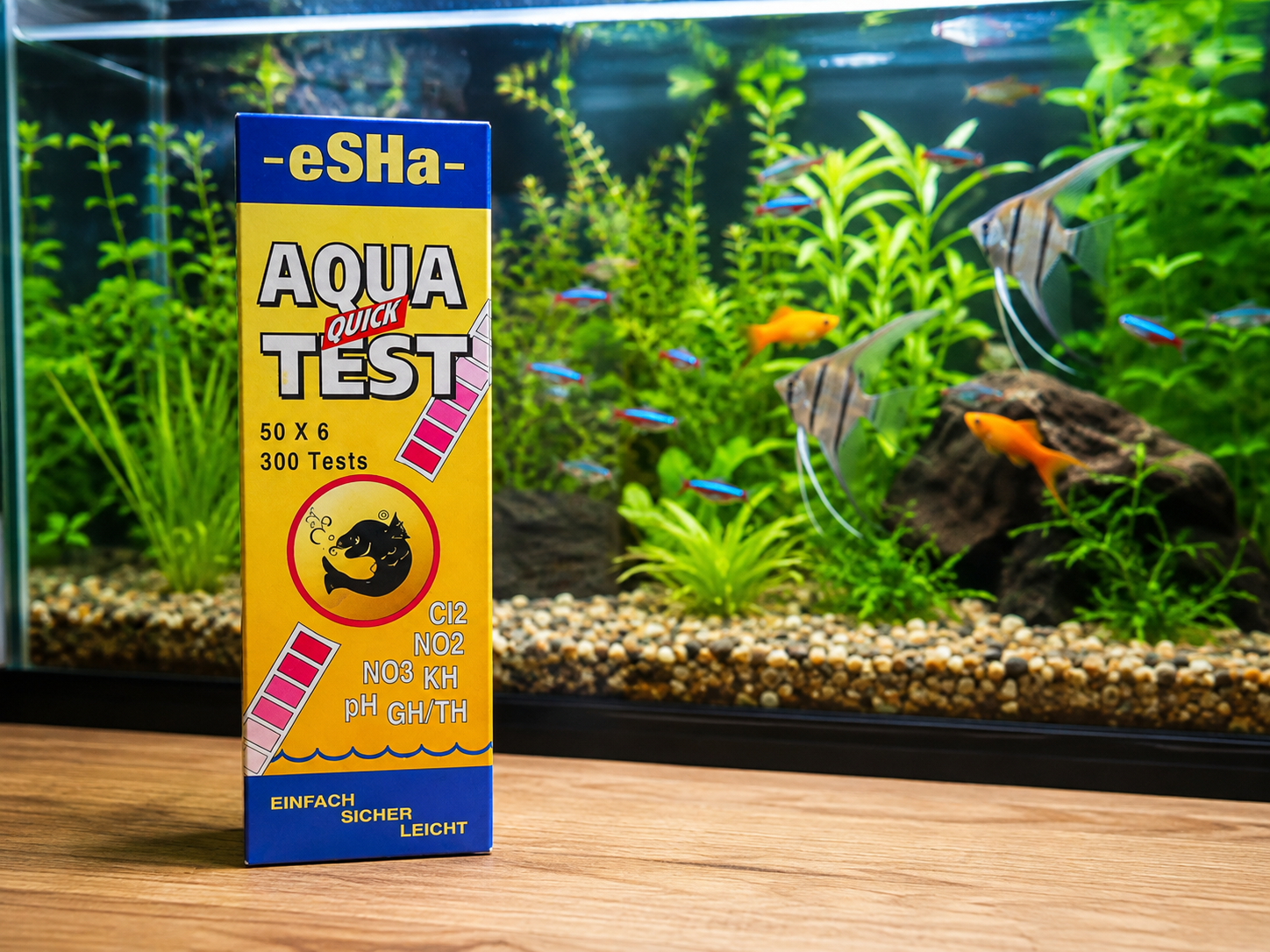
Esha
ESHA Aqua Quicktest
Best for: Fast routine water-quality checks in freshwater aquariums.
As an Amazon Associate, we earn from qualifying purchases.
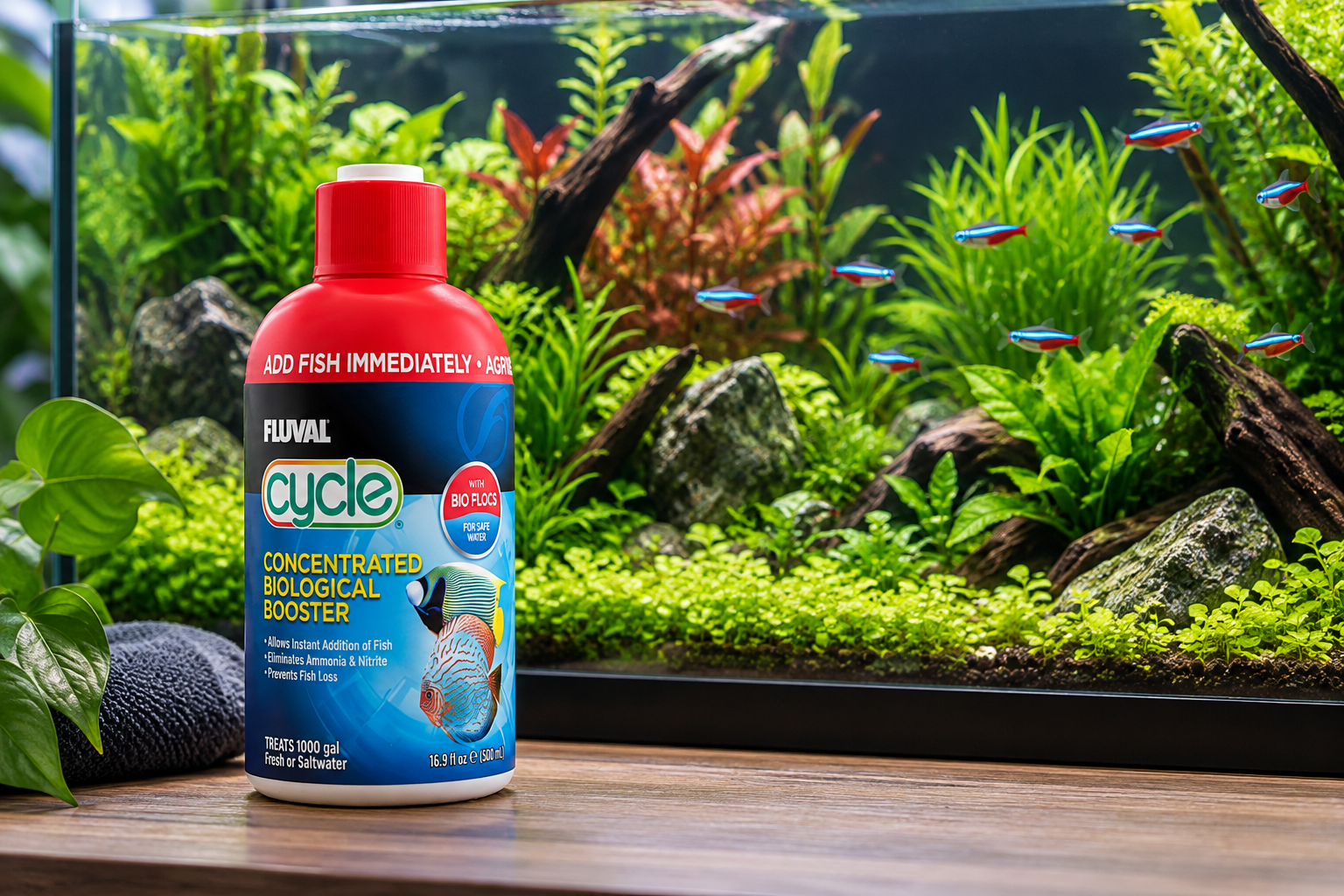
Fluval
Fluval Cycle
Best for: Supporting biological filtration after filter cleaning or disruption
As an Amazon Associate, we earn from qualifying purchases.
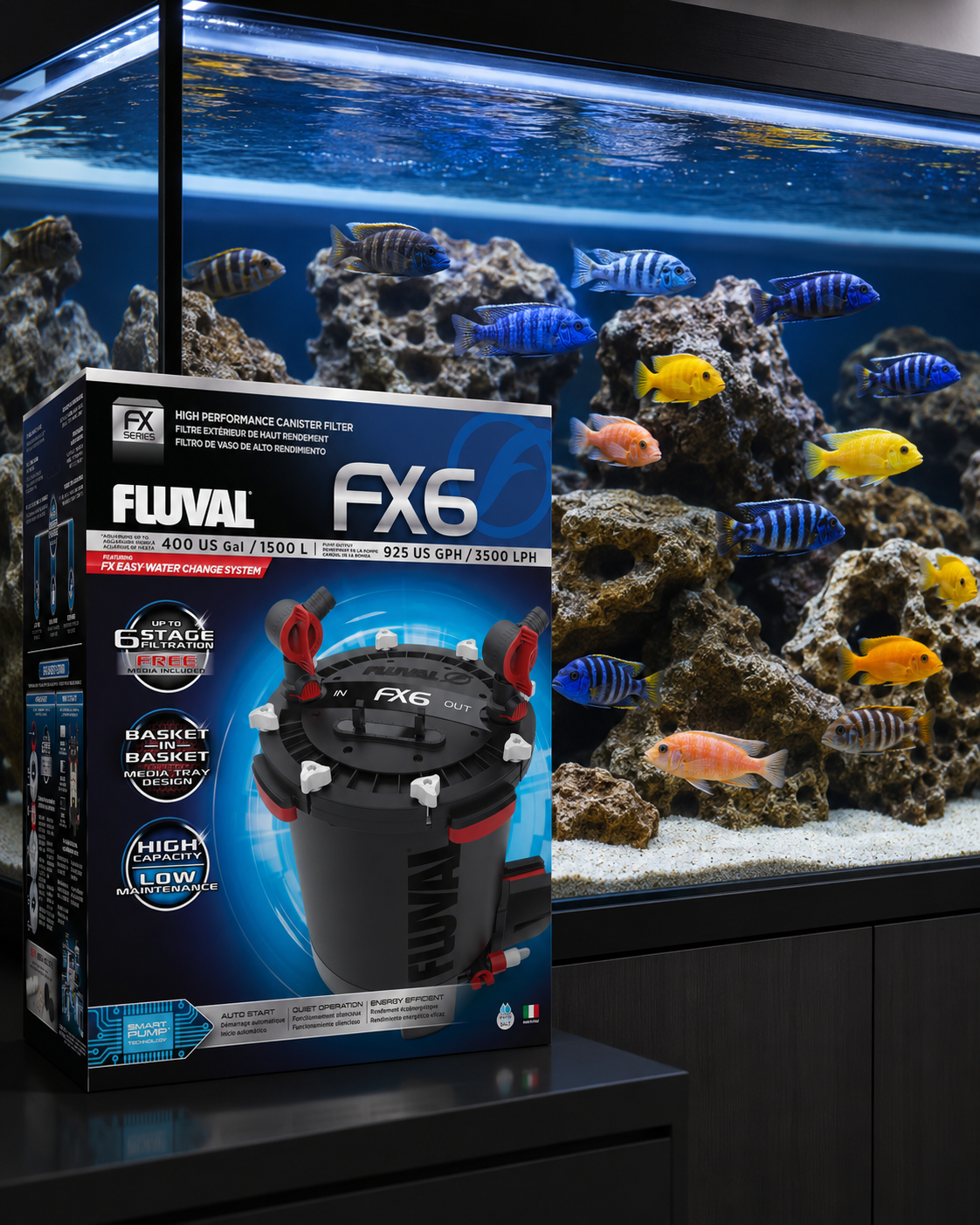
Fluval
Fluval Fx 6 High Proformance Aquarium Canister Filter
Best for: Large, heavily stocked Malawi cichlid aquariums
As an Amazon Associate, we earn from qualifying purchases.