Bentosi Tetra (Megalamphodus bentosi)
Working in aquatics since 1997 and founder of Aquatic Specialist in 2003, Richard specialises in reef aquariums and pond maintenance and has lectured at Sparsholt College. Read Richard's profile.
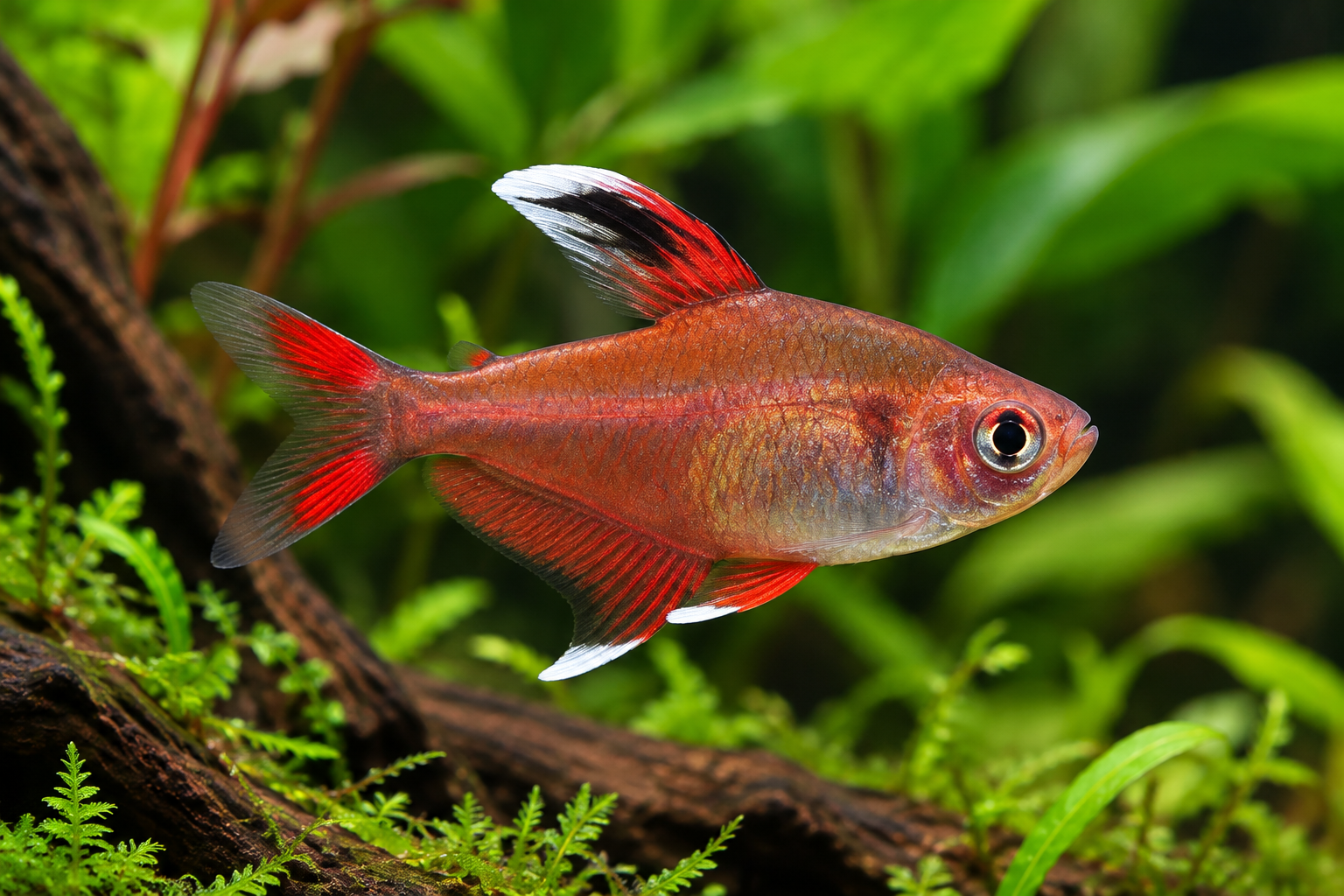
The Bentosi Tetra (Megalamphodus bentosi) is an attractive South American shoaling fish known for its warm reddish colouration and distinctive fins. This guide covers aquarium setup, feeding, water conditions, tank mates and breeding.
The Bentosi Tetra is a beautiful South American tetra that can easily be overlooked in favour of more familiar aquarium species. Its combination of warm pink and red colouration, contrasting fins and relatively deep body gives it a distinctive appearance, particularly when a good-sized group is kept in a planted aquarium. Although peaceful enough for most community aquariums, Bentosi Tetras are also active and interesting fish with plenty of interaction between individuals.
Often sold as the Ornate Tetra or White-tip Tetra, the Bentosi Tetra has traditionally been known in the aquarium hobby as Megalamphodus bentosi, although it has also been classified as Hyphessobrycon bentosi. Like many South American tetras, its scientific classification has changed over time, so both names can still be encountered in aquarium books, shops and online references.
For aquarists looking beyond Neon Tetras and some of the other commonly available shoaling species, Bentosi Tetras are well worth considering. They are relatively straightforward to maintain, adapt well to aquarium conditions and can develop considerably better colouration once they have settled into a suitable environment.
I had these in my planted aquarium at home. Hardy, active and quite beautiful. We regularly use these fish in clients aquariums.
Natural habitat
Bentosi Tetras originate from tropical South America, particularly the Amazon basin. Their natural environment includes slow-moving streams, tributaries and areas of flooded forest where the water may be shaded by surrounding vegetation.
These habitats are often quite different from the brightly illuminated, sparsely decorated aquariums in which tetras are sometimes displayed in shops. Fallen branches, leaves and other organic material create areas of cover, while tannins released from decomposing vegetation can stain the water a light brown or tea colour.
The fish do not need an exact recreation of this habitat to thrive, but understanding where they come from helps when designing their aquarium. Bentosi Tetras tend to look particularly good against darker backgrounds, natural wood and healthy aquatic plants. Slightly subdued lighting can also bring out their reddish colouration more effectively than an extremely bright aquarium.
Appearance and size
Adult Bentosi Tetras generally reach around 4–5 cm in length. Their bodies are deeper than those of species such as Neon Tetras, giving them a relatively substantial appearance despite their small overall size.
The body develops a pinkish, reddish or copper tone, with the intensity varying according to the individual fish, its condition, diet and surroundings. One of their most noticeable features is the dorsal fin, which can become elongated and attractively marked, particularly in mature males. The fins may show combinations of red, black and white, creating a striking contrast with the body.
Males are usually more intensely coloured and can develop more elaborate fins, while females tend to have fuller bodies, particularly when carrying eggs. Differences between the sexes become easier to recognise once the fish have matured.
Their appearance can change considerably after purchase. Fish kept in brightly lit shop aquariums or recently transported may appear pale and relatively unimpressive. After several weeks in a settled aquarium, with a good diet and suitable surroundings, the same fish can develop much stronger colour.
Aquarium requirements
A group of Bentosi Tetras can be kept in an aquarium of around 60 litres or larger, although additional swimming space is worthwhile. They are active fish and make much better use of a longer aquarium than a very small tank.
The aquarium does not need to be heavily aquascaped, but providing a mixture of open swimming space and planted areas works particularly well. Taller plants around the sides and rear provide shelter without restricting the central swimming area. Pieces of bogwood or branching aquarium wood can be used to create additional structure.
A dark substrate can make the colours of the fish appear more intense. Aquarists wanting a more natural Amazon-inspired appearance can also add dried leaves and botanicals, although these are optional rather than essential.
Bentosi Tetras are shoaling fish and should not be kept individually. A group of at least six is preferable, but eight to twelve or more usually produces a much better display. Larger groups allow the fish to interact naturally and spread minor aggression between more individuals.
Males may display towards one another, spreading their fins and briefly chasing rivals. This behaviour is normally harmless when sufficient fish and swimming space are available and can actually be one of the most interesting aspects of keeping the species.
Water conditions
Bentosi Tetras naturally occur in relatively soft, acidic water, but aquarium-bred fish are generally adaptable provided water conditions remain stable.
A temperature of approximately 23–28°C suits the species well, with somewhere around 24–26°C being appropriate for most community aquariums. Slightly acidic to neutral water is ideal, although established captive populations can often adapt to moderately harder water.
Stability is more important than attempting to achieve a particular pH using large quantities of chemicals. If the local tap water is reasonably suitable and the fish have been acclimatised to similar conditions, maintaining consistent water quality is usually preferable to repeatedly adjusting the chemistry. Always check your water quality with a test kit. We use ESHA Quicktest for a quick and easy way to test aquarium water.
As with virtually all tetras, ammonia and nitrite should remain at zero and nitrate should be controlled through sensible stocking, good filtration and regular water changes. Bentosi Tetras appreciate clean, well-oxygenated water but do not require extremely powerful currents.
A mature biological filter with moderate circulation is normally sufficient. Regular partial water changes will help maintain both their health and their colouration.
Feeding Bentosi Tetras
Bentosi Tetras are omnivorous and are generally easy to feed in captivity. A good-quality small flake food, micro pellet or suitably sized granules food can form the basis of their diet.
However, relying entirely on one dried food misses an opportunity to bring the fish into their best condition. Frozen and live foods such as daphnia, Cyclops, bloodworms and Artemia can all be offered periodically. These foods encourage natural feeding behaviour and can be particularly useful when conditioning adults for breeding.
Their mouths are relatively small, so foods should be appropriately sized. Large flakes can simply be crushed before feeding.
Several small meals are preferable to repeatedly adding large quantities of food. Bentosi Tetras are enthusiastic feeders and will usually move quickly when food enters the aquarium, making it easy to provide more than they actually require.
Temperament and suitable tank mates
Bentosi Tetras are generally peaceful community fish and can be combined with a wide range of other small South American species.
Corydoras catfish make particularly suitable companions, as do smaller peaceful tetras, pencilfish, hatchetfish and many of the less aggressive dwarf cichlids. They can also live successfully alongside peaceful fish from other geographical regions where their water and temperature requirements are compatible.
Despite their peaceful reputation, Bentosi Tetras are not completely inactive or timid. There can be considerable displaying and chasing within the group, particularly between males. Occasional fin sparring should not automatically be mistaken for serious aggression.
Problems are more likely when too few are kept together. In a very small group, one dominant fish may continually direct its attention towards weaker individuals. Increasing the shoal size often results in a more balanced social structure.
Very slow-moving fish with exceptionally long fins may not always be ideal companions, and large predatory fish should obviously be avoided.
Breeding
Bentosi Tetras can be bred in captivity, although breeding them deliberately usually requires more preparation than simply maintaining them in a community aquarium.
Like many tetras, they are egg scatterers and provide no parental care. Adults may eat both eggs and newly hatched fry, so a separate breeding aquarium offers the best chance of success.
A conditioned pair or small group can be introduced to a breeding tank containing fine-leaved plants, spawning mops or another arrangement that allows eggs to fall beyond the reach of the adults. Soft, slightly acidic water is often beneficial when attempting to obtain a good hatch rate.
After spawning, the adults should be removed. The eggs and newly hatched fry can be sensitive to strong light, so subdued conditions are generally preferable during the early stages.
Once the fry become free swimming, they require extremely small foods. Infusoria or specialist liquid and powdered fry foods may be necessary initially before they become large enough to take newly hatched Artemia and other larger foods.
Maintaining good water quality is particularly important when raising such small fry. Rather than making sudden large changes, small regular water changes can help maintain cleanliness while avoiding rapid alterations in water chemistry.
A colourful alternative to more common tetras
Bentosi Tetras are an excellent choice for aquarists wanting a colourful shoaling fish that is a little different from the species found in almost every community aquarium.
They are small enough for moderately sized tanks, peaceful enough to mix with many other species and active enough to remain interesting. A mature group of males and females moving through a planted aquarium can make an impressive display, particularly once the males begin showing their extended fins and richer colouration.
They are also a good example of why fish should not always be judged by their appearance in an aquarium shop. Newly imported or recently transported Bentosi Tetras can look rather washed out. Given time, good food, suitable water and surroundings in which they feel secure, their appearance can change considerably.
Keeping a larger group rather than the minimum number is one of the simplest ways to get the best from them. It encourages natural interaction, makes their displays more noticeable and creates a much stronger visual effect.
For a planted South American community aquarium, or simply for someone wanting an alternative to the usual Neon and Cardinal Tetras, the Bentosi Tetra is a species worth considering. Its combination of manageable size, attractive colouration and engaging social behaviour makes it a rewarding fish that can remain a feature of the aquarium for years.
Products We've Mentioned & Recommend
Below you'll find a selection of products we've mentioned in this article, along with a few others we think you might find useful. We've included Amazon links to make them easy to find.
A quick word about affiliate links...
Some of these links are affiliate links, which means we may earn a small commission from qualifying purchases, at no extra cost to you.
Unfortunately, the commission doesn't quite stretch to cocktails on a yacht or a garage full of sports cars. In reality, it helps cover the running costs of this website and, with a bit of luck, might eventually buy me a new pair of waders that don't leak!
We only recommend products we genuinely believe are worth considering, and your support helps us keep sharing free advice from our years of working with aquariums and ponds.
Thanks for supporting Aquatic Specialist!
As an Amazon Associate I earn from qualifying purchases.
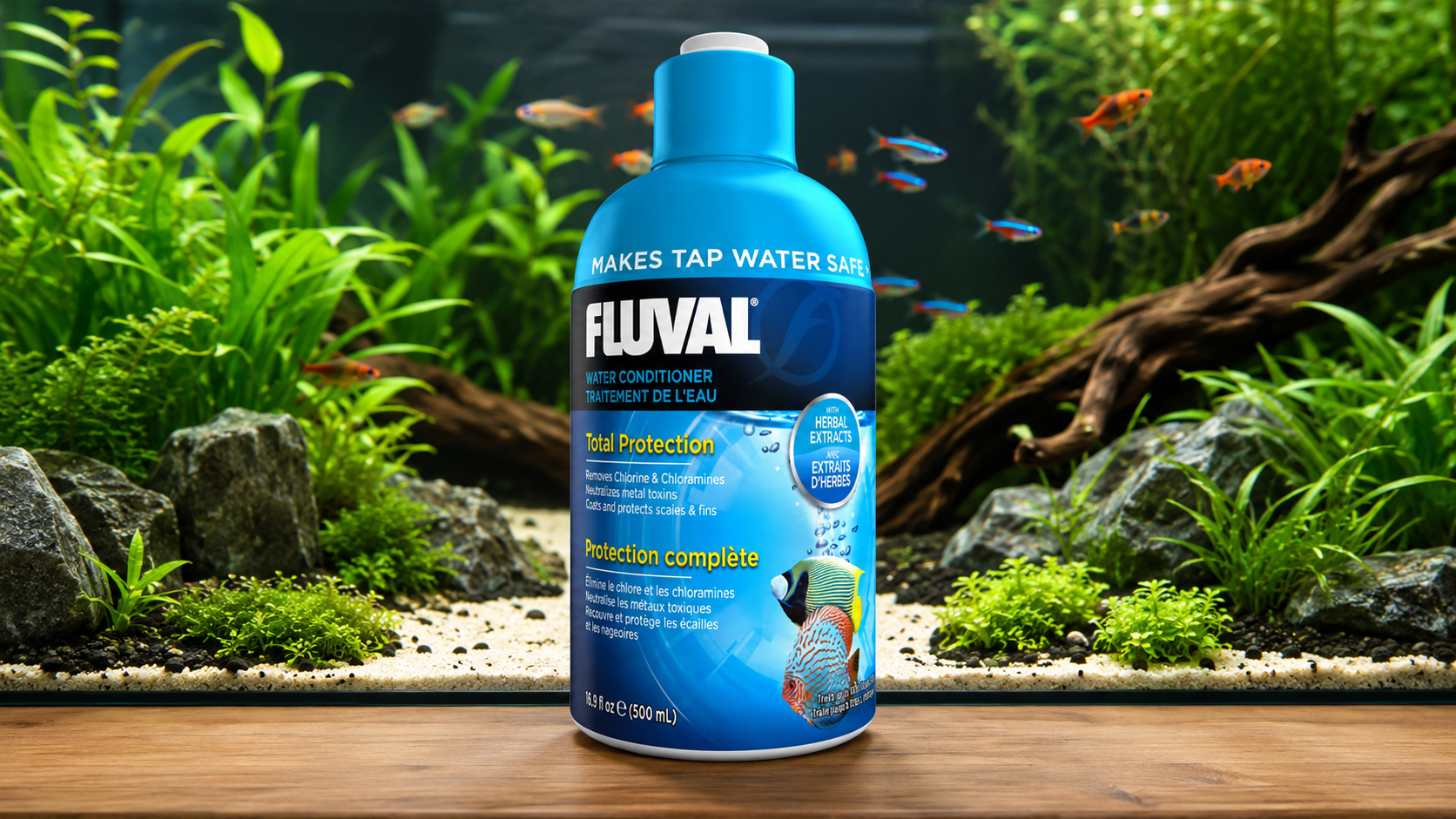
Fluval
Fluval Aqua Plus 500ml aquarium water conditioner
Best for: Routine water changes in freshwater and tropical aquariums
As an Amazon Associate, we earn from qualifying purchases.
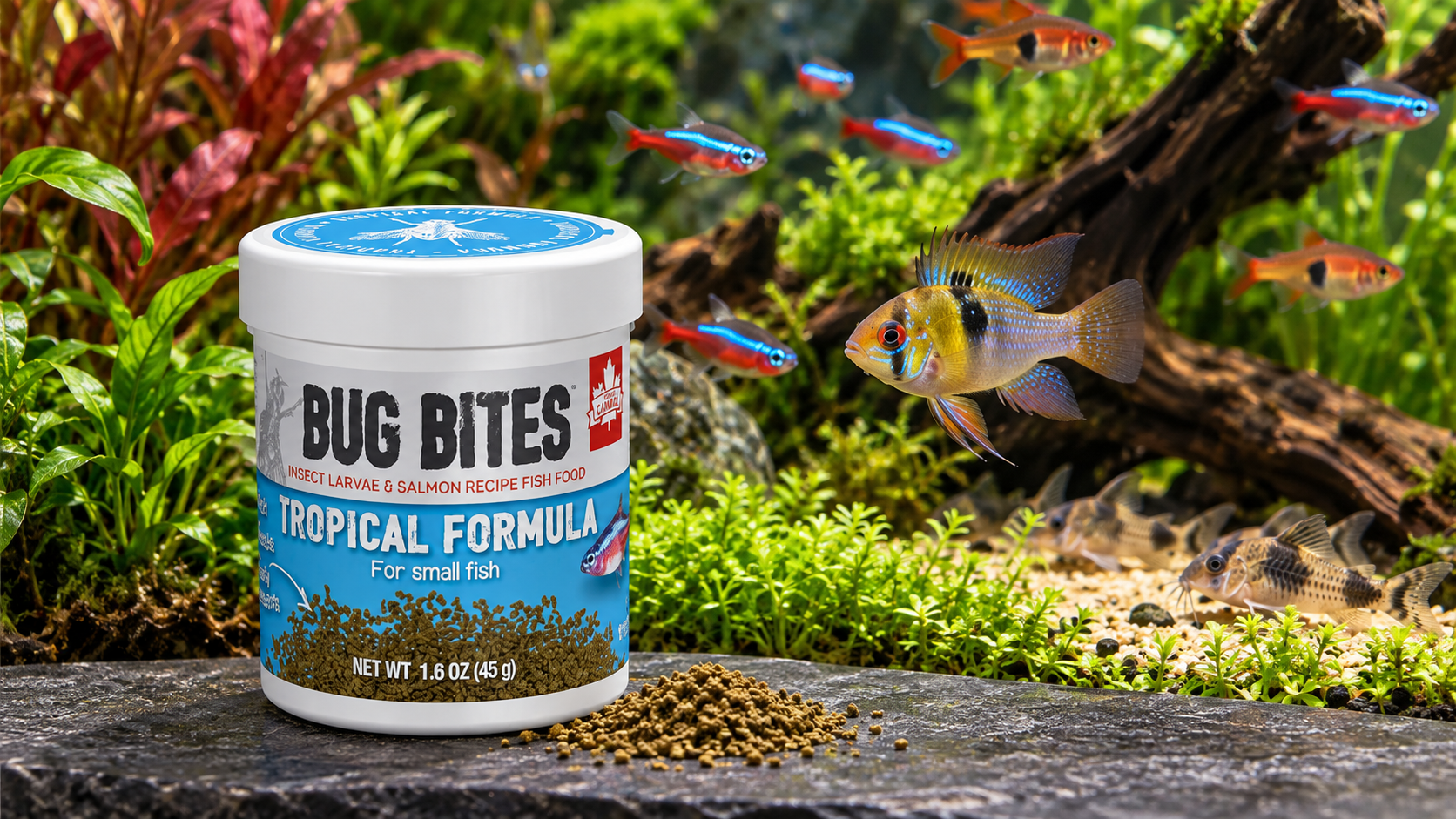
Fluval
Fluval Bug Bites Tropical Formula for small fish
Best for: Small tropical fish and dwarf cichlids
As an Amazon Associate, we earn from qualifying purchases.
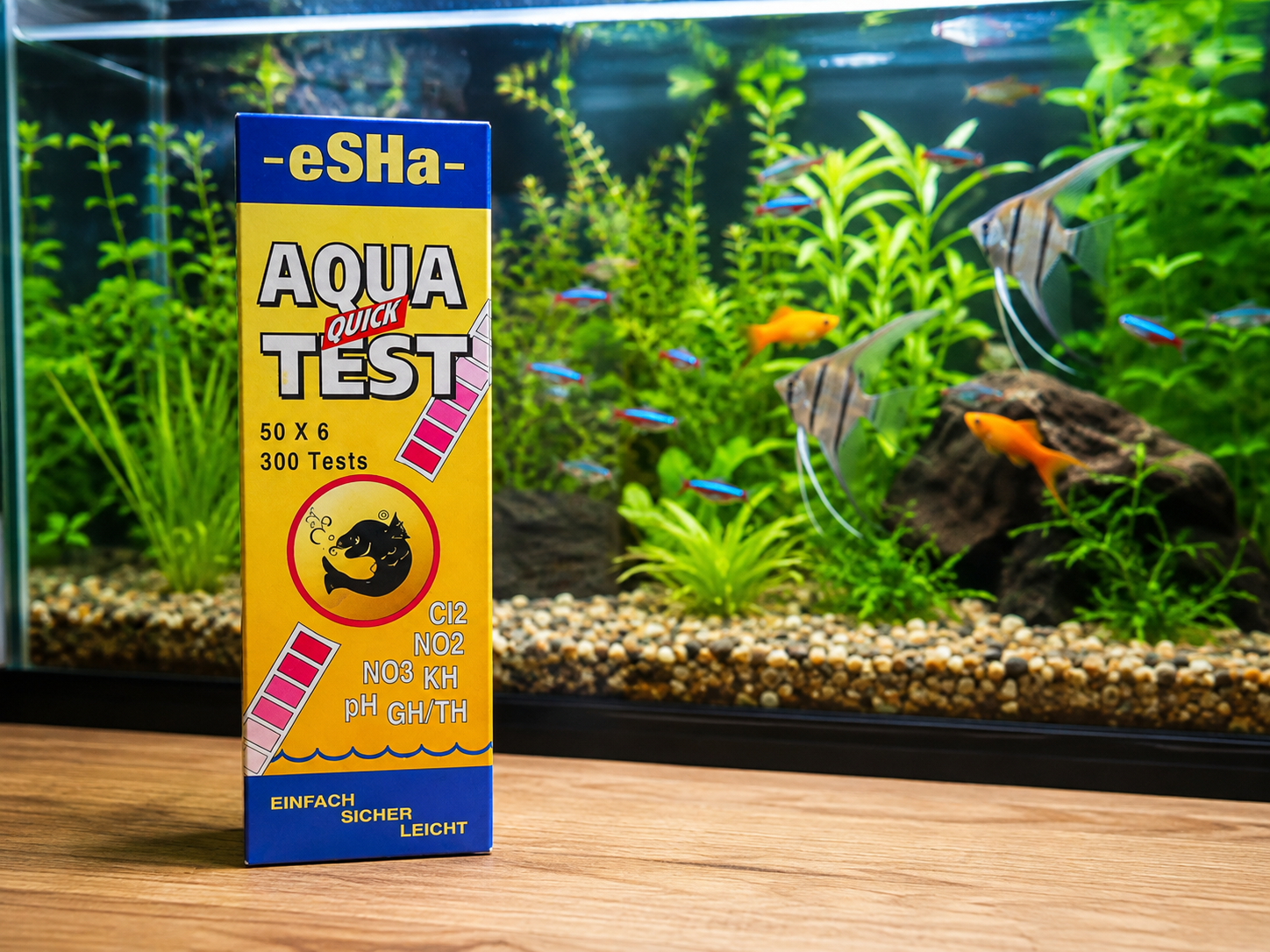
Esha
ESHA Aqua Quicktest
Best for: Fast routine water-quality checks in freshwater aquariums.
As an Amazon Associate, we earn from qualifying purchases.
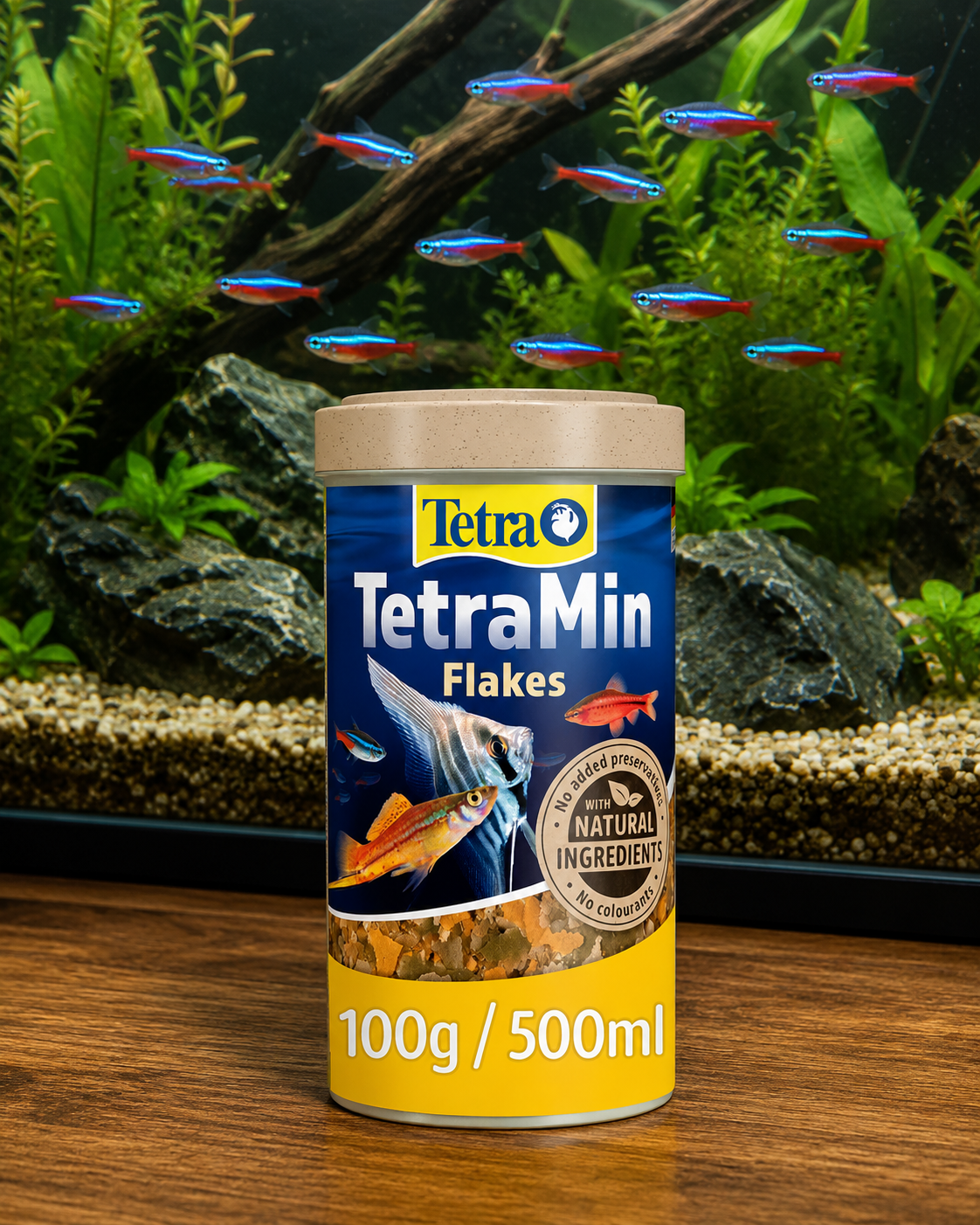
Tetra
Tetra Min Tropical Flake Food 500ml
Best for: Everyday feeding of tropical community fish
As an Amazon Associate, we earn from qualifying purchases.
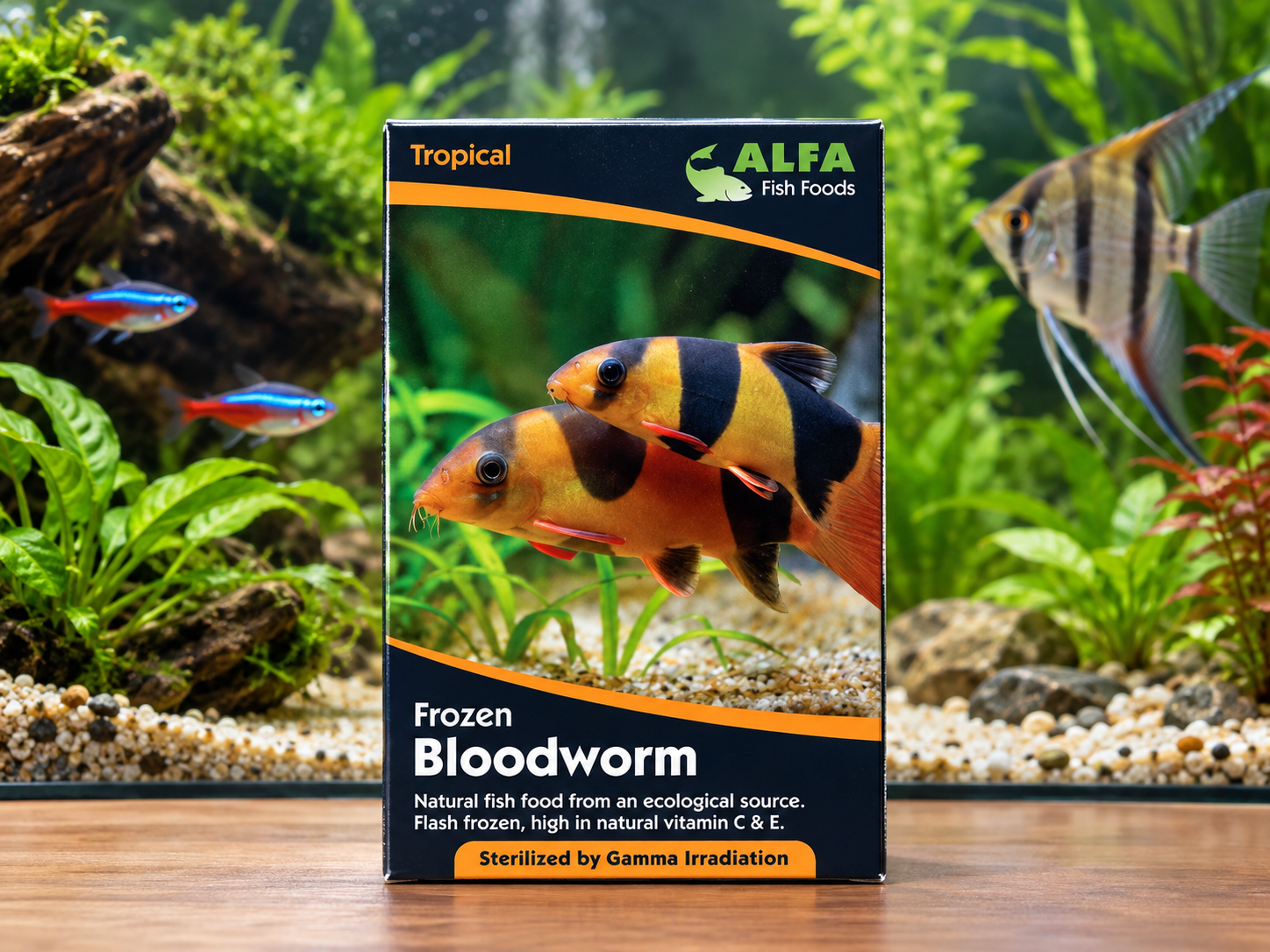
ALFA
Frozen Bloodworm Fish Food 10 Pack
Best for: Adding variety to tropical and coldwater fish diets
As an Amazon Associate, we earn from qualifying purchases.