Apple Snails: A Complete Guide to Keeping These Colourful Aquarium Snails
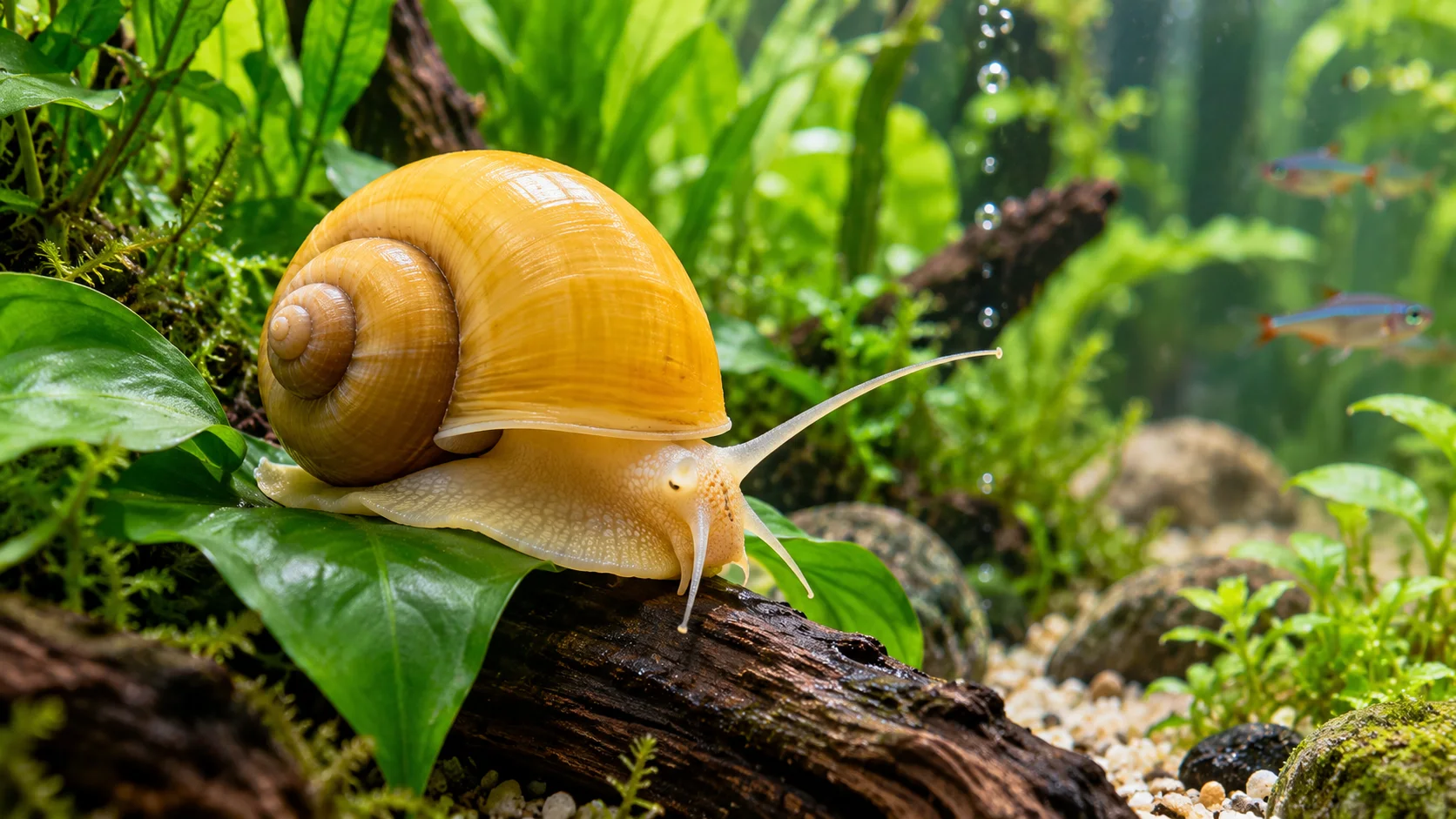
Apple snails are colourful and fascinating freshwater aquarium inhabitants, but there's more to keeping them than simply letting them eat algae. From their unusual breathing habits and feeding requirements to breeding and choosing the right species, this guide explores everything you need to know about keeping apple snails successfully.
Apple snails are among the most interesting invertebrates you can introduce to a freshwater aquarium. With their rounded shells, attractive colours and surprisingly active behaviour, they can become just as fascinating to watch as the fish themselves.
Often sold as useful algae eaters, these snails have been popular with aquarium enthusiasts for decades. However, there is considerably more to keeping apple snails than simply adding one to an aquarium and expecting it to keep the glass clean.
Understanding their feeding habits, water requirements and the differences between species is important if you want to keep them successfully.
What Are Apple Snails?
Apple snails belong to the family Ampullariidae, a group of freshwater snails found in tropical and subtropical regions of the world. The species most commonly associated with the aquarium trade belong to the genus Pomacea, which originates from the Americas.
One of the most familiar aquarium species is Pomacea diffusa, commonly known as the mystery snail or spike-topped apple snail. This relatively peaceful species typically reaches around 5–6cm in shell diameter and is generally well suited to community aquariums. However, not all apple snails are the same.
Species such as Pomacea canaliculata and Pomacea maculata can grow considerably larger and have much stronger appetites for aquatic vegetation. These larger species can cause significant damage to planted aquariums and have become invasive pests in several parts of the world.
For this reason, identifying the species before purchasing is particularly important.
Appearance and Behaviour
<escape>Apple snails are available in a surprisingly wide variety of colours. Golden yellow is perhaps the most recognisable, but ivory, brown, blue, purple and patterned varieties can also be found.</escape>
Their large, rounded shells give them their common name, although shell shape and size vary between species.
Unlike some smaller aquarium snails that spend much of their time hidden away, apple snails are often remarkably active. They can be seen travelling across the substrate, climbing aquarium glass and exploring decorations in search of food.
One particularly interesting feature is their ability to breathe both underwater and at the surface. Apple snails possess a gill and a lung, allowing them to obtain oxygen from water and air. They also have an extendable breathing siphon, which they can use to take in air while remaining beneath the surface.
Another useful adaptation is their operculum, a hard plate that acts like a door when the snail withdraws into its shell. This provides protection against predators and helps reduce moisture loss.
Watching an apple snail extend its tentacles and explore its surroundings can make it an entertaining addition to an aquarium.
Keeping Apple Snails in an Aquarium
Although apple snails are generally considered easy to maintain, good water quality is essential.
For Pomacea diffusa, temperatures around 22–27°C are suitable, making them compatible with many tropical community aquariums. They prefer neutral to slightly alkaline water, ideally with a pH around 7.0–8.0.
Water hardness is particularly important because snails require calcium to develop and maintain healthy shells. Moderately hard to hard water, approximately 8–18°dGH, is a useful target.
In soft or acidic water, their shells may gradually become pitted, thin or damaged. Once serious shell erosion has occurred, the affected areas will not simply repair themselves.
A calcium-rich diet can help support shell growth, although suitable water chemistry remains essential.
An aquarium of around 45–60 litres or larger provides a sensible starting point for keeping a small apple snail, depending on the other inhabitants. Despite their slow movements, apple snails produce a surprising amount of waste and should not be considered maintenance-free additions.
Good filtration, regular water changes and a mature biological filter are just as important for snails as they are for fish.
It is also worth remembering that apple snails occasionally leave the water, particularly when preparing to lay eggs. A secure aquarium lid is therefore advisable, with some air space between the water surface and the cover.
What Do Apple Snails Eat?
Apple snails are frequently advertised as algae eaters, and while they certainly graze on algae and biofilm, relying on this alone is unlikely to provide a balanced diet.
The smaller Pomacea diffusa is particularly suitable for planted aquariums because it generally prefers softer organic material rather than healthy living plants.
It spends much of its time searching for leftover fish food, decaying vegetation and edible material growing on aquarium surfaces.
However, apple snails should also receive supplementary feeding. Good-quality sinking algae wafers, suitable invertebrate foods and occasional softened vegetables such as courgette can all form part of their diet.
Any uneaten vegetables should be removed before they begin to deteriorate and affect water quality.
Larger apple snail species are considerably less plant-friendly. Some will actively consume healthy aquatic plants, including relatively tough vegetation.
This is one reason why the name 'apple snail' should never be treated as a guarantee that a particular snail will be suitable for a carefully planted aquascape.
Suitable Tank Mates
Apple snails are peaceful creatures that generally coexist well with other non-aggressive aquarium inhabitants.
Small tetras, rasboras, guppies, peaceful bottom-dwelling fish and freshwater shrimp can make suitable companions, provided their water requirements are compatible. However, not every fish will leave them alone.
Pufferfish and certain loaches are well known for eating snails, while larger cichlids may attack their exposed bodies or damage their shells. Even smaller fish that repeatedly nip at their tentacles can cause unnecessary stress.
Apple snails cannot defend themselves particularly effectively against determined predators, so choosing compatible tank mates is important.
Care is also needed when treating fish diseases. Many aquarium medications containing copper can be highly toxic to snails and other invertebrates. Always check that a treatment is suitable before using it in an aquarium containing apple snails.
Breeding Apple Snails
One of the most unusual aspects of apple snails is their breeding behaviour.
Unlike many familiar aquarium snails, Pomacea species have separate males and females. Successful reproduction therefore requires both sexes, although females may retain sperm following previous mating.
Rather than depositing eggs underwater, females climb above the waterline and attach clusters of eggs to aquarium glass, decorations or the underside of the cover.
Depending on the species, these egg clusters are often pink or pale peach in colour and can contain large numbers of developing snails.
The eggs develop in humid air rather than underwater. Once they hatch, the young snails make their way into the aquarium.
Although breeding can be fascinating to observe, it is worth considering whether you have room for the offspring.
An aquarium containing a few attractive apple snails can quickly become overcrowded if large numbers of young are allowed to develop. Unwanted egg clusters should be removed and disposed of responsibly rather than released into the environment.
Apple Snails and UK Regulations
Apple snails have an interesting history within the UK aquarium trade. In 2012, restrictions were introduced across the European Union following concerns about invasive Pomacea populations damaging rice-growing regions in Spain.
However, the restrictions were lifted in Great Britain in 2021, allowing apple snails to be imported, sold and kept in England, Scotland and Wales.
Northern Ireland remains subject to different plant-health regulations, and the restrictions on Pomacea continue to apply there.
Regardless of their legal status, apple snails should never be released into natural waterways or garden ponds. Certain species have caused serious environmental and agricultural problems in countries where they have become established.
Responsible aquarium keeping means ensuring unwanted animals and eggs cannot escape into the wider environment.
Are Apple Snails Worth Keeping?
For anyone looking for something a little different in their freshwater aquarium, apple snails can be an excellent choice.
Their colourful shells, unusual breathing behaviour and constant exploration make them interesting animals in their own right rather than simply members of an aquarium clean-up crew.
However, choosing the correct species is essential. The relatively modest-sized Pomacea diffusa is generally the better option for planted community aquariums, while larger, plant-eating species require much more consideration.
Provided their water conditions are suitable, their diet is properly supplemented and their tank mates are carefully chosen, apple snails can be rewarding aquarium inhabitants.
They may not be the most conventional aquarium residents, but they certainly deserve more attention than simply being regarded as algae eaters.
Products We've Mentioned & Recommend
Below you'll find a selection of products we've mentioned in this article, along with a few others we think you might find useful. We've included Amazon links to make them easy to find.
A quick word about affiliate links...
Some of these links are affiliate links, which means we may earn a small commission from qualifying purchases, at no extra cost to you.
Unfortunately, the commission doesn't quite stretch to cocktails on a yacht or a garage full of sports cars. In reality, it helps cover the running costs of this website and, with a bit of luck, might eventually buy me a new pair of waders that don't leak!
We only recommend products we genuinely believe are worth considering, and your support helps us keep sharing free advice from our years of working with aquariums and ponds.
Thanks for supporting Aquatic Specialist!
As an Amazon Associate I earn from qualifying purchases.
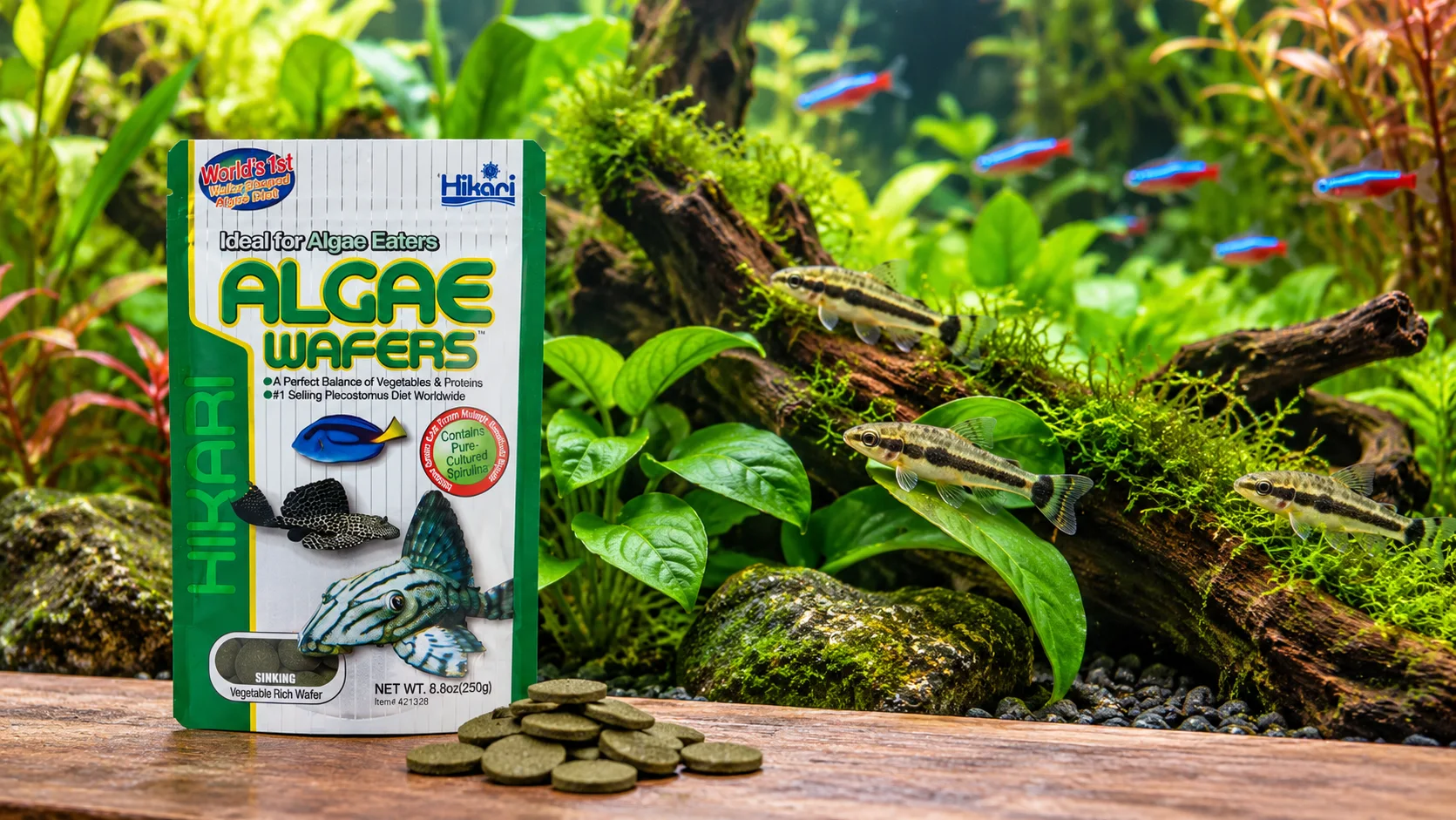
Hikari
Hikari Algae Wafers
Best for: Otocinclus, Bristlenose Ancistrus and other algae-grazing fish
As an Amazon Associate, we earn from qualifying purchases.
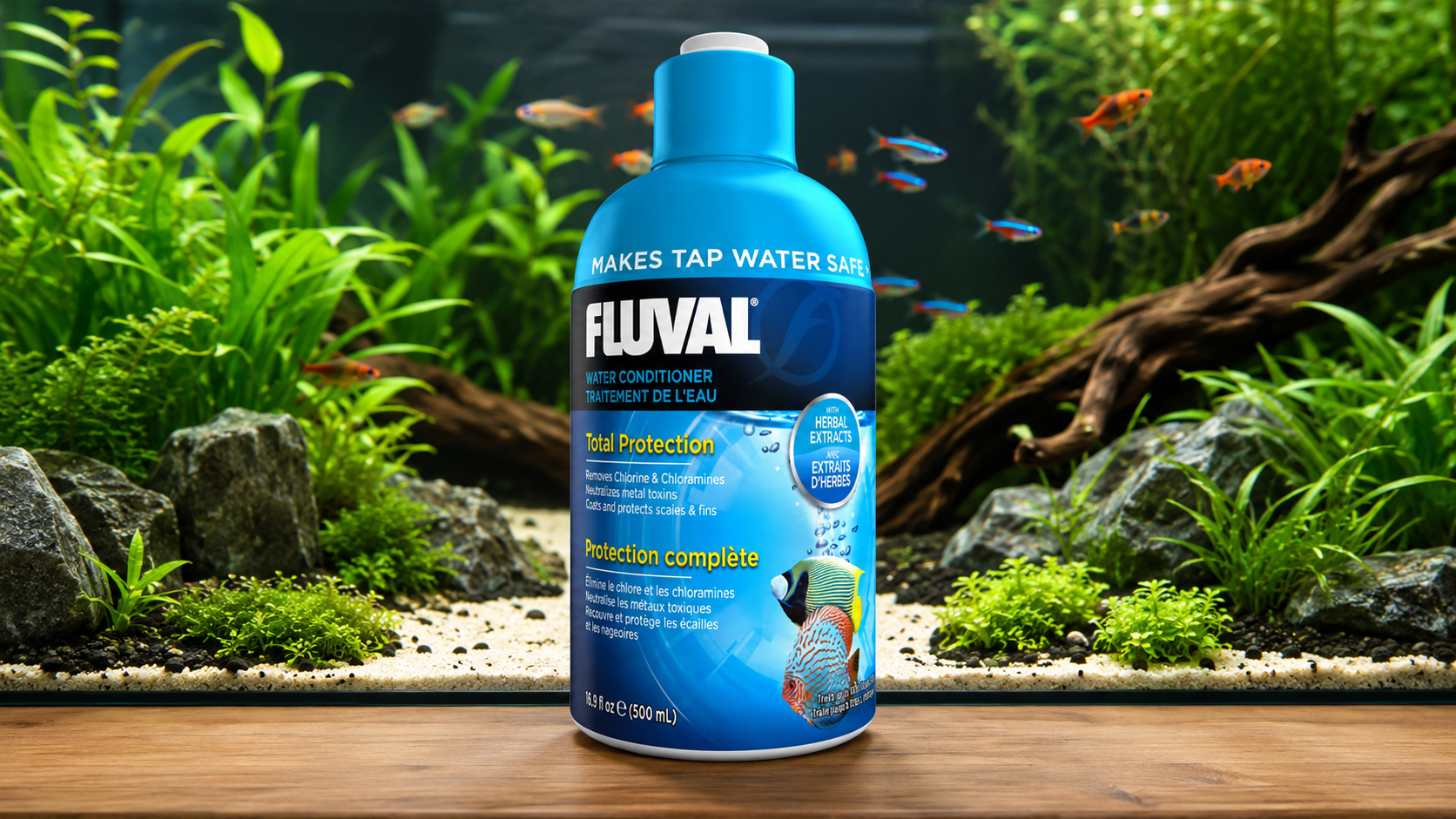
Fluval
Fluval Aqua Plus 500ml aquarium water conditioner
Best for: Routine water changes in freshwater and tropical aquariums
As an Amazon Associate, we earn from qualifying purchases.