Activated Carbon in Aquariums: What It Does, When to Use It and When You Don’t Need It
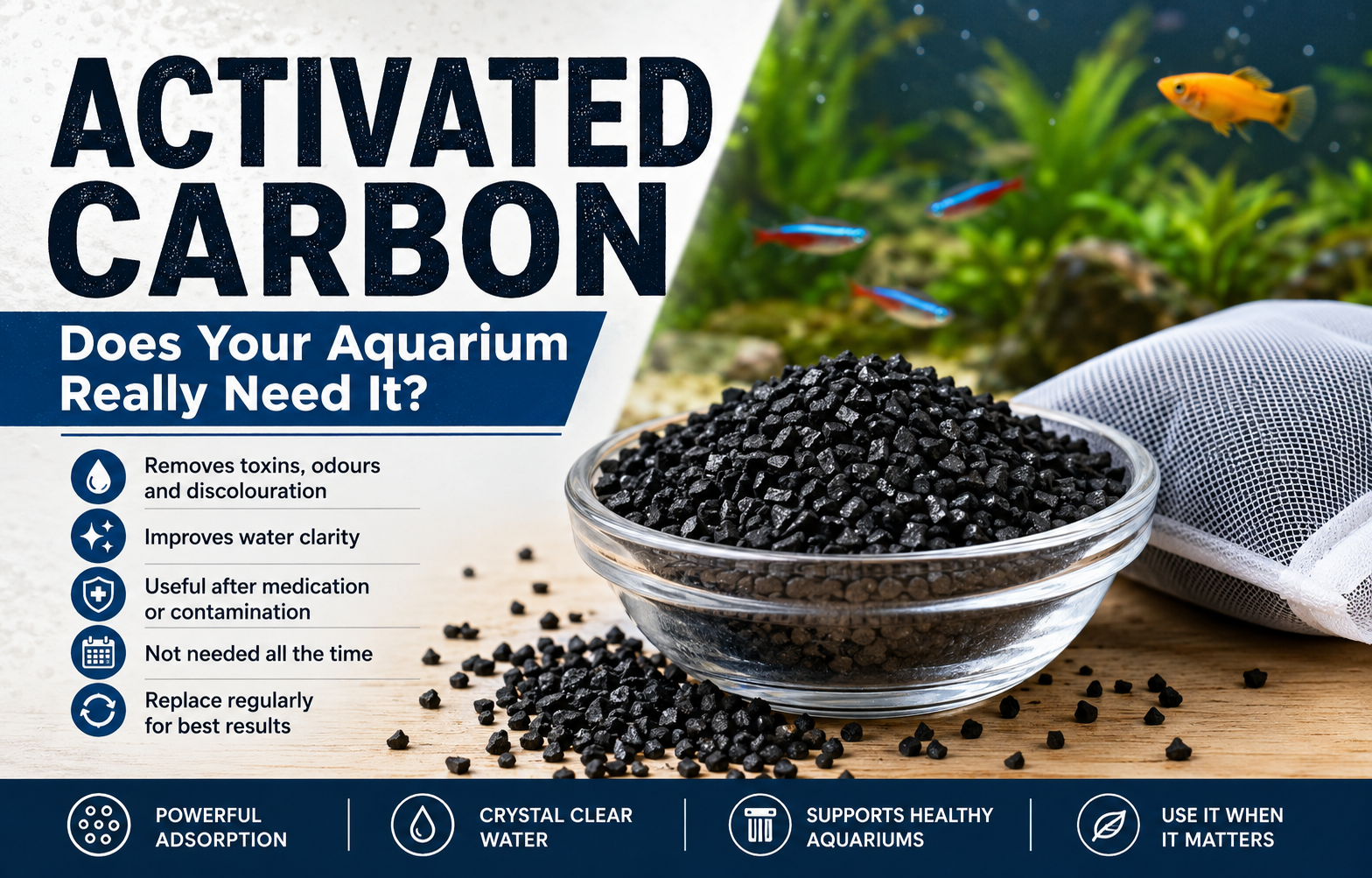
Learn how activated carbon works in aquarium filters, what it removes, how long it lasts and whether you really need to use carbon in your aquarium.
Activated carbon is one of the most familiar types of aquarium filter media. It is included with many new filters, sold in replacement cartridges and often recommended whenever aquarium water looks discoloured or develops an unusual smell.
But does every aquarium actually need activated carbon? The short answer is no. Activated carbon can be extremely useful, but it is best treated as a tool for particular situations rather than something that must permanently remain inside every aquarium filter.
In this guide, we’ll look at what activated carbon does, what it cannot do, how long it lasts and when it is worth adding to your aquarium.
What Is Activated Carbon?
Activated carbon is a highly porous form of carbon that has been processed to create an enormous internal surface area. Aquarium carbon is normally supplied as small black granules or pellets. Although these pieces look relatively simple from the outside, their microscopic structure contains a huge network of pores. It is this structure that makes activated carbon useful for aquarium filtration.
As aquarium water passes through the media, certain dissolved substances are attracted to and held on the carbon's surface. This process is known as adsorption. That distinction is important. Activated carbon doesn't simply absorb substances like a sponge. Instead, molecules adhere to the enormous internal surface of the carbon.
What Does Activated Carbon Remove from Aquarium Water?
Activated carbon is primarily a form of chemical filtration. It can help remove a range of dissolved organic compounds and contaminants from aquarium water. One of its most noticeable effects is improving water clarity.
Over time, dissolved organic compounds can give aquarium water a slight yellow or brown tint. This can be particularly noticeable in established aquariums or tanks containing lots of organic material. Fresh activated carbon can help remove many of these compounds, leaving the water looking noticeably clearer.
It can also be useful for reducing:
- Unpleasant aquarium odours
- Yellow discolouration
- Some dissolved organic compounds
- Residues from certain aquarium treatments
- Some contaminants introduced into the aquarium
For display aquariums where exceptionally clear water is desirable, activated carbon can therefore be very useful.
Activated Carbon and Aquarium Medication
One of the most useful applications for activated carbon is removing residual medication after a treatment has finished. Many aquarium medications contain compounds that can be adsorbed by activated carbon.
This is also why carbon should normally be removed from the filter while medication is being used, unless the treatment manufacturer specifically states otherwise. Leaving fresh carbon in the filter could potentially remove some of the medication from the water and reduce the effectiveness of the treatment.
Once the full treatment course has been completed, a fresh batch of activated carbon can often be added to help remove remaining medication. Always follow the instructions supplied with the medication, as different treatments have different requirements.
Does Activated Carbon Remove Ammonia, Nitrite or Nitrate?
This is an important misconception. Standard activated carbon should not be relied upon to control the main nitrogen-cycle pollutants in an aquarium. It is not a substitute for biological filtration.
Your aquarium's beneficial bacteria are responsible for converting toxic ammonia into nitrite and then into the less harmful nitrate. These bacteria primarily colonise biological filter media and other surfaces throughout the aquarium. Activated carbon cannot replace a properly matured biological filter.
If an aquarium has elevated ammonia or nitrite, adding carbon is not the solution. The underlying cause needs to be identified and appropriate water changes and filtration management carried out. You can use a Ammonia Removerfor a quick fix to suck up some of the ammonia. Bacteria boosters like Fluval Cycle can be used alongside water changes to help reduce the levels. I recommend contacting your local Aquatic Centre to help trace the reason for the elevated levels.
Likewise, ordinary activated carbon isn't an effective solution for controlling nitrate. Regular maintenance, sensible stocking, feeding management, water changes and appropriate filtration remain much more important.
Do You Need Activated Carbon in an Aquarium All the Time?
For most freshwater aquariums, activated carbon does not need to be used continuously. A well-maintained aquarium can operate perfectly successfully with mechanical and biological filtration alone.
A typical filter might therefore contain:
Mechanical filtration to trap particles and debris.
Biological filtration to provide a large surface area for beneficial bacteria.
Chemical media such as activated carbon can then be added when there is a specific reason to use it. This approach can also free up valuable space inside smaller filters for additional biological media.
There are situations where continuous carbon use can be beneficial, particularly where extremely clear water is desired. However, it should be replaced regularly if it is being relied upon for chemical filtration.
How Long Does Activated Carbon Last?
Activated carbon doesn't continue working indefinitely. As its available surface becomes occupied by the compounds it has adsorbed, its effectiveness gradually decreases.
Exactly how long it remains effective depends on several factors, including:
- The amount of carbon being used
- Aquarium size
- Water flow through the media
- The quantity of dissolved organic material
- The quality and type of activated carbon
- What you are attempting to remove
For this reason, there isn't a single replacement interval that applies perfectly to every aquarium.
If you are using carbon continuously, follow the manufacturer's recommended replacement schedule. Depending on the product and aquarium conditions, replacement is commonly measured in weeks rather than many months.
If carbon has been added specifically to remove medication or contamination, it may only be required temporarily.
Where Should Activated Carbon Go in the Filter?
Activated carbon works best when aquarium water is able to flow efficiently through it. Ideally, water should pass through mechanical filtration before reaching the carbon. This removes larger particles first and helps prevent the carbon from becoming covered in debris.
A simple filtration sequence could therefore be:
Mechanical media → Biological media → Carbon
The exact arrangement will depend on the design of your aquarium filter, and manufacturers may specify a particular media order. I find that in most filters the carbon is best placed right at the end of the filtration process just before the final polish with filter wool or floss. Technically you can place it before the biological media but in most filters there is still quite a bit of muck and this can clogg carbon and reduce the efficiency.
Loose granular carbon should usually be placed inside a suitable fine filter-media bag so that the granules remain contained. Fluval have both ready made bags of carbon and loose which comes with a reusable bag. I buy loose but the ready made ones are nice and clean to use plus there's no risk of dropping the tub and spilling all the carbon......which I've done before!
Always rinse new carbon before placing it into the aquarium filter. Carbon dust can otherwise temporarily turn the aquarium water grey or black.
Can Activated Carbon Remove Tannins?
Yes. Activated carbon can help remove the yellow or brown tint produced by tannins released from materials such as aquarium wood. Whether you actually want to remove them is another question.
In some aquariums, particularly blackwater-style setups, tannin-stained water is deliberately encouraged because it recreates a more natural environment for certain species.
In a conventional display aquarium where clear water is preferred, activated carbon can help reduce this staining.
Is Activated Carbon Safe for Planted Aquariums?
Activated carbon can be used in planted aquariums, but continuous use is often unnecessary. A healthy planted aquarium will usually benefit more from good mechanical filtration, plenty of biological filtration, suitable lighting, appropriate fertilisation and regular maintenance.
If carbon is being used alongside fertilisers or other water additives, it is sensible to check the recommendations provided by the manufacturers of those products.
For occasional water polishing or removing a treatment, however, carbon can still be a useful addition to a planted aquarium.
Activated Carbon in Marine and Reef Aquariums
Activated carbon is also widely used in marine aquariums. In reef systems it can be particularly useful for maintaining clear water and removing dissolved organic compounds. Corals and other organisms can release various organic substances into the water, making chemical filtration valuable in many reef aquariums.
However, carbon should be used sensibly. It should be thoroughly rinsed to remove dust and positioned so that water flows through it effectively. Avoid aggressively tumbling ordinary carbon unless the manufacturer specifically designs the product for that application.
Marine aquarists may therefore choose to run relatively small amounts of good-quality carbon and replace it regularly rather than filling a filter or reactor with excessive quantities.
Does Old Activated Carbon Release Everything Back into the Aquarium?
You may sometimes hear that activated carbon suddenly "dumps toxins" back into aquarium water once it becomes exhausted. In normal aquarium conditions, this is an oversimplification.
As carbon becomes exhausted, the main problem is that it becomes progressively less effective at adsorbing additional compounds. That doesn't mean it should be left indefinitely. Old carbon can collect debris and take up valuable filter space that could otherwise contain useful filtration media.
If you are relying on carbon, replace it appropriately rather than expecting the same batch to continue functioning for months.
When Should You Use Activated Carbon?
Activated carbon makes the most sense when there is a clear reason for using it.
Good examples include:
- Removing residual medication after treatment
- Clearing yellow or brown water
- Reducing unpleasant aquarium odours
- Removing tannin staining when clear water is preferred
- Improving water clarity
- Providing additional chemical filtration in marine and reef aquariums
- Helping following certain contamination events, alongside appropriate water changes and other corrective measures
If none of these apply, you shouldn't feel that your aquarium is missing an essential piece of filtration simply because it doesn't contain carbon.
When Activated Carbon Won't Solve the Problem
Carbon is useful, but it shouldn't be used to disguise poor aquarium maintenance. If an aquarium continually smells unpleasant, becomes cloudy or accumulates large amounts of organic waste, simply replacing the carbon every few weeks doesn't address the underlying cause.
Check for problems such as overfeeding, excessive stocking, inadequate filtration, dead livestock, decaying plant material, poor filter maintenance or insufficient water changes. Activated carbon should complement good aquarium management rather than replace it.
The Bottom Line
Activated carbon is a useful aquarium filter media, but it isn't essential for every aquarium. Its strength is chemical filtration. It can help produce exceptionally clear water, remove discolouration and odours and is particularly useful for removing residues after certain aquarium treatments.
What it doesn't replace is good biological filtration and regular aquarium maintenance.
For many freshwater aquariums, keeping activated carbon available and using it when it serves a specific purpose is more practical than automatically running it 365 days a year.
Used in the right situation, activated carbon is a simple and effective addition to your aquarium filtration toolkit.
If you've enjoyed this article then why on try this one on Undergravel Filters. It goes into details about this old tech and why it still works today.
Products We've Mentioned & Recommend
Below you'll find a selection of products we've mentioned in this article, along with a few others we think you might find useful. We've included Amazon links to make them easy to find.
A quick word about affiliate links...
Some of these links are affiliate links, which means we may earn a small commission from qualifying purchases, at no extra cost to you.
Unfortunately, the commission doesn't quite stretch to cocktails on a yacht or a garage full of sports cars. In reality, it helps cover the running costs of this website and, with a bit of luck, might eventually buy me a new pair of waders that don't leak!
We only recommend products we genuinely believe are worth considering, and your support helps us keep sharing free advice from our years of working with aquariums and ponds.
Thanks for supporting Aquatic Specialist!
As an Amazon Associate I earn from qualifying purchases.
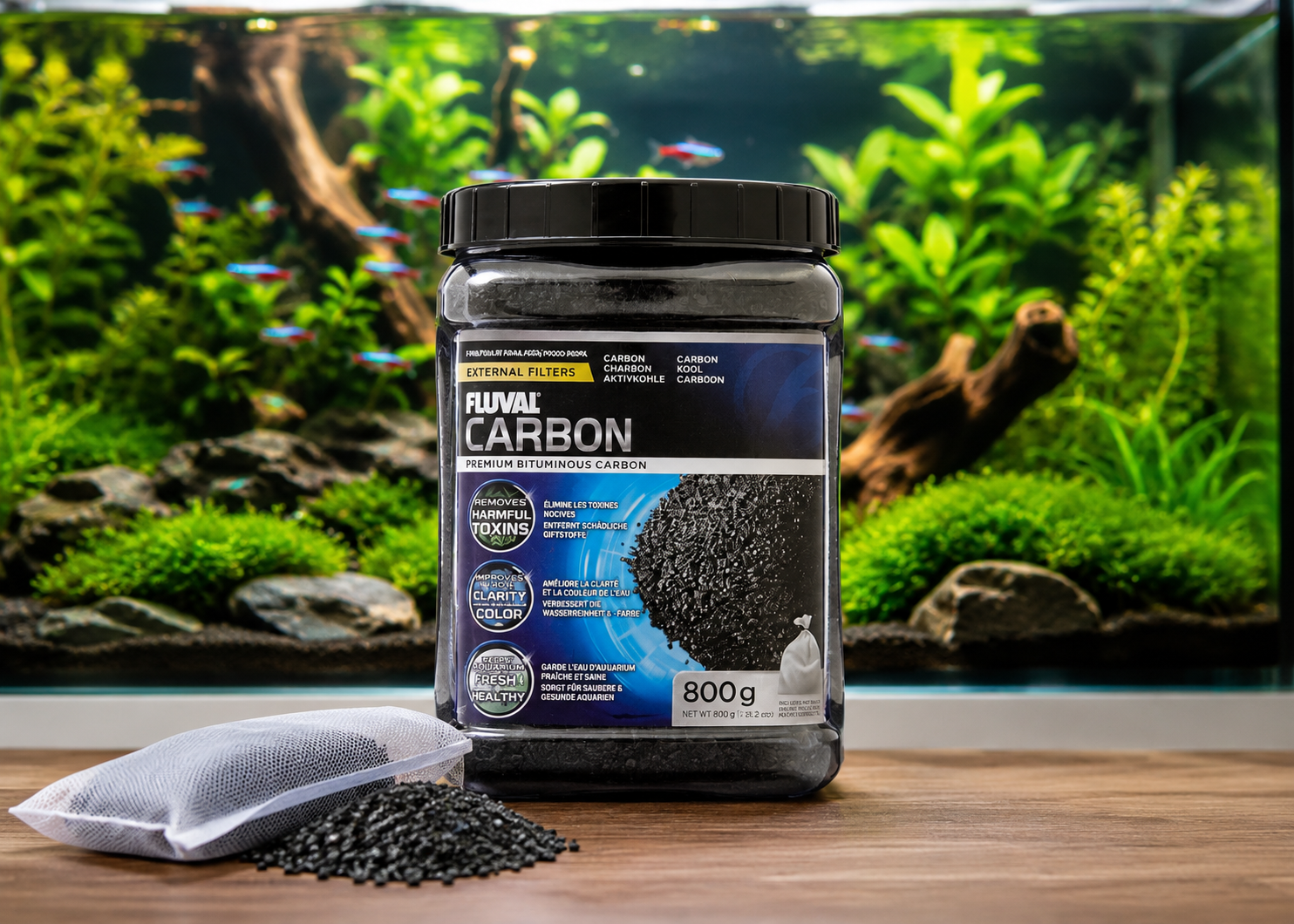
Fluval
Fluval Carbon 800g complete with net bags
Best for: Water polishing, removing discolouration and post-medication filtration
As an Amazon Associate, we earn from qualifying purchases.
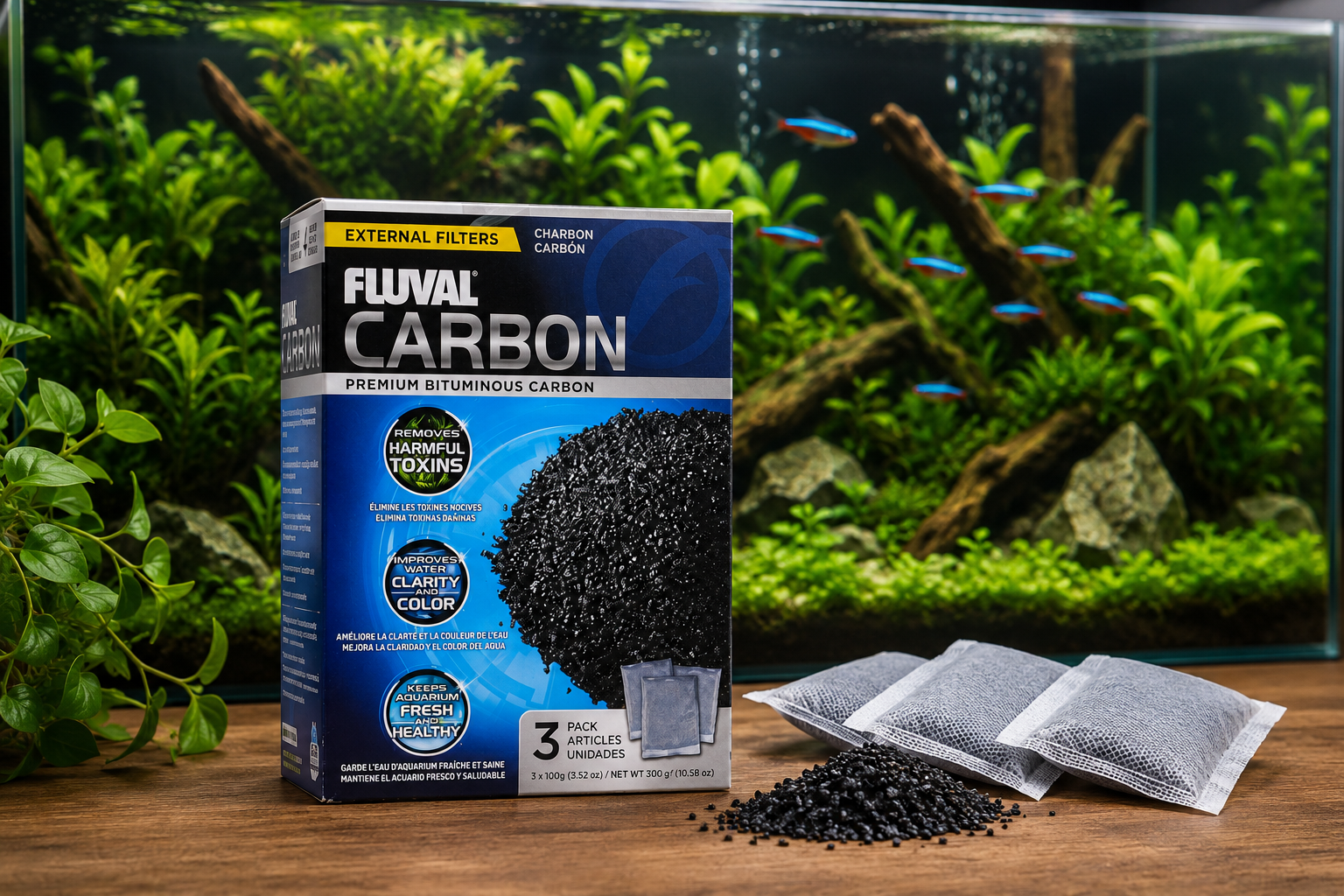
Fluval
Fluval Activated Carbon 3 x 100g Sachets
Best for: Convenient chemical filtration and removing medication after treatment
As an Amazon Associate, we earn from qualifying purchases.
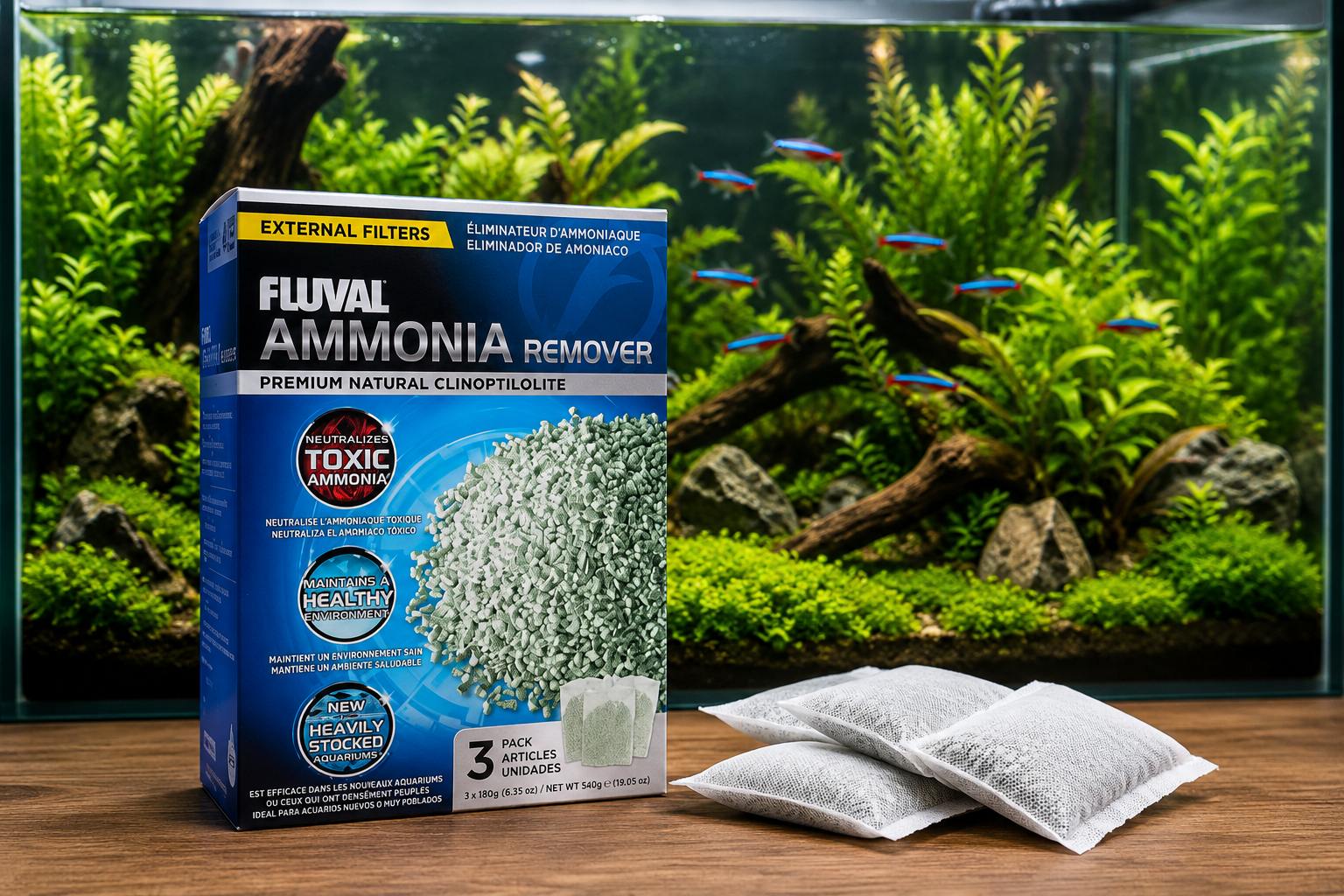
Fluval
Fluval Ammonia Remover
Best for: New aquariums, heavily stocked tanks and temporary ammonia control
As an Amazon Associate, we earn from qualifying purchases.
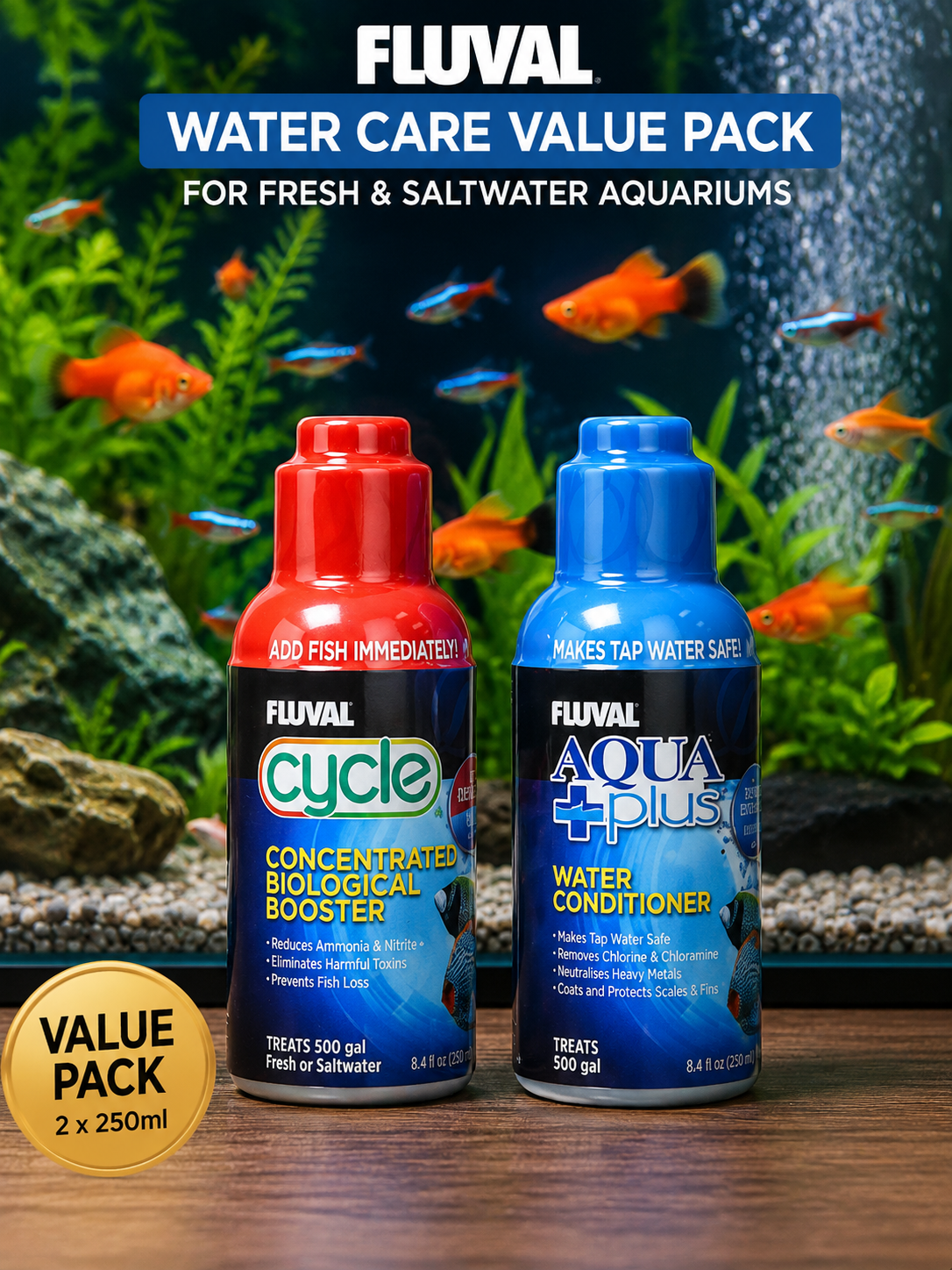
Fluval
Fluval Water Care Value Pack with Fluval Cycle & Aqua Plus, 500ml
Best for: New aquarium setups and routine water changes
As an Amazon Associate, we earn from qualifying purchases.