5 Common Corydoras Catfish and How to Keep Them
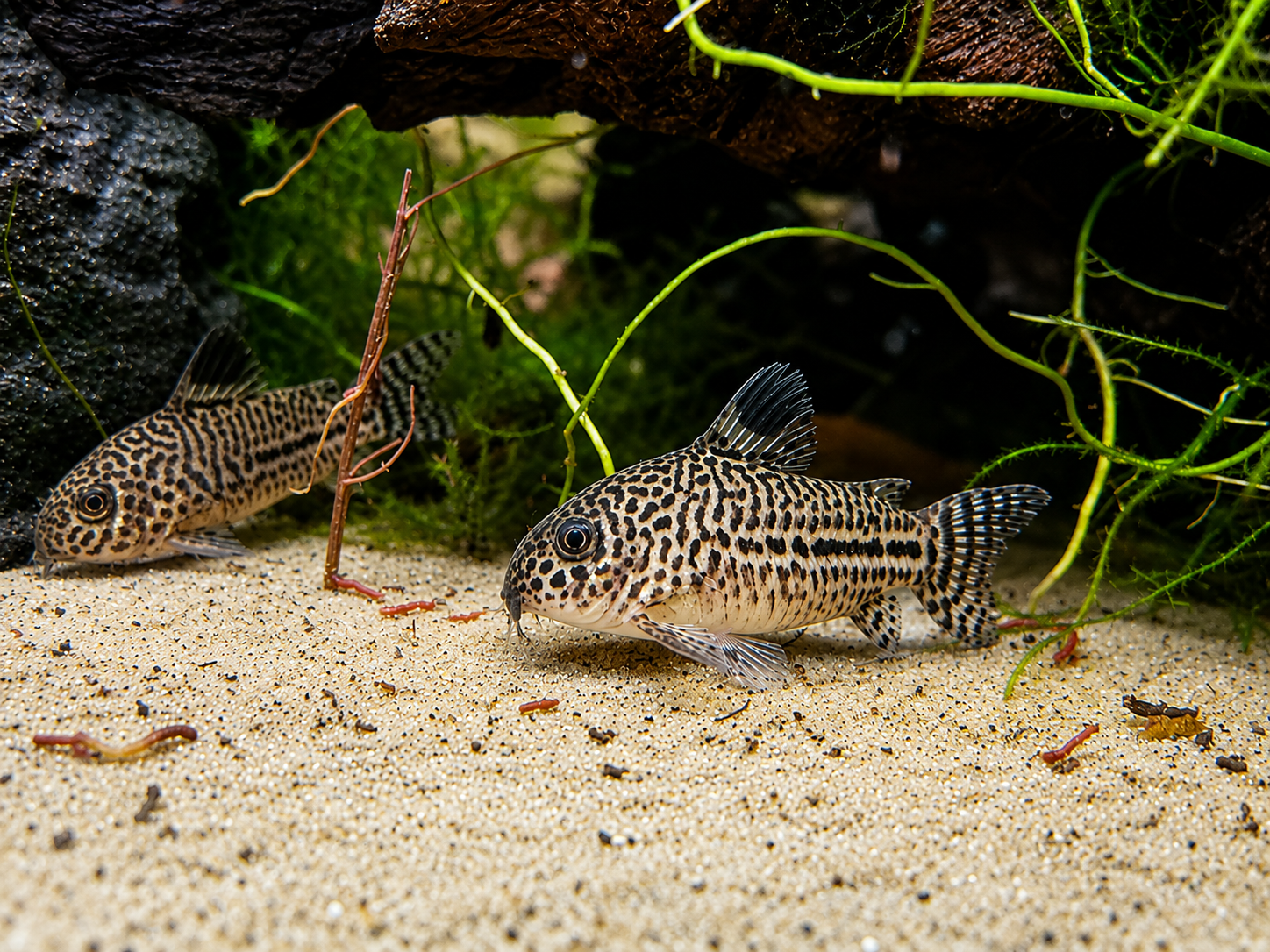
Discover five of the most popular Corydoras catfish species and learn how to keep them healthy. This guide covers aquarium setup, feeding, water conditions, tank mates and essential care tips for these peaceful bottom-dwelling fish.
Corydoras catfish are among the most popular freshwater fish in the aquarium hobby. Their peaceful nature, entertaining behaviour and ease of care make them an excellent choice for beginners and experienced fish keepers alike. Native to South America, Corydoras spend most of their time searching the substrate for food and thrive when kept in groups. In this guide, we'll look at five of the most popular Corydoras species commonly available in the aquarium trade and explain how to provide the best care.
What Are Corydoras Catfish?
Corydoras are small armoured catfish belonging to the Callichthyidae family. Unlike many bottom-dwelling fish, they are highly active during the day and enjoy exploring every corner of the aquarium. One fascinating behaviour is their occasional dash to the surface to gulp air. This is completely normal and allows them to absorb oxygen through their intestines in addition to their gills.
- Bronze Corydoras (Corydoras aeneus)
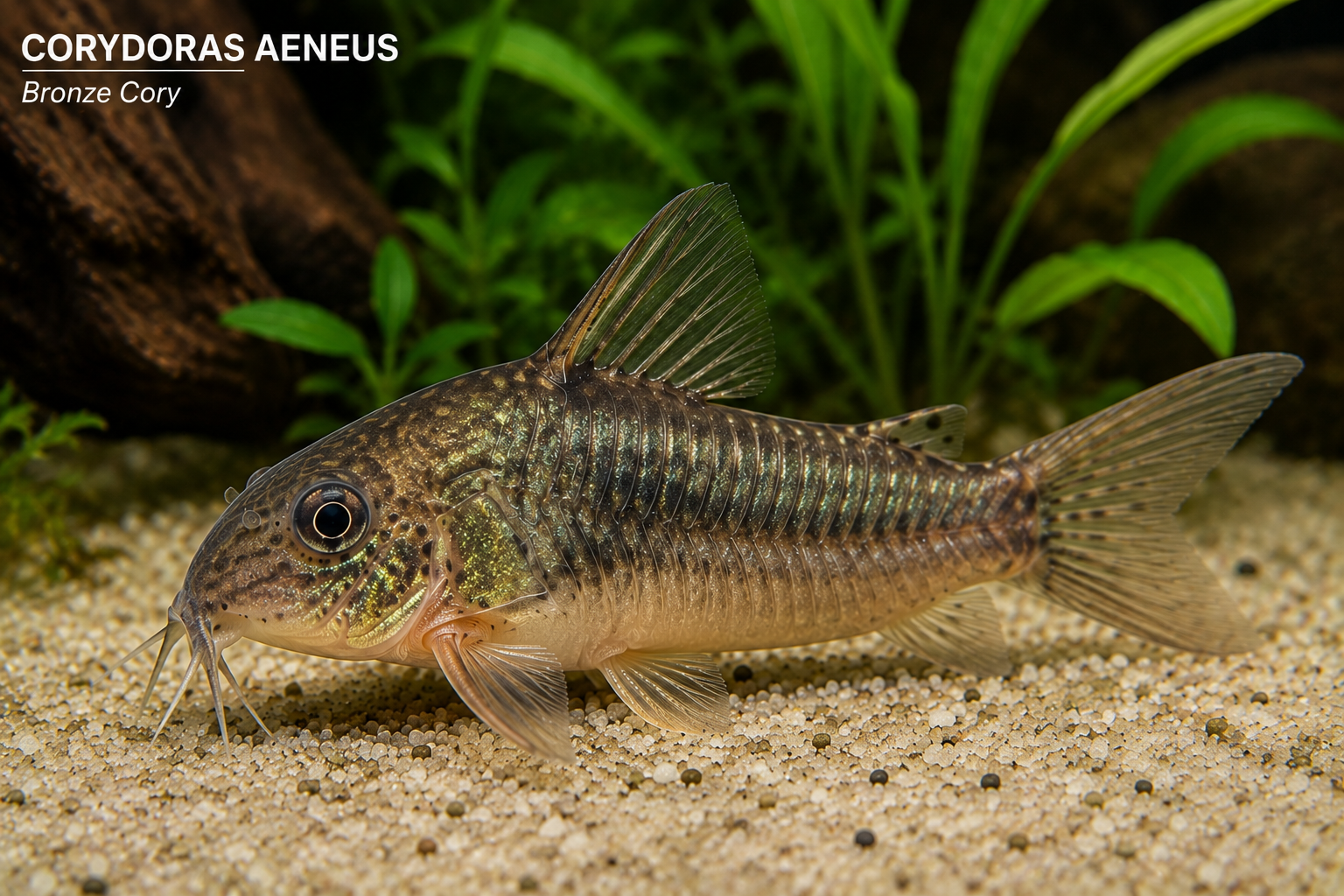
The Bronze Corydoras is one of the hardiest and easiest species to keep. Its attractive bronze-green metallic sheen and adaptable nature make it a favourite among both beginners and experienced aquarists. Adult Size: 6–7 cm Temperature: 22–26°C pH: 6.5–7.5 Difficulty: Easy
- Peppered Corydoras (Corydoras paleatus)
Peppered Corydoras have a beautiful grey body covered in dark mottled markings. They tolerate slightly cooler temperatures than many tropical Corydoras, making them suitable for cooler community aquariums. Adult Size: 6–7 cm Temperature: 20–25°C pH: 6.5–7.5 Difficulty: Easy
- Panda Corydoras (Corydoras panda)
Named after the distinctive black patches around their eyes, Panda Corydoras are one of the hobby's most recognisable species. They prefer slightly cooler, well-oxygenated water and appreciate excellent water quality. Adult Size: 5 cm Temperature: 22–25°C pH: 6.0–7.5 Difficulty: Easy to Moderate
- Sterbai Corydoras (Corydoras sterbai)
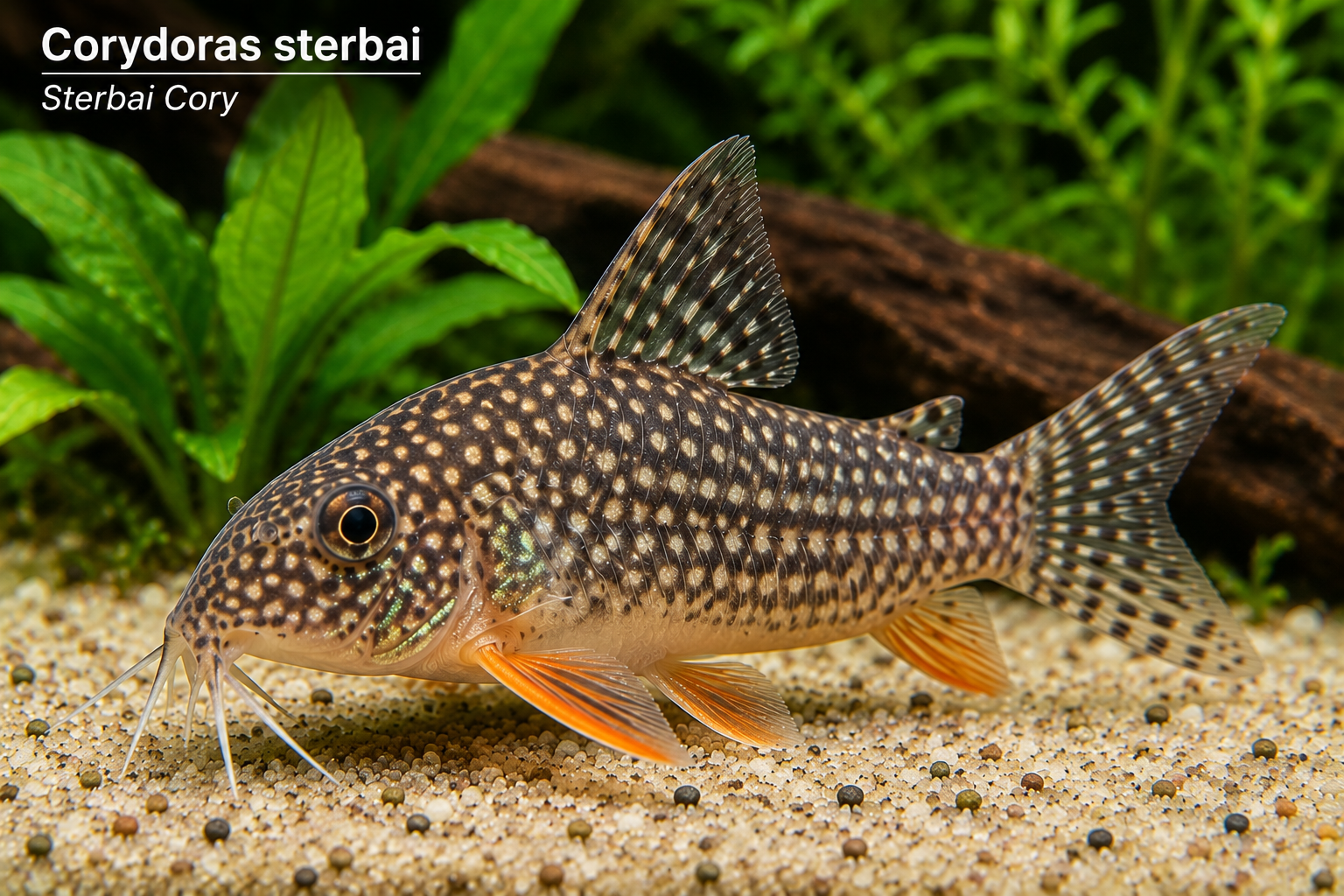
Sterbai Corydoras are easily recognised by their white spots covering a dark body and their striking orange pectoral fins. Unlike many Corydoras species, they tolerate warmer temperatures, making them one of the best companions for Discus aquariums. Adult Size: 6–7 cm Temperature: 24–28°C pH: 6.0–7.5 Difficulty: Moderate
- False Julii Corydoras (Corydoras trilineatus)
Often mistaken for the true Julii Corydoras, the False Julii (Corydoras trilineatus) is actually the species most commonly available in aquarium shops. It is recognised by its intricate maze-like pattern of interconnected markings along the body, whereas the true Julii Corydoras has more distinct, separate spots.
False Julii Corydoras are peaceful, active fish that thrive in community aquariums. Like all Corydoras, they should be kept in groups of at least six and provided with a fine sandy substrate to protect their delicate barbels.
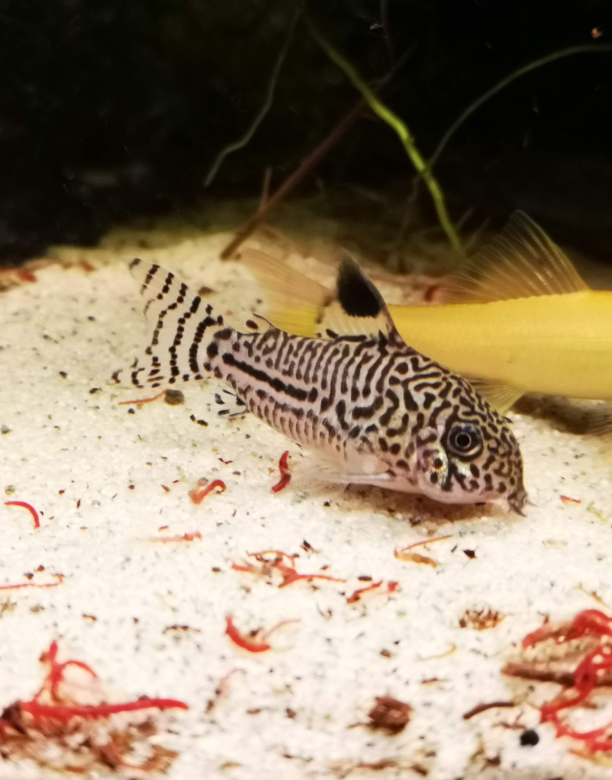
Adult Size: 5–6 cm
- Temperature: 22–26°C
- pH: 6.0–7.5
- Difficulty: Easy
- Aquarium Requirements
Corydoras are highly social fish and should always be kept in groups of at least six, although groups of eight or more are even better.
Recommended aquarium sizes:
70 litres for smaller species 90–120 litres for larger groups
Provide:
- Fine sand substrate
- rocks and driftwood
- Live plants
- Gentle water movement
- Good biological filtration
- Weekly water changes
Why Sand Is So Important
Corydoras constantly sift through the substrate using their sensitive barbels to search for food. Sharp gravel can wear down or damage these barbels, leading to infections and difficulty feeding. Fine aquarium sand allows them to display their natural behaviour safely.
Feeding
Despite their reputation as "clean-up fish", Corydoras require their own balanced diet. Feed a mixture of:
- Sinking catfish pellets
- Sinking wafers
- Frozen bloodworm
- Frozen daphnia
- Frozen brine shrimp
Live foods as an occasional treat If faster fish eat everything first, feed the Corydoras after the aquarium lights begin to dim.
Tank Mates
Suitable companions include:
- Tetras
- Rasboras
- Angelfish
- Dwarf cichlids
- Gouramis
- Livebearers
- Peaceful Rainbowfish
Avoid housing them with large or aggressive cichlids and predatory fish.
Water Quality
Like all Corydoras, these fish thrive in clean, stable water.
Aim for:
- Ammonia: 0 ppm
- Nitrite: 0 ppm
- Nitrate: Below 20 ppm where possible
Carry out weekly water changes of around 25–30% to maintain excellent water quality.
Common Mistakes
- Avoid these common errors:
- Keeping only one or two Corydoras
- Using coarse gravel instead of sand
- Poor water quality
- Overfeeding
- Skipping regular maintenance
Frequently Asked Questions
How many Corydoras should I keep?
Always keep a minimum of six, although larger groups display much more natural behaviour.
Can Corydoras live with shrimp?
Yes. Adult freshwater shrimp usually coexist well with Corydoras, although very small shrimplets may occasionally be eaten.
Do Corydoras need an air pump?
Not always. Good water circulation and surface movement usually provide sufficient oxygen, although additional aeration is beneficial during hot weather.
Are Corydoras suitable for beginners?
Absolutely. Most common species are hardy, peaceful and easy to care for when provided with clean water, a sandy substrate and kept in groups.
Final Thoughts
Corydoras catfish are among the most rewarding freshwater fish you can keep. Their peaceful temperament, fascinating behaviour and compatibility with a wide range of community fish make them a favourite for aquarists of all experience levels.
By providing a fine sandy substrate, excellent water quality and the company of other Corydoras, you'll enjoy watching these charming little catfish thrive for many years.
Products We've Mentioned & Recommend
Below you'll find a selection of products we've mentioned in this article, along with a few others we think you might find useful. We've included Amazon links to make them easy to find.
A quick word about affiliate links...
Some of these links are affiliate links, which means we may earn a small commission from qualifying purchases, at no extra cost to you.
Unfortunately, the commission doesn't quite stretch to cocktails on a yacht or a garage full of sports cars. In reality, it helps cover the running costs of this website and, with a bit of luck, might eventually buy me a new pair of waders that don't leak!
We only recommend products we genuinely believe are worth considering, and your support helps us keep sharing free advice from our years of working with aquariums and ponds.
Thanks for supporting Aquatic Specialist!
As an Amazon Associate I earn from qualifying purchases.
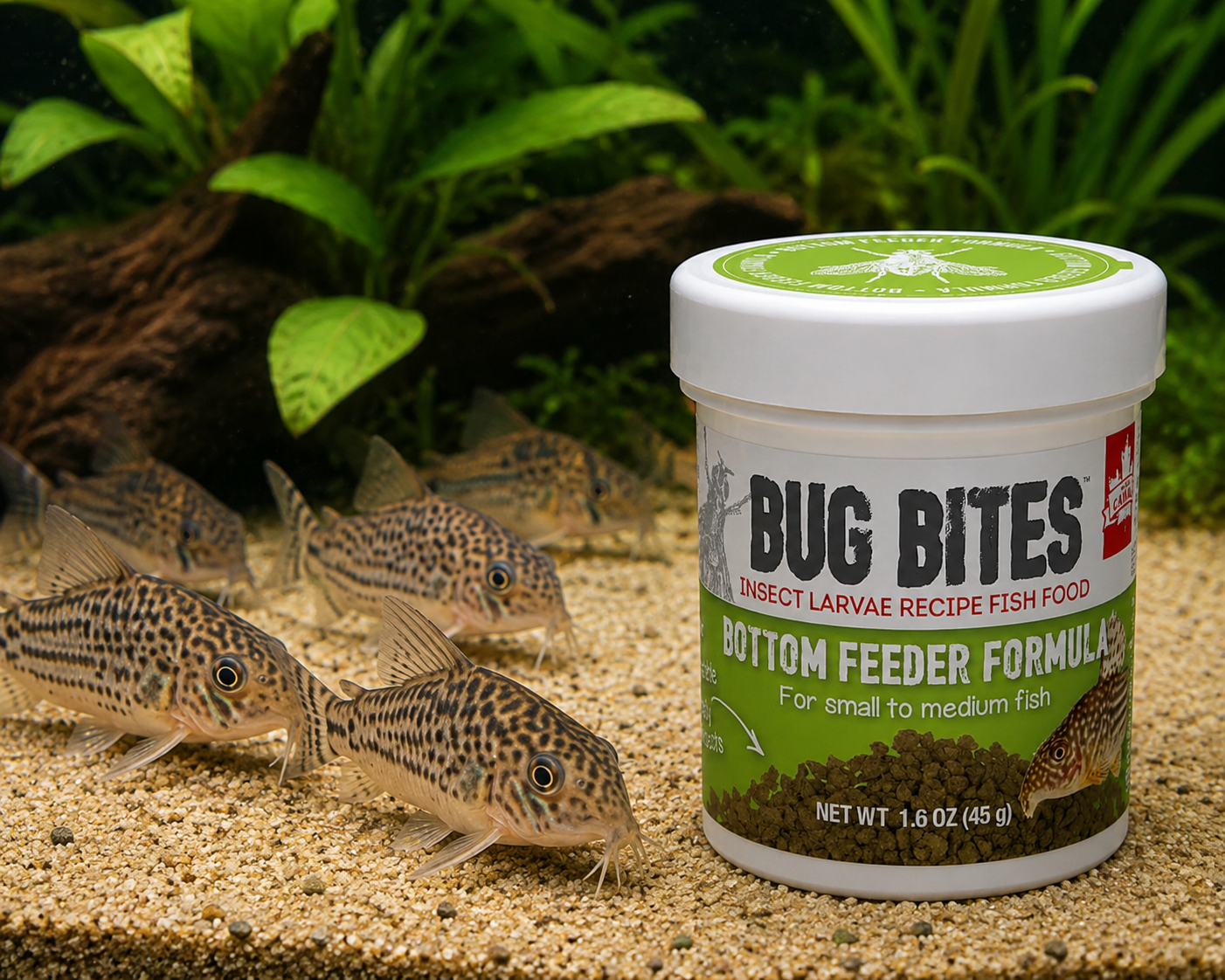
Fluval Bug Bites Bottom Feeder Formula
Fluval Bug Bites Bottom Feeder Formula is a high-protein sinking food made with sustainably sourced insect larvae. Ideal for Corydoras and other bottom-dwelling fish, it provides balanced nutrition to support healthy growth, vibrant colour and natural feeding behaviour. The slow-sinking granules are perfect for feeding on the aquarium substrate.
Search on Amazon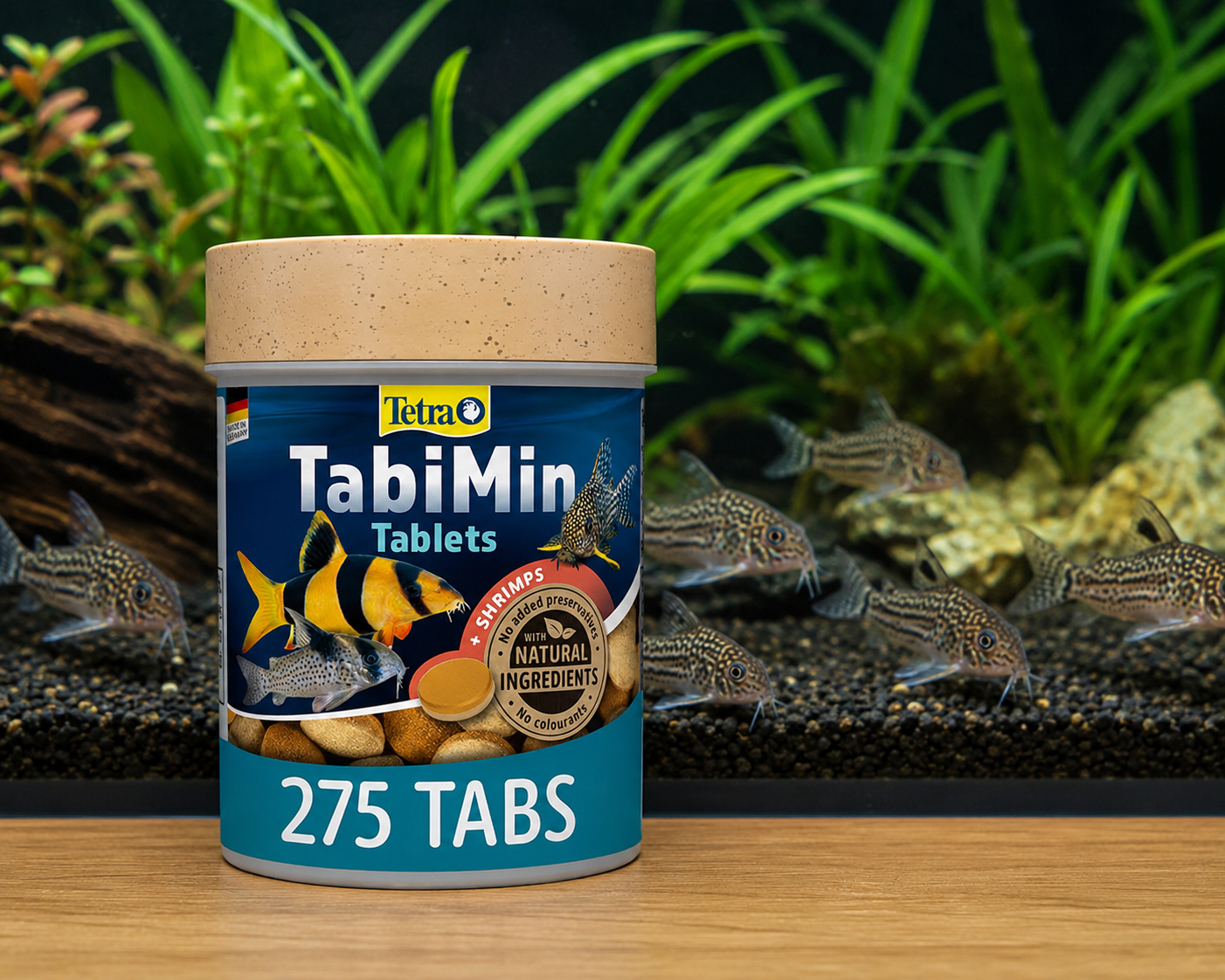
Tetra TabiMin Tablets
Tetra TabiMin Tablets are complete sinking food tablets designed for bottom-feeding fish such as Corydoras catfish. The tablets quickly sink to the substrate, providing a balanced diet that supports healthy growth, natural feeding behaviour and vibrant colours while reducing competition from surface-feeding fish.
Search on Amazon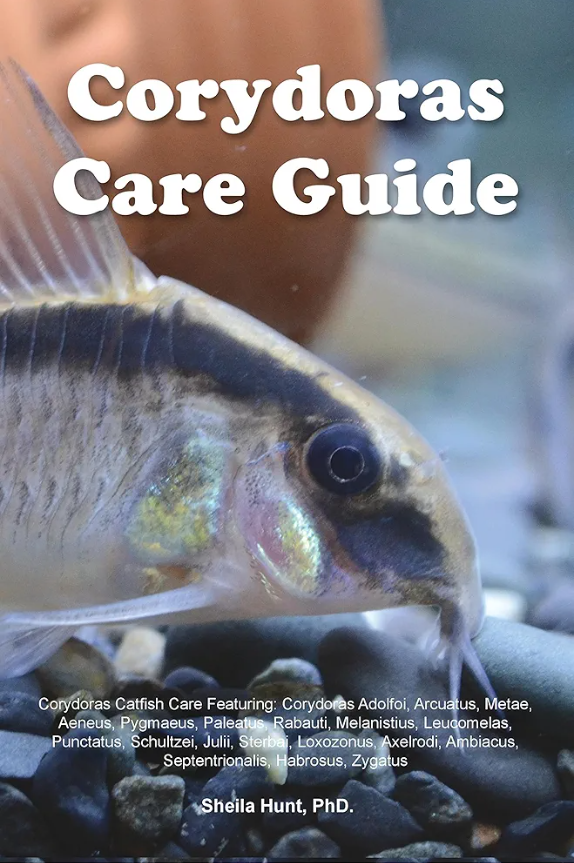
Corydoras Care Guide – Paperback & Kindle Edition
Learn how to successfully keep healthy, thriving Corydoras catfish with our comprehensive care guide. Covering aquarium setup, water conditions, feeding, compatible tank mates and long-term care, this practical guide is available in both paperback and Kindle editions, making it easy to access whether you're a beginner or an experienced aquarist.
Search on Amazon